Greek Feta and Cucumber Bite Skewers: Easy Healthy Appetizer Recipe
This Greek Feta and Cucumber Bite Skewers: Easy Healthy Appetizer Recipe brings the sunny flavors of the Mediterranean directly to your table. Imagine crisp cucumber chunks paired with creamy, tangy feta cheese. Then think of briny kalamata olives and sweet cherry tomatoes. When you combine these ingredients on a simple toothpick or skewer, you create a bite-sized explosion of flavor. This Greek Feta and Cucumber Bite Skewers: Easy Healthy Appetizer Recipe works perfectly for summer parties, light lunches, or quick snacks. Furthermore, it requires absolutely no cooking. You will feel like a culinary artist when you arrange these colorful skewers on a platter.
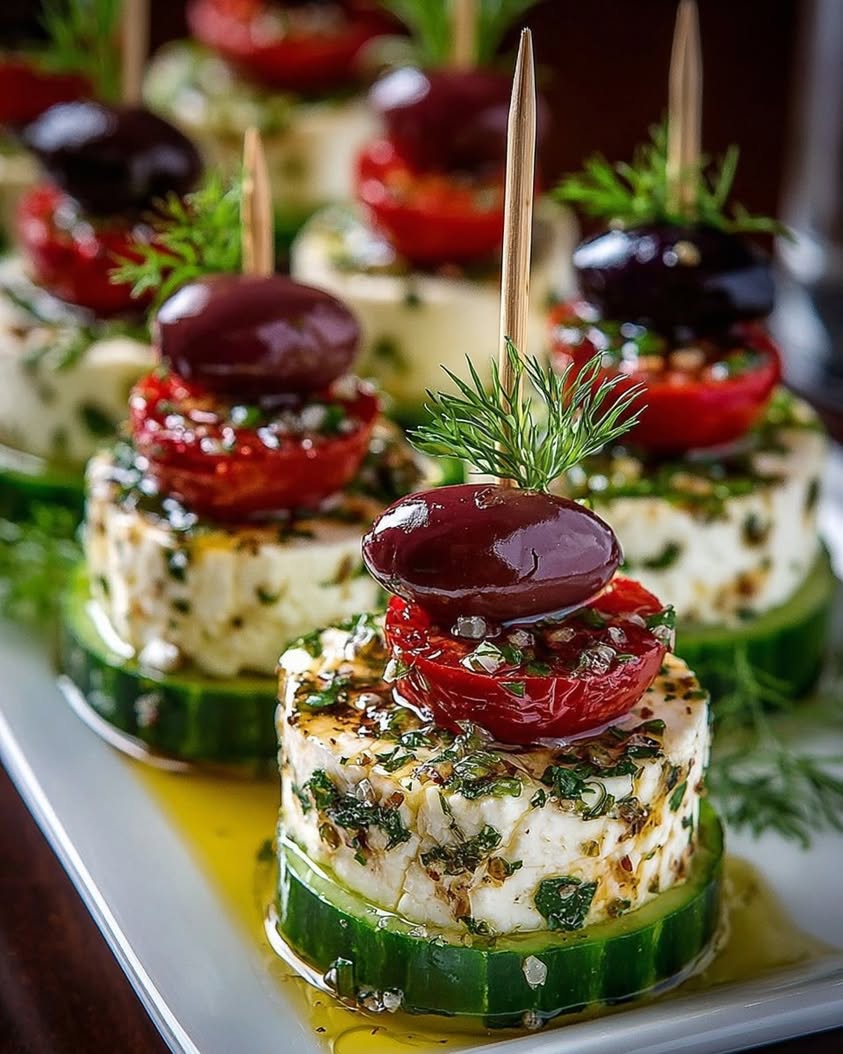
Moreover, this Greek Feta and Cucumber Bite Skewers: Easy Healthy Appetizer Recipe offers a refreshing alternative to heavy, cheese-laden appetizers. The cucumber provides a satisfying crunch and hydrating quality. Meanwhile, the feta cheese adds a salty, creamy contrast. Additionally, the olives bring an earthy depth that elevates the entire experience. Best of all, you can prepare this dish in under fifteen minutes. So, if you are hosting a last-minute gathering or simply want a nutritious snack, these skewers deliver. They also look stunning on any appetizer table. The bright red tomatoes, green cucumber, white feta, and dark purple olives create a visual feast.
Finally, this recipe embodies the simplicity of Greek cuisine. Authentic Greek food emphasizes fresh, high-quality ingredients. Consequently, you do not need complex techniques or exotic tools. Just gather your produce, cut it into uniform pieces, and thread them onto skewers. The result is a dish that tastes like a vacation on the coast of Greece. Whether you serve these at a barbecue, a bridal shower, or a weeknight dinner, they always impress. Therefore, let us dive into the details of this wonderful Greek Feta and Cucumber Bite Skewers: Easy Healthy Appetizer Recipe.
Quick Recipe Highlights
- Flavor Profile: This appetizer features a bright and tangy taste. The creamy feta cheese balances the acidity of cherry tomatoes. Additionally, the salty olives complement the cool, watery cucumber.
- Texture: Expect a wonderful contrast of textures. The cucumber offers a crisp snap, while the feta is soft and creamy. Moreover, the olives provide a tender, meaty bite.
- Aroma: The key aromatic notes come from the fresh cucumber and a drizzle of extra virgin olive oil. Often, a sprinkle of dried oregano adds an herbal fragrance. The overall aroma is clean and inviting.
- Visual Appeal: This dish is a vibrant masterpiece. The deep green cucumber, bright red tomatoes, white feta cubes, and dark purple olives create an appetizing color palette. Furthermore, arranging them on a white platter enhances their beauty.
- Skill Level Needed: This recipe is perfect for beginners. You only need basic knife skills and the ability to assemble skewers. There are no complicated techniques or temperature requirements. Consequently, even children can help prepare these bites.
- Special Equipment: You only need a sharp knife and a cutting board. Additionally, you will need short skewers or toothpicks. Cocktail skewers or wooden picks work wonderfully for this purpose.
Recipe Overview
- Difficulty Level: This Greek Feta and Cucumber Bite Skewers: Easy Healthy Appetizer Recipe is rated as easy. The reason is that there is no heat involved and only simple assembly. You simply chop the ingredients and thread them onto skewers. Furthermore, there are no critical timing or temperature concerns. Therefore, anyone can master this recipe on the first try.
- Category: This dish fits perfectly into the appetizer category. It also works well as a snack, a light lunch, or a party finger food. Additionally, it serves as a beautiful side dish for grilled meats. You can even include it in a meze platter.
- Cuisine: This recipe draws directly from Greek culinary tradition. Greek cuisine values fresh, seasonal vegetables and quality cheeses. Moreover, the combination of feta, olives, and oregano is a classic Mediterranean flavor profile. This dish represents the Greek concept of “meze,” which are small plates shared among friends.
- Cost: Making this appetizer is quite affordable. A block of feta cheese costs around three to five dollars. A cucumber and a pint of cherry tomatoes are also inexpensive. Olives are moderately priced but last a long time. Overall, you can feed a crowd for under ten dollars.
- Season: This recipe shines best in the summer. During summer, cucumbers and tomatoes are at their peak freshness and flavor. However, you can enjoy these skewers year-round. In winter, use the best quality imported olives and feta to brighten your table.
- Occasion: These skewers suit many occasions. They are perfect for casual backyard barbecues, elegant cocktail parties, or holiday gatherings. They also work well for school events and potlucks. Furthermore, they make a healthy after-school snack for kids.
Why You’ll Love This Recipe
The taste and texture appeal of this recipe is truly remarkable. Each bite delivers a burst of cool, creamy, and tangy flavors. The cucumber provides a hydrating, crisp base that contrasts perfectly with the rich feta cheese. Meanwhile, the tomato adds a burst of sweetness, and the olive contributes a salty, briny punch. This combination creates a balanced and satisfying mouthfeel. You will love how the flavors mingle without overwhelming each other. Therefore, each skewer feels like a complete and refreshing experience.
Convenience and preparation benefits are major highlights of this recipe. You can prepare the entire dish in under fifteen minutes. There is no cooking, no baking, and no complicated equipment required. Additionally, you can chop the ingredients ahead of time. Then, you simply assemble the skewers right before serving. This makes it an ideal choice for busy hosts. Furthermore, cleanup is incredibly easy. You only use a knife, a cutting board, and a serving platter. Consequently, you spend less time in the kitchen and more time with your guests.
Nutritional advantages make this appetizer a smart choice. Cucumbers are low in calories and high in water content, which promotes hydration. Additionally, feta cheese provides protein and calcium for bone health. Olives offer healthy monounsaturated fats that support heart health. Cherry tomatoes are packed with vitamin C and lycopene, a powerful antioxidant. Together, these ingredients create a nutritious and satisfying snack. This Greek Feta and Cucumber Bite Skewers: Easy Healthy Appetizer Recipe fits perfectly into a balanced diet. You can enjoy it without any guilt.
Social and entertaining value is another reason to love this recipe. These skewers are inherently shareable and fun to eat. They encourage guests to mingle and graze. Furthermore, their vibrant colors make them a stunning centerpiece on any appetizer table. They also work well as part of a larger meze spread. You can serve them alongside hummus, pita bread, and dolmades. Additionally, they are easy to pick up and eat with one hand, which allows guests to hold a drink in the other. This makes them perfect for cocktail parties.
Cost-effectiveness and accessibility are final key benefits. The ingredients for this recipe are widely available at any grocery store. You do not need specialty items or expensive imported products. Furthermore, the recipe easily scales for a larger crowd. A little bit of feta and a few olives go a long way. Therefore, you can feed many people with minimal investment. This makes it an excellent choice for budget-conscious entertainers. You can create a gourmet-looking appetizer without breaking the bank.
Historical Background and Cultural Significance
This combination of ingredients has deep roots in Greek culinary history. The practice of enjoying small bites, or meze, dates back to ancient times. Greeks would gather around a table with small dishes of olives, cheese, and vegetables. Furthermore, the concept of sharing food from a common platter fosters community and conversation. This recipe honors that tradition. The specific pairing of cucumber and feta is a classic Greek salad combination in miniature form. Therefore, each skewer is a nod to the iconic Horiatiki salata, or Greek village salad.
Feta cheese itself holds a protected designation of origin status in the European Union. This means that true feta must come from Greece and be made from sheep’s milk or a mixture of sheep’s and goat’s milk. Its production has been perfected over centuries. The cheese is brined, which gives it its characteristic salty flavor and crumbly yet creamy texture. Consequently, feta is a cornerstone of Greek cuisine. It appears in salads, pastries, and baked dishes. This skewer recipe showcases feta in its purest form.
The evolution of this recipe is quite interesting. Originally, Greek cooks would simply plate cucumber, tomatoes, olives, and feta together. Then, someone cleverly thought to thread them onto a skewer. This innovation transformed a simple salad into a portable, party-friendly appetizer. The skewer format gained popularity in the United States in the late twentieth century. It appealed to hosts looking for easy-to-eat finger foods. Furthermore, the visual appeal of the skewer made it perfect for social media sharing. Therefore, this recipe is a modern twist on an ancient tradition.
Regional variations of this recipe exist throughout the Mediterranean. In Turkey, a similar appetizer might use beyaz peynir (white cheese) instead of feta. In Cyprus, halloumi cheese is sometimes used and grilled for a smoky flavor. In some regions of Greece, cooks add a drizzle of caper brine or a sprinkle of sumac for extra tanginess. Additionally, some versions include pickled peppers or artichoke hearts. These variations show how versatile the core concept is. Yet, this classic Greek Feta and Cucumber Bite Skewers: Easy Healthy Appetizer Recipe remains a beloved standard.
Ingredient Deep Dive
Feta cheese is the star ingredient of this recipe. Culturally, feta has been produced in Greece for thousands of years. It is a symbol of Greek culinary heritage and is enjoyed across the world. Nutritionally, feta is rich in calcium, protein, and vitamin B12. It also contains beneficial bacteria from the brining process. When selecting feta, look for a block stored in brine. Avoid pre-crumbled varieties, as they are often drier and less flavorful. The texture should be firm but slightly crumbly. For storage, keep the feta submerged in its brine in the refrigerator. It will stay fresh for several weeks. Good substitution options include mild goat cheese, mozzarella balls, or even tofu for a dairy-free version.
Cucumber provides the refreshing base for these skewers. Cucumbers have a long history in Mediterranean agriculture, dating back to ancient India and the Middle East. They were brought to Europe by traders and became a staple in Greek gardens. Nutritionally, cucumbers are extremely low in calories and high in water, making them excellent for hydration. They also contain vitamin K and antioxidants like beta-carotene. When selecting cucumbers, choose ones that are firm, dark green, and free of soft spots. English or Persian cucumbers work best because they have thin skins and fewer seeds. For storage, keep cucumbers in the refrigerator crisper drawer. They will stay crisp for about a week. Substitution options include zucchini, celery sticks, or bell pepper chunks.
Kalamata olives are a traditional Greek ingredient. These deep purple, almond-shaped olives come from the Kalamata region of southern Greece. They have a distinct, fruity flavor and smooth texture. Nutritionally, they are rich in healthy monounsaturated fats and iron. Studies show that olives contain anti-inflammatory compounds and antioxidants. When selecting olives, choose ones packed in brine or olive oil, not in vinegar. This preserves their authentic flavor. Look for olives that are plump and have a rich, dark color. For storage, keep them in their liquid in the refrigerator. They will last for several months. Substitution options include black olives, green olives, or capers for a different briny taste.
Cherry tomatoes add sweetness and acidity to the skewers. Tomatoes are a native fruit of South America but became essential to Mediterranean cuisine after the Columbian exchange. In Greece, tomatoes grow abundantly in the summer sun. Nutritionally, cherry tomatoes are an excellent source of vitamin C and lycopene, a powerful antioxidant linked to heart health. When selecting cherry tomatoes, look for ones that are bright red, firm, and heavy for their size. Avoid any with wrinkles or blemishes. For best flavor, store them at room temperature, not in the refrigerator. Cold temperatures dull their taste. They will last for three to five days on the counter. Substitution options include sun-dried tomatoes, roasted red pepper chunks, or yellow pear tomatoes.
Common Mistakes to Avoid
- Using pre-crumbled feta cheese is a mistake. Pre-crumbled feta is often dry and lacks the creamy texture of block feta. It also crumbles apart when you try to thread it onto a skewer. Always buy a block of feta in brine for the best results.
- Cutting the ingredients into uneven sizes will ruin the presentation. If some pieces are too large, they will unbalance the skewer. If others are too small, they will fall off. Aim for uniform, one-inch cubes for a professional look.
- Forgetting to pat the cucumber dry is a common oversight. Excess moisture from the cucumber can make the skewers slippery and cause the other ingredients to slide off. Always pat the cucumber chunks gently with a paper towel before assembling.
- Using dull knives makes the job harder and less safe. A dull knife will crush the tender cucumber and tomato instead of slicing cleanly. Additionally, it increases the risk of slipping and cutting yourself. Use a sharp chef’s knife for best results.
- Assembling the skewers too far in advance is a problem. The salt from the feta and olives can draw moisture out of the cucumber and tomatoes. This makes the skewers soggy and less appealing. Assemble them no more than two hours before serving.
- Skipping the quality check on olives is another mistake. Pitted olives are essential for easy eating. Whole olives with pits can break teeth and ruin the experience. Always double-check that your olives are pitted before threading them.
- Overcrowding the serving platter can make the skewers difficult to pick up. When skewers are packed too tightly, guests may accidentally knock over others. Leave about half an inch of space between each skewer for easy grabbing.
- Neglecting to taste the feta before serving is a common error. Some feta brands are extremely salty, while others are milder. You might need to adjust the amount of added salt or olives accordingly. Always do a quick taste test first.
- Using large skewers meant for grilling is inappropriate for this appetizer. Long skewers look out of proportion and are hard to handle. Use short cocktail skewers or toothpicks that are about four inches long for the perfect bite-sized portion.
- Forgetting to drizzle with olive oil and oregano is a missed opportunity. A high-quality extra virgin olive oil and a sprinkle of dried oregano add authentic Greek flavor. This simple step elevates the dish from good to truly memorable.
Essential Techniques
The most important technique for this Greek Feta and Cucumber Bite Skewers: Easy Healthy Appetizer Recipe is uniform cutting. Why is it important? Perfectly cut cubes ensure that each skewer is balanced and looks professional. They also allow for even flavor distribution in every bite. How do you master it? First, cut the cucumber into rounds about half an inch thick. Then, stack a few rounds and cut them into half-inch strips. Finally, cut the strips crosswise to create even cubes. For the feta, gently slice the block into half-inch slabs, then into strips, and finally into cubes using a sharp knife. The key is gentle sawing motion to avoid crumbling. Common pitfalls include pressing down too hard on the feta, which causes it to break apart. Also, avoid cutting cucumber too thick, as large pieces can be hard to bite. Visual cues for success include seeing clean, sharp edges on the cucumber and distinct, unbroken cubes of feta. All pieces should look similar in size when placed side by side.
Another essential technique is careful assembly of the skewers. Why is it important? The order of ingredients affects both appearance and ease of eating. Proper assembly ensures that the skewer holds together and presents well. How do you master it? Start by holding a short skewer or toothpick. Then, thread a cherry tomato onto it first. The tomato acts as a stable base. Next, add a cube of feta cheese. After that, thread a kalamata olive onto the skewer. Finally, finish with a cucumber cube. This order creates a pleasing color gradient from red to white to dark purple to green. Common pitfalls include threading everything in random order, which looks messy. Also, threading the feta too close to the tip can cause it to slip off. Visual cues for success include seeing a symmetrical pattern on each skewer. The ingredients should fit snugly together without being crushed.
Proper dressing is the final crucial technique. Why is it important? The extra virgin olive oil and oregano add a layer of authentic Greek flavor. Without this step, the skewers taste a bit plain. How do you master it? After assembling all skewers on the platter, drizzle a small amount of high-quality olive oil over the top. Use a gentle hand to avoid drowning the ingredients. Then, sprinkle a pinch of dried oregano evenly over the skewers. Do not use too much oregano, as it can become bitter. Common pitfalls include using low-quality olive oil that tastes harsh or rancid. Also, adding the oil too early can make the skewers soggy. Visual cues for success include seeing a light, glossy sheen on the ingredients. The oregano flecks should be visible but not clumpy.
Pro Tips for Perfect Greek Feta and Cucumber Bite Skewers
First, always buy a high-quality block of feta cheese from the refrigerated section of your grocery store. Avoid the shelf-stable, pre-crumbled varieties at all costs. A good feta should be creamy enough to spread slightly but firm enough to hold its shape.
Second, consider using English or Persian cucumbers for the best texture. These varieties have thin skins and fewer seeds than standard cucumbers. They also stay crispier for longer, which is crucial for this no-cook recipe.
Third, if you want to add a bit of brightness, include a small fresh basil leaf between the tomato and the feta. The herb adds a wonderful aromatic quality. Alternatively, a tiny mint leaf also pairs nicely with the cucumber.
Fourth, make sure your skewers are short enough for a single bite. Standard party toothpicks are perfect. If you use longer skewers, the ingredients may slide around. Aim for a total length of about three to four inches.
Fifth, for a more intense flavor, marinate the feta cubes in a little olive oil and oregano for about fifteen minutes before assembling. This step allows the cheese to absorb more of the Mediterranean flavors. Just drain any excess oil before threading.
Sixth, serve these skewers chilled but not ice-cold. Remove them from the refrigerator about ten minutes before serving. This allows the flavors to open up. Extremely cold temperatures can dull the taste of the tomatoes and olive oil.
Seventh, consider a squeeze of fresh lemon juice over the finished skewers. A small amount of acidity brightens all the flavors. It also adds a beautiful freshness that complements the creamy feta and rich olives perfectly.
Eighth, always use a serrated knife to cut the cherry tomatoes. A serrated blade grips the skin and prevents the tomato from squishing. This small tool makes a huge difference in maintaining the tomato’s shape and keeping all the juices inside.
Variations and Adaptations
Regional variations of this skewer concept are abundant throughout the Mediterranean. In Spain, cooks might use manchego cheese and green olives with a drizzle of sherry vinegar. In Italy, fresh mozzarella balls, basil leaves, and sun-dried tomatoes create a Caprese-style skewer. In the Middle East, halloumi cheese is grilled and paired with watermelon cubes and mint. Each variation honors local ingredients and tastes. However, this Greek version remains the most iconic. The combination of feta, cucumber, tomato, and olive is timeless. It pairs with nearly any cuisine.
Seasonal adaptations help you enjoy this recipe year-round. In the summer, use peak-season cherry tomatoes and fresh garden herbs. In the fall, substitute grilled or roasted red peppers for the tomatoes. You can also add cubes of roasted butternut squash for warmth. In the winter, use sun-dried tomatoes packed in oil for a more intense flavor. In the spring, add fresh asparagus tips or artichoke hearts. Furthermore, you can change the herb based on the season. Fresh dill in the spring, basil in the summer, and rosemary in the winter all work well.
Dietary modifications make this recipe suitable for many eating plans. For a dairy-free version, substitute the feta with marinated tofu or a plant-based feta alternative. The tofu will absorb the olive oil and oregano nicely. For a lower-sodium version, use low-sodium olives and rinse the feta in cold water for a minute. This process removes some of the briny salt. For a nut-free version, simply avoid any nut-based additions. The recipe as written is naturally gluten-free and nut-free, which makes it safe for most allergy-prone guests.
Flavor variations can completely transform the taste profile. For a spicy kick, add a thin slice of pickled jalapeno to each skewer. For a more herbal flavor, use fresh dill or mint instead of oregano. For a smoky twist, use smoked paprika or chipotle powder sprinkled over the feta before assembling. For a sweeter version, add a small piece of dried fig or date alongside the feta. Finally, for a citrusy version, add a small cube of lemon or orange zest to the olive oil dressing. These small changes create entirely new appetizers.
Texture modifications can also enhance the experience. For added crunch, roll the feta cubes in toasted sesame seeds or finely chopped pistachios. This creates an exterior crunch that contrasts with the creamy interior. For a softer texture, use roasted cherry tomatoes instead of fresh. Roasting concentrates their sweetness and creates a juicy, almost jammy texture. For a more substantial bite, add a slice of grilled bread or a small toast point to the skewer. This turns the appetizer into a mini bruschetta.
Presentation alternatives can change the way you serve this dish. Instead of individual skewers, you can arrange the ingredients on a large platter in rows. This deconstructed version allows guests to build their own bites. Alternatively, you can serve the components in a large glass, layered like a parfait. The visual effect is striking. For a more elegant look, use long, thin metal skewers instead of wooden toothpicks. These can be reused and add a modern touch. You can also serve them on a bed of arugula or lettuce for added greenery.
Serving and Presentation Guide
Plating techniques for this recipe are simple yet effective. The best approach is to arrange the skewers on a large, flat platter. A white ceramic or marble platter works best because it contrasts with the colorful ingredients. Arrange the skewers in neat rows or in a circular pattern. You can also fan them out like spokes on a wheel. Avoid piling them on top of each other, as this can crush the ingredients. Leave a small gap between each skewer for easy handling.
Garnishing ideas can elevate the visual appeal of your platter. Scatter a few extra kalamata olives and cherry tomatoes around the skewers. This fills empty space and adds abundance. Additionally, sprinkle a few fresh mint or basil leaves over the top. A light drizzle of extra virgin olive oil over the entire platter adds a professional sheen. Finally, add coarse sea salt and black pepper on the edges of the platter for a finishing touch. This creates a restaurant-quality presentation.
Traditional accompaniments to these skewers are rooted in Greek cuisine. Serve them alongside warm pita bread and a bowl of creamy hummus. Tzatziki sauce, which contains yogurt, cucumber, and garlic, is another excellent pairing. Additionally, a bowl of marinated olives and roasted red peppers completes the meze spread. These accompaniments create a full and satisfying meal. You can also add dolmades, or stuffed grape leaves, for more variety.
Modern serving suggestions include using these skewers as a salad topping. Place a few skewers on top of a bed of mixed greens for a refreshing lunch. You can also include them in a grain bowl with quinoa or farro. For a brunch setting, serve them alongside scrambled eggs or a frittata. The bright flavors cut through the richness of the eggs. For a cocktail party, pair them with sparkling water and white wine.
Temperature considerations are important for maximum enjoyment. These skewers are best served chilled or at cool room temperature. If you keep them in the refrigerator, let them sit out for about ten minutes before serving. This takes the chill off and allows the flavors to bloom. Do not serve them straight from a hot car or in direct sunlight, as the cheese can become oily. The ideal serving temperature is around 50 to 60 degrees Fahrenheit.
Portion control tips help you plan for a crowd. A typical serving for an appetizer is two to three skewers per person. For a main course salad or grain bowl, you might serve four or five skewers. For a party, plan on about twelve skewers per person if you are serving a full meal. If the skewers are part of a larger appetizer spread, six skewers per person is sufficient. Always prepare a little extra, as guests often enjoy having more.
Wine and Beverage Pairing
Wine pairings for this Greek Feta and Cucumber Bite Skewers: Easy Healthy Appetizer Recipe are straightforward. A crisp, dry white wine like Assyrtiko from Santorini is a classic choice. Its high acidity and citrus notes complement the tangy feta and fresh vegetables. Alternatively, a Sauvignon Blanc from New Zealand works well. Its herbaceous qualities match the oregano in the dressing. For a lighter option, a dry rosé wine, particularly a Provencal style, pairs beautifully. The red berry notes of the rosé do not overwhelm the delicate flavors of the skewers.
Non-alcoholic alternatives are plentiful for this recipe. A sparkling water with a squeeze of lemon or lime is refreshing and does not compete with the food. Another great option is iced green tea with mint. The herbal quality of the tea matches the Mediterranean flavors. For a festive touch, serve a homemade lemonade with a sprig of rosemary. The tartness of the lemonade cuts through the creamy feta nicely. Kombucha with a ginger flavor also provides a pleasant tang.
Coffee and tea pairings are less common for this appetizer but still possible. If you are serving these skewers at a brunch, a light black tea like Earl Grey works well. The bergamot notes do not clash with the food. For a lunch setting, an iced matcha latte provides a creamy, slightly grassy backdrop. However, avoid strong, dark-roasted coffee, as its bitterness can overpower the delicate flavors of the cucumber and feta.
Temperature considerations for beverages are important. Always serve white wines and rosés chilled, between 45 and 50 degrees Fahrenheit. Red wines are not recommended for this appetizer, as their tannins can clash with the acidity of the tomatoes and olives. Non-alcoholic drinks should also be served chilled. Warm beverages, such as hot tea, are not ideal because the heat can wilt the fresh ingredients when the skewers are served cold.
Serving suggestions for beverages include offering a self-serve bar. Provide a few wine options, sparkling water, and various non-alcoholic drinks. For a party, you can also create a signature cocktail with gin, cucumber, and a splash of lemon juice. This echoes the flavors of the skewers. Alternatively, a classic Greek ouzo on the rocks is a potent but traditional pairing. Serve it with a small dish of ice water on the side.
Storage and Shelf Life
Storage methods for these skewers require careful attention. Because this is a no-cook recipe with fresh vegetables, it is best eaten the same day. However, you can store leftovers in an airtight container in the refrigerator. Place a paper towel on the bottom of the container to absorb excess moisture. This helps prevent the ingredients from becoming soggy. Make sure the container is sealed tightly to prevent the feta from drying out. Do not store them at room temperature for more than two hours.
Temperature requirements are critical for food safety. Keep the skewers refrigerated at 40 degrees Fahrenheit or below at all times. If you are serving them outdoors, place the platter over a bed of ice to maintain a cool temperature. Do not leave the skewers out in direct sunlight or near a heat source. The dairy in the feta can spoil quickly, and the vegetables can wilt. Always bring the skewers out of the refrigerator just before serving.
Container recommendations include using glass or plastic containers with tight-fitting lids. A silicone food storage bag also works well. Avoid using metal containers, as the acidity of the tomatoes and olives can react with the metal. This can cause a metallic taste. If you are stacking multiple layers of skewers in one container, separate the layers with parchment paper. This prevents them from sticking together and keeps the skewers neat.
Signs of spoilage are easy to identify. The most obvious sign is a sour or off smell coming from the feta or tomatoes. The cucumber may become slimy or soft. The olives may develop a wrinkled appearance. If you see any mold, especially on the feta, discard the entire batch immediately. Do not try to salvage the good pieces, as mold spores can spread quickly. Food safety is always the top priority.
Reheating instructions do not really apply to this cold appetizer. You should never microwave or heat these skewers, as the feta will melt and the vegetables will become mushy. If you prefer a warm version, you can grill the skewers very briefly over high heat for about thirty seconds per side. This will soften the tomatoes and create a slight char. However, this method changes the recipe significantly. It is best to enjoy them cold.
Freezing guidelines are not recommended for this recipe. The high water content in cucumbers and tomatoes means they will become mushy and watery when thawed. The feta will also lose its creamy texture and become grainy. Therefore, it is best to prepare only the amount you plan to consume. If you have extra ingredients that are not assembled, you can chop them and freeze them separately only for use in cooked dishes like soups or stews.
Make Ahead Strategies
Prep timeline for this recipe is very flexible. You can complete all the chopping up to eight hours before serving. For the best results, chop the cucumber and feta about two hours ahead. Store them separately in airtight containers in the refrigerator. The cherry tomatoes and olives can also be prepped ahead. Keep the tomatoes whole until you are ready to thread them to prevent them from leaking juice. The key is to assemble the skewers no more than two hours before serving to maintain freshness.
Storage between steps requires careful separation. Keep the chopped cucumber in a bowl lined with a paper towel to absorb excess moisture. Keep the feta in its brine or in a small bowl covered with plastic wrap. The olives should stay in their brine as well. The cherry tomatoes can sit at room temperature for the best flavor, but if you prefer them chilled, keep them in the refrigerator. Combine nothing until the final assembly. This prevents the ingredients from leaking into each other.
Quality impact assessment shows that this recipe is best enjoyed fresh. The texture of the cucumber deteriorates the longest it sits. After about four hours, the salt from the feta and olives starts to draw moisture from the cucumber. This makes the cucumber less crisp and more watery. The feta also begins to dry out if exposed to air. Therefore, while make-ahead prep saves time, the final assembly should happen close to serving time. Do not skip this step.
Assembly tips for make-ahead success are straightforward. Set up an assembly line right before your guests arrive. Place all the prepped ingredients in separate bowls. Put the skewers in a cup for easy grabbing. Then, thread the ingredients one at a time. Work quickly and efficiently. If you are having a party, ask a friend or family member to help you assemble. The process is simple and fun. You can transform twenty minutes of assembly into a social activity.
Reheating guidelines are not relevant for this dish, but you can make other preparations. For example, you can prepare a dipping sauce in advance. A simple Greek yogurt sauce with garlic, dill, and lemon juice complements these skewers wonderfully. You can also pre-mix the olive oil and oregano dressing. Store it in a small jar and drizzle it over the skewers just before serving. This keeps the flavors fresh and bright.
Fresh element additions can be added at the last minute. Just before serving, sprinkle a handful of fresh dill, mint, or parsley over the skewers. This adds a burst of color and brightness. You can also add a few edible flowers for an elegant touch. Additionally, a final squeeze of fresh lemon juice brings everything to life. These fresh touches should never be added ahead of time, as they will wilt or become bitter.
Scaling Instructions
Halving the recipe is very simple. If you only need six skewers instead of twelve, simply cut all ingredient quantities in half. Use half a cucumber, half a block of feta, half a pint of cherry tomatoes, and half a cup of olives. The assembly process remains the same. However, be careful when cutting the feta. A smaller block is harder to cut into even cubes. Use a sharp knife Print
Greek Feta & Cucumber Bite Skewers
- Total Time: 15 minutes
- Yield: 4
Description
Refreshing and tangy bite-sized skewers featuring crisp cucumber, creamy feta cheese, and classic Greek flavors, perfect for appetizers or light snacks.
Ingredients
- 1 large English cucumber, sliced into 1/2-inch rounds
- 8 oz block of feta cheese, cut into 1/2-inch cubes
- 1/4 cup Kalamata olives, pitted and halved
- 1/4 cup cherry tomatoes, halved
- 2 tablespoons extra virgin olive oil
- 1 tablespoon fresh lemon juice
- 1 teaspoon dried oregano
- Salt and pepper to taste
- Fresh mint leaves for garnish (optional)
- Wooden skewers or toothpicks
Instructions
- In a small bowl, whisk together olive oil, lemon juice, dried oregano, salt, and pepper to make the dressing.
- Thread a cucumber round, a feta cube, a halved cherry tomato, and an olive half onto each skewer, alternating as desired.
- Arrange the skewers on a serving platter and drizzle the dressing evenly over them.
- Garnish with fresh mint leaves if using, and serve immediately or refrigerate for up to 1 hour before serving.
Notes
You can customize the seasonings to taste. Add a pinch of red pepper flakes for heat or swap mint with fresh dill.
- Prep Time: 15 minutes
- Cook Time: 0 minutes
- Method: Appetizer
- Cuisine: Greek