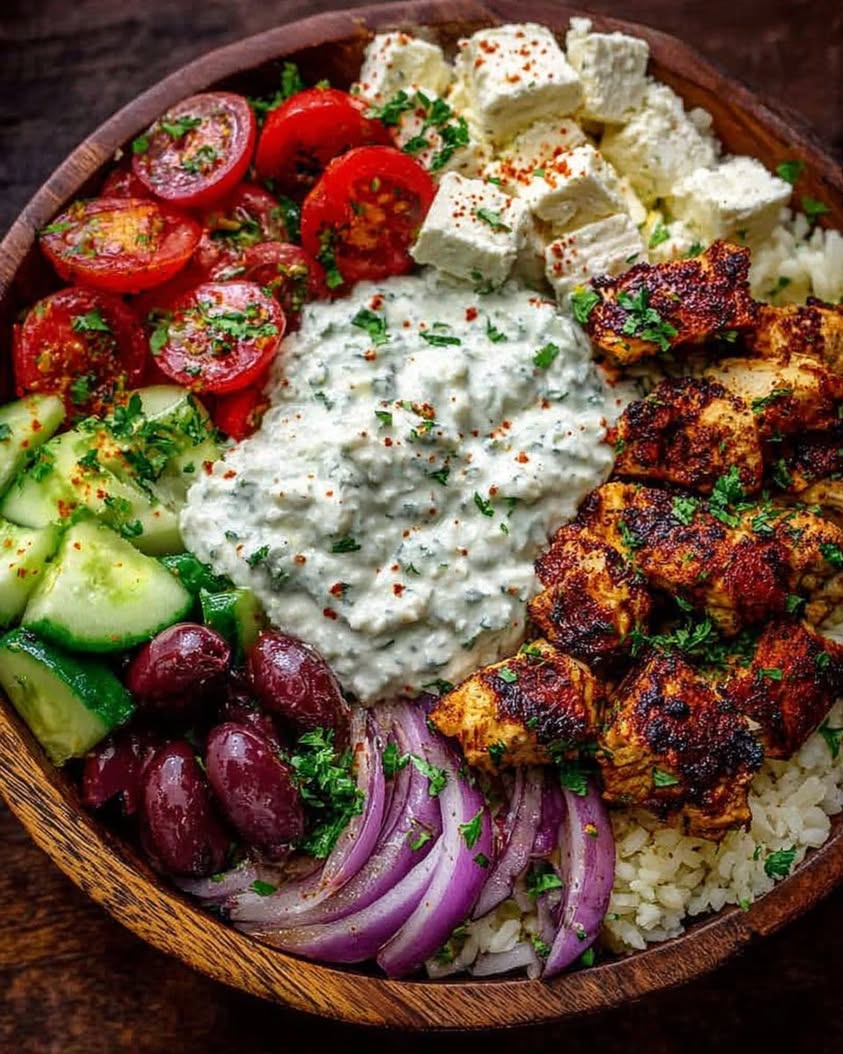
You deserve a dinner that brings the vibrant flavors of a Mediterranean taverna straight to your kitchen without a passport or a plane ticket. This Greek Chicken Souvlaki Bowls with Garlic Sauce recipe delivers exactly that experience with minimal fuss and maximum taste. Imagine tender, marinated chicken pieces that have soaked up a bright marinade of lemon, garlic, and oregano. You grill or sear them until they develop a beautiful char on the outside while staying juicy on the inside. Then you pile everything into a bowl with fluffy rice, crisp vegetables, and a generous drizzle of a creamy, tangy garlic sauce. It is a complete meal that feels both indulgent and wholesome.
I make this Greek Chicken Souvlaki Bowls with Garlic Sauce recipe at least twice a month, and it never fails to disappear quickly. The magic lies in the simplicity of the ingredients and the boldness of the flavors. You get a wonderful mix of textures from the warm chicken, the cool crunch of cucumber and tomato, and the soft, comforting base of rice. The garlic sauce, known as tzatziki in its traditional form but simplified here for everyday cooking, ties everything together with its creamy, herby finish. It is a bowl that feels light yet satisfying, making it perfect for a busy weeknight dinner or a relaxed weekend meal with friends. You will love how the citrusy marinade cuts through the richness of the yogurt sauce, creating a perfect balance on your palate.
The process is straightforward and forgiving, which is why I consider it a cornerstone recipe for home cooks. You start by whisking together olive oil, lemon juice, minced garlic, dried oregano, salt, and pepper. Then you toss in chunks of boneless, skinless chicken thighs or breasts and let them marinate for at least thirty minutes. While the chicken marinates, you prepare your garlic sauce by combining Greek yogurt, grated cucumber, more garlic, a splash of lemon juice, and some fresh dill. Then you cook your rice, chop your vegetables, and get your grill pan or skillet hot. The chicken cooks quickly in about ten to twelve minutes, and then you assemble your bowls. It is a meal that comes together in under an hour, but the flavors taste like they have been developing all day.
Quick Recipe Highlights
- Flavor Profile: You get a bright, citrusy punch from the lemon and oregano marinade that infuses the chicken with a classic Greek taste. The garlic sauce adds a cool, tangy contrast with its creamy yogurt base and fresh dill. A finishing sprinkle of salt and a squeeze of lemon brighten every bite.
- Texture: This recipe delivers a wonderful contrast of textures. The chicken develops a crisp, slightly charred exterior while remaining tender and juicy inside. The creamy sauce and soft rice provide a smooth base against crunchy cucumber, crisp red onion, and juicy tomatoes.
- Aroma: Your kitchen will fill with the inviting scent of garlic and oregano as the chicken hits the hot pan. Fresh lemon zest adds a bright, clean note, while the garlic sauce contributes a subtle tang. The combination is truly mouthwatering and will draw everyone to the table.
- Visual Appeal: The bowls are a feast for the eyes with their vibrant colors. You see the golden-brown chicken pieces alongside bright green cucumbers, deep red tomatoes, purple red onion, and the stark white of the garlic sauce. It looks as fresh and inviting as it tastes.
- Skill Level Needed: This recipe is perfect for beginners and experienced cooks alike. The techniques used are basic chopping, whisking, and pan-searing. You do not need any advanced culinary skills to achieve a fantastic result on your first try.
- Special Equipment: You need a large bowl for marinating, a mixing bowl for the sauce, and a cutting board. A large skillet or grill pan is ideal for cooking the chicken, but a regular frying pan works well too. A small food processor or a box grater helps with the cucumber for the sauce.
Recipe Overview
- Difficulty Level: I rate this recipe as easy because the steps are straightforward and the ingredients are simple to find. You do not need to worry about complicated techniques like tempering eggs or making a roux. The most challenging part is timing the components so everything is ready at once, but a little planning makes that simple.
- Category: You can serve these bowls for a hearty weeknight dinner or a fun, casual lunch. They also work beautifully for meal prep because the components store well separately. This recipe fits into the category of healthy bowls, Mediterranean cuisine, and quick dinner ideas.
- Cuisine: This dish draws inspiration from Greek street food, specifically souvlaki skewers served with pita and tzatziki. The marinade uses classic Greek flavors like lemon, garlic, and oregano. I have adapted the components into a bowl format for easier eating and a more balanced meal. It pays homage to the original while being practical for modern home cooking.
- Cost: This is a very budget-friendly meal. Chicken thighs or breasts are generally affordable, and Greek yogurt, cucumbers, and rice are pantry staples. The fresh herbs and lemons add a little cost but are widely available. You can make four generous servings for under twenty dollars total.
- Season: You can enjoy this recipe year-round because the main ingredients are always in season. It is especially refreshing during the summer months when cucumbers and tomatoes are at their peak. The light, bright flavors also make it a welcome break from heavy winter foods.
- Occasion: These bowls are perfect for a casual dinner party where guests can build their own bowls. They work great for a family dinner, a post-workout meal, or a lunch you can pack for work. I have also served them at summer barbecues as a lighter alternative to heavier grilled meats.
Why You Will Love This Recipe
You will love this Greek Chicken Souvlaki Bowls with Garlic Sauce recipe first and foremost for its incredible taste and satisfying texture. Each bite delivers a burst of bright, herby flavor from the lemon and oregano marinade. The chicken itself is juicy and tender, with a subtle smokiness from the grill pan. Then you get the cool, creamy tang of the garlic sauce that cuts through the richness perfectly. The fresh vegetables add a crisp, refreshing crunch that balances every mouthful. It is a symphony of flavors and textures that feels both exciting and comforting. You will find yourself craving this meal regularly because it hits every note you want in a dinner.
Convenience is another major reason you will adore this recipe. You can prep the marinade and the garlic sauce a day ahead to make dinner even faster. The actual cooking time is only about twenty minutes, which is perfect for a busy weeknight. You do not need any specialized equipment or hard-to-find ingredients. The entire process is forgiving enough that you can adjust cooking times based on your schedule. Even if you have to skip the extended marination, a quick thirty-minute soak still produces flavorful chicken. This recipe works with your life, not against it.
Nutritionally, these bowls are a powerhouse of good ingredients. You get a generous serving of lean protein from the chicken, which helps keep you full and satisfied. The Greek yogurt in the sauce adds protein and probiotics for gut health. The vegetables provide essential vitamins, minerals, and fiber. You can control the amount of rice and sauce you use to fit your dietary goals. It is a balanced meal that supports a healthy lifestyle without feeling like a compromise. You can feel good about feeding this to your family or yourself.
Socially, this recipe is a fantastic option for entertaining guests. You can set up a bowl bar with all the components and let everyone build their own creation. It makes for an interactive and fun dining experience that encourages conversation. The bright colors and appealing presentation make a beautiful spread on your table. Guests always appreciate a meal that looks impressive but is actually easy for the host to prepare. You will get compliments and requests for the recipe every single time you serve it.
Finally, this Greek Chicken Souvlaki Bowls with Garlic Sauce recipe is incredibly cost-effective and accessible. You can find all the ingredients at any standard grocery store without a special trip. Chicken is a budget-friendly protein, and the other components are pantry staples. You can stretch the meal further by serving it with extra rice or adding a side of pita bread. It is a recipe that delivers high-end restaurant flavor for a fraction of the cost. You will save money while enjoying a premium dining experience at home.
Historical Background and Cultural Significance
The roots of souvlaki run deep into ancient Greek history. The word souvlaki comes from the Greek word souvla, which means skewer. Archaeological evidence suggests that ancient Greeks cooked small pieces of meat on skewers over open fires. This method of cooking was practical for shepherds and travelers who needed a simple way to prepare meat. Over centuries, this basic technique evolved into a beloved national street food. The tradition of grilling marinated meat on skewers is a direct line to the past. You are essentially participating in a culinary practice that is thousands of years old when you make this recipe.
Souvlaki holds a special place in modern Greek culture as a symbol of informal, social eating. You can find souvlaki shops throughout Greece selling skewers wrapped in warm pita bread with tomatoes, onions, and tzatziki. It is a fast food that people of all ages enjoy, often late at night after socializing. The experience of eating souvlaki is communal and casual, usually eaten while standing or walking. This recipe captures that spirit by creating a bowl that feels both relaxed and celebratory. It brings the warmth of Greek hospitality, known as filoxenia, into your home.
The evolution of souvlaki into a bowl format is a more recent adaptation for Western audiences. Health and wellness trends have popularized grain bowls and salad bowls as complete meals. By removing the pita and adding rice or greens, this recipe becomes a lower-carb, higher-vegetable option. The traditional flavors remain intact, making it a respectful nod to the original. This adaptation allows more people to enjoy Greek cuisine as part of a balanced diet. It is a perfect example of how classic recipes can evolve to meet modern tastes without losing their soul.
Regional variations of souvlaki exist all over Greece and the broader Mediterranean. In northern Greece, you might find a thicker, more rustic cut of meat called kalamaki. In the south, souvlaki often refers to the entire wrapped sandwich rather than just the meat on a stick. Some regions use pork exclusively, while others prefer chicken or lamb. The marinade also varies, with some recipes including olive oil, lemon, and oregano while others add wine or vinegar. This diversity shows how a simple concept can be endlessly adapted. Your version with chicken and garlic sauce is just one delicious interpretation of a timeless classic.
Ingredient Deep Dive
Olive oil is a cornerstone of Greek cuisine and this marinade. It has been a vital part of Mediterranean culture for millennia, used for cooking, lighting, and even religious ceremonies. Nutritionally, extra-virgin olive oil is rich in monounsaturated fats known to support heart health. It also contains antioxidants that reduce inflammation. When you select olive oil, look for bottles labeled extra-virgin with a harvest date for the freshest flavor. Store it in a cool, dark cabinet away from heat and light to prevent rancidity. You can substitute avocado oil or another neutral oil in a pinch, but the flavor will be less robust.
Lemons provide the bright acidity that defines this marinade and sauce. Greeks have used lemons for centuries to preserve food and add flavor. They are packed with vitamin C, which supports immune function and helps your body absorb iron. The zest contains even more intense citrus oils than the juice. When selecting lemons, choose ones that feel heavy for their size and have a bright yellow color. Store them at room temperature for up to a week or in the refrigerator for longer. You can substitute white wine vinegar or lime juice for a different acidic profile, but the flavor will shift slightly.
Greek yogurt is the heart of the garlic sauce and a staple of the Mediterranean diet. It has a thick, creamy texture because it is strained to remove whey. Greek yogurt provides a significant amount of protein and probiotics that support digestive health. It is also lower in sugar than regular yogurt. When you shop for it, opt for full-fat or 2% versions for the best texture and flavor. Store it in the refrigerator and use it within a week of opening. You can substitute sour cream or a dairy-free yogurt alternative like coconut yogurt, though the flavor will be different.
Oregano is the herb that gives this dish its unmistakable Greek character. This herb grows wild throughout the Mediterranean and has been used since ancient times. It contains antioxidants and has antibacterial properties. Dried oregano is more concentrated than fresh, so you can use it directly in the marinade. Look for dried oregano that smells strongly aromatic when you crumble it. Store dried herbs in a sealed container away from light and heat. You can substitute dried marjoram or a blend of thyme and basil if needed, but oregano is truly essential here.
Chicken thighs are my preferred choice for this recipe because they stay moist and flavorful during cooking. They have a higher fat content than breasts, which prevents them from drying out. Nutritionally, chicken thighs provide protein, B vitamins, and selenium. When you buy them, look for plump, pink pieces without any off smell. Store raw chicken in the coldest part of your refrigerator and use it within two days. You can substitute boneless, skinless chicken breasts or even pork tenderloin for a different twist. Just adjust cooking times accordingly.
Common Mistakes to Avoid
- You skip the marination step entirely or rush it to only ten minutes. The chicken needs at least thirty minutes to absorb the flavors from the lemon, garlic, and oregano. A longer marination of two to four hours produces much richer results. Do not skip this step.
- You use low-fat or nonfat Greek yogurt for the sauce. These versions contain more water and less fat, which makes the sauce watery and less creamy. Full-fat or 2% Greek yogurt provides a much better texture and richer flavor. Your sauce will be thicker and more satisfying.
- You crowd the pan when cooking the chicken. Putting too many pieces in the skillet at once lowers the temperature and causes the chicken to steam instead of sear. You need to leave space between each piece to get that beautiful golden-brown crust. Cook in batches if necessary.
- You overcook the chicken until it becomes dry and tough. Chicken thighs are forgiving, but they still need to reach an internal temperature of 165 degrees Fahrenheit without overshooting. Use a meat thermometer to ensure you pull them off the heat at the right moment.
- You forget to salt the vegetables or the rice. Salt is essential for bringing out the natural flavors in every component. A pinch of salt on your cucumber and tomato mixture makes a big difference. Season each element as you go for the best overall taste.
- You make the garlic sauce too far ahead and it becomes watery. The cucumber releases water over time, so you should grate it and squeeze out the excess moisture before mixing. Even then, the sauce is best within two days of making it. Drain any liquid that accumulates before serving.
- You use dried herbs that are old and flavorless. Dried oregano loses its potency after about six months. Smell your oregano before using it to make sure it still has a strong aroma. If it smells faint, replace it with a fresh bottle for the best flavor.
- You skip resting the chicken after cooking. Letting the chicken rest for five minutes before slicing allows the juices to redistribute throughout the meat. Cutting into it immediately causes those juices to run out onto the cutting board. Your chicken will be much drier as a result.
Essential Techniques
Marinating is the first essential technique you need to master for this Greek Chicken Souvlaki Bowls with Garlic Sauce recipe. The acid from the lemon juice begins to break down the proteins on the surface of the chicken, allowing the flavors to penetrate. However, you must be careful not to marinate for too long, as the acid can make the texture mushy. Aim for thirty minutes to four hours for the best balance of flavor and texture. Always marinate in a non-reactive bowl made of glass, ceramic, or stainless steel. Using a metal bowl can cause a metallic taste. Toss the chicken occasionally to ensure even coverage, and keep it refrigerated during the process.
Grill pan searing is another crucial technique for developing the signature char and flavor on the chicken. A hot pan is non-negotiable for achieving that beautiful brown crust. You should heat your grill pan or skillet over medium-high heat for several minutes until a drop of water sizzles on contact. Pat the chicken pieces dry with a paper towel before adding them to the pan, as excess moisture prevents browning. Do not move the chicken around once you place it in the pan. Let it cook undisturbed for about four to five minutes per side. You are looking for a deep golden-brown color with distinct grill marks if using a grill pan.
Grating and draining cucumber is a specific technique that makes or breaks your garlic sauce. Cucumbers contain a lot of water, which can turn your sauce into a watery mess. You start by grating the cucumber on the large holes of a box grater. Then you place the grated cucumber in a clean kitchen towel or a layer of paper towels. You squeeze firmly to remove as much liquid as possible. This step is vital for achieving a thick, creamy sauce that clings to your chicken and vegetables. Skipping it results in a thin, runny sauce that pools at the bottom of your bowl. Be thorough with this step.
Building a balanced bowl is the final technique that elevates your serving. You want each bite to contain a bit of all the components for the best eating experience. Start with a base of rice or greens spread evenly across the bowl. Then arrange the chicken slices in a neat pile on one side. Add the cucumber, tomatoes, and red onion in separate clusters for visual appeal. Drizzle the garlic sauce generously over the top, but you can also offer extra on the side. Finally, add a sprinkle of fresh dill or parsley for a pop of color. This presentation makes the bowl look professional and appetizing.
Pro Tips for Perfect Greek Chicken Souvlaki Bowls with Garlic Sauce
First, you should always use a meat thermometer to check the chicken for doneness. The safe internal temperature for chicken is 165 degrees Fahrenheit. Insert the thermometer into the thickest part of a piece to get an accurate reading. Taking it out at exactly the right temperature ensures juicy meat every time.
Second, you can double the garlic sauce recipe because it keeps well in the refrigerator for up to five days. You will find yourself using it as a dip for vegetables, a spread for wraps, or a dressing for salads. It is that versatile and delicious. Making extra saves you time later.
Third, you should toast your rice in a little olive oil before adding water for an extra layer of flavor. This simple step adds a nutty depth that complements the Mediterranean flavors beautifully. It takes just two minutes and makes a noticeable difference.
Fourth, you can add a pinch of red pepper flakes to the marinade if you enjoy a little heat. The spice cuts through the richness of the sauce and adds complexity. Start with half a teaspoon and adjust to your preference.
Fifth, you must taste and adjust the seasoning of your garlic sauce before serving. Add salt, more lemon juice, or extra dill until it tastes bright and balanced. A properly seasoned sauce is the key to a memorable bowl.
Sixth, you should let the chicken rest for five minutes after cooking before you slice it. Tent it loosely with foil to keep it warm. This rest period allows the juices to settle, resulting in more tender and flavorful meat.
Seventh, you can prepare all the components except the sauce up to a day ahead of time. Store the cooked chicken and rice separately in the refrigerator. Then you simply assemble the bowls and add the fresh sauce right before serving. This makes dinner incredibly fast.
Variations and Adaptations
You can try a regional twist by using lamb instead of chicken for your Greek Chicken Souvlaki Bowls with Garlic Sauce. Lamb souvlaki is very traditional in Greece and offers a richer, more gamey flavor. You should use boneless leg of lamb or shoulder cut into bite-sized chunks. The marinade works perfectly with lamb, and it pairs beautifully with the same garlic sauce. Just be aware that lamb may require a slightly longer cooking time to reach the desired doneness. This variation is a wonderful change of pace for special occasions.
For a seasonal adaptation, you can swap out the vegetables based on what is fresh at the market. In the summer, use ripe heirloom tomatoes and crisp bell peppers. In the winter, roasted butternut squash or sautéed kale works wonderfully. You can even add grilled asparagus or zucchini in the spring. The key is to keep the flavors light and fresh to complement the chicken and sauce. Seasonal produce adds variety and keeps the recipe exciting all year long.
Dietary modifications are simple with this recipe. To make it gluten-free, you simply ensure all ingredients are certified gluten-free and skip any pita bread. The recipe itself contains no gluten naturally. For a dairy-free version, substitute the Greek yogurt in the sauce with a thick, plain coconut or almond milk yogurt. The flavor will change slightly, but it will still be delicious. You can also use a vegan chicken alternative like seitan or tofu for a plant-based meal.
Flavor variations can completely transform this recipe. You can add a teaspoon of smoked paprika to the marinade for a deeper, smoky flavor. A squeeze of fresh lime juice instead of lemon gives it a different citrus profile. You could also add a tablespoon of red wine vinegar to the marinade for extra tang. Fresh mint or parsley can replace the dill in the sauce for a different herbal note. Experimenting with flavors keeps this recipe new and exciting each time you make it.
Texture modifications are also possible if you want a different mouthfeel. You can serve the chicken on a bed of mixed greens instead of rice for a lighter, lower-carb option. For extra crunch, add toasted pine nuts or slivered almonds on top. A sprinkle of crispy fried onions or pita chips adds wonderful texture. You can also swap the cucumber for pickled red onions for a tangy crunch. These small changes can elevate the dish in new ways.
Presentation alternatives allow you to serve this dish in a different format. You can thread the marinated chicken onto skewers before grilling for a classic souvlaki presentation. Then serve the skewers on a platter with the sauce and vegetables on the side. You can also wrap everything in warm pita bread for a handheld meal. Another option is to serve the components deconstructed on a large platter for a family-style dinner. Each presentation creates a different dining experience from the same recipe.
Serving and Presentation Guide
When you plate these bowls, start by choosing the right vessel. A wide, shallow bowl or a large pasta bowl works best to show off all the colorful components. Spoon a generous cup of cooked rice into the bottom of each bowl and spread it out slightly. Then arrange the sliced chicken in a neat pile on one side of the rice. This keeps the components organized and makes the bowl look more intentional than just a pile of food.
Garnishing is your final opportunity to add visual appeal and fresh flavor. A sprinkle of fresh dill or chopped parsley over the entire bowl adds a pop of green. A few thin slices of lemon on the side look beautiful and offer a bright citrus note for squeezing. You can also add a small pinch of dried oregano on top of the chicken for a classic touch. A light drizzle of extra-virgin olive oil over the vegetables makes them shine. Keep the garnishes simple and purposeful.
Traditional accompaniments for this dish include warm pita bread and a side of olives. You can serve the pita on the side for dipping into the extra garlic sauce. Kalamata olives add a briny, salty contrast to the bowl. A simple Greek salad with feta cheese, tomatoes, and cucumbers would also be a perfect side. You can also offer extra lemon wedges and a small dish of dried oregano for diners to customize their bowls.
Modern serving suggestions lean towards a more minimalist and health-focused approach. You can serve the bowl with a bed of arugula or spinach instead of rice for a lighter meal. Adding roasted chickpeas provides extra protein and fiber. A sprinkle of nutritional yeast or a dollop of hummus can replace the garlic sauce for a different flavor profile. These modern twists keep the recipe fresh and adaptable to current food trends.
Temperature considerations are important for the best eating experience. The chicken should be served warm, straight from the pan, after its five-minute rest. The rice should also be warm to provide a comforting base. The vegetables and sauce should be cold or at room temperature to create a pleasant contrast. You can keep the components separate until you are ready to serve to maintain these temperature differences.
Portion control tips help you serve consistent and satisfying bowls. A good rule of thumb is to use about six ounces of cooked chicken per person. You should aim for about one cup of cooked rice and one cup of mixed vegetables. The garlic sauce should be about two to three tablespoons per serving. Adjust these amounts based on your appetite and dietary needs. Using a food scale once can help you visualize the right portion sizes.
Wine and Beverage Pairing
A crisp, dry white wine is the classic choice for this Greek Chicken Souvlaki Bowls with Garlic Sauce recipe. An Assyrtiko from Greece is a fantastic option with its high acidity and citrus notes. It cuts through the richness of the chicken and the creaminess of the sauce beautifully. A Sauvignon Blanc from New Zealand or California also works well with similar bright, herbaceous qualities. The acidity in these wines mirrors the lemon in the marinade, creating a harmonious pairing. Serve the wine chilled to around 45 to 50 degrees Fahrenheit for the best experience.
A light-bodied red wine can also work if you prefer red wine with your Greek Chicken Souvlaki Bowls with Garlic Sauce. A chilled Beaujolais or a young Pinot Noir offers low tannins and bright red fruit flavors. These wines do not overpower the delicate flavors of the chicken and herbs. They also have enough acidity to refresh your palate between bites. Serve them slightly cool, around 55 to 60 degrees Fahrenheit, to emphasize their freshness. This is a less traditional but very enjoyable pairing choice.
For non-alcoholic options, a sparkling water with a squeeze of lemon is a perfect palate cleanser. The bubbles and acidity cut through the richness of the meal. You can also try a traditional Greek lemonade made with fresh lemon juice, water, and a touch of sugar for a sweet contrast. An iced herbal tea like mint or chamomile offers a refreshing and soothing alternative. These options keep the meal light and hydrating without alcohol.
If you enjoy beer, a crisp lager or a Greek-style beer like Fix is a wonderful choice. The light, clean flavors of a lager do not compete with the dish. A Belgian witbier with its hints of coriander and orange zest also complements the Mediterranean herbs. The carbonation in beer helps cleanse your palate after each bite. Serve the beer cold to enhance its refreshing qualities.
Temperature considerations for beverages are simple. All drinks should be served cold to contrast with the warm chicken and rice. A warm beverage would feel out of place with this light, fresh meal. Keep your wine, beer, and water chilled until serving time. You can even chill your glasses for an extra touch of sophistication.
Serving suggestions for beverages include offering a small carafe of chilled water infused with lemon and mint on the table. This allows guests to help themselves to a refreshing drink. For a dinner party, you can preset wine glasses and a bottle of the chosen wine. Let guests pour their own portions for a casual, relaxed atmosphere. The beverage should enhance the meal without overwhelming it.
Storage and Shelf Life
Storing the individual components of this Greek Chicken Souvlaki Bowls with Garlic Sauce recipe is the best way to maintain quality. You should store the cooked chicken in an airtight container in the refrigerator. It will stay good for up to four days. The rice also goes in a separate airtight container and will last for about five days. The garlic sauce should be stored in its own container with a tight-fitting lid. It will keep for about four to five days, though you should drain any liquid that accumulates.
Temperature requirements are straightforward for all components. The refrigerator temperature should be at or below 40 degrees Fahrenheit. You should cool the chicken and rice completely before placing them in the refrigerator. Putting warm food in the fridge can raise the internal temperature and promote bacterial growth. Spread the food out on a baking sheet to cool quickly before transferring it to containers. This step is especially important for larger batches.
Container recommendations favor glass or BPA-free plastic containers with airtight seals. Glass containers are excellent because they do not absorb odors and are easy to clean. You should avoid using metal containers for the garlic sauce because the acidity can react with the metal. For the vegetables, a container with a paper towel inside helps absorb excess moisture and keep them crisp. Always label your containers with the date to keep track of freshness.
Signs of spoilage are easy to spot if you know what to look for. The chicken will develop a sour smell or a slimy texture when it goes bad. The rice will become hard and dry or develop mold if left too long. The garlic sauce will separate and smell off if it has spoiled. Fresh vegetables will become limp and watery. Trust your senses and discard anything that does not look or smell right. Food safety is always a priority.
Reheating instructions are simple for the chicken and rice. You can reheat them in the microwave in one-minute intervals, stirring between each. Alternatively, you can reheat them in a skillet over medium heat with a splash of water or broth to add moisture. The garlic sauce should never be reheated because it will separate and become watery. Serve it cold directly from the refrigerator. The vegetables are best eaten fresh, so only reheat the chicken and rice.
Freezing guidelines are useful if you want to meal prep on a larger scale. The cooked chicken freezes very well for up to three months. Place it in a freezer-safe bag or container and remove as much air as possible. The rice also freezes well, though it may become slightly softer upon thawing. The garlic sauce does not freeze well because the yogurt will separate and become grainy. Freeze only the chicken and rice, and make fresh sauce when you are ready to eat.
Make Ahead Strategies
Your prep timeline for this Greek Chicken Souvlaki Bowls with Garlic Sauce recipe can begin up to two days before you plan to serve. Start by preparing the chicken marinade and adding the chicken pieces. Let them marinate in the refrigerator for up to 24 hours for the best flavor penetration. You can also cook the rice up to two days ahead and store it in the refrigerator. This spreads out the work and makes the final assembly very quick. You simply need to cook the chicken and chop the fresh vegetables on the day of serving.
Storage between steps is critical for maintaining quality and safety. The marinating chicken must stay in the refrigerator at all times. The cooked rice should be cooled completely and stored in an airtight container. The vegetables should be washed and dried but left whole until you are ready to chop them. Chopping vegetables in advance causes them to lose their crispness. Keep everything separate until the final assembly to preserve texture and flavor.
Quality impact assessment shows that most components hold up very well to make-ahead preparation. The chicken actually benefits from a longer marination period, becoming more flavorful. The rice retains its texture well for a few days if stored properly. The sauce is best made no more than two days ahead because the cucumber continues to release water. The fresh vegetables are the most perishable, so chop them last for the best crunch. You can also cook the chicken up to a day ahead and reheat it gently.
Assembly tips are essential for a successful make-ahead meal. You should not assemble the full bowls until you are ready to serve. A fully assembled bowl with sauce will become soggy within a few hours. Instead, keep all components in separate containers in the refrigerator. When you are ready to eat, reheat the chicken and rice, then chop and add the fresh vegetables and sauce. This takes only a few minutes and results in a much better meal.
Reheating guidelines are specific to each component. The chicken can be reheated in a skillet over medium heat with a lid to keep it moist. You can also use a microwave on reduced power to avoid drying it out. The rice benefits from a splash of water or broth and a brief microwave or stovetop reheat. Never reheat the sauce or the vegetables. Serve the sauce cold and the vegetables at room temperature for the best texture and flavor.
Fresh element additions are the key to making a make-ahead meal taste freshly made. Always add the fresh herbs, like dill or parsley, right before serving. The final squeeze of lemon juice should also be done at the last moment. A drizzle of fresh olive oil over the finished bowl adds a burst of flavor. These small fresh touches recreate the experience of a meal made entirely from scratch. They elevate the leftovers into something truly special.
Scaling Instructions
Halving this Greek Chicken Souvlaki Bowls with Garlic Sauce recipe is straightforward for a smaller household. You simply divide all the ingredient quantities by two. Use one pound of chicken instead of two, and reduce the marinade ingredients accordingly. The cooking time for the chicken may decrease slightly because there will be fewer pieces in the pan. The garlic sauce recipe also scales down easily. You will Print
Greek Chicken Souvlaki Bowls with Garlic Sauce
- Total Time: 45 minutes
- Yield: 4
Description
Tender marinated chicken skewers served over fluffy rice with fresh vegetables and a creamy garlic sauce, capturing the vibrant flavors of Greece.
Ingredients
- 1 1/2 lbs boneless skinless chicken breasts, cut into 1-inch cubes
- 1/4 cup olive oil
- 3 tablespoons lemon juice
- 2 teaspoons dried oregano
- 2 cloves garlic, minced
- 1 teaspoon salt
- 1/2 teaspoon black pepper
- 1 cup plain Greek yogurt
- 2 tablespoons mayonnaise
- 1 tablespoon lemon juice
- 2 cloves garlic, minced
- 1/2 teaspoon salt
- 2 cups cooked white rice or pilaf
- 1 cucumber, diced
- 1 pint cherry tomatoes, halved
- 1/2 red onion, thinly sliced
- 1 cup crumbled feta cheese
- Fresh parsley for garnish
Instructions
- In a bowl, whisk together olive oil, 3 tablespoons lemon juice, oregano, 2 minced garlic cloves, salt, and pepper. Add chicken cubes, toss to coat, cover, and marinate in the refrigerator for at least 30 minutes.
- While chicken marinates, prepare garlic sauce: combine Greek yogurt, mayonnaise, 1 tablespoon lemon juice, 2 minced garlic cloves, and 1/2 teaspoon salt. Mix well and refrigerate until ready to serve.
- Preheat grill or grill pan to medium-high heat. Thread marinated chicken onto skewers. Grill for 10-12 minutes, turning occasionally, until cooked through and lightly charred.
- Divide cooked rice among serving bowls. Top with sliced cucumber, cherry tomatoes, red onion, and crumbled feta cheese.
- Remove chicken from skewers and place on top of salads. Drizzle generously with garlic sauce and garnish with fresh parsley. Serve immediately.
Notes
You can customize the seasonings to taste. For a lighter version, use cauliflower rice instead of white rice.
- Prep Time: 15 minutes
- Cook Time: 30 minutes
- Method: Main
- Cuisine: American