Juicy Cranberry Spinach Stuffed Chicken Breasts with Goat Cheese: Elegant Comfort in Every Bite
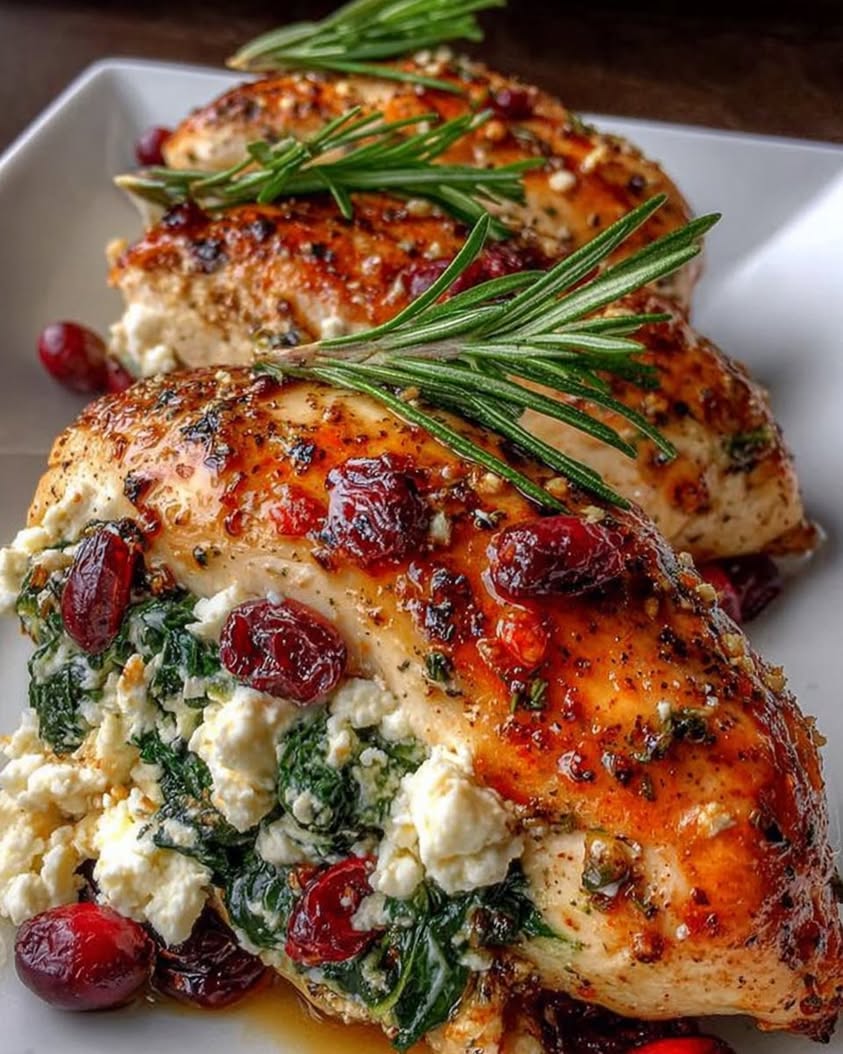
Imagine slicing into a perfectly golden chicken breast and watching a vibrant ribbon of jewel-toned cranberries, fresh spinach, and creamy goat cheese spill onto your plate. This is the magic of these Juicy Cranberry Spinach Stuffed Chicken Breasts with Goat Cheese. The combination is absolute perfection. You get the tart pop of cranberries, the earthy wilted spinach, and the tangy, rich goat cheese all wrapped in tender, juicy chicken. This recipe is a true showstopper, but it is surprisingly simple to pull together for any night of the week.
This dish turns a simple weeknight dinner into something truly special. The flavors are bright and layered, offering a wonderful contrast between the savory chicken and the sweet-tart filling. Furthermore, the goat cheese melts into a luscious, creamy center that binds the cranberries and spinach beautifully. You do not need to be a professional chef to master this recipe. With a few simple techniques, you will create a restaurant-quality meal that looks as incredible as it tastes. These Juicy Cranberry Spinach Stuffed Chicken Breasts with Goat Cheese are guaranteed to impress your family and guests alike.
Beyond the fantastic flavor, this stuffed chicken recipe is incredibly versatile. It pairs wonderfully with a simple side salad, roasted vegetables, or creamy mashed potatoes. Consequently, it fits seamlessly into your meal planning. The vibrant red and green filling makes it perfect for holiday entertaining, especially during Thanksgiving or Christmas. But honestly, its quick cook time and straightforward method make it a fantastic choice any day of the year. Prepare to fall in love with the ease and elegance of this one-dish wonder.
Quick Recipe Highlights
- Flavor Profile: The savory, mild chicken forms a perfect base for the tangy goat cheese and tart dried cranberries. The spinach adds an earthy note, while a hint of garlic and basil in the filling ties everything together. The result is a wonderfully balanced and complex taste experience with every single bite.
- Texture: You will enjoy a satisfying contrast in textures. The chicken skin or exterior becomes wonderfully golden and crisp during searing, while the meat inside stays incredibly tender and moist. Then the filling offers a soft, creamy center from the goat cheese with occasional chewy pops from the cranberries.
- Aroma: As the chicken sears in the pan, a rich, savory aroma will fill your kitchen. The goat cheese and garlic release a slightly tangy, aromatic note that is deeply comforting. The finished dish carries the warm scent of poultry seasoning, a hint of sweetness, and fresh herbs.
- Visual Appeal: These stuffed chicken breasts are a feast for the eyes. The golden-brown exterior is beautifully offset by the vibrant red and green filling peeking out from the center. A final garnish of fresh herbs makes for an elegant, colorful, and appetizing presentation that is sure to get compliments.
- Skill Level Needed: This recipe is classified as intermediate, primarily due to the technique of butterflying the chicken breast and creating a secure pocket for the filling. However, with clear instructions and a sharp knife, even a confident beginner can achieve beautiful results. It is more about careful execution than complex cooking science.
- Special Equipment: You will need a sharp chef’s knife for butterflying the chicken and a large, oven-safe skillet, preferably cast iron. Kitchen twine or sturdy toothpicks are essential for securing the stuffed breasts during searing and baking. A meat thermometer is also highly recommended for perfect doneness.
Recipe Overview
- Difficulty Level: We have classified this recipe as intermediate. The main challenge lies in butterflying the chicken breast evenly without cutting all the way through. This requires a steady hand and a sharp knife. Additionally, securing the filling properly to prevent leakage during cooking is a key skill to master. Nevertheless, the method is straightforward and highly rewarding.
- Category: This dish fits beautifully into several categories. It is a classic main course for dinner, perfect for a weeknight family meal or a special weekend dinner party. It also works wonderfully as a centerpiece for a holiday table. You might even slice it cold for a gourmet salad topper for lunch the next day.
- Cuisine: While the core technique of stuffing a protein is found worldwide, this specific flavor combination draws inspiration from modern American cuisine with European influences. The use of goat cheese is a nod to French and Mediterranean cooking, while the cranberries bring a distinctly North American flavor profile, often seen in holiday dishes.
- Cost: This recipe is moderately priced. Chicken breasts are a budget-friendly protein, and dried cranberries are relatively inexpensive. A log of good-quality goat cheese can be the priciest ingredient, but a little goes a long way, making it cost-effective. Fresh spinach is affordable and versatile for other meals during the week.
- Season: You can enjoy these stuffed chicken breasts year-round. The bright, sweet-tart cranberry flavor makes it a natural choice for the fall and winter holiday season. However, the fresh spinach and light creaminess of the goat cheese also make it a delightful and satisfying meal during the spring and summer months.
- Occasion: This recipe is exceptionally versatile for many occasions. It is elegant enough for a romantic dinner for two or a dinner party with friends. It is also impressive enough to be the star of a holiday meal. On the other hand, it is simple enough to make for a comforting Sunday family dinner without a lot of fuss.
Why You’ll Love This Recipe
The taste and texture appeal of these Juicy Cranberry Spinach Stuffed Chicken Breasts with Goat Cheese is truly unmatched. Every single forkful delivers a new sensation. First, there is the satisfying resistance of the golden-brown chicken skin, followed by the incredibly moist and tender meat. Then, you hit the creamy, tangy goat cheese center, which melts in your mouth. The dried cranberries provide a sweet-tart pop of flavor and a slight chewiness, while the spinach offers a soft, earthy counterpoint. The flavors meld together perfectly in the oven, creating a cohesive and deeply satisfying dish that pleases every palate.
The convenience and preparation benefits of this dish are a major advantage for any cook. Yes, you need to butterfly and stuff the chicken, but the active prep time is only about 20 minutes. After that, a quick sear locks in the flavor, and the oven does the rest of the work. This leaves you free to prepare side dishes or simply relax. The cleanup is also minimal, especially if you use an oven-safe skillet. Consequently, you get a sophisticated meal that tastes like you spent hours in the kitchen, but you really spent most of that time hands-off.
Nutritionally, this recipe offers a fantastic balance of protein and key nutrients. Chicken breast is a lean source of high-quality protein, which is excellent for muscle health and satiety. The spinach is packed with iron, vitamins A and K, and antioxidants. Dried cranberries provide a natural sweetness along with fiber. Goat cheese offers a dose of calcium and protein, often being easier to digest than cow’s milk cheese. As a result, this meal is not only delicious but also aligns well with a balanced and health-conscious diet.
The social and entertaining value of this recipe cannot be overstated. When you bring a platter of these beautifully sliced stuffed chicken breasts to the table, it creates a moment. The vibrant red and green spiral of the filling is visually stunning and instantly draws admiration. Your guests will feel that you prepared something truly special. Moreover, because the recipe is naturally impressive, you can host a dinner party without breaking a sweat. You will look like a culinary hero while maintaining your peace of mind, making for a much more enjoyable social experience for everyone.
Finally, this recipe is cost-effective and highly accessible. The ingredients are easy to find at any standard grocery store. Chicken breasts are often sold in bulk, making them a great value. Dried cranberries and fresh spinach are seasonal staples with a low price point. A single log of goat cheese is enough for the recipe, and you can use the leftovers in a salad. Consequently, you can create a show-stopping main course that feels luxurious and indulgent without blowing your weekly grocery budget.
Historical Background and Cultural Significance
The practice of stuffing meats dates back to ancient Roman times, where cooks would fill poultry with a mixture of vegetables, herbs, and grains to add flavor and stretch the meal. This culinary technique was a clever way to utilize a variety of available ingredients. It was also a mark of a skilled cook, as it required knowledge of balance and technique. Over centuries, the art of stuffing traveled across Europe, eventually becoming a cornerstone of many traditional holiday feasts, particularly in France and Italy, where fancy preparations were highly valued.
In the United States, stuffed poultry is most famously associated with Thanksgiving, where turkey is the star. However, the concept of stuffing other cuts of meat, like pork chops and chicken breasts, became very popular in the mid-20th century. This evolution was driven by a desire for convenience and portion control. Cookbooks from the 1950s and 60s are full of recipes for stuffed chicken, often featuring simple fillings that were readily available in modern kitchens, marking a shift from whole-animal cooking to more modern, component-based meal preparation.
The specific combination of cranberry, spinach, and goat cheese is a more contemporary creation. It reflects the modern American palate, which loves to marry sweet and savory flavors. Cranberries, a native North American fruit with deep historical roots in Colonial cuisine, are now a staple in festive cooking. Goat cheese, which has gained immense popularity in recent decades, adds a sophisticated and tangy element. The addition of spinach bridges the gap, adding a fresh, nutritional component and a beautiful green color to the filling.
This recipe is not tied to a specific regional tradition, but rather represents a modern, global fusion style of cooking. It takes a classic European technique of stuffing (paupiettes) and fills it with seasonally inspired, American-friendly ingredients. You might find variations of this dish in farm-to-table restaurants across the country, particularly in the fall. This recipe has become a beloved staple for home cooks precisely because it feels both classic and fresh, traditional and innovative, making it a true modern classic in American home cooking.
Ingredient Deep Dive
Chicken breast is the blank canvas of this dish. Culturally, it has become a symbol of healthy, lean eating in the United States since the late 20th century. Its mild flavor makes it the perfect vehicle for the bold filling. Nutritionally, it is an excellent source of lean protein, B vitamins, and selenium, crucial for immune function and metabolism. It is also low in fat, appealing to those watching their intake. For selection, look for breasts that are evenly thick for consistent cooking. Organic or free-range chicken often has a better texture and more flavor.
To store chicken breast, keep it in the coldest part of the refrigerator and use it within two days of purchase, or freeze it for up to six months. If the breasts are very large, you can butterfly each one into two thinner cutlets for a faster cook time. While chicken works best here, you could use thick, boneless pork chops as a substitute. Turkey breast cutlets are also an excellent alternative. The key is to choose a lean, mild protein that will hold its shape during stuffing and cooking.
Dried cranberries, often called craisins, provide the signature tart-sweetness. These are a modern American invention, first popularized in the 1980s as a way to use surplus cranberries. They are rich in antioxidants and fiber. When choosing dried cranberries, look for those that are plump and soft. Avoid bags that seem dry or overly hard, as they will not rehydrate as well during cooking. You can easily make your own by drying fresh cranberries in the oven. They store well in a cool, dark pantry for months after opening.
For a different profile, you could use dried cherries, chopped dried apricots, or even golden raisins. If you prefer less sweetness, look for unsweetened dried cranberries. For a savory twist, try chopped sun-dried tomatoes (not oil-packed) for a completely different but equally delicious flavor profile. Soaking your dried fruit in a little hot water or orange juice for ten minutes before mixing will plump them up and ensure they are extra juicy and tender inside the chicken.
Fresh spinach adds a vital earthy and vegetal element. This leafy green is packed with iron, calcium, and vitamins A, C, and K. For this recipe, it is important to wilt the spinach first to remove excess water, which prevents a soggy filling. To do this, simply saute it for a minute or two until it has just wilted, then squeeze out as much liquid as possible. Select spinach with crisp, deep green leaves and no signs of wilting or yellowing. Baby spinach is ideal because it is tender and requires less chopping.
Store fresh spinach in a breathable bag in the refrigerator and use it within a few days. You can substitute kale or Swiss chard, but you will need to remove the tough stems and saute them for a bit longer to soften them fully. Chopped frozen spinach is a great alternative; just make sure to thaw it completely and squeeze out all the excess water before you add it to the cheese mixture. This step is crucial to keep your chicken filling from becoming watery.
Goat cheese, or chèvre, is the creamy, tangy heart of this dish. Its distinct, slightly acidic flavor perfectly cuts through the richness of the chicken. Goat cheese has been a staple in Mediterranean diets for centuries and is celebrated for being easier to digest than cow’s milk cheese. It is also a good source of protein, calcium, and vitamin A. A high-quality log of soft, fresh goat cheese will provide the creamiest texture. Avoid pre-crumbled goat cheese, as it contains anti-caking agents and will not melt as smoothly into the filling.
Store goat cheese tightly wrapped in the refrigerator. If you do not like goat cheese, the best substitute is full-fat cream cheese, which provides a similar creamy texture and richness. For a milder flavor, consider a soft, spreadable brie or even a well-drained ricotta. You can also use a combination of cream cheese and a sharper cheese like Parmesan or crumbled feta for a different flavor. The goal is to have a soft, spreadable cheese that will bind the other ingredients together.
Common Mistakes to Avoid
- Not butterflying the chicken evenly. If the chicken breast is not cut to an even thickness, the thinner side will cook much faster than the thicker side. This can result in one part being perfectly cooked while the other is dry and overcooked. Take your time and use a steady hand to make a smooth, even cut.
- Overstuffing the chicken pocket. It is tempting to stuff the chicken with as much filling as possible. However, overstuffing will cause the seams to split open during searing. The filling will spill out into the pan, burning and creating a mess. Use a moderate amount of filling so the chicken can close completely.
- Not sealing the pocket securely. If you do not use toothpicks or kitchen twine, the stuffing will almost certainly push out during cooking. You need a secure closure to hold everything in. Insert toothpicks at an angle, about an inch apart, to create a strong seal. Alternatively, tie the breast closed with kitchen twine.
- Skipping the searing step. Searing the chicken is not just about browning. It creates a flavorful crust through the Maillard reaction, which adds depth and complexity. It also helps to seal the pocket. Do not skip this step or rush it; a good sear is crucial for the best flavor.
- Using low heat for searing. If the heat is too low, the chicken will steam instead of sear. It will release its juices and turn pale and tough. You need a hot pan and a little oil to achieve that deep golden-brown crust. Use medium-high heat and give the pan time to get hot before adding the chicken.
- Cutting into the chicken immediately after cooking. Resting is essential for all meats. If you cut into the chicken right away, the juices will run out onto the cutting board, leaving you with a dry piece of meat. Let the chicken rest on a plate for at least five minutes before slicing.
- Forgetting to wilt the spinach first. Raw spinach contains a lot of water. If you put it directly into the filling, it will release that water as it cooks, making the filling soggy and watery. Always saute the spinach first to remove the moisture, then squeeze it dry.
- Using a cold pan for searing. A hot pan is essential for a good sear. If you add the chicken to a cold or even a lukewarm pan, it will stick to the surface and fail to brown correctly. Heat the pan over medium-high heat for a couple of minutes before adding your oil and chicken.
Essential Techniques
Mastering the butterfly cut is the foundational technique for this recipe. This means slicing the chicken breast horizontally almost in half, opening it like a book. You want a sharp chef’s knife to make this cut smooth and clean. Place your hand flat on top of the breast. Then, carefully slice into the thickest side of the breast, stopping about half an inch from the opposite edge. When you open it up, you should have one large, flat piece that is relatively even in thickness. This creates the perfect pocket for your filling.
Properly preparing the filling is the next key step. Begin by sauteing the fresh spinach in a hot pan with a tiny bit of olive oil just until it wilts, which takes about one to two minutes. Then, immediately transfer it to a cutting board to cool slightly. After it is cool enough to handle, take small handfuls and squeeze out as much liquid as you possibly can. This step is non-negotiable. Finally, finely chop the squeezed spinach. Then mix it in a bowl with the goat cheese, dried cranberries, and any seasonings until everything is evenly combined.
Securing the stuffed chicken is a skill that prevents leakage. After you have laid a portion of the filling in the center of the butterflied chicken, fold the other half of the breast over the top to enclose the filling completely. Then, take several wooden toothpicks and insert them diagonally through the top layer of chicken and into the bottom layer, about an inch apart. This holds the seam tightly closed. For a more secure and professional finish, you can use kitchen twine to tie the chicken breast into a neat bundle, similar to a small roast.
The searing technique is what builds the flavor base. Heat a large, oven-safe skillet over medium-high heat. Add a tablespoon of olive oil and wait until it shimmers. Carefully place the stuffed chicken breasts in the pan, seam-side down first. Let them cook undisturbed for about 3-4 minutes until the bottom is deeply golden brown. Then, carefully flip them over and sear the other side for another 2-3 minutes. This golden crust is the foundation of the dish’s flavor. The Maillard reaction at work here creates hundreds of new flavor compounds.
Finally, knowing when the chicken is perfectly cooked is crucial for success. After searing, you will finish the chicken in a preheated oven. The best and most reliable method to check for doneness is to use an instant-read meat thermometer. Insert it into the thickest part of the breast, being careful to avoid the filling. The chicken is perfectly cooked and safe to eat when the internal temperature reaches 165 degrees Fahrenheit. Overcooking to a higher temperature will result in dry, stringy chicken, so this visual and tactile cue is your absolute best friend.
Pro Tips for Perfect Juicy Cranberry Spinach Stuffed Chicken Breasts with Goat Cheese
One way to ensure even cooking is to pound the butterflied breast lightly with a meat mallet or rolling pin. After cutting the pocket, place the opened breast between two sheets of plastic wrap. Gently pound it to an even thickness of about half an inch. This guarantees that the chicken will cook uniformly. It also helps to tenderize the meat, making it extra juicy.
To add another layer of flavor to the filling, try toasting the dried cranberries first. Put them in a dry skillet over medium heat for just a minute or two until they are fragrant and plump slightly. This intensifies their natural sweetness and adds a subtle, nutty complexity. Be careful not to burn them, as they can turn bitter quickly. This small step makes a big difference in the final flavor of the stuffing.
For an even richer and more flavorful dish, season the outside of the chicken breasts generously with salt and pepper about thirty minutes before you plan to cook them. This is called dry brining. It allows the seasoning to penetrate deep into the meat. Consequently, every bite of the chicken will be perfectly seasoned from the inside out, not just on the surface. This simple step elevates the entire dish.
If you are short on time or want a cheat for the perfect seal, you can skip the toothpicks and use a thin strip of kitchen twine to tie the breast around its center. This creates a neat, uniform roast shape. It holds the filling securely, prevents leakage, and looks very professional. You can also use silicone oven bands for the same purpose. It is an easy way to achieve a perfect shape.
To get an extra-crispy crust on your chicken, pat the chicken breasts completely dry with paper towels before seasoning and searing. Any moisture on the surface of the meat will turn to steam in the hot pan, preventing a good sear. Dry skin or a dry surface is the secret to a beautiful golden-brown crust that crackles when you bite into it. Make sure the pan is also hot enough before you add the oil and chicken.
Finally, when adding the spinach to the pan, use tongs to move it around constantly. This ensures it wilts quickly and evenly without steaming. The goal is to just barely wilt it; you do not want it to become mushy. As soon as it has collapsed, transfer it to a plate to cool. Overcooking the spinach makes it watery and less flavorful. A quick, hot saute is the key to perfect, vibrant greens.
Variations and Adaptations
For regional variations, you can take inspiration from different cuisines. For a Mediterranean twist, replace the goat cheese with crumbled feta and add chopped sun-dried tomatoes, kalamata olives, and a teaspoon of dried oregano to the filling. For a Southwest flavor profile, use pepper jack cheese, black beans, corn, and cilantro. A smoky paprika and cumin seasoning on the outside of the chicken will complement these flavors beautifully, giving you a completely new dish.
Seasonal adaptations are a wonderful way to keep this recipe fresh. In the spring, use fresh, bright herbs like chopped chives, parsley, and tarragon in the goat cheese mixture. In the summer, stuff the chicken with fresh corn kernels, diced zucchini, and basil. For the fall and winter, the classic cranberry and spinach is perfect, but you can also add chopped walnuts or pecans for crunch, or a tablespoon of fresh thyme or sage. Use seasonal produce to keep the recipe exciting all year long.
Dietary modifications are easy with this recipe. To make it gluten-free, this recipe is naturally gluten-free as written, as long as you ensure your spices are certified gluten-free. For a dairy-free version, substitute the goat cheese with a high-quality dairy-free cream cheese or a soft cashew cheese that has a tangy flavor. You can also use a sprinkle of nutritional yeast in the filling for a cheesy flavor. Always check the labels on your dried fruit for any added starches.
For a completely different flavor variation, try a savory-sweet combination with apple and cheddar. Saute a diced apple with a little butter until soft. Mix it with shredded sharp cheddar cheese, a pinch of cinnamon, and some chopped pecans. This stuffing is fantastic for the fall and pairs wonderfully with a side of roasted butternut squash. The key is to experiment with different flavor pairings that you enjoy, making the recipe your own.
If you prefer a different texture, consider adding a crunchy element. Finely chopped toasted nuts like walnuts, almonds, or pecans would add a wonderful textural contrast to the creamy filling. You could also add a tablespoon of crispy bacon bits or pancetta for a salty, smoky crunch. For a bit of spice, include some finely chopped pickled jalapenos or a pinch of red pepper flakes. These small additions can transform the mouthfeel of the final dish.
For a more modern presentation, you can slice the finished chicken breasts into thick medallions before serving. Fan them out on a plate over a bed of arugula or a drizzle of balsamic glaze. This method is visually stunning and allows you to showcase the beautiful spiral of the filling. Alternatively, you can serve the entire breast whole. Both are excellent, but slicing it up makes it easier for guests to eat and looks incredibly elegant on the plate.
Serving and Presentation Guide
Plating these Juicy Cranberry Spinach Stuffed Chicken Breasts with Goat Cheese is a joy. First, let the chicken rest after cooking. Then, using a very sharp knife, slice each breast on a slight diagonal into thick, even medallions, about one inch thick. Fan these slices slightly on a warmed plate. This reveals the beautiful, colorful spiral of the filling. It is the most impactful way to present the dish. A pool of a simple pan sauce or gravy underneath adds a beautiful base.
Garnishing ideas can elevate your presentation from simple to stunning. A few fresh, vibrant leaves of parsley or thyme add a pop of green and a fresh aroma. A sprinkle of flaky sea salt like Maldon just before serving adds both crunch and a burst of salinity. For a touch of elegance, you can scatter a few extra dried cranberries or goat cheese crumbles around the plate. A drizzle of aged balsamic glaze adds a sweet and tangy note and a beautiful dark color contrast.
Traditional accompaniments for this dish are often starchy and comforting. Creamy mashed potatoes are a classic choice, as they are perfect for soaking up any juices. Buttered egg noodles or a simple wild rice pilaf are also excellent options. The mild creaminess of these starches balances the tangy goat cheese perfectly. Roasted vegetables, like asparagus, green beans, or Brussels sprouts, are a fantastic way to add color and nutrients to the plate.
Modern serving suggestions can transform this into a lighter, more contemporary meal. Instead of a heavy starch, serve the sliced chicken over a bed of peppery arugula or a simple mixed green salad with a lemon vinaigrette. The acidity of the dressing will cut through the richness of the chicken and cheese. Another modern idea is to serve it alongside roasted sweet potato wedges or a vibrant Mediterranean quinoa salad. This keeps the meal bright and health-focused.
Temperature considerations are vital for the best eating experience. These stuffed chicken breasts are best served hot straight from the oven. The goat cheese will be molten and creamy, and the chicken will be at its most tender and juicy. Allow the chicken to rest for those critical five minutes, but then serve it immediately. If it sits too long, the cheese will start to firm up, and the chicken will lose its initial burst of juiciness. A hot plate helps maintain the temperature.
For portion control tips, one standard stuffed chicken breast is a generous serving for one person. If you have larger appetites or want more on the plate, you can serve the entire breast as the main course. For smaller appetites or if you are serving it as part of a multi-course meal, you can easily serve just half a breast. When planning for a party, this recipe scales beautifully, and each breast is a natural individual serving, making portioning very straightforward for you.
Wine and Beverage Pairing
Wine pairing for this dish is a pleasure due to its balanced flavors. A crisp, unoaked Chardonnay is a fantastic choice. Its bright acidity and clean fruit notes will complement the tangy goat cheese and the tart sweetness of the cranberries perfectly. Alternatively, a Pinot Noir is a wonderful red wine option. Its light body, earthy notes, and subtle fruit will not overpower the delicate chicken and will work wonderfully with the earthy spinach.
For non-alcoholic alternatives, consider an elegant sparkling water with a squeeze of fresh lime or orange. The bubbles and citrus will cleanse your palate beautifully between bites. Another excellent choice is a chilled cranberry-apple spritzer, made with half cranberry juice, half sparkling water, and a sprig of rosemary. The flavors directly mirror the dish, creating a cohesive dining experience. Tart cherry juice is also a fantastic, complex pairing option with the tangy cheese.
If you are in the mood for a cocktail, a classic French 75, with its gin, lemon, and Champagne, is an excellent aperitif. The crisp, dry, and bubbly nature of the drink will prepare your palate for the richness of the meal. Alternatively, a light and botanical gin and tonic with a slice of grapefruit would be a refreshing and aromatic pairing. Avoid heavy, sweet cocktails that would clash with the delicate flavors of the chicken and cheese.
Temperature considerations are key for any beverage. White wines and non-alcoholic drinks should be served well-chilled. The red Pinot Noir is best served slightly below room temperature, about 55 to 60 degrees Fahrenheit, to keep it bright and refreshing. Chilling any beverage slightly will help to contrast the hot, savory chicken. Serving your beverage in the appropriate glass also adds to the overall experience of a special meal.
Storage and Shelf Life
Storage methods for leftover cooked chicken are crucial for maintaining food safety. Once the chicken has cooled to room temperature, within two hours of cooking, it must be stored in the refrigerator. Place the leftover chicken breasts in an airtight container. They will keep well for up to four days. If you slice them before storing, they will reheat more quickly. The key is to prevent them from drying out, so a sealed container is essential.
The temperature requirement is standard for all cooked poultry. Your refrigerator should be set to 40 degrees Fahrenheit or below. Keeping the chicken at a consistent, cold temperature is the only way to prevent the growth of harmful bacteria. Do not leave the chicken sitting out on the counter for more than two hours. If you are serving a buffet, consider keeping the chicken warm on a warming tray or in a low oven before it is time to store it.
Container recommendations are straightforward. The best containers are airtight glass or plastic containers. If you are using a plastic container, ensure it is BPA-free. You can also wrap the chicken tightly in several layers of aluminum foil or heavy-duty plastic wrap. The goal is to create an airtight seal to keep the meat moist and to prevent it from absorbing any other odors from the refrigerator. A well-sealed container is your best defense against dry leftovers.
Signs of spoilage are important to recognize. If the chicken develops a sour or unpleasant smell, it has gone bad. Any slimy or sticky texture on the surface is also a clear sign of spoilage. If you see any mold, even a tiny spot, you should discard the entire piece. Finally, if the color has changed from white or light brown to a grayish or greenish hue, it is not safe to eat. When in doubt, it is always safer to throw it away.
Reheating instructions are designed to bring back the juiciness. The best method is to reheat it in the oven. Preheat your oven to 325 degrees Fahrenheit. Place the chicken on a baking sheet and cover it loosely with foil to prevent it from drying out. Heat for about 15 to 20 minutes, or until it is warmed through. You can also reheat it in a covered skillet over low heat with a splash of chicken broth. The microwave is not recommended, as it will make the chicken tough and rubbery.
Freezing guidelines allow you to prepare this meal in advance. You can freeze the fully cooked and cooled stuffed chicken breasts. Wrap each breast individually in plastic wrap, and then place them in a freezer-safe bag or container. They will keep well for up to three months. To thaw, place the wrapped chicken in the refrigerator overnight. Then reheat it using the oven method described above. The texture will be slightly different but still very enjoyable.
Make Ahead Strategies
A good prep timeline helps you stay organized. You can assemble the stuffed chicken breasts up to 24 hours in advance. Prepare the filling, butterfly the chicken, and stuff the breasts. Then, instead of searing them, put the raw stuffed chicken on a plate and cover it tightly with plastic wrap. Store it in the refrigerator. This is a fantastic way to get the hardest part of the work done the day before you plan to serve the dish.
Storage between steps is simple. If you assemble the chicken the night before, the flavors will have more time to meld together inside the fridge. When you are ready to cook, take the chicken out of the fridge about 20 to 30 minutes before searing. This allows the chicken to lose its chill and cook more evenly. Do not sear the chicken straight from the fridge, as this will cause the outside to burn before the inside is fully cooked.
The quality impact assessment is positive. Making this recipe ahead of time does not negatively affect the final quality. In fact, some people find the flavors are even more integrated. The key is to ensure the chicken is well-sealed and the filling is not too wet. As long as you follow the prep steps correctly, the chicken will be just as juicy and delicious when you cook it the next day. This is a great meal prep option for a busy week.
Assembly tips for make-ahead success are crucial. When you stuff the chicken ahead of time, be extra careful to seal the pocket very well. Use an extra toothpick or two to be sure the filling stays inside. Since the filling will have some time to settle, a secure seal is even more important. Also, season the outside of the chicken just before you plan to cook it, not during the make-ahead prep. This prevents the salt from drawing too much moisture out of the meat overnight.
Reheating guidelines are the same as for leftovers. The best way Print
Cranberry & Spinach Stuffed Chicken Breasts with Goat Cheese
- Total Time: 45 minutes
- Yield: 4
Description
Juicy chicken breasts stuffed with a savory-sweet blend of wilted spinach, tangy goat cheese, and dried cranberries, then pan-seared and baked to perfection.
Ingredients
- 4 boneless, skinless chicken breasts (about 6 oz each)
- 1 tbsp olive oil
- 3 cups fresh spinach
- 1/2 cup dried cranberries
- 4 oz goat cheese, softened
- 1/2 tsp salt
- 1/4 tsp black pepper
- 1/2 tsp garlic powder
- 1/2 tsp dried thyme
- 1 tbsp butter
- 1/2 cup chicken broth
Instructions
- Preheat oven to 375°F. Pound chicken breasts to an even thickness (about 1/2 inch), then season both sides with salt, pepper, garlic powder, and thyme.
- In a skillet over medium heat, add olive oil and sauté spinach until just wilted (about 2 minutes). Remove from heat and let cool slightly.
- In a bowl, combine wilted spinach, dried cranberries, and softened goat cheese. Mix well.
- Cut a pocket horizontally into the thickest part of each chicken breast, being careful not to cut all the way through. Stuff each breast with the spinach-cranberry-goat cheese mixture, then secure with toothpicks if needed.
- In the same skillet, melt butter over medium-high heat. Sear stuffed chicken breasts for 3-4 minutes per side, until golden brown.
- Transfer skillet to oven and bake for 15-20 minutes, or until chicken reaches an internal temperature of 165°F.
- Remove chicken from skillet and let rest for 5 minutes. Meanwhile, add chicken broth to the skillet and simmer on stovetop for 2 minutes, scraping up browned bits to create a simple pan sauce. Drizzle over chicken before serving.
Notes
You can customize the seasonings to taste.
- Prep Time: 15 minutes
- Cook Time: 30 minutes
- Method: Main
- Cuisine: American