Authentic Chicken Shawarma Recipe: Juicy, Spiced, and Irresistible
Imagine the sizzle of perfectly seasoned chicken hitting a hot skillet. Consequently, the air fills with the warm, intoxicating aroma of cumin and cardamom. This authentic chicken shawarma recipe brings the vibrant street food of the Middle East directly to your kitchen. Ultimately, it delivers juicy, spice-marinated chicken with incredible flavor in under thirty minutes.
Furthermore, this recipe simplifies the traditional vertical rotisserie method for easy home cooking. You achieve the same tender, charred edges and complex spice profile without any special equipment. Moreover, it wraps everything in a soft, warm pita with crisp, fresh vegetables and a creamy garlic sauce. As a result, you create a complete, satisfying meal that rivals your favorite takeout spot.
This guide walks you through every step for flawless results. From mixing the iconic shawarma spice blend to achieving the perfect sear, you will master the technique. Therefore, get ready to make the best homemade chicken shawarma that will become a regular in your dinner rotation.
Quick Recipe Highlights
- Flavor Profile: This authentic chicken shawarma recipe features a bold, aromatic blend of warm spices. Expect notes of earthy cumin, citrusy coriander, sweet paprika, and a hint of warm cardamom. The marinade, featuring lemon juice and garlic, perfectly balances the spices with bright acidity.
- Texture: The chicken achieves a beautiful contrast between a slightly charred, caramelized exterior and a supremely juicy, tender interior. Served in a soft pita, it combines with crisp lettuce, tomato, and onion for a satisfying mix of textures in every bite.
- Aroma: While cooking, the key aromatic notes of toasted cumin and cardamom will fill your kitchen. Additionally, the scent of sizzling garlic and lemon creates an unmistakable and inviting fragrance that promises a delicious meal.
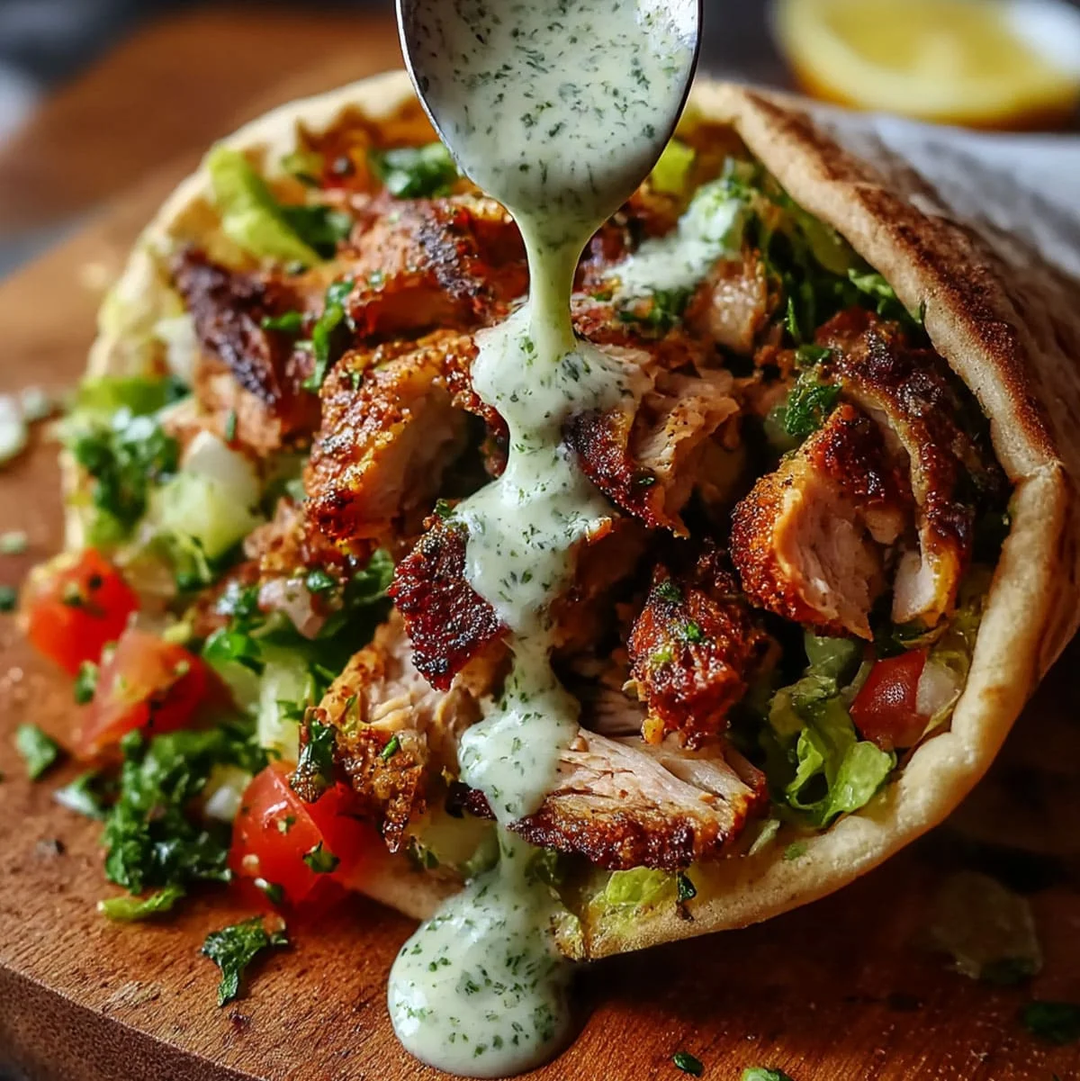
- Visual Appeal: The presentation boasts vibrant colors from the golden-brown spiced chicken, bright red tomatoes, and green herbs. Served in a warm pita or over a plate, it creates a visually appealing and appetizing dish perfect for sharing.
- Skill Level Needed: This recipe requires only basic cooking skills like chopping, mixing, and pan-searing. It is an excellent choice for both weeknight cooks and those new to Middle Eastern cuisine, as the steps are straightforward and forgiving.
- Special Equipment: You need no special tools beyond a good skillet or grill pan. A simple mixing bowl, sharp knife, and basic kitchen utensils are all you require to make this authentic chicken shawarma at home.
Recipe Overview
- Difficulty Level: We rate this authentic chicken shawarma recipe as easy because it involves simple techniques. You essentially mix a marinade, coat the chicken, and cook it in a pan. There is no complex knife work or precise temperature control needed, making it accessible for all cooks.
- Category: This dish fits perfectly as a main course for lunch or dinner. It also works wonderfully as part of a mezze spread or a hearty filling for wraps and sandwiches, offering versatile meal options.
- Cuisine: This recipe draws from the rich culinary traditions of the Levant region, including Lebanon, Syria, and Turkey. While adapting the vertical spit method for home kitchens, it stays true to the essential flavors and spirit of street food shawarma.
- Cost: Making this authentic chicken shawarma at home is surprisingly cost-effective. Chicken thighs offer great value, and the spices are pantry staples. Compared to restaurant prices, you can feed a family for a fraction of the cost, especially when you buy spices in bulk.
- Season: This dish is fantastic year-round. It provides warm, comforting spices for cooler months and feels light and fresh for summer when served with cool salads. Ultimately, it is a versatile recipe for any season.
- Occasion: It is ideal for casual weeknight dinners, weekend meal prep, or informal gatherings with friends. The interactive nature of building your own wrap makes it a fun and social meal for various occasions.
Why You’ll Love This Recipe
First, the taste and texture appeal is undeniable. This authentic chicken shawarma recipe delivers an explosion of flavor in every mouthful. The marinade penetrates the chicken deeply, ensuring each piece is seasoned throughout. You get the perfect bite with juicy meat, crispy edges, cool veggies, and creamy sauce, creating a truly satisfying experience.
Next, consider the convenience and preparation benefits. Unlike traditional methods, this recipe requires no special equipment and cooks in minutes. You can marinate the chicken ahead of time, making dinner assembly incredibly fast on busy nights. Furthermore, the ingredients are simple and the process is straightforward, reducing kitchen stress significantly.
From a nutritional standpoint, this dish offers clear advantages. Using lean chicken breast or thigh provides a great source of protein. When loaded with fresh vegetables and served in a whole-wheat pita, it becomes a balanced meal. You control the sodium and fat levels, especially in the sauce, making it a healthier choice than many restaurant versions.
Additionally, the social and entertaining value is high. Serving this authentic chicken shawarma creates an interactive and fun dining experience. You can set out all the components and let everyone build their perfect wrap. Consequently, it takes the pressure off the host and becomes a centerpiece for casual, memorable meals with family and friends.
Finally, the cost-effectiveness and accessibility make it a winner. You likely have most spices in your pantry already. Chicken is an affordable protein, and pita bread and vegetables are inexpensive. Therefore, you can create a restaurant-quality feast at home without straining your grocery budget, which is a major benefit.
Historical Background and Cultural Significance
The origin story of shawarma is deeply rooted in the Ottoman Empire. It evolved from the Turkish doner kebab, which involved stacking seasoned meat on a vertical spit. As the empire’s influence spread, so did this cooking technique. Eventually, it became a staple street food across the Levant, where it adopted the name “shawarma,” derived from the Turkish word “çevirme,” meaning “turning.”
Its cultural importance today is immense. In cities like Beirut, Damascus, and Cairo, the shawarma stand is a ubiquitous and beloved fixture. It represents fast, affordable, and incredibly delicious sustenance. More than just food, it is a social experience, a place for conversation, and a symbol of shared culinary heritage across the Middle East.
The evolution of the recipe for home kitchens is a modern adaptation. Traditionally, the meat cooks slowly on a tall, rotating spit, with the outer layer shaved off as it crisps. Home cooks cleverly replicated this by using thinly sliced meat and high-heat searing in a pan or on a grill. This innovation allowed the global popularity of authentic chicken shawarma to soar, making it accessible worldwide.
Regional variations add wonderful diversity to the dish. In Lebanon, they often use a garlic toum sauce, while in Turkey, the sauce might be yogurt-based. Some regions use sumac in the spice mix, and others add a touch of cinnamon. The choice of accompaniments—pickles, fries, or specific herbs—also changes from country to country, showcasing local tastes.
Ingredient Deep Dive
Chicken thighs are the star of this authentic chicken shawarma recipe. Culturally, they are preferred for their higher fat content, which mimics the juiciness of spit-roasted meat. Nutritionally, they provide iron, zinc, and B vitamins. For selection, choose boneless, skinless thighs with a pink hue and firm texture. Store them in the coldest part of your fridge and use within two days. As a substitution, chicken breast works but requires careful cooking to avoid dryness.
The shawarma spice blend is the soul of the dish. Historically, the specific mix varies by family and region, but cumin and coriander are nearly universal. These spices offer antioxidants and anti-inflammatory benefits. For the best flavor, buy whole spices and toast them before grinding. Store your blend in a cool, dark place. If you lack cardamom, a pinch of allspice can work in a pinch, though the flavor profile will shift slightly.
Yogurt in the marinade is a crucial tenderizer. Across the Middle East, yogurt has been used for centuries to marinate meats. It adds probiotics and protein to the dish. Choose plain, full-fat yogurt for the best texture and flavor. Greek yogurt also works well due to its thickness. Always check the expiration date and store it properly. For a dairy-free version, coconut milk with a squeeze of lemon can provide similar acidity and tenderness.
Fresh garlic brings essential pungency and depth. Garlic has a long history in Mediterranean and Middle Eastern cooking, valued for both flavor and purported health benefits. It contains allicin, which has antimicrobial properties. Select firm, plump bulbs without sprouts. Store them in a cool, dry place with good air circulation. In a pinch, granulated garlic can be used in the marinade, but fresh garlic delivers a far superior, brighter flavor.
Pita bread is the traditional vessel. This pocket bread has been a staple in the region for thousands of years. It provides carbohydrates for energy and can be a source of fiber if you choose whole wheat. Look for soft, fresh pitas without too many preservatives. To store, keep them in a bread bag at room temperature or freeze for longer life. As an alternative, lavash, flatbread, or even lettuce wraps make excellent gluten-free options for serving.
Common Mistakes to Avoid
- Not marinating long enough. The chicken needs time to absorb the spices and yogurt. Marinating for less than two hours, or worse, skipping it altogether, results in bland, one-dimensional flavor. For the best authentic chicken shawarma, plan for at least 2-4 hours, or ideally overnight.
- Using chicken that is too thick. If your chicken pieces are thick and chunky, they will steam instead of sear. You miss the delicious caramelized edges that mimic the shaved bits from a spit. Always slice the meat against the grain into thin, uniform strips for perfect cooking.
- Overcrowding the pan. Adding all the chicken to a small skillet causes it to release liquid and steam. Consequently, you get boiled, gray chicken instead of beautifully browned and crispy pieces. Cook in batches if necessary to ensure each piece has contact with the hot surface.
- Skimping on the resting time. Cutting into the chicken immediately after cooking lets all the precious juices run out. Let the cooked chicken rest for a few minutes before slicing or serving. This allows the fibers to relax and reabsorb the moisture, guaranteeing juiciness.
- Using stale or cold pita bread. A cold, stiff pita tears easily and provides a poor eating experience. Always warm your pitas briefly in a dry skillet, oven, or microwave. This makes them pliable, fragrant, and much more enjoyable as a wrap for your shawarma.
- Forgetting to balance the acidity. The marinade has lemon juice, but the final dish often needs a fresh hit of brightness. Neglecting to add a squeeze of fresh lemon before serving or including pickled vegetables makes the dish taste flat and heavy.
- Making the garlic sauce too far ahead. While the chicken can marinate for days, garlic sauce like toum can separate or become overly pungent if made too early. For the best flavor and texture, prepare your creamy garlic sauce the day you plan to serve the meal.
- Ignoring the power of texture. Serving the shawarma with only soft ingredients makes it monotonous. Remember to include crisp elements like thinly sliced onions, lettuce, or even fried potatoes. The contrast is a key part of the authentic street food experience.
Essential Techniques
Slicing the chicken thinly against the grain is the first critical technique. This is important because it shortens the muscle fibers, making the cooked meat more tender and easier to bite through. To master it, identify the direction of the fibers on the chicken thigh and cut perpendicular to them. A common pitfall is slicing with the grain, which leads to chewy, stringy meat. Success looks like uniform, flat strips that will cook quickly and evenly.
Creating a powerful marinade is the next key step. The technique matters because the yogurt and acid need to penetrate the meat to tenderize and flavor it. To master it, mix your spices, acid, oil, and yogurt thoroughly into a cohesive paste before adding the chicken. The mistake is a poorly mixed marinade where the chicken gets uneven seasoning. The visual cue for success is a thick, well-adhered coating on every piece of chicken.
Achieving a proper sear on the chicken defines the final texture. This technique creates the Maillard reaction, which develops complex, savory flavors and a pleasing crispy exterior. To master it, ensure your pan is very hot before adding the chicken and do not move the pieces for the first minute. The pitfall is a pan that is too cool, leading to steaming. Look for a deep golden-brown color and slightly crispy edges on the chicken strips for perfect doneness.
Pro Tips for Perfect Authentic Chicken Shawarma
First, toast your whole spices before grinding them. This simple step unlocks their essential oils and dramatically intensifies the flavor of your spice blend. Your kitchen will smell incredible, and the depth in your final dish will be noticeably better.
Second, consider using a cast-iron skillet or grill pan. These retain heat exceptionally well and create superior sear marks. They mimic the high-heat environment of a commercial shawarma spit more closely than a non-stick pan.
Third, do not discard the marinade that drips off in the pan. Let it cook and caramelize slightly with the chicken. Those browned bits are packed with flavor and should be scraped up and served with the meat.
Fourth, let your chicken come closer to room temperature before cooking. Taking it straight from the fridge to a hot pan can cause it to seize and cook unevenly. Ten minutes on the counter makes a difference.
Fifth, finish the cooked chicken with a final sprinkle of sumac or fresh herbs. This adds a layer of fresh flavor and vibrant color that makes the dish look professionally prepared.
Sixth, warm your serving plates. A warm pita on a cold plate will cool down too quickly. Briefly warming your plates or serving platter keeps the entire meal at the ideal temperature for longer.
Variations and Adaptations
For regional variations, explore different sauces and accompaniments. A Lebanese version might feature a potent garlic toum, while a Turkish adaptation could use a cucumber-yogurt cacık. Some areas add french fries directly into the wrap, and others include pickled turnips for a bright pink color and tangy crunch. Experimenting with these elements lets you travel with your taste buds.
Seasonal adaptations are easy and refreshing. In summer, serve the chicken shawarma over a crisp salad of chopped tomatoes, cucumbers, and parsley instead of in a pita. For winter, make it heartier by serving it over a bed of spiced rice or creamy hummus with warm flatbread on the side. The core recipe remains wonderfully versatile.
Dietary modifications are straightforward. For a gluten-free meal, use lettuce wraps or gluten-free flatbread. To make it dairy-free, substitute the yogurt in the marinade with olive oil and lemon juice, and use a vegan garlic sauce. For a lower-carb option, serve the spiced chicken and toppings in a bowl over a base of cauliflower rice.
Flavor variations can personalize the dish. Add a teaspoon of smoked paprika for a deeper, smokier note. Incorporate a tablespoon of tomato paste into the marinade for richness and color. For a spicy kick, include a minced fresh chili or a pinch of cayenne pepper to the spice blend.
Serving and Presentation Guide
For plating, you have two classic approaches: the wrapped sandwich or the deconstructed plate. For the wrap, warm the pita, spread sauce in the center, add chicken and toppings, and roll it tightly in parchment paper for easy handling. For a plate, lay down a base of hummus or rice, pile the chicken on top, and artfully arrange the vegetables and sauces around it.
Garnishing ideas go beyond simple parsley. A sprinkle of sumac adds a tangy red hue, toasted pine nuts provide crunch, and a drizzle of extra virgin olive oil enhances richness. Fresh mint leaves or chopped dill can introduce a new aromatic layer that complements the traditional spices beautifully.
Traditional accompaniments are key to the experience. Always include a selection of pickles, such as cucumbers or turnips. Fresh vegetables like tomato, onion, and parsley are non-negotiable. French fries or roasted potatoes are common in many regions. And of course, multiple sauce options—garlic, tahini, spicy—allow for customization.
For modern serving suggestions, consider a shawarma bowl or salad. Use quinoa or farro as a base. You can also make shawarma nachos by piling the ingredients over pita chips. For parties, set up a DIY shawarma bar with all components in separate bowls, letting guests build their own creations.
Wine and Beverage Pairing
Wine pairings should complement the bold spices. A crisp, dry rosé with good acidity cuts through the richness of the garlic sauce and cleanses the palate. Alternatively, a medium-bodied red like a Grenache or a GSM blend from the Rhône Valley works well with the savory, charred notes of the chicken without overpowering it.
For non-alcoholic alternatives, traditional options are excellent. Fresh mint lemonade provides a sweet and tart counterpoint. A salty, yogurt-based drink like Ayran (diluted yogurt with water and salt) is the classic pairing that cools the palate. Sparkling water with a squeeze of lime also works perfectly to refresh between bites.
While not traditional, certain teas can pair wonderfully. A light, mint tea served sweetened is a classic Middle Eastern choice that complements the meal’s flavors. A robust black tea with lemon can also stand up to the spices. Serve teas hot or iced depending on the season and your preference.
Storage and Shelf Life
For storage methods, keep all components separate. Store the cooked chicken in an airtight container in the refrigerator. The vegetables and sauces should be in their own containers. This prevents the pita and vegetables from becoming soggy and allows for optimal reheating of the chicken alone.
The chicken will keep well in the refrigerator for 3-4 days. For longer storage, freeze the cooked, cooled chicken in a single layer on a baking sheet before transferring to a freezer bag. It can last for up to 3 months. The garlic sauce may separate when frozen, so it is best made fresh.
Signs of spoilage include an off or sour smell, a slimy texture on the chicken, or mold growth. If the yogurt-based marinade was used on raw chicken, never reuse it after marinating. Always discard any leftover marinade that contacted raw poultry to avoid cross-contamination.
Reheating instructions are crucial for quality. Reheat the chicken in a skillet over medium heat with a tiny splash of water or broth to keep it moist. Avoid the microwave, as it can make the chicken rubbery. Reheat just until warmed through to prevent overcooking.
Make Ahead Strategies
Your prep timeline can span several days. You can mix the dry spice blend weeks in advance. Marinate the chicken and store it in the fridge for up to 2 days before cooking—this actually improves the flavor. Chop your vegetables and make your sauces 1 day ahead.
For storage between steps, keep the marinating chicken in a sealed container on the bottom shelf of your fridge. Store pre-chopped vegetables in containers lined with a paper towel to absorb moisture. Keep sauces in sealed jars or containers.
The quality impact is generally positive. Marinating longer equals more flavor. Pre-chopped vegetables are fine, though herbs are best chopped fresh. The garlic sauce may intensify in flavor overnight, which many people prefer. Cooking the chicken ahead is fine, but searing it fresh is ideal for texture.
Assembly tips for a make-ahead meal are simple. Pack the cooled chicken, cold veggies, sauces, and pitas in separate compartments of a bento box or meal prep container. Assemble just before eating to maintain the perfect texture of each component.
Scaling Instructions
Halving the recipe is simple for smaller households. Precisely halve all ingredient quantities. Use a smaller skillet to maintain the proper heat level and avoid overcrowding. The cooking time may reduce slightly, so rely on visual cues for doneness rather than a strict timer.
Doubling or tripling for a crowd requires planning. Multiply all ingredients consistently. You will need to cook the chicken in multiple batches to avoid steaming—keep the cooked batches warm in a low oven. Consider using two large skillets simultaneously to speed up the process.
Equipment adjustments are necessary when scaling up. Ensure you have a large enough bowl for marinating the increased volume of chicken. Have multiple sheet pans ready if you plan to use the oven broiler method for larger quantities. A large electric griddle can be a fantastic tool for cooking big batches at once.
Nutritional Deep Dive
The macro breakdown of this authentic chicken shawarma is favorable. A typical serving provides a high amount of protein from the chicken, moderate carbohydrates from the pita and vegetables, and fats from the olive oil and yogurt. Using chicken thighs adds more healthy monounsaturated fats compared to lean breast.
Micronutrient analysis reveals a wealth of vitamins and minerals. The spices, particularly cumin and coriander, provide iron and antioxidants. The fresh vegetables contribute vitamins C, K, and various B vitamins. Garlic offers manganese and vitamin B6, supporting immune function.
Overall health benefits include supporting muscle maintenance from the protein, aiding digestion from the spices and yogurt, and providing anti-inflammatory compounds. The dish is rich in flavors that satisfy without relying on excessive sodium or processed ingredients when made at home.
For portion analysis, one serving typically includes one pita filled with 4-5 ounces of chicken and a cup of vegetables. This is a satisfying and balanced meal portion. For weight management, you can easily adjust by using a whole-wheat pita, increasing the vegetable ratio, and being mindful of the amount of sauce used.
Dietary Adaptations
For a gluten-free adaptation, simply replace the pita bread with a gluten-free wrap, lettuce cups, or serve the chicken and toppings over a bed of rice or quinoa. Ensure your spices and other condiments are certified gluten-free, as cross-contamination can occur in processing facilities.
A dairy-free version is easy to achieve. Omit the yogurt from the marinade and use a mixture of olive oil and lemon juice instead. For the creamy sauce, prepare a tahini-based sauce (tahini, lemon, water, garlic) instead of a yogurt or toum sauce that contains dairy.
Creating a vegan shawarma requires a protein swap. Use thick slices of portobello mushrooms, cauliflower florets, or seasoned chickpeas. Marinate them in the same spice blend with oil and lemon. The cooking time will vary, but the goal is to achieve a caramelized, flavorful result that mimics the original.
For a low-carb or keto adaptation, serve the spiced chicken and all the toppings in a bowl. Skip the pita entirely. Add healthy fats like extra olive oil, avocado slices, and a tahini sauce. Ensure any sauces are made without added sugars to keep the carb count in check.
Troubleshooting Guide
If your chicken is dry, the likely cause is overcooking. Chicken thighs are forgiving, but they can still dry out if left on high heat for too long. Next time, reduce the cooking time slightly and ensure your pan is hot enough for a quick sear. Letting the meat rest before slicing is also crucial for retaining juices.
If the flavor is bland, the issue is often under-seasoning or insufficient marinating time. Taste your marinade before adding the chicken—it should be bold and salty. Remember, some flavor cooks off. Do not be afraid to season aggressively. Also, a final sprinkle of salt and a squeeze of lemon after cooking can wake up all the flavors.
If the chicken is steaming instead of browning, your pan is overcrowded or not hot enough. Pat the marinated chicken strips dry with a paper towel before adding them to the pan. Cook in smaller batches to allow evaporation and proper browning. Ensure you hear a strong sizzle when the chicken hits the pan.
If your garlic sauce breaks or is too strong, you can fix it. For a broken toum (where the oil separates), start with a new base of egg white or a tablespoon of prepared sauce in a blender, then slowly drizzle in the broken mixture to re-emulsify. If it is too pungent, mellow it by blending in a cooked, cooled potato or a bit more lemon juice.
Recipe Success Stories
Community feedback on this authentic chicken shawarma recipe has been overwhelmingly positive. Many home cooks report that it has become their go-to recipe for impressing guests or handling busy weeknights. They love how the marinade fills the house with an amazing aroma and how the dish consistently delivers on flavor.
Variation successes from readers are inspiring. One family added a teaspoon of baharat to the spice mix for a deeper flavor. Another reader successfully used the same marinade on thick-cut portobello mushrooms for a vegetarian feast. These adaptations show the recipe’s fantastic flexibility and how it encourages culinary creativity.
Reader suggestions have also improved the process. A helpful tip from a follower suggested adding a tablespoon of grated onion to the marinade for extra moisture and sweetness. Another recommended broiling the marinated chicken on a sheet pan for a hands-off, equally delicious result, which is perfect for larger batches.
Frequently Asked Questions
Can I use chicken breast instead of thighs? Yes, you can. Chicken breast will cook faster and is leaner. To prevent dryness, slice it thinly, do not overcook it, and consider marinating it for a shorter time (2-4 hours) as the acid can start to break down the lean meat more aggressively.
How long can I marinate the chicken? You can marinate it for up to 48 hours in the refrigerator. Beyond that, the acid in the lemon juice and yogurt can begin to break down the texture of the chicken too much, making it mushy. Overnight is the ideal timeframe.
What can I use if I don’t have all the spices? The most crucial spices are cumin, coriander, and paprika. If you are missing cardamom or cinnamon, the dish will still be tasty. You can add a pinch of allspice as a substitute for the warm spice notes.
Can I cook this on the grill? Absolutely. Grilling adds a wonderful smoky flavor. Use a grill basket or skewers to prevent the thin strips from falling through the grates. Cook over high heat for a few minutes per side until nicely charred and cooked through.
What is the best way to warm pita bread? The best method is in a dry, hot skillet for about 30 seconds per side until pliable and slightly puffed. You can also wrap them in a damp paper towel and microwave for 20-30 seconds, or warm them in a 350°F oven for 5-10 minutes.
How do I make a quick garlic sauce? Mix together 1/2 cup of plain Greek yogurt, 2 minced garlic cloves, a tablespoon of lemon juice, a tablespoon of tahini (optional), and salt to taste. Thin with a little water or milk until it reaches a drizzle-able consistency.
Is this recipe freezer-friendly? The cooked chicken freezes very well. Let it cool completely, then freeze in a single layer before bagging. Thaw in the refrigerator overnight and reheat gently in a skillet. The texture of the vegetables and sauces does not hold up well to freezing.
Can I make this in the oven? Yes. Spread the marinated chicken on a parchment-lined baking sheet. Broil on high for 5-7 minutes per side, watching carefully to prevent burning. This is a great hands-off method for cooking larger batches at once.
What are traditional sides to serve with shawarma? Beyond the wrap fillings, common sides include hummus, baba ganoush, tabbouleh, fattoush salad, fried eggplant, or rice pilaf. Pickles and olives are also essential on the side for a full Middle Eastern spread.
My marinade is very thick. Is that normal? Yes, a thick, paste-like marinade is perfect. It clings to the chicken better than a runny marinade, ensuring maximum flavor adhesion. The yogurt and olive oil create this ideal consistency.
Additional Resources
For related recipes, explore making your own fluffy pita bread from scratch or a smooth, classic hummus to serve alongside. A bright fattoush salad or a refreshing tabbouleh would complete your Middle Eastern feast perfectly. These dishes all share complementary flavors and ingredients.
Technique guides for perfecting your skills are valuable. Look for tutorials on how to properly slice meat against the grain, how to toast and grind whole spices for maximum flavor, and how to make stable emulsions for sauces like toum. Mastering these will elevate all your cooking.
For deeper ingredient information, research the history and uses of core spices like cumin, coriander, and sumac. Understanding where they come from and how they are traditionally used will give you greater confidence to experiment and adapt recipes to your own taste.
PrintChicken Shawarma
- Total Time: 45 minutes
- Yield: 4
Description
Juicy, spice-marinated chicken with a warm cumin-cardamom aroma, served in soft pita with crisp vegetables and a tangy yogurt sauce.
Ingredients
- 1.5 lbs boneless, skinless chicken thighs, thinly sliced
- 1/4 cup olive oil
- 3 cloves garlic, minced
- 1 tbsp ground cumin
- 1 tsp ground cardamom
- 1 tsp paprika
- 1/2 tsp turmeric
- 1/2 tsp cinnamon
- 1/4 tsp cayenne pepper
- Juice of 1 lemon
- Salt and black pepper to taste
- 4 large pita breads
- 1 cup shredded lettuce
- 1 large tomato, sliced
- 1/2 red onion, thinly sliced
- 1/2 cup plain yogurt
- 1 tbsp tahini
- Fresh parsley for garnish
Instructions
- In a bowl, whisk together olive oil, garlic, cumin, cardamom, paprika, turmeric, cinnamon, cayenne, lemon juice, salt, and pepper to create the marinade.
- Add the sliced chicken thighs to the marinade, ensuring each piece is well-coated. Cover and refrigerate for at least 2 hours, or overnight for best flavor.
- Heat a large skillet or grill pan over medium-high heat. Cook the marinated chicken in batches for 6-8 minutes per side, until browned and cooked through.
- While the chicken cooks, warm the pita breads in a dry skillet or oven until soft and pliable.
- In a small bowl, mix yogurt and tahini to create the sauce. Season with a pinch of salt if desired.
- To assemble, place warm pita on a plate, add a layer of shredded lettuce, tomato slices, and red onion. Top with cooked chicken, drizzle with yogurt-tahini sauce, and garnish with fresh parsley. Serve immediately.
Notes
You can customize the seasonings to taste.
- Prep Time: 15 minutes
- Cook Time: 30 minutes
- Method: Main
- Cuisine: Middle Eastern