Ruby Beet and Citrus Salad with Pomegranate, Feta and Crunchy Walnuts: A Vibrant Winter Stunner
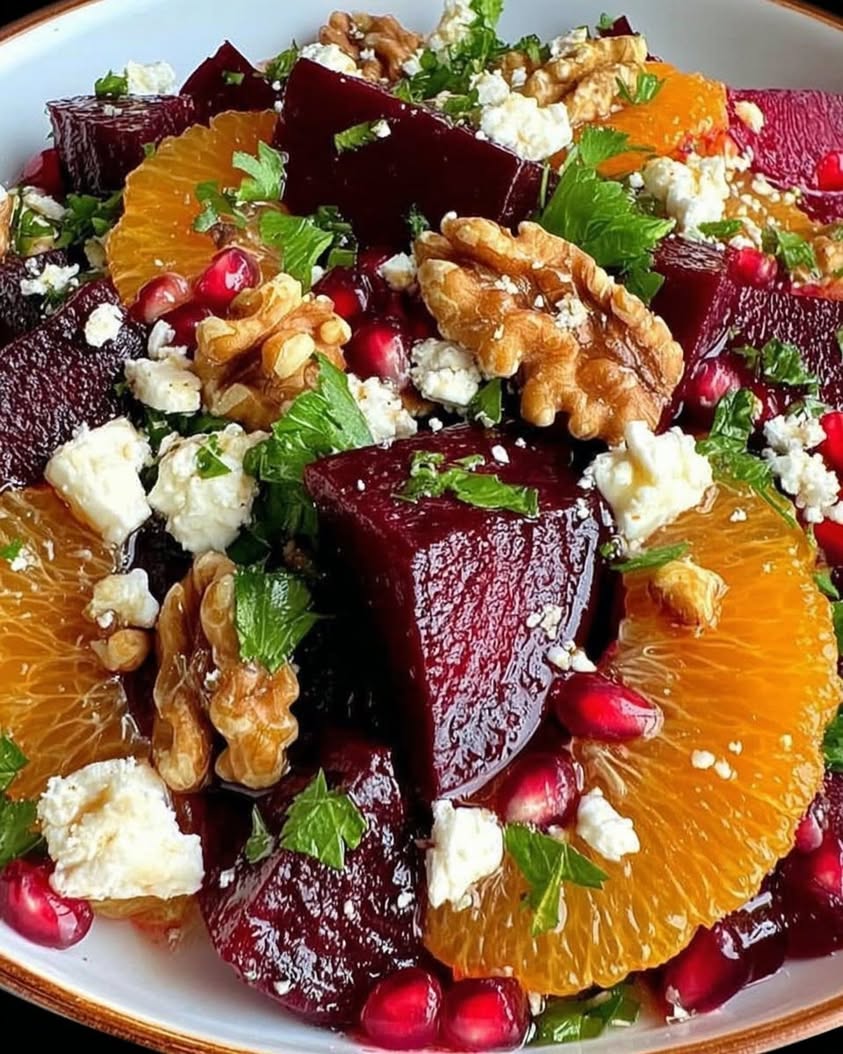
Picture this: a plate that glows like a winter sunset, where jewel-toned beets meet bright citrus segments and crunchy walnuts. This Ruby Beet and Citrus Salad with Pomegranate, Feta and Crunchy Walnuts delivers exactly that visual and flavor spectacle. It is the kind of dish that makes you pause, that makes you appreciate the simple beauty of fresh ingredients. The earthy sweetness of roasted beets pairs perfectly with the tangy burst of oranges and grapefruit. Then you get the pop of pomegranate seeds, the creamy saltiness of feta, and the satisfying crunch of toasted walnuts. Every forkful is a journey through contrasting textures and bright, clean flavors.
What makes this Ruby Beet and Citrus Salad with Pomegranate, Feta and Crunchy Walnuts so special is its incredible versatility. It works as a stunning starter for a holiday dinner, a light lunch on a busy weekday, or a show-stopping side dish at a potluck. Because you can roast the beets and toast the nuts ahead of time, assembly is incredibly quick. Furthermore, this salad relies on simple, whole ingredients that are widely available during the winter months. It celebrates the best of the season, turning humble root vegetables and bright citrus into something truly memorable. You will find that this recipe becomes a reliable favorite for gatherings and cozy meals alike.
The beauty of this recipe lies in its balance. The creamy feta mellows the tangy vinaigrette. The crunchy walnuts provide a counterpoint to the tender roasted beets. The sweet pomegranate arils burst against the juicy citrus segments. It is a symphony of flavors and textures, and it comes together with minimal effort. As a result, this Ruby Beet and Citrus Salad with Pomegranate, Feta and Crunchy Walnuts is perfect for both the experienced cook and the kitchen novice. You can focus on enjoying the process and the company, rather than slaving over a complex recipe. Get ready to fall in love with a salad that deserves a permanent spot in your recipe collection.
Quick Recipe Highlights
- Flavor Profile: This salad offers a beautiful interplay of sweet, tart, and salty. The roasted beets provide deep, earthy sweetness while the citrus adds bright, zesty notes. The feta contributes a salty, creamy tang that ties everything together beautifully.
- Texture: You will love the variety of textures in every bite. The roasted beets are tender and buttery, the citrus segments are juicy and tender, and the pomegranate seeds pop with a burst of liquid. Toasted walnuts add a necessary, satisfying crunch while the feta provides a soft, crumbly contrast.
- Aroma: The dominant aroma comes from the roasted beets, which fill your kitchen with a sweet, earthy scent. The citrus zest and juice add a bright, energizing fragrance. The toasted walnuts release a nutty, warm aroma that rounds out the sensory experience.
- Visual Appeal: This dish is simply gorgeous on the plate. Deep magenta beets contrast with jewel-toned orange and grapefruit segments. Ruby red pomegranate seeds are scattered like tiny gems, and the bright white feta creates a beautiful color pop. The toasted walnuts add a warm, brown finish.
- Skill Level Needed: This recipe is rated as easy. The most involved step is roasting the beets, which requires only wrapping them in foil. The rest involves simple chopping, zesting, and mixing. Basic knife skills are helpful, but the recipe is very forgiving.
- Special Equipment: You will need a sharp chef’s knife for cutting citrus and beets. A vegetable peeler is useful for removing beet skins after roasting. You will also need a small skillet for toasting walnuts and a mixing bowl. No specialized gadgets are required.
Recipe Overview
- Difficulty Level: We classify this as an easy recipe because it relies on straightforward roasting and assembly techniques. There are no complicated sauces or tricky cooking methods. The most demanding task is segmenting the citrus, which becomes simple with a little practice. Therefore, cooks of all skill levels can achieve excellent results.
- Category: This dish fits perfectly as a side salad for a main course, a light lunch, or an appetizer for a holiday meal. It is often categorized as a winter salad because it uses seasonal ingredients like beets and citrus. Its bright acidity also makes it a wonderful palate cleanser between heavier courses.
- Cuisine: While this salad feels modern, its roots draw from Mediterranean culinary traditions. The combination of beets, citrus, and feta is classic in Greece and the Middle East. The addition of pomegranate and walnuts further emphasizes these warm, sun-drenched influences. It is a global salad that feels both fresh and timeless.
- Cost: The cost is moderate. Beets and oranges are typically very affordable, especially in season. Feta cheese and walnuts can be slightly more expensive, but you use them in moderate amounts. Pomegranates are seasonal and can vary in price. Overall, you are looking at a cost-effective way to create a visually impressive dish.
- Season: This salad is best enjoyed in winter and early spring. This is when citrus fruits reach their peak sweetness and beets are at their most flavorful. Pomegranates are also in season during the late fall and winter months. Using produce in its prime season ensures the best taste and value.
- Occasion: This salad is perfect for many occasions. It shines as a festive dish for Christmas, Hanukkah, or New Year’s Eve dinners. It is also a wonderful choice for a light and healthy lunch between holidays. Its stunning presentation makes it ideal for dinner parties, potlucks, and family gatherings.
Why You Will Love This Recipe
The taste and texture appeal of this Ruby Beet and Citrus Salad with Pomegranate, Feta and Crunchy Walnuts is truly irresistible. The combination of sweet, earthy beets with bright, tangy citrus creates a flavor profile that is both refreshing and deeply satisfying. Then, the creamy feta provides a salty richness that perfectly balances the acidity. Every single bite offers something different, from the juicy pop of a pomegranate seed to the satisfying crunch of a toasted walnut. It is a salad that feels like a complete meal and a celebration all at once. Honestly, it is the kind of dish that makes you excited to eat your vegetables.
The convenience and preparation benefits of this recipe are a huge plus for busy cooks. You can roast the beets and toast the walnuts up to three days in advance. You can also segment the citrus and make the dressing a day ahead. Then, when you are ready to serve, you just toss everything together. This makes it an incredibly stress-free option for entertaining. Instead of rushing at the last minute, you can enjoy your guests and assemble a stunning dish in under ten minutes. It is the ultimate make-ahead salad that does not sacrifice quality or taste.
The nutritional advantages of this recipe are remarkable. Beets are a fantastic source of folate, potassium, and fiber. They are also rich in antioxidants called betalains, which have anti-inflammatory properties. Citrus fruits provide a powerful dose of Vitamin C, which supports your immune system. Pomegranate seeds are packed with antioxidants and are great for heart health. Walnuts offer healthy omega-3 fatty acids, and feta provides calcium and protein. Consequently, this salad is not just beautiful; it is a powerhouse of nutrients that supports your overall well-being.
The social and entertaining value of this dish cannot be overstated. When you place this Ruby Beet and Citrus Salad with Pomegranate, Feta and Crunchy Walnuts on a table, it immediately becomes the center of attention. Its vibrant colors and elegant presentation make people stop and take notice. It shows that you put thought and care into your meal. Furthermore, it is a dish that appeals to a wide range of palates, making it a safe bet for diverse gatherings. It sparks conversation and encourages people to try something a little different and absolutely delicious.
Finally, the cost-effectiveness and accessibility of the ingredients make this recipe a winner. Beets and oranges are some of the most affordable produce items, especially when they are in season. You do not need expensive specialty ingredients to make this salad shine. Feta cheese is widely available, and walnuts are a pantry staple for many. Pomegranates, while sometimes pricier, offer a lot of visual impact for their cost. Consequently, you can create a restaurant-worthy dish without breaking your budget. It is a perfect example of how simple, quality ingredients can come together to make something extraordinary.
Historical Background and Cultural Significance
The history of the beetroot stretches back thousands of years, with evidence of its cultivation dating to ancient Mesopotamia. People originally grew beets for their leafy greens, consuming the roots only later. The ancient Greeks and Romans recognized the beet’s medicinal properties and used it to treat various ailments. By the 16th century, the familiar deep-red root had become popular across Europe. Certainly, the beet’s journey from a leafy green to a beloved root vegetable is a fascinating story of culinary evolution.
Pomegranates hold a deeply symbolic place in many cultures. In Greek mythology, Persephone’s consumption of pomegranate seeds bound her to the underworld for part of each year. The fruit symbolizes fertility, life, and marriage in many Middle Eastern and Mediterranean traditions. In Jewish tradition, the pomegranate is a symbol of righteousness, with its 613 seeds representing the 613 mitzvot. Similarly, the pomegranate’s rich history enhances its presence in a salad, linking your meal to ancient stories and traditions.
The combination of beets, citrus, and feta cheese is a classic in Mediterranean cuisine, particularly in Greek and Turkish cooking. This flavor pairing likely emerged from the region’s abundant availability of these ingredients. Chefs and home cooks alike discovered that the earthiness of beets was beautifully complemented by the sharp acidity of citrus and the salty creaminess of feta. Consequently, this became a staple flavor profile. Adding pomegranate and walnuts, common ingredients in the region, was a natural and delicious evolution of this tradition.
Regional variations of this salad are abundant and exciting. In Morocco, you might find beets paired with orange flower water and cinnamon. In Lebanon, a similar salad might include sumac and fresh mint. A modern Californian version might swap the feta for goat cheese and add avocado. The versatility of the core ingredients allows for endless creativity. Each region puts its own unique spin on the combination, but the fundamental balance of sweet, tart, and salty remains constant. This adaptability is a key reason this salad has become a global favorite.
Ingredient Deep Dive
Beets. Beets have been cultivated for centuries, originally prized for their medicinal leaves by the ancient Romans. The root itself gained popularity in the 1800s. Nutritionally, beets are a powerhouse. They are loaded with folate, manganese, and potassium. The betalain pigments that give them their deep color are potent antioxidants that fight inflammation. When selecting beets, look for firm, smooth roots with no soft spots or shriveling. The greens, if attached, should look fresh and crisp. Store them in a plastic bag in the refrigerator for up to two weeks. Cut the greens from the roots to prevent moisture loss. For a substitution, you can use golden beets which offer a milder, sweeter flavor, or even roasted carrots for a different earthy sweetness.
Citrus. Citrus fruits have a long and storied history, originating in Southeast Asia and spreading along trade routes to the Mediterranean and beyond. Oranges and grapefruits are hybrid fruits, created through centuries of natural and intentional crossbreeding. They are famously rich in Vitamin C, which is crucial for immune health and collagen production. They also provide fiber and various antioxidants. For selection, choose fruits that feel heavy for their size, indicating juiciness. The skin should be fragrant and smooth. Store citrus at room temperature for a few days or in the refrigerator for up to two weeks. A great substitution for oranges is blood oranges, which have a gorgeous crimson color and a raspberry-like flavor. Grapefruits can be swapped for pomelos or even tangerines for a sweeter taste.
Pomegranate. The pomegranate is one of the oldest cultivated fruits, with origins in modern-day Iran. It has been a symbol of fertility, abundance, and life in many cultures for millennia. Nutritionally, pomegranate seeds are packed with antioxidants, particularly punicalagins, which are very potent. They also provide Vitamin C and K. When selecting a pomegranate, choose one that feels heavy for its size and has a deep, rich color. The skin should be firm and taut. Store whole pomegranates in a cool, dry place for up to a month or in the refrigerator for two months. If you cannot find a pomegranate, dried cranberries or fresh raspberries can offer a similar tartness and pop of color, though the texture will differ.
Feta Cheese. Feta cheese is a brined curd white cheese with a long history in Greece, dating back to Homeric times. It is traditionally made from sheep’s milk or a mixture of sheep and goat’s milk. Nutritionally, feta is a good source of calcium and protein. It is lower in fat than many other cheeses. When shopping, look for feta that is stored in brine, which keeps it moist and flavorful. The cheese should be crumbly but not dry. Store feta in its brine in the refrigerator. It will keep for several weeks. If you are dairy-free or want a different flavor, you can substitute goat cheese for a creamier, tangier option. Vegan feta alternatives made from tofu or nuts are also available.
Walnuts. Walnuts are the oldest known tree food, with a history stretching back to 10,000 B.C. in ancient Persia. They are an excellent source of omega-3 fatty acids, specifically ALA, which is important for heart and brain health. They also provide protein, fiber, and antioxidants. When purchasing, look for walnuts in their shells for the longest shelf life. Shelled walnuts should be stored in an airtight container in the refrigerator or freezer to prevent them from going rancid. For the best flavor, always toast them before using. This step brings out their natural oils and adds a deeper, nuttier flavor. A good substitute for walnuts is pecans, which have a similar texture and sweetness, or hazelnuts for a different earthy note.
Honey and Olive Oil (Dressing). Honey has been used as a sweetener and medicine for thousands of years across many cultures. Its flavor varies greatly depending on the floral source. It provides a natural sweetness that balances the citrus and vinegar in the dressing. Olive oil, the cornerstone of the Mediterranean diet, is rich in heart-healthy monounsaturated fats and antioxidants. For the best flavor, use a good quality extra virgin olive oil. Store honey in a cool, dark place. Store olive oil also in a cool, dark place, away from heat and light. For a substitution, use maple syrup instead of honey for a vegan option. You can use avocado oil instead of olive oil for a more neutral flavor.
Common Mistakes to Avoid
- Not roasting the beets properly. Skipping the roasting step or undercooking them leads to hard, earthy beets without the sweet, concentrated flavor. Always wrap them in foil and roast until a knife slides through easily.
- Forgetting to toast the walnuts. Raw walnuts can taste slightly bitter and lack the depth of flavor that toasting provides. Toast them in a dry skillet for a few minutes until they are fragrant and lightly browned, stirring constantly.
- Using wet or watery greens. Wet greens will make your salad soggy and dilute the dressing. Thoroughly dry your arugula or other greens using a salad spinner or clean kitchen towels before assembling.
- Overdressing the salad. Adding too much dressing will weigh the salad down and make it soggy. Start with half the dressing, toss gently, and add more only as needed. You can always serve extra dressing on the side.
- Adding the feta too early. If you add the feta cheese too early and toss the salad, it will break down and become a crumbly mess rather than providing distinct, creamy bites. Fold the feta in gently at the very end.
- Neglecting the citrus technique. Using citrus with any pith attached will make the salad bitter. Take the time to supreme the citrus by cutting away the peel and pith completely, then slicing out the segments.
- Using cold ingredients straight from the fridge. A salad served too cold will have muted flavors. Let your roasted beets and feta come to room temperature for about 20 minutes before assembling for the best flavor.
- Skipping the salt. This salad needs a pinch of salt to brighten all the other flavors. Do not skip salting the beets before roasting or adding a final small pinch of flaky sea salt before serving.
Essential Techniques
Roasting Beets. Roasting is the key to unlocking the beet’s sweet, tender interior. This technique concentrates the natural sugars and creates a silky, buttery texture. To master it, wash the beets and trim the tops, leaving about an inch of stem. Do not cut the root tail, as this prevents moisture from escaping. Wrap each beet individually in a piece of aluminum foil. Place them on a baking sheet and roast at 400 degrees Fahrenheit for 45 to 60 minutes, or until a knife or skewer slides through the thickest part with no resistance. A common pitfall is under-roasting, which leaves a tough, fibrous center. The visual cue is a slightly wrinkled skin and a very tender feel when pierced.
Toasting Walnuts. Toasting nuts is a simple but transformative step that dramatically improves their flavor and texture. The heat releases their natural oils and creates a remarkable depth of flavor. To master it, place the walnuts in a dry skillet over medium heat. Shake the pan or stir them constantly to ensure even toasting. You will know they are done when they become fragrant and turn a shade or two darker. This usually takes about 3 to 4 minutes. The common pitfall is walking away, as nuts can burn very quickly. The visual cue is a light golden-brown color and a noticeably nutty aroma. Immediately transfer them to a plate to cool, as they will continue to cook in the hot pan.
Segmenting Citrus (Supreming). This technique removes the bitter white pith and tough membranes, leaving behind perfect, juicy segments. It elevates the citrus from a simple wedge to a refined ingredient. Start by cutting off the top and bottom of the fruit so it sits flat. Then, following the curve of the fruit, slice downward to remove all the peel and white pith. Hold the fruit over a bowl to catch the juice. Then, carefully cut along each membrane to release the segments. The visual cue is a clean, individual segment with no white pith attached. A common pitfall is cutting too deep and removing too much of the fruit’s flesh. With practice, this becomes a very efficient and rewarding skill.
Assembling the Dressing. A well-made vinaigrette is essential for balancing this salad. The goal is an emulsion where the oil and vinegar are combined into a temporary, cohesive mixture. To master it, first whisk together the honey, lemon juice or vinegar, and a pinch of salt. Then, slowly drizzle in the olive oil while whisking vigorously. This creates a uniform, slightly thickened dressing. A common pitfall is adding the oil too quickly, which results in a separated dressing. The visual cue is a cloudy, homogenous mixture that coats the back of a spoon. If you prefer a more stable emulsion, you can use a small blender or food processor.
Pro Tips for Perfect Ruby Beet and Citrus Salad with Pomegranate, Feta and Crunchy Walnuts
First, wear disposable gloves when handling the beets to avoid staining your hands. This simple trick will save you from having pink fingers for a day. Alternatively, you can rub your hands with lemon juice before and after handling them.
Second, do not discard the beet greens. They are edible and highly nutritious! You can sauté them with garlic and olive oil for a quick side dish. This is a fantastic way to reduce food waste and get more from your ingredients.
Third, for the best presentation, arrange the salad on a large platter rather than mixing it in a bowl. This allows you to show off the beautiful colors and textures. Lay the arugula down first, then artfully arrange the beets, citrus, and toppings.
Fourth, make the dressing in a small jar. This allows you to shake it vigorously to emulsify the ingredients. You can also store any leftover dressing directly in the same jar in the refrigerator for up to a week.
Fifth, if you are short on time, you can use pre-cooked, vacuum-sealed beets. Be sure to pat them dry before slicing. While the flavor is slightly different from roasted, it is a perfectly acceptable shortcut for weeknight cooking.
Sixth, taste a piece of feta before using it. Some feta can be very salty, while others are milder. This will help you decide how much salt to add to the dressing and the final salad, ensuring a perfect balance.
Seventh, let the assembled salad sit for about 5 minutes before serving. This brief rest allows the flavors to meld together without the greens becoming soggy. The result is a more harmonious and delicious dish.
Eighth, garnish with a final sprinkle of flaky sea salt, like Maldon, just before serving. This adds a pop of saltiness and a delicate crunch that elevates the entire salad experience. It is a tiny detail with a big impact.
Variations and Adaptations
Regional Variations. You can easily adapt this Ruby Beet and Citrus Salad with Pomegranate, Feta and Crunchy Walnuts to reflect different cuisines. For a Greek-inspired version, add a handful of Kalamata olives and some fresh oregano to the dressing. For a Middle Eastern twist, sprinkle the salad with zaatar and sumac, and use mint instead of parsley. Each variation offers a new and exciting flavor profile while honoring the core ingredients.
Seasonal Adaptations. While this salad is a winter classic, it is easy to adapt for other seasons. In the spring, you can add fresh snap peas and radishes for a crisp texture. In the summer, replace the citrus with fresh peaches or nectarines and use grilled beets. In the fall, you can substitute the walnuts with roasted pecans and add a drizzle of maple syrup to the dressing. This adaptability makes it a year-round recipe.
Dietary Modifications. This recipe is naturally gluten-free, making it a safe option for many. To make it dairy-free or vegan, simply omit the feta cheese or replace it with a high-quality vegan feta alternative. You can also use a vegan cheese made from cashews or almonds. These modifications do not compromise the deliciousness of the salad at all.
Flavor Variations. You can easily change the flavor profile by swapping the citrus. Use blood oranges for a sweeter, more floral taste. Try Meyer lemons for a less acidic, more fragrant option. You can also add a subtle heat by including a pinch of red pepper flakes in the dressing, which complements the sweet beets and citrus beautifully.
Texture Modifications. If you prefer a softer texture, you can steam the beets instead of roasting them. For extra crunch, add some pumpkin seeds or crushed pistachios alongside the walnuts. You could also include thinly sliced fennel for a refreshing, licorice-like crunch. These small tweaks can dramatically change the mouthfeel of the finished dish.
Presentation Alternatives. For a more elegant, deconstructed presentation, arrange the ingredients in stripes or concentric circles on a large white platter. You can also serve the salad in individual cups or small glass jars for a fun, portable lunch option. This makes it perfect for picnics or packed lunches where you want to impress.
Serving and Presentation Guide
Plating Techniques. For a beautiful presentation, start by creating a bed of arugula on a large, shallow platter. This allows the leaves to act as a green canvas. Then, artfully arrange the sliced beets and citrus segments in an overlapping pattern. Finally, sprinkle the pomegranate seeds, feta, and walnuts evenly over the top. This layered approach creates a visually stunning and inviting dish.
Garnishing Ideas. A few simple garnishes can elevate the look of this salad. A sprinkle of fresh microgreens adds a touch of elegance. A light drizzle of extra-virgin olive oil right before serving adds a beautiful sheen. A few edible flowers, like nasturtiums or pansies, can add a pop of unexpected color for a special occasion.
Traditional Accompaniments. This salad is traditionally served as a starter or a side dish. It pairs wonderfully with grilled lamb, roasted chicken, or a hearty fish like salmon. It also works beautifully alongside a rich grain dish, like farro or quinoa, to create a satisfying vegetarian meal. The bright acidity of the salad cuts through the richness of many main courses.
Modern Serving Suggestions. For a modern twist, serve the salad as a topping for crostini or bruschetta. The vibrant colors and flavors make for an impressive appetizer. You can also fold the salad into a wrap with some hummus for a quick, healthy lunch. These modern applications show how versatile this recipe truly is.
Temperature Considerations. This salad is best served at room temperature or slightly chilled. Serving it too cold will mute the delicate flavors of the fruit and feta. Allow the roasted beets and feta to come to room temperature for about 20 minutes before assembling. This small step guarantees the best possible flavor experience.
Portion Control Tips. As a side salad, plan for about one cup of the finished salad per person. As a main course salad, you can double that portion. When serving a crowd, it is helpful to have a little extra dressing on the side so guests can adjust to their preference. This ensures everyone is satisfied.
Wine and Beverage Pairing
Wine Pairings. The bright acidity and earthy sweetness of this Ruby Beet and Citrus Salad with Pomegranate, Feta and Crunchy Walnuts call for a crisp, aromatic white wine. A Sauvignon Blanc from New Zealand or the Loire Valley is a classic choice. Its grassy notes and high acidity will cut through the feta and complement the citrus. A dry Riesling from Germany or Alsace is another fantastic option, offering a touch of sweetness that plays nicely with the beets and pomegranate. For a red wine lover, a lighter-bodied, fruit-forward Pinot Noir can work beautifully, especially one from Oregon or Burgundy.
Non-Alcoholic Alternatives. For a non-alcoholic option, a sparkling water with a splash of pomegranate juice and a squeeze of lemon is a delightful and refreshing pairing. You can also serve a chilled hibiscus tea, which offers a tart, floral flavor that echoes the pomegranate and citrus. A simple, high-quality sparkling apple cider from the local farmers market also provides a celebratory feel without the alcohol.
Coffee/Tea Pairings. If you are serving this salad for a brunch or light lunch, a cup of Earl Grey tea is a wonderful choice. The bergamot in the tea complements the citrus notes in the salad. A floral green tea, like jasmine green tea, also works well. For a more robust pairing, a black tea with a subtle sweetness, such as a Darjeeling, can be a lovely companion.
Temperature Considerations. When serving wine with this salad, ensure it is properly chilled. White wines should be at 45 to 50 degrees Fahrenheit. If the wine is too cold, the flavors will be muted. Allow it to sit in the glass for a minute or two to warm slightly. Non-alcoholic beverages should also be served well-chilled to provide a refreshing contrast to the salad’s complex flavors.
Serving Suggestions. When serving a wine pairing, consider the glassware. A slightly larger white wine glass allows the aromas to open up. For a party, you can make a signature mocktail by mixing sparkling water, pomegranate juice, and a splash of elderflower liqueur or syrup. This creates a beautiful, festive drink that mirrors the colors of the salad.
Storage and Shelf Life
Storage Methods. This salad is best enjoyed immediately after assembly. However, you can store the components separately. The roasted beets should be stored in an airtight container in the refrigerator for up to five days. The toasted walnuts will stay fresh in an airtight container at room temperature for up to a week. The citrus segments and pomegranate seeds can be stored together in the refrigerator for up to two days. The dressing can be stored in a sealed jar in the refrigerator for up to a week.
Temperature Requirements. The most important thing is to keep the dressing separate from the greens until you are ready to serve. If you combine them early, the greens will become wilted and soggy. The beets and feta should be brought to room temperature before serving for the best flavor. Never leave the assembled salad at room temperature for more than two hours for food safety reasons.
Container Recommendations. Use glass or BPA-free plastic containers for storing the components. For the dressing, a small glass jar with a tight-fitting lid is ideal. For the beets, an airtight container is essential. For the greens, a container with a paper towel at the bottom can help absorb excess moisture and keep them crisp. Avoid using metal containers, as the acidity of the citrus can react with the metal.
Signs of Spoilage. Watch for signs of spoilage in the components. The beets will become slimy or develop a sour smell when they are past their prime. The greens will become yellow, wilted, and unappealing. The feta may develop mold or a strong, ammonia-like smell. The citrus will become soft and mushy. If any component shows these signs, it is best to discard it.
Reheating Instructions. This salad is not meant to be reheated. It is a cold or room-temperature dish. If you have leftover assembled salad, the greens will be wilted, but you can still eat the other components. Pick out the beets, citrus, and walnuts, and enjoy them separately or use them in another dish, like a grain bowl or a wrap.
Freezing Guidelines. Freezing this salad is not recommended. The greens will become a watery, limp mess upon thawing. The citrus will release its juice and become mushy. The feta will become crumbly and watery. The beets can be frozen, but their texture will become much softer and less appealing. It is best to only make as much as you plan to eat within a few days.
Make Ahead Strategies
Prep Timeline. You can successfully prepare this Ruby Beet and Citrus Salad with Pomegranate, Feta and Crunchy Walnuts over two days. On Day One, roast the beets and toast the walnuts. You can also wash and dry the arugula. On Day Two, make the dressing and segment the citrus. Finally, on the day of serving, simply assemble the salad. This timeline makes it incredibly manageable for a busy host.
Storage Between Steps. Store the roasted beets in an airtight container in the refrigerator. Store the toasted walnuts in an airtight container at room temperature. Store the washed and dried arugula in a container lined with a paper towel. Store the citrus segments and pomegranate seeds together in a separate container in the refrigerator. Keep the dressing in a sealed jar in the refrigerator.
Quality Impact Assessment. Making the beets and nuts ahead of time does not negatively impact the final salad. In fact, the flavor of the beets often deepens over a day or two. The walnuts remain perfectly crunchy. The greens, if stored properly, will stay crisp. The citrus segments will remain juicy. Therefore, the quality of the final dish is excellent even with advance preparation.
Assembly Tips. When you are ready to serve, remove the components from the refrigerator. Allow the beets and feta to come to room temperature for about 20 minutes. Then, arrange the arugula on a platter. Top with the beets, citrus, and pomegranate. Sprinkle with feta and walnuts. Drizzle with the dressing and toss gently with your hands. Serve immediately.
Fresh Element Additions. To keep the salad feeling the most fresh, add the most delicate elements at the last minute. The arugula, feta, and walnuts should be added right before serving. If you are preparing the salad a few hours ahead, you can arrange the beets, citrus, and pomegranate on a platter, cover it with plastic wrap, and refrigerate. Then, add the arugula, feta, and walnuts just before serving.
Scaling Instructions
Halving the Recipe. To make this salad for two, simply cut all the ingredient quantities in half. Print
Ruby Beet & Citrus Salad with Pomegranate, Feta & Toasted Walnuts
- Total Time: 1 hour 5 minutes
- Yield: 4
Description
A vibrant and refreshing salad combining earthy roasted beets, bright citrus segments, sweet pomegranate arils, creamy feta cheese, and crunchy toasted walnuts, all brought together with a simple citrus vinaigrette.
Ingredients
- 4 medium red beets, scrubbed and tops trimmed
- 2 navel oranges
- 1 ruby red grapefruit
- 1 cup pomegranate arils
- 4 ounces feta cheese, crumbled
- 1/2 cup walnuts, roughly chopped
- 2 tablespoons extra-virgin olive oil
- 1 tablespoon fresh lemon juice
- 1 tablespoon honey
- 1/2 teaspoon salt
- 1/4 teaspoon black pepper
- Mixed salad greens (optional)
Instructions
- Preheat oven to 400°F (200°C). Wrap each beet individually in aluminum foil and roast until tender when pierced with a fork, about 45-60 minutes. Let cool, then peel and cut into wedges or slices.
- While beets cool, segment the oranges and grapefruit: cut off the top and bottom, then slice away the peel and pith. Working over a bowl, cut between the membranes to release the segments. Squeeze the remaining membranes to collect juice for the dressing.
- Toast the walnuts in a dry skillet over medium heat, stirring frequently, until fragrant (about 3-4 minutes). Set aside to cool.
- In a small bowl, whisk together 2 tablespoons of the reserved citrus juice, olive oil, lemon juice, honey, salt, and pepper to make the dressing.
- Arrange salad greens (if using) on a platter or individual plates. Top with roasted beets, citrus segments, pomegranate arils, crumbled feta, and toasted walnuts.
- Drizzle the dressing over the salad just before serving. Serve immediately.
Notes
You can customize the seasonings to taste. For a lighter version, omit the feta or substitute with goat cheese. To save time, use pre-cooked beets from the refrigerated section.
- Prep Time: 20 minutes
- Cook Time: 45 minutes
- Method: Main
- Cuisine: American