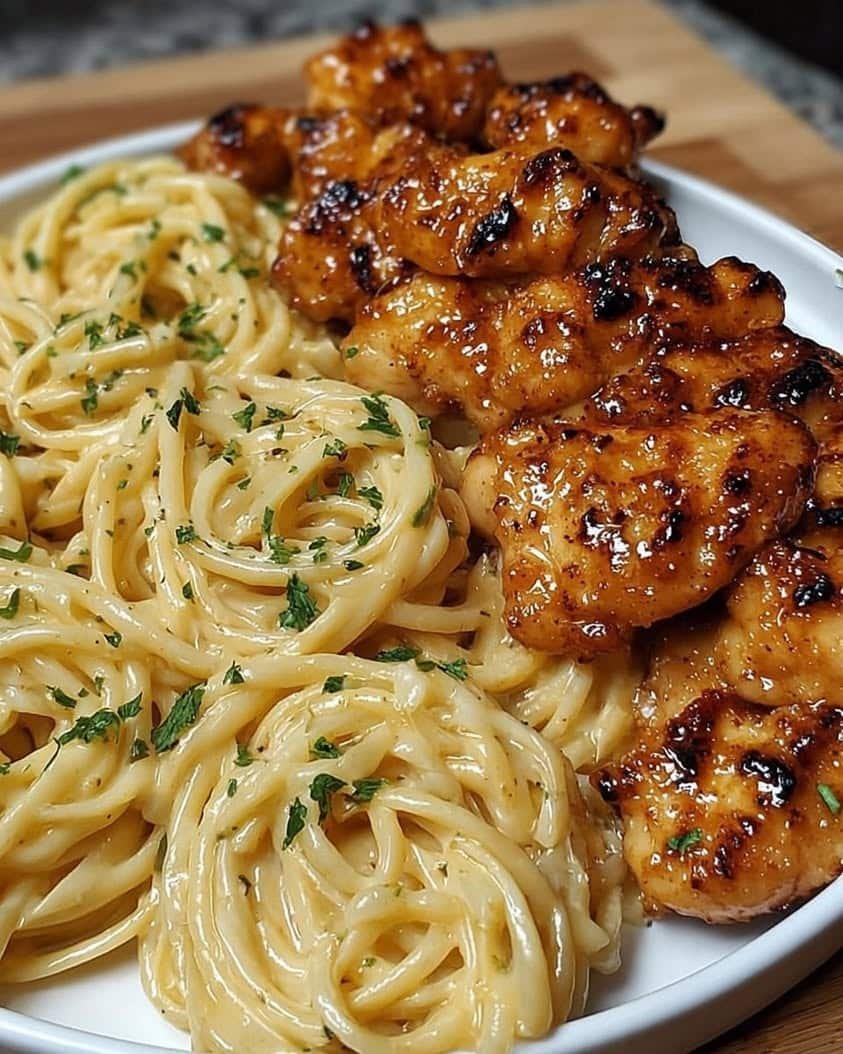
Creamy Lemon Garlic Butter Chicken and Parmesan Pasta Recipe: A Restaurant-Worthy Dinner in One Pan
This Creamy Lemon Garlic Butter Chicken and Parmesan Pasta Recipe brings the steakhouse experience straight to your own kitchen, and it does so without requiring a culinary degree or a sink full of dirty pans. Imagine golden-seared chicken breasts resting on a bed of silky pasta, all coated in a luscious sauce that balances bright citrus, savory garlic, rich butter, and nutty Parmesan. Because this Creamy Lemon Garlic Butter Chicken and Parmesan Pasta Recipe comes together in a single skillet, you spend less time scrubbing and more time enjoying the people around your table.
The magic of this dish lies in its contrast. Consequently, each bite delivers the tang of fresh lemon against the deep savoriness of browned butter and garlic. Meanwhile, the Parmesan melts into the cream to create a sauce that clings lovingly to every strand of pasta. Furthermore, the chicken stays juicy thanks to a quick sear and a gentle simmer in that same creamy sauce. As a result, you get a meal that tastes like you fussed for hours, even though the whole process takes under an hour from start to finish.
Whether you need a reliable weeknight dinner or a showstopper for weekend guests, this Creamy Lemon Garlic Butter Chicken and Parmesan Pasta Recipe delivers on every front. In addition, it uses pantry-friendly ingredients that you likely already have on hand. Therefore, you can skip the takeout menu and serve something memorable instead. Keep reading, and you will learn every technique, tip, and variation you need to master this creamy lemon garlic butter chicken and Parmesan pasta recipe for good.
Quick Recipe Highlights
- Flavor Profile: This dish layers bright lemon zest and juice over mellow, nutty garlic and rich Parmesan. The butter adds a round, golden richness that ties everything together. Each bite finishes clean rather than heavy, thanks to the citrus.
- Texture: You get a crisp golden crust on the chicken and a velvety sauce that coats the pasta. The pasta stays tender with a slight bite, and the Parmesan adds a subtle creaminess. Nothing turns gluey or dry when you follow the steps.
- Aroma: Garlic sizzling in butter fills the kitchen first, followed by the sharp, sunny scent of fresh lemon. Parmesan stirred into the cream adds a warm, toasted note. The final garnish of parsley brings a fresh, green lift.
- Visual Appeal: Golden chicken sits over pale, creamy pasta, dotted with green parsley and bright lemon slices. The sauce has a glossy sheen that signals richness without greasiness. A single skillet presentation keeps the table looking rustic and inviting.
- Skill Level Needed: You need basic knife skills and comfort with pan-searing chicken. The sauce comes together with simple stirring and gentle heat control. Beginners succeed here because the recipe gives clear visual cues at every stage.
- Special Equipment: A large, heavy-bottomed skillet or braiser does most of the work. You also need a cutting board, a chef’s knife, tongs, and a fine grater for the lemon zest and Parmesan. A instant-read thermometer helps you confirm the chicken is done.
Recipe Overview
- Difficulty Level: This creamy lemon garlic butter chicken and Parmesan pasta recipe lands squarely in the easy-to-intermediate range. The chicken sear demands attention to heat and timing, yet the steps stay forgiving. Because the sauce builds in the same pan, you never juggle multiple pots. Most home cooks nail this dish on the first attempt.
- Category: This dish works as a main course for dinner and doubles as a crowd-pleasing entree for gatherings. It also fits nicely into a weekend meal rotation. You can serve it as the centerpiece with a simple salad on the side.
- Cuisine: The recipe draws from Italian-American cooking, where cream sauces and Parmesan rule the pasta world. It also borrows from French technique through the butter-based pan sauce. The lemon adds a Mediterranean brightness that keeps the dish modern. Together, these influences create a comforting hybrid that feels both classic and fresh.
- Cost: Four servings cost roughly twelve to sixteen dollars depending on your grocery store and protein prices. Chicken breasts and dried pasta keep the base affordable. Butter, cream, and Parmesan carry most of the expense, yet you use modest amounts. Overall, this dish costs far less than the same meal at a restaurant.
- Season: This recipe shines year-round, though it peaks in late winter and early spring when citrus is abundant. Summer lemons bring extra brightness for lighter appetites. In colder months, the cream and butter deliver cozy comfort. Because the ingredients stay available everywhere, you never wait for a specific season.
- Occasion: Serve this dish for weeknight family dinners, date nights at home, or casual dinner parties. It looks impressive enough for holidays yet simple enough for a Tuesday. You can also bring it to potlucks in a covered baking dish. The recipe adapts to celebrations and ordinary evenings alike.
Why You’ll Love This Recipe
Taste and texture win people over first. The seared chicken delivers a savory crust that gives way to juicy meat, while the sauce wraps the palate in cream, butter, and Parmesan. Subsequently, the lemon cuts through the richness so each bite stays lively. The pasta adds a satisfying chew that anchors the whole dish. Because every component contributes distinct texture, the meal never feels one-note or monotonous.
Convenience sets this creamy lemon garlic butter chicken and Parmesan pasta recipe apart from most skillet dinners. You build everything in one pan, so cleanup takes minutes instead of an hour. Additionally, the ingredient list stays short and pantry-friendly, which means fewer shopping trips. The whole meal lands on the table in forty-five minutes, and most of that time needs only light attention. Therefore, it fits busy schedules without cutting corners on flavor.
Nutritional advantages matter too, especially for families who want balance. Chicken breasts supply lean protein, and Parmesan adds calcium with a big flavor punch. Meanwhile, you control the cream and butter amounts, so you can lighten the sauce when you prefer. The lemon contributes vitamin C, and fresh parsley brings antioxidants. Consequently, the dish delivers comfort food with sensible building blocks.
Social and entertaining value makes this recipe a reliable host’s secret weapon. It presents beautifully in the skillet, and guests love the aroma that fills the room. Furthermore, you can hold the finished dish at a low temperature while you chat with company. The recipe also scales without stress, so dinner parties feel easy. As a result, you look calm and collected while serving restaurant-quality food.
Cost-effectiveness and accessibility round out the appeal. Every ingredient comes from a standard supermarket, and none require a specialty store trip. The dish stretches four servings from two chicken breasts, which keeps protein costs low. Meanwhile, dried pasta and pantry spices carry the bulk of the meal. Therefore, this creamy lemon garlic butter chicken and Parmesan pasta recipe gives you premium flavor on an everyday budget.
Historical Background and Cultural Significance
The origin story of this dish traces back to Italian-American kitchens, where cooks married seared protein with cream-based pasta sauces. Immigrant families in New York and Chicago adapted traditional Italian techniques to local ingredients, and creamy Parmesan sauces became a signature. Furthermore, the lemon-garlic-butter combination draws on French pan sauce traditions. Over time, home cooks combined these threads into a single skillet meal, and the modern creamy chicken pasta was born.
Cultural importance shows up in how the dish appears at family tables across the United States. Italian-American cooking prizes generosity and bold flavor, and this recipe embodies both values. Additionally, the one-pan format suits the busy American weeknight while keeping a homemade feel. The dish carries a sense of occasion even when it lands on a Tuesday. Because of this, families adopt it as a staple and pass it down casually through generations.
The evolution of the recipe reflects changing kitchen habits and tastes. Early versions relied on heavy cream and plenty of butter, while newer takes lighten the sauce with broth or evaporated milk. Meanwhile, cooks now add spinach, sun-dried tomatoes, or roasted peppers for color and nutrition. Social media accelerated these tweaks, and home cooks share endless variations online. Even so, the core formula of chicken, lemon, garlic, butter, and Parmesan pasta stays intact.
Regional variations reveal how the dish adapts to local tastes. Southern cooks sometimes add Cajun seasoning and andouille sausage for heat. In the Pacific Northwest, chefs lean into fresh salmon or shellfish alongside the pasta. Meanwhile, Midwestern versions often pile on extra cheese and serve with garlic bread. Despite these differences, the creamy lemon garlic butter chicken and Parmesan pasta recipe remains recognizable from coast to coast.
Ingredient Deep Dive
Chicken breasts anchor the dish and carry cultural weight as the centerpiece of countless American dinners. Historically, poultry became affordable and widely available in the twentieth century, which made it a weeknight staple. Nutritionally, chicken breasts deliver lean protein with low saturated fat. Look for breasts of even thickness, or pound them thin, so they sear uniformly. Store raw chicken in the coldest part of your fridge and use it within two days of purchase. If you prefer, swap in thighs for juicier meat and deeper flavor. Since chicken breasts cook quickly in this recipe, they keep the whole meal fast; therefore, choose fresh, well-trimmed meat for the best result. As an alternative, you can brine the chicken for thirty minutes to lock in moisture before cooking.
Lemons bring brightness and history in equal measure, since citrus traveled Mediterranean trade routes for centuries. Italian and French cooks have long used lemon to cut richness in butter sauces. Nutritionally, lemons supply vitamin C and antioxidants in the zest and juice. Select lemons that feel heavy for their size with smooth, thin skin, because those yield more juice. Keep lemons in the refrigerator crisper drawer for up to three weeks, or leave them on the counter for a week. When you need a substitute, bottled lemon juice works, though fresh zest adds superior aroma and depth. Ultimately, fresh lemons make this creamy lemon garlic butter chicken and Parmesan pasta recipe sing.
Garlic gives the dish its savory backbone and boasts a long culinary history across Asia and the Mediterranean. Ancient cooks prized garlic for flavor and preservation, and it remains essential in Italian-American cooking. The bulbs offer modest amounts of vitamin C, manganese, and beneficial sulfur compounds. Choose firm, tight heads with dry papery skin, and avoid soft or sprouted bulbs. Store garlic in a cool, dark, ventilated spot rather than the fridge. Fresh garlic beats jarred pre-minced garlic for flavor, so buy whole heads and mince as needed. If you must substitute, garlic powder works in a pinch at one-quarter teaspoon per clove.
Butter contributes the recipe’s signature richness and carries deep cultural roots in French cuisine. French cooks perfected butter-based pan sauces, which later shaped Italian-American cream sauces. While butter adds saturated fat, it also delivers flavor and mouthfeel that oil alone cannot match. Choose unsalted butter so you control the seasoning, and look for fresh butter without off odors. Store butter wrapped in the fridge for up to a month, or freeze it for several months. Ghee or a quality plant-based butter substitute work for dairy-free needs. Because butter browns quickly, watch the pan closely during the sear. In short, quality butter elevates this creamy lemon garlic butter chicken and Parmesan pasta recipe from good to unforgettable.
Parmesan cheese brings nutty, salty complexity with centuries of Italian tradition behind it. True Parmigiano-Reggiano ages for at least twelve months and carries a protected designation in Italy. The cheese supplies calcium, protein, and concentrated umami. Buy a wedge and grate it fresh, since pre-grated cheese often contains anti-caking agents that prevent smooth melting. Wrap the wedge tightly and store it in the refrigerator for weeks, or freeze grated cheese for longer storage. Pecorino Romano offers a sharper substitute, and nutritional yeast works for dairy-free versions. Freshly grated Parmesan melts silkily into the sauce, which keeps this dish glossy and cohesive.
Common Mistakes to Avoid
- Overcrowding the pan with chicken causes steaming instead of searing, which leaves the meat pale and rubbery. Work in batches when necessary, and give each piece space. The golden crust builds both flavor and texture.
- Skipping the pat-dry step on the chicken prevents browning because surface moisture steams away. Dry the meat thoroughly with paper towels before seasoning. This small habit transforms the sear quality.
- Burning the garlic happens fast once it hits hot butter, and scorched garlic turns bitter. Add garlic after you lower the heat and stir constantly for thirty seconds. Then add liquid right away to stop the cooking.
- Adding cold cream to a hot pan can cause the sauce to break or turn grainy. Temper the cream by warming it slightly, or lower the heat before pouring. Stir gently until the sauce smooths out.
- Overcooking the chicken dries out the meat before the sauce even begins. Pull the chicken at an internal temperature of 165 degrees Fahrenheit and let it rest. The carryover cooking finishes the job.
- Using pre-grated cheese with anti-caking agents creates a clumpy sauce instead of a smooth one. Grate a fresh wedge on a microplane or box grater. The texture difference justifies the extra minute.
- Underseasoning the pasta water leaves the noodles bland no matter how good the sauce tastes. Salt the water generously so it tastes like the sea. The pasta absorbs that seasoning from the inside.
- Rushing the sauce reduction yields a thin, watery result that slides off the pasta. Let the cream bubble gently until it coats the back of a spoon. Patience here builds body and cling.
- Forgetting the resting time for chicken causes juices to flood the plate and dilute the sauce. Rest the seared pieces for five minutes before slicing. The meat stays moist and the sauce stays intact.
- Adding lemon juice too early mutes its brightness and can turn the sauce slightly bitter. Stir in fresh juice and zest at the very end, off the heat. This preserves the sunny, clean finish.
Essential Techniques
Pan-searing chicken properly builds the foundation of flavor for this dish, and it matters more than any other step. High heat creates a Maillard reaction that browns the surface and deepens taste. To master it, preheat the skillet until a drop of water sizzles and evaporates, then add oil and butter. Pat the chicken dry, season it well, and lay it in the pan away from you. Avoid moving the pieces for the first few minutes so the crust forms. Watch for a deep golden color and easy release from the pan as your visual cue. Common pitfalls include a cold pan, wet meat, and crowded pieces, so control those variables and you control the outcome.
Building a pan sauce teaches you one of the most valuable skills in home cooking. After searing, browned bits cling to the skillet, and those bits hold concentrated flavor. Deglaze by adding liquid and scraping with a wooden spoon while the pan sits over medium heat. For this recipe, broth lifts the fond, then cream and butter finish the sauce. Master the technique by keeping the heat moderate and stirring steadily so the sauce emulsifies. A broken or greasy sauce usually signals too much heat or insufficient stirring. Look for a glossy, even consistency that coats a spoon, and you know the sauce succeeded.
Emulsifying butter and cream creates the silky texture that defines this creamy lemon garlic butter chicken and Parmesan pasta recipe. Emulsification simply means combining fat and liquid so they stay unified rather than separating. Whisk constantly while adding butter pieces one at a time over low heat. The cream provides stability, and the Parmesan helps bind everything together. If the sauce looks oily, whisk in a splash of warm broth or pasta water to pull it back together. Visual cues include a uniform sheen and no visible oil pools on the surface. With steady heat and constant motion, anyone can master this technique.
Pro Tips for Perfect Creamy Lemon Garlic Butter Chicken and Parmesan Pasta
Reserve at least one cup of starchy pasta water before draining, because it becomes your secret sauce adjuster. The starch thickens the cream sauce and helps it cling to the noodles. Add it a splash at a time whenever the sauce tightens too much. This trick saves many creamy pasta dishes from dryness.
Pound the chicken breasts to an even half-inch thickness so they cook at the same rate. Even thickness prevents dry edges and raw centers. Place the meat between parchment or plastic and use a rolling pin or mallet. This two-minute step pays off in perfectly cooked chicken every time.
Zest the lemon before you juice it, since the zest holds the aromatic oils that perfume the whole dish. Use a microplane for fine, fluffy zest that melts into the sauce. Add the zest with the cream so the oils infuse the sauce. Then finish with juice at the end for brightness.
Toast the garlic gently rather than browning it hard, because golden garlic tastes sweet while burnt garlic turns acrid. Keep the heat at medium-low and stir for thirty seconds before adding liquid. This gentle approach extracts maximum flavor with zero bitterness. Your nose tells you when the garlic turns fragrant and ready.
Warm the cream before adding it to the pan so the sauce stays smooth and resists breaking. Microwave it for thirty seconds or let it sit at room temperature for fifteen minutes. Cold cream hitting a hot pan shocks the emulsion and creates graininess. This small step protects the silky texture you want.
Finish the sauce off the heat with a final knob of cold butter, which adds shine and rounds the flavor. Swirl the pan until the butter melts into the sauce. This classic French technique, called monter au beurre, gives restaurant gloss at home. The final butter addition also softens the sharpness of the lemon.
Use tongs to toss the pasta directly in the sauce over low heat for thirty seconds before serving. The noodles absorb flavor and the sauce coats every strand evenly. This quick toss, rather than ladling sauce over plain pasta, makes a real difference. Serve immediately for the best texture.
Taste the sauce before serving and adjust with salt, pepper, or a squeeze of lemon as needed. Cream sauces often need more salt than home cooks expect. Season in small increments and taste after each addition. A final taste guarantees the balance you want on the plate.
Variations and Adaptations
Regional variations let you shift the flavor profile without losing the recipe’s soul. A Southern take adds one teaspoon of Cajun seasoning to the flour or spice rub and finishes the sauce with sliced andouille sausage. Meanwhile, a Mediterranean version folds in sun-dried tomatoes, spinach, and a pinch of red pepper flakes for color and heat. A French-inspired twist replaces some cream with white wine reduced with shallots. Each direction keeps the creamy lemon garlic butter chicken and Parmesan pasta recipe recognizable while offering a fresh experience.
Seasonal adaptations keep the dish exciting all year. In summer, add burst cherry tomatoes, fresh basil, and extra lemon zest for a lighter feel. During fall, stir in roasted butternut squash cubes and sage for warmth. Winter versions benefit from extra cream and a topping of toasted breadcrumbs for cozy richness. Because the base recipe stays constant, seasonal swaps feel effortless.
Dietary modifications make the dish accessible to more people without sacrificing flavor. Use gluten-free pasta and cornstarch instead of flour for a gluten-free version. Pour in full-fat coconut cream and nutritional yeast for a dairy-free alternative that still tastes rich. For a lighter option, use half-and-half or evaporated milk in place of heavy cream. Each adjustment keeps the sauce creamy and the chicken juicy.
Flavor variations let your mood guide the meal. Add a tablespoon of Dijon mustard for tang, or stir in pesto at the end for a basil-forward punch. A splash of white wine during deglazing adds acidity and complexity. Smoked paprika brings a subtle smoky depth that pairs beautifully with the lemon. Since the sauce accepts flavors readily, you can reinvent this creamy lemon garlic butter chicken and Parmesan pasta recipe for any craving.
Texture modifications help when you want a different eating experience. Swap the pasta for zoodles to lighten the dish, or use pappardelle for a more luxurious chew. Add a handful of toasted pine nuts or crispy pancetta for crunch. A dusting of panko breadcrumbs on top introduces a crisp contrast to the creamy base. Because texture drives satisfaction, these tweaks keep the recipe fresh.
Presentation alternatives change how the dish arrives at the table. Serve it family-style in the skillet for a rustic feel, or plate individual portions in shallow bowls with a lemon wheel. For a buffet, transfer everything to a warm serving platter and garnish with fresh herbs. You can also skewer chicken medallions over pasta nests for a plated dinner look. Each option suits a different occasion without altering the flavor.
Serving and Presentation Guide
Plating techniques matter because people taste with their eyes before the first bite. Spoon a generous pool of creamy sauce into a shallow bowl and nestle the pasta in the center. Slice the chicken on a bias and fan the pieces across the top for height. Finish with a spoonful of sauce over the chicken so every element looks coated. These small moves turn a humble skillet meal into a plated entree.
Garnishing ideas add color and freshness that make the dish photograph beautifully. Fresh parsley or basil leaves scatter over the top and complement the creamy tones. Thin lemon slices tucked along the bowl rim signal the citrus flavor inside. A crack of black pepper and a flurry of grated Parmesan complete the look. Avoid overloading garnishes, since a few intentional touches read as elegant.
Traditional accompaniments round out the meal with classic Italian-American sides. A crisp Caesar salad with garlic croutons adds crunch and acidity. Warm garlic bread invites diners to mop the leftover sauce from their bowls. Steamed broccoli or roasted green beans bring color and nutrition to the plate. These pairings feel familiar and let the main dish stay the star.
Modern serving suggestions cater to lighter or trendier tastes. A shaved fennel and citrus salad cuts the richness with bright, crisp texture. For low-carb guests, serve the sauce and chicken over roasted cauliflower steaks instead of pasta. A charred broccolini side with lemon adds a smoky edge. Since the dish carries plenty of richness, light and fresh sides balance the meal.
Temperature considerations ensure the dish tastes as good as it looks. Serve the pasta hot from the pan, since creamy sauces tighten as they cool. Warm your serving bowls with hot water and dry them before plating. Keep the chicken sliced at the last moment so it stays juicy. Because this dish peaks at serving time, plate quickly and call everyone to the table.
Portion control tips help you stretch the meal and manage leftovers. A standard serving uses about four ounces of cooked chicken and one cup of pasta. Use a measuring cup for the pasta and a kitchen scale for the chicken if you track portions. For heartier appetites, add extra pasta while keeping the chicken portions steady. Since the sauce stretches well, a little goes a long way.
Wine and Beverage Pairing
Wine pairings for this dish lean toward bright, medium-bodied whites that balance cream and citrus. A Sauvignon Blanc brings grassy acidity that lifts the butter and cheese. Chardonnay, especially an unoaked style, complements the creamy texture without overwhelming it. Pinot Grigio offers light, crisp refreshment for casual dinners. Meanwhile, a dry rosé bridges the richness with a touch of fruit.
Non-alcoholic alternatives keep everyone at the table included. Sparkling water with a squeeze of lemon and a sprig of basil refreshes the palate between bites. Iced tea with lemon echoes the citrus notes naturally. A virgin mojito, without the rum, delivers mint and lime that cut the cream. Because the dish is rich, effervescent drinks work especially well.
Coffee and tea pairings work surprisingly well with the flavors here. A light black tea, such as Darjeeling, offers a gentle tannic structure that cleanses the palate. Green tea with lemon complements the citrus without competing. For an after-dinner moment, a mild espresso balances the Parmesan’s saltiness. Avoid heavy, smoky teas that fight the bright sauce.
Temperature considerations for beverages matter as much as the choice itself. Serve white wines and non-alcoholic refreshers well chilled to contrast the warm, creamy food. A slightly cool room-temperature dry rosé also works nicely. Meanwhile, hot tea should sit comfortably warm rather than scalding. Since the dish arrives hot, cool beverages refresh the palate.
Serving suggestions turn the pairing into part of the experience. Pour wine into stemmed glasses and set a small pitcher of citrus water on the table for everyone. Offer the non-alcoholic option in a pretty glass with a lemon twist so it feels special. Serve hot tea after the meal as a gentle close. These touches make an everyday dinner feel considered.
Storage and Shelf Life
Storage methods determine how well leftovers hold up, and creamy pasta demands a little care. Cool the dish within two hours of cooking and transfer it to shallow, airtight containers. Keep the chicken and pasta together so the chicken stays moist in the sauce. Press plastic wrap against the surface if you plan to eat within a day. Proper storage preserves both flavor and texture.
Temperature requirements for food safety keep leftovers safe to eat. Store the dish in the refrigerator at or below forty degrees Fahrenheit. Never leave creamy pasta at room temperature for more than two hours. In hot weather, cut that window to one hour. Because cream and chicken both spoil quickly, temperature discipline matters.
Container recommendations balance convenience and quality. Use glass containers with tight-fitting lids for easy reheating and no plastic odor transfer. Divide large batches into smaller containers so they cool faster and reheat evenly. Leave a little headspace for expansion during freezing. Since you can see the contents, glass also helps you track leftovers.
Signs of spoilage protect you from eating something past its prime. Discard leftovers that smell sour, look separated, or show mold. A slick or slimy texture on the chicken signals trouble as well. When in doubt, throw it out, since creamy sauces hide spoilage poorly. Check leftovers before reheating, and trust your senses.
Reheating instructions revive the dish without drying the chicken. Warm leftovers gently on the stovetop over medium-low heat, adding a splash of broth or milk to loosen the sauce. Stir frequently so the cream reheats evenly. In the microwave, use medium power and cover the dish to trap moisture. Heat to 165 degrees Fahrenheit and stop before the sauce bubbles hard.
Freezing guidelines help you plan ahead, though creamy pasta freezes only moderately well. The sauce may separate slightly after thawing, but gentle reheating usually restores it. Freeze portions in airtight containers for up to two months, and thaw overnight in the refrigerator. Add a splash of fresh cream when reheating to rebuild the texture. Because texture suffers a little, freeze this dish only when you need the convenience.
Make Ahead Strategies
A prep timeline turns this dish into a stress-free weeknight option. Grate the Parmesan, mince the garlic, zest and juice the lemons, and chop the parsley up to three days ahead. Store each in separate containers in the refrigerator. You can also pound and season the chicken the night before. With prep done, the actual cooking takes thirty minutes.
Storage between steps keeps components fresh without sacrificing quality. Cook the chicken fully, cool it, and refrigerate it separately from the sauce for up to two days. Make the sauce a day ahead and reheat it gently with a splash of broth. Cook pasta fresh on serving day, since pasta loses texture quickly. These separations let you assemble a fresh-tasting meal fast.
Quality impact assessment helps you decide what to make ahead and what to leave for later. Cream sauces reheat well with gentle heat, though they never match fresh perfection. Chicken stays juicy for a day or two once cooked. Pasta loses its ideal bite after a day, so cook it last. Since freshness matters most to texture, prioritize cooking pasta at serving time.
Assembly tips streamline the final minutes before dinner. Reheat the sauce in the skillet, then add the cooked pasta and toss to coat. Slice the chicken and nestle it into the sauce to warm through. Finish with fresh lemon juice, zest, and herbs. This order keeps every component at its best.
Reheating guidelines protect the dish during make-ahead serving. Warm the sauce over medium-low heat and stir often. Add pasta water or broth if the sauce tightens. Introduce the chicken at the end so it warms without overcooking. Since gentle heat preserves cream sauces, avoid boiling.
Fresh element additions at serving time make leftovers taste newly made. Add a squeeze of lemon, a handful of chopped parsley, and a final grating of Parmesan. Toss in fresh spinach or cherry tomatoes for color and crunch. Because these additions take seconds, the finished dish feels lively.
Scaling Instructions
Halving the recipe suits two-person households or small families. Use one chicken breast, half the pasta, and half the cream, but keep the garlic and lemon generous since flavor scales down poorly. Cook in a smaller skillet so the chicken still sears rather than steams. Timing stays mostly the same, though the sauce reduces faster. Taste and adjust seasoning before serving.
Doubling or tripling the recipe works for gatherings, though it demands planning. Sear the chicken in batches so the pan never crowds. Make the sauce in the same pan in two rounds, or use a wide braiser for one large batch. Cook pasta in a big pot with plenty of water. Because larger volumes heat slowly, give the sauce extra time to reduce.
Equipment adjustments keep results consistent at any scale. A twelve-inch skillet handles a doubled recipe if you sear chicken in batches first. For tripling, use a large roasting pan or two skillets and combine at the end. Larger pots need more water and salt for the pasta. Since equipment limits affect browning, match pan size to batch size.
Timing modifications account for slower heating and bigger volumes. Add five to ten minutes for a doubled batch, mostly during sauce reduction. Sear chicken in batches without rushing, since browning drives flavor. Keep finished chicken warm in a low oven while you work. Because larger batches hold heat, rest the chicken slightly longer before slicing.
Storage considerations change with larger batches. Divide leftovers into meal-sized containers rather than one giant tub, so you reheat only what you need. Label containers with dates and freeze portions you will not eat within three days. For parties, hold the finished dish in a warm oven at low heat and add fresh herbs just before serving. These habits keep big-batch cooking manageable.
Nutritional Deep Dive
The macro breakdown of this dish centers on protein from chicken and Parmesan, fat from butter and cream, and carbohydrates from pasta. A serving delivers roughly forty to forty-five grams of protein, which supports muscle maintenance and satiety. Fat contributes richness and carries flavor, while carbs fuel energy. Because portions vary, weigh ingredients if you track macros closely.
Micronutrient analysis reveals more than macronutrients in the bowl. Parmesan supplies calcium and phosphorus for bone health, and chicken offers B vitamins, including niacin and B6. Lemons add vitamin C, and parsley contributes vitamin K and antioxidants. Garlic brings trace minerals and beneficial sulfur compounds. Together, these nutrients make the dish more than empty comfort food.
Health benefits emerge when you view the dish as part of a balanced diet. High protein supports fullness and helps steady energy through the evening. The lemon and garlic add antioxidant compounds linked to general wellness. Because you control the cream and butter, you can moderate saturated fat without losing flavor. Pair the dish with vegetables to round out the plate.
Dietary considerations help you fit the recipe into specific eating patterns. Those watching sodium should use unsalted butter and moderate the Parmesan, since cheese carries salt. People managing fat intake can swap half the cream for evaporated milk. Anyone with dairy sensitivity can try lactose-free cream and aged Parmesan, which contains little lactose. Since the recipe adapts easily, most diets find a workable version.
Portion analysis keeps expectations realistic for weight management. A four-ounce chicken portion with one cup of pasta and sauce lands around six hundred to seven hundred calories. Larger pasta portions add calories quickly because pasta is calorie-dense. Serve with a big vegetable side to fill the plate without extra calories. Because awareness drives results, measure portions when you track intake.
Weight management tips make the dish fit a long-term plan. Use a smaller bowl to make a standard portion feel generous. Load half the plate with vegetables and reserve the other half for chicken and pasta. Choose evaporated milk for a lighter sauce that still tastes creamy. Since protein and fat promote satiety, smaller portions often satisfy fully.
Dietary Adaptations
Gluten-free eaters can enjoy this dish with simple swaps. Choose gluten-free pasta made from rice, corn, or lentils, and cook it carefully since these varieties overcook fast. Replace the flour used for dredging with cornstarch or a gluten-free blend. Check that your broth and Parmesan carry no hidden gluten. Because the sauce is naturally gluten-free, the pasta swap does most of the work.
Dairy-free versions require rethinking the creamy elements. Use plant-based butter and full-fat coconut cream or cashew cream for richness. Replace Parmesan with a dairy-free hard cheese or nutritional yeast plus a pinch of salt. Coconut cream adds a slight sweetness, so balance it with extra lemon. Since creaminess defines this dish, choose a plant-based alternative you trust.
A vegan adaptation transforms the recipe entirely but keeps the creamy lemon garlic butter concept. Swap chicken for crispy tofu, chickpeas, or roasted cauliflower steaks seasoned with Print
Lemon Garlic Butter Chicken with Creamy Parmesan Pasta
- Total Time: 45 minutes
- Yield: 4
Description
A rich and creamy pasta dish featuring juicy chicken breasts seared in lemon garlic butter, served over parmesan pasta.
Ingredients
- 2 boneless, skinless chicken breasts
- Salt and pepper to taste
- 2 tablespoons olive oil
- 4 tablespoons unsalted butter, divided
- 4 cloves garlic, minced
- 1 lemon, juiced and zested
- 1/2 cup chicken broth
- 1/2 cup heavy cream
- 1/2 cup grated Parmesan cheese
- 8 ounces pasta (such as fettuccine or penne)
- Fresh parsley, chopped (for garnish)
Instructions
- Season chicken breasts with salt and pepper. Heat olive oil in a large skillet over medium-high heat. Cook chicken until golden brown and cooked through, about 6-7 minutes per side. Remove and set aside.
- In the same skillet, melt 2 tablespoons butter. Add garlic and cook until fragrant, about 30 seconds. Add lemon juice, zest, and chicken broth, scraping up browned bits. Simmer for 2 minutes.
- Add heavy cream and remaining butter, stir to combine. Reduce heat to low and whisk in Parmesan cheese until melted and sauce is smooth.
- Meanwhile, cook pasta according to package directions. Drain, reserving 1/2 cup pasta water.
- Add cooked pasta to the skillet with the cream sauce, tossing to coat. If sauce is too thick, add reserved pasta water a little at a time.
- Slice chicken and serve over pasta. Garnish with fresh parsley.
Notes
You can customize the seasonings to taste.
- Prep Time: 15 minutes
- Cook Time: 30 minutes
- Method: Main
- Cuisine: American