Zesty Lemon Ricotta and Spinach Pasta: A Fresh, Creamy Delight
If you crave a dinner that feels bright and comforting at the same time, this Zesty Lemon Ricotta and Spinach Pasta delivers exactly that. The dish combines silky ricotta, fresh lemon zest, and tender spinach with al dente pasta, and it comes together in about thirty minutes. Because the sauce needs no cooking, the Zesty Lemon Ricotta and Spinach Pasta stays light while tasting rich and creamy. You get a restaurant-quality meal without the heavy cream or the long simmer.
This recipe shines because it balances contrast so well. The lemon cuts through the richness of the ricotta, and the spinach adds an earthy note that keeps every bite interesting. Meanwhile, the pasta water creates a glossy sauce that clings to each strand. Whether you serve it on a busy weeknight or present it at a weekend dinner, the Zesty Lemon Ricotta and Spinach Pasta looks elegant and tastes vibrant. Home cooks of every skill level can master it.
You need only a handful of ingredients, and most of them likely sit in your kitchen right now. Ricotta, lemons, spinach, garlic, and pasta form the foundation. Therefore, you can skip a special trip to the store. The result is a fresh, creamy pasta dish that feels far more special than the effort suggests. Keep reading to learn the techniques, variations, and pro tips that make this Zesty Lemon Ricotta and Spinach Pasta a repeat favorite.
Quick Recipe Highlights
- Flavor Profile: The sauce tastes creamy yet bright, and the lemon adds a clean finish that keeps the palate refreshed. Garlic brings a savory backbone, while Parmesan adds a nutty, salty depth. Every bite feels balanced rather than heavy.
- Texture: Whipped ricotta creates a velvety sauce that coats each piece of pasta. The spinach stays tender but retains a slight bite, and a sprinkle of toasted breadcrumbs or nuts adds crunch if you include them.
- Aroma: Fresh lemon zest releases citrus oils the moment you grate it, and those oils perfume the whole kitchen. Sauteed garlic adds warmth, and the spinach brings a green, garden-like note.
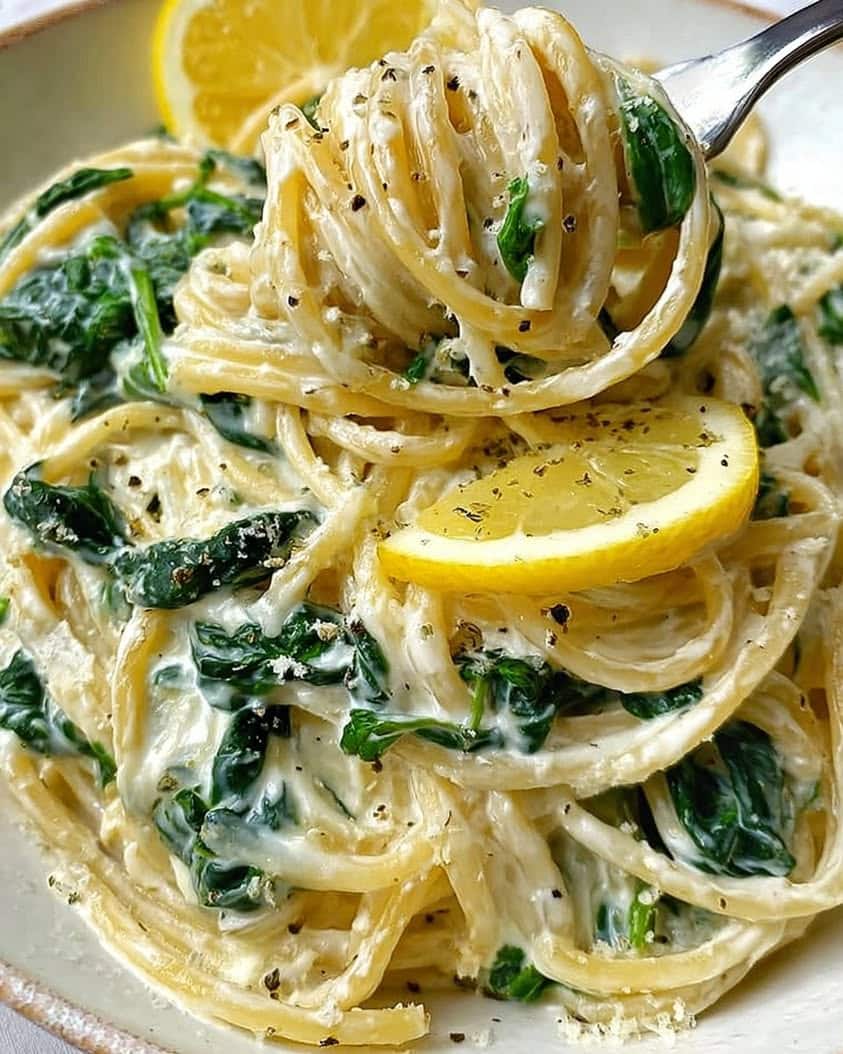
- Visual Appeal: The finished dish shows off pale white ricotta, deep green spinach, and sunny yellow lemon zest. A final shower of Parmesan and cracked pepper gives it a polished, photo-ready look.
- Skill Level Needed: This recipe suits beginners because the sauce requires no cooking and no emulsification over heat. You mainly need to boil pasta and wilt greens, so the margin for error stays wide.
- Special Equipment: You need a large pot for pasta, a colander, a large skillet, and a microplane or fine grater for the lemon zest. A citrus juicer helps, and a large mixing bowl handles the ricotta base. None of these tools cost much, and most kitchens already own them.
Recipe Overview
- Difficulty Level: I rate this recipe easy because it uses one pot and one pan, and the sauce comes together off the heat. The only real technique involves reserving pasta water and tossing everything quickly so the sauce stays smooth. Beginners can succeed on the first attempt with minimal stress.
- Category: This dish works as a main course for lunch or dinner. It also functions as a hearty side for grilled chicken or fish. Additionally, it holds up as a potluck contribution because it tastes good warm or at room temperature.
- Cuisine: The recipe draws from Italian culinary tradition, specifically the Roman love of lemon and ricotta and the southern Italian use of greens with pasta. Italian cooks often pair ricotta with citrus in desserts, yet savory versions appear across the country. This dish nods to those traditions while staying simple and modern.
- Cost: The total cost stays low because ricotta, pasta, and spinach rank among the most affordable grocery items. Lemons and garlic cost little, and Parmesan is the priciest component, though you need only a small amount. Overall, a family of four eats well for under fifteen dollars in most U.S. markets.
- Season: Spring and summer suit this recipe best because lemons peak and fresh spinach is abundant. That said, the ingredients remain available year-round, so you can enjoy it in winter when you crave brightness. The dish feels especially welcome during warmer months when heavy sauces lose their appeal.
- Occasion: Weeknight dinners, casual lunches, and holiday gatherings all work well here. The recipe scales easily for a crowd, and it looks impressive enough for guests. Serve it for a baby shower lunch, a Sunday supper, or a quick solo meal.
Why You’ll Love This Recipe
The taste and texture appeal of this Zesty Lemon Ricotta and Spinach Pasta sets it apart from ordinary pasta night. Ricotta whipped with lemon zest and Parmesan tastes airy and rich at once, and the citrus keeps the richness in check. When you toss the sauce with hot pasta and starchy water, it turns silky and light. The spinach adds a fresh, earthy counterpoint. As a result, each forkful delivers creaminess, brightness, and a hint of garlic that keeps you coming back.
Convenience makes this recipe a weeknight hero because it comes together in twenty-five minutes with minimal cleanup. You boil pasta and wilt spinach, and the sauce requires zero cooking. Meanwhile, you can chop, zest, and set the table during the pasta boil. Since the dish uses one pot and one pan, cleanup takes minutes. Consequently, you spend less time scrubbing and more time enjoying dinner with your family.
Nutritional advantages give this dish another strong selling point. Ricotta supplies protein and calcium, and spinach delivers iron, fiber, and vitamins A, C, and K. Lemon adds vitamin C and bright flavor without sodium or fat. Because the sauce skips heavy cream and butter, the fat content stays moderate. Therefore, you enjoy a creamy pasta that fits a balanced eating pattern.
Social and entertaining value also runs high with this recipe. The dish looks beautiful on a platter, and guests love the fresh lemon aroma. You can serve it family-style or plate individual portions for a dinner party. Because it holds up well at room temperature, it suits buffets and potlucks. Additionally, the recipe invites conversation about its bright, seasonal flavors.
Cost-effectiveness and accessibility round out the reasons to love this recipe. All the ingredients sit in the dairy, produce, and pantry aisles of any supermarket. You face no specialty shopping and no obscure techniques. Furthermore, leftovers taste excellent the next day, which stretches your grocery budget. For busy households, that combination of value and flavor is hard to beat.
Historical Background and Cultural Significance
The origin story of this dish connects to Italy’s long romance with ricotta and citrus. Shepherds and farmers made ricotta from the whey left after cheesemaking, and the result was inexpensive and protein-rich. Cooks in Rome and Sicily paired the cheese with lemon and greens for generations. Over time, pasta became the natural canvas for those flavors, and the combination spread across Italian households.
Cultural importance shows up in how Italians treat simple ingredients as treasures. Ricotta appears in both savory and sweet dishes, and lemons grow abundantly in southern regions like Campania and Sicily. Spinach and other greens fill markets in spring, and cooks fold them into pasta, frittatas, and tarts. Therefore, this recipe reflects a broader Mediterranean philosophy: use what grows nearby and treat it with respect.
The recipe evolved as home cooks adapted it to modern kitchens. Traditional versions sometimes used fresh sheep’s milk ricotta and hand-rolled pasta, yet the core idea stayed the same. As pasta became a global staple, cooks began whipping ricotta for a lighter texture and adding pasta water to bind the sauce. Consequently, the modern version feels both authentic and approachable.
Regional variations highlight how flexible this dish can be. In Rome, cooks might add pecorino and black pepper for a sharper bite. In Sicily, golden raisins and toasted pine nuts bring sweetness and crunch. Meanwhile, American cooks often add grilled chicken or shrimp for extra protein. Each variation honors the original idea while reflecting local tastes and available ingredients.
Ingredient Deep Dive
Ricotta holds the sauce together and gives the dish its creamy identity. Italian cooks have made ricotta for centuries by reheating whey from other cheeses, and the process yields soft, delicate curds. Nutritionally, ricotta delivers protein, calcium, and vitamin B12 without much fat when you choose part-skim. When shopping, look for fresh ricotta with a clean, milky smell and a smooth texture; avoid packages with watery pools or a sour odor. Store it in the refrigerator and use it within a week of opening. For substitutions, cottage cheese blended smooth works well, and vegan ricotta made from almonds or tofu offers a plant-based option.
Lemons bring the zesty character that defines the dish. The fruit originated in Asia and spread through the Mediterranean, and Italian cooks embraced it in both sweet and savory cooking. Lemons provide vitamin C and antioxidants, and the zest carries the aromatic oils that perfume the sauce. Choose lemons that feel heavy for their size with bright, unblemished skin. Store them in the refrigerator crisper or on the counter for a few days. If you lack lemons, lime zest and juice deliver a similar brightness with a sharper edge.
Spinach adds color, nutrients, and an earthy flavor that grounds the richness of the cheese. The leafy green originated in Persia and traveled to Europe through trade routes, and it became a staple in Mediterranean cooking. Spinach supplies iron, fiber, folate, and vitamins A and K. Select crisp, dark green leaves with no yellowing or slime, and wash them thoroughly before cooking. Store spinach in a sealed bag with a paper towel in the refrigerator. If spinach is unavailable, kale, arugula, or Swiss chard all substitute well with slight adjustments to cooking time.
Pasta provides the structure and carries the sauce to every bite. Italian pasta traditions stretch back centuries, and shapes like rigatoni, penne, and farfalle work beautifully here because their ridges trap the sauce. Pasta offers carbohydrates for energy plus some protein and fiber, especially in whole wheat versions. Choose bronze-die pasta for a rougher surface that holds sauce better. Store dry pasta in a cool, dry pantry for up to a year. Gluten-free pasta made from rice, corn, or chickpeas substitutes directly, and legume pasta boosts protein.
Common Mistakes to Avoid
- Using cold ricotta straight from the refrigerator creates a lumpy sauce. Let the ricotta sit at room temperature for fifteen minutes, and whip it well so it turns smooth and airy before it meets the pasta.
- Skipping the pasta water removes your best tool for loosening the sauce. Always reserve at least one cup of starchy cooking water, and add it gradually while tossing.
- Overcooking the spinach turns it mushy and dull. Wilt it briefly over medium heat until just softened, then remove it from the pan right away.
- Burning the garlic ruins the entire dish because burnt garlic turns bitter. Saute it over medium-low heat for about thirty seconds until fragrant, and pull the pan off the heat if it starts to brown.
- Adding lemon juice too early can taste harsh and flat. Stir fresh lemon juice in off the heat, and taste before adding more so the acidity stays balanced.
- Under-salting the pasta water leaves the dish flat no matter how much cheese you add. Season the water generously with salt, as it is your only chance to season the pasta itself.
- Using a narrow pasta shape with a thick sauce leads to uneven coating. Choose ridged or tubular shapes that trap the ricotta mixture, and toss vigorously to distribute it.
- Serving the dish cold dulls the flavors and thickens the sauce. Warm the bowls, plate immediately, and bring everything together while the pasta is steaming hot.
- Rushing the zest grates bitter white pith into the sauce. Grate only the yellow outer layer, and rotate the lemon constantly to avoid the pith beneath.
- Letting leftovers sit out too long risks food safety issues. Refrigerate within two hours of cooking, and reheat thoroughly before serving again.
Essential Techniques
Whipping the ricotta matters because it transforms dense cheese into a light, silky base. Start with room-temperature ricotta, and use a whisk or food processor to beat it for a full minute until it looks fluffy. This step incorporates air and breaks up curds, which helps the sauce coat the pasta evenly. Watch for a smooth, spreadable texture with no visible lumps, and stop before the mixture becomes runny.
Reserving pasta water is a simple habit that pays off in sauce consistency. The water contains starch from the pasta, and that starch helps the ricotta cling to each piece. Ladle out a cup before you drain the pot, and keep it warm nearby. Add it one tablespoon at a time while tossing, and use visual cues to judge success: the sauce should look glossy and loose, not dry or watery.
Wilt the spinach properly to preserve its texture and color. Heat a large skillet over medium heat, add the garlic and a little olive oil, then add the spinach in batches. Stir until the leaves collapse, which usually takes two to three minutes. Remove the pan from the heat as soon as the spinach wilts, and drain any excess liquid so the sauce does not turn soupy.
Tossing off the heat protects the ricotta from curdling and keeps the sauce smooth. Once the pasta drains, add it to the ricotta mixture along with the spinach and lemon juice, and fold everything together with tongs. The residual heat warms the sauce just enough. Therefore, you get a creamy result without scrambling the cheese or breaking the emulsion.
Pro Tips for Perfect Zesty Lemon Ricotta and Spinach Pasta
- Zest the lemon directly over the ricotta bowl so the aromatic oils land in the sauce rather than on the cutting board. This small move boosts the citrus flavor dramatically.
- Undercook the pasta by one minute so it finishes cooking in the sauce. The pasta absorbs flavor and releases starch, and the final texture stays perfectly al dente.
- Use whole-milk ricotta when you want the richest sauce, and choose part-skim for a lighter version. Either works well, so match the choice to your preferences.
- Toast a handful of pine nuts or breadcrumbs for a crunchy topping. The contrast elevates the dish and adds a professional touch.
- Taste and adjust before serving because lemon intensity varies by fruit. Add more zest for aroma, more juice for acidity, and more Parmesan for saltiness.
- Warm your serving bowls with hot water and dry them before plating. Warm bowls keep the sauce fluid and the pasta hot through the meal.
- Reserve extra pasta water even after the sauce looks right. A splash at the table revives leftovers and loosens the sauce if it tightens.
- Grate Parmesan finely so it melts into the ricotta quickly. Coarse shreds can leave gritty pockets in an otherwise smooth sauce.
Variations and Adaptations
Regional variations offer a world of flavor twists. A Roman-inspired version adds pecorino Romano and plenty of cracked black pepper for a sharper, bolder profile. Sicilian cooks might fold in golden raisins and toasted pine nuts for sweetness and crunch. Meanwhile, a southern Italian approach includes a pinch of red pepper flakes and a squeeze of lemon at the table. Each version keeps the creamy ricotta base while reflecting local tastes.
Seasonal adaptations keep the dish fresh all year. In spring, add blanched asparagus or peas alongside the spinach for a garden-fresh plate. During summer, fold in halved cherry tomatoes and fresh basil for a caprese-like spin. In autumn, roasted squash or mushrooms bring warmth and depth, and winter calls for sauteed kale or chard instead of spinach.
Dietary modifications make the recipe flexible for many eaters. Gluten-free pasta works directly, and dairy-free ricotta made from almonds or cashews swaps in for the cheese. Vegan cooks can use nutritional yeast in place of Parmesan for a savory note. Low-carb eaters enjoy the sauce over zucchini noodles or spaghetti squash, and the cooking time drops to just a few minutes.
Flavor variations let you reinvent dinner without a new recipe. Add smoked salmon and dill for an elegant brunch version, or stir in pesto for a double-green twist. A spoonful of harissa or Calabrian chili paste brings gentle heat, and lemon-infused olive oil amplifies the citrus. Each addition changes the dish while the creamy base stays constant.
Texture modifications let you customize every bite. Toasted walnuts, almonds, or pistachios add crunch, and crispy prosciutto or pancetta bring savory depth. A shower of panko breadcrumbs toasted in olive oil creates a lighter crunch. Conversely, a drizzle of cream or a pat of butter enriches the sauce for a more indulgent result.
Presentation alternatives help you serve the dish for any occasion. Toss everything in a large ceramic bowl for a family-style table, or plate individual portions with a nest of pasta and a spinach garnish. For a dinner party, serve it in shallow bowls with a lemon wedge and shaved Parmesan on top. You can also bake it with a breadcrumb topping for a pasta al forno variation.
Serving and Presentation Guide
Plating techniques matter because this dish looks best when the sauce coats the pasta evenly. Use tongs to twirl portions into a neat nest in the center of each bowl. Spoon a little extra sauce over the top, and leave a small pool at the base for dipping. A wide-rim bowl showcases the colors and keeps the presentation clean.
Garnishing ideas should echo the ingredients in the dish. A few curls of lemon zest, torn basil leaves, and shaved Parmesan add color and flavor. Toasted pine nuts or breadcrumbs scatter nicely over the top for texture. Cracked black pepper finishes the plate and signals freshness.
Traditional accompaniments include a simple green salad with olive oil and vinegar, plus crusty bread for sopping up the sauce. A platter of roasted vegetables or a bowl of olives fits the Italian theme. Keep sides light so the pasta remains the star of the meal.
Modern serving suggestions lean toward bold contrasts. Pair the dish with a crisp white wine or sparkling water with lemon, and add a small plate of marinated white beans. For brunch, serve it alongside poached eggs and a green juice. These pairings feel fresh and contemporary.
Temperature considerations shape the experience because the dish tastes best when served hot. Warm the bowls, plate quickly, and bring the food to the table within minutes. If you serve it at room temperature for a buffet, keep it no longer than two hours for safety. Rewarm gently with a splash of pasta water if needed.
Portion control tips help you serve a filling meal without excess. A standard serving is about one cup of pasta with sauce, which satisfies most adults alongside a salad. For heartier appetites, add grilled chicken or shrimp rather than doubling the pasta. Guests can always take a second scoop, and the sauce stays balanced.
Wine and Beverage Pairing
Wine pairings for this dish should match its bright, creamy character. A crisp Italian white such as Pinot Grigio or Vermentino cuts through the ricotta beautifully. Sauvignon Blanc offers citrus notes that echo the lemon zest, and a dry Prosecco adds festive bubbles. Avoid heavy oaky whites that overpower the delicate sauce.
Non-alcoholic alternatives work just as well for a fresh, vibrant meal. Sparkling water with lemon and mint feels refreshing and cleanses the palate. Iced green tea with a squeeze of citrus pairs nicely, and homemade lemonade suits a warm-weather lunch. A simple cucumber cooler with lime also complements the greens.
Coffee and tea pairings can extend the meal in surprising ways. A light, citrusy herbal tea such as lemon verbena or chamomile makes a soothing after-dinner sip. Iced tea with a lemon wedge refreshes on a hot day. Avoid heavy coffee after the meal, since its bitterness clashes with the delicate creaminess.
Temperature considerations affect how beverages taste alongside the dish. Serve whites chilled but not icy, around fifty degrees Fahrenheit, so the aromas stay present. Sparkling water should be cold, and tea can be served warm or iced based on the season. Room-temperature wine loses crispness, so keep it cool until serving.
Serving suggestions keep the drinks as simple as the food. Pour water into pretty glasses with a lemon twist, set out a small ice bucket, and offer refills before guests ask. Keep bottles in a cooler near the table for easy access. Thoughtful details make the meal feel special.
Storage and Shelf Life
Storage methods matter because creamy pasta can spoil quickly if left at room temperature. Transfer leftovers to an airtight container within two hours of cooking. Press plastic wrap directly onto the surface of the pasta to limit air exposure, then seal the lid. This approach keeps the sauce from drying out and the flavors fresh.
Temperature requirements are simple: store the dish in the refrigerator at or below forty degrees Fahrenheit. Place the container on a middle shelf rather than the door, where temperatures fluctuate. Keep the pasta away from raw meat and check the fridge thermometer regularly. Proper cold storage extends shelf life to about three days.
Container recommendations include glass containers with tight lids and shallow depth for faster cooling. Divide large batches into smaller containers so the pasta chills within an hour. Avoid flimsy plastic bags, which leak and squish the pasta. If you plan to freeze leftovers, use freezer-safe containers with headspace for expansion.
Signs of spoilage include a sour smell, visible mold, or a slimy texture. When in doubt, throw it out, since dairy-based sauces support bacterial growth. If leftovers smell off or look discolored, discard them immediately. Food safety always outweighs the cost of a wasted portion.
Reheating instructions should restore moisture and creaminess. Warm leftovers gently in a skillet over medium-low heat with a splash of water or broth, stirring until steaming. In the microwave, cover and heat in thirty-second bursts, stirring between intervals. Always reheat to one hundred sixty-five degrees Fahrenheit for safety.
Freezing guidelines differ from refrigeration because dairy sauces can separate. Freeze individual portions for easier thawing, and consume within two months for best quality. Thaw overnight in the refrigerator, then reheat gently on the stove. Expect slight texture changes, and stir in a spoonful of fresh ricotta after reheating.
Make Ahead Strategies
Prep timeline planning saves time on busy days. You can zest and juice the lemons, grate the Parmesan, and mince the garlic up to three days ahead. Store each component in a small covered container in the refrigerator. Meanwhile, wash and dry the spinach, and keep it in a sealed bag with a paper towel.
Storage between steps keeps prepped elements fresh and organized. Keep the ricotta mixture covered and chilled until cooking, and let it sit at room temperature for fifteen minutes before tossing. Hold the washed spinach in the crisper drawer, and keep the cooked pasta separate if you assemble ahead. These small habits preserve texture and flavor.
Quality impact assessment helps you decide what to prep early. Aromatics and zest lose nothing when prepped ahead, and the ricotta mixture tastes just as good on day two. However, cooked pasta firms up in the refrigerator, so reheat it with a splash of water. The sauce revives well with gentle heat and stirring.
Assembly tips make the final step fast and smooth. Boil the pasta, toss it off the heat with the prepared ricotta mixture, and fold in the spinach and lemon juice. Have all ingredients within reach before you start. This setup keeps the process calm and quick.
Reheating guidelines for make-ahead meals require care because dairy sauces tighten when cold. Add a tablespoon of water or milk per portion, and stir over low heat until creamy. Microwave instructions work too, in short bursts with stirring. Taste and add a fresh squeeze of lemon to restore brightness.
Fresh element additions elevate prepped meals. Add torn basil, extra lemon zest, or fresh-cracked pepper just before serving. A handful of arugula folded in at the end brings a new texture. These finishing touches make the dish taste newly made.
Scaling Instructions
Halving the recipe works easily because the ingredients divide cleanly. Use two cups cooked pasta, one cup ricotta, and two cups raw spinach, which wilts to about one cup. Reduce the lemon to one and use half the garlic. Keep the same technique, and reserve a little pasta water as usual.
Doubling or tripling the recipe suits parties and batch cooking. Multiply every ingredient by the same factor, and cook in batches if your pan is small. Use two large bowls for the ricotta mixture so it whips evenly. Boil pasta in two pots if needed, and toss each batch separately for good sauce distribution.
Equipment adjustments matter when scaling because crowded pans steam instead of saute. Use the widest skillet you own, and wilt the spinach in stages if necessary. A large stockpot handles double batches of pasta easily. These choices keep the cooking process controlled.
Timing modifications include boiling the pasta fresh for each batch and limiting the time the sauce waits. Whisk the ricotta mixture right before the pasta finishes so it stays fresh. Stagger cooking by a few minutes so guests get hot plates. Organizing the cooking helps you keep the quality high.
Storage considerations change with volume because large containers cool slowly. Divide leftovers into several shallow containers for safe chilling. Freeze portions in freezer bags laid flat for quick thawing. Label everything with a date, and use within three days refrigerated or two months frozen.
Nutritional Deep Dive
The macro breakdown shows a balanced plate. A serving provides roughly four hundred to five hundred calories, twenty grams of protein, and fifty grams of carbohydrates, depending on the pasta shape and portion size. Ricotta and Parmesan supply protein and fat, while pasta delivers carbohydrates. Spinach adds fiber, and the lemon contributes almost no calories.
Micronutrient analysis reveals a nutrient-dense dish. Spinach offers iron, folate, and vitamins A, C, and K, and ricotta adds calcium and B12. Lemons contribute vitamin C, which helps the body absorb iron from spinach. Parmesan brings small amounts of zinc and phosphorus. As a result, the recipe supports bone health and immune function.
Health benefits follow from the ingredient mix. The protein from ricotta and pasta keeps you full longer, and the fiber from spinach supports digestion. The dish avoids heavy cream and butter, so saturated fat stays moderate. Meanwhile, the lemon adds antioxidants that support overall wellness.
Dietary considerations include watching pasta portions for blood sugar control and choosing part-skim ricotta to lower fat. Because spinach is a source of oxalates, people prone to kidney stones may want to alternate greens. Do not eliminate spinach unless your doctor advises it, though, as it adds valuable fiber.
Portion analysis helps you balance the meal. One cup of cooked pasta with a scoop of sauce is a reasonable serving. Pair the pasta with a salad or roasted vegetables to add volume without extra calories. You can also enrich the plate with grilled chicken or shrimp if you need more protein.
Weight management tips focus on smart swaps. Use whole wheat pasta for extra fiber, and load in extra spinach to increase volume without calories. Measure the cheese modestly, and use part-skim ricotta. Fill half the bowl with vegetables, and keep pasta portions moderate. Choose this method to make the meal filling and balanced.
Dietary Adaptations
Gluten-free adaptations are straightforward because pasta options abound. Choose rice, corn, or quinoa pasta, and cook it carefully, since gluten-free pasta tends to stick. Reserve pasta water as usual, and toss gently. Taste the sauce for seasoning after the swap, because gluten-free pasta can taste slightly different and may need more lemon or salt.
Dairy-free adaptations require plant-based substitutes for the ricotta and Parmesan. Almond or cashew ricotta blends smooth and creamy, and nutritional yeast gives an umami, cheesy note. Add lemon zest and a pinch of salt to mimic the flavor profile. Taste and adjust, since plant-based cheeses vary in salt content.
Vegan modifications follow the dairy-free approach and check the other ingredients. Use vegan pasta, which is usually just semolina and water, and confirm the ricotta substitute is plant-based. Nutritional yeast and toasted nuts replace the Parmesan. The dish still tastes creamy and bright, though the texture differs slightly.
Low-carb adaptations center on swapping the pasta. Zucchini noodles or spaghetti squash serve the creamy sauce well. Saute the noodles briefly to remove excess water, and toss with the sauce off the heat. Roasted eggplant or mushroom slices also work as a base. Choose the swap that fits your carb goals.
Keto adaptations need higher fat and fewer carbs. Use zucchini noodles and full-fat ricotta, and add a drizzle of olive oil. Season more aggressively, since low-carb swaps can taste mild. Add nuts for crunch and toasted garlic for flavor. Track portions to stay within your carb limits.
Paleo adaptations remove grains and dairy. Use spiralized vegetables instead of pasta, and make a dairy-free ricotta from cashews. Season with lemon, garlic, and nutritional yeast for depth. Paleo eaters should also check the pasta sauce, and keep the plate vegetable-forward.
Low-FODMAP adaptations require attention to garlic and cheese. Use garlic-infused oil instead of minced garlic, and choose lactose-free ricotta or lactose-free cottage cheese. Spinach sits low in FODMAPs at modest portions. Keep servings moderate and test your tolerance as you go.
Other specific diets include vegetarian, which the recipe already satisfies, and pescatarian-friendly versions with added shrimp. For a Mediterranean diet pattern, enjoy whole wheat pasta, extra vegetables, and a drizzle of olive oil. For a low-sodium diet, use less cheese and pasta water salt. Each adaptation keeps the dish on your table.
Troubleshooting Guide
Texture issues usually trace back to cold ricotta or insufficient pasta water. If the sauce looks grainy, return the pan to low heat for a few seconds and stir vigorously, or add a splash of warm water. For a thick, clumpy sauce, whisk more pasta water in gradually. Avoid high heat, which tightens the cheese.
Flavor balance problems arise from too much or too little lemon and salt. If the dish tastes flat, add salt first, then lemon juice, and taste after each addition. If it tastes too sour, add a pinch of sugar or more Parmesan. Balance comes from tasting often, so keep a spoon handy.
Temperature problems show up as a cold dish or a broken sauce. Warm the bowls and plate fast to keep everything hot. If the dish cools before serving, reheat gently with a splash of water. Never crank the heat, as high temperatures cause the cheese to seize.
Equipment challenges are easy to solve with common sense. If your pan is small, wilt the spinach in batches. If you lack a microplane, use the fine side of a box grater without pressing into the pith. A blender or food processor whips ricotta in seconds, and a whisk works fine if you have neither.
Ingredient substitutions can change texture, so adjust technique. Cottage cheese may need longer whipping for creaminess, and plant-based ricotta may need extra salt. Gluten-free pasta requires gentler tossing and a bit more water. Taste and adjust, and note the changes you like.
Timing concerns call for flexibility. If the pasta finishes before the spinach, remove it from the heat and add a splash of olive oil to prevent sticking. If the spinach is ready early, reheat it gently. Coordinate the steps by boiling the pasta while the spinach wilts. This plan keeps the dish hot and fresh.
Recipe Success Stories
Community feedback shows readers repeat this recipe for its speed and freshness. Many report that it replaced their usual creamy pasta dishes because it tastes lighter but still satisfying. Beginners especially appreciate the off-heat sauce method. Several readers wrote that the lemon zest trick changed the way they cook pasta.
Variation successes highlight how the recipe adapts. One reader added grilled shrimp and lemon-shallot sauce, and another stirred in peas and mint for summer. A third reader used the ricotta sauce on zucchini noodles for a low-carb version. Each variation kept the spirit of the dish while meeting different needs.
Adaptation stories show the recipe working across situations. Families with young children dial back the lemon and add extra Parmesan. Home cooks who avoid dairy use cashew ricotta and report excellent results. A reader even served it as a side dish alongside roast chicken. Flexibility keeps this dish relevant for many households.
Reader suggestions keep the recipe evolving. Several people recommend toasting pine nuts in advance for a quick topping, while others suggest extra spinach for volume. One reader freezes individual portions and adds fresh lemon after reheating. Sharing these ideas helps the community cook better weeknight meals.
Photography tips help the dish shine online. Shoot in natural light, and use a clean white bowl to make the green and yellow pop. Add a lemon wedge and a sprinkle of Parmesan for interest, and capture the twirl of the pasta with a fork. A small towel and wooden board add texture to the frame. These details make the dish look as good as it tastes.
Frequently Asked Questions
Can I use cottage cheese instead of ricotta? Yes, cottage cheese works well when blended smooth. Whip it for about a minute, and add a little milk to loosen the texture. The flavor is tangier, so taste Print
Zesty Lemon Ricotta and Spinach Pasta
- Total Time: 45 minutes
- Yield: 4
Description
A bright and creamy pasta dish featuring fresh lemon, ricotta, and spinach. Perfect for a quick weeknight dinner.
Ingredients
- 12 oz pasta (such as penne or fettuccine)
- 1 cup ricotta cheese
- 2 cups fresh spinach, packed
- 1 lemon, zested and juiced
- 1/4 cup grated Parmesan cheese
- 2 tablespoons olive oil
- 2 cloves garlic, minced
- Salt and pepper to taste
- Red pepper flakes (optional)
Instructions
- Cook pasta according to package directions in salted water. Reserve 1 cup pasta water before draining.
- In a large skillet, heat olive oil over medium heat. Add garlic and cook until fragrant, about 1 minute.
- Add spinach and cook until wilted, about 2-3 minutes.
- Reduce heat to low. Stir in ricotta, lemon zest, lemon juice, and Parmesan. Mix until combined.
- Add drained pasta and toss, adding reserved pasta water as needed to loosen the sauce.
- Season with salt, pepper, and red pepper flakes if desired. Serve immediately.
Notes
You can customize the seasonings to taste.
- Prep Time: 15 minutes
- Cook Time: 30 minutes
- Method: Main
- Cuisine: American