Crispy Parmesan Zucchini Potato Muffins: A Savory Snack Delight
If you crave a snack that delivers crunch on the outside and tenderness on the inside, these Crispy Parmesan Zucchini Potato Muffins will quickly become your new favorite. Picture golden-brown bites fresh from the oven, each one packed with shredded zucchini, fluffy potato, and a generous shower of nutty Parmesan cheese. The aroma alone will draw everyone into the kitchen before you even set the timer. These muffins strike that rare balance between wholesome and indulgent, which makes them perfect for almost any occasion.
What makes this recipe truly special is how it transforms simple pantry staples into something memorable. You likely already have most of the ingredients on hand, and the process comes together in under an hour from start to finish. The zucchini keeps each muffin moist and tender, while the potato adds a satisfying heartiness that turns a light snack into a genuine comfort food. Meanwhile, the Parmesan creates that irresistible crispy edge that everyone fights over. Whether you serve them warm at brunch, pack them for lunch, or set them out at a party, these savory muffins always disappear fast.
Beyond great taste, this recipe offers incredible flexibility for home cooks of every skill level. Beginners will appreciate the straightforward steps and forgiving nature of the batter, while experienced cooks can experiment with herbs, spices, and cheese variations. The muffins also freeze beautifully, so you can bake a big batch and enjoy them throughout the week. Once you master this recipe, you will find yourself returning to it again and again whenever you need a reliable, crowd-pleasing dish that never fails to impress.
Quick Recipe Highlights
- Flavor Profile: These muffins blend the mild sweetness of zucchini with earthy potato and the sharp, salty punch of Parmesan. A hint of garlic and fresh herbs rounds out each bite beautifully.
- Texture: Expect a crisp, golden crust that gives way to a soft, moist interior. The shredded vegetables create a tender crumb while the cheese forms those coveted crunchy edges.
- Aroma: As they bake, the kitchen fills with the warm scent of toasted cheese, sautéed garlic, and fresh herbs. It is the kind of smell that makes everyone hover near the oven.
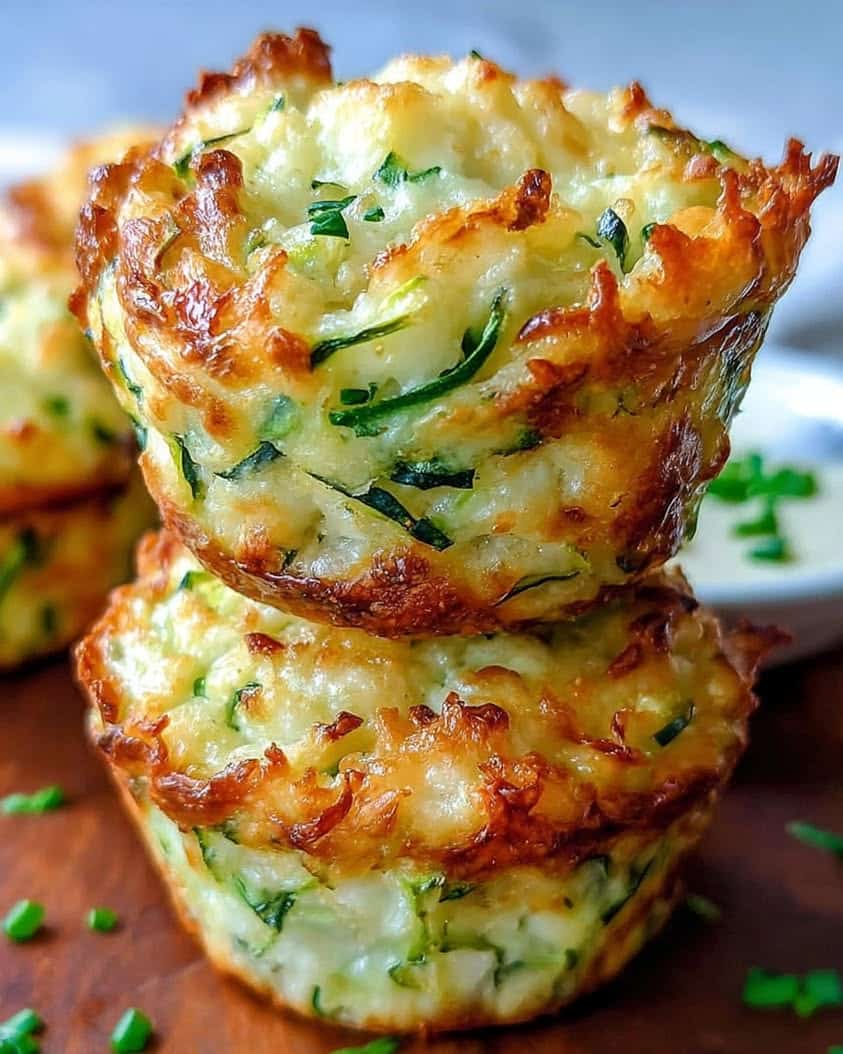
- Visual Appeal: These muffins sport a gorgeous golden-brown exterior flecked with green zucchini and melted cheese. They look impressive enough for guests yet feel completely approachable.
- Skill Level Needed: This recipe suits beginners perfectly because it requires only basic mixing and baking skills. No fancy techniques or special equipment are necessary to achieve excellent results.
- Special Equipment: You will need a standard 12-cup muffin tin and a box grater for the vegetables and cheese. A clean kitchen towel helps wring moisture from the zucchini for the best texture.
Recipe Overview
- Difficulty Level: I rate this recipe as easy because it relies on simple mixing and standard baking steps. The most technical part involves squeezing moisture from the zucchini, and even that takes just a minute. Anyone comfortable turning on an oven can succeed here on the first attempt.
- Category: These muffins work wonderfully as an appetizer, side dish, or savory snack. They also shine as a grab-and-go breakfast option and hold their own on a brunch table alongside eggs and salads.
- Cuisine: This recipe draws inspiration from Mediterranean and American comfort food traditions. Zucchini and Parmesan nod to Italian cooking, while the muffin format reflects practical American home baking. The result is a delightful hybrid that feels both familiar and fresh.
- Cost: Preparing these muffins costs very little because the ingredients are affordable and widely available. Zucchini and potatoes rank among the least expensive produce items, and a small block of Parmesan goes a long way. Overall, you can expect to spend just a few dollars per batch.
- Season: Summer is the ideal time to make this recipe when zucchini floods gardens and farmers markets. That said, the ingredients remain accessible year round, so you can enjoy these muffins in any season without compromise.
- Occasion: Serve these muffins at brunches, potlucks, game days, or holiday gatherings with equal success. They also make a smart addition to meal prep routines for busy weekdays. Their portable nature makes them ideal for picnics and lunchboxes too.
Why You’ll Love This Recipe
The taste and texture of these Crispy Parmesan Zucchini Potato Muffins deliver pure satisfaction in every bite. The exterior develops a deep golden crunch thanks to the Parmesan and a hot oven, while the interior stays soft and pillowy. Zucchini brings a subtle freshness that balances the richness of the cheese, and the potato provides a comforting, almost creamy quality. Each muffin feels hearty without being heavy, and the flavors meld together in a way that keeps you reaching for just one more.
Convenience ranks high among the reasons home cooks adore this recipe. You need one bowl, one muffin tin, and about forty-five minutes total, which makes it realistic even on busy weeknights. The steps are forgiving, so small mistakes rarely ruin the batch. Cleanup stays minimal because you mix everything together without dirtying multiple pans. Plus, the muffins store and reheat beautifully, giving you ready-made snacks for days after baking.
Nutritionally, these muffins offer plenty to feel good about. Zucchini contributes fiber, vitamins, and antioxidants while keeping the calorie count modest. Potatoes add potassium and energizing carbohydrates, and Parmesan supplies protein and calcium. Compared to many packaged snacks, these homemade muffins provide real ingredients you can feel confident serving to family and friends. They satisfy cravings without the artificial additives found in store-bought alternatives.
Socially, this recipe shines as a party favorite that sparks conversation. The muffins look attractive on a platter and invite people to grab one without needing plates or utensils. Guests often ask for the recipe after the first bite, which makes it a wonderful dish to bring to gatherings. Hosts love them because they hold up well at room temperature and do not require last-minute fussing. They bring an easy, welcoming energy to any table.
Finally, cost-effectiveness makes this recipe genuinely accessible to everyone. The ingredients cost just a few dollars total, and most kitchens already stock flour, eggs, and basic seasonings. Feeding a crowd with these muffins costs far less than buying prepared appetizers or ordering takeout. This combination of affordability, reliability, and impressive results makes the recipe a true keeper for budget-conscious cooks who refuse to sacrifice flavor.
Historical Background and Cultural Significance
The story of these muffins begins with the humble zucchini, a vegetable native to the Americas that traveled to Europe centuries ago. Italian cooks embraced it wholeheartedly and developed countless ways to prepare it, including fritters and baked goods. Parmesan cheese, a staple of Italian cuisine for nearly a millennium, naturally paired with zucchini in those kitchens. Immigrants eventually carried these flavor traditions to the United States, where they merged with American baking habits.
Potatoes entered the picture through a different path, having been cultivated in the Andes for thousands of years before spreading worldwide. By the nineteenth century, potatoes had become a cornerstone of European and American home cooking. Combining potato with zucchini reflects a practical mindset common in traditional kitchens, where cooks used whatever the garden produced. This resourcefulness turned simple vegetables into satisfying dishes that fed families affordably.
The muffin format itself evolved from early American quick breads leavened with baking powder rather than yeast. Home bakers began adapting savory ingredients into muffin tins during the twentieth century as the pans became standard kitchen equipment. Savory vegetable muffins gained popularity in the health food movements of the 1970s and 1980s. Since then, cooks have continued refining versions like this one, balancing nutrition with real flavor.
Today, these Crispy Parmesan Zucchini Potato Muffins represent a modern fusion of Mediterranean flavors and American convenience. Regional cooks across the country have adopted them with local twists, from New England kitchens adding cheddar to Southern cooks folding in corn. Their versatility keeps them relevant across generations and dining trends. Ultimately, this recipe honors tradition while fitting perfectly into contemporary lifestyles.
Ingredient Deep Dive
Zucchini serves as the heart of this recipe and carries fascinating cultural weight. Originally cultivated in Central America thousands of years ago, it became a beloved staple in Italian cooking where cooks stuff, fry, and bake it constantly. Nutritionally, zucchini offers fiber, vitamin C, potassium, and antioxidants with very few calories. When selecting zucchini, choose firm, medium-sized specimens with glossy skin and no soft spots. Store them unwashed in the refrigerator crisper drawer for up to a week. If zucchini is unavailable, yellow summer squash substitutes seamlessly with nearly identical results.
Zucchini also plays a crucial role in the texture of these muffins because its high water content keeps everything moist. However, that same moisture requires management, which is why squeezing the shredded zucchini matters so much. Gardeners often find themselves with an abundance of zucchini, and this recipe provides a delicious solution. The vegetable’s mild flavor adapts to nearly any seasoning, making it wonderfully versatile. For best results, grate zucchini fresh rather than using pre-shredded versions that dry out quickly.
Potatoes bring substance and history to the recipe, having fed civilizations for millennia. In this dish, they contribute a comforting density and subtle earthiness that grounds the brighter zucchini notes. Potatoes deliver potassium, vitamin B6, and resistant starch, plus satisfying carbohydrates. Choose starchy varieties like Russet for fluffier results, or Yukon Gold for a creamier bite. Store potatoes in a cool, dark, ventilated spot rather than the refrigerator to prevent sweetness development. Sweet potatoes offer an excellent substitution with a slightly sweeter flavor profile.
Potatoes also help bind the batter and absorb excess moisture from the zucchini. Grating them finely ensures they cook through within the baking time. Many cooks leave the skins on for extra fiber and rustic appeal, though peeling works fine too. If you have leftover mashed potatoes, you can fold them in for an even softer texture. Just adjust the flour slightly if the mixture feels too wet before baking.
Parmesan cheese delivers the signature crispy, savory quality that defines these muffins. This aged Italian cheese has been produced in regions near Parma for roughly a thousand years and remains a globally treasured ingredient. Parmesan provides protein, calcium, and intense umami flavor, so a modest amount goes far. Buy a wedge and grate it fresh whenever possible, because pre-grated versions often contain anti-caking agents that hinder melting. Wrap leftover Parmesan tightly and refrigerate it for weeks, or freeze it for months.
Parmesan also contributes to the golden crust that makes these muffins so irresistible. As it bakes, the cheese melts, browns, and crisps along the edges of each muffin. Pecorino Romano offers a sharper alternative, while nutritional yeast creates a vegan-friendly substitute. Aged cheddar or Gruyère also work beautifully if you want to branch out. Whichever cheese you choose, grate it finely so it distributes evenly throughout the batter.
Common Mistakes to Avoid
- Skipping the zucchini squeeze: Leaving excess water in the shredded zucchini creates soggy muffins that never develop a proper crust. Always wring it out thoroughly in a clean towel before mixing.
- Overmixing the batter: Stirring too aggressively develops the gluten and produces tough, dense muffins. Mix just until the ingredients combine for a tender crumb.
- Under-greasing the pan: Muffins stick stubbornly when the tin is not well prepared. Generously grease each cup or use paper liners for effortless release.
- Overfilling the cups: Fill each cup about three-quarters full so the muffins rise properly without overflowing. Excess batter spills and burns on the pan.
- Using cold ingredients: Cold eggs and dairy can cause uneven mixing and longer baking times. Let refrigerated ingredients sit at room temperature briefly before starting.
- Opening the oven early: Peeking during the first part of baking lets heat escape and can cause muffins to collapse. Wait until the final minutes to check for doneness.
- Undercooking the centers: Raw centers ruin the texture, so test with a toothpick inserted in the middle. It should come out clean or with just a few moist crumbs.
- Neglecting to preheat: A cold oven leads to uneven rising and pale crusts. Always preheat fully before placing the pan inside.
- Using oversized zucchini: Giant zucchini contain excess water and large seeds that compromise texture. Choose medium specimens for the best results.
- Cutting into them too soon: Muffins need a few minutes to set after leaving the oven. Wait at least five minutes before removing them from the pan.
Essential Techniques
Grating the vegetables properly forms the foundation of this recipe. Use the large holes of a box grater to create shreds that cook evenly and integrate smoothly into the batter. Coarse shreds prevent the muffins from turning dense while still distributing flavor throughout. Keep your fingers clear of the grater’s edge and work steadily for safety. If you own a food processor with a shredding disc, it speeds up the task considerably. Aim for uniform shreds so no single piece dominates a muffin.
Squeezing moisture from the zucchini represents the single most important technique for success. Excess water is the enemy of crispy muffins, and zucchini holds a surprising amount. Wrap the shreds in a clean kitchen towel or several layers of cheesecloth, then twist and press firmly. Keep squeezing until the towel releases almost no more liquid, which typically takes a minute or two. You should end up with noticeably drier shreds and a bowl that stays crisp in the oven.
Folding the batter gently preserves the airy structure that makes muffins tender. Use a spatula and a light hand, scooping from the bottom of the bowl and turning the mixture over itself. Stop as soon as you no longer see dry flour streaks, even if a few small lumps remain. Overworking the dough activates gluten development and toughens the final product. This gentle approach applies to nearly every muffin recipe, so the skill pays dividends well beyond this dish.
Testing for doneness ensures you pull the pan at exactly the right moment. Insert a toothpick into the center of a middle muffin, since those bake more slowly than edge muffins. A clean toothpick or one with only a moist crumb or two signals readiness. If batter clings to the toothpick, return the pan for two more minutes before checking again. Golden-brown edges and a springy top also indicate the muffins are properly baked.
Pro Tips for Perfect Crispy Parmesan Zucchini Potato Muffins
Preheat your muffin tin in the oven while it warms, then grease it generously before adding batter. The hot pan creates instant sizzle that accelerates browning and produces a crisper crust on the muffin bottoms. Handle the hot pan carefully with oven mitts and work quickly when filling the cups.
Sprinkle a pinch of extra Parmesan directly onto the top of each muffin before baking. That little crown of cheese melts into a golden, crispy lid that looks beautiful and tastes even better. It also signals to guests that something special waited in the oven.
Let the batter rest for ten minutes before baking so the flour hydrates fully and the leaveners activate. This short rest often yields a better rise and a more cohesive texture. Use the time to clean your counter and prepare the pan.
Swap half the all-purpose flour for whole wheat flour to boost fiber without sacrificing much tenderness. The nutty flavor complements the Parmesan beautifully, and most tasters never notice the difference. Just add an extra splash of milk if the batter feels stiff.
Serve the muffins within twenty minutes of baking for maximum crunch. If you must hold them, reheat at 350°F for five minutes to restore crispness. A brief warm-up in a toaster oven also works wonders for leftovers.
Add a quarter teaspoon of smoked paprika to the dry ingredients for a subtle smoky depth. It enhances the cheese flavor and gives the muffins a warm, inviting color. Smoked paprika pairs especially well with sharp cheese and herbs.
Use an ice cream scoop to portion the batter into the muffin cups with speed and consistency. Uniform portions bake evenly, and the scoop prevents drips down the pan sides. This small tool upgrade makes the whole process neater.
Cool the muffins on a wire rack rather than leaving them in the pan to prevent steam buildup. Trapped steam softens the crust you worked hard to create. Five minutes in the pan, then transfer to the rack for the rest of the cooling period.
Variations and Adaptations
Regional cooks have reinterpreted this recipe through the lens of their local cuisines. Italian-inspired versions add basil, oregano, and a hint of red pepper flakes for brightness. Southwestern home cooks fold in corn, diced jalapeños, and cheddar for a spicy twist with Tex-Mex appeal. In the Midwest, versions featuring sweet corn and chives appear at summer potlucks. Each regional spin keeps the crisp muffin format while telling a different flavor story.
Seasonal adaptations let you enjoy this recipe all year with fresh ingredients. In summer, use garden-fresh zucchini and fresh herbs like basil and parsley. During autumn, consider folding in roasted pumpkin or butternut squash for warmth. Spring invites green onions, spinach, and dill into the batter. Winter comforts call for richer cheeses like Gruyère and a sprinkle of thyme.
Dietary modifications make the recipe work for nearly every diner. Gluten-free bakers can substitute a one-to-one gluten-free flour blend with reliable results. Dairy-free cooks swap the milk for unsweetened plant milk and the Parmesan for a dairy-free aged cheese alternative. Vegan versions use flax eggs, plant milk, and dairy-free cheese, adjusting slightly for moisture. Each adaptation preserves the crunchy exterior and savory appeal.
Flavor variations suit different moods and menus. A Mediterranean version adds feta, olives, and sun-dried tomatoes for tangy depth. Bacon and cheddar turn the muffins into a hearty breakfast treat. Herbed versions with dill and lemon zest feel lighter and elegant. Curry powder and cilantro create a globally inspired muffin that pairs wonderfully with soups.
Texture modifications let you fine-tune the outcome to your preference. Coarser shreds of zucchini create a more rustic bite, while finely grated vegetables yield a smoother crumb. Adding a tablespoon of cornmeal increases the crunch factor dramatically. For a fluffier texture, incorporate a quarter cup of cottage cheese or ricotta. A longer bake at slightly lower heat produces an extra-crisp exterior.
Presentation alternatives keep the recipe feeling fresh at the table. Bake the batter in a loaf pan for sliceable bread that works beautifully for sandwiches. Mini muffin tins create bite-sized party snacks that vanish quickly. Cast iron skillets yield one grand, shareable muffin with a spectacular crust. Scooping the batter into a square pan turns the recipe into savory bars for lunchboxes.
Serving and Presentation Guide
Plating these muffins thoughtfully elevates the whole experience with minimal effort. Arrange them on a wooden board or simple white platter with a little space between each one. Stack a few slightly off-center for height and visual interest. Place a small bowl of extra Parmesan or a dipping sauce beside the platter. Even simple presentation looks polished when you use contrasting colors and clean lines.
Garnishing ideas range from classic to creative so you can match the occasion. A sprinkle of fresh parsley or chives adds bright color and a fresh flavor note. Flaky sea salt on top enhances the golden crust. A thin drizzle of herb oil or a dollop of whipped ricotta adds elegance. For casual gatherings, keep the garnish minimal and let the crispy edges speak for themselves.
Traditional accompaniments round out a meal featuring these muffins. They pair beautifully with a simple green salad dressed in lemon vinaigrette. Serve them beside grilled chicken, roasted vegetables, or a bowl of tomato soup. At brunch, they sit comfortably next to scrambled eggs, smoked salmon, and fresh fruit. A bowl of marinara or herbed yogurt on the side encourages dipping.
Modern serving suggestions appeal to today’s casual dining style. Create a build-your-own snack board with these muffins as the centerpiece alongside olives, hummus, and cured meats. Slice them in half and use them as sandwich bread for mini sliders. Crumble day-old muffins into salads for texture. They also work as a base for a savory brunch bake or stuffing.
Temperature considerations influence how guests experience each bite. Serve the muffins warm for the best contrast between the crisp exterior and tender crumb. They taste excellent at room temperature within a couple of hours of baking. Avoid serving them cold from the refrigerator because the texture suffers. If serving later, reheat briefly to bring back the freshly baked quality.
Portion control tips help hosts plan confidently for any gathering. Plan on two to three muffins per guest for a party appetizer and four or more for a brunch entree. Mini versions bake quickly and encourage grazing, so plan for more per person. Store any leftovers promptly so quality stays consistent. Label them clearly if guests have allergies or dietary restrictions.
Wine and Beverage Pairing
Wine pairings for these muffins revolve around crisp, refreshing styles that cut through the cheesy richness. A dry white like Sauvignon Blanc brings bright acidity and herbal notes that complement the zucchini. Pinot Grigio offers light, clean sipping that never overwhelms the food. For a fuller option, try a Chardonnay with mild oak for a luxurious pairing. A light, fruity red like Pinot Noir also works beautifully alongside the Parmesan.
Non-alcoholic alternatives deserve the same thoughtful attention. Sparkling water with lemon and a sprig of basil keeps the palate refreshed between bites. Iced green tea provides gentle grassy notes that echo the zucchini. A crisp cucumber cooler or a citrus spritzer feels festive and pairs beautifully. Guests also love a simple homemade lemonade with a hint of mint.
Coffee and tea pairings suit morning or afternoon servings of these savory muffins. A medium-roast coffee offers enough body to balance the cheese without overpowering the herbs. English Breakfast tea provides a classic, comforting match for brunch tables. Green tea adds a lighter, earthy counterpoint. Herbal teas like chamomile or rooibos work well for afternoon snacking.
Temperature considerations matter when choosing beverages for any occasion. Serve white wines and sparkling options well chilled to keep the palate lively. Light reds shine when slightly cool, especially for outdoor gatherings. Hot beverages should arrive fresh and not over-steeped. For summer parties, keep everything over ice so guests stay comfortable.
Serving suggestions tie the whole table together. Set up a small beverage station with self-serve options so guests can refill with ease. Offer a mix of sparkling and still water alongside the wine choices. Pre-chilled glasses and plenty of ice signal thoughtful hosting. Small touches like a lemon wedge bowl make the setup feel complete and welcoming.
Storage and Shelf Life
Proper storage extends the life of these muffins and preserves their texture. Once fully cooled, place them in an airtight container or resealable bags. Keep the container in the refrigerator for up to four days, or at room temperature for two days if the kitchen stays cool. Layering paper towels between muffins helps absorb condensation. Avoid stacking warm muffins tightly because trapped steam softens the crust.
Temperature requirements matter for both food safety and quality. Refrigeration slows spoilage effectively because the muffins contain cheese, eggs, and grated vegetables. If serving at room temperature, do not leave them out longer than two hours. In warm weather, refrigerate within an hour to be safe. Keep the storage location consistent so quality stays stable.
Container recommendations vary by storage duration and destination. Glass containers or rigid plastic tubs protect the muffins from getting crushed. For lunchboxes, wrap individual muffins in foil or beeswax wraps. Vacuum-sealed bags work well if you plan to freeze a large batch. Label containers with the baking date so you always know what is on hand.
Signs of spoilage help you decide when to discard leftovers. Any visible mold, sour smell, or slimy texture means the muffins should go. A stale, dry texture without mold signals the muffins are passing their prime but still safe. When in doubt, err on the side of caution and toss the batch. Remember that cheese and eggs shorten shelf life compared to plain baked goods.
Reheating instructions restore that freshly baked crunch with minimal effort. Warm the muffins in a 350°F oven for five to seven minutes for the best texture. A toaster oven does the job well in small batches. Microwaving works in a pinch but softens the crust, so use short bursts of ten to fifteen seconds. For frozen muffins, thaw overnight in the refrigerator before reheating.
Freezing guidelines make long-term storage simple and effective. Wrap each muffin individually in plastic wrap, then place them in a freezer bag. They keep well for up to three months at 0°F. Reheat straight from frozen at 350°F for about fifteen minutes. This method preserves flavor remarkably well and keeps a quick snack within reach at all times.
Make Ahead Strategies
A smart prep timeline makes this recipe feel effortless on serving day. Grate the zucchini and potatoes up to a day in advance, then squeeze and store them in a sealed container in the refrigerator. Mix the dry ingredients ahead of time and keep them on the counter in a bowl. Complete the remaining steps fresh for the best texture. You can also bake the muffins entirely a day ahead and reheat before serving.
Storage between steps requires a bit of attention to keep ingredients fresh. Store the squeezed vegetables in the refrigerator and keep wet and dry mixtures separate until baking. Combine them only right before you fill the muffin tin for consistent results. Label containers clearly if you prep multiple recipes. Do not hold the assembled wet batter longer than thirty minutes.
Quality impact assessment shows the trade-offs of advance preparation. Fully baked muffins reheat beautifully with little texture loss, making them ideal for advance baking. The crispy crust weakens slightly after storage but returns with a short oven warm-up. Pre-grated vegetables keep well but may release more water over time. Freshly made muffins always hold a slight edge, though the make-ahead approach saves real time.
Assembly tips help you stage the recipe for a stress-free bake. Grease the muffin pan the day before if you like, then cover it until needed. Pre-measure cheese and herbs for minimal cooking-day work. Set out everything in mise en place style so the mixing goes quickly. A little organization upfront makes the whole process calm and enjoyable.
Reheating guidelines for pre-baked muffins keep quality high. Use the oven at 350°F for five to seven minutes for a crisp exterior. Cover loosely with foil if the tops start browning too quickly. For larger batches, arrange muffins on a sheet pan for even heating. Serve immediately after reheating so guests enjoy maximum crunch.
Fresh element additions breathe new life into made-ahead muffins. Add a sprinkle of fresh herbs right before serving for a vibrant flavor boost. A drizzle of good olive oil or a dollop of yogurt adds freshness. Pairing with a crisp side salad or a juicy tomato slice compensates for any lost backyard crunch. These small touches make reheated muffins feel newly made.
Scaling Instructions
Halving the recipe works cleanly because most quantities divide easily. Use one medium zucchini and one potato, and split the eggs by whisking one whole egg and adding it in portions if needed. You can also beat the egg in a small bowl and measure about half by volume. Bake a small batch in a six-cup muffin pan for about the same time. Leftover ingredients from halving store easily for other uses.
Doubling or tripling the recipe works beautifully for parties and meal prep. Multiply every ingredient precisely and use a large mixing bowl for comfortable stirring. Two standard muffin tins likely fit in your oven at once if you rotate them halfway through. Extend the mixing time only slightly, and avoid overmixing as always. A big batch freezes perfectly, giving you snacks for weeks.
Equipment adjustments matter when scaling up or down. Large batches benefit from an extra mixing bowl and a second scoop for efficient portioning. If you run out of muffin tins, bake in batches while keeping unused batter refrigerated. Cast iron skillets or loaf pans work for oversized versions. Clean equipment as you go so the process stays smooth.
Timing modifications are necessary when you change batch sizes. Large batches baking simultaneously might need two to three extra minutes if the oven fills up. Rotate the pans halfway to ensure even browning. Smaller batches often bake slightly faster, so start checking a couple of minutes early. Always rely on the toothpick test rather than the clock alone.
Storage considerations grow with the batch size. Have enough containers ready before you start baking so everything cools and stores efficiently. Freeze portions in individual wrappers for grab-and-go convenience. Share extras with neighbors or freeze for later weeks. With proper planning, a triple batch becomes a gift to your future self on busy days.
Nutritional Deep Dive
The macro breakdown for each muffin lands in a balanced, snack-friendly range. Each muffin provides roughly 130 to 150 calories with a moderate mix of carbohydrates, protein, and fat. Zucchini and potato supply most of the carbohydrates, while the Parmesan and eggs contribute protein and fat. This balance supports steady energy without a heavy crash. Exact numbers vary with portion size and ingredient brands.
Micronutrient analysis reveals plenty of hidden nutritional value. Zucchini delivers vitamin C, potassium, and antioxidants like lutein. Potatoes add vitamin B6, iron, and additional potassium. Parmesan contributes calcium and protein, and eggs bring choline and B vitamins. Together, these ingredients cover a broad nutritional spectrum in a fun, portable format.
Health benefits extend beyond basic nutrition into practical eating habits. The protein and fiber combination promotes satiety, helping you stay full between meals. Baking rather than frying keeps the fat content reasonable and avoids heavy grease. Sneaking vegetables into a snack format encourages picky eaters to enjoy them. These muffins make wholesome eating feel effortless rather than restrictive.
Dietary considerations matter for anyone with specific health goals. The recipe fits easily into balanced diets because portions stay moderate. Sodium levels depend on the Parmesan and seasoning, so choose a lower-sodium version if needed. Those tracking calories can pair muffins with lean protein and salad for a complete meal. Always adjust ingredients for allergies or medical needs.
Portion analysis helps you eat intentionally without overthinking. One muffin satisfies a light snack, while two make a satisfying breakfast or lunch side. Pairing with other dishes extends portion flexibility at meals. The muffin format naturally supports portion control compared to slicing from a large loaf. Guests also appreciate built-in portions at parties.
Weight management tips make this recipe a friendly ally. The high vegetable content keeps calories low relative to the satisfying bulk. Baking instead of frying saves additional calories and fat. Serving them alongside protein-rich foods supports fuller meals. Pairing reasonable portions with an active lifestyle keeps this recipe squarely in a healthy rotation.
Dietary Adaptations
Gluten-free versions work reliably with a one-to-one gluten-free flour blend. Choose a blend that includes xanthan gum for binding, or add half a teaspoon to the dry ingredients. Verify that all packaged items, including the cheese and spices, are certified gluten-free. Expect slightly different browning, so watch the bake time closely. Most tasters cannot tell the difference in taste or texture.
Dairy-free adaptations keep all the savory flavor without the lactose. Replace the milk with unsweetened almond or oat milk and the Parmesan with a dairy-free aged cheese alternative. Choose a product that melts and browns for the crispiest results. Double-check that your cheese alternative is also gluten-free if needed. The overall texture remains remarkably similar.
Vegan versions require a few thoughtful swaps to work beautifully. Use flax eggs made from one tablespoon of ground flaxseed mixed with three tablespoons of water per egg. Use plant milk and dairy-free cheese as above. Add a pinch more flour if the batter seems loose. These muffins bake up tender and crisp with no compromise in flavor.
Low-carb options trim calories and carbohydrates while preserving taste. Swap the all-purpose flour for almond flour or a low-carb baking blend. Replace the potato with extra zucchini or a small amount of riced cauliflower. Keep the Parmesan generous because it contributes structure and flavor. Test doneness carefully because low-carb batters can dry out faster.
Keto versions push the recipe into a higher-fat, very-low-carb territory. Use almond flour, skip the potato, and add an extra egg to help binding in this adaptation. Include full-fat Parmesan and a splash of heavy cream for richness. Monitor the bake time closely because almond flour browns faster. These muffins still deliver the crispy exterior keto eaters crave.
Paleo adaptations avoid grains, dairy, and legumes. Use almond flour and substitute the Parmesan with nutritional yeast for that savory, cheesy flavor. Replace the milk with unsweetened almond milk and use coconut oil or olive oil for greasing. The flavor profile shifts slightly but remains delicious. Texture is softer, so expect a more tender bite.
Low-FODMAP versions suit sensitive digestive systems. Confirm that your flour and cheese choice follow low-FODMAP guidelines and use lactose-free milk. Keep onion and garlic powders out of the seasoning and rely on fresh herbs and black pepper instead. Portion the muffins modestly, since cheese can accumulate FODMAPs in large servings. Most people tolerate one or two muffins comfortably.
Other specific diets adapt with small tweaks. For a Mediterranean-style diet, emphasize olive oil, herbs, and fresh vegetables as written. For a heart-healthy approach, reduce the cheese slightly and use whole wheat flour. For a vegetarian meal, simply serve with complementary plant proteins. Almost any eating style can make a version of this recipe work.
Troubleshooting Guide
Texture issues are the most common problem and have simple fixes. Soggy muffins almost always trace back to excess zucchini moisture, so squeeze more firmly. Dense muffins typically result from overmixing, so stir gently and stop early. Dry, crumbly muffins usually indicate too long a bake or too little fat. Adjust moisture in future batches by adding an extra tablespoon of milk or oil.
Flavor balance issues rarely sink the batch but are worth correcting. If the muffins taste flat, add a pinch more salt or a squeeze of lemon to brighten the mix. Bitterness often comes from old zucchini or overbrowned cheese, so use fresh produce. Bland results sometimes come from skipping the herbs, so do not Print
Crispy Parmesan Zucchini Potato Muffins
- Total Time: 45 minutes
- Yield: 4
Description
These savory muffins combine grated zucchini and potato with Parmesan cheese for a crispy, flavorful bite. Perfect as a side dish or snack.
Ingredients
- 2 cups grated zucchini (about 1 medium)
- 2 cups grated potato (about 2 medium)
- 1 cup grated Parmesan cheese
- 1/2 cup all-purpose flour
- 2 large eggs, lightly beaten
- 1/4 cup olive oil
- 1 teaspoon salt
- 1/2 teaspoon black pepper
- 1/2 teaspoon garlic powder
- 1/2 teaspoon onion powder
Instructions
- Preheat oven to 400°F (200°C). Grease a 12-cup muffin tin.
- Grate zucchini and potato. Place in a clean kitchen towel and squeeze out as much excess moisture as possible.
- In a large bowl, combine the grated zucchini, potato, Parmesan cheese, flour, eggs, olive oil, salt, pepper, garlic powder, and onion powder. Mix until well combined.
- Divide the mixture evenly among the muffin cups, pressing down slightly.
- Bake for 25-30 minutes, or until golden brown and crispy on the edges.
- Remove from oven and let cool in the pan for 5 minutes before transferring to a wire rack. Serve warm.
Notes
You can customize the seasonings to taste.
- Prep Time: 15 minutes
- Cook Time: 30 minutes
- Method: Main
- Cuisine: American