Greek Chicken Meatballs with Homemade Tzatziki Recipe: Mediterranean Flavor Made Simple
If you crave bright Mediterranean flavors without spending hours in the kitchen, this Greek Chicken Meatballs with Homemade Tzatziki recipe delivers everything you want on a weeknight. These tender meatballs blend ground chicken with garlic, oregano, fresh dill, and crumbled feta, and then they sear to golden perfection in a hot skillet. Meanwhile, a cool, creamy tzatziki sauce comes together in minutes with Greek yogurt, grated cucumber, lemon juice, and herbs. The result is a dish that tastes like a sunny taverna dinner yet fits comfortably into your busiest schedule.
You will love how this Greek Chicken Meatballs with Homemade Tzatziki recipe balances richness and refreshment in every single bite. The meatballs carry a savory depth from the feta and spices, while the tzatziki cools your palate and adds a tangy lift. Because you make everything from scratch, you control the sodium, the heat, and the freshness. In addition, this recipe works beautifully for meal prep, casual entertaining, or a light summer dinner on the patio. Serve the meatballs over rice, tucked into warm pita, or piled on a crisp salad, and watch everyone reach for seconds.
Furthermore, this Greek Chicken Meatballs with Homemade Tzatziki recipe demands only one mixing bowl and one skillet, so cleanup stays quick. You do not need special equipment, exotic ingredients, or advanced knife skills. Ground chicken keeps the meatballs lean and light, yet the feta and olive oil keep them juicy. Meanwhile, the homemade tzatziki transforms simple pantry staples into a sauce that tastes far better than anything from a jar. In short, this dish proves that fresh, healthy Mediterranean cooking can fit into any weeknight routine without stress or compromise. Expect rave reviews from family and friends alike.
Quick Recipe Highlights
- Flavor Profile: These Greek Chicken Meatballs with Homemade Tzatziki deliver savory garlic, earthy oregano, and salty feta against a bright lemon finish. The tzatziki adds cool cucumber and tangy yogurt notes that round out every bite.
- Texture: The meatballs stay tender and juicy thanks to ground chicken, crumbled feta, and a gentle hand with mixing. The tzatziki brings a silky, creamy contrast that coats each meatball beautifully.
- Aroma: Fresh dill, minced garlic, and dried oregano fill your kitchen with the scent of a Greek taverna. Lemon zest and cucumber add a clean, bright perfume that makes the dish feel light and inviting.
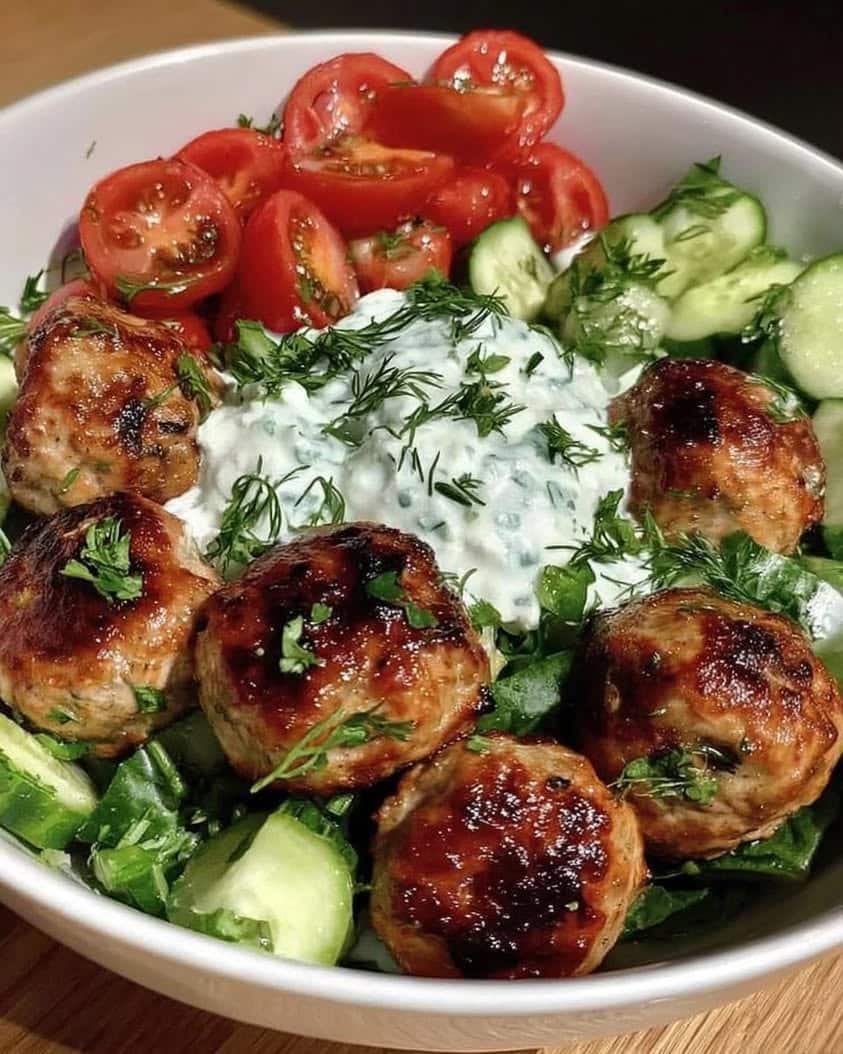
- Visual Appeal: Golden-brown meatballs glisten against a snowy white tzatziki, and a scatter of fresh dill and lemon wedges adds vibrant green and yellow pops. The colors look fresh and appetizing on any table.
- Skill Level Needed: This Greek Chicken Meatballs with Homemade Tzatziki recipe suits confident beginners because it uses simple techniques like mixing, scooping, and pan-searing. You only need basic kitchen confidence to succeed.
- Special Equipment: A large mixing bowl, a sturdy skillet, and a box grater cover almost everything. A small cookie scoop helps shape even meatballs, and a fine-mesh strainer makes draining the cucumber easier.
Recipe Overview
- Difficulty Level: This recipe rates easy to intermediate because the mixing and searing steps stay straightforward, yet pan-frying meatballs rewards attention to heat control. Beginners can master it with a thermometer and a little patience. The tzatziki requires only grating and stirring, so no advanced skills come into play.
- Category: The dish works as a main course for lunch or dinner, and it doubles as an appetizer when you serve the meatballs on toothpicks with tzatziki for dipping. You can also treat it as a meal-prep protein for bowls and salads during the week.
- Cuisine: This Greek Chicken Meatballs with Homemade Tzatziki recipe draws direct inspiration from Greek home cooking, where herbs, yogurt, and feta define the flavor profile. The meatball format nods to keftedes, traditional Greek meatballs, while the chicken lightens the classic version. The tzatziki stays true to its Mediterranean roots with cucumber, garlic, and strained yogurt.
- Cost: Ground chicken, plain Greek yogurt, and cucumber rank among the most affordable grocery items, and the spices come from a standard pantry. A block of feta costs little and delivers big flavor, so the whole meal feeds four for a modest price. Overall, expect budget-friendly costs that beat takeout by a wide margin.
- Season: The dish shines in spring and summer when cucumbers and fresh dill peak in flavor and price. However, the recipe works year-round because the herbs and lemon stay available in every season. Warmer months favor outdoor serving, while colder months welcome the cozy skillet sear.
- Occasion: This Greek Chicken Meatballs with Homemade Tzatziki recipe suits casual weeknight dinners, weekend meal prep, and relaxed dinner parties with friends. The platter format encourages sharing, so it fits potlucks and family gatherings. You can also scale it for game-day spreads or holiday appetizer tables.
Why You’ll Love This Recipe
First, the taste and texture win people over immediately. The Greek Chicken Meatballs with Homemade Tzatziki recipe pairs savory, herb-forward meatballs with a cool, tangy sauce, and that contrast keeps every bite interesting. Ground chicken stays lean, but feta and olive oil keep the texture tender and moist. The tzatziki adds silkiness and freshness that makes the dish feel light yet satisfying, and the lemon brightens everything without overpowering the herbs. Consequently, picky eaters and adventurous diners both clean their plates.
Second, convenience makes this recipe a weeknight hero. You need just 35 minutes from start to finish, and most of that time passes while the meatballs sear. The ingredient list stays short, and the steps flow logically from mixing to cooking to serving. Because the tzatziki comes together while the meatballs rest, you accomplish two tasks in one window of time. Moreover, the recipe uses one bowl and one skillet, so you spend less time scrubbing and more time enjoying dinner with your family.
Third, the nutritional profile gives you plenty of reasons to add this Greek Chicken Meatballs with Homemade Tzatziki recipe to your rotation. Ground chicken provides lean protein, while Greek yogurt contributes calcium and probiotics. Cucumber and garlic add hydration and antioxidants, and olive oil supplies heart-healthy fats. As a result, you get a balanced meal that supports fitness goals and everyday wellness without sacrificing flavor. The dish also fits low-carb and gluten-free eating patterns with small adjustments.
Fourth, this recipe shines as a social dish because it invites customization and sharing. Set out the meatballs with bowls of tzatziki, warm pita, chopped tomatoes, and olives, and let guests build their own plates. The presentation looks impressive, yet the effort stays minimal, so you can host without stress. Furthermore, the recipe scales easily for a crowd, which makes it a reliable choice for parties and gatherings. Guests often ask for the recipe before dessert arrives.
Finally, cost-effectiveness and accessibility round out the appeal. You can find every ingredient at a standard grocery store, and none of them carry a premium price tag. The Greek Chicken Meatballs with Homemade Tzatziki recipe stretches ground chicken into four generous servings with the help of rice or pita. Therefore, it delivers restaurant-quality flavor at a fraction of restaurant prices, and it keeps your grocery budget intact while satisfying your craving for something special.
Historical Background and Cultural Significance
Greek meatballs, known as keftedes, hold a cherished place in Greek home cooking, and they appear at family tables from Athens to the islands. Traditionally, cooks make them with ground beef, lamb, or pork, plus breadcrumbs, onion, herbs, and sometimes mint. This Greek Chicken Meatballs with Homemade Tzatziki recipe honors that tradition while lightening the dish with ground chicken. The swap reflects modern tastes for leaner proteins, yet the seasoning stays faithful to the original flavor memory.
Tzatziki itself carries centuries of history across the Eastern Mediterranean and the Balkans. Greeks, Turks, and neighboring cultures all claim versions of the yogurt-cucumber sauce, and each family guards its own formula. In Greece, tzatziki appears alongside grilled meats, bread, and vegetables as a cooling counterpoint to rich, savory dishes. Therefore, pairing it with meatballs follows a long culinary logic that predates modern recipe blogs by generations.
Over time, the meatball and the sauce evolved together as Greek cooks adapted to local ingredients and seasonal produce. Island kitchens leaned on herbs and lemon, while mainland cooks favored oregano and garlic. The Greek Chicken Meatballs with Homemade Tzatziki recipe borrows from both traditions and adds the convenience of a single-skillet method. As a result, the dish carries cultural memory into contemporary kitchens without demanding old-world techniques.
Regional variations flourish across Greece, and each region offers its own spin. In Crete, cooks often add mint and local cheese, while northern kitchens might include paprika or cumin. Some versions fry the meatballs, and others bake them for a lighter result. This Greek Chicken Meatballs with Homemade Tzatziki recipe embraces the spirit of variation, so you can adapt the herbs, cheese, and spice to match your own family traditions and taste preferences.
Ingredient Deep Dive
Ground chicken forms the backbone of this Greek Chicken Meatballs with Homemade Tzatziki recipe, and its cultural role reflects modern Greek cooking rather than ancient tradition. Nutritionally, ground chicken delivers high-quality protein with less saturated fat than beef or lamb. When you shop, choose a blend of breast and thigh meat for the best balance of leanness and juiciness. Store it in the coldest part of your refrigerator and use it within two days of purchase. If you prefer an alternative, ground turkey or ground lamb works beautifully, and lamb brings the closest traditional flavor.
Feta cheese gives these meatballs their signature salty tang, and it carries deep Greek heritage as a protected designation product. The cheese adds calcium and protein along with its bold flavor, so a modest amount goes a long way. Look for feta packed in brine rather than pre-crumbled options, because the brine preserves moisture and texture. Keep it submerged in its brine in the refrigerator, and substitute goat cheese or a firm ricotta salata if you need an alternative with similar saltiness.
Fresh dill and dried oregano define the herb profile of this Greek Chicken Meatballs with Homemade Tzatziki recipe, and both hold honored places in Mediterranean kitchens. Dill brings fresh, grassy notes and vitamins, while oregano adds earthy warmth and antioxidants. Select dill with bright green, perky fronds, and store it wrapped in a damp paper towel inside the refrigerator. Dried oregano lasts for months in a cool pantry, and you can swap in fresh oregano or marjoram when the season allows.
Garlic and lemon supply the sharp, bright backbone that makes the dish taste alive. Garlic has anchored Mediterranean cooking for millennia, and it contributes antimicrobial compounds along with its punchy flavor. Choose firm heads with tight papery skins, and store them in a cool, dark spot with airflow. Lemons add vitamin C and acidity, and you should pick heavy fruits that yield easily to pressure. If you run out of lemons, white wine vinegar or lime juice can rescue the recipe in a pinch.
Greek yogurt transforms into tzatziki in this Greek Chicken Meatballs with Homemade Tzatziki recipe, and strained yogurt has fed Mediterranean families for generations. The yogurt delivers protein, calcium, and probiotics that support digestive health. Select a plain, full-fat Greek yogurt for the creamiest texture, and check the label for live cultures. Store it refrigerated and use it within the printed window, and substitute skyr or a thick dairy-free yogurt if you avoid dairy.
Cucumber and extra-virgin olive oil complete the tzatziki and add freshness and richness. Cucumbers bring crunch, hydration, and a clean flavor that balances the garlic, and olive oil carries centuries of Mediterranean tradition along with heart-healthy fats. Choose firm, unwaxed cucumbers for grating, and pick olive oil with a peppery finish for the best flavor. Store cucumbers in the refrigerator crisper drawer and keep olive oil sealed away from light, and substitute zucchini or radishes if cucumbers disappear from your market.
Common Mistakes to Avoid
- Overmixing the meat mixture ranks as the top mistake, because vigorous stirring develops the protein and produces tough, dense meatballs. Mix gently with your hands just until the ingredients combine, and stop as soon as you see an even distribution.
- Skipping the cucumber draining step ruins the tzatziki, since excess water turns the sauce thin and watery. Grate the cucumber, salt it lightly, and squeeze it dry in a clean towel or fine strainer before folding it into the yogurt.
- Using dry, lean ground chicken breast alone leads to crumbly meatballs, so choose a blend with thigh meat or add olive oil to keep the texture juicy. A little fat makes a noticeable difference in the final result.
- Crowding the skillet lowers the heat and steams the meatballs instead of browning them, so cook in batches when needed. Give each meatball breathing room to develop a golden crust.
- Under-seasoning the mixture produces bland meatballs, and the feta alone cannot carry the flavor. Taste a small pinch of the raw mixture before cooking and adjust the salt, oregano, and garlic accordingly.
- Overcooking the meatballs dries them out quickly because ground chicken cooks fast. Use an instant-read thermometer and pull them at 165 degrees Fahrenheit, then let them rest briefly before serving.
- Rushing the tzatziki by skipping the resting time prevents the flavors from melding, so let the sauce chill for at least 15 minutes. A short rest deepens the garlic and lemon notes.
- Using stale dried herbs mutes the flavor of this Greek Chicken Meatballs with Homemade Tzatziki recipe, so check the dates on your spice jars. Replace oregano and dill that have lost their aroma, and store spices away from heat.
- Adding cold yogurt to warm ingredients can split the sauce, so keep the tzatziki cool and separate from the hot skillet. Serve the sauce cold or at room temperature for the best texture.
- Neglecting to rest the meatballs before serving lets the juices run out onto the plate, so give them five minutes of rest. The brief pause keeps the meat moist and the platter tidy.
Essential Techniques
Gentle mixing protects the texture of these Greek Chicken Meatballs with Homemade Tzatziki, and this technique matters more than any single ingredient. Overworked protein turns rubbery, so use your fingertips and fold the mixture until it just comes together. Watch for a uniform color and even distribution of feta, and stop immediately when you see it. If you notice a sticky, dense texture forming, you have already gone too far, so handle the mixture as little as possible.
Pan-searing creates the golden crust that makes the meatballs visually appealing and adds flavor depth. Heat your skillet over medium heat until a drop of water sizzles, then add olive oil and arrange the meatballs with space between them. Resist the urge to move them for the first few minutes so the crust forms, and then roll them gently to brown each side. Common pitfalls include a cold pan, which causes sticking, and high heat, which burns the outside before the center cooks. Look for an even, deep golden color and a slightly firm feel as your cue to turn.
Draining the cucumber properly determines whether your tzatziki turns out thick or soupy. Grate the cucumber on the large holes of a box grater, sprinkle it with a pinch of salt, and let it sit for ten minutes. Then squeeze it in a clean kitchen towel until it feels dry and crumbly. The visual cue is simple: no more liquid should drip from the towel when you press. Skipping this step ranks among the most common causes of watery sauce.
Balancing the sauce requires tasting as you go, and this habit improves every batch of Greek Chicken Meatballs with Homemade Tzatziki you make. Start with yogurt, cucumber, garlic, and lemon, then taste and adjust one element at a time. If the sauce tastes flat, add salt; if it tastes heavy, add lemon; if it tastes sharp, add yogurt. The goal is a bright, cooling sauce with a gentle garlic hum. Record your adjustments so you can repeat the perfect balance next time.
Resting the meatballs lets the juices redistribute and keeps the interior moist. Transfer the browned meatballs to a plate and tent them loosely with foil for five minutes before serving. During the rest, the internal temperature equalizes and the texture firms slightly, which makes them easier to handle. You can use the rest window to plate the tzatziki and warm the pita. Skipping the rest often leads to dry meatballs and a pool of juices on the serving platter.
Pro Tips for Perfect Greek Chicken Meatballs with Homemade Tzatziki
Chill the meat mixture for fifteen minutes before shaping, because cold fat binds better and the meatballs hold their shape during searing. This small step prevents flat or crumbly results and keeps the cooking process tidy.
Use a small scoop for even sizing, since uniform meatballs cook at the same rate and look polished on the platter. Aim for about two tablespoons of mixture per meatball, and roll them lightly with damp hands to prevent sticking.
Grate the cucumber over a bowl and squeeze it in small batches, because working in portions removes more water than one large squeeze. Dry cucumber means thick, creamy tzatziki that clings to the meatballs instead of sliding off.
Toast the pita or flatbread in the same skillet after the meatballs finish, because the leftover oil and browned bits season the bread beautifully. This trick adds flavor and saves you from washing another pan.
Make the tzatziki first and refrigerate it while you cook, since the resting time deepens the flavor and keeps the sauce ready when the meatballs finish. This order of operations makes the whole Greek Chicken Meatballs with Homemade Tzatziki recipe feel effortless.
Season the ground chicken mixture with a pinch of salt and taste a tiny cooked sample before shaping the rest, because the feta varies in saltiness. A quick taste test protects you from over- or under-seasoned meatballs.
Warm the serving plates before plating, since the gentle heat keeps the meatballs from cooling too fast at the table. A quick rinse under hot water and a towel dry does the job in seconds.
Variations and Adaptations
Regional Greek variations offer endless inspiration for this Greek Chicken Meatballs with Homemade Tzatziki recipe. In Crete, cooks add chopped mint and a little sheep’s milk cheese for a grassier flavor, while northern kitchens sometimes introduce cumin or paprika for warmth. Island versions lean on lemon zest and fresh oregano, and mainland home cooks often fold in breadcrumbs soaked in milk for extra tenderness. Try one region at a time to discover your favorite profile.
Seasonal adaptations keep the dish fresh throughout the year. In summer, fold chopped tomatoes, cucumber, and fresh dill into a salad alongside the meatballs. In autumn, serve them over roasted squash or warm farro with a drizzle of tzatziki. During winter, pair the meatballs with lemon rice and braised greens, and in spring, add peas and fresh herbs to the plate for a bright, green finish.
Dietary modifications make this Greek Chicken Meatballs with Homemade Tzatziki recipe adaptable for nearly every table. For gluten-free eating, skip the breadcrumbs or use gluten-free oats, and confirm the feta contains no fillers. For dairy-free needs, swap the feta for a dairy-free alternative and use coconut or almond yogurt in the tzatziki. For a paleo approach, bind the meatballs with almond flour and serve over cauliflower rice.
Flavor variations let you reinvent the dish without starting over. Add harissa or red pepper flakes for heat, or stir za’atar into the meat mixture for a Middle Eastern twist. A little smoked paprika gives the meatballs a warm, smoky edge, and preserved lemon in the tzatziki adds a deep citrus punch. Try a harissa yogurt sauce for a spicy alternative to the classic tzatziki.
Texture modifications help you match the dish to your preferences. Add toasted pine nuts or crushed pistachios to the meatball mixture for crunch, or fold grated carrot into the tzatziki for extra body. Bake the meatballs instead of searing them for a softer crust, or broil them briefly at the end for a charred top. Each change shifts the eating experience while keeping the core flavors intact.
Presentation alternatives turn the same recipe into entirely different meals. Serve the meatballs in lettuce cups for a low-carb appetizer, or pile them into a pita with tzatziki and tomato for a handheld dinner. Thread them onto skewers for a party platter, or scatter them over hummus for a shareable dip board. The Greek Chicken Meatballs with Homemade Tzatziki recipe adapts to any format you choose.
Serving and Presentation Guide
Plating technique shapes the first impression, so spread a generous swoosh of tzatziki across a shallow platter and arrange the meatballs on top. This layering keeps the meatballs from sitting in a puddle and looks elegant with minimal effort. Leave a small rim of white sauce visible around the edges, and group the meatballs in a loose cluster rather than a rigid grid. The casual arrangement invites guests to help themselves.
Garnishing ideas add color and freshness to the Greek Chicken Meatballs with Homemade Tzatziki recipe. Scatter fresh dill fronds, thin lemon slices, and a few briny olives across the platter, and finish with a light drizzle of olive oil. A sprinkle of crumbled feta or a pinch of red pepper flakes adds contrast. Keep garnishes simple and edible so the plate looks abundant rather than cluttered.
Traditional accompaniments ground the dish in Greek dining culture. Serve warm pita, lemon rice, roasted potatoes, and a simple horiatiki salad with tomatoes, cucumbers, olives, and feta. A bowl of extra tzatziki on the side encourages dipping, and a small dish of olives completes the table. These sides echo the flavors of the meatballs and create a cohesive meal.
Modern serving suggestions expand the options for busy households. Serve the meatballs over quinoa or cauliflower rice for a grain bowl, or nestle them into a wrap with shredded lettuce and pickled onions. A mezze board with the meatballs, tzatziki, hummus, and vegetables turns dinner into a relaxed, shareable spread. For a lighter meal, pile everything onto a bed of greens with a lemon vinaigrette.
Temperature considerations affect how the dish tastes and feels. Serve the meatballs warm and the tzatziki cool for the most pleasing contrast, and keep the sauce chilled until the last moment. If you hold the meatballs in a warm oven, do not let them dry out, and reapply a light drizzle of olive oil if they look dry. On hot days, let the meatballs cool slightly to room temperature for a picnic-friendly version.
Portion control tips help you serve a balanced plate without guesswork. Plan for four to five meatballs per person with about two tablespoons of tzatziki, and fill the rest of the plate with vegetables and a modest scoop of rice. Guests can always return for more, and a little restraint keeps the meal light and enjoyable. For appetizer portions, count two meatballs per guest and double the batch for a crowd.
Wine and Beverage Pairing
Wine pairings elevate the Greek Chicken Meatballs with Homemade Tzatziki recipe into a complete dining experience. A crisp Assyrtiko from Santorini brings mineral notes and bright acidity that cut through the creamy tzatziki. For a softer option, a dry rosé or a light Sauvignon Blanc complements the herbs without overpowering the lemon. Avoid heavily oaked wines, because they can clash with the fresh, tangy sauce.
Non-alcoholic alternatives keep the meal accessible for every guest. Sparkling water with lemon and cucumber slices mirrors the tzatziki flavors and refreshes the palate. Iced herbal tea with mint or a lemonade made with fresh dill offers a bright, zero-proof pairing. A cold, unsweetened kombucha adds acidity and effervescence that works surprisingly well with the herb-heavy meatballs.
Coffee and tea pairings seem unconventional, yet a light Greek-style tea or a mint tisane settles the meal nicely. For lunch, a tangy lemon tea or a mild green tea complements the herbs without clashing. If you serve coffee after the meal, choose a medium roast that will not dominate the lingering citrus notes.
Temperature considerations matter because cold drinks refresh the palate between bites of rich feta and savory chicken. Chill white wines and sparkling waters to around 45 to 50 degrees Fahrenheit, and keep the tzatziki cool on the table. A warm beverage, by contrast, suits the colder months and softens the meal’s acidity.
Serving suggestions make the pairing feel intentional. Offer a small tasting pour before dinner, and place the wine or beverage in a spot where guests can refill themselves. Pair the drink with the first bite so the flavors mingle, and keep water glasses filled. These small touches turn a simple dinner into a memorable occasion.
Storage and Shelf Life
Storage methods protect the flavor and texture of the Greek Chicken Meatballs with Homemade Tzatziki recipe. Place cooled meatballs in an airtight container and refrigerate them for up to four days, and store the tzatziki separately so the sauce stays creamy. Keep the cucumber drained before storage, because excess water shortens the sauce’s life. Label the containers with dates so you use them in the right order.
Temperature requirements keep the dish safe and delicious. Refrigerate meatballs and tzatziki at 40 degrees Fahrenheit or below, and never leave them at room temperature for more than two hours. During hot weather, cap the time at one hour. A quick thermometer check on your refrigerator protects against spoilage and keeps the flavors fresh.
Container recommendations matter because the right vessel prevents sogginess and flavor transfer. Use glass containers with tight lids for the meatballs, and a smaller glass jar for the tzatziki. If you must stack containers, place the meatballs on the bottom, and keep the sauce away from strong-smelling foods. These choices preserve texture and taste.
Signs of spoilage help you avoid serving anything past its prime. Sour smells, slimy surfaces, gray color changes, or mold on the tzatziki signal that the food should go. Fresh meatballs smell savory and garlicky, and tzatziki smells clean and tangy. When in doubt, throw it out.
Reheating instructions restore a fresh-from-the-skillet experience. Warm the meatballs gently in a covered skillet over medium-low heat with a splash of water, or microwave them in short bursts. Reheat only the portions you plan to eat, and keep the tzatziki cold. High heat toughens the meatballs, so use gentle settings.
Freezing guidelines extend the life of the Greek Chicken Meatballs with Homemade Tzatziki recipe. Freeze cooked meatballs on a tray, then transfer them to a freezer bag for up to three months. Thaw overnight in the refrigerator and reheat gently. The tzatziki does not freeze well, so prepare a fresh batch after thawing.
Make Ahead Strategies
A prep timeline keeps meal night stress-free. Mix the meatball ingredients the night before and store them covered in the refrigerator, and make the tzatziki up to two days in advance. Chop herbs and grate cucumber ahead as well. With prep complete, dinner comes together in under 20 minutes.
Storage between steps preserves quality. Keep the meat mixture cold until shaping, and refrigerate the formed meatballs on a tray if you plan a longer pause. Store the tzatziki separately and give it a stir before serving. These pauses cause no quality loss and improve flavor blending.
Quality impact assessment shows which steps tolerate advance work. The meatballs taste best the same day, yet they hold up well for three to four days for meal prep. The tzatziki improves overnight as the garlic mellows, but it thins slightly as the cucumber releases moisture. Stir and taste before serving to refresh the balance.
Assembly tips speed up serving. Set the tzatziki on the platter first, then arrange warm meatballs on top, and finish with garnishes at the last minute. Keep pita covered in foil at low heat. These steps keep the presentation crisp and the components at the right temperature.
Reheating guidelines protect texture. Warm meatballs in a covered pan with a splash of water or olive oil, and avoid a rolling boil. Microwave portions in 30-second bursts and check temperature between runs. Serve the tzatziki cold with the reheated meatballs.
Fresh element additions restore vibrancy to make-ahead meals. Add freshly chopped dill, lemon zest, and a drizzle of olive oil right before serving. A handful of fresh cucumber or tomato brightens the plate. These small additions make leftovers taste new.
Scaling Instructions
Halving the recipe works smoothly for smaller households, and the key lies in keeping proportions consistent. Use one pound of ground chicken, half the feta, and one small cucumber, and split the spices evenly. Cooking times stay similar because the meatball size remains the same. You can freeze the extra tzatziki for a dairy-based sauce later or double the meatballs for meal prep.
Doubling or tripling the recipe suits parties and large families. Multiply every ingredient exactly, and plan for extra mixing bowls and skillets. Cook in batches to avoid crowding, and keep finished meatballs warm in a low oven. Prepare the tzatziki in a larger bowl and adjust the lemon and salt after chilling.
Equipment adjustments prevent bottlenecks when you scale. Two skillets cook twice as fast as one, and a larger mixing bowl keeps the mixture contained. A second sheet pan holds finished meatballs in the oven, and extra jars hold the tzatziki. Plan the workflow before you start.
Timing modifications matter because larger batches take longer to shape and cook. Add 20 minutes for a doubled batch, and shape meatballs while the skillet heats. Rotate trays in the oven for even cooking. These small adjustments keep the meal on schedule.
Storage considerations grow with the batch size. Use larger containers or several smaller ones, and label each with the date. Keep the tzatziki in a single large jar with a tight lid. Share extra portions with neighbors or freeze half for later weeks.
Nutritional Deep Dive
The macro breakdown of this Greek Chicken Meatballs with Homemade Tzatziki recipe leans protein-forward and moderate in fat. A serving of four meatballs with tzatziki delivers roughly 35 grams of protein, 15 grams of fat, and 8 grams of carbohydrates before you add sides. Ground chicken and yogurt supply most of the protein, while olive oil and feta contribute fat. Rice or pita raises the carbohydrate count, so adjust portions to fit your goals.
Micronutrient analysis reveals a wealth of vitamins and minerals. The feta and yogurt provide calcium, the chicken supplies B vitamins and selenium, and the garlic and herbs add antioxidants. Cucumber contributes water and vitamin K, and lemon adds vitamin C. Together, these nutrients support bones, immunity, and everyday energy.
Health benefits follow from the balanced composition. High protein supports muscle maintenance, and probiotics in the yogurt support digestive health. Olive oil supplies monounsaturated fats linked to heart health, and the herbs deliver anti-inflammatory compounds. The dish also fits weight management because protein and fat promote satiety.
Dietary considerations help you fit the recipe to specific needs. The base recipe works for gluten-free eaters when you skip breadcrumbs, and dairy-free swaps exist for the feta and yogurt. Low-carb diners can serve the meatballs over greens. Always check labels and adjust the sides to match your plan.
Portion analysis guides realistic serving sizes. Four meatballs with two tablespoons of tzatziki make a satisfying main portion, especially with vegetables on the side. Appetizer portions drop to two meatballs. Use a food scale for accuracy if you track macros.
Weight management tips help you enjoy the dish without overdoing it. Fill half the plate with vegetables, one quarter with meatballs, and one quarter with a whole-grain side. Keep the tzatziki to two tablespoons, and savor each bite. The Greek Chicken Meatballs with Homemade Tzatziki recipe fits comfortably into a balanced eating pattern.
Dietary Adaptations
Gluten-free adaptation requires small swaps in this Greek Chicken Meatballs with Homemade Tzatziki recipe. Replace breadcrumbs with gluten-free oats or almond flour, and check the feta and yogurt labels for additives. Serve over rice, quinoa, or gluten-free pita. Confirm all spices are certified gluten-free to avoid cross-contamination.
Dairy-free adaptation calls for alternatives that mimic the tang of feta and yogurt. Use a dairy-free feta or omit the cheese and add extra herbs and salt. Choose coconut or almond Greek-style yogurt for the tzatziki, and add lemon juice to restore the tang. Taste and adjust the seasoning after each swap.
Vegan adaptation transforms the dish completely, yet it stays delicious. Replace the chicken with cooked lentils, mashed chickpeas, or a plant-based ground, and bind the mixture with flax eggs. Swap the feta for a vegan alternative and use dairy-free yogurt for the tzatziki. Add nutritional yeast for a savory depth.
Low-carb and keto adaptations keep the flavor while trimming carbohydrates. Omit breadcrumbs entirely and bind the meatballs with almond flour or Parmesan. Serve over cauliflower rice or greens, and keep the tzatziki as is. The high protein and fat content satisfies keto macros.
Paleo adaptation avoids grains and dairy, so use almond flour as the binder and skip the feta. Replace the Print
Greek Chicken Meatballs with Homemade Tzatziki
- Total Time: 27 minutes
- Yield: 4
Description
Flavorful chicken meatballs infused with Greek herbs and spices, served with a refreshing homemade tzatziki sauce. Perfect for a healthy and delicious meal.
Ingredients
- 1 lb ground chicken
- 1/2 cup breadcrumbs
- 1/4 cup finely chopped red onion
- 2 cloves garlic, minced
- 1/4 cup chopped fresh parsley
- 1 tsp dried oregano
- 1 tsp salt
- 1/2 tsp black pepper
- 1 egg, lightly beaten
- 2 tbsp olive oil (for cooking)
- For Tzatziki: 1 cup Greek yogurt
- 1/2 cucumber, grated and squeezed dry
- 1 clove garlic, minced
- 1 tbsp lemon juice
- 1 tbsp chopped fresh dill
- Salt and pepper to taste
Instructions
- In a large bowl, combine ground chicken, breadcrumbs, red onion, garlic, parsley, oregano, salt, pepper, and egg. Mix until well combined.
- Form the mixture into 1-inch meatballs.
- Heat olive oil in a large skillet over medium heat. Cook meatballs for 10-12 minutes, turning occasionally, until browned and cooked through.
- Meanwhile, make tzatziki: In a small bowl, mix Greek yogurt, grated cucumber, garlic, lemon juice, dill, salt, and pepper. Refrigerate until serving.
- Serve meatballs with tzatziki sauce on the side or drizzled over.
Notes
You can customize the seasonings to taste.
- Prep Time: 15 minutes
- Cook Time: 12 minutes
- Method: Main
- Cuisine: Greek