Christmas Sugar Cookies: Easy Recipe for Cookie Box Gifts
Few things capture the magic of the holiday season quite like a batch of Christmas sugar cookies. These buttery, tender cookies fill your kitchen with the warm scent of vanilla and toasted sugar, and they turn any ordinary afternoon into a festive celebration. Whether you plan to share them with neighbors, tuck them into a cookie box gift, or simply enjoy them with a mug of cocoa by the tree, this Christmas sugar cookies easy recipe for cookie box gifts delivers dependable results every single time. The dough comes together in minutes, the shapes stay crisp after baking, and the flavor strikes that perfect balance between sweet and rich.
What makes this recipe truly special is how well it suits gift-giving. These Christmas sugar cookies hold their shape beautifully, which means your snowflakes, stars, and reindeer arrive at their destination looking just as lovely as when they left your oven. The frosting sets firmly enough to stack, yet stays soft enough to melt in your mouth. As you roll out the dough and press your favorite cutters into it, you create more than dessert; you create memories that family and friends will treasure long after the last crumb disappears. This easy recipe for cookie box gifts removes the stress from holiday baking and replaces it with pure joy.
Many bakers shy away from decorated cookies because they fear complicated techniques or fussy dough. However, this Christmas sugar cookies easy recipe for cookie box gifts simplifies every step without sacrificing flavor or beauty. You need only basic pantry staples, a few cookie cutters, and a little patience. The dough chills quickly, rolls smoothly, and bakes in under ten minutes. Meanwhile, the simple icing comes together with three ingredients and dries to a glossy finish. Consequently, both beginners and seasoned bakers can produce professional-looking cookies that impress everyone at the holiday gathering or cookie exchange.
Quick Recipe Highlights
- Flavor Profile: These Christmas sugar cookies offer a delicate sweetness with prominent vanilla notes and a subtle hint of almond extract. The butter contributes a rich, rounded depth that prevents the cookies from tasting one-dimensional. A pinch of salt balances the sugar and keeps each bite irresistible.
- Texture: Expect a tender, slightly crumbly bite that gives way without shattering. The edges hold a gentle crispness while the centers remain soft and melt-in-your-mouth. After the icing sets, it adds a smooth, creamy contrast to the cookie beneath.
- Aroma: As these cookies bake, your kitchen fills with the comforting fragrance of warm butter, vanilla, and caramelizing sugar. The almond extract adds a faint nutty sweetness that feels unmistakably festive. Guests always notice the aroma before they even see the plate.
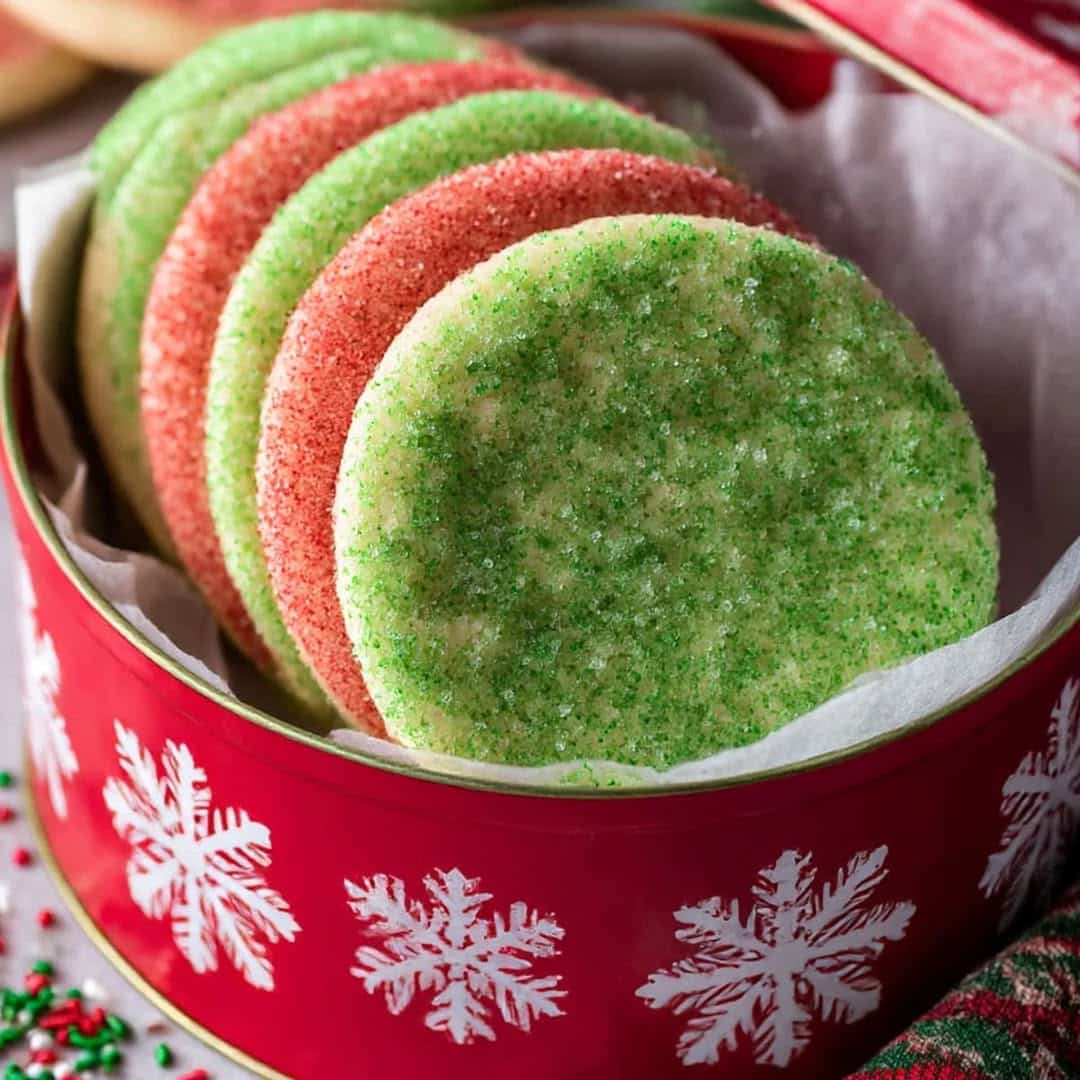
- Visual Appeal: Snow-white icing, colorful sprinkles, and neat cookie-cutter shapes make these Christmas sugar cookies a centerpiece-worthy treat. The glossy finish catches the light and looks polished enough for professional gift boxes. You can match colors to any holiday theme or personal preference.
- Skill Level Needed: This easy recipe for cookie box gifts suits beginners who can measure ingredients and operate an oven. The dough tolerates handling well, so minor mistakes rarely ruin the batch. Anyone comfortable with rolling dough and using cookie cutters will succeed on the first try.
- Special Equipment: You need a stand or hand mixer, two baking sheets, parchment paper, a rolling pin, and assorted cookie cutters. A silicone baking mat helps prevent sticking and promotes even browning. For decorating, gather piping bags or squeeze bottles and a small offset spatula.
Recipe Overview
- Difficulty Level: I rate this Christmas sugar cookies easy recipe for cookie box gifts as easy because the dough requires no special techniques. You simply cream butter and sugar, mix in the wet and dry ingredients, and chill. The rolling and cutting process feels forgiving, and the icing needs only stirring rather than precise piping skills.
- Category: This recipe falls under holiday cookies, cutout cookies, and edible gifts. You can serve these cookies as dessert, package them as party favors, or include them in a festive cookie platter. They also work wonderfully as a homemade gift for teachers, coworkers, and neighbors.
- Cuisine: These Christmas sugar cookies trace their roots to European shortbread and British biscuit traditions that early American bakers adapted. German and Scandinavian immigrants brought similar butter-rich cookie recipes to the United States. Over generations, the cutout sugar cookie became a distinctly American holiday staple.
- Cost: A full batch costs roughly four to six dollars when you use pantry staples you likely already own. Butter, sugar, flour, eggs, and vanilla represent the main expenses. Decorating supplies like icing sugar and food coloring add another two to three dollars, which makes these cookies far cheaper than bakery versions.
- Season: These cookies shine brightest from November through January when holiday spirit fills the air. Cooler kitchen temperatures actually help the dough stay firm during rolling, which makes winter the ideal baking season. That said, you can enjoy these Christmas sugar cookies any time of year by adjusting the cutter shapes and colors.
- Occasion: Serve these cookies at cookie exchanges, holiday parties, family gatherings, and gift-giving events. They suit Christmas Eve trays, classroom treats, and Sunday afternoon baking sessions with kids. Their sturdy nature also makes them perfect for shipping to faraway loved ones.
Why You’ll Love This Recipe
The taste and texture of these Christmas sugar cookies alone justify making a double batch. Each bite delivers a buttery richness that coats the tongue, followed by a gentle sweetness that never overwhelms. Because the dough uses both granulated and powdered sugar, the crumb stays exceptionally tender while the surface browns just slightly at the edges. The icing adds another layer of smooth, creamy sweetness that complements rather than masks the cookie itself. Consequently, you get a treat that tastes homemade in the best possible way, far superior to anything shrink-wrapped on a store shelf.
Convenience sets this easy recipe for cookie box gifts apart from fussy holiday projects. You need no overnight chilling, no tempering chocolate, and no intricate piping skills. The dough chills for just thirty minutes, which gives you time to preheat the oven and set up your decorating station. Cleanup stays manageable because the recipe uses few bowls and standard tools. Moreover, you can bake the cookies one day and decorate them the next, which spreads the work across a relaxing weekend rather than one exhausting marathon session.
Nutritionally, these Christmas sugar cookies offer a sensible treat when enjoyed in moderation. Each cookie contains roughly ninety calories, so a serving of two fits comfortably into most eating plans. The recipe uses real butter rather than shortening, which means no artificial trans fats. You control the sugar in the icing by adjusting consistency and sweetness, and you can skip sprinkles entirely if you prefer. Because you bake from scratch, you avoid the preservatives and stabilizers found in commercial cookies, and you know exactly what goes into every bite your family enjoys.
Socially, these cookies open doors and warm hearts. A beautifully arranged cookie box gift says more than any store-bought present because it carries your time, effort, and personal touch. When you bring a platter of these Christmas sugar cookies to a gathering, people gather around the table and start conversations. Kids love choosing their favorite shapes and helping with sprinkles, which turns baking into a shared family activity. Meanwhile, adults appreciate the nostalgic flavor that reminds them of childhood holidays spent in Grandma’s kitchen.
Finally, this easy recipe for cookie box gifts proves remarkably cost-effective and accessible. The ingredients live in almost every pantry, so you rarely need a special shopping trip. The recipe scales easily, which means you can feed a crowd or make teacher gifts without doubling your effort. Compared with fancy bakery cookies that cost two or three dollars apiece, homemade versions deliver better flavor at a fraction of the price. As a result, you save money while giving something far more meaningful than anything money can buy.
Historical Background and Cultural Significance
The story of Christmas sugar cookies begins in Europe, where medieval bakers crafted simple sweet biscuits from flour, sugar, and butter. Dutch and German immigrants carried these traditions to colonial America, where sugar became more affordable and home bakers experimented freely. By the nineteenth century, American cooks were rolling out dough and pressing it into festive shapes using carved wooden molds. These early cookies served as both dessert and decoration, hanging on trees and adorning holiday tables.
Culturally, Christmas sugar cookies hold a cherished place in American holiday traditions. Families pass down heirloom cookie cutters and handwritten recipes across generations, linking past and present through shared baking rituals. Cookie exchanges, a beloved community tradition, center on these festive treats and bring neighbors together each December. For many people, the smell of sugar cookies baking signals the official start of the holiday season, triggering warm memories of childhood kitchens and family gatherings.
The recipe evolved significantly through the twentieth century as new ingredients and tools appeared. The invention of the electric mixer made creaming butter and sugar faster and more consistent. Refrigeration technology allowed bakers to chill dough reliably, which improved the stability of cutout shapes. Meanwhile, royal icing and piping techniques made intricate decoration accessible to home bakers. Today, social media and food blogs inspire endless creative variations, yet the core recipe remains remarkably close to its colonial roots.
Regional variations exist across the United States and around the world. In the American South, bakers sometimes add a touch of bourbon or pecans to the dough. Scandinavian households incorporate cardamom or almond into their holiday cookies. German bakers press similar dough into springerle molds, while British cooks roll theirs into thin biscuits for afternoon tea. Despite these differences, the shared element remains the same: a buttery, sweet cookie that brings joy and connection during the holiday season.
Ingredient Deep Dive
Unsalted butter forms the foundation of these Christmas sugar cookies, and its quality directly determines the final flavor. European-style butter with higher fat content produces an especially rich, tender crumb. Bakers have used butter in sweet baked goods for centuries because its fat carries flavor and creates flaky texture. Butter also contributes vitamin A and small amounts of vitamin D, though these cookies offer indulgence rather than nutrition. When selecting butter, choose a reputable brand with a fresh expiration date and store it tightly wrapped in the refrigerator for up to a month. For substitution, use salted butter and reduce the added salt to one quarter teaspoon.
Granulated sugar and powdered sugar work together to build the cookie’s structure and sweetness. Granulated sugar aerates the butter during creaming and creates the characteristic crisp edge, while powdered sugar dissolves quickly and contributes to the tender interior. Both sugars derive from sugarcane or sugar beets, which became staple crops in the Americas through centuries of trade. For best results, use fresh sugar stored in an airtight container away from moisture. If you run out of powdered sugar, pulse granulated sugar in a blender until fine, though the texture will differ slightly.
All-purpose flour provides the structure that holds these Christmas sugar cookies together. Its moderate protein content balances tenderness with enough gluten strength to keep cutout shapes intact during baking. Flour has nourished civilizations for thousands of years and remains a pantry cornerstone worldwide. Store flour in a cool, dry place or the freezer to prevent pest infestation and rancidity. For gluten-free versions, substitute a one-to-one gluten-free flour blend containing xanthan gum, which mimics the binding properties of gluten.
Large eggs bind the dough, add moisture, and contribute to the cookie’s richness. One egg gives the dough enough structure to roll smoothly without becoming crumbly. Eggs also add protein and choline, making them one of the most complete foods in the kitchen. Choose fresh eggs and store them in their carton on a refrigerator shelf rather than the door. For a vegan version, replace each egg with a flax egg made from one tablespoon ground flaxseed and three tablespoons water.
Vanilla extract and almond extract provide the signature flavor that makes these Christmas sugar cookies taste festive. Pure vanilla extract, derived from orchid pods, offers a complex, floral sweetness, while almond extract adds a bright, nutty accent. Both extracts contain antioxidants and require only tiny amounts to make a big impact. Choose pure extracts when your budget allows because imitation versions taste flat by comparison. For a non-alcoholic substitute, use vanilla bean paste or ground vanilla powder.
Baking powder leavens the cookies, giving them a slight lift and a softer interior. This chemical leavener combines an acid and a base that react during mixing and baking to release carbon dioxide. Keep baking powder fresh by storing it in an airtight container, and replace it every six months for reliable results. To test its potency, drop a spoonful into hot water; if it bubbles vigorously, it remains active. Salt enhances flavor and balances sweetness, so never skip this small but vital ingredient.
Common Mistakes to Avoid
- Overmixing the dough after adding the flour develops too much gluten, which makes the cookies tough. Mix just until the flour disappears for tender results every time.
- Skipping the chill time causes the dough to spread in the oven and lose its shape. Chill for at least thirty minutes, or up to two days for the best flavor.
- Rolling the dough too thick produces cakey cookies that taste raw in the center. Keep the dough at a consistent quarter-inch thickness for even baking.
- Rolling the dough too thin creates brittle cookies that break during handling and shipping. Thin dough also overbrowns quickly at the edges.
- Using warm dough makes the cutters stick and the shapes distort when you lift them. Work with chilled portions and return the dough to the fridge whenever it softens.
- Baking at the wrong temperature causes uneven browning or raw centers. Verify your oven temperature with an inexpensive thermometer before starting.
- Overbaking by even a minute dries out the cookies and ruins the tender texture. Pull them when the edges just begin to turn golden.
- Applying icing to warm cookies causes it to melt and run off the surface. Wait until the cookies cool completely, which takes about twenty minutes.
- Using too much flour on the counter dries out the dough and leaves a floury taste. Dust lightly and brush off excess with a pastry brush.
- Storing decorated cookies before the icing sets invites smudges and sticking. Let the icing dry for at least four hours or overnight before stacking.
Essential Techniques
Creaming butter and sugar ranks as the most important step in this easy recipe for cookie box gifts. This process aerates the mixture, creates tiny air pockets, and builds a fine, uniform texture. Use room-temperature butter that yields slightly to a fingertip without feeling greasy. Beat on medium speed for three to four minutes until the mixture looks pale, fluffy, and noticeably lighter in volume. Stop occasionally to scrape down the bowl so everything creams evenly. If you rush this step, the cookies will bake up dense and flat.
Chilling the dough deserves serious attention because it determines whether your cutout shapes hold in the oven. Cold dough firms the butter, which prevents spreading and preserves crisp edges. Flatten the dough into disks before chilling because a thick block takes too long to cool evenly. Wrap each disk tightly in plastic to prevent drying and unwanted refrigerator odors. For best flavor, chill overnight, though thirty minutes works fine in a pinch. Chilled dough also rolls more smoothly and sticks less to your counter.
Rolling and cutting the dough with care prevents tears, sticking, and distorted shapes. Place a chilled disk between two sheets of parchment paper and roll outward from the center in even strokes. Rotate the dough frequently to maintain uniform thickness. Dip your cookie cutters in flour and shake off the excess before each press. Cut shapes close together to minimize scraps, and press straight down without twisting, which distorts the edges. Use a small spatula to lift the cut cookies gently onto the prepared baking sheet.
Mixing icing to the right consistency makes decoration simple and attractive. For flooding cookies, your icing should flow like thick honey and smooth out within ten seconds. Add water one teaspoon at a time until the icing reaches that point, because a few drops make a noticeable difference. For outline work, keep the icing thicker so it holds a defined edge. Stir the icing gently to avoid introducing air bubbles, and let it rest covered with plastic for ten minutes so bubbles rise to the surface.
Pro Tips for Perfect Christmas Sugar Cookies
Use a kitchen scale to weigh your flour for consistent results, because scooping from the bag compacts the flour and adds extra grams. Aim for one hundred twenty-five grams per cup. This small habit makes your Christmas sugar cookies reliable from batch to batch.
Room-temperature ingredients blend more easily and create a smoother dough, so pull your butter and eggs from the fridge thirty minutes before starting. If you forget, cut the butter into small cubes and place the eggs in warm water for ten minutes.
Rotate your baking sheets halfway through the baking time, especially if your oven runs hot on one side. This simple step ensures even browning across every cookie on the tray. Your cookie box gifts look far more professional when every piece bakes uniformly.
Keep the dough cool throughout the rolling process by working in small batches and returning unused portions to the refrigerator. Warm dough causes sticking, tearing, and spreading, which ruins carefully cut shapes. A quick trip back to the fridge solves these issues instantly.
Bake one sheet at a time on the center rack for the most consistent results. Stacking two sheets in the oven blocks heat circulation and creates uneven baking. Since these cookies bake in under ten minutes, the extra time costs little.
Let the baked cookies rest on the sheet for two minutes before moving them to a wire rack. This brief pause lets them firm up so they do not bend or break. Then transfer them gently and let them cool completely before icing.
Test your icing consistency on a scrap cookie before decorating the whole batch. Pipe a small line and watch how it settles; adjust with water or powdered sugar as needed. This quick trial saves you from ruining an entire tray of these Christmas sugar cookies.
Color your icing with gel food coloring rather than liquid drops, because gel delivers vibrant shades without thinning the icing. Add color gradually with a toothpick until you reach the desired hue. Pastel shades photograph beautifully for cookie box gift presentations.
Variations and Adaptations
Regional variations of these Christmas sugar cookies reflect local tastes and traditions. New England bakers sometimes add a teaspoon of maple extract for a cozy, northern flavor. Southern cooks occasionally incorporate a splash of bourbon into the icing for a grown-up twist. Mexican households might dust finished cookies with cinnamon sugar instead of icing. Italian families sometimes press almond extract into the dough and finish the cookies with sliced almonds.
Seasonal adaptations let you enjoy this easy recipe for cookie box gifts year-round. In spring, cut flowers and butterflies and tint the icing in pastels. Summer calls for star shapes and red, white, and blue decorations for patriotic gatherings. Fall invites pumpkins and leaves with warm spice added to the dough. Winter naturally suits snowflakes, trees, and ornaments with glittery sanding sugar.
Dietary modifications keep these cookies accessible to more people. Swap all-purpose flour for a certified gluten-free blend to serve guests with celiac disease. Replace butter with a plant-based alternative and eggs with flax eggs for a vegan version. Use coconut sugar in place of granulated sugar, though the cookies will brown more quickly and taste slightly caramelized.
Flavor variations transform the same base dough into entirely new treats. Add one teaspoon of lemon zest for a bright citrus note, or orange zest for a warmer profile. Swap the vanilla extract for peppermint extract to create candy cane cookies. Add a tablespoon of cocoa powder to the flour mixture for chocolate sugar cookies that pair wonderfully with white icing.
Texture modifications suit different preferences. Roll the cookies thicker for a softer, cakier bite, or thinner for a crisp snap. Press coarse sanding sugar into the surface before baking for added crunch. Use royal icing for a hard, glossy finish or buttercream for a softer, richer topping. Each option changes the eating experience while keeping the base recipe intact.
Presentation alternatives extend the reach of this Christmas sugar cookies easy recipe for cookie box gifts. Package cookies in clear cellophane bags tied with ribbon for individual gifts. Arrange them on a vintage platter for a festive centerpiece. Layer them in a decorative tin with parchment paper for stacked shipping. You can also use the cookies as edible ornaments with small holes poked before baking.
Serving and Presentation Guide
Plating techniques elevate these Christmas sugar cookies from simple treats to show-stopping desserts. Arrange cookies in a spiral or concentric pattern on a round platter, alternating colors and shapes for visual interest. Use a tiered stand to create height and drama on a holiday table. Place the most intricately decorated cookies in the center and surround them with simpler designs.
Garnishing ideas go beyond icing and sprinkles. Dust finished cookies with edible glitter or pearl dust for a subtle shimmer. Add tiny fondant accents like holly leaves or snowflakes before the icing sets. Drizzle a thin line of melted chocolate across the surface for contrast. A sprinkle of crushed peppermint candies adds both color and a refreshing crunch.
Traditional accompaniments frame these cookies in nostalgic holiday context. Serve them alongside mugs of hot cocoa topped with whipped cream and marshmallows. A glass of cold milk remains the classic pairing, especially for children. Arrange them next to gingerbread and peppermint bark for a full holiday cookie platter. For a festive touch, add a bowl of clementines and spiced cider.
Modern serving suggestions appeal to contemporary tastes. Pair these Christmas sugar cookies with a creamy latte or a chai tea for an elevated afternoon break. Arrange them on a charcuterie board alongside cheese and fruit for a sweet-savory contrast. Use them to decorate a holiday dessert table or as a topping for ice cream sundaes.
Temperature considerations affect how these cookies taste and feel. Serve them at room temperature so the butter softens slightly and releases its flavor. Cold cookies taste firmer and less aromatic, so let them sit out for ten minutes before serving. Warm cookies fresh from the oven offer a melting texture, though the icing must wait until cooling.
Portion control matters when you present a large batch. Arrange a few cookies on individual plates rather than a full platter to discourage overindulgence. Cut larger shapes in half for smaller servings. For cookie box gifts, limit each box to five or six cookies with a ribbon tie for a thoughtful, controlled presentation.
Wine and Beverage Pairing
Wine pairings for these Christmas sugar cookies focus on sweetness and balance. A glass of Moscato d’Asti offers light effervescence and honeyed notes that complement the vanilla icing. Cream sherry delivers nutty, caramel flavors that echo the butter in the dough. For a more sophisticated choice, try a late-harvest Riesling with apricot and honey notes that match the cookie’s sweetness.
Non-alcoholic alternatives ensure everyone at the gathering has a festive drink. Sparkling apple cider brings tartness and bubbles that cut through the sugar. Cranberry spritzers add a bright, seasonal color and refreshing tang. For children, warm apple juice with a cinnamon stick feels special and pairs beautifully with these Christmas sugar cookies.
Coffee and tea pairings offer warm comfort alongside these cookies. A medium-roast coffee with brown sugar notes complements the butter and vanilla. Earl Grey tea adds bergamot and citrus notes that brighten the palate. Chai tea blends cinnamon, cardamom, and ginger, which mirror the holiday spirit of this easy recipe for cookie box gifts.
Temperature considerations guide your beverage choices. Serve wine and cider well chilled to balance the cookie’s richness. Coffee and tea should stay hot to create a comforting contrast. Avoid serving cocktails that overpower the cookie’s delicate flavor. Keep water available as a palate cleanser between bites.
Serving suggestions tie the whole presentation together. Set up a small dessert bar with cookies, paired drinks, and decorative napkins so guests can assemble their own plates. Place the wine bottles or tea pot on a tray with pretty cups and glasses. A small chalkboard sign listing the pairings adds a charming touch to your holiday party.
Storage and Shelf Life
Storage methods determine how long these Christmas sugar cookies stay fresh and appealing. Undecorated cookies keep well in an airtight container at room temperature for up to two weeks. Layered parchment paper prevents sticking and protects decorated surfaces. For longer storage, freeze undecorated cookies for up to three months and decorate after thawing.
Temperature requirements matter for both cookies and icing. Store cookies in a cool, dry place away from direct sunlight and heat sources. Refrigerating decorated cookies can cause condensation, which makes the icing sticky and dull. Only refrigerate if your kitchen runs warmer than seventy-five degrees.
Container recommendations include airtight tins, glass jars, and resealable plastic bags. Tins with tight-fitting lids protect against humidity and odors. Glass jars look lovely on the counter and let guests see the treats. Bags work well for shipping, though add bubble wrap or crumpled paper inside the shipping box for cushioning.
Signs of spoilage include stale texture, off odors, or visible mold. Cookies that taste dry and hard rather than tender have passed their prime. Discard any cookies with mold, discoloration, or a rancid smell from old butter. When in doubt, throw it out, especially if you plan to give these cookies as gifts.
Reheating instructions help revive cookies that softened too much from humidity. Place them in a three-hundred-degree oven for three to four minutes to restore crispness. Watch them closely, since sugar cookies burn quickly. Undecorated cookies reheat better than iced ones, which may melt or crack.
Freezing guidelines keep your cookie box gifts ready on short notice. Freeze baked, undecorated cookies in layers separated by parchment for up to three months. You can also freeze raw dough disks for two months, then thaw overnight in the fridge before rolling. Always thaw cookies completely before decorating so the icing adheres properly.
Make Ahead Strategies
Prep timeline strategies help you manage holiday baking without stress. Make the dough up to two days ahead, wrapped tightly and refrigerated. On baking day, roll, cut, and bake while the dough stays chilled. This approach works beautifully for busy schedules around the holidays.
Storage between steps keeps each phase of the recipe safe and fresh. Keep shaped but unbaked cookies chilled on trays, covered, for up to twenty-four hours. Store baked cookies in airtight containers until you decorate. Once iced, let them dry at room temperature before storing or packaging.
Quality impact assessment shows that make-ahead cookies taste nearly identical to same-day versions. The dough actually improves with overnight chilling because the flour hydrates fully and the flavors meld. Iced cookies hold up well for several days if stored properly. Only fresh garnishes like delicate fondant accents suffer from advanced preparation.
Assembly tips ensure your cookies look their best when you finish a day ahead. Decorate with royal icing the day before serving so it fully hardens. Add sprinkles immediately after icing while it remains wet. For cookie box gifts, assemble boxes the morning of delivery for maximum freshness and visual appeal.
Reheating guidelines apply mostly to undecorated cookies. A quick warm-up restores crispness, but never microwave cookies because they turn rubbery. Iced cookies should never be reheated. Instead, let them come to room temperature naturally before serving.
Fresh element additions elevate make-ahead cookies at the last moment. Add a drizzle of fresh melted chocolate or a dusting of powdered sugar right before serving. A tiny sprig of fresh rosemary or a candied cranberry adds a festive, fresh touch without compromising the make-ahead convenience of this easy recipe for cookie box gifts.
Scaling Instructions
Halving the recipe works easily for small households or test batches. Divide every ingredient by two, including the egg, which you can beat and measure by weight for accuracy. The dough behaves identically, though you may need to reduce the mixing time slightly. Bake one tray at a time to maintain consistency.
Doubling or tripling the recipe suits large cookie exchanges and gift-giving marathons. Mix each batch separately rather than doubling everything in one bowl, because home mixers struggle with large volumes. The butter and sugar may not cream evenly if you overfill the bowl. Keep the chilled dough organized with labels so you track which batches contain which flavors.
Equipment adjustments become necessary when you scale up. You may need additional baking sheets, cooling racks, and storage containers. Rotate sheets through the oven in shifts rather than stuffing multiple trays inside at once. A second mixer bowl or a large stockpot for icing helps manage bigger volumes of these Christmas sugar cookies.
Timing modifications keep huge batches manageable. Plan for extra chilling and rolling time when doubling, since the dough warms faster in a busy kitchen. Bake cookies in shifts and let equipment cool between batches. Begin the project earlier in the day to avoid a late-night decorating session.
Storage considerations matter when you produce dozens of cookies at once. Clear shelf space or set up a dedicated cookie staging area with racks and containers. Label everything with dates so you know which batch to use first. Share extras with neighbors rather than overloading your own pantry, and your Christmas sugar cookies easy recipe for cookie box gifts becomes a community gift.
Nutritional Deep Dive
The macro breakdown of one cookie reveals roughly ninety calories, ten grams of carbohydrate, five grams of fat, and one gram of protein. These numbers reflect the cookie alone and rise slightly when you add icing and sprinkles. Despite modest calories, sugar cookies offer little nutritional density, so treat them as an occasional indulgence rather than a dietary staple.
Micronutrient analysis shows small amounts of calcium from butter, iron from flour, and trace vitamins from eggs. These contributions remain minor because cookies provide mostly sugar and fat. You gain a touch of vitamin A and vitamin D from the butter, though not enough to affect your daily requirements. Pairing cookies with a glass of milk boosts calcium intake naturally.
Health benefits remain limited, but these cookies do provide moments of joy and social connection that support emotional well-being. Baking itself offers stress relief and creative expression, which contribute to mental health. Enjoying a cookie mindfully, without guilt, supports a healthy relationship with food. Moderation remains the guiding principle for these Christmas sugar cookies.
Dietary considerations matter for guests with restrictions. Standard sugar cookies contain gluten, dairy, and eggs, which rule them out for several dietary groups. Plan ahead by making a separate batch with gluten-free flour or plant-based ingredients. Clear labeling on cookie boxes helps guests choose safely, especially at large gatherings.
Portion analysis helps you enjoy these Christmas sugar cookies without overdoing it. One or two cookies with a beverage makes a satisfying treat. Larger shapes contain more calories, so save oversized cookie-cutter designs for decoration rather than snacking. Cutting cookies into smaller shapes lets you serve more people from a single batch.
Weight management tips emphasize balance over restriction. Enjoy a cookie after a nutritious meal rather than on an empty stomach to prevent overeating. Store cookies out of sight to reduce mindless snacking. Share the batches with friends and neighbors, which supports your community and keeps temptation manageable at home.
Dietary Adaptations
Gluten-free versions require a one-to-one gluten-free flour blend with xanthan gum to replicate the binding and structure of wheat flour. Let the dough chill longer, since gluten-free dough tends to feel softer. Roll the dough between parchment paper to prevent cracking. These Christmas sugar cookies taste so good that nobody suspects they lack gluten.
Dairy-free adaptations swap butter for a high-quality plant-based butter that contains at least eighty percent fat. Choose one formulated for baking rather than spreading. Coconut oil also works but alters the flavor slightly. Check that your vanilla extract and icing ingredients contain no hidden dairy. The finished cookies still deliver that buttery texture guests expect.
Vegan versions replace eggs with flax eggs and butter with plant-based alternatives. Use two tablespoons of ground flaxseed mixed with six tablespoons of water for the full batch. Beat the flax mixture into the sugar mixture until it looks creamy. The cookies bake slightly softer and spread a touch more, so chill the dough thoroughly before rolling.
Low-carb and keto adaptations require significant changes to the flour and sugar. Swap all-purpose flour for a mix of almond flour and coconut flour, and use a granulated sugar substitute that measures like sugar. Expect a different texture that feels more crumbly and less crisp. These versions suit dietary needs but do not replicate the classic taste exactly.
Paleo versions use almond flour and coconut sugar, plus a butter substitute like ghee or coconut oil. The dough browns faster because coconut sugar caramelizes at lower temperatures. Watch the oven closely and reduce the baking time by a minute or two. These Christmas sugar cookies taste richly caramelized and pair beautifully with unsweetened tea.
Low-FODMAP versions require careful ingredient selection to avoid digestive discomfort. Use a gluten-free flour blend without high-FODMAP additives, and choose a lactose-free butter substitute. Limit almond extract if you are sensitive to almonds. Check all icing ingredients for high-FODMAP sweeteners like honey or agave, which many digestive-sensitive guests must avoid.
Other specific diets may fit with simple swaps. For a nut-free version, replace almond extract with additional vanilla extract. For a dye-free option, color the icing with fruit powders or beet juice instead of food coloring. These thoughtful adaptations ensure everyone at your holiday table enjoys these Christmas sugar cookies easy recipe for cookie box gifts.
Troubleshooting Guide
Texture issues often stem from measurement errors or improper mixing. Cookies that turn out tough usually suffered from overmixing after the flour went in. Crumbly cookies suggest too little fat or too much flour. Dry, hard cookies result from overbaking, while soggy cookies come from underbaking or improper storage. Adjust your technique for the next batch.
Flavor balance problems arise when the dough tastes flat or overly sweet. Add a quarter teaspoon of salt if the flavor seems bland, since salt amplifies the butter and vanilla. If the icing tastes cloyingly sweet, add a pinch of salt or a few drops of Print
Christmas Sugar Cookies – Easy Recipe for Cookie Box Gifts
- Total Time: 45 minutes
- Yield: 4
Description
These classic Christmas sugar cookies are buttery, sweet, and perfect for decorating. Ideal for holiday cookie boxes, they hold their shape well and can be customized with icing and sprinkles.
Ingredients
- 2 3/4 cups all-purpose flour
- 1 teaspoon baking soda
- 1/2 teaspoon baking powder
- 1 cup unsalted butter, softened
- 1 1/2 cups granulated sugar
- 1 egg
- 1 teaspoon vanilla extract
- 1/4 teaspoon salt
- Royal icing or colored sugar for decorating (optional)
Instructions
- Preheat oven to 375°F (190°C). Line baking sheets with parchment paper.
- In a medium bowl, whisk together flour, baking soda, baking powder, and salt.
- In a large bowl, cream butter and sugar until light and fluffy. Beat in egg and vanilla.
- Gradually add dry ingredients to wet ingredients, mixing until just combined. Do not overmix.
- Divide dough in half, flatten into disks, wrap in plastic, and refrigerate for at least 1 hour.
- On a floured surface, roll out dough to 1/4-inch thickness. Cut into desired shapes with cookie cutters.
- Place cookies 2 inches apart on prepared baking sheets. Bake for 8-10 minutes, until edges are lightly golden.
- Allow cookies to cool on baking sheet for 5 minutes, then transfer to wire racks to cool completely.
- Decorate with royal icing or colored sugar if desired.
Notes
You can customize the seasonings to taste. For best results, chill the dough thoroughly before rolling. Cookies can be stored in an airtight container for up to a week.
- Prep Time: 15 minutes
- Cook Time: 30 minutes
- Method: Main
- Cuisine: American