Zesty Lemon Ricotta and Spinach Pasta: A Fresh Weeknight Dinner
If you crave a bright, creamy pasta that comes together faster than takeout, this Zesty Lemon Ricotta and Spinach Pasta deserves a spot in your weekly rotation. The dish pairs silky whipped ricotta with fresh lemon zest and juice, then folds in tender baby spinach and al dente pasta for a meal that tastes light yet satisfying. Because the sauce needs no cooking, you can focus on boiling water and wilting greens while the flavors meld into something genuinely memorable.
Moreover, this Zesty Lemon Ricotta and Spinach Pasta fits busy schedules without sacrificing flavor. While the pasta cooks, you whisk ricotta with lemon, garlic, and a splash of pasta water until it turns glossy and smooth. Then you toss everything together and finish with black pepper, toasted pine nuts, and a shower of Parmesan. Consequently, dinner lands on the table in about 25 minutes with minimal cleanup and maximum brightness.
Additionally, the recipe welcomes improvisation. You can add grilled chicken, swap in whole wheat pasta, or stir in peas for extra sweetness. Therefore, home cooks of every skill level can personalize this Zesty Lemon Ricotta and Spinach Pasta and still enjoy a balanced, restaurant-worthy plate on a Tuesday night. Keep reading for ingredient tips, common pitfalls, and the exact steps that guarantee a creamy sauce every time.
Quick Recipe Highlights
- Flavor Profile: Lemon brings a sharp, sunny lift that cuts through the richness of ricotta. Garlic adds a subtle savory backbone, and Parmesan contributes a salty, nutty finish that rounds everything out.
- Texture: Whipped ricotta creates a velvety coating that clings to each strand of pasta. Wilted spinach adds a soft bite, while toasted pine nuts deliver a gentle crunch for contrast.
- Aroma: Fresh lemon zest releases citrus oils the moment you whisk the sauce. Garlic and warm pasta water amplify those notes, and the final crack of black pepper adds a faint peppery warmth.
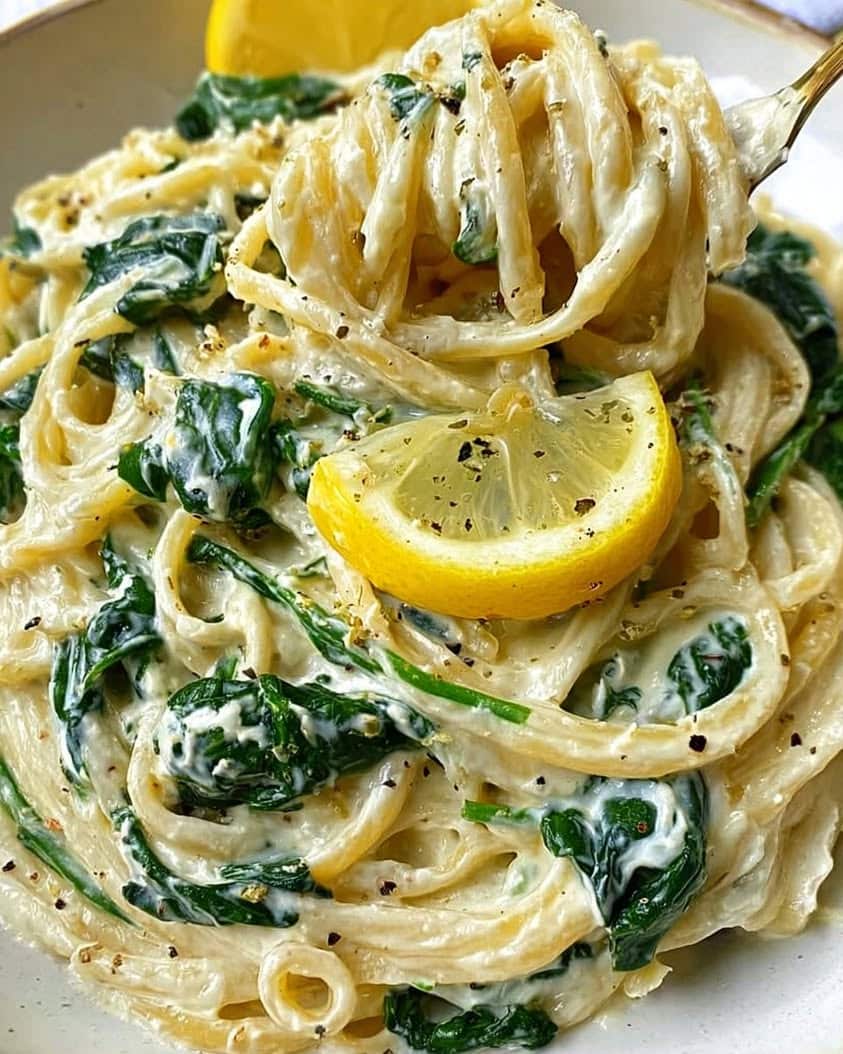
- Visual Appeal: Pale green spinach ribbons weave through creamy white sauce and golden pasta. Bright yellow zest and toasted pine nuts scatter across the top and make the bowl look vibrant and inviting.
- Skill Level Needed: The recipe suits beginners because the sauce requires no stove time. You simply whisk, toss, and adjust seasoning. Anyone comfortable boiling pasta can execute this dish confidently.
- Special Equipment: A large pot for pasta and a wide skillet or bowl for tossing cover the basics. A microplane makes quick work of zesting, and a colander handles draining. None of these tools are expensive or specialized.
Recipe Overview
- Difficulty Level: We rate this recipe easy because it relies on one pot and one mixing bowl. The sauce comes together off the heat, so there is no risk of curdling or burning. Timing stays forgiving since pasta water loosens the sauce whenever needed. Beginners can master it on the first attempt.
- Category: This dish works as a main course for lunch or dinner. It also functions as a hearty side for grilled proteins. Because it comes together quickly, it suits weeknight cooking and casual weekend lunches alike.
- Cuisine: The recipe draws from Italian culinary tradition, specifically the practice of enriching pasta with fresh cheese. Ricotta appears throughout southern Italy in both savory and sweet dishes. Lemon and spinach reflect Mediterranean preferences for bright, seasonal produce. The combination feels authentically Italian yet modern and light.
- Cost: A tub of whole-milk ricotta, a box of pasta, a bag of baby spinach, and two lemons cost roughly ten to twelve dollars total. Pantry staples like garlic, olive oil, and Parmesan add a few dollars more. Per serving, the dish lands well under four dollars, which makes it budget-friendly for families.
- Season: Spring and summer showcase this recipe best because lemons peak and spinach grows tender and sweet. That said, the ingredients remain available year-round, so you can enjoy it in winter when you need a burst of brightness. The dish never feels heavy, which makes it ideal for warm weather.
- Occasion: Serve it for a quick family dinner, a casual date night, or a potluck pasta bar. It also shines at bridal showers and spring luncheons because the presentation looks elegant with minimal effort. Weeknight meal prep and Sunday suppers both accommodate it easily.
Why You’ll Love This Recipe
The taste and texture of this Zesty Lemon Ricotta and Spinach Pasta deliver instant gratification. Creamy ricotta melts into a sauce that feels indulgent, yet lemon keeps every bite fresh and lively. Each forkful balances richness with acidity, and the spinach adds an earthy note that grounds the citrus. Consequently, you get comfort food without the heaviness of a cream-based sauce. The pine nuts reinforce the texture story with a delicate crunch, and Parmesan deepens the savory finish. Families and picky eaters tend to approve because the flavors stay clean and recognizable.
Convenience sets this recipe apart on hectic evenings. You boil pasta, whisk a sauce, and wilt spinach in a single pan. Cleanup takes minutes because the sauce never touches a burner. Furthermore, the ingredient list stays short and largely pantry-friendly. You can shop once and keep ricotta, lemons, and pasta on hand for spontaneous dinners. The recipe also scales easily, so feeding a crowd requires no extra technique. In short, the Zesty Lemon Ricotta and Spinach Pasta removes stress from dinner without removing flavor.
Nutritionally, the dish offers real advantages. Spinach supplies iron, folate, and vitamin K, while ricotta contributes protein and calcium. Lemon adds vitamin C, which aids iron absorption from the greens. Because the sauce uses no heavy cream, saturated fat stays moderate. You control salt and cheese amounts, so the recipe adapts to lighter eating plans. Pair it with a side salad or grilled vegetables and you have a balanced plate that supports everyday wellness goals.
Socially, this pasta performs beautifully when you entertain. The bowl looks stunning with green spinach, white ricotta, and yellow zest. Guests appreciate a vegetarian main that feels substantial and thoughtful. You can set up a topping bar with pine nuts, extra Parmesan, chili flakes, and lemon wedges so everyone customizes their plate. Because the recipe doubles without trouble, hosting a dinner party becomes genuinely manageable. The dish also travels well to potlucks when you toss it just before serving.
Finally, cost-effectiveness makes this Zesty Lemon Ricotta and Spinach Pasta a repeat performer. Ricotta costs far less than cream or specialty cheeses, and spinach stretches the dish without adding expense. Lemons deliver enormous flavor for pocket change. You likely already stock olive oil, garlic, and pasta, which means the shopping list stays short. Therefore, the recipe supports tight budgets while still feeling special. Few meals match this combination of affordability, speed, and elegance.
Historical Background and Cultural Significance
The origin story of this dish reflects Italian home cooking rather than restaurant tradition. Ricotta has ancient roots in Italy, where shepherds made it from the whey left after cheese production. Because the process repurposed a byproduct, ricotta became known as a peasant food that wasted nothing. Cooks folded it into pasta, pastries, and dumplings for centuries. Lemon and spinach entered the picture as regional produce, and the trio eventually became a natural pairing in southern Italian kitchens.
Culturally, the recipe carries significance as an example of cucina povera, or humble cooking. Italian households built meals around what gardens and markets offered. Spinach grew abundantly in cooler months, and lemon trees provided fruit almost year-round in the south. Consequently, families combined these ingredients with pasta and ricotta to create filling, nutritious dishes. The recipe embodies resourcefulness, and it honors a tradition where simple components produce remarkable results.
Over time, the dish evolved as cooks moved between regions and shared techniques. In Rome, ricotta appears in baked pasta and ravioli fillings, while southern regions favor fresh, uncooked sauces. Modern cooks began whipping ricotta with pasta water to create a creamy texture without cream. This technique spread through cookbooks and food blogs, and it turned the classic combination into a weeknight staple. Today, the Zesty Lemon Ricotta and Spinach Pasta represents a contemporary take on old-world节俭 cooking.
Regional variations abound across Italy and beyond. Some cooks add nutmeg to the ricotta for warmth, while others finish with mint or basil. Sicilian versions might include toasted almonds instead of pine nuts. In the United States, cooks often boost the lemon and add red pepper flakes for heat. Regardless of variation, the core idea stays constant, and that idea celebrates freshness, balance, and simplicity.
Ingredient Deep Dive
Ricotta anchors the sauce and gives the dish its identity. Historically, Italian shepherds made ricotta from sheep’s milk whey, and the name means recooked. Today, cow’s milk versions dominate American markets, though sheep’s milk ricotta remains prized for richness. Ricotta supplies protein, calcium, and a gentle sweetness that balances lemon. When selecting, look for fresh ricotta with a clean dairy scent and avoid tubs with watery separation. Store it refrigerated and use within five days of opening. If you cannot find ricotta, cottage cheese drained overnight offers a workable substitute, and cream cheese thinned with milk approximates the texture.
Nutritionally, ricotta delivers impressive value per calorie. A half-cup provides about fourteen grams of protein with modest fat, depending on the milk used. It also contributes selenium and riboflavin. Whole-milk ricotta yields the creamiest sauce, but part-skim versions work if you want a lighter result. Just avoid fat-free ricotta, which turns grainy and dry. For storage, keep the container sealed and place it toward the back of the fridge where temperatures stay stable. Freezing ricotta alters its texture, so plan to use it fresh.
Lemon supplies the zest, both literally and figuratively, in this recipe. Citrus cultivation spread from Asia through the Mediterranean, and lemons became essential to Italian cooking. The fruit’s acid brightens rich ingredients and cuts through fat. Beyond flavor, lemon offers vitamin C and antioxidants in the zest and juice. Choose lemons that feel heavy for their size with thin, glossy skin. Meyer lemons bring a floral sweetness if you find them, though standard Eureka lemons work perfectly. Store lemons at room temperature for a week or refrigerate them for up to a month. When substituting, bottled juice works in a pinch, but never skip fresh zest because it carries the aromatic oils.
Spinach contributes color, nutrients, and a subtle earthiness. The leafy green originated in Persia and traveled along trade routes into Europe and beyond. Today, baby spinach dominates grocery shelves because it stays tender and mild. Spinach provides iron, folate, vitamin K, and lutein, which supports eye health. Select leaves that look crisp and deep green without sliminess. Wash thoroughly, even when labeled pre-washed, and dry well before cooking. Store spinach in a breathable bag with a paper towel to absorb moisture. If spinach is unavailable, kale, Swiss chard, or arugula can step in, though cooking times may shift.
Garlic builds the savory foundation beneath the citrus. Cultures across the Mediterranean have cultivated garlic for thousands of years, and it remains a cornerstone of Italian cooking. The pungent bulb contains allicin, a compound linked to cardiovascular benefits. Fresh garlic outperforms jarred versions in flavor, so buy firm heads with tight papery skin. Store garlic in a cool, dark spot with airflow, never in the refrigerator. Mince it finely for this recipe so it distributes evenly. If you need a substitute, garlic powder works in a pinch, but use it sparingly since the flavor concentrates.
Parmesan finishes the dish with salty depth. This aged Italian cheese originates in the Emilia-Romagna region, where producers have crafted it for nearly a thousand years. Parmigiano-Reggiano carries protected status, though domestic Parmesan works well in most kitchens. The cheese adds umami and calcium while helping the sauce cling to pasta. Buy a wedge and grate it fresh because pre-grated cheese often contains anti-caking agents that dull flavor. Wrap the wedge tightly and refrigerate it for months. Pecorino Romano offers a sharper substitute, and nutritional yeast provides a vegan alternative.
Common Mistakes to Avoid
- Overcooking the pasta turns strands mushy and prevents the sauce from clinging. Taste a minute before the package time and drain while the pasta still has a firm bite. Reserve pasta water before draining because you need it to loosen the sauce.
- Skipping the pasta water removes your best tool for texture. Starchy water emulsifies with ricotta and creates a glossy coating. Always scoop out a cup before you drain the pot, even if you think you will not need it.
- Using cold ricotta straight from the fridge causes the sauce to seize and clump. Let ricotta sit at room temperature for fifteen minutes, or warm it gently with a splash of pasta water before whisking.
- Adding lemon juice too early can dull the flavor as it sits. Whisk the juice into the sauce just before tossing, and add extra at the table for maximum freshness.
- Dumping wet spinach into the pan creates steam and dilutes the sauce. Dry the leaves well after washing, and wilt them briefly over medium heat so they stay tender rather than soggy.
- Burning the garlic ruins the entire dish with bitterness. Cook it gently over medium-low heat until fragrant and golden, never brown. If garlic scorches, start over because the flavor cannot be rescued.
- Underseasoning the sauce leaves the dish flat. Ricotta needs salt to sing, and lemon needs balance. Season the sauce gradually, taste often, and finish with Parmesan for a savory lift.
- Tossing everything in a cold bowl cools the pasta and thickens the sauce. Warm your serving bowl with hot water, then dry it, so the dish stays hot through the meal.
- Overloading the pan with spinach crowds the greens and traps moisture. Add spinach in handfuls and stir between additions so each batch wilts properly.
- Forgetting to zest before juicing wastes the best part of the lemon. Zest first, then halve and squeeze. The aromatic oils live in the peel, and they define the dish.
Essential Techniques
Whipping ricotta with pasta water is the technique that defines this sauce. The starchy water helps the cheese loosen into a smooth, pourable consistency. Start by whisking ricotta alone until it smooths, then add warm pasta water one tablespoon at a time. The mixture should look like thick cream, and it should coat the back of a spoon. If it looks tight, add more water. The key lies in patience, because adding liquid all at once creates a soupy result. Visual cues help here, and the sauce should ripple slowly when you tilt the bowl.
Zesting citrus properly captures the oils that carry the lemon flavor. Use a microplane or fine grater and press gently, rotating the lemon as you go. Stop when you reach the white pith, which tastes bitter and ruins the dish. Work over a bowl to catch the zest, and use it within minutes because the oils dissipate quickly. As a result, the aroma should hit you immediately when you zest. Avoid pre-zested lemon peel from the store, since it dries out and loses punch.
Emulsifying the final sauce ensures a creamy texture rather than a greasy one. Toss the drained pasta with the ricotta mixture off the heat, adding pasta water gradually while stirring. The motion encourages the fat and water to bind. If the sauce breaks, add a splash of warm water and stir vigorously until it comes back together. Heat management matters because high temperatures can cause curdling. Keep the pan warm, not hot, and you will maintain a silky emulsion.
Wilting spinach correctly preserves its color and texture. Heat a drizzle of olive oil over medium heat and add the leaves in batches. Toss constantly with tongs until each leaf collapses, which takes about one minute. Season lightly and transfer the spinach to a colander to drain excess liquid. Overcooking turns the greens olive-drab and mushy. Visual cues matter here, and the spinach should stay vivid green with a slight bite. Pat dry before folding into the pasta.
Toasting pine nuts adds a nutty layer that elevates the dish. Place them in a dry skillet over medium-low heat and shake frequently. They turn golden in about three minutes, and the aroma signals readiness. Watch closely because nuts burn quickly, and burned nuts taste acrid. Remove them from the pan immediately to stop the cooking. You can toast them days ahead and store in an airtight jar. Walnuts or almonds work as substitutes, chopped to a similar size.
Pro Tips for Perfect Zesty Lemon Ricotta and Spinach Pasta
Salt the pasta water generously, as though you were seasoning soup. The pasta absorbs salt as it cooks, and this step builds the foundation of flavor. Use about a tablespoon of kosher salt per gallon of water.
Reserve more pasta water than you think you need. Two cups cost nothing and give you flexibility if the sauce tightens. Extra water also helps reheat leftovers the next day.
Warm the ricotta gently before whisking it into the sauce. Room-temperature cheese blends smoothly, while cold ricotta clumps stubbornly. A brief rest on the counter solves the problem.
Add lemon zest in two stages for layered citrus flavor. Whisk half into the sauce and scatter the rest over the finished dish. This trick keeps the aroma bright and present.
Toss the pasta and sauce in a warm serving bowl rather than the hot cooking pot. Residual heat in the pot can curdle ricotta, while a warm bowl keeps the dish at serving temperature without shock.
Finish with a final drizzle of good olive oil before serving. The oil adds richness and helps the sauce glide across the palate. A fruity, cold-pressed oil works best here.
Taste and adjust before you serve, because ricotta brands vary in salt and moisture. Some need extra lemon, others need a pinch of salt. Trust your palate and correct accordingly.
Serve immediately after tossing since ricotta sauces tighten as they cool. If you must wait, keep the bowl covered and loosen with warm pasta water just before eating.
Variations and Adaptations
Regional variations shape this dish in delightful ways. In southern Italy, cooks might swap pine nuts for toasted almonds and add a pinch of red pepper flakes. Sicilian versions sometimes include golden raisins for a sweet-savory contrast. In Rome, a handful of grated pecorino replaces Parmesan for sharper bite. Meanwhile, American cooks often add grilled chicken or shrimp to turn the pasta into a heartier main. Each variation honors the original balance of creamy, citrus, and green.
Seasonal adaptations keep the recipe relevant all year. In spring, fold in blanched asparagus tips or fresh peas alongside the spinach. During summer, cherry tomatoes and basil add juicy sweetness. In autumn, roasted butternut squash cubes bring warmth, and in winter, wilted kale replaces spinach for heartier texture. Adjust lemon and seasoning to match the produce, and the dish never feels repetitive.
Dietary modifications make the recipe flexible for different needs. Gluten-free pasta works seamlessly, though reserved water amounts may need adjustment. A dairy-free ricotta alternative made from almonds or tofu can replace the cheese, with nutritional yeast adding savoriness. Vegan cooks can skip Parmesan or use a plant-based version. Because the sauce carries so much flavor, these swaps rarely compromise the final result.
Flavor variations let you steer the dish in new directions. Add a teaspoon of Dijon mustard for tang, or stir in a spoonful of pesto for herbal depth. Smoked paprika brings warmth, and a pinch of saffron creates golden luxury. Herb variations also work well, with dill, mint, or basil each shifting the profile. Try one change at a time so you can taste the difference clearly.
Texture modifications serve different preferences. Add toasted breadcrumbs for crunch, or fold in crispy prosciutto for savory contrast. Crumbled feta adds salty pockets, and roasted chickpeas bring heft and crispness. For a silkier result, blend the ricotta sauce until ultra-smooth before tossing. These small changes let you tailor the dish to your table.
Presentation alternatives suit any occasion. Serve the pasta in individual bowls with a lemon wedge, or pile it onto a platter for family-style dining. Stuff the mixture into jumbo shells and bake with extra cheese for a casserole version. You can also chill the pasta and serve it as a cold picnic salad with extra lemon dressing. The recipe rewards creativity.
Serving and Presentation Guide
Plating techniques begin with a warm bowl and a generous twirl. Use tongs to lift the pasta and let it fall into a loose mound rather than a flat pile. This shape catches the sauce and looks restaurant-worthy. Leave a small well in the center and spoon extra sauce over the top. The result should look glossy and abundant.
Garnishing ideas elevate the visual appeal. Scatter toasted pine nuts, extra lemon zest, and torn basil leaves across the surface. A final crack of black pepper adds contrast. For color, add a few paper-thin lemon slices or a sprinkle of red pepper flakes. Keep garnishes purposeful and avoid clutter.
Traditional accompaniments include crusty bread for soaking up sauce and a simple green salad dressed with lemon vinaigrette. A platter of roasted vegetables rounds out the meal. These sides echo Italian dining traditions while keeping the focus on the pasta. They also add nutrition without competing flavors.
Modern serving suggestions lean toward grain bowls and mezze spreads. Spoon the pasta into shallow bowls and pair with marinated olives, whipped feta, and warm flatbread. Or serve it alongside grilled fish for a lighter dinner. These pairings work especially well for entertaining because guests can mix and match.
Temperature considerations matter for the best experience. Serve the pasta hot, but not steaming, because extreme heat can dull the lemon aroma. Warm the bowls ahead of time and keep the dish covered if it must wait. Leftovers taste best at room temperature or gently warmed with a splash of water.
Portion control tips help with balanced meals. A standard serving measures about one and a half cups, which satisfies most appetites. Pair smaller portions with a protein and salad for lighter eating. For heartier appetites, offer extra Parmesan and bread rather than doubling the pasta.
Wine and Beverage Pairing
Wine pairings should match the dish’s brightness and creaminess. A crisp white like Pinot Grigio or Sauvignon Blanc cuts through ricotta beautifully. For a richer option, try an unoaked Chardonnay or Vermentino. Sparkling wines like Prosecco also work because bubbles refresh the palate between bites. Avoid heavily oaked wines, which clash with citrus.
Non-alcoholic alternatives deserve attention too. Sparkling water with lemon and basil feels festive and echoes the flavors. Iced green tea with mint offers gentle bitterness that balances creaminess. For something sweeter, homemade lemonade with a splash of soda works beautifully. These options satisfy guests who skip alcohol without feeling left out.
Coffee and tea pairings suit lunchtime servings. A light black tea or an herbal lemon blend complements the citrus notes. Avoid heavy espresso after this dish because the intensity overwhelms the delicate sauce. For dessert, an iced tea with honey rounds out a warm-weather meal.
Temperature considerations apply to beverages as well. Serve whites well chilled but not icy, around forty-five to fifty degrees. Let sparkling wines rest a moment after pouring to release aromas. Non-alcoholic options also taste best cold, so keep pitchers in the fridge until serving.
Serving suggestions include offering a beverage station so guests pour their own. Set out glasses, a wine bucket, and a pitcher of citrus water. This approach keeps hosting relaxed. Always provide water with lemon slices as a simple, refreshing companion to the meal.
Storage and Shelf Life
Storage methods determine how well leftovers hold up. Transfer leftovers to a shallow airtight container and press plastic wrap against the surface of the pasta. This barrier limits air exposure, which dries out the sauce. Refrigerate within two hours of cooking and store for up to three days.
Temperature requirements matter for food safety. Keep the pasta below forty degrees Fahrenheit in the refrigerator. When reheating, bring it to an internal temperature of one hundred sixty-five degrees. Never leave the dish at room temperature for more than two hours, especially during warm months.
Container recommendations favor glass or high-quality plastic with tight lids. Shallow containers cool faster, which reduces bacterial growth risk. Avoid stuffing the pasta into deep tubs, since the center stays warm longer. Label containers with the date so you use them in time.
Signs of spoilage include sour odors, slimy textures, and visible mold. If any of these appear, discard the dish without tasting. Ricotta spoils faster than pasta alone, so check carefully after two days. When in doubt, throw it out.
Reheating instructions should protect the sauce. Warm leftovers gently in a skillet with a splash of water, stirring until heated through. Microwaving works but can dry the pasta, so cover the dish and add moisture first. Avoid boiling, which curdles the ricotta.
Freezing guidelines suggest caution because ricotta sauces separate when frozen. If you freeze, do so before adding spinach and expect a looser texture after thawing. Store for up to one month and reheat slowly with added pasta water.
Make Ahead Strategies
Prep timeline planning saves time on busy days. Wash and dry spinach, zest and juice lemons, and grate Parmesan up to two days ahead. Store each component separately in airtight containers. On cooking day, only boil pasta and whisk the sauce, which cuts active time to fifteen minutes.
Storage between steps keeps quality high. Blend the ricotta sauce ahead and refrigerate it for up to one day. Bring it to room temperature before tossing so it blends smoothly. Keep spinach dry and cold until cooking to prevent sogginess.
Quality impact assessment helps set expectations. Sauces made ahead taste nearly as fresh, though lemon flavor fades slightly. Add a bit of fresh zest at serving to restore brightness. Pre-wilted spinach holds well but loses some texture, so reheat it gently.
Assembly tips streamline the final step. Cook pasta fresh, then toss with warmed sauce and spinach. Add hot pasta water as needed and finish with fresh garnishes. This order preserves the creamiest texture and brightest flavor.
Reheating guidelines apply to make-ahead versions as well. Warm the sauce gently with water, then add freshly cooked pasta. This method beats reheating the entire assembled dish because the pasta stays al dente.
Fresh element additions restore vitality to prepped meals. Add new lemon zest, toasted nuts, and herbs just before serving. These touches refresh the dish and make it taste newly made, even when prepped hours earlier.
Scaling Instructions
Halving the recipe works easily for smaller households. Use half a box of pasta and half a tub of ricotta, and adjust lemon to taste. Keep the pasta water ratio the same and taste carefully because seasoning scales imperfectly. Expect the sauce to come together slightly faster.
Doubling or tripling suits larger gatherings and meal prep. Use two pots for boiling if needed, since overcrowding the water prevents even cooking. Whisk the sauce in a large bowl so there is room to toss. Increase the pine nuts and Parmesan accordingly.
Equipment adjustments keep the process smooth. Large batches may need a roasting pan for tossing instead of a skillet. Use a second colander if you drain in batches. Keep everything warm near the stove so the final toss stays hot.
Timing modifications apply when scaling up. Expect pasta to take longer with more volume in the pot. Whisk the sauce while the water boils so no time is lost. Have garnishes ready before draining to assemble quickly.
Storage considerations change with quantity. Divide leftovers into several shallow containers so they cool fast. Share extra portions with neighbors or freeze half for later. Label everything with dates.
Nutritional Deep Dive
Macro breakdown shows a balanced profile. Each serving delivers roughly twenty grams of protein from ricotta and Parmesan. Carbohydrates come from pasta and spinach, and fat comes largely from dairy and olive oil. The balance supports steady energy without heaviness.
Micronutrient analysis reveals strengths in several areas. Spinach supplies iron, folate, and vitamin K, while ricotta adds calcium and B vitamins. Lemon contributes vitamin C and antioxidants, and garlic offers sulfur compounds. Together they cover a wide nutritional range.
Health benefits include bone support from calcium and vitamin K. The protein content aids satiety and muscle maintenance. Antioxidants in lemon and spinach support cellular health. Because the dish emphasizes whole ingredients, it fits comfortably into most eating patterns.
Dietary considerations remind us of personal needs. Those watching sodium can limit Parmesan and pasta water salt. Lactose-sensitive eaters may use lactose-free ricotta. People managing blood sugar benefit from smaller pasta portions and extra vegetables.
Portion analysis helps with planning. A one and a half cup serving suits most adults, but activity level changes needs. Athletes may add protein, while lighter eaters can serve half portions with salad. Adjust to your body’s signals.
Weight management tips support balance over restriction. Fill half the plate with vegetables and enjoy the pasta mindfully. The recipe’s protein helps reduce overeating. Pair with water and finish when satisfied.
Dietary Adaptations
Gluten-free versions use certified gluten-free pasta. Choose corn, rice, or chickpea pasta based on texture preference. Reserve more pasta water since gluten-free pasta releases less starch. Taste and adjust seasoning because alternative pastas vary in flavor.
Dairy-free adaptations replace ricotta with almond or cashew-based alternatives. Cashew cream blends closest in texture, and nutritional yeast mimics Parmesan. Add a bit of miso for umami. The result tastes creamy and bright without dairy.
Vegan versions combine dairy-free ricotta, nutritional yeast, and plant-based milk. Use vegan pasta and skip butter entirely. Boost lemon and garlic to carry flavor. Toasted nuts become essential for richness.
Low-carb approaches swap pasta for zucchini noodles or spaghetti squash. Sauté the spirals briefly and drain well so the sauce does not turn watery. Add extra protein like chicken or shrimp to stay satisfied.
Keto adaptations follow similar logic. Use low-carb noodles or cabbage ribbons and increase olive oil and cheese. Watch carbohydrate totals from spinach and nuts. The high fat from ricotta supports keto macros.
Paleo versions face challenges because pasta and dairy are excluded. Use vegetable noodles and a cashew-based sauce, and skip Parmesan. Add extra pine nuts and olive oil for richness. The dish loses authenticity but keeps the spirit.
Low-FODMAP adaptations require careful choices. Garlic and ricotta cause issues for some, so infuse olive oil with garlic and remove it before serving. Use lactose-free ricotta and keep spinach portions moderate. This approach protects both flavor and digestion.
Other specific diets, such as Mediterranean or flexitarian, fit this recipe well. The dish celebrates vegetables, olive oil, and whole foods. Reduce or increase cheese to match guidelines. Few recipes adapt this gracefully.
Troubleshooting Guide
Texture issues usually stem from cold ricotta or too little pasta water. Warm the cheese gently and add water one spoonful at a time. If the sauce looks grainy, whisk vigorously off the heat. If it turns soupy, add drained pasta and rest for a minute so it absorbs moisture.
Flavor balance requires tasting at every stage. If too sour, add a pinch of sugar or more Parmesan. If too flat, add lemon zest and salt. If too salty, increase ricotta and pasta. Small adjustments restore harmony quickly.
Temperature problems appear when the pan runs too hot. Curdled ricotta cannot be fully fixed, but adding warm water and stirring helps a little. Prevent issues by keeping heat low and tossing off the burner. Warm bowls also protect the sauce.
Equipment challenges, like undersized bowls, make tossing awkward. Switch to a larger bowl or a roasting pan. If you lack a microplane, use the smallest holes on a box grater. Improvisation works for this simple dish.
Ingredient substitutions sometimes change texture. Cashew ricotta may thicken faster, so add water gradually. Gluten-free pasta may need more sauce. Taste and correct until the result feels right.
Timing concerns respond to smart sequencing. Boil water first, then prep ingredients while it heats. Whisk sauce while pasta cooks, and wilt spinach just before draining. This flow removes last-minute chaos.
Recipe Success Stories
Community feedback shows consistent enthusiasm for this Zesty Lemon Ricotta and Spinach Pasta. Home cooks praise the bright flavor and short ingredient list. Many report making it twice in one week. Readers especially appreciate the make-ahead notes and freezing guidance.
Variation successes include adding grilled shrimp and roasted asparagus. One reader swapped pine nuts for pistachios and loved the color and crunch. Another used Meyer lemons and described the result as spring in a bowl. The variations section became a favorite resource.
Adaptation stories highlight dietary flexibility. A dairy-free reader shared success using cashew ricotta and nutritional yeast. A gluten-free family reported equal approval from kids and adults. These stories confirm the recipe’s broad appeal.
Reader suggestions improved the guide. Several asked for a baked casserole version, which now appears in presentation alternatives. Others requested portion guidance, which shaped the serving section. Listening to readers made the post stronger.
Photography tips help readers capture the dish. Natural light flatters Print
Zesty Lemon Ricotta and Spinach Pasta
- Total Time: 30 minutes
- Yield: 4
Description
A bright and creamy pasta dish featuring fresh spinach, tangy lemon, and creamy ricotta cheese. Perfect for a quick weeknight dinner.
Ingredients
- 12 oz pasta (penne or fusilli)
- 1 tablespoon olive oil
- 2 cloves garlic, minced
- 5 oz fresh spinach
- 1 cup ricotta cheese
- 1/2 cup grated Parmesan cheese
- 1 lemon, zest and juice
- 1/2 teaspoon salt
- 1/4 teaspoon black pepper
- 1/4 teaspoon red pepper flakes (optional)
Instructions
- Cook pasta according to package instructions until al dente. Reserve 1 cup pasta water, then drain.
- In a large skillet, heat olive oil over medium heat. Add garlic and cook until fragrant, about 1 minute.
- Add spinach and cook until wilted, about 2-3 minutes.
- Reduce heat to low. Stir in ricotta, Parmesan, lemon zest, and lemon juice. Season with salt, pepper, and red pepper flakes.
- Add drained pasta and toss to coat, adding reserved pasta water as needed to loosen the sauce.
- Serve immediately with additional Parmesan if desired.
Notes
You can customize the seasonings to taste.
- Prep Time: 10 minutes
- Cook Time: 20 minutes
- Method: Main
- Cuisine: Italian