Tender Chinese-Style Beef Strips with Sweet Onions in a Glossy Garlic Soy Sauce
If you have ever craved a restaurant-quality dish that comes together faster than delivery, these Tender Chinese-Style Beef Strips with Sweet Onions in a Glossy Garlic Soy Sauce will quickly become your weeknight hero. This recipe transforms simple ingredients into a stunning plate of silky beef strips coated in a rich, shiny garlic soy sauce, while sweet onions melt into the pan to create a natural sweetness that balances every savory bite. The moment the beef hits the hot wok, the kitchen fills with the irresistible aroma of garlic and soy, promising a meal that tastes far more complex than its short ingredient list suggests.
What makes this dish truly special is the contrast between the deeply seared beef and the tender, caramelized onions, all brought together by a glossy garlic soy sauce that clings to every strip. The technique focuses on high heat and quick tossing, which seals in juices and keeps the beef incredibly tender. Even beginner cooks can master this method within a single attempt. Whether you serve it over steamed jasmine rice, tucked into lettuce cups, or alongside stir-fried noodles, these tender Chinese-style beef strips deliver bold flavor with minimal effort and maximum satisfaction.
Beyond taste, this recipe fits beautifully into busy lifestyles. You need only one pan, a handful of pantry staples, and about thirty-five minutes from start to finish. The glossy garlic soy sauce requires no fancy thickeners beyond a simple cornstarch slurry, and the sweet onions do most of the flavor work for you. Therefore, this dish suits both spontaneous weeknight dinners and planned weekend gatherings. Keep reading to discover the techniques, variations, and pro tips that guarantee perfectly tender beef strips every single time.
Quick Recipe Highlights
- Flavor Profile: These tender Chinese-style beef strips balance savory soy, aromatic garlic, and the natural sweetness of caramelized onions. A subtle umami depth from the sauce makes each bite richly satisfying without overwhelming the palate.
- Texture: The beef stays remarkably tender thanks to a quick cornstarch marinade and high-heat searing. Sweet onions soften into a silky texture, while the glossy garlic soy sauce coats every strip with a light, velvety finish.
- Aroma: Fresh garlic sizzling in a hot pan creates an immediate, mouthwatering fragrance. Soy sauce and a hint of ginger add warm, toasty notes that linger pleasantly throughout the cooking process.
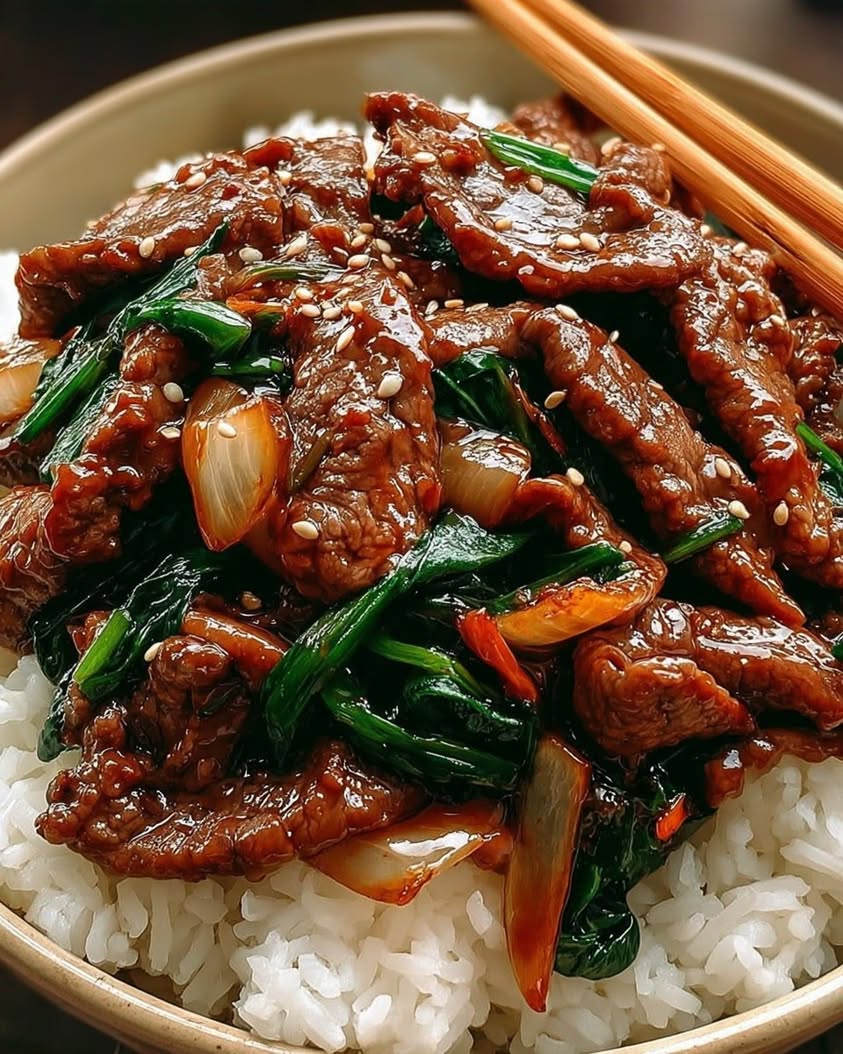
- Visual Appeal: Deep brown beef strips gleam under a shiny garlic soy sauce, contrasting beautifully with translucent sweet onions. A scattering of green scallions adds a bright pop of color for an appetizing presentation.
- Skill Level Needed: This recipe welcomes beginners because the steps are straightforward and forgiving. You only need basic knife skills and the ability to manage high heat for a few minutes. Experienced cooks will appreciate how quickly the dish comes together.
- Special Equipment: A large wok or heavy skillet works best for achieving a proper sear on the beef strips. You also need a sharp knife and a cutting board for slicing the beef against the grain. No unusual tools are required beyond these kitchen basics.
Recipe Overview
- Difficulty Level: I rate this recipe as easy because it relies on simple techniques and short cooking times. The most important skill involves slicing the beef thinly and against the grain, which anyone can learn quickly. The sauce comes together in one bowl, so there are no complicated steps or tricky reductions. Overall, the dish rewards speed and confidence more than advanced expertise.
- Category: This recipe fits into several meal categories, including quick weeknight dinners, stir-fry mains, and impressive party dishes. You can serve it as a standalone entrée or pair it with rice and vegetables for a complete meal. It also works well as part of a multi-dish Asian-style spread.
- Cuisine: The dish draws inspiration from Chinese stir-fry traditions, particularly the technique of velveting beef before cooking. Chinese-American kitchens popularized glossy garlic soy sauces that coat meat evenly and look stunning on the plate. This recipe honors those traditions while keeping the method accessible for home cooks. The result is a familiar yet freshly satisfying take on a classic flavor profile.
- Cost: This recipe is budget-friendly because beef flank or sirloin stretches far when sliced thinly. Pantry staples like soy sauce, garlic, cornstarch, and sugar keep additional costs low. Feeding four people for a reasonable price makes this dish a smart choice for value-conscious households.
- Season: You can enjoy these tender Chinese-style beef strips year-round since the ingredients remain widely available. However, the dish shines in cooler months when hearty, warming flavors feel especially comforting. Sweet onions peak in late summer and early fall, so that season offers the freshest produce.
- Occasion: This recipe suits casual family dinners, quick lunches, and even festive gatherings with friends. The glossy garlic soy sauce gives the dish a polished look that impresses guests. Meanwhile, the short cook time keeps the host out of the kitchen and at the table.
Why You’ll Love This Recipe
The taste and texture of these tender Chinese-style beef strips create an unforgettable eating experience. Each strip delivers a savory punch from the garlic soy sauce, followed by the mellow sweetness of caramelized onions. Because the beef stays silky and tender, every bite feels luxurious rather than chewy. The glossy sauce clings beautifully, ensuring no dry or bland pieces sneak through. Consequently, even picky eaters tend to clean their plates and ask for seconds.
Convenience sets this recipe apart from more complicated stir-fries. You need only thirty-five minutes total, including a brief marinade that you can skip if time runs short. The ingredient list stays short and relies on pantry staples most households already own. Cleanup involves just one pan and a couple of mixing bowls. Therefore, this dish fits perfectly into hectic schedules without sacrificing flavor or presentation.
Nutritionally, this recipe offers a smart balance of lean protein and beneficial nutrients. Beef provides iron, zinc, and high-quality protein that supports energy and muscle health. Onions contribute antioxidants and natural sweetness without excess sugar. Since you control the soy sauce and oil amounts, you can easily adjust sodium and fat to suit your dietary goals. As a result, the dish supports both comfort and wellness.
Socially, these tender Chinese-style beef strips make entertaining effortless and impressive. The dish looks stunning on a platter, and guests love the interactive appeal of building rice bowls. You can double the recipe without much extra effort, making it ideal for gatherings. The familiar flavors appeal to broad palates, so you rarely worry about picky guests. Meanwhile, the quick cook time means you spend more time with your company.
Cost-effectiveness rounds out the list of reasons to love this recipe. Thinly sliced beef stretches further than thick cuts, and sweet onions add volume for pennies. The glossy garlic soy sauce uses inexpensive staples that last for many meals. Compared to takeout, this homemade version costs a fraction of the price. Ultimately, the combination of affordability, speed, and restaurant-quality taste makes this recipe a household staple.
Historical Background and Cultural Significance
The origins of tender Chinese-style beef strips trace back to classic Chinese stir-fry traditions, where quick cooking over intense heat defines the cuisine. Chinese chefs developed velveting techniques centuries ago to keep meat tender in fast-cooked dishes. Coating beef in cornstarch and a little liquid creates a protective barrier that locks in moisture. Consequently, this method spread across regions and eventually reached Western kitchens, where it became a staple of Chinese-American cooking.
Culturally, glossy garlic soy sauces represent the harmony central to Chinese culinary philosophy. Cooks balance salty, sweet, and savory elements to achieve a unified flavor rather than a single dominant note. Sweet onions contribute natural sugar that rounds out the soy sauce’s intensity. Garlic adds aromatic depth that ties the dish together. Therefore, each component plays a role in creating a harmonious whole, reflecting the broader principles of balance found in Chinese cuisine.
The recipe evolved as Chinese immigrants adapted traditional techniques to local ingredients in the United States. Early Chinese-American restaurants popularized beef and onion stir-fries with thick, shiny sauces that appealed to local tastes. Over decades, home cooks refined the dish into the accessible version we know today. Meanwhile, the glossy garlic soy sauce became a signature element that home cooks could replicate easily. As a result, the recipe bridges cultural traditions and modern convenience.
Regional variations of these tender Chinese-style beef strips appear across China and beyond. In Cantonese cooking, ginger and scallions often join the sauce for a brighter profile. Sichuan versions may add chili bean paste for heat, while northern styles favor heavier soy and garlic notes. Japanese and Korean kitchens offer their own spins with mirin or gochujang. Consequently, this dish represents a living recipe that adapts to local preferences while keeping its core identity intact.
Ingredient Deep Dive
Beef flank or sirloin serves as the heart of this dish, offering deep beefy flavor and excellent value. Chinese cooks have prized these cuts for centuries because thin slicing transforms economical beef into tender, satisfying meals. Nutritionally, beef delivers iron, zinc, and vitamin B12 that support energy and immune health. When shopping, look for bright red color, fine grain, and minimal visible fat. Store beef in the coldest part of your refrigerator and use it within two days, or freeze it for up to three months.
For substitutions, chicken thighs or pork loin work well with the same marinade and cooking method. Turkey breast offers a leaner option that still absorbs the glossy garlic soy sauce beautifully. Whatever protein you choose, slice it thinly against the grain to preserve tenderness. This simple step matters more than the specific cut you select. Ultimately, the technique carries the dish regardless of the protein.
Sweet onions add natural sugar that balances the savory soy sauce and creates that signature glossy finish. Chinese markets traditionally favor varieties like yellow onions for stir-fries because they soften beautifully and release sweetness when seared. Sweet onions like Vidalia or Walla Walla contain more sugar and less pungency, making them ideal for this recipe. They also provide vitamin C, fiber, and antioxidants that support everyday wellness. Choose onions that feel firm and heavy for their size, and store them in a cool, dry, ventilated spot away from potatoes.
If sweet onions are unavailable, yellow or white onions make solid substitutes, though you may need a pinch more sugar. Shallots offer a milder, more delicate flavor that suits the dish elegantly. Leeks can work in a pinch but require careful cleaning to remove grit. Each alternative changes the character slightly, so taste and adjust the sauce as needed. Nevertheless, any allium family member brings beneficial aroma and depth.
Garlic builds the aromatic foundation of the glossy garlic soy sauce and gives the dish its signature fragrance. Cultures across Asia have used garlic for thousands of years as both medicine and flavor base. Fresh garlic provides allicin, a compound linked to heart health and immune support. Select firm, plump heads with tight skins and no green sprouts, and store them in a cool, dry place with good airflow. Pre-minced garlic works in a pinch, though fresh offers superior aroma and sweetness.
When substituting, garlic paste delivers convenience without much flavor loss. Garlic powder works but lacks the fresh bite that defines this recipe. For a milder profile, use half the amount and add a pinch of sugar to soften the edge. Always add garlic after aromatics like ginger to prevent burning, since burnt garlic turns bitter. Therefore, timing matters as much as quantity when building the sauce.
Soy sauce creates the glossy, savory backbone of the garlic soy sauce and contributes deep umami flavor. Chinese soy sauce has a long history dating back more than two thousand years, with regional styles ranging from light and salty to dark and slightly sweet. It provides sodium and small amounts of beneficial compounds, though moderation matters for heart health. Choose naturally brewed soy sauce with simple ingredients for the best flavor. Store it in a cool pantry or refrigerator after opening to preserve freshness.
Tamari offers a gluten-free alternative with a richer, slightly less salty profile. Coconut aminos work for soy-free diets but taste sweeter, so reduce added sugar accordingly. Low-sodium soy sauce suits those watching salt intake, though you may need a touch more for depth. Each substitute shifts the balance slightly, so taste the sauce before cooking. Consequently, adjusting as you go ensures a balanced final result.
Cornstarch performs double duty in this recipe by tenderizing the beef and thickening the glossy garlic soy sauce. Chinese cooks have relied on cornstarch for velveting meat for generations, and the technique remains central to stir-fry success. It contains no notable nutrients but serves a crucial textural role. Keep cornstarch in an airtight container away from moisture, and replace it if it clumps or smells stale. Arrowroot powder or potato starch make excellent substitutes with similar thickening power.
When using alternatives, mix them with cold water before adding to hot liquid to prevent lumps. Tapioca starch creates an even shinier finish but can turn stringy if overcooked. Always whisk the slurry again right before pouring because starch settles quickly. These small habits guarantee a smooth, glossy sauce every time. Therefore, treat the slurry as a finishing touch rather than an afterthought.
Common Mistakes to Avoid
- Slicing the beef with the grain instead of against it creates chewy, tough strips that ruin the dish. Always identify the grain lines and cut perpendicular to them for maximum tenderness. This single step matters more than any marinade.
- Skimping on the marinade time leaves the beef less tender and flavorful. Even fifteen minutes helps the cornstarch and soy sauce penetrate the meat. If possible, give it twenty to thirty minutes for the best texture.
- Crowding the pan causes the beef to steam rather than sear, resulting in gray, tough strips. Cook in batches if necessary and give each piece space to brown. High heat and breathing room create the signature sear.
- Adding garlic too early burns it and turns the sauce bitter. Wait until the pan is hot and the beef is nearly done before adding aromatics. This timing preserves garlic’s sweet, nutty flavor.
- Overcooking the beef turns tender strips into rubbery disappointments. Stir-fry for just a few minutes until the beef is barely cooked through. Residual heat continues cooking after you remove it from the pan.
- Using cold liquid to deglaze a hot pan causes sputtering and uneven sauce texture. Mix the sauce ingredients at room temperature beforehand. Then pour them in confidently for a smooth, glossy result.
- Forgetting to whisk the cornstarch slurry before adding it leads to clumps in the sauce. Starch settles quickly, so give it a fresh stir right before pouring. This habit ensures a silky, restaurant-quality finish.
- Adding too much soy sauce overwhelms the sweet onions and garlic. Start with the recommended amount and taste before adjusting. Remember that the sauce reduces and concentrates flavors.
- Skipping the resting time after cooking prevents juices from redistributing. Let the beef sit for a minute or two before tossing with the sauce. This brief pause keeps every strip moist and tender.
- Using a nonstick pan at high heat can damage the coating and prevent proper searing. Choose a wok or cast-iron skillet that handles intense heat safely. The right pan makes the technique effortless.
Essential Techniques
Velveting the beef is the most important technique for achieving tender Chinese-style beef strips. This method involves coating sliced beef in cornstarch, soy sauce, and a little oil before cooking. The coating forms a protective barrier that seals in moisture during high-heat searing. To master it, mix the beef with the marinade until every strip glistens, then rest it for at least fifteen minutes. A common pitfall involves using too much cornstarch, which creates a pasty texture. The visual cue for success is a light, even sheen on each strip rather than a thick coating.
Proper slicing against the grain ensures tenderness regardless of the cut you choose. Beef muscle fibers run in one direction, and cutting perpendicular to them shortens the fibers. Short fibers translate to easier chewing and a more pleasant texture. To master this, chill the beef for twenty minutes before slicing so it firms up and holds its shape. A sharp knife glides through cleanly and prevents tearing. The visual cue for success is seeing short, wide strips rather than long, stringy ones.
Managing high heat correctly creates the signature sear and glossy finish of this dish. Stir-frying requires a hot pan and quick, confident tossing. To master heat control, preheat the pan until a drop of water sizzles and evaporates instantly. Add oil, swirl it, and then add the beef in a single layer. Common pitfalls include letting the pan cool down between batches or adding cold ingredients that drop the temperature. The visual cue for success is a rapid sizzle and golden-brown edges on the beef.
Building the glossy garlic soy sauce relies on a cornstarch slurry and proper timing. The slurry thickens the sauce quickly, creating that shiny coating that clings to the beef. To master this, whisk the slurry fresh and add it to the pan only when the sauce bubbles. Stir constantly for thirty seconds until the sauce turns glossy and coats the back of a spoon. Avoid adding slurry to a cold pan, which creates cloudy, lumpy sauce. The visual cue for success is a clear, shiny glaze that reflects light.
Pro Tips for Perfect Tender Chinese-Style Beef Strips
Freeze the beef for fifteen to twenty minutes before slicing to make thin, even strips effortless. A partially frozen piece holds its shape and allows cleaner cuts. This small step dramatically improves texture and cooking consistency. Consequently, your strips cook evenly and stay tender.
Pat the sliced beef dry before marinating to help the cornstarch adhere properly. Excess moisture dilutes the coating and prevents a good sear. A quick blot with paper towels solves the problem instantly. As a result, the marinade clings better and the beef browns beautifully.
Preheat your pan thoroughly before adding oil, and wait for a shimmer before adding the beef. A properly heated pan creates an immediate sizzle that signals success. Cold pans cause sticking and steaming rather than searing. Therefore, patience at this stage pays off in flavor and texture.
Cook the beef in batches if your pan feels crowded, even if it takes an extra minute. Overcrowding traps steam and prevents browning, which compromises texture. Give each batch space and trust the process. Meanwhile, the cooked batches stay warm on a plate while the next one sears.
Add the sweet onions before the beef returns to the pan so they soften without overcooking. Onions need a little more time to release their sugar and turn translucent. Once they reach the right texture, the beef and sauce join for a quick final toss. This sequence keeps every component at its best.
Whisk the cornstarch slurry right before pouring it into the hot pan. Starch settles within seconds, so a fresh stir prevents clumps. Pour in a steady stream while stirring the beef and onions. The result is a smooth, glossy garlic soy sauce that coats every strip.
Taste the sauce before serving and adjust with a pinch of sugar or a splash of soy sauce. Small adjustments make a big difference in balance. Remember that the sauce concentrates as it thickens. Therefore, taste at the end rather than trusting the raw mixture.
Finish with a drizzle of toasted sesame oil off the heat to add aromatic depth. Sesame oil turns bitter when overheated, so add it at the very end. This final touch elevates the glossy garlic soy sauce beautifully. Ultimately, small finishing details create a restaurant-quality result.
Variations and Adaptations
Regional variations of these tender Chinese-style beef strips reflect local flavor preferences. Cantonese versions often add ginger and scallions for a brighter, fresher profile. Sichuan cooks introduce chili bean paste or dried chilies for a bold, spicy kick. Northern Chinese styles lean toward darker soy sauce and extra garlic for intensity. Each region adapts the core technique to its own pantry. Therefore, you can explore a world of flavors while keeping the same reliable cooking method.
Seasonal adaptations keep this dish fresh throughout the year. In summer, add bell peppers, snap peas, or zucchini for a lighter, garden-fresh feel. Autumn brings sweet onions at their peak, so lean into extra onion for natural sweetness. Winter calls for hearty additions like mushrooms or bok choy. Spring invites tender greens and scallions as bright garnishes. Consequently, the recipe never feels repetitive.
Dietary modifications make these tender Chinese-style beef strips accessible to more households. Gluten-free cooks can swap soy sauce for tamari without changing the technique. Those watching sodium can use low-sodium soy sauce and reduce the amount slightly. Dairy-free and vegan diners can substitute tofu or tempeh, which absorb the glossy garlic soy sauce beautifully. Each adaptation preserves the dish’s signature balance.
Flavor variations let you customize the glossy garlic soy sauce to your mood. Add a spoonful of honey for a sweeter glaze or a dash of chili oil for gentle heat. Hoisin sauce deepens the flavor with a smoky sweetness. Fresh ginger or lemongrass adds aromatic brightness. Meanwhile, black pepper or five-spice powder introduces warmth and nuance. These small tweaks create entirely new dishes from one reliable base.
Texture modifications suit different preferences and dietary needs. Add cashews or peanuts for crunch, or toss in crispy fried shallots for contrast. A handful of bean sprouts adds freshness and snap. You can also thicken the sauce further for a stickier glaze. Each textural element makes the dish more interesting and satisfying.
Presentation alternatives help you serve the same recipe in fresh new ways. Spoon the beef over steamed jasmine rice for a classic bowl. Tuck the strips into lettuce cups for a lighter, hands-on meal. Pile everything onto noodles or serve alongside crispy fried rice. You can even wrap the mixture in thin flatbreads for a fusion-inspired twist. Therefore, one recipe can become several distinct meals.
Serving and Presentation Guide
Plating techniques for these tender Chinese-style beef strips begin with a wide, shallow bowl that lets the glossy sauce shine. Mound steamed rice slightly off-center, then spoon the beef and onions over the top. Drizzle extra garlic soy sauce around the edges for a professional touch. Keep the arrangement loose rather than packed so the colors and textures stand out. Consequently, the dish looks as inviting as it tastes.
Garnishing ideas elevate the visual appeal without extra effort. Scatter thinly sliced scallions or toasted sesame seeds across the top for a classic look. A few red chili slivers add a bright pop of color and a hint of heat. Fresh cilantro leaves bring freshness and contrast. Choose one or two garnishes to keep the presentation clean and focused.
Traditional accompaniments include steamed jasmine rice, brown rice, or plain congee. Stir-fried greens like bok choy or Chinese broccoli balance the richness of the beef. Pickled vegetables add tang and crunch that cut through the savory sauce. A small bowl of chili oil lets guests adjust the heat to their taste. These classics create a harmonious and satisfying meal.
Modern serving suggestions offer playful alternatives for casual gatherings. Serve the beef in lettuce cups with herbs and quick-pickled onions for a low-carb option. Slider buns filled with the strips and caramelized onions make a crowd-pleasing appetizer. You can also toss the mixture with noodles for a hearty main dish. These contemporary presentations keep the recipe relevant and fun.
Temperature considerations matter for texture and flavor. Serve the dish immediately after cooking while the beef remains tender and the sauce stays glossy. Warm the serving plates beforehand if possible, since hot food cools quickly on cold plates. If you must hold the dish, keep it covered and warm rather than reheating aggressively. Therefore, plan the final toss close to serving time.
Portion control tips help the meal feel balanced and satisfying. Aim for about three to four ounces of cooked beef per person, supplemented by generous rice and vegetables. The sweet onions add volume, so smaller portions of beef still look hearty. Serve the sauce separately for guests who want extra or less. As a result, everyone enjoys a meal that feels appropriately portioned.
Wine and Beverage Pairing
Wine pairings for these tender Chinese-style beef strips should complement the savory, slightly sweet sauce. A dry Riesling offers bright acidity that cuts through the richness beautifully. Sparkling wine brings effervescence that refreshes the palate between bites. For red lovers, a light Pinot Noir or Gamay pairs well without overpowering the delicate garlic notes. Meanwhile, a dry rosé offers versatility and keeps the meal feeling light.
Non-alcoholic alternatives deserve equal attention. Iced jasmine tea provides floral notes that echo the dish’s aromatics. Sparkling water with lime clears the palate effectively between rich bites. A ginger and honey mocktail adds spicy-sweet contrast that mirrors the recipe’s balance. These refreshing options suit gatherings where alcohol plays no role.
Coffee and tea pairings offer surprising possibilities for the curious. A light green tea or oolong complements the garlic soy sauce gently. For bolder palates, a rooibos or barley tea adds earthy depth. Coffee rarely pairs with stir-fries, but a smooth cold brew can work alongside a sweeter version of the dish. However, most guests prefer the traditional tea route.
Temperature considerations enhance every beverage choice. Serve white wines well chilled and reds slightly cool to balance the warm dish. Iced teas and sparkling waters should arrive cold with plenty of ice. A lukewarm beverage dulls the palate and distracts from the food. Therefore, plan your drink temperatures alongside the cooking timeline.
Serving suggestions keep the beverage experience effortless. Set up a small drink station with glasses, ice, and garnishes before guests arrive. Pour wine just before serving the meal so it stays fresh. Offer a pitcher of iced tea for easy refills. These small preparations let you enjoy the meal as much as your company does.
Storage and Shelf Life
Storage methods for these tender Chinese-style beef strips focus on preserving texture and flavor. Transfer leftovers to an airtight container within two hours of cooking. Press a piece of plastic wrap directly onto the surface before sealing to reduce air exposure. This simple step keeps the glossy garlic soy sauce from drying out. Consequently, the beef stays moist for another meal.
Temperature requirements are straightforward but critical. Store the container in the refrigerator at or below forty degrees Fahrenheit. Keep the beef away from raw meat and strong-smelling items to prevent flavor transfer. Label the container with the date so you track freshness easily. Chilled storage slows bacterial growth and keeps the dish safe.
Container recommendations favor shallow, wide containers that cool food quickly. Glass containers resist staining from the soy sauce and reheat evenly. Reusable plastic containers work well for lunches but can retain odors over time. Avoid storing in the cooking pan because slow cooling increases food safety risks. The right container makes a noticeable difference.
Signs of spoilage include sour smells, cloudy liquid, and sliminess on the beef or onions. Any of these signals means you discard the leftovers without tasting. When in doubt, throw it out. Because this dish contains meat and soy sauce, follow the standard three-to-four-day refrigerator rule. Attention to these clues protects your health.
Reheating instructions preserve tenderness better than you might expect. Gently warm small portions in a skillet over medium-low heat with a splash of water. Stir constantly until the beef reaches one hundred sixty-five degrees Fahrenheit. Avoid the microwave at high power because it toughens the beef quickly. Gentle methods keep the glossy garlic soy sauce smooth.
Freezing guidelines offer flexibility for busy weeks. Freeze leftovers in portion-sized containers for up to two months. Thaw overnight in the refrigerator before reheating gently. The onions may lose some texture after freezing, but the flavor remains excellent. You can also freeze the marinated raw beef for future stir-fries, which streamlines weeknight cooking.
Make Ahead Strategies
Prep timeline planning makes this recipe even more convenient. Slice the beef and make the marinade the night before, storing both separately in the refrigerator. Chop the onions and mince the garlic so they wait ready in small containers. Mix the sauce ingredients except the cornstarch slurry. With these steps done, the actual cooking takes about fifteen minutes.
Storage between steps protects quality at every stage. Keep the marinating beef cold and covered for up to twenty-four hours. Store cut onions in a sealed container for up to two days without losing freshness. Keep the sauce mixture at room temperature if you use it within a few hours, or refrigerate it overnight. These habits keep each component at its best.
Quality impact assessment reveals that make-ahead prep barely changes the final result. The beef benefits from a longer marinade, turning even more tender. Onions stay crisp enough to cook properly. Only the cornstarch slurry must be mixed fresh right before cooking. Therefore, most steps adapt beautifully to advance preparation.
Assembly tips keep the final cooking fast and stress-free. Set up your workspace like a chef, with all ingredients within arm’s reach. Heat the pan while you pull ingredients from the refrigerator. Have serving plates warmed and garnishes ready. This setup mirrors restaurant kitchens and prevents mid-cook scrambling.
Reheating guidelines ensure leftovers taste nearly as good as fresh. Warm gently in a skillet with a splash of water or broth to loosen the sauce. Stir until evenly heated and glossy again. Avoid boiling, which toughens the beef. Proper reheating restores the dish’s original appeal.
Fresh element additions revive leftovers beautifully. Add freshly cooked rice, crisp vegetables, or a scatter of scallions when reheating. A squeeze of lime or a drizzle of sesame oil brightens the flavor. These fresh touches mask any minor changes from storage. Ultimately, leftovers become a new meal rather than a repeat.
Scaling Instructions
Halving the recipe works well for smaller households, though a few adjustments help. Use two cups of sliced beef and one medium sweet onion to serve two people. Reduce the sauce by half but keep a slight extra splash of water to prevent over-reduction. Cook in a smaller pan or the same pan with a single batch. These tweaks keep the dish balanced for two.
Doubling or tripling suits larger gatherings and meal prep goals. Use a larger wok or two pans to maintain high heat and prevent steaming. Cook the beef in multiple batches, keeping finished strips warm on a tray in a low oven. Multiply the sauce ingredients proportionally but whisk the slurry in small amounts to avoid clumping. Meanwhile, keep onions cooking in a separate pan for even softening.
Equipment adjustments matter when scaling up. A bigger wok gives food room to sear, but home burners struggle to heat large batches evenly. Two smaller pans often outperform one overloaded pan. Preheated serving trays keep cooked batches warm without overcooking. These equipment choices make large-scale cooking reliable.
Timing modifications keep scaled recipes efficient. Start the rice or noodles before the stir-fry so everything finishes together. Cook onions first in a large batch, then sear the beef in batches. Recombine everything at the end with the fresh slurry. This sequencing prevents bottlenecks and keeps the meal warm.
Storage considerations change when you scale up. Cool large batches quickly by spreading them on sheet pans before refrigerating. Store in shallow containers so the food cools within two hours. Divide portions for easy future reheating. Freeze extras if you will not finish them within four days. Smart storage keeps every serving safe and delicious.
Nutritional Deep Dive
The macro breakdown reveals a balanced profile for these tender Chinese-style beef strips. A serving provides roughly twenty-five to thirty grams of high-quality protein from the beef. Fat content stays moderate, especially with lean cuts like sirloin or flank. Carbohydrates come mainly from the sweet onions and a small amount of cornstarch. Because the sauce contains sugar, total carbs remain modest but meaningful.
Micronutrient analysis highlights several standout contributions. Beef delivers iron, zinc, and vitamin B12 that support red blood cells, immunity, and nerve function. Onions contribute vitamin C, folate, and antioxidant compounds like quercetin. Garlic adds manganese and small amounts of vitamin B6. Soy sauce contributes trace minerals, though sodium remains the primary concern.
Health benefits emerge from the dish’s lean protein and vegetable content. Protein supports muscle repair and satiety, which helps with weight management. Onions and garlic provide antioxidants linked to heart health and reduced inflammation. Iron from beef supports energy levels, especially for active individuals. Meanwhile, the quick cooking method preserves more nutrients than long simmering.
Dietary considerations help diners make informed choices. The dish contains soy and possibly gluten unless you use tamari. Sodium levels depend on the soy sauce chosen, so low-sodium versions help heart-conscious diners. Those watching carbs can reduce the sugar in the sauce. Portion size and serving accompaniment also shape the dish’s overall nutritional impact.
Portion analysis offers practical guidance for balanced eating. A three-ounce serving of cooked beef with onions and sauce pairs well with half a cup of rice and a cup of vegetables. This combination balances protein, carbs, and fiber. Larger appetites can add extra vegetables instead of more beef. These adjustments keep the meal satisfying and nutritious.
Weight management tips fit naturally with this recipe. Use lean beef and measure the oil carefully to control calories. Bulk up the dish with extra onions and vegetables for volume without excess calories. Serve over cauliflower rice for a lower-carb option. Incorporating the dish into a balanced weekly menu supports steady progress toward wellness goals.
Dietary Adaptations
Gluten-free adaptation requires one simple swap. Replace standard soy sauce with tamari or a certified gluten-free soy sauce. Verify that all other ingredients, including the cornstarch, are gluten-free. These substitutions preserve the glossy garlic soy sauce’s flavor and texture. Therefore, diners with celiac disease can enjoy the dish safely.
Dairy-free preparation is naturally simple because the recipe contains no dairy. Use oil rather than butter for searing, and confirm that the soy sauce contains no dairy-derived additives. Most Asian pantry staples are dairy-free by nature. As a result, the dish already fits dairy-free diets without changes.