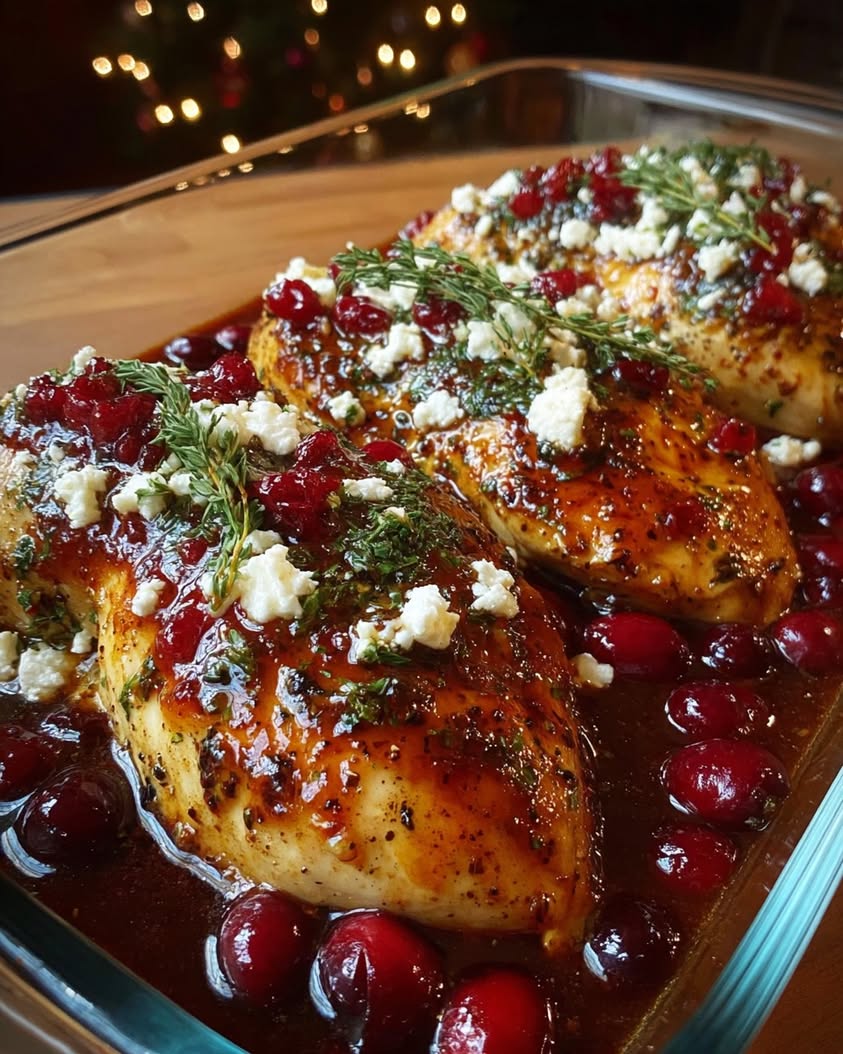
Honey Cranberry Chicken Bake with Feta: Sweet & Savory Dinner
If you crave a dinner that balances sweet, tangy, and savory flavors in every bite, this Honey Cranberry Chicken Bake with Feta delivers exactly that. Picture juicy chicken breasts glazed with golden honey, studded with ruby-red cranberries, and crowned with creamy, salty feta cheese. The oven does most of the work, so you get a company-worthy meal without hovering over the stove. This Honey Cranberry Chicken Bake with Feta transforms ordinary weeknights into something special, and it comes together with just a handful of pantry staples. Whether you serve it over rice, alongside roasted vegetables, or with a simple green salad, the dish earns a permanent spot in your rotation.
The magic of this recipe lives in its contrasts. Honey brings warmth and caramel notes, cranberries add bright acidity and a pop of color, and feta contributes a briny richness that ties everything together. As the chicken bakes, the honey mingles with the bird’s natural juices, creating a glossy pan sauce you will want to spoon over every serving. Your kitchen fills with a comforting aroma that draws everyone to the table before the timer even rings. Home cooks of every skill level can master this Honey Cranberry Chicken Bake with Feta because the oven handles the hard work while you relax.
Beyond flavor, this dish offers real practicality. You need one baking dish, about ten minutes of hands-on prep, and a short list of ingredients you can find at any grocery store. The recipe suits busy families, dinner parties, and meal prep alike. Because cranberries appear fresh in autumn and frozen year-round, you can enjoy this Honey Cranberry Chicken Bake with Feta in any season. Keep reading for step-by-step guidance, expert tips, storage advice, and answers to your most common questions.
Quick Recipe Highlights
- Flavor Profile: Sweet honey meets tart cranberries, while feta adds a salty, creamy finish. Each bite swings between bright acidity and mellow sweetness. The combination tastes balanced rather than sugary.
- Texture: Juicy, tender chicken forms the base, and soft cranberries add a jammy bite. Crumbled feta brings a creamy contrast against the slight crust on the glaze. The pan sauce coats your tongue with silky richness.
- Aroma: Honey caramelizing in the oven creates a warm, inviting scent. Cranberries release a fruity tartness that cuts through the sweetness. Feta contributes a subtle tang that rounds out the fragrance.
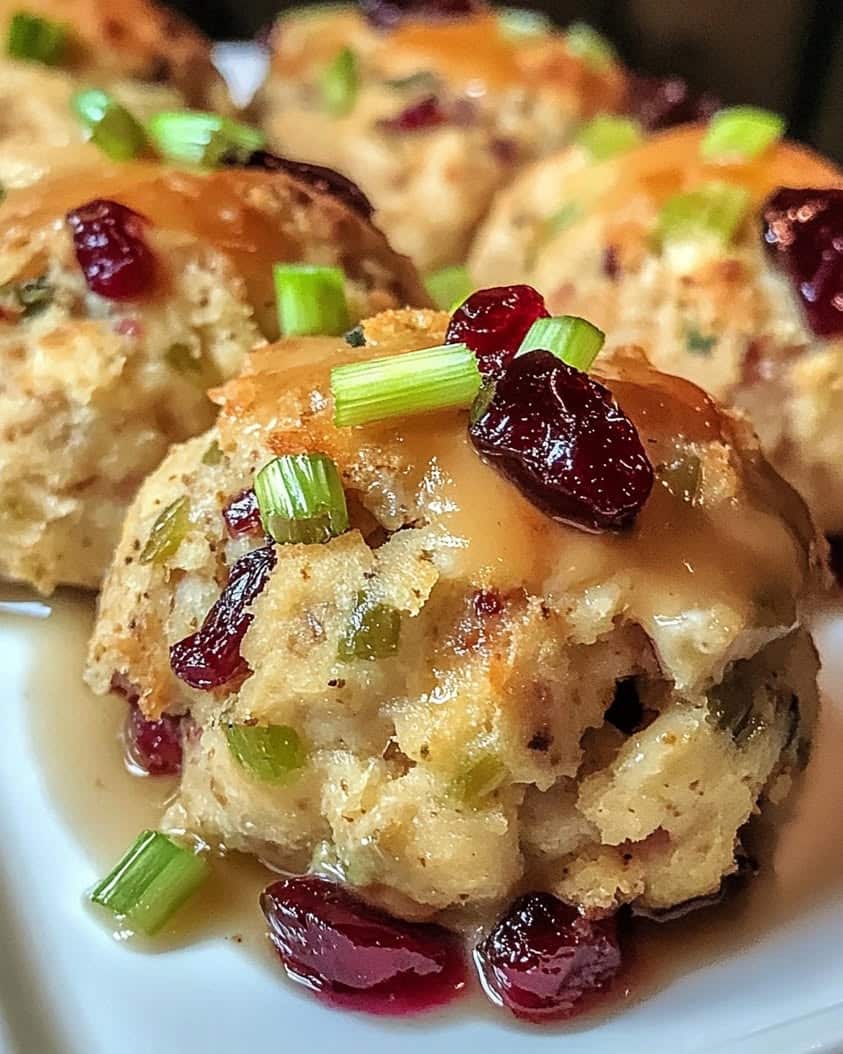
- Visual Appeal: Deep golden-brown chicken sits beneath jewel-toned cranberries and snowy white feta. The glossy glaze catches the light and makes the dish look restaurant-made. A sprinkle of fresh herbs adds a final pop of green.
- Skill Level Needed: Beginners can succeed because the oven does the heavy lifting. You only need basic knife skills and the ability to whisk a sauce. No advanced techniques or special training required.
- Special Equipment: A standard 9×13-inch baking dish covers the job. You also need a small bowl for whisking the glaze and a spoon for crumbling feta. A meat thermometer helps guarantee perfectly cooked chicken.
Recipe Overview
- Difficulty Level: I rate this recipe Easy because it relies on simple assembly rather than complex technique. You whisk a glaze, pour it over chicken, and let the oven work. The only real skill involves checking the internal temperature so the meat stays juicy. Anyone who can turn on an oven can make this dish shine.
- Category: This recipe works as a main course for weeknight dinners, holiday tables, and casual gatherings. It also qualifies as a one-pan meal, which makes cleanup a breeze. Serve it as the centerpiece and build sides around it.
- Cuisine: The dish draws from American home cooking with a nod to New England flavors. Cranberries and honey reflect traditional Northeastern ingredients. Feta adds a Mediterranean touch that modernizes the plate. The result feels familiar yet fresh.
- Cost: Chicken breasts or thighs form the largest expense, typically six to ten dollars for four servings. Cranberries, honey, and feta add a few more dollars. Overall, you feed four people for roughly fifteen dollars, which beats most takeout options.
- Season: Fall and winter shine because fresh cranberries peak from October through December. However, frozen cranberries let you make this dish all year. The warm, cozy flavors suit cool-weather cooking best.
- Occasion: Serve this bake for Sunday family dinners, holiday feasts, or casual dinner parties. It also works for meal prep because leftovers reheat well. The elegant presentation makes it suitable for special occasions without extra effort.
Why You’ll Love This Recipe
First, the taste and texture appeal sets this dish apart from ordinary baked chicken. Honey caramelizes into a sticky, flavor-packed glaze that clings to every piece. Cranberries burst in the oven and release tart juice that cuts through the sweetness. Feta melts slightly at the edges while staying creamy in the center. Each forkful delivers sweet, salty, tart, and savory notes at once. Your taste buds stay engaged from the first bite to the last, and picky eaters often ask for seconds.
Second, convenience makes this Honey Cranberry Chicken Bake with Feta a weeknight hero. You need roughly ten minutes to whisk the glaze and arrange the chicken. Then the oven takes over for about thirty-five minutes. That hands-off time lets you tidy the kitchen, help with homework, or simply relax. One pan means minimal cleanup, and the ingredient list stays short. Busy households appreciate a recipe that delivers big flavor without a long shopping list or complicated steps.
Third, nutritional advantages give this dish real staying power. Chicken provides lean protein that keeps you full for hours. Cranberries deliver antioxidants and fiber, and they support urinary tract health. Feta adds calcium and a touch of healthy fat. Honey contributes natural sweetness with fewer processed sugars than bottled sauces. Together, these ingredients create a balanced plate that supports an active lifestyle while still tasting indulgent.
Fourth, social and entertaining value makes this recipe a host’s secret weapon. The dish looks impressive on a platter, with its glossy glaze and jewel-bright berries. Guests assume you spent hours in the kitchen, yet the oven did most of the work. You can double the recipe for a crowd without stressing. Serve it at holiday gatherings, potlucks, or dinner parties, and watch the compliments roll in. The recipe adapts to buffet-style service with ease.
Fifth, cost-effectiveness and accessibility round out the benefits. Every ingredient sits in the average grocery store, and none requires a specialty shop. Chicken thighs cost even less than breasts if you want to save more. Frozen cranberries work beautifully when fresh ones disappear from shelves. The dish stretches your food budget while delivering restaurant-quality flavor. Few recipes combine affordability and elegance this well.
Historical Background and Cultural Significance
The origin story of this dish reflects American home cooking at its best. Cranberries have grown in North American bogs for thousands of years, and Indigenous peoples used them for food, medicine, and dye. Early settlers adopted the berry and paired it with honey and meat. The combination of fruit and poultry echoes traditional New England harvest cooking. Over time, home cooks began adding cheese to balance the tartness, and feta found its way into modern versions of the recipe.
Cultural importance ties this dish to holiday traditions across the United States. Cranberry sauce appears on nearly every Thanksgiving table, and this bake channels those familiar flavors into a main course. Families in the Northeast especially connect cranberries with autumn celebrations. Honey adds a universal sweetness that crosses cultural lines. The dish bridges old traditions and modern tastes, which explains its growing popularity.
The evolution of the recipe shows how home cooking adapts over time. Earlier versions relied on whole cranberry sauce and brown sugar. Modern cooks swap in fresh berries and honey for a cleaner flavor. Feta replaced sharper cheeses as Mediterranean ingredients became mainstream. Today, food bloggers and home chefs share countless variations, each adding a personal twist. This Honey Cranberry Chicken Bake with Feta stands as a natural product of that evolution.
Regional variations reflect local ingredients and preferences. New England cooks often add fresh rosemary or thyme from their gardens. Southern versions sometimes include a pinch of cayenne for heat. Midwestern families might serve the dish over wild rice, a regional staple. On the West Coast, cooks experiment with goat cheese instead of feta. Each region leaves its fingerprint on the recipe, and every version honors the same sweet-tart foundation.
Ingredient Deep Dive
Chicken forms the heart of this dish, so choose wisely. Boneless, skinless breasts or thighs both work, and thighs stay juicier under high heat. Chicken has fed families for centuries and appears in nearly every cuisine worldwide. The bird provides high-quality protein, B vitamins, and minerals like selenium. Look for chicken with a pink, fresh appearance and no odor. Store raw chicken in the coldest part of your fridge and cook it within two days of purchase. If you prefer plant-based eating, sturdy tofu or cauliflower steaks make solid substitutes.
Honey brings natural sweetness and a beautiful glaze. Beekeepers have harvested honey for thousands of years, and cultures worldwide treasure it as both food and medicine. Honey contains antioxidants and offers a gentler sweetness than refined sugar. Choose raw or wildflower honey for deeper flavor, and avoid heavily processed varieties. Store honey at room temperature in a sealed jar, where it keeps for years. Maple syrup or agave nectar work as substitutes when needed.
Cranberries deliver the tart counterpoint that makes this dish sing. Native to North America, these berries grew in bogs long before settlers arrived. Cranberries provide vitamin C, fiber, and powerful antioxidants called proanthocyanidins. Pick fresh berries that feel firm and have a deep red color. Freeze fresh cranberries for up to a year, and keep dried cranberries in the pantry as a backup. Frozen cranberries substitute directly without thawing, and dried cranberries work in a pinch with a slight texture change.
Feta cheese adds briny richness and creamy texture. This Greek cheese dates back centuries and traditionally ages in brine. Feta offers calcium, protein, and a tangy flavor that balances sweetness. Buy feta packed in brine for the best texture, and crumble it yourself for fresher taste. Store feta in its brine in the refrigerator and use it within a week after opening. Goat cheese or ricotta salata make excellent substitutes for anyone seeking variety.
Common Mistakes to Avoid
- Overbaking the chicken dries out the meat and ruins the juiciness. Check the internal temperature early and pull the pan at 165 degrees Fahrenheit. Carryover cooking raises the temperature a few more degrees as the dish rests.
- Adding feta at the start causes it to melt into the sauce and lose its creamy texture. Sprinkle feta during the final ten minutes or after baking. This keeps the cheese distinct and visually appealing.
- Using cold honey straight from the jar makes whisking difficult and uneven. Warm the honey briefly in the microwave or a water bath. Room-temperature honey blends smoothly with the other glaze ingredients.
- Skipping the pat-dry step leaves chicken with excess moisture that prevents browning. Pat the meat dry with paper towels before seasoning. Dry surfaces create better caramelization in the oven.
- Piling chicken too close together steams the meat instead of roasting it. Arrange pieces in a single layer with small gaps between them. Proper airflow gives every piece an even golden finish.
- Ignoring the rest time causes juices to run out when you slice. Let the chicken rest five to ten minutes after baking. The juices redistribute and keep every bite moist.
- Using dried herbs in place of fresh when the recipe calls for fresh weakens the aroma. Fresh thyme or rosemary adds brightness that dried versions cannot match. Add dried herbs earlier in cooking if you must substitute.
- Pouring cold glaze over room-temperature chicken creates uneven cooking. Whisk the glaze ahead so it reaches room temperature. Consistent temperature helps the chicken cook evenly.
- Forgetting to taste the glaze before pouring leaves the seasoning unbalanced. Sample the honey-cranberry mixture and adjust with salt or acid. A quick taste prevents a bland or overly sweet result.
- Crowding the pan with extra vegetables without adjusting time leads to soggy results. Add hearty vegetables like onions or Brussels sprouts around the chicken. Give them space and extend the bake time slightly.
Essential Techniques
Whisking the glaze properly sets the foundation for success. Combine honey, mustard, olive oil, and seasonings until the mixture looks smooth and glossy. Whisking distributes the honey evenly so no pocket of pure sweetness remains. Use a small bowl and a balloon whisk for quick results. The visual cue: the glaze should coat the back of a spoon without clumping. A lumpy glaze signals unmixed honey or mustard, so keep whisking until it shines.
Patting the chicken dry promotes browning and flavor development. Moisture on the surface steams in the oven and prevents the glaze from sticking. Press paper towels against each piece until the surface feels tacky rather than wet. This step takes thirty seconds but makes a visible difference. Look for a matte surface on the raw chicken as your signal to proceed. Skipping this step often leads to pale, unevenly cooked chicken.
Arranging the pan correctly ensures even cooking across all pieces. Place chicken in a single layer with space between each piece. Thinner pieces belong near the edges where heat circulates faster. Arrange cranberries and onion around the chicken rather than on top. Visual cues matter here: a crowded pan looks cramped, while a properly arranged pan shows visible space. Even spacing gives every piece equal access to oven heat.
Checking the internal temperature guarantees safety without overcooking. Insert an instant-read thermometer into the thickest part of the largest piece. Pull the pan when the reading reaches 165 degrees Fahrenheit. The thermometer removes guesswork and protects against dry meat. Watch for juices running clear as a secondary signal. Resting the meat for five to ten minutes completes the process and locks in moisture.
Pro Tips for Perfect Honey Cranberry Chicken Bake with Feta
Warm the honey before mixing the glaze because cold honey clumps and resists blending. A few seconds in the microwave transforms it into a pourable consistency. Smooth glazes coat the chicken more evenly and brown better. This tiny step takes almost no time but improves the final texture.
Use a meat thermometer every single time, even if you think you know your oven. Ovens run hot or cold, and visual cues can mislead. A thermometer ensures the chicken reaches a safe temperature without drying out. This habit alone elevates your cooking across all recipes.
Reserve a few fresh cranberries for garnish after baking. Raw berries add a bright pop of color and tart crunch against the cooked fruit. They also signal freshness to guests. A small handful transforms the presentation with almost no effort.
Add the feta in two stages for layered flavor and texture. Crumble a third of the cheese before baking so it melts into the glaze. Add the rest at the end for creamy, distinct bites. This trick creates depth that single-stage cheese cannot match.
Brush a thin layer of glaze on the chicken before adding the fruit. The base layer helps the topping adhere and creates an even golden crust. Pour the remaining glaze over the cranberries and onions. Layering the glaze improves appearance and flavor distribution.
Let the dish rest before serving so the pan juices settle. Pour those juices over sliced chicken for extra moisture and flavor. The resting period also makes slicing cleaner and less messy. Patience here pays off in taste and presentation.
Use a light-colored baking dish to monitor browning without opening the oven. Dark pans brown faster and can scorch the honey glaze. Glass or ceramic dishes show color changes clearly. Choose your pan based on how evenly it distributes heat.
Season in layers by salting the chicken before glazing and tasting the sauce separately. Layered seasoning builds complexity that a single sprinkle cannot achieve. Remember that feta adds salt, so go easy on additional salt. Balance comes from tasting at each stage.
Variations and Adaptations
Regional variations bring local flavor to the same foundation. In New England, cooks often add fresh rosemary and a splash of apple cider. Southern kitchens sometimes introduce a pinch of cayenne for gentle heat. European-inspired versions swap feta for goat cheese and add Dijon mustard. Each region leaves a distinct fingerprint, and all versions honor the sweet-tart balance that defines the dish.
Seasonal adaptations keep the dish fresh throughout the year. In autumn, use fresh cranberries and serve with roasted root vegetables. Winter calls for dried cranberries and a deeper honey like buckwheat. Spring brings lighter honey and fresh herbs like parsley or mint. Summer versions use grilled chicken and a chilled cranberry salsa, which proves the recipe flexes with the calendar.
Dietary modifications open the recipe to more eaters. Gluten-free cooks need no changes because the recipe contains no flour or breadcrumbs. Dairy-free diners swap feta for a dairy-free cheese or omit it entirely. Paleo followers use honey sparingly and skip the cheese. Keto cooks replace honey with a sugar-free syrup. Each modification keeps the spirit of the dish intact while meeting specific needs.
Flavor variations let you customize the profile. Add balsamic vinegar for deeper acidity and richness. Stir in orange zest for a citrus lift that pairs beautifully with cranberries. Try smoked paprika for warmth and color. Maple syrup replaces honey for a different sweetness. Each tweak creates a new dish while preserving the original’s charm.
Texture modifications appeal to different preferences. Add toasted pecans or walnuts for crunch against the soft berries. Sprinkle panko breadcrumbs over the top for a crispy crust. Crush dried cranberries into a finer texture for a smoother sauce. Cooked cranberries provide jammy softness, while raw berries offer a firm bite. Choose textures that match your table’s mood.
Presentation alternatives suit different occasions. Serve the bake in a cast-iron skillet for rustic charm. Slice chicken and arrange it over a bed of greens for a composed salad. Shred the chicken and pile it into slider buns for party food. Each presentation changes the experience while keeping the same delicious core.
Serving and Presentation Guide
Plating techniques matter when you want the dish to shine. Place chicken slightly off-center on each plate to create visual interest. Spoon cranberries and pan sauce over the top rather than pooling it underneath. Leave a small border of clean plate to frame the food. A tight, neat plate looks intentional, while scattered plating adds a modern, casual feel.
Garnishing ideas elevate the simplest presentation. Scatter crumbled feta and a few fresh cranberries for color contrast. Add sprigs of fresh thyme or rosemary for height and aroma. A light drizzle of warmed honey adds gloss and ties the plate together. Choose two or three garnishes and resist overcrowding.
Traditional accompaniments round out the meal. Serve the chicken over wild rice or mashed potatoes to soak up the sauce. Roasted Brussels sprouts or green beans add color and texture. A crusty baguette helps guests mop the plate. Cranberry sauce on the side doubles down on the seasonal theme.
Modern serving suggestions suit contemporary tastes. Spoon the chicken and sauce over quinoa or farro for a grain bowl. Add a side of bitter greens dressed with lemon for balance. Serve it with cauliflower rice for a lighter option. These modern twists keep the dish relevant for health-conscious guests.
Temperature considerations affect flavor and safety. Serve the dish warm, ideally within fifteen minutes of resting. Hot chicken with cold feta crumbles creates an appealing contrast. Room-temperature servings work for buffets. Avoid serving cold, because the honey glaze firms up and loses its shine.
Portion control tips help with planning. A portion of one chicken breast or two thighs feeds an average adult. Serve generous piles of cranberries and onions alongside. Feta portions of one to two tablespoons per serving keep richness in check. Guests can always take more, and leftovers make great lunches.
Wine and Beverage Pairing
Wine pairings can transform this meal into an occasion. A crisp Sauvignon Blanc cuts through the honey sweetness with bright acidity. Chardonnay with light oak complements the creamy feta and roasted flavors. For red lovers, a light Pinot Noir pairs beautifully without overpowering the fruit. Riesling, especially a dry version, matches tart cranberries and sweet glaze. Choose wines that balance sweetness and acidity, just like the dish itself.
Non-alcoholic alternatives deserve equal attention. Sparkling water with a splash of cranberry juice and lime creates a festive match. Apple cider, especially spiced, echoes the autumn flavors. Iced tea with lemon refreshes the palate between bites. Ginger ale offers gentle sweetness that mirrors the honey. These options keep the meal approachable for every guest.
Coffee and tea pairings work surprisingly well with this dish. A light black tea with bergamot notes complements the tart and sweet profile. Green tea with citrus undertones refreshes the palate. For coffee lovers, a light roast with floral notes adds interest without overpowering. Save stronger roasts for dessert. Warm drinks especially suit colder evenings.
Temperature considerations shape the drinking experience. Serve white wine well chilled at around 45 to 50 degrees Fahrenheit. Reds taste best slightly below room temperature. Serve non-alcoholic options over ice for maximum refreshment. Match the drink temperature to the room and season for best results.
Serving suggestions ensure everyone has the right glass. Offer both still and sparkling water on the table. Provide a wine glass and a tumbler option so guests can choose. Pour modest amounts and let guests refill as they like. Thoughtful drink service rounds out the hospitality.
Storage and Shelf Life
Storage methods determine how long this Honey Cranberry Chicken Bake with Feta stays fresh. Transfer leftovers to an airtight container within two hours of cooking. Keep the chicken and sauce together so the meat stays moist. Separate feta additions absorb into the sauce over time, so add fresh crumbles when reheating. Proper storage preserves flavor and texture for several days.
Temperature requirements keep food safety at the center. Store the dish in the refrigerator at or below 40 degrees Fahrenheit. Never leave the dish at room temperature for more than two hours, and cut that time to one hour on hot days. A cooler or insulated bag works for transport. Cold storage slows bacterial growth and protects everyone who eats.
Container recommendations balance convenience and quality. Glass containers resist staining and microwaving. Compartmented containers keep sides separate. Resealable bags save space for freezing. Label containers with the date so you always know freshness. Stackable options streamline the fridge.
Signs of spoilage help you know when to discard. Look for sour odors, slimy textures, or visible mold. Chicken leftovers keep for three to four days in the refrigerator. If anything smells off, throw it out. When in doubt, trust your nose rather than the calendar.
Reheating instructions preserve moisture and texture. Warm leftovers in a 350-degree oven for ten to fifteen minutes, covered with foil. Microwaving works for single servings; add a splash of water or broth to prevent drying. Reheat only what you plan to eat. Repeated reheating degrades quality and raises safety risks.
Freezing guidelines extend the recipe’s shelf life. Freeze leftovers in airtight containers for up to three months; thaw overnight in the fridge. Freeze the chicken and sauce but omit the feta; add cheese fresh after reheating. Frozen cranberries hold up better than fresh in freezing. Properly frozen meals taste nearly as good as fresh.
Make Ahead Strategies
A prep timeline turns a busy dinnertime into a calm one. Prepare the glaze up to three days ahead and refrigerate it in a jar. Wash and dry cranberries a day in advance, and store them in the fridge. Trim chicken and pat it dry ahead of time. With components ready, assembly takes under ten minutes.
Storage between steps keeps quality high. Keep the glaze in a sealed jar and give it a good stir before using. Refrigerate chopped onions separately to prevent the cranberries from absorbing onion flavor. Store raw chicken in its own sealed bag below other ingredients. Separate storage prevents cross-contamination and flavor mixing.
Quality impact assessment helps set realistic expectations. Glaze made ahead actually improves as flavors mingle. Raw chicken prepped hours ahead keeps well in the fridge. Pre-baked chicken reheats nicely but loses a bit of crispness. Fresh feta always beats pre-crumbled cheese for texture. Plan around these realities for the best outcome.
Assembly tips make the final steps smooth. Pour the glaze over the chicken right before baking, not hours before. Arrange fruit, onions, and chicken in the pan just prior to the oven. Keep the pan in the fridge until the moment of baking if you assemble early. Quick assembly preserves quality.
Reheating guidelines for make-ahead meals keep flavors fresh. Reheat bake in a 350-degree oven until the chicken reaches 165 degrees Fahrenheit internally. Cover with foil during the first half of reheating to protect moisture. Add fresh feta and herbs right before serving. This method rejuvenates leftovers beautifully.
Fresh element additions bring life back to prepped dishes. Add fresh parsley or mint after reheating. Scatter a few raw cranberries for texture and color. Squeeze fresh lemon juice over the top to brighten flavors. These small touches make reheated food taste newly made.
Scaling Instructions
Halving the recipe suits smaller households. Use half the chicken and half the glaze, and reduce the pan size to an 8×8-inch dish. Keep the oven temperature the same and start checking for doneness five minutes early. Cranberry and feta amounts can stay generous because extras contribute only flavor. Smaller batches mean quicker baking, so set a timer.
Doubling or tripling requires planning but pays off for crowds. Use two large baking sheets or arrange two racks carefully in the oven. Divide the glaze across both pans so each piece gets equal flavor. Rotate pans halfway through baking for even cooking. Increase cook time by five to ten minutes and verify with a thermometer.
Equipment adjustments keep results consistent across batch sizes. Larger batches benefit from rimmed sheet pans that fit side by side. Use a wide bowl for larger glaze quantities so you can whisk efficiently. Extra thermometers help when checking several pieces. Scale your tools alongside your ingredients.
Timing modifications prevent overcooked edges on large batches. Check early and often once the oven timer nears. Rotating pans equalizes heat distribution. Rest the entire batch together so juices settle evenly. Plan for a few extra minutes as volume grows.
Storage considerations grow with batch size. Have enough containers on hand before you start cooking. Label leftovers with both date and batch size. Freeze portions individually for easy future meals. Larger batches create instant meal prep for the next week.
Nutritional Deep Dive
The macro breakdown shows a balanced plate. One serving delivers roughly 350 to 400 calories, depending on the cut of chicken and amount of honey. Protein reaches about 35 grams per serving, largely from chicken and feta. Carbohydrates land around 20 grams, mostly from cranberries and honey. Fat stays moderate at around 15 grams, with most of it coming from olive oil and cheese.
Micronutrient analysis reveals impressive contributions. Chicken supplies B vitamins, selenium, and phosphorus. Cranberries deliver vitamin C, manganese, and antioxidant compounds. Feta contributes calcium and vitamin B12. Honey adds trace amounts of potassium and antioxidants. Together, these ingredients cover several daily nutritional needs.
Health benefits extend beyond basic nutrition. Lean protein supports muscle maintenance and satiety. Cranberries support urinary tract and heart health through their antioxidants. Feta adds calcium for bone strength. Balanced meals like this one help maintain steady energy across the day.
Dietary considerations vary by individual. People watching sodium should note that feta contains salt. Those with dairy allergies should substitute or omit the cheese. Honey is not suitable for infants under one year, though the baked dish is safe for older children. Consult a doctor for specific dietary needs.
Portion analysis helps with meal planning. A serving of one chicken breast with sauce and berries fits a standard dinner plate. Adding rice or bread increases calories by about 150 per serving. Adjusting portions supports both weight maintenance and weight loss goals.
Weight management tips make the dish a useful tool. Use less honey to reduce sugars, and add extra herbs for flavor. Serve over vegetables instead of grains for a lower-carb option. Choose chicken breast over thighs to trim some fat. Small adjustments keep the recipe on track with your goals.
Dietary Adaptations
Gluten-free adaptations require almost no changes. The recipe contains no flour, breadcrumbs, or wheat products, so it fits a gluten-free diet as written. Check labels on mustard and other condiments to confirm no hidden gluten. Serve over rice, quinoa, or gluten-free grains. With those small checks, the dish fits the diet naturally.
Dairy-free versions swap feta for a dairy-free alternative. Plant-based feta or a sprinkle of nutritional yeast adds a savory finish. Some cooks prefer chopped olives for a briny effect. Check that the cheese alternative meets your dietary needs. The dish remains flavorful without dairy.
Vegan adaptations require replacing the chicken and cheese. Extra-firm tofu or cauliflower steaks stand in for chicken. Use agave instead of honey and a plant-based feta substitute. Season the tofu well because it absorbs flavors slowly. The cooking method and timing stay close to the original.
Low-carb versions keep the flavor but trim sugars. Reduce honey to a tablespoon or use a sugar-free syrup. Keep the cranberries because their carbs come with fiber. Serve over greens instead of starch. The dish remains satisfying and portion-friendly.
Keto adaptations emphasize fats and reduce carbs further. Cut the honey entirely and use a keto-approved sweetener. Limit cranberries to a quarter cup per serving. Increase olive oil and use full-fat feta. The result fits the ketogenic framework while keeping the signature flavors.
Paleo adaptations rely on whole, unprocessed ingredients. Use raw honey sparingly and skip the feta or use a paleo-friendly cheese alternative. Choose olive oil and natural mustard. Cranberries fit perfectly. Serve with roasted vegetables for a complete paleo plate.
Low-FODMAP adaptations keep digestion comfortable. Use maple syrup in place of honey for sensitive stomachs. Skip onions or replace them with the green parts of scallions. Cranberries and feta typically sit well for most people. Portions matter, so start small.
Troubleshooting Guide
Texture issues arise most often from overcooking. Chicken turns rubbery when baked too long, so check temperature early. Cranberries that stay tough may need more time to soften. Sauce that looks watery benefits from a few extra minutes uncovered. Adjust based on the specific problem rather than guessing.
Flavor balance fixes start with tasting. If the dish tastes too sweet, add a squeeze of lemon or a splash of vinegar. If it tastes too tart, a small drizzle of honey corrects it. Too salty means you should reduce feta or omit added salt. Small adjustments go a long way.
Temperature problems come from oven variance and pan choice. Ovens that run hot brown the glaze quickly, so lower the temperature by 25 degrees. Cold spots require rotating pans halfway through. Check doneness with a thermometer rather than relying on time alone. Consistent results follow careful monitoring.
Equipment challenges often involve the wrong pan. A pan that is too small crowds the chicken and steams it. Dark pans scorch the glaze, so switch to glass or light metal. Missing tools like a thermometer can be replaced with a test slice. Make simple swaps rather than buying new gear.
Ingredient substitutions call for mindful changes. Frozen cranberries work without thawing but may release extra liquid, so bake uncovered. Dried cranberries need soaking to soften. Goat cheese replaces feta well. When swapping, note the impact on liquid, salt, and sweetness.
Timing concerns usually center on oven time. Preheating fully before adding the pan makes a noticeable difference. Rotating the pan evens out cooking. Resting the dish after baking finishes the process. If you are short on time, start with thinner chicken pieces.
Recipe Success Stories
Community feedback shows how much home cooks love this dish. Readers describe it as a weeknight hero that still impresses guests. Some say it became their go-to for holiday dinners. Others praise how easy cleanup is with just one pan. The consistent theme involves how much flavor comes from such simple steps.
Variation successes highlight the recipe’s flexibility. Many readers add spinach to the pan for extra greens. Others swap the chicken for pork chops, which cook in similar time. One home cook turned the leftovers into a cranberry chicken salad. Every variation keeps the core idea intact.
Adaptation stories reveal how the recipe fits different households. Busy parents prepare the glaze on Sunday and bake during the week. Readers on special diets modify ingredients while keeping the flavors. College students make it in dorm-sized ovens with great results. The recipe meets people where they are.
Reader suggestions keep improving the recipe. Some recommend a quick broil at the end for a caramelized top. Others add orange zest for a citrus lift. One reader swears by smoked paprika for depth. These ideas come from real kitchens and reflect practical experience.
Photography tips help your dish look its best. Natural light flatters the glossy glaze and jewel-toned berries. Shoot at a slight angle to show texture and layers. Add a garnish just before the photo. A linen napkin and a wooden board give a warm, inviting backdrop.
Frequently Asked Questions
Can I use frozen cranberries instead of fresh? Yes, and you do not need to thaw them first. Frozen berries hold their shape and release juice as they bake. Add a few extra minutes to the bake time and check the chicken with a thermometer. The final dish tastes nearly identical to the fresh version.
Can I use chicken thighs instead of breasts? Absolutely, and many cooks prefer thighs for their juiciness. Bone-in thighs need extra cooking time, while boneless thighs cook faster than breasts. Check for 165 degrees Fahrenheit in the thickest part. Adjust timing based on the cut you choose.
How do I keep the chicken from drying out? Pat the meat dry, bake at moderate heat, and pull the pan at 165 degrees Fahrenheit. Rest the chicken before slicing so juices redistribute. Brining or marinating ahead adds extra insurance. Follow these steps and dryness becomes rare.
Can I prepare this ahead of time? Yes, and the glaze keeps for up to three days in the fridge. Assemble the pan up to a few hours before baking and refrigerate it. Add feta fresh when baking for the best texture. Make-ahead prep turns a busy evening into a quick meal.
What side dishes pair well with this recipe? Wild rice, mashed potatoes, and roasted vegetables are classic choices. Quinoa or couscous soaks up the pan sauce beautifully. A green salad with lemon dressing balances the sweetness. Choose sides that complement rather than compete with the glaze.
Can I make this dish dairy-free? Yes, swap feta for a dairy-free cheese alternative or omit it. Plant-based feta or nutritional yeast adds savoriness. Check all ingredients for hidden dairy. The recipe stays delicious without the cheese.
How long do leftovers keep? Leftovers keep in the refrigerator for three to four days in an airtight container. Freeze portions for up to three months. Reheat gently with foil over the top to preserve moisture. Add fresh feta after reheating for the best texture.
Is this recipe spicy? No, the dish registers as mild. Honey and cranberries create sweet and tart flavors rather than heat. If you want spice, add a pinch of cayenne or red pepper flakes to the glaze. Adjust to your taste.
Do I need to cover the pan while baking? No, leave the pan uncovered so the glaze caramelizes and the chicken browns. Cover only if the Print
Honey Cranberry Chicken Bake with Feta Cheese
- Total Time: 40 minutes
- Yield: 4
Description
A savory and sweet chicken bake featuring juicy chicken breasts topped with a honey-cranberry glaze and crumbled feta cheese, baked to perfection.
Ingredients
- 4 boneless, skinless chicken breasts
- 1/2 cup honey
- 1/2 cup dried cranberries
- 2 tablespoons olive oil
- 2 tablespoons balsamic vinegar
- 1 teaspoon dried rosemary
- 1/2 teaspoon salt
- 1/4 teaspoon black pepper
- 1/2 cup crumbled feta cheese
Instructions
- Preheat oven to 375°F (190°C). Lightly grease a baking dish.
- In a small bowl, whisk together honey, balsamic vinegar, olive oil, rosemary, salt, and pepper.
- Place chicken breasts in the baking dish. Pour the honey mixture over the chicken, turning to coat. Sprinkle dried cranberries around the chicken.
- Bake for 25-30 minutes, or until chicken is cooked through (internal temperature reaches 165°F).
- Remove from oven and sprinkle crumbled feta cheese over the chicken. Return to oven for 2-3 minutes, until feta is slightly softened.
- Serve hot, spooning sauce and cranberries over the chicken.
Notes
You can customize the seasonings to taste.
- Prep Time: 10 minutes
- Cook Time: 30 minutes
- Method: Main
- Cuisine: American