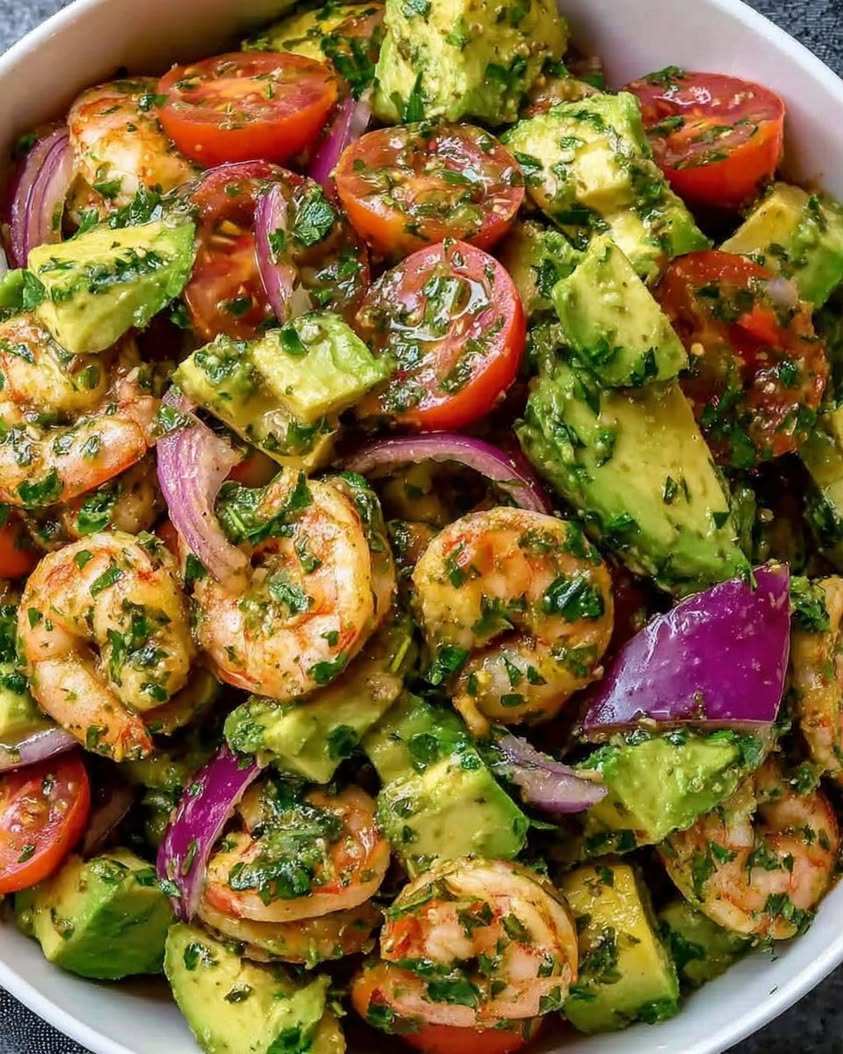
Fresh Lime Shrimp Avocado Bowl: A Zesty, Healthy Delight
Imagine a bowl so vibrant it looks like summer captured in ceramic. The Fresh Lime Shrimp Avocado Bowl delivers exactly that experience with every single bite, and it does so without demanding hours in the kitchen. Juicy shrimp, creamy avocado, and a bright lime dressing come together in a way that feels both indulgent and nourishing. Because this dish comes together in about twenty minutes, it fits beautifully into busy weeknights, lazy weekend lunches, and everything in between.
The first thing you notice is the aroma. Fresh lime zest mingles with cilantro and a hint of garlic, creating an inviting scent that promises something special. Then comes the taste, and it delivers. The shrimp bring a savory, slightly sweet ocean flavor, while the avocado adds buttery richness. Because the lime dressing cuts through that richness, each bite stays bright and lively instead of heavy. If you love meals that feel fresh and satisfying at the same time, this Fresh Lime Shrimp Avocado Bowl will quickly become a regular in your rotation.
Beyond flavor, this bowl earns its place in your recipe collection because of its flexibility. You can serve it over rice, quinoa, or greens, and you can adjust the spice level to suit your mood. Moreover, the ingredients are easy to find at most grocery stores, and the technique is simple enough for beginning cooks. Whether you are meal prepping for the week or feeding friends on a warm evening, this dish adapts effortlessly. Consequently, it works as both a quick everyday meal and a impressive centerpiece for casual gatherings.
Quick Recipe Highlights
- Flavor Profile: This bowl balances tangy lime, savory shrimp, and creamy avocado in a way that feels harmonious rather than busy. A touch of honey or agave rounds out the acidity, while garlic and cumin add warmth. Because the flavors stay bright, the dish never tastes heavy.
- Texture: The shrimp offer a tender, slightly firm bite, and the avocado brings a soft, buttery contrast. Crisp cucumber or radish adds crunch, while rice or quinoa provides a satisfying base. Consequently, every spoonful delivers a pleasant mix of textures.
- Aroma: Fresh lime zest and juice dominate the aroma, supported by cilantro and garlic. As the shrimp cook, they release a sweet, briny scent that signals the meal is nearly ready. Because the dressing gets tossed in at the end, those aromatic notes stay vivid.
- Visual Appeal: Bright pink shrimp, green avocado, and a rainbow of vegetables create a stunning presentation. The lime dressing adds a glossy sheen that makes the bowl look fresh and appetizing. Because the colors stay separate until serving, the dish photographs beautifully.
- Skill Level Needed: This recipe suits cooks who can chop vegetables, whisk a dressing, and sauté shrimp until opaque. Because the shrimp cook in just a few minutes, timing matters more than technique. Even beginners can succeed with a watchful eye.
- Special Equipment: You need a large skillet, a mixing bowl, a whisk, and a sharp knife. A citrus juicer helps extract maximum lime juice, though a fork works in a pinch. Because the recipe is simple, no specialty tools are required.
Recipe Overview
- Difficulty Level: I rate this recipe as easy because it involves only a handful of steps and minimal cooking. The shrimp sauté in five minutes, and the rest of the work is chopping and mixing. Because the dressing comes together in one bowl, there is little room for error. Even a first-time cook can pull this off with confidence.
- Category: This dish works as a main course for lunch or dinner, and it also shines as a light appetizer in smaller portions. Because it combines protein, healthy fats, and vegetables, it functions as a complete meal. You can also serve it as a side dish alongside grilled meats.
- Cuisine: The recipe draws inspiration from Latin American and coastal cooking, where citrus and seafood pair naturally. Ceviche traditions influence the bright, acidic profile, while avocado adds a creamy, Mexican-inspired touch. Because shrimp bowls appear across many coastal cuisines, this version blends those influences into something approachable. It fits well within modern American healthy eating.
- Cost: Shrimp prices vary by season and region, but frozen shrimp often cost less than fresh. Avocados, limes, and fresh vegetables round out the budget, and pantry staples like garlic and cumin keep costs low. Because the recipe serves two, the per-person cost stays reasonable for a seafood meal.
- Season: Summer is the ideal season because limes, avocados, and fresh vegetables peak in flavor and price. However, because grocery stores carry these ingredients year-round, you can enjoy this bowl in any month. Warm weather makes it especially appealing, yet the bright flavors work in cooler months too.
- Occasion: This bowl suits casual weeknight dinners, light summer lunches, and backyard gatherings. Because it looks impressive on a plate, it also works for date nights at home. You can serve it buffet-style for parties, letting guests build their own bowls.
Why You’ll Love This Recipe
First and foremost, the taste and texture of this Fresh Lime Shrimp Avocado Bowl make it memorable. The shrimp bring a natural sweetness that pairs beautifully with the tangy lime dressing. Meanwhile, the avocado adds a creamy, rich element that balances the acidity. Because the textures range from tender to crunchy, every bite feels exciting. You get a little bit of everything in each spoonful, and that variety keeps the dish from feeling monotonous. As a result, you will want to make it again and again.
Convenience also plays a huge role in why this recipe shines. From start to finish, you need only about twenty minutes, and most of that time goes to chopping. Because the shrimp cook in five minutes, the active cooking time stays minimal. Additionally, you can prep ingredients ahead and assemble when ready. Consequently, this bowl fits into even the busiest schedules without sacrificing quality. It proves that healthy eating does not require hours of labor.
Nutritionally, this dish delivers impressive benefits without feeling like diet food. Shrimp provide lean protein and essential minerals like selenium and vitamin B12. Avocado contributes heart-healthy monounsaturated fats and fiber, while lime adds vitamin C. Because the recipe relies on fresh ingredients, it avoids excess sodium and processed additives. Therefore, you can feel good about what you are eating. Additionally, the healthy fats help keep you full and satisfied.
Socially, this bowl offers tremendous entertaining value because it looks stunning and tastes crowd-pleasing. You can set up a build-your-own-bowl station with rice, greens, and toppings, letting guests customize their meals. Because the components stay separate, picky eaters can skip what they dislike. Meanwhile, the vibrant colors create a beautiful table display. Consequently, it works for casual cookouts and elegant dinner parties alike.
Finally, cost-effectiveness makes this recipe accessible to a wide range of budgets. While shrimp can seem pricey, frozen options bring costs down significantly without sacrificing quality. Avocados and limes are affordable, and pantry spices last for many batches. Because the recipe serves two, you can easily double it for a family without breaking the bank. In short, this Fresh Lime Shrimp Avocado Bowl offers exceptional value for the flavor and nutrition it delivers.
Historical Background and Cultural Significance
The origin story of shrimp and avocado bowls traces back to coastal regions where fresh seafood and tropical produce thrive. In places like Mexico, Peru, and the Caribbean, cooks have long combined shellfish with citrus and avocado. Because limes grow abundantly in these areas, they became a natural seasoning for seafood. Over time, these regional traditions merged with modern health food trends. Consequently, the shrimp avocado bowl emerged as a popular dish in the United States.
Culturally, this bowl reflects the fusion of Latin American flavors with American convenience foods. Ceviche, a Peruvian classic, uses citrus to cure raw fish, and that technique inspired many shrimp dishes. Meanwhile, Mexican cuisine celebrates avocado as a staple, and its creamy texture complements seafood beautifully. Because immigration and travel spread these culinary ideas, home cooks across America now embrace them. As a result, dishes like this bowl carry cultural significance while remaining accessible.
The evolution of this recipe mirrors broader changes in how Americans eat. During the 1980s and 1990s, low-fat diets dominated, and seafood became a go-to protein. Then, as the avocado toast craze took hold in the 2010s, avocado gained superfood status. Because consumers wanted fresh, fast, and healthy meals, shrimp avocado bowls fit perfectly. Consequently, food blogs and restaurants popularized the combination, and it now appears on menus nationwide.
Regional variations abound, reflecting local tastes and available ingredients. In California, cooks might add mango or jicama for extra sweetness and crunch. In the Southwest, chipotle and chili powder bring heat, while Florida cooks might incorporate citrus like orange or grapefruit. Because these adaptations respect local palates, the dish remains flexible. Therefore, you can tailor your own version to match your region and preferences.
Ingredient Deep Dive
Shrimp hold a special place in coastal cuisines worldwide, symbolizing celebration and abundance. In the southern United States, shrimp boils bring communities together, while Asian cultures prize shrimp for their sweet flavor. Because shrimp cook quickly, they suit fast meals like this bowl. Nutritionally, shrimp pack lean protein, selenium, and vitamin B12 with very little fat. When selecting shrimp, look for firm texture and a clean, ocean-like smell. Frozen shrimp often offer better value, so choose raw, peeled varieties for this recipe. Store shrimp in the coldest part of your refrigerator and use within two days of thawing. If you need a substitute, firm white fish or scallops work well.
Avocado originated in Mexico and Central America, where it has been cultivated for thousands of years. Ancient Aztec and Maya cultures valued avocado as a fertility symbol and energy source. Today, avocado represents healthy fats and creamy texture in modern cooking. Nutritionally, avocado provides monounsaturated fats, potassium, fiber, and vitamins E and K. When selecting avocado, choose fruit that yields slightly to gentle pressure and has unblemished skin. Store ripe avocados in the refrigerator to slow ripening, and keep cut avocado with lime juice to prevent browning. If you cannot find avocado, consider using hummus or Greek yogurt for creaminess.
Lime brings essential acidity and aroma to this bowl, and its history stretches across tropical regions. Sailors once carried limes to prevent scurvy, and today they define cuisines from Mexico to Southeast Asia. Because lime juice brightens rich ingredients, it balances the avocado perfectly. Nutritionally, limes deliver vitamin C, antioxidants, and small amounts of fiber. When selecting limes, choose heavy fruit with glossy green skin for maximum juice. Store limes at room temperature for a few days or refrigerate for longer shelf life. If you lack limes, lemon juice offers a similar, though slightly different, tang.
Cilantro adds a fresh, herbal note that many associate with Latin American and Asian cooking. The herb has ancient roots in the Mediterranean and Middle East, and it traveled to the Americas through trade. Because cilantro divides opinion, some cooks substitute parsley or basil. Nutritionally, cilantro provides vitamins A, C, and K along with antioxidants. When selecting cilantro, look for bright green leaves with no yellowing or wilting. Store cilantro with stems in water, covered loosely, in the refrigerator. If you dislike cilantro, flat-leaf parsley makes a fine replacement.
Garlic forms the aromatic backbone of the shrimp marinade, and its history spans thousands of years. Ancient Egyptians and Romans valued garlic for both flavor and medicinal properties. Because garlic adds depth, it enhances the shrimp without overpowering the lime. Nutritionally, garlic contains allicin, which may support heart health and immunity. When selecting garlic, choose firm, heavy bulbs with tight papery skin. Store garlic in a cool, dark place with good ventilation, and avoid refrigeration. If you need a substitute, garlic powder works, though fresh garlic delivers superior flavor.
Common Mistakes to Avoid
- Overcooking the shrimp: Shrimp turn rubbery fast, so remove them from heat as soon as they turn opaque. Because they continue cooking from residual heat, slightly undercooking is safer than overcooking.
- Under-seasoning the dressing: A bland dressing ruins the bowl, so taste and adjust lime, salt, and sweetener. Because acidity varies among limes, you must balance flavors each time.
- Using unripe avocado: Firm, underripe avocado lacks creaminess and tastes bitter. Because avocados ripen unevenly, test for gentle pressure before using.
- Skipping the marinade: Marinating shrimp adds flavor and helps them stay juicy. Because even ten minutes of marinating makes a difference, do not rush this step.
- Crowding the pan: Too many shrimp in one pan steam instead of sear. Because proper browning builds flavor, cook in batches if needed.
- Ignoring lime zest: Zest carries intense citrus oils that juice alone cannot match. Because zest elevates the dressing, always include it.
- Serving immediately without resting: Letting the assembled bowl sit for a few minutes allows flavors to meld. Because the lime and garlic need time to absorb, a short rest improves taste.
- Using wet shrimp: Pat shrimp dry before cooking to ensure proper searing. Because moisture creates steam, wet shrimp will not brown well.
- Overdressing the bowl: Too much dressing makes the dish soggy. Because you can always add more, start with less and adjust.
- Neglecting texture contrast: Without crunchy elements, the bowl feels one-dimensional. Because crunch matters, add cucumber, radish, or nuts.
Essential Techniques
Searing shrimp properly ranks as one of the most important skills for this recipe. Because shrimp cook quickly, high heat and a hot pan are essential. You want a quick sear that browns the outside while keeping the inside tender. To master this, preheat your skillet until a drop of water sizzles, then add oil and shrimp in a single layer. Watch for the shrimp to turn pink and opaque, which signals doneness. Common pitfalls include moving shrimp too often or using low heat, both of which prevent browning. Visual cues like a pink color and curled shape tell you the shrimp are ready.
Making a balanced vinaigrette requires attention to the ratio of acid to oil. Because lime juice is highly acidic, you need enough oil to soften the sharpness. A typical ratio is one part acid to two parts oil, though personal taste guides adjustments. To master this technique, whisk slowly while adding oil to emulsify the dressing. Common pitfalls include adding oil too fast, which causes separation. The dressing should look glossy and slightly thickened, a clear sign of proper emulsification.
Dicing avocado without mashing it takes a gentle hand and a sharp knife. Because avocado flesh is soft, dull knives crush rather than slice. To master this, cut the avocado in half, remove the pit, and score the flesh in a grid. Then, use a spoon to scoop the cubes out cleanly. Common pitfalls include cutting too deeply through the skin or using force. Visual cues include clean, uniform cubes that hold their shape.
Balancing flavors requires tasting as you go, a habit that separates good cooks from great ones. Because salt, acid, and sweetness interact, adjusting one affects the others. To master this, start with less seasoning, then add gradually until the flavors sing. Common pitfalls include over-salting early or skipping the taste test. The final bowl should taste bright, savory, and slightly sweet, with no single element dominating.
Properly cooking rice or quinoa for the base ensures the bowl holds together texturally. Because these grains absorb water differently, follow package directions and taste for doneness. To master this, rinse grains before cooking to remove excess starch. Common pitfalls include stirring too often or using too much water. Visual cues include fluffy, separate grains that no longer crunch.
Pro Tips for Perfect Fresh Lime Shrimp Avocado Bowl
First, buy shrimp that are already peeled and deveined to save time. Because prep work slows many cooks down, this shortcut keeps the recipe quick.
Second, marinate the shrimp for at least ten minutes while you chop vegetables. Because the lime and garlic need time to penetrate, this step boosts flavor significantly.
Third, use a hot skillet and avoid overcrowding so the shrimp sear rather than steam. Because browning adds depth, this tip transforms the dish.
Fourth, taste the dressing before tossing and adjust with a pinch of salt or a drizzle of honey. Because limes vary in acidity, balancing each batch matters.
Fifth, add avocado last and toss gently to prevent mashing. Because avocado is delicate, a light hand preserves its shape.
Sixth, chill the bowls for five minutes before serving if you prefer a cooler dish. Because warm shrimp contrast nicely with cold avocado, either temperature works.
Seventh, garnish with toasted sesame seeds or crushed peanuts for crunch. Because texture variety keeps each bite interesting, this addition helps.
Eighth, squeeze extra lime over the finished bowl just before eating. Because fresh citrus lifts all the flavors, this final touch makes a difference.
Variations and Adaptations
Regional variations of this bowl reflect local ingredients and preferences. In Baja California, cooks might add grilled corn and black beans for a heartier dish. Meanwhile, in the Caribbean, mango and pineapple bring tropical sweetness. Because each region has its own produce, the bowl adapts naturally. You can honor these traditions or create your own regional twist.
Seasonal adaptations keep the dish fresh throughout the year. In summer, use tomatoes, corn, and stone fruit for peak flavor. During winter, roasted root vegetables or citrus segments add warmth and brightness. Because seasonal produce tastes best, adjusting the recipe keeps it exciting. Moreover, seasonal eating often saves money.
Dietary modifications make this bowl accessible to many eaters. For a low-carb version, serve over cauliflower rice or greens instead of grain. If you follow a keto diet, increase avocado and reduce sweetener in the dressing. Because the core recipe is flexible, almost any diet can accommodate it. Additionally, you can swap shrimp for tofu to make it vegan.
Flavor variations let you explore different cuisines within the same framework. Add soy sauce, ginger, and sesame oil for an Asian-inspired bowl. Alternatively, use smoked paprika and sherry vinegar for a Spanish flair. Because the base ingredients are neutral, they absorb many flavor profiles. Therefore, you can reinvent this dish endlessly.
Texture modifications address personal preferences. If you love crunch, add jicama, celery, or toasted nuts. For a creamier bowl, mash some avocado into the dressing. Because texture affects enjoyment, customizing it makes the meal more satisfying. Consequently, do not hesitate to experiment.
Presentation alternatives change how you serve the dish. Instead of a bowl, arrange components on a platter for family-style dining. You can also stuff the mixture into lettuce cups or wrap it in tortillas. Because presentation influences perception, a new format makes the meal feel new. As a result, you can serve the same recipe in multiple ways.
Serving and Presentation Guide
Plating techniques matter because we eat with our eyes first. Start with a base of rice, quinoa, or greens, then arrange shrimp and avocado in sections. Because color contrast draws the eye, alternate green, pink, and red ingredients. Use a ring mold for a restaurant-quality look, or simply pile ingredients for a rustic style. The goal is a bowl that looks as good as it tastes.
Garnishing ideas elevate the visual appeal without much effort. Cilantro leaves, lime wedges, and sesame seeds add color and texture. Thinly sliced radish or red onion provides a pop of pink. Because garnishes signal freshness, they make the dish more inviting. Choose garnishes that echo the dressing ingredients for cohesion.
Traditional accompaniments include tortilla chips, warm corn tortillas, or crusty bread. These sides add crunch and help scoop up every bit of dressing. Because the bowl is relatively light, a starchy side makes the meal more filling. You can also serve a simple soup or salad alongside.
Modern serving suggestions include layering the bowl over cauliflower rice for a low-carb option. Alternatively, serve the shrimp and avocado on a bed of mixed greens with a light vinaigrette. Because modern eaters value flexibility, offering choices pleases everyone. You can even set up a topping bar for guests.
Temperature considerations affect how the flavors present. Serving the bowl slightly warm allows the avocado to soften and the lime to release aroma. However, a chilled version tastes refreshing on hot days. Because both temperatures work, choose based on the season and your mood. Just avoid serving shrimp ice-cold, as the flavor dulls.
Portion control tips help manage calories and presentation. Use a smaller bowl for a lunch portion and a larger one for dinner. Because shrimp and avocado are rich, a little goes a long way. Aim for four to six shrimp and half an avocado per person. Adjust based on appetite and activity level.
Wine and Beverage Pairing
Wine pairings for this bowl should complement the citrus and seafood without overwhelming them. A crisp Sauvignon Blanc works beautifully because its herbal notes echo the cilantro. Similarly, an Albariño from Spain offers bright acidity and a saline finish that suits shrimp. For red wine lovers, a chilled Pinot Noir or Beaujolais provides light tannins that do not clash. Because the dish is bright and fresh, avoid heavy oaky wines. Instead, choose something zesty and clean.
Non-alcoholic alternatives include sparkling water with lime, cucumber-infused water, or a virgin mojito. These drinks mirror the bowl’s flavors and refresh the palate. Because hydration matters, offering water-based options keeps guests comfortable. You can also serve iced green tea with a squeeze of lime. Herbal iced teas like mint or chamomile add a soothing touch.
Coffee and tea pairings may seem unusual, but they work in certain contexts. A light green tea with citrus notes complements the lime dressing. Cold brew coffee, surprisingly, pairs well with the smoky notes if you add chili powder to the shrimp. Because these pairings are unconventional, taste them before serving to guests. You might discover a new favorite combination.
Temperature considerations for beverages matter as much as for food. Serve white wine and sparkling water well chilled to contrast with the room-temperature or warm bowl. If serving red wine, chill it slightly to avoid overwhelming the shrimp. Because temperature affects perception, proper chilling enhances the experience. Room-temperature water also works fine.
Serving suggestions include offering a pitcher of lime-infused water on the table. Provide wine glasses and let guests choose their own pairing. Because flexibility pleases crowds, offering two or three options works well. You can also pair the bowl with a light beer like a lager or pilsner.
Storage and Shelf Life
Storage methods determine how well leftovers keep their quality. Because avocado browns quickly, store it separately from the shrimp and dressing. Use airtight containers for each component and refrigerate promptly. The shrimp and dressing keep well for up to three days. However, avocado is best enjoyed fresh.
Temperature requirements for safety mean keeping shrimp below forty degrees Fahrenheit. Because bacteria grow rapidly at room temperature, refrigerate within two hours of cooking. The dressing, being acidic, keeps slightly longer but still requires refrigeration. Never leave the bowl out overnight.
Container recommendations include glass containers with tight-fitting lids. Glass does not absorb odors or stain, unlike some plastics. Because you want to prevent moisture loss, choose containers that seal well. Small containers for each component make reheating easier.
Signs of spoilage include a sour smell, slimy texture on the shrimp, or mold on the avocado. If you notice any of these signs, discard the food immediately. Because food safety comes first, do not taste questionable leftovers. When in doubt, throw it out.
Reheating instructions focus on the shrimp and rice, not the avocado. Gently warm shrimp in a skillet over low heat or in the microwave for thirty seconds. Because overcooking toughens shrimp, reheat just until warm. Add fresh avocado and dressing after reheating.
Freezing guidelines for this recipe are limited because avocado does not freeze well. You can freeze cooked shrimp and rice for up to two months, but the texture suffers slightly. Because fresh tastes best, enjoy this bowl within a few days. If you must freeze, do so before adding avocado.
Make Ahead Strategies
Prep timeline planning makes weeknight assembly effortless. You can chop vegetables, make the dressing, and cook shrimp up to two days ahead. Because each component stores separately, quality stays high. On serving day, simply assemble and add avocado.
Storage between steps requires airtight containers and refrigeration. Keep shrimp, dressing, and vegetables in separate containers to prevent sogginess. Because the dressing is acidic, it can marinate the shrimp further, which adds flavor. Just do not add avocado until serving.
Quality impact assessment shows that shrimp and dressing actually improve after a day in the fridge. The lime and garlic penetrate the shrimp more deeply, boosting flavor. Vegetables stay crisp if stored properly. Avocado, however, must be fresh.
Assembly tips include warming rice or grains before adding cold components. Because temperature contrast pleases the palate, warm rice with cool avocado works well. Toss shrimp with a little dressing before placing on the bowl. Then, drizzle more dressing over the top.
Reheating guidelines for make-ahead versions focus on gentle warming. Because shrimp toughen quickly, use low heat and short bursts. You can also serve the bowl cold for a pasta-salad style meal. Either way, add fresh lime juice before eating.
Fresh element additions at serving time include avocado, cilantro, and lime wedges. Because these elements lose quality over time, add them last. You might also add toasted nuts or seeds for crunch. These final touches make the make-ahead version taste freshly made.
Scaling Instructions
Halving the recipe works well for a single serving or a light meal for two. Reduce shrimp to eight ounces and use one avocado. Because the dressing makes extra, you can store leftovers for another use. Simply halve all ingredients except salt and pepper, which you should adjust to taste.
Doubling or tripling the recipe suits parties and meal prep. Use a large skillet or cook shrimp in batches to avoid crowding. Because more shrimp need more space, batches ensure proper searing. Double the dressing and store extra in a jar.
Equipment adjustments matter when scaling up. A larger skillet or two skillets prevent steaming. You might also need a bigger bowl for tossing. Because equipment affects cooking quality, plan ahead.
Timing modifications include allowing more time for chopping and cooking in batches. Because larger volumes take longer, add ten to fifteen minutes for doubling. The shrimp still cook in five minutes per batch. Do not rush the searing step.
Storage considerations for scaled recipes require more containers. Because you may have leftovers, label containers with dates. The components keep for three to four days. Use the extra dressing within a week.
Nutritional Deep Dive
The macro breakdown for this bowl shows a balanced profile. Each serving provides roughly thirty grams of protein from shrimp, fifteen grams of healthy fat from avocado and olive oil, and thirty to forty grams of carbohydrates from rice. Because the macros are balanced, the meal satisfies without feeling heavy. Adjust portions to meet your personal goals.
Micronutrient analysis reveals high levels of vitamin C from lime, vitamin K from cilantro, and potassium from avocado. Shrimp contribute selenium, vitamin B12, and iodine. Because these nutrients support immunity, heart health, and thyroid function, the bowl offers more than just calories. You get a broad spectrum of vitamins and minerals.
Health benefits include reduced inflammation from healthy fats and antioxidants. The fiber from avocado and vegetables supports digestion. Because shrimp are low in mercury compared to larger fish, they offer a safe protein source. Regular consumption may support heart health and weight management.
Dietary considerations include sodium content from shrimp and any added salt. If you watch sodium, rinse shrimp and use less salt in the dressing. Because the recipe uses whole foods, it fits most healthy eating patterns. Those with shellfish allergies should avoid shrimp entirely.
Portion analysis helps you manage calories. A standard serving with rice contains about five hundred calories. Without rice, the bowl drops to around three hundred fifty calories. Because avocado is calorie-dense, measure portions if you track intake. Adjust shrimp and avocado to meet your needs.
Weight management tips include using more greens and less rice for volume. Because greens add bulk with few calories, they help you feel full. Add extra vegetables like cucumber and radish for crunch. The protein and fat keep hunger at bay for hours.
Dietary Adaptations
Gluten-free adaptation is naturally easy because the recipe contains no wheat. However, check labels on any sauces or seasonings. Because soy sauce contains gluten, use tamari instead if you add it. The base recipe is gluten-free as written.
Dairy-free adaptation requires no changes because the recipe contains no dairy. Because avocado provides creaminess, you will not miss dairy. Just verify that any added ingredients, like yogurt-based dressing, are dairy-free. The standard recipe fits a dairy-free diet perfectly.
Vegan adaptation replaces shrimp with tofu, tempeh, or hearts of palm. Marinate the plant protein in the same lime-garlic mixture. Because tofu absorbs flavors well, it makes an excellent substitute. Use agave instead of honey in the dressing.
Low-carb adaptation swaps rice for cauliflower rice or mixed greens. Because cauliflower rice has few carbs, the bowl becomes keto-friendly. Add extra avocado for healthy fats. Adjust dressing sweetener to taste.
Keto adaptation requires high fat and very low carbs. Use cauliflower rice, increase avocado, and use olive oil generously. Because shrimp are naturally low in carbs, they fit keto well. Avoid honey and use a keto-friendly sweetener.
Paleo adaptation removes grains and dairy, which the recipe already avoids. Use cauliflower rice or greens as a base. Because paleo emphasizes whole foods, this bowl fits naturally. Just ensure no processed ingredients sneak in.
Low-FODMAP adaptation removes garlic and onion, which can trigger symptoms. Use garlic-infused oil for flavor without the FODMAPs. Because avocado is low-FODMAP in small portions, limit to one quarter per serving. Cilantro and lime are safe.
Other specific diets like Mediterranean or Whole30 also work with minor tweaks. Because the recipe centers on whole foods, it aligns with many healthy eating plans. Adjust seasonings and sweeteners as needed. Always check specific diet guidelines.
Troubleshooting Guide
Texture issues often stem from overcooked shrimp or underripe avocado. If shrimp turn rubbery, reduce cooking time next batch. Because shrimp cook fast, stay by the stove. For mushy avocado, use a gentler hand when tossing.
Flavor balance problems arise when the dressing tastes too sour or too flat. Add a pinch of salt to tame acidity, or a drizzle of honey to round it out. Because flavors need balancing, taste after each adjustment. A little lime zest can also boost brightness.
Temperature problems include serving the bowl too hot or too cold. Because shrimp taste best warm, reheat gently if needed. Avocado tastes best at room temperature, so let it sit out briefly. Contrasting temperatures can actually enhance the dish.
Equipment challenges like a crowded pan or dull knife slow you down. Use a larger skillet or cook in batches. Because a sharp knife makes prep safer and faster, sharpen before starting. A citrus juicer also speeds up dressing prep.
Ingredient substitutions sometimes change the dish’s character. If you swap shrimp for chicken, adjust cooking time. Because chicken takes longer, cut it into small pieces. If you swap lime for lemon, expect a slightly different flavor.
Timing concerns arise when coordinating multiple components. Because rice takes longest, start it first. Then marinate shrimp and chop vegetables. Cook shrimp last so they stay warm. This sequence keeps everything ready at once.
Recipe Success Stories
Community feedback on this Fresh Lime Shrimp Avocado Bowl has been overwhelmingly positive. Readers love how quickly it comes together and how impressive it looks. Because many have made it for guests, it has become a go-to entertaining recipe. One reader noted that her picky husband asked for it twice in one week.
Variation successes include a reader who added mango and jalapeño for a sweet-spicy twist. Another substituted grilled chicken for shrimp and loved the result. Because the recipe is flexible, readers feel empowered to experiment. Several have shared photos of their colorful bowls on social media.
Adaptation stories highlight how the bowl fits different lifestyles. A busy mom preps components on Sunday for grab-and-go lunches. A college student makes it on a budget using frozen shrimp. Because the recipe scales and adapts, it serves many different people.
Reader suggestions include adding crispy shallots for crunch and using coconut aminos for a soy-free option. Because the community shares ideas, the recipe keeps evolving. Try some of these suggestions to make Print
Fresh Lime Shrimp Avocado Bowl
- Total Time: 25 minutes
- Yield: 4
Description
A vibrant and refreshing bowl featuring succulent shrimp, creamy avocado, and a zesty lime dressing, served over a bed of fluffy quinoa or rice.
Ingredients
- 1 lb large shrimp, peeled and deveined
- 2 tablespoons olive oil
- 2 cloves garlic, minced
- 1 teaspoon chili powder
- 1/2 teaspoon cumin
- Salt and pepper, to taste
- 2 cups cooked quinoa or rice
- 1 large avocado, sliced
- 1 cup cherry tomatoes, halved
- 1/2 red onion, thinly sliced
- 1/4 cup fresh cilantro, chopped
- For the Lime Dressing: 3 tablespoons fresh lime juice
- 2 tablespoons olive oil
- 1 teaspoon honey
- 1/2 teaspoon Dijon mustard
- Salt and pepper, to taste
Instructions
- In a small bowl, whisk together lime juice, olive oil, honey, Dijon mustard, salt, and pepper. Set aside.
- In a large bowl, toss shrimp with olive oil, garlic, chili powder, cumin, salt, and pepper.
- Heat a large skillet over medium-high heat. Add shrimp and cook for 2-3 minutes per side until pink and opaque. Remove from heat.
- To assemble bowls, divide cooked quinoa or rice among four bowls. Top with shrimp, avocado slices, cherry tomatoes, red onion, and cilantro.
- Drizzle with lime dressing and serve immediately.
Notes
You can customize the seasonings to taste.
- Prep Time: 15 minutes
- Cook Time: 10 minutes
- Method: Main
- Cuisine: American