Cottage Cheese Mushroom & Spinach Lasagna Bake: A Creamy, Comforting Meatless Dinner
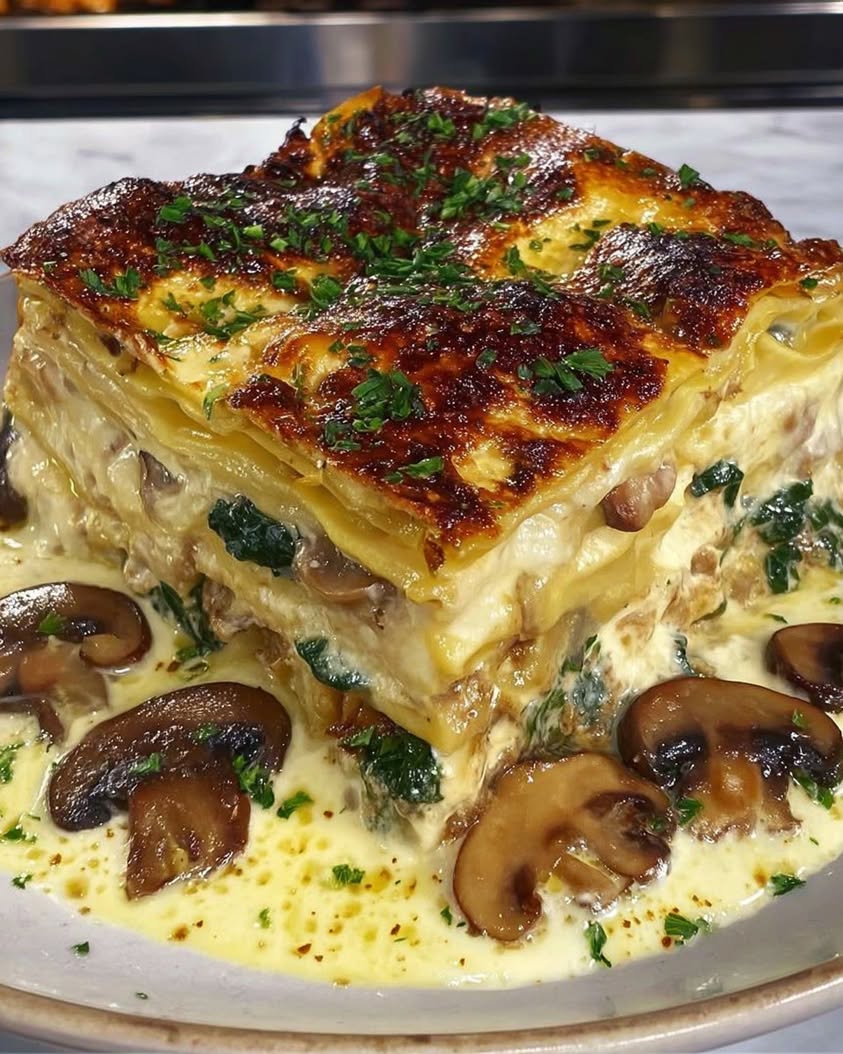
This Cottage Cheese Mushroom & Spinach Lasagna Bake brings together creamy richness and earthy comfort in one unforgettable dish. If you love lasagna but want something lighter than the traditional version, then this recipe will quickly become a favorite in your home. The cottage cheese delivers a bright, tangy creaminess that pairs beautifully with the savory mushrooms and tender spinach. Meanwhile, the noodles and melted cheese create a golden, bubbly top that makes everyone at the table reach for seconds.
Above all, this Cottage Cheese Mushroom & Spinach Lasagna Bake offers a meatless meal that never feels like a sacrifice. The mushrooms bring a deep, almost meaty umami flavor, and the spinach adds a fresh, vibrant note that balances every bite. As a result, you get a hearty dinner that satisfies even the pickiest eaters. Whether you serve it on a busy weeknight or a cozy Sunday evening, this dish delivers warmth and flavor without much fuss.
Furthermore, this recipe fits a wide range of dietary goals. The cottage cheese boosts the protein content while cutting back on heavier cheeses. Similarly, the vegetables add fiber and nutrients that make the meal more balanced. In short, this Cottage Cheese Mushroom & Spinach Lasagna Bake proves that comfort food and wholesome eating can live on the same plate. Keep reading, and you will learn everything you need to make it perfectly the first time.
Quick Recipe Highlights
- Flavor Profile: The cottage cheese adds a tangy, creamy richness that balances the earthy mushrooms and sweet spinach. Garlic, onion, and Italian herbs round out the flavor with warm, savory notes. Overall, every layer tastes bright yet deeply comforting.
- Texture: The noodles stay tender while the cottage cheese filling remains soft and slightly fluffy. Meanwhile, the melted mozzarella creates a gooey, golden crust on top. The mushrooms and spinach add a pleasant, gentle bite.
- Aroma: As the bake cooks, garlic and herbs fill the kitchen with an inviting, Italian-inspired scent. The mushrooms release a savory, roasted aroma that deepens over time. Even before the first bite, the smell alone makes everyone hungry.
- Visual Appeal: The finished bake shows off golden-brown cheese, green spinach flecks, and rich mushroom pieces. Each slice holds its shape when you lift it from the pan. The layers create a beautiful cross-section that looks impressive on any table.
- Skill Level Needed: This recipe suits beginner and intermediate cooks alike. You only need basic knife skills and a working oven. The steps stay simple, so even a first-time lasagna maker can succeed.
- Special Equipment: A nine by thirteen inch baking dish works best for this recipe. You also need a large skillet, a mixing bowl, and standard measuring tools. Aluminum foil helps during the covered baking stage.
Recipe Overview
- Difficulty Level: I rate this recipe as easy because the steps follow a simple, logical order. You cook the vegetables, mix the filling, and layer everything in a dish. No advanced techniques or tricky timing are involved. As a result, anyone with basic kitchen confidence can pull it off.
- Category: This dish works as a main course for lunch or dinner. It also suits potlucks, holiday tables, and meal prep sessions. Because it holds well, it doubles as a make-ahead dinner for busy weeks.
- Cuisine: The recipe draws from Italian-American culinary tradition, which embraces baked pasta dishes with layered cheese and sauce. Cottage cheese replaces ricotta in a nod to lighter, modern American cooking. Additionally, the mushroom and spinach combination reflects Mediterranean influences. Together, these traditions create a familiar yet fresh take on classic lasagna.
- Cost: The ingredients stay budget-friendly and easy to find at any grocery store. Cottage cheese costs far less than many specialty cheeses, and mushrooms and spinach remain affordable year-round. Overall, you can feed eight people for a modest price.
- Season: This bake shines in fall and winter when comfort food feels most welcome. However, it works year-round because the ingredients stay available. In summer, pair it with a light salad for a balanced meal.
- Occasion: Serve this lasagna for family dinners, casual gatherings, or holiday meals. It also works well for meal trains and potlucks since it travels easily. Furthermore, it makes a thoughtful dish for new parents or neighbors in need.
Why You’ll Love This Recipe
First and foremost, the taste and texture of this Cottage Cheese Mushroom & Spinach Lasagna Bake will win you over. The cottage cheese brings a light, tangy creaminess that coats every noodle without feeling heavy. Meanwhile, the mushrooms deliver a rich, savory depth that mimics meat in the best way. The spinach adds a fresh, green note that keeps each bite balanced. Consequently, you get layers of flavor that taste complex yet come together with simple ingredients.
Beyond flavor, this recipe offers serious convenience. You need only one skillet and one baking dish, which keeps cleanup manageable. Additionally, the dish freezes well, so you can prepare it ahead and bake it later. On busy nights, that flexibility makes dinner feel effortless. As a result, you can enjoy a homemade meal even on your most hectic days.
The nutritional advantages also deserve attention. Cottage cheese packs protein, which helps keep you full and satisfied. Spinach adds iron, calcium, and vitamins that support everyday health. Mushrooms contribute fiber and antioxidants that round out the meal. Therefore, this lasagna delivers comfort without the guilt that often comes with heavy pasta dishes.
This recipe also shines as a social and entertaining dish. A full baking dish feeds a crowd, which makes hosting simple and stress-free. Guests love the familiar lasagna shape, yet they notice the lighter, fresher twist. Moreover, you can slice it neatly, so serving at a buffet or party stays easy. Ultimately, it becomes the dish everyone asks you to bring again.
Finally, the cost-effectiveness and accessibility make this recipe a true winner. You can find every ingredient at a standard supermarket, and most of them cost very little. The dish stretches affordable proteins and vegetables into eight generous servings. Because it relies on pantry staples, you can make it on short notice. In the end, this Cottage Cheese Mushroom & Spinach Lasagna Bake gives you maximum value for minimal spending.
Historical Background and Cultural Significance
Lasagna traces its roots back to ancient Italy, where early versions layered pasta with cheese and sauce. Over centuries, the dish evolved through regional Italian kitchens, each adding its own touch. By the time Italian immigrants brought lasagna to America, it had become a beloved comfort food. Today, it stands as one of the most recognized Italian-American dishes in the world.
In Italian culture, lasagna often appears at Sunday dinners and holiday celebrations. Families gather around a single large baking dish and share it together. That communal spirit gives the dish deep emotional meaning. Consequently, lasagna represents togetherness, generosity, and tradition for many households.
This particular version reflects a modern shift toward lighter, vegetable-forward cooking. Cooks began swapping ricotta for cottage cheese to cut calories and boost protein. Meanwhile, mushrooms and spinach gained popularity as hearty meatless fillings. As a result, the recipe honors tradition while embracing healthier trends. It shows how classic dishes can adapt without losing their soul.
Regional variations appear across Italy and the United States. In some areas, cooks add nutmeg to the cheese filling for warmth. In others, they layer in extra vegetables like zucchini or roasted peppers. Some families use no-boil noodles for speed, while others swear by fresh pasta. No matter the variation, the core idea stays the same: layers of comfort baked into one dish.
Ingredient Deep Dive
Cottage cheese sits at the heart of this recipe, and its history stretches back centuries across Europe. Farmers made it as a simple way to use leftover milk, and it became a staple in many cultures. Nutritionally, cottage cheese offers high protein, calcium, and B vitamins. When you shop, choose a low-fat or full-fat version based on your preference, and check that it looks moist, not watery. Store it in the fridge and use it within a week of opening. If you want a substitute, ricotta works well, though the texture and tang will shift slightly.
The cottage cheese also acts as the creamy binder that holds the layers together. Because it contains small curds, it adds a pleasant, slightly textured mouthfeel. Many cooks blend it briefly for a smoother result, which makes it behave more like ricotta. Either way, it delivers richness without the heaviness of full-fat cheese. Therefore, it earns its place as the star ingredient in this bake.
Mushrooms bring an earthy, savory depth that makes this dish feel hearty and satisfying. Ancient civilizations valued mushrooms for both food and medicine, and they remain a culinary treasure today. They supply fiber, antioxidants, and B vitamins while staying low in calories. When selecting mushrooms, look for firm, dry caps with no slimy spots. Store them in a paper bag in the fridge, and use them within a few days. If you prefer, swap in cremini, shiitake, or portobello for different flavor notes.
Mushrooms also release moisture when they cook, so proper sautéing matters. Cooking them until golden brown concentrates their flavor and prevents a soggy bake. This step transforms them from bland to deeply savory. Consequently, the mushrooms mimic the richness of meat without any animal protein.
Spinach adds color, nutrients, and a mild, fresh flavor that balances the richer elements. People have eaten spinach for thousands of years, and it gained fame for its iron and vitamin content. It delivers vitamin K, vitamin A, folate, and fiber, which support overall health. Choose bright green leaves with no yellowing or wilting. Keep it dry and cold, and use it within a few days. Frozen spinach works as a convenient substitute, though you should squeeze out excess water first.
Spinach also wilts quickly, which makes it perfect for layering into a bake. It folds into the cheese mixture with ease and adds a lovely green speckle throughout. Because it cooks down so much, a large batch shrinks into a manageable amount. As a result, you get plenty of nutrients without overwhelming the dish.
Common Mistakes to Avoid
- Skipping the mushroom sauté. Raw mushrooms release water during baking, which turns the lasagna soggy. Always cook them until golden before layering. This step deepens flavor and protects the texture.
- Using wet spinach. If you thaw frozen spinach, squeeze out every drop of moisture. Otherwise, the filling turns watery and the layers slide apart. Pat fresh spinach dry as well.
- Not draining the cottage cheese. Excess liquid in the cottage cheese thins the filling and weakens the structure. Strain it briefly if it looks watery. A thicker filling holds the layers together better.
- Overcooking the noodles. Soft, mushy noodles fall apart during slicing and ruin the presentation. Cook them just to al dente, or use no-boil noodles. They finish cooking in the oven with the sauce.
- Skimping on seasoning. Cottage cheese tastes mild, so it needs salt, pepper, and herbs to shine. Taste the filling before layering and adjust as needed. Bland filling leads to a bland bake.
- Layering too much sauce. Too much sauce makes the bake soupy and heavy. Use a modest, even spread between layers. Balance keeps the texture firm and sliceable.
- Forgetting to rest the bake. Cutting into lasagna right out of the oven causes it to fall apart. Let it rest for ten to fifteen minutes first. This allows the layers to set.
- Baking uncovered the whole time. The top browns too fast and dries out if you skip the foil. Cover it first, then uncover near the end. This gives you a gooey interior and a golden top.
- Using cold filling straight from the fridge. Cold filling lengthens the baking time and can leave the center underheated. Let the mixture sit at room temperature briefly before assembly.
- Packing the dish too full. An overfilled pan bubbles over and makes a mess in the oven. Leave a little headroom for the layers. A proper fit bakes evenly and looks neat.
Essential Techniques
Sautéing mushrooms properly ranks as the most important technique in this recipe. High heat and a dry pan let the mushrooms release their water and then brown. If you crowd the pan, they steam instead of sear, which dulls their flavor. Therefore, cook them in batches if needed, and wait for a deep golden color. You will know they are ready when they shrink, darken, and smell nutty.
Mixing the cottage cheese filling correctly also matters a great deal. Stir the cottage cheese with eggs, herbs, and cheese until just combined. Overmixing can break down the curds and make the filling runny. For a smoother texture, blend the cottage cheese first, then fold in the rest. The goal is a thick, scoopable mixture that spreads easily.
Layering with care builds a lasagna that slices cleanly and looks beautiful. Start with a thin layer of sauce on the bottom to prevent sticking. Then alternate noodles, filling, and sauce in even layers. Press gently as you go to remove air pockets. Even layers cook uniformly and hold together when served.
Resting the baked lasagna allows the layers to settle and firm up. During this time, the cheese sets and the juices redistribute. If you cut too soon, the slices slump and slide apart. Wait at least ten minutes, and you will get neat, restaurant-style portions. Patience here pays off in presentation.
Pro Tips for Perfect Cottage Cheese Mushroom & Spinach Lasagna Bake
- Blend the cottage cheese for a smoother, ricotta-like texture if you dislike curds. A quick pulse in a blender or food processor changes everything. This keeps the classic creamy feel while boosting protein.
- Salt your mushrooms at the end of cooking, not the start. Early salting draws out water and prevents browning. Waiting gives you deeply caramelized, flavorful mushrooms.
- Add a pinch of nutmeg to the cheese filling for warmth and depth. This classic Italian trick enhances the creamy flavor without overpowering it. A little goes a long way.
- Use a mix of cheeses for the top, such as mozzarella and parmesan. Mozzarella gives the gooey pull, while parmesan adds salty, nutty bite. Together they create a golden, flavorful crust.
- Let the lasagna rest before slicing for clean, sturdy portions. This step makes the biggest difference in presentation. It also keeps the filling from running onto the plate.
- Make it ahead and refrigerate overnight for deeper flavor. The layers meld together as they sit, which improves the taste. Just add a few extra minutes to the bake time.
- Freeze individual portions for quick future meals. Wrap slices tightly and reheat when you need a fast dinner. This tip turns one bake into several easy meals.
- Serve with a bright, acidic side to balance the richness. A simple salad with lemon vinaigrette cuts through the creamy layers. This contrast keeps the meal feeling light.
Variations and Adaptations
Regional variations offer endless ways to make this dish your own. In southern Italy, cooks might add a touch of spicy marinara for heat. In northern regions, a béchamel-style sauce often replaces tomato for a richer feel. Here in the United States, many families add extra garlic and Italian seasoning for bold flavor. You can follow any of these paths, and each one delivers a distinct, delicious result.
Seasonal adaptations let you enjoy this bake all year long. In summer, fold in fresh zucchini, roasted peppers, or basil from the garden. In fall, add roasted butternut squash or caramelized onions for sweetness. During winter, lean into hearty mushrooms and rich cheeses for maximum comfort. These small swaps keep the recipe fresh and exciting.
Dietary modifications make this lasagna accessible to more eaters. For a gluten-free version, use gluten-free noodles or thin slices of zucchini. To go dairy-free, choose a plant-based cottage cheese and vegan mozzarella. These changes keep the spirit of the dish while meeting your needs. Always taste and adjust the seasoning after swaps.
Flavor variations can transform the dish with a single change. Add sun-dried tomatoes for a tangy, sweet punch. Stir in pesto for a bright, herby twist. Sprinkle red pepper flakes for gentle heat, or use smoked mozzarella for a campfire note. Each option gives you a new reason to make this recipe again.
Texture modifications let you control the mouthfeel. Crunchy breadcrumbs on top add a pleasing contrast to the soft layers. Extra vegetables create more bite, while a smoother filling feels more indulgent. You can even layer in crumbled tofu for added protein and texture. Play with these ideas and find your perfect balance.
Presentation alternatives suit any gathering. Bake it in individual ramekins for elegant single servings. Roll the filling into lasagna rolls for a pretty, portioned look. Or keep the classic layered square for a familiar, crowd-pleasing shape. No matter the format, the flavor stays rich and satisfying.
Serving and Presentation Guide
Plating techniques can turn a simple slice into a showstopper. Use a sharp knife or spatula to lift each portion cleanly onto a warm plate. Place the slice slightly off-center for a modern look. Spoon a little extra sauce beside it for color and moisture. These small touches make the dish feel restaurant-worthy.
Garnishing ideas add freshness and visual pop. A sprinkle of fresh basil or parsley brightens the plate. A dusting of parmesan adds texture and a salty finish. For a touch of elegance, drizzle a little olive oil or balsamic glaze. These garnishes take seconds but elevate the whole presentation.
Traditional accompaniments keep the meal classic and comforting. Garlic bread and a simple green salad make a perfect pairing. A side of roasted vegetables adds color and nutrition. Together, these sides create a complete, satisfying dinner.
Modern serving suggestions offer fresh, lighter options. Pair the lasagna with a crisp arugula salad or shaved Brussels sprouts. A dollop of pesto or a spoon of marinara adds a contemporary twist. These choices keep the meal feeling current and balanced.
Temperature considerations matter for the best experience. Serve the lasagna hot, but let it rest first so the slices hold. Warm plates keep the food hot longer at the table. Room-temperature sides contrast nicely with the hot bake.
Portion control tips help you serve with confidence. One square feeds a hearty appetite, while half portions suit lighter eaters. Pair smaller slices with bigger salads for balance. This approach keeps everyone satisfied without waste.
Wine and Beverage Pairing
Wine pairings can enhance every bite of this lasagna. A medium-bodied red like Chianti or Sangiovese matches the tomato and herbs beautifully. For a lighter option, try a dry rosé or a crisp Pinot Grigio. These wines cut through the creamy cheese and refresh the palate.
Non-alcoholic alternatives work just as well. Sparkling water with lemon cleanses the palate between bites. A chilled herbal iced tea adds a subtle, refreshing note. Cranberry spritzer brings a tart contrast that balances the richness.
Coffee and tea pairings offer a cozy, unexpected option. A mild black tea complements the earthy mushrooms. An espresso after the meal echoes Italian dining tradition. These drinks add warmth and comfort to the experience.
Temperature considerations affect how drinks taste with the food. Serve white wines and sparkling drinks well chilled for contrast. Reds taste best slightly below room temperature. Water should stay cold and refreshing.
Serving suggestions keep the drinks flowing smoothly. Pour wines into stemmed glasses to enhance aroma. Offer water glasses alongside for balance. A pitcher of iced tea on the table invites easy refills.
Storage and Shelf Life
Storage methods determine how long your lasagna stays fresh. Cool leftovers within two hours of baking, then cover them tightly. Refrigerate in an airtight container to lock in moisture. This keeps the texture and flavor intact for days.
Temperature requirements keep food safe and tasty. Store the bake at or below forty degrees Fahrenheit. Keep it away from raw meat to avoid cross-contamination. A consistent cold temperature preserves quality best.
Container recommendations make storage easier and safer. Use shallow, airtight containers for faster cooling. Glass dishes work well because they resist stains and odors. Wrap individual slices tightly for grab-and-go meals.
Signs of spoilage tell you when to toss leftovers. Sour smells, sliminess, or mold mean it is time to discard. If the texture turns mushy or the color dulls, play it safe. When in doubt, throw it out.
Reheating instructions help you revive the dish. Warm slices in the oven at three hundred fifty degrees for ten to fifteen minutes. A microwave works for speed, though the oven keeps the top crisp. Cover with foil to prevent drying.
Freezing guidelines let you save portions for later. Wrap slices tightly in plastic and foil, then freeze for up to three months. Thaw in the fridge overnight before reheating. This method preserves flavor and texture remarkably well.
Make Ahead Strategies
A prep timeline keeps the process organized and stress-free. Cook the mushrooms and spinach a day ahead and chill them. Mix the cheese filling the same day or the night before. Then assemble the lasagna when you have time. This plan spreads the work across two days.
Storage between steps protects quality and safety. Keep cooked vegetables and filling in separate airtight containers. Refrigerate everything promptly and label with dates. This keeps each component fresh until assembly.
Quality impact assessment helps you plan realistically. Assembling a day ahead deepens the flavor as the layers meld. However, very long storage can make noodles soften too much. For best results, bake within twenty-four hours.
Assembly tips make the make-ahead process smooth. Layer the lasagna in the dish, cover tightly, and refrigerate. Add a few extra minutes to the bake time if it goes in cold. This ensures the center heats through.
Reheating guidelines keep the dish tender and hot. Cover with foil and bake until bubbly in the center. Uncover near the end for a golden top. Let it rest before serving.
Fresh element additions brighten a make-ahead bake. Add fresh herbs or a drizzle of olive oil just before serving. A handful of fresh spinach on the side adds color. These touches make the dish taste freshly made.
Scaling Instructions
Halving the recipe suits smaller households. Use an eight by eight inch dish and reduce the layers slightly. Keep the same oven temperature and check for doneness a bit earlier. This size makes four generous servings.
Doubling or tripling works for big crowds. Use two or three large baking dishes and rotate them in the oven. Add a few minutes to the bake time for the extra volume. This approach feeds a party with ease.
Equipment adjustments keep larger batches manageable. Use a wide skillet to cook more mushrooms at once. Borrow extra mixing bowls for the filling. Prep tools ahead so the process stays smooth.
Timing modifications matter when you scale up. More volume needs more time to heat through the center. Check the internal temperature and look for bubbling edges. Adjust the foil cover as needed.
Storage considerations grow with bigger batches. Have extra containers ready for leftovers. Freeze portions you cannot eat within a few days. labeling helps you track dates.
Nutritional Deep Dive
The macro breakdown of this dish favors balance and satiety. Cottage cheese and mozzarella supply most of the protein. Noodles provide carbohydrates for energy, while olive oil adds healthy fats. Each serving delivers a well-rounded mix that fuels your day.
Micronutrient analysis reveals a nutrient-dense meal. Spinach contributes iron, calcium, and vitamins A and K. Mushrooms add selenium and B vitamins. Together, these ingredients support immunity and bone health.
Health benefits go beyond basic nutrition. The protein keeps you full and supports muscle repair. Fiber from vegetables aids digestion and heart health. Lower fat than traditional lasagna makes it a lighter choice.
Dietary considerations help you fit the dish into your goals. Watch portion sizes if you manage calories. Choose low-fat cottage cheese to cut saturated fat. Add a side salad to boost fiber and volume.
Portion analysis guides smart eating. A standard serving offers a satisfying meal on its own. Pair it with vegetables for a lighter plate. Adjust portions based on your activity level.
Weight management tips make this dish a helpful ally. The high protein content curbs cravings and supports metabolism. Fiber slows digestion and steadies blood sugar. Balanced portions keep you on track.
Dietary Adaptations
For a gluten-free version, choose gluten-free lasagna noodles or zucchini slices. Check that all sauces and cheeses carry a gluten-free label. The rest of the recipe stays the same. This swap keeps the dish safe for gluten-sensitive eaters.
A dairy-free adaptation uses plant-based cottage cheese and vegan mozzarella. Nutritional yeast adds a cheesy, savory note. Plant milk can thin the filling if needed. These swaps keep the creamy texture without dairy.
The vegan version builds on the dairy-free changes. Skip the eggs and use a flax egg or cornstarch slurry to bind the filling. Choose vegan noodles and sauce. The result stays hearty and satisfying.
A low-carb option replaces noodles with thin zucchini or eggplant planks. Salt and drain the vegetables first to remove water. Layer them just like pasta. This version cuts carbs while keeping the flavor.
The keto adaptation follows the low-carb path and adds extra healthy fats. Use full-fat cottage cheese and cheese, and skip sugary sauces. Zucchini noodles keep the carb count low. This version fits ketogenic macros.
A paleo version uses thin vegetable slices instead of pasta and skips dairy. Use a dairy-free cheese alternative or omit it. Focus on mushrooms, spinach, and a rich tomato sauce. The dish stays wholesome and grain-free.
A low-FODMAP adaptation swaps garlic and onion for infused oils. Choose lactose-free cottage cheese and mozzarella. Keep portions of mushrooms modest. These tweaks reduce triggers while preserving flavor.
Other specific diets can work with small changes. A heart-healthy version uses low-fat cheeses and less salt. A high-protein version adds extra cottage cheese or a protein-rich side. Each adjustment tailors the dish to your needs.
Troubleshooting Guide
Texture issues often come from excess moisture. If the bake turns soupy, drain the cottage cheese and squeeze the spinach well. Sauté mushrooms until dry and golden. These steps keep the layers firm and sliceable.
Flavor balance problems usually stem from under-seasoning. If the dish tastes flat, add salt, pepper, and herbs to the filling. A splash of acid, like lemon or vinegar, brightens the whole bake. Taste as you go to catch issues early.
Temperature problems can leave the center cold or the top burnt. Cover with foil to protect the top while the center cooks. If the middle stays cold, lower the heat and bake longer. An instant-read thermometer helps you check doneness.
Equipment challenges rarely derail this recipe. If you lack a large dish, use two smaller ones and adjust the time. A cast-iron skillet works for sautéing the mushrooms. Substitute tools as needed and keep going.
Ingredient substitutions can change texture, so adjust as you go. Ricotta works in place of cottage cheese but tastes denser. Frozen spinach needs thorough draining. Each swap may need a small tweak to moisture or seasoning.
Timing concerns ease with a few simple habits. Start with ingredients at room temperature to speed baking. Check the dish a few minutes early to avoid overcooking. Rest the bake before serving for clean slices.
Recipe Success Stories
Community feedback shows how much home cooks love this dish. Many readers report that picky family members ask for seconds. Others praise how easily it fits a meatless Monday routine. These stories confirm the recipe works for real households.
Variation successes highlight the recipe’s flexibility. Some cooks add roasted red peppers for sweetness. Others use a spicy marinara for a bold kick. Each tweak earns rave reviews and proves the base recipe is forgiving.
Adaptation stories show how the dish fits many diets. Gluten-free and dairy-free versions earn praise for taste and texture. Low-carb swaps with zucchini keep the comfort without the carbs. These adaptations keep the recipe relevant for everyone.
Reader suggestions often improve the recipe further. Many recommend blending the cottage cheese for a smoother filling. Others suggest a breadcrumb topping for crunch. These ideas show how the community shapes the dish.
Photography tips help readers capture a beautiful bake. Shoot the slice at an angle to show the layers. Use natural light for the best color. A sprinkle of fresh herbs adds a pop of green.
Frequently Asked Questions
Can I use ricotta instead of cottage cheese? Yes, you can substitute ricotta, though the texture will feel denser and less tangy. Blend the cottage cheese if you want a smoother result. Either option works well in this recipe. Taste the filling and adjust the seasoning as needed.
Do I need to cook the noodles first? You can use regular noodles cooked to al dente or no-boil noodles. No-boil noodles save time and absorb moisture from the sauce. If you use regular noodles, cook them just until tender. This keeps them from turning mushy in the oven.
How do I prevent a watery lasagna? Sauté the mushrooms until dry, squeeze the spinach, and drain the cottage cheese. Use a modest amount of sauce between layers. These steps control moisture and keep the layers firm. A well-drained filling bakes into a sturdy slice.
Can I make this recipe ahead of time? Yes, assemble it a day ahead and refrigerate it covered. Add a few extra minutes to the bake time if it goes in cold. This makes dinner easy on busy nights. For best results, bake within twenty-four hours.
Can I freeze this lasagna? Yes, it freezes beautifully for up to three months. Wrap slices tightly and thaw overnight in the fridge. Reheat in the oven for the best texture. This turns one bake into several quick meals.
Is this recipe vegetarian? Yes, it contains no meat, so it fits a vegetarian diet. Check that your cheese and noodles are vegetarian if that matters to you. The mushrooms add a hearty, meaty feel. It satisfies even devoted meat eaters.
How many servings does it make? This recipe yields eight generous servings. You can cut smaller portions for lighter appetites. Pair smaller slices with a big salad for balance. Adjust the size to fit your crowd.
What mushrooms work best? Cremini, button, or portobello mushrooms all work well. Each brings a slightly different depth of flavor. Shiitake adds an extra savory note. Use what your store carries and what you enjoy.
Can I add other vegetables? Yes, zucchini, roasted peppers, or carrots make great additions. Cook or drain watery vegetables first. This keeps the texture firm. Add them in even layers for the best result.
How do I know when it is done? Look for bubbling edges and a golden top. The center should feel hot and set. An instant-read thermometer should read at least one hundred sixty degrees. Let it rest before slicing.
What do I serve with it? A green salad and garlic bread make classic sides. Roasted vegetables add color and nutrition. A light soup works on cold nights. Choose sides that balance the rich, creamy layers.
Can I use frozen spinach? Yes, thaw it and squeeze out all the water first. Excess moisture ruins the texture. Frozen spinach saves time and works just as well. Measure after draining for the best results.
Additional Resources
Related recipes can expand your meatless dinner rotation. Try a classic vegetable lasagna or a spinach and ricotta cannelloni. A mushroom Bolognese pairs well with pasta and adds similar savory depth. These dishes share flavors and techniques with this bake.
Technique guides help you sharpen your skills. Learn how to sauté mushrooms until perfectly golden. Study the basics of layering a lasagna for clean slices. These guides build confidence and improve every future bake.
Ingredient information deepens your understanding of what you cook. Explore the nutritional profiles of cottage cheese, mushrooms, and spinach. Learn how to select and store each one properly. This knowledge helps you cook smarter and waste less.
Equipment recommendations make the process easier. A sturdy nine by thirteen inch baking dish is a worthy investment. A good skillet browns mushrooms beautifully. An instant-read thermometer takes the guesswork out of doneness. These tools support great results.
Seasonal variations keep the recipe exciting all year. In spring, add fresh peas and herbs. In summer, fold in garden tomatoes and basil. In fall, use roasted squash and sage. In winter, lean into rich mushrooms and hearty greens. Each season brings a new reason to bake this dish.
PrintCottage Cheese Mushroom & Spinach Lasagna Bake
- Total Time: 1 hour
- Yield: 8
Description
A hearty and healthy lasagna bake layered with creamy cottage cheese, sauteed mushrooms, and fresh spinach. This meatless comfort food is perfect for a cozy dinner.
Ingredients
- 9 lasagna noodles
- 2 cups cottage cheese
- 2 cups shredded mozzarella cheese, divided
- 1/2 cup grated Parmesan cheese
- 2 large eggs
- 2 tablespoons olive oil
- 1 onion, diced
- 3 cloves garlic, minced
- 8 ounces mushrooms, sliced
- 5 ounces fresh spinach
- 2 cups marinara sauce
- 1 teaspoon dried oregano
- 1 teaspoon dried basil
- 1/2 teaspoon salt
- 1/4 teaspoon black pepper
Instructions
- Preheat oven to 375 degrees F (190 degrees C). Cook lasagna noodles according to package directions; drain and set aside.
- In a large skillet, heat olive oil over medium heat. Add onion and garlic; cook until softened, about 3 minutes. Add mushrooms and cook until they release their moisture and start to brown, about 5 minutes. Add spinach and cook until wilted, about 2 minutes. Remove from heat.
- In a medium bowl, combine cottage cheese, 1 cup mozzarella, Parmesan, eggs, oregano, basil, salt, and pepper. Mix well.
- Spread 1 cup marinara sauce in the bottom of a 9×13 inch baking dish. Layer 3 lasagna noodles, half of the cottage cheese mixture, half of the mushroom-spinach mixture, and 1/2 cup marinara sauce. Repeat layers. Top with remaining 3 noodles, remaining 1 cup marinara sauce, and remaining 1 cup mozzarella cheese.
- Cover with foil and bake for 25 minutes. Remove foil and bake for an additional 10-15 minutes, until cheese is bubbly and lightly browned. Let stand for 10 minutes before serving.
Notes
You can customize the seasonings to taste.
- Prep Time: 20 minutes
- Cook Time: 40 minutes
- Method: Main
- Cuisine: American