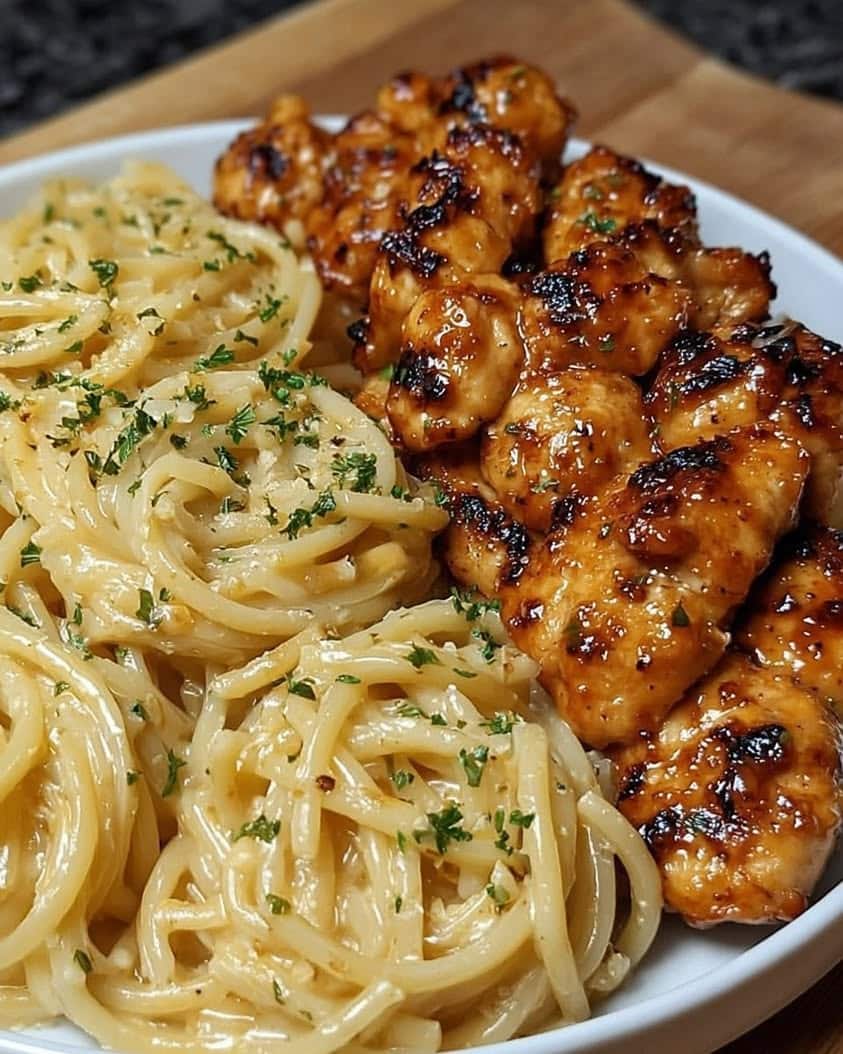
Lemon Garlic Butter Chicken with Creamy Parmesan Pasta: A One-Pan Dinner Winner
This Lemon Garlic Butter Chicken with Creamy Parmesan Pasta brings restaurant-quality flavor straight to your weeknight table. Imagine golden-seared chicken breasts coated in a glossy, tangy lemon garlic butter sauce, then nestled over a bed of silky pasta that clings to every rich, cheesy strand. Because the dish comes together in one pan, you get deep flavor without a mountain of dishes. Moreover, the bright citrus cuts through the cream in a way that keeps every bite lively instead of heavy. Whether you are cooking for family or impressing guests, this recipe delivers comfort and elegance at the same time.
The magic of this Lemon Garlic Butter Chicken with Creamy Parmesan Pasta lies in its balance. The chicken sears in butter until the edges turn crisp and golden, while the inside stays juicy and tender. Meanwhile, the pasta absorbs the pan juices, the garlic, and the Parmesan, creating a sauce that tastes far more complex than its simple ingredients suggest. In addition, the whole meal needs just one skillet and about forty minutes from start to finish. Consequently, it fits neatly into busy schedules without sacrificing any of the flavor you crave.
Perhaps the best part is how forgiving this recipe is. If you are new to cooking, you will find clear steps and simple techniques that anyone can master. If you are a seasoned home chef, you can tweak the herbs, the heat, or the cheese to make it your own. Furthermore, the ingredients are affordable and easy to find at any grocery store. As a result, this Lemon Garlic Butter Chicken with Creamy Parmesan Pasta quickly becomes the kind of recipe you return to again and again.
Quick Recipe Highlights
- Flavor Profile: The sauce blends bright lemon, savory garlic, and nutty Parmesan with the richness of butter and cream. Each element balances the others, so no single flavor overwhelms the plate. The result tastes bold yet refined.
- Texture: Seared chicken offers a crisp, golden exterior and a tender, juicy interior. The pasta stays smooth and creamy, coating your fork with a velvety sauce. Together, they create a satisfying contrast in every bite.
- Aroma: Garlic sizzling in butter fills the kitchen with an irresistible scent. Then the lemon zest adds a fresh, citrusy note that lifts the air. Finally, the Parmesan brings a warm, savory depth that draws everyone to the table.
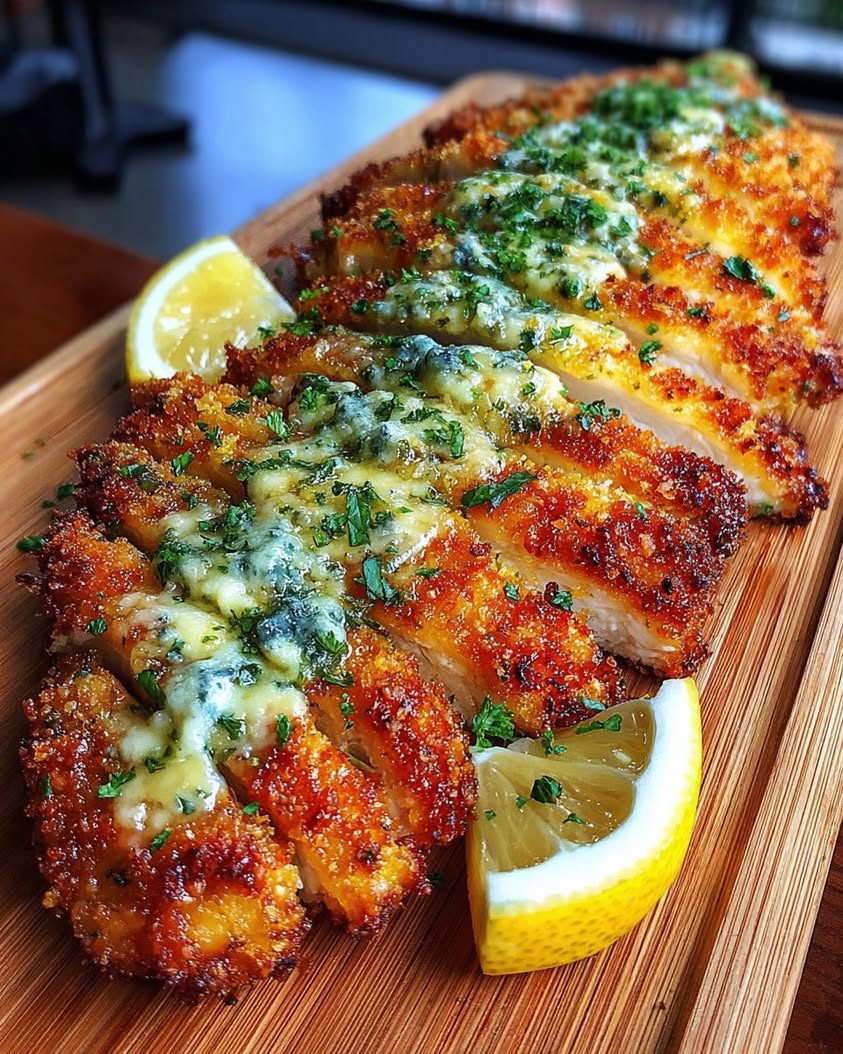
- Visual Appeal: Golden chicken rests on a bed of pale, creamy pasta, dotted with fresh parsley. The bright green garnish pops against the warm tones of the dish. It looks elegant enough for guests yet cozy enough for a quiet night in.
- Skill Level Needed: You only need basic skills like searing, boiling, and stirring. If you can manage a skillet and watch your heat, you can nail this recipe. Beginners will succeed, and experts will still enjoy the process.
- Special Equipment: A large, deep skillet or braising pan does most of the work. You will also want a cutting board, a sharp knife, and a pot for boiling pasta. A microplane or zester helps you get fine lemon zest quickly.
Recipe Overview
- Difficulty Level: This dish sits comfortably at an easy to moderate level. The steps are straightforward, and the ingredients behave predictably. However, you must watch the garlic so it does not burn, and you must keep the cream from curdling. With attention to heat and timing, anyone can make it well.
- Category: This recipe works as a main course for dinner any night of the week. It also shines as a weekend comfort meal or a casual dinner-party centerpiece. You can serve it as a hearty one-pan meal with a simple side salad.
- Cuisine: The dish draws from Italian-American cooking traditions, which love the pairing of garlic, butter, cream, and Parmesan. French cuisine also influences the sauce through its use of butter and pan-searing techniques. Meanwhile, the lemon adds a Mediterranean touch that brightens the whole plate. Together, these traditions create a modern, crowd-pleasing hybrid.
- Cost: The main costs come from the chicken breasts, the Parmesan, and the heavy cream. Pantry staples like garlic, butter, pasta, and lemon keep the total low. On average, you can feed four people for a reasonable price compared to a restaurant meal.
- Season: You can make this dish year-round, and it adapts beautifully to every season. In spring and summer, the lemon feels fresh and light. In fall and winter, the creamy pasta brings warmth and comfort. Consequently, it never feels out of place on your table.
- Occasion: This recipe suits family dinners, date nights, and casual gatherings with friends. It also works well for meal prep because the leftovers reheat gently. Because it looks impressive, you can serve it for celebrations without stressing in the kitchen.
Why You’ll Love This Recipe
First, the taste and texture appeal of this Lemon Garlic Butter Chicken with Creamy Parmesan Pasta is hard to beat. The chicken gets a beautiful golden crust from a hot skillet, which locks in moisture and builds flavor. Meanwhile, the cream sauce clings to the pasta and delivers a luxurious mouthfeel. The lemon cuts through the richness, so each bite feels bright rather than heavy. Because the garlic and Parmesan add savory depth, the dish tastes like something you would order at a nice bistro.
Second, convenience and preparation benefits make this recipe a weeknight hero. You use one large skillet for the chicken and the sauce, which means fewer dishes and less cleanup. In addition, the total time stays around forty minutes, so dinner lands on the table fast. Most ingredients are pantry staples you likely already own. As a result, you can whip up a impressive meal without a special trip to the store.
Third, the nutritional advantages deserve attention. Chicken breasts provide lean protein that keeps you full and satisfied. The Parmesan adds calcium and a bit of healthy fat, while the lemon brings vitamin C. Furthermore, you control the cream and butter amounts, so you can lighten the dish if you wish. Consequently, this meal balances indulgence with real nourishment.
Fourth, the social and entertaining value is significant. This Lemon Garlic Butter Chicken with Creamy Parmesan Pasta looks stunning on a platter, so guests assume you spent hours cooking. You can plate it family-style and let everyone serve themselves, which keeps the mood relaxed. Because the flavors appeal to most palates, picky eaters rarely complain. Therefore, it works as a reliable crowd-pleaser for dinner parties and holidays alike.
Fifth, cost-effectiveness and accessibility round out the appeal. The ingredients are budget-friendly and available in most supermarkets year-round. You do not need specialty tools or hard-to-find items. Additionally, the recipe scales easily for a crowd without much extra effort. As a result, you get a restaurant-quality meal at a fraction of the price.
Historical Background and Cultural Significance
The origin story of this dish reflects the blending of Italian and French culinary ideas over many decades. Italian cooks have long paired pasta with butter, garlic, and cheese, especially in northern regions. French chefs, meanwhile, mastered the art of pan-searing proteins in butter and building pan sauces. When these traditions met in American kitchens, dishes like lemon garlic butter chicken with creamy Parmesan pasta were born. Home cooks loved the combination because it felt both familiar and exciting.
Cultural importance plays a role too, because this recipe represents the modern American approach to comfort food. It takes classic European techniques and simplifies them for busy households. Families gather around a single pan of creamy pasta and golden chicken, sharing stories and second helpings. In this way, the dish carries the warmth of tradition while fitting neatly into contemporary life. Moreover, it shows how food can bridge cultures on a single plate.
The evolution of the recipe continued as cooks experimented with new ingredients. Some added sun-dried tomatoes for sweetness, while others stirred in spinach for color and nutrition. Restaurant versions often finish the sauce with white wine or extra herbs. Home versions, however, keep things simple with pantry staples and one pan. Over time, the dish evolved into the flexible, dependable meal we know today.
Regional variations appear across the United States and beyond. In the South, cooks might add a pinch of Cajun seasoning for heat. In the Northeast, a splash of white wine often deepens the sauce. On the West Coast, fresh herbs and lighter cream appeal to health-conscious diners. Regardless of the region, the core idea stays the same: seared chicken, garlic butter, lemon, and creamy Parmesan pasta.
Ingredient Deep Dive
Chicken breasts serve as the heart of this Lemon Garlic Butter Chicken with Creamy Parmesan Pasta. Historically, chicken became a staple protein in many cultures because it is affordable and versatile. Nutritionally, it offers lean protein, B vitamins, and minerals like selenium. When you shop, look for boneless, skinless breasts of even thickness so they cook uniformly. Store raw chicken in the coldest part of your fridge and use it within two days. If you prefer, you can substitute boneless thighs for extra juiciness.
Chicken also carries cultural weight as a Sunday-dinner favorite in many American homes. Its mild flavor makes it a perfect canvas for bold sauces like this lemon garlic butter. Additionally, it absorbs marinades and pan sauces beautifully. For the best results, pat the chicken dry before searing so it browns well. You can also pound thicker breasts to an even thickness for faster, more consistent cooking.
Garlic brings the signature aroma and punch to the dish. This bulb has flavored food for thousands of years across Asia, Europe, and the Mediterranean. It offers antioxidants and compounds that may support heart health. When selecting garlic, choose firm, heavy heads with tight skins and no sprouts. Store it in a cool, dry place away from direct light. If you run out, garlic paste or minced jarred garlic works in a pinch.
Lemon delivers the bright, tangy note that balances the cream and butter. Historically, citrus traveled along trade routes that connected the Mediterranean to the rest of the world. Nutritionally, lemons provide vitamin C and antioxidants. Choose lemons that feel heavy for their size and give slightly when squeezed. Keep them in the fridge for longer shelf life. Bottled lemon juice works, though fresh juice and zest taste far better.
Butter forms the rich base of the sauce and helps sear the chicken. People have churned butter for centuries, and it remains a cornerstone of Western cooking. It supplies fat-soluble vitamins and a unmatched flavor. Buy unsalted butter so you can control the seasoning yourself. Store it wrapped in the fridge, or freeze it for up to several months. Olive oil can replace some butter if you want a lighter result.
Parmesan cheese adds nutty, savory depth and helps thicken the sauce. This aged Italian cheese has a long history rooted in the Emilia-Romagna region. It brings protein, calcium, and a punch of umami. For the best flavor, buy a block and grate it fresh instead of using pre-shredded cheese. Wrap the block tightly and refrigerate it for weeks. Pecorino Romano offers a sharper alternative if you like bolder cheese.
Heavy cream creates the luxurious, silky texture that defines the sauce. Cream has enriched European cooking for generations, especially in French cuisine. It contributes fat and a smooth mouthfeel, though it offers little protein. Choose fresh cream with no additives when possible. Keep it refrigerated and use it within a week of opening. For a lighter version, half-and-half or evaporated milk can work with slightly different results.
Pasta provides the perfect vehicle for all that creamy sauce. Italian cooks have made pasta for centuries, and it remains a global comfort food. It supplies carbohydrates for energy along with some protein. Select a shape like fettuccine, penne, or linguine that holds sauce well. Store dry pasta in an airtight container in a cool, dark spot. Gluten-free or whole-wheat pasta both work as easy swaps.
Common Mistakes to Avoid
- Burning the garlic: Garlic cooks fast and turns bitter in seconds. Add it after the chicken is done and keep the heat moderate. Stir constantly so it turns golden, not brown.
- Overcrowding the pan: Too much chicken at once steams the meat instead of searing it. Work in batches if needed. This step ensures a golden crust and better flavor.
- Undercooking or overcooking the chicken: Use a meat thermometer and target 165 degrees Fahrenheit. Rest the chicken before slicing so the juices redistribute. This keeps every piece tender and safe.
- Curdling the cream: High heat can split the cream and create a grainy sauce. Lower the heat before adding cream and stir gently. Add it off the boil to keep the texture smooth.
- Using pre-shredded Parmesan: Pre-shredded cheese often contains anti-caking agents that prevent melting. Grate fresh Parmesan for a smooth, creamy sauce. The flavor also tastes far better.
- Skipping the pasta water: Starchy pasta water helps the sauce cling to the noodles. Reserve a cup before draining the pasta. Add it gradually until the sauce reaches the right consistency.
- Not seasoning in layers: Season the chicken, the sauce, and the pasta water at each stage. This builds depth instead of a flat, salty finish. Taste as you go and adjust.
- Rushing the sear: A proper sear takes a few minutes per side without moving the chicken. Let the crust form before flipping. Patience here pays off with better flavor and color.
- Adding lemon too early: Lemon can turn bitter when cooked too long in cream. Stir in the juice and zest at the end. This preserves the bright, fresh taste.
- Forgetting to rest the chicken: Resting allows juices to settle back into the meat. Slice too soon and you lose moisture on the board. Give it five minutes before cutting.
Essential Techniques
Searing chicken properly is the first technique to master. A good sear creates a brown crust through the Maillard reaction, which builds deep flavor. To master it, heat your pan until the butter sizzles, then lay the chicken away from you. Do not move it for several minutes so the crust forms. You will know it is ready when the edges turn opaque and golden. A common pitfall is a cold pan or wet chicken, both of which prevent browning.
Deglazing the pan unlocks the flavor stuck to the bottom. After searing, those browned bits hold concentrated taste. To master this, pour in a little broth or wine and scrape the bottom with a wooden spoon. The liquid lifts the bits into the sauce. You will see the pan bottom turn clean as you stir. Skipping this step wastes flavor and makes cleanup harder.
Making a cream sauce requires gentle heat and steady stirring. Cream thickens as it warms, and the Parmesan helps it set further. To master it, lower the heat before adding cream and whisk in the cheese gradually. The sauce should coat the back of a spoon when ready. A common pitfall is boiling the cream, which causes curdling. If the sauce looks grainy, whisk in a splash of warm cream to smooth it out.
Tossing pasta with sauce ensures every strand gets coated. This step matters because plain pasta tastes bland next to a rich sauce. To master it, add the drained pasta directly to the sauce and toss over low heat. Add pasta water a splash at a time until the sauce glides. You will know it is right when the noodles look glossy and uniform. Avoid dumping everything at once, which can water down the sauce.
Pro Tips for Perfect Lemon Garlic Butter Chicken with Creamy Parmesan Pasta
Pat the chicken completely dry before seasoning. Moisture steams the meat and blocks browning. Dry chicken sears faster and develops a better crust.
Pound the breasts to an even thickness. Uniform pieces cook at the same rate, so nothing dries out. Place them between plastic wrap and use a rolling pin or mallet.
Use a mix of butter and olive oil in the pan. Butter adds flavor while oil raises the smoke point. This combo gives you the best of both worlds.
Zest the lemon before juicing it. The zest holds intense citrus oils that boost aroma. Once you juice the lemon, the zest becomes harder to remove.
Reserve more pasta water than you think you need. It is the secret to a silky sauce that clings. You can always add more, but you cannot take it back.
Taste the sauce before adding salt. Parmesan is naturally salty, so you may need less than expected. Season in small increments for the best balance.
Finish with a squeeze of fresh lemon off the heat. This final touch brightens the whole dish. It also keeps the citrus flavor vivid and clean.
Garnish right before serving for the freshest look. Parsley and extra Parmesan add color and texture. They also signal that the dish is ready to enjoy.
Variations and Adaptations
Regional variations let you tailor the dish to local tastes. In the South, add Cajun or Creole seasoning to the chicken for a spicy kick. In the Midwest, a handful of sweet corn can add heartiness. On the coasts, cooks often lean into fresh herbs and lighter cream. Each region puts its own stamp on the same comforting framework.
Seasonal adaptations keep the recipe fresh all year. In summer, fold in cherry tomatoes and fresh basil for a garden feel. In fall, sautéed mushrooms and thyme bring earthy warmth. During winter, a pinch of red pepper flakes adds cozy heat. Spring calls for peas and lemon zest for a bright, green touch.
Dietary modifications make the dish accessible to more people. Use gluten-free pasta and a cornstarch slurry instead of flour for a gluten-free version. Swap coconut cream for dairy cream to make it dairy-free. For a vegan option, replace chicken with seared tofu and use plant butter. Each swap changes the result slightly, yet the spirit of the dish stays intact.
Flavor variations let you explore new profiles. Add sun-dried tomatoes for sweet-tart depth. Stir in pesto for a herby, nutty twist. A splash of white wine deepens the sauce with acidity. Smoked paprika brings a warm, smoky note that pairs well with the cream.
Texture modifications change the mouthfeel of the dish. Use crunchy toasted breadcrumbs on top for contrast. Add crisp pancetta or bacon for a savory crunch. For a lighter feel, thin the sauce with broth instead of extra cream. Each choice shapes how the final dish feels on the tongue.
Presentation alternatives suit different occasions. Serve it family-style in a large skillet for casual nights. Plate individual portions with a nest of pasta and a chicken breast on top for elegance. You can also turn it into a bake with a cheesy crust. Any format works because the flavors carry the dish.
Serving and Presentation Guide
Plating techniques matter when you want a polished look. Twirl the pasta with tongs and place it in the center of the plate. Lean the sliced chicken against the pasta for height. Spoon extra sauce over the top so it glistens. This simple approach makes the dish look intentional and inviting.
Garnishing ideas add color and freshness. Chopped parsley is a classic choice that pops against the cream. Grated Parmesan adds a snowy finish. A thin lemon slice on the rim hints at the bright flavor inside. Toasted breadcrumbs or cracked pepper can add extra texture.
Traditional accompaniments round out the meal. A simple green salad with vinaigrette balances the richness. Warm crusty bread helps soak up extra sauce. Steamed broccoli or green beans add a fresh, healthy side. These pairings keep the plate balanced without competing with the main dish.
Modern serving suggestions offer new ways to enjoy it. Serve the chicken and pasta over a bed of sautéed spinach for a low-carb twist. Turn it into a casserole with a broiled cheese top. You can also shred the chicken and toss everything together as a pasta salad for lunches. Each idea keeps the core flavors intact.
Temperature considerations affect how the dish tastes. Serve it hot for the best texture and aroma. If it cools, the sauce thickens, so add a splash of warm broth to loosen it. Warm plates help keep the meal hot at the table. Avoid serving it cold unless you plan a pasta salad version.
Portion control tips help you plate sensibly. A single chicken breast with about one cup of pasta suits most appetites. For lighter meals, use half a breast and more vegetables. If you want leftovers, portion them before setting the platter down. This small habit supports balanced eating.
Wine and Beverage Pairing
Wine pairings can elevate this Lemon Garlic Butter Chicken with Creamy Parmesan Pasta. A medium-bodied Chardonnay offers buttery notes that echo the cream sauce. Sauvignon Blanc brings crisp acidity that cuts through the richness. Pinot Grigio works well thanks to its light, citrusy profile. For red lovers, a light Pinot Noir pairs without overpowering the lemon.
Non-alcoholic alternatives keep the meal enjoyable for everyone. Sparkling water with lemon slices mirrors the citrus notes. Iced herbal tea with mint refreshes the palate between bites. A virgin mojito adds lime and mint for a festive touch. Each option cleanses the palate without competing with the food.
Coffee and tea pairings may seem unusual, yet they work in certain contexts. A light green tea offers grassy notes that complement the herbs. Chamomile tea brings a gentle floral calm that suits a cozy dinner. If you enjoy coffee, a mild roast with low acidity can stand up to the Parmesan. These choices appeal especially for after-dinner sipping.
Temperature considerations matter for beverages too. Serve white wine well chilled but not ice cold, around fifty degrees Fahrenheit. Red wine tastes best slightly below room temperature. Cold drinks refresh the palate, while warm drinks comfort. Match the drink temperature to the season for the best experience.
Serving suggestions tie it all together. Offer water with lemon at the table for everyone. Pour wine in modest amounts so guests can enjoy refills. Keep a pitcher of iced tea nearby for warm evenings. Thoughtful drink service makes the meal feel complete.
Storage and Shelf Life
Storage methods determine how well leftovers keep their quality. Cool the dish within two hours of cooking to prevent bacteria growth. Transfer it to shallow, airtight containers so it cools evenly. Store the chicken and pasta together so the flavors meld. Label the container with the date for safety.
Temperature requirements keep food safe. Your refrigerator should stay at or below forty degrees Fahrenheit. The freezer should hold zero degrees Fahrenheit for long-term storage. Avoid leaving the dish at room temperature for more than two hours. These habits protect both flavor and health.
Container recommendations improve results. Glass containers resist stains and odors better than plastic. Choose containers with tight-fitting lids to block air. Divide portions into smaller containers for faster cooling. This approach also makes reheating easier later.
Signs of spoilage help you avoid risk. Sour smells, slimy textures, or visible mold mean you should discard the food. If the sauce looks separated and watery after several days, it may have gone bad. When in doubt, throw it out. Freshness matters more than saving a small portion.
Reheating instructions preserve texture. Warm the dish gently on the stovetop with a splash of broth or cream. Stir over low heat until the sauce loosens and coats the pasta. In the microwave, cover and heat in short bursts, stirring between them. High heat can toughen the chicken, so keep it gentle.
Freezing guidelines extend shelf life. Freeze portions for up to three months in airtight containers. Thaw overnight in the refrigerator before reheating. Note that cream sauces can separate after freezing, so whisk in a little fresh cream when reheating. The flavor stays good even if the texture shifts slightly.
Make Ahead Strategies
A smart prep timeline saves time on busy days. Chop the garlic, zest the lemon, and grate the Parmesan up to a day ahead. Store each in a small container in the fridge. You can also measure the spices and set them aside. When dinner time arrives, cooking moves quickly.
Storage between steps keeps ingredients fresh. Keep raw chicken covered in the fridge until you are ready to cook. Hold chopped herbs in a damp paper towel to prevent wilting. Grated cheese stays best in an airtight bag. These small steps protect quality.
Quality impact assessment helps you decide what to prep. Sauces made ahead often taste even better as flavors meld. However, pasta tends to absorb sauce and soften over time. For best results, cook the pasta fresh and reheat the sauce separately. This keeps textures ideal.
Assembly tips streamline the final steps. Have everything within reach before you start cooking. Preheat the pan while you gather ingredients. Warm the pasta water early so it boils on time. A tidy workspace speeds up the whole process.
Reheating guidelines keep make-ahead meals tasty. Reheat the sauce gently and add the fresh-cooked pasta at the end. If you must reheat the full dish, use low heat and stir often. A splash of broth or cream restores the silky texture. Avoid overheating, which dries out the chicken.
Fresh element additions brighten reheated portions. Add a squeeze of lemon and a sprinkle of parsley just before serving. Fresh Parmesan on top also lifts the flavor. These touches make leftovers taste nearly as good as the first serving.
Scaling Instructions
Halving the recipe works well for smaller households. Cut the chicken, pasta, and cream in half. Keep the garlic and lemon fairly generous so the flavor stays bold. Use a smaller skillet so the chicken still sears instead of steams. Cooking time stays roughly the same.
Doubling or tripling suits a crowd. Multiply every ingredient by two or three, but cook the chicken in batches. A single crowded pan steams the meat and ruins the crust. Use a large pot for the pasta and a wide skillet for the sauce. You may need extra time to reduce the larger volume of cream.
Equipment adjustments matter as you scale up. A bigger skillet or a roasting pan helps with larger batches. You might need two pots for boiling pasta. Have extra bowls ready for resting the chicken. Planning your tools prevents chaos.
Timing modifications keep a big batch on track. Start the pasta water earlier because larger pots take longer to boil. Sear the chicken in waves and keep finished pieces warm in a low oven. Build the sauce after all the chicken cooks. This order keeps everything hot at once.
Storage considerations grow with the batch size. Use multiple containers so food cools faster. Share leftovers with neighbors or freeze portions for later. Label everything with dates. Good organization makes big-batch cooking stress free.
Nutritional Deep Dive
The macro breakdown of this Lemon Garlic Butter Chicken with Creamy Parmesan Pasta gives useful context. Each serving delivers a solid dose of protein from the chicken and Parmesan. Carbohydrates come mainly from the pasta, while fats arrive from butter, cream, and cheese. This balance supports energy and satisfaction. Portion size determines the exact numbers.
Micronutrient analysis reveals hidden benefits. Chicken supplies B vitamins, selenium, and zinc. Parmesan adds calcium and phosphorus for bone health. Lemon contributes vitamin C and antioxidants. Garlic brings compounds that may support immune and heart health.
Health benefits stem from these nutrients. Protein supports muscle repair and keeps you full. Calcium and phosphorus strengthen bones and teeth. Antioxidants from lemon and garlic help fight oxidative stress. Meanwhile, the fats help your body absorb fat-soluble vitamins.
Dietary considerations vary by person. Those watching sodium should use unsalted butter and go easy on the Parmesan. People with lactose sensitivity may prefer lactose-free cream and aged cheese. Anyone managing carbs can reduce the pasta and add vegetables. Small changes make the dish fit many needs.
Portion analysis helps with planning. A typical serving includes one chicken breast and about one cup of pasta. This portion fits most adult appetites without feeling heavy. Larger appetites can add a side salad or extra vegetables. Adjust portions to match your energy needs.
Weight management tips keep the dish in balance. Use half the cream and add extra broth for a lighter sauce. Choose whole-wheat pasta for more fiber. Load up on vegetables like spinach or broccoli. These tweaks lower calories while keeping flavor high.
Dietary Adaptations
Gluten-free versions need only a few swaps. Choose gluten-free pasta made from rice, corn, or chickpeas. Thicken the sauce with cornstarch instead of flour. Check that your broth and seasonings contain no hidden gluten. The dish then suits anyone avoiding gluten.
Dairy-free adaptations require plant-based substitutes. Use olive oil or vegan butter in place of butter. Replace heavy cream with coconut cream or cashew cream. Swap Parmesan for a dairy-free aged cheese alternative. The result tastes slightly different yet still rich and satisfying.
Vegan versions replace the animal products entirely. Use seared tofu or tempeh instead of chicken. Choose plant butter, plant cream, and vegan Parmesan. Add nutritional yeast for a cheesy, savory note. This plant-based take keeps the spirit of the original.
Low-carb adaptations cut back on pasta. Serve the chicken and sauce over zucchini noodles or spaghetti squash. You can also spoon it over sautéed spinach or cauliflower rice. These swaps lower carbs while keeping the creamy, garlicky flavor.
Keto versions focus on high fat and very low carbs. Use zucchini noodles instead of pasta. Keep the butter, cream, and Parmesan for richness. Add extra olive oil for healthy fats. This approach fits a strict keto plan.
Paleo adaptations avoid grains and dairy. Use almond flour to thicken the sauce and coconut cream for richness. Replace Parmesan with nutritional yeast. Serve over vegetable noodles. The dish stays hearty without grains or dairy.
Low-FODMAP versions require careful choices. Garlic and onion are high in FODMAPs, so use garlic-infused oil instead. Choose lactose-free cream and aged Parmesan, which are lower in lactose. Keep portions of pasta modest. These changes help sensitive stomachs enjoy the meal.
Other specific diets may need small tweaks. For a Mediterranean style, use olive oil and whole-wheat pasta. For a high-protein plan, add extra chicken and reduce pasta. For a low-sodium diet, skip added salt and use fresh herbs. Each adjustment tailors the dish to your goals.
Troubleshooting Guide
Texture issues often stem from heat and timing. If the sauce looks grainy, the cream likely got too hot. Whisk in a splash of warm cream off the heat to smooth it. If the pasta feels dry, add pasta water until it glides. These fixes restore a silky result.
Flavor balance problems are easy to correct. If the dish tastes flat, add salt and a squeeze of lemon. If it tastes too rich, more lemon or a pinch of red pepper helps. If the garlic turns bitter, you likely burned it, so start over with fresh garlic. Taste and adjust as you go.
Temperature problems can ruin an otherwise great meal. If the chicken cooks unevenly, your pan was too hot or the pieces were uneven. Lower the heat and pound the chicken to an even thickness. If the sauce cools too fast, warm the plates before serving. Small fixes keep everything hot.
Equipment challenges arise in any kitchen. If your skillet is too small, cook in batches to avoid crowding. If you lack a zester, use a fine grater or a sharp knife. No meat thermometer? Cut into the thickest part to check for white, opaque meat. Adapt with what you have.
Ingredient substitutions can change results. If you use half-and-half instead of cream, the sauce will be thinner, so reduce the broth. If you skip Parmesan, add extra salt and a savory cheese. If you use dried herbs, use less than fresh. Adjust amounts to keep the balance.
Timing concerns frustrate many cooks. If the pasta finishes before the sauce, toss it with a little oil to prevent sticking. If the chicken rests too long, it cools, so cover it loosely with foil. If everything finishes at once, you nailed the timing. Plan the order to keep the meal hot.
Recipe Success Stories
Community feedback shows how much people love this Lemon Garlic Butter Chicken with Creamy Parmesan Pasta. Many readers report that it became a weekly staple after the first try. Others say picky kids cleaned their plates without complaint. Several home cooks note that guests asked for the recipe before dessert. These stories show the dish’s broad appeal.
Variation successes highlight the recipe’s flexibility. One reader added spinach and sun-dried tomatoes for a Mediterranean twist. Another used shrimp instead of chicken with great results. A third made it dairy-free with coconut cream and loved the outcome. Each variation proves the recipe adapts to different tastes.
Adaptation stories reveal creative problem solving. A busy parent prepped everything on Sunday for quick weeknight meals. A college student made it in a dorm kitchen with basic tools. A grandmother scaled it up for a family reunion. In every case, the dish delivered comfort and flavor.
Reader suggestions improve the recipe over time. Many recommend toasting the garlic briefly for deeper flavor. Others suggest adding a pinch of nutmeg to the cream sauce. Some prefer a squeeze of lemon at the very end for maximum brightness. These tips reflect a community that cooks and shares together.
Photography tips help readers capture the dish at its best. Shoot near a window for soft, natural light. Wipe the plate rim before snapping the photo. Add a garnish of parsley right before the shot. These small steps make home photos look professional.
Frequently Asked Questions
Can I use chicken thighs instead of breasts? Yes, boneless, skinless thighs work beautifully and stay extra juicy. They may need a few extra minutes to cook through. Check for an internal temperature of 165 degrees Fahrenheit. The flavor pairs well with the lemon and garlic sauce.
What pasta shape works best? Long pasta like fettuccine or linguine coats well with creamy sauce. Short shapes like penne or rigatoni also work and hold sauce in their ridges. Choose whatever you have on hand. The dish tastes great either way.
Can I make this recipe dairy-free? Absolutely. Use vegan butter, coconut cream, and a dairy-free Parmesan alternative. The sauce will taste slightly different but still rich. Add nutritional yeast for a cheesy note. This version suits dairy-free diets well.
How do I keep the sauce from curdling? Keep the heat low once you add the cream. Stir gently and avoid boiling. Add the Parmesan gradually so it melts smoothly. If it does curdle, whisk in a splash of warm cream to bring it back.
Can I prepare this dish ahead of time? You can prep the ingredients and even make the sauce a day ahead. Cook the pasta fresh for the best texture. Reheat the sauce gently and toss with the pasta. This approach saves time on busy nights.