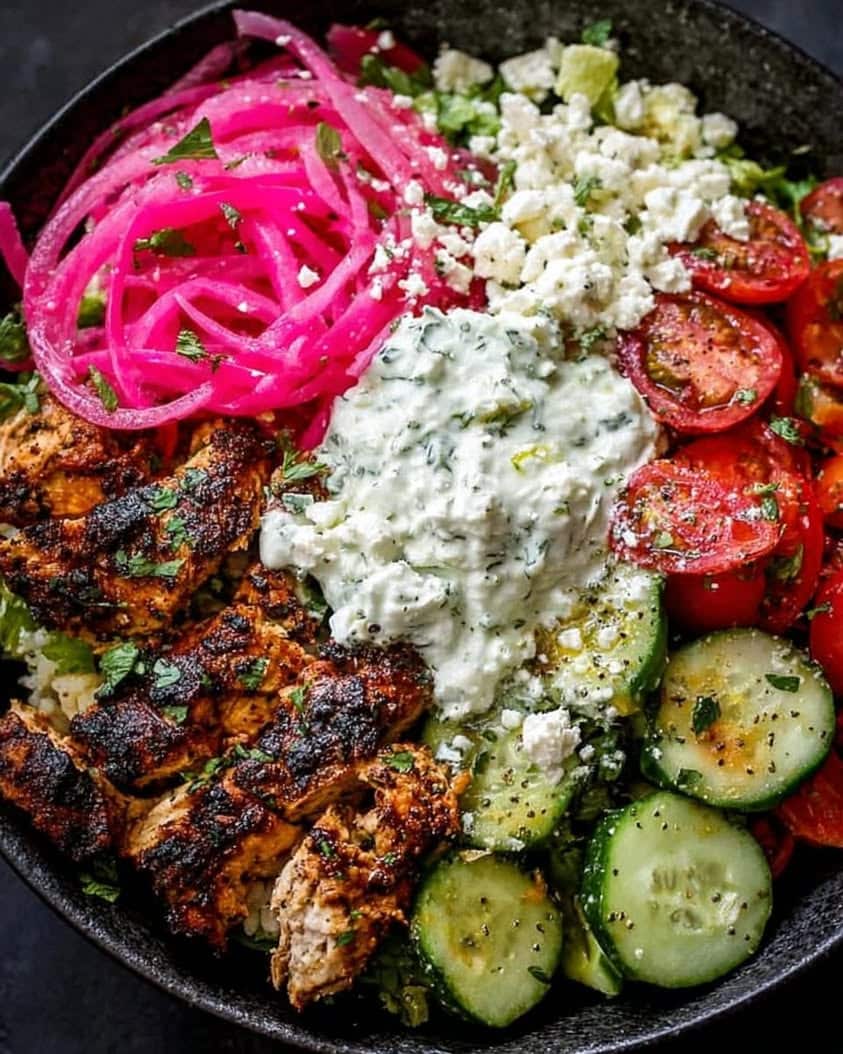
Loaded Mediterranean Chicken Power Bowl with Tzatziki and Feta: A Bright, Bold, and Satisfying Meal
The Loaded Mediterranean Chicken Power Bowl with Tzatziki and Feta brings the sunny flavors of the Mediterranean straight to your dinner table. Juicy, herb-marinated chicken rests on a bed of fluffy quinoa and crisp greens, then gets piled high with creamy tzatziki, briny feta, and a rainbow of fresh vegetables. Every bite delivers a perfect balance of tangy, salty, and savory notes that make this bowl truly unforgettable.
If you have been searching for a healthy dinner idea that does not sacrifice flavor, this Mediterranean chicken power bowl answers the call. The recipe comes together in just 35 minutes, which makes it ideal for busy weeknights when you still want something nourishing and beautiful on the plate. Additionally, the combination of lean protein, whole grains, and fresh produce keeps you full and energized for hours.
Perhaps the best part is how flexible this bowl becomes once you master the basics. You can swap the grains, change up the vegetables, or adjust the spice level to match your mood. Furthermore, the homemade tzatziki sauce takes only minutes to stir together and tastes far better than anything from a store shelf. Whether you serve it for a casual family dinner or a weekend gathering with friends, this loaded Mediterranean chicken power bowl with tzatziki and feta always earns rave reviews.
Quick Recipe Highlights
- Flavor Profile: This bowl balances tangy lemon, garlicky tzatziki, and salty feta against the natural sweetness of roasted vegetables. Smoky paprika and oregano add warmth to the chicken. Consequently, every forkful tastes bright, savory, and deeply satisfying.
- Texture: Tender chicken slices contrast beautifully with creamy tzatziki and crumbly feta. Crisp cucumber and chewy quinoa round out the experience. As a result, the bowl never feels monotonous or heavy.
- Aroma: Fresh dill, minced garlic, and lemon zest fill the kitchen as you assemble the bowls. Grilled chicken adds a subtle charred note that builds anticipation. Meanwhile, the cucumber and tomato bring a clean, garden-fresh scent.
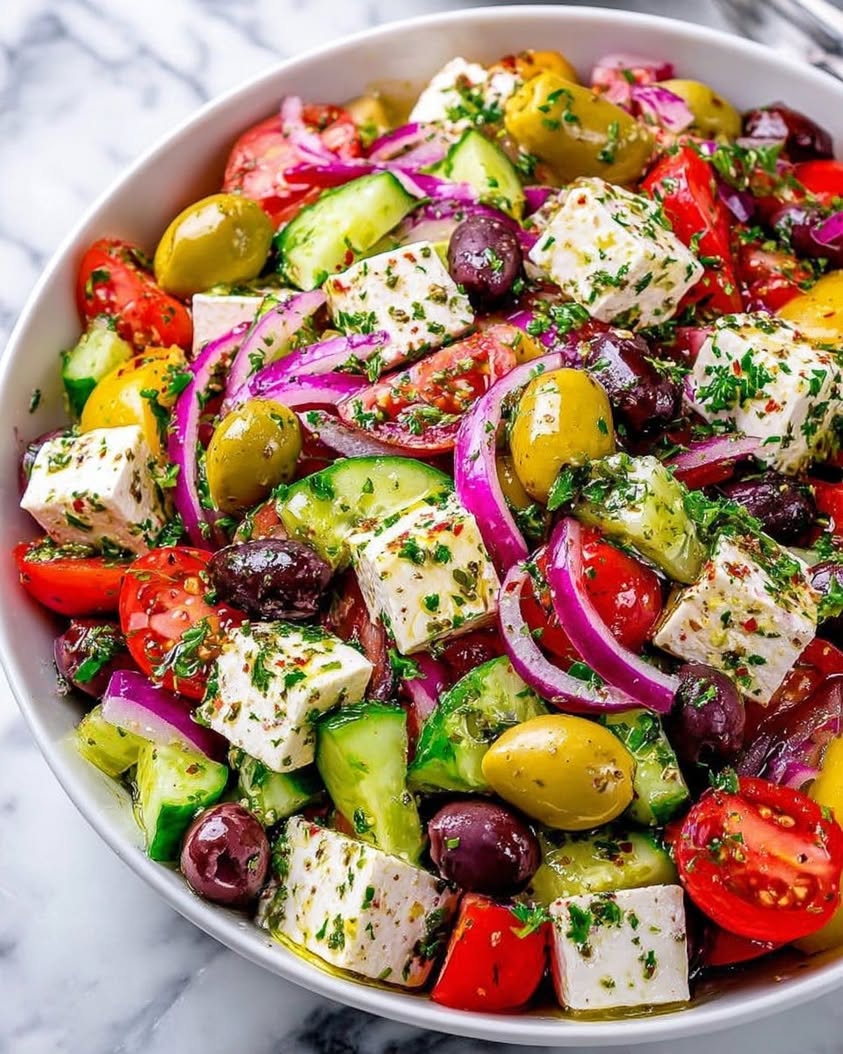
- Visual Appeal: Deep green spinach, ruby-red tomatoes, and snowy feta create a stunning color contrast. The golden chicken and white tzatziki drizzle add polish. Therefore, this dish looks impressive enough for guests yet simple enough for a weeknight.
- Skill Level Needed: Beginners can handle this recipe with ease because it relies on basic cooking techniques. You simply marinate, sear, and assemble. Even so, experienced cooks will appreciate the layered flavors and presentation potential.
- Special Equipment: A large skillet or grill pan handles the chicken, while a sharp knife makes quick work of the vegetables. You also need a mixing bowl for the tzatziki and a pot for the quinoa. Fortunately, no specialty tools are required.
Recipe Overview
- Difficulty Level: This recipe earns an easy rating because it uses straightforward steps and common ingredients. The chicken cooks in about six minutes per side, and the tzatziki requires only stirring. Therefore, even a novice cook can produce a restaurant-quality bowl on the first attempt.
- Category: This dish works as a main course for lunch or dinner, and it also shines as a meal-prep staple. You can serve it as a light summer supper or a hearty winter bowl. Consequently, it fits nearly any menu slot.
- Cuisine: The recipe draws from Greek, Lebanese, and Turkish culinary traditions that celebrate olive oil, lemon, yogurt, and fresh herbs. These Mediterranean influences create a fresh and healthful flavor profile. Additionally, the bowl format reflects modern American fusion cooking.
- Cost: Four servings cost roughly 18 to 24 dollars depending on protein prices and produce seasonality. Chicken thighs or breasts remain affordable, and pantry spices last for many batches. Thus, each serving lands near 5 to 6 dollars.
- Season: Summer offers peak tomatoes, cucumbers, and fresh dill for the brightest results. However, the recipe works year-round because the chicken and quinoa stay available. Spring and early fall also provide excellent produce for this bowl.
- Occasion: This Mediterranean chicken power bowl suits weeknight dinners, meal prep Sundays, and casual entertaining alike. It also works well for potlucks when you set up a build-your-own bowl bar. Furthermore, it makes a lovely lunch for guests who eat light.
Why You’ll Love This Recipe
Taste and texture appeal drive everything about this loaded Mediterranean chicken power bowl with tzatziki and feta. The chicken absorbs lemon, garlic, and oregano during a quick marinade, which infuses each slice with bold flavor. Meanwhile, the tzatziki brings cool creaminess that cuts through the savory chicken. Feta adds salty pops, and the quinoa delivers a gentle nuttiness that ties everything together.
Convenience and preparation benefits make this recipe a weeknight hero. You need only 20 minutes of prep and 15 minutes of cooking, so dinner hits the table in 35 minutes flat. Additionally, most of the work happens in one skillet and one bowl. Therefore, cleanup stays quick and painless even on the busiest evenings.
Nutritional advantages set this bowl apart from heavier comfort food. Lean chicken delivers high-quality protein, while quinoa supplies fiber and complex carbohydrates. Spinach, tomatoes, and cucumbers add vitamins A, C, and K. Furthermore, Greek yogurt contributes probiotics and calcium, so you nourish your body with every bite.
Social and entertaining value makes this dish a crowd favorite. You can arrange the components on a platter and let guests build their own bowls. This interactive style sparks conversation and accommodates picky eaters. Consequently, the Mediterranean chicken power bowl with tzatziki and feta becomes the centerpiece of any gathering.
Cost-effectiveness and accessibility round out the appeal. All ingredients come from standard grocery stores, and none require a specialty market. You can also stretch the recipe by adding extra vegetables or grains. As a result, this bowl delivers restaurant-quality flavor at a fraction of the price.
Historical Background and Cultural Significance
The origin story of this dish reflects centuries of Mediterranean cooking traditions rather than a single moment of invention. Greek cooks have paired grilled meats with yogurt sauces for generations, and tzatziki itself dates back to Ottoman-era kitchens. Similarly, Levantine cooks have long served meat over rice or bulgur with fresh vegetables. Therefore, this bowl represents a modern gathering of ancient ideas.
Cultural importance shines through the ingredients themselves. Olive oil symbolizes prosperity across Greece, Italy, and Spain, while yogurt represents hospitality in Turkish and Greek homes. Feta holds protected designation status in Greece because of its deep regional roots. Consequently, each component carries stories that stretch back thousands of years.
The evolution of the recipe tracks with the rise of the modern power bowl in American dining. Health-focused restaurants began layering grains, proteins, and vegetables in the early 2000s. Home cooks soon adopted the format and adapted it to Mediterranean flavors. Thus, the Mediterranean chicken power bowl with tzatziki and feta emerged as a natural fusion.
Regional variations abound across the Mediterranean. Greek versions lean on oregano and lemon, while Lebanese cooks add sumac and tahini. Turkish kitchens often incorporate bulgur and grilled peppers. Meanwhile, Israeli cooks might add hummus or za’atar. Therefore, you can personalize this bowl to reflect any corner of the region.
Ingredient Deep Dive
Chicken serves as the protein anchor, and its cultural significance spans every Mediterranean country. Greek and Italian cooks have roasted and grilled chicken for centuries, often pairing it with lemon and herbs. Nutritionally, chicken provides roughly 26 grams of protein per 3-ounce serving plus B vitamins and selenium. When selecting chicken, look for firm, pink flesh and avoid any packages with excess liquid. Store raw chicken in the coldest part of the refrigerator and use it within two days. You can substitute turkey cutlets, pork tenderloin, or firm tofu if you prefer.
Quinoa originated in the Andes, yet it has become a staple in Mediterranean-inspired bowls because of its light texture. Ancient Incan cultures considered quinoa sacred, and modern cooks prize it for complete protein and fiber. One cup of cooked quinoa offers about 8 grams of protein and 5 grams of fiber. Choose quinoa with uniform color and no moisture in the package, then store it in an airtight container for up to six months. If you lack quinoa, swap in farro, brown rice, or couscous.
Tzatziki holds deep cultural significance in Greece and Turkey, where families pass recipes down through generations. The sauce combines Greek yogurt, cucumber, garlic, dill, and olive oil into a cooling condiment. Nutritionally, tzatziki delivers probiotics, calcium, and healthy fats with very few calories. When making it, choose whole-milk Greek yogurt for the creamiest result, and grate the cucumber after squeezing out excess water. Store tzatziki in the refrigerator for up to four days. For a dairy-free version, use coconut yogurt or cashew cream.
Feta cheese carries protected status in Greece and appears in everything from salads to pastries. Greek shepherds have made feta from sheep’s milk for thousands of years, and the cheese brings a salty, tangy punch. A single ounce provides about 4 grams of protein and 15 percent of your daily calcium. Look for feta packed in brine rather than pre-crumbled varieties, because brine preserves moisture and flavor. Keep feta submerged in its brine for up to two weeks. If you need a substitute, try ricotta salata or goat cheese.
Olive oil functions as the flavor backbone of Mediterranean cooking and appears in both the marinade and the tzatziki. Greek and Italian cultures treat olive oil as a daily staple tied to longevity and heart health. Extra virgin olive oil contains monounsaturated fats and antioxidants called polyphenols. Choose cold-pressed oil in a dark bottle, and store it away from heat and light. Use the oil within six months of opening for the best taste. Avocado oil works as a neutral substitute when needed.
Cherry tomatoes and cucumbers bring freshness and color, and both have long histories in Mediterranean agriculture. Tomatoes arrived in Europe from the Americas, yet they quickly became essential to Greek and Italian cooking. These vegetables supply vitamin C, potassium, and lycopene. Select tomatoes that feel heavy for their size, and pick cucumbers that are firm and free of soft spots. Refrigerate cucumbers but keep tomatoes at room temperature for the best flavor. Bell peppers or radishes make fine substitutes.
Common Mistakes to Avoid
- Overcooking the chicken ranks as the most frequent error, because dry meat ruins the bowl. Use a meat thermometer and pull the chicken at 165 degrees Fahrenheit. Then let it rest before slicing.
- Skipping the cucumber draining step makes tzatziki watery and thin. Grate the cucumber, then squeeze it in a clean towel. This step keeps the sauce thick and creamy.
- Underseasoning the quinoa leaves the base bland, so always cook it in salted water or broth. A squeeze of lemon after cooking also brightens the grain. Consequently, every layer carries flavor.
- Using cold chicken straight from the fridge mutes the aroma and texture. Let the cooked chicken rest for five minutes before slicing. Warm chicken absorbs the tzatziki better.
- Piling on too much feta overwhelms the other ingredients with salt. Use about one ounce per bowl. Balance matters more than abundance here.
- Neglecting to marinate the chicken costs you depth of flavor. Even 15 minutes in lemon, garlic, and oregano makes a difference. Longer marinating yields even better results.
- Choosing low-fat yogurt for tzatziki produces a thin, tart sauce. Whole-milk Greek yogurt delivers the richness this bowl deserves. The extra fat also carries the dill and garlic flavors.
- Assembling the bowls too far in advance causes greens to wilt and tomatoes to release water. Build the bowls right before serving. Alternatively, keep components separate until mealtime.
- Ignoring the resting time for quinoa leads to gummy texture. Let the cooked quinoa steam covered for five minutes. Then fluff it with a fork.
- Forgetting to taste and adjust the final bowl leaves flavors flat. Sample a bite with chicken, sauce, and vegetables together. Add lemon, salt, or pepper as needed.
Essential Techniques
Marinating the chicken infuses flavor deep into the meat, and this step matters more than most cooks realize. Combine olive oil, lemon juice, garlic, oregano, and paprika in a bowl, then toss the chicken until coated. Let it sit for at least 15 minutes at room temperature or up to 8 hours in the refrigerator. The acid tenderizes the surface while the oil carries fat-soluble flavors. Watch for a glossy, evenly coated surface as your cue that the marinade is working.
Searing the chicken over medium-high heat creates a golden crust that adds both flavor and visual appeal. Pat the chicken dry before it hits the pan, because moisture steams rather than sears. Cook for about six minutes per side without moving the meat, then check for an internal temperature of 165 degrees Fahrenheit. You will know the chicken is ready when the juices run clear and the surface shows deep brown marks. Avoid crowding the pan, since overcrowding drops the temperature and prevents browning.
Making tzatziki requires attention to texture, and the order of operations matters. Start by grating the cucumber on the large holes of a box grater, then squeeze it dry in a clean kitchen towel. Combine Greek yogurt, grated cucumber, minced garlic, chopped dill, lemon juice, and olive oil. Stir gently until the sauce looks smooth and creamy. Taste and adjust salt, then chill for at least 10 minutes so the flavors meld. The finished sauce should coat a spoon without dripping.
Fluffing quinoa properly prevents clumping and keeps the grain light. After cooking, remove the pot from the heat and let it sit covered for five minutes. Then rake a fork through the quinoa rather than stirring with a spoon. This motion separates the grains and releases steam. You will see a fluffy, dry texture instead of a sticky mass. Fluffing also helps the quinoa absorb dressings and sauces more evenly.
Pro Tips for Perfect Loaded Mediterranean Chicken Power Bowl with Tzatziki and Feta
Warm your bowls before assembling, because the gentle heat keeps the chicken and quinoa at the right temperature. A quick 30-second spin in the microwave or a rinse under hot water does the trick. Consequently, the tzatziki stays cool against warm grains for a lovely contrast.
Slice the chicken against the grain to keep each piece tender. Look for the natural lines in the meat and cut perpendicular to them. This technique shortens the muscle fibers and makes chewing easier. As a result, every bite feels soft rather than stringy.
Make the tzatziki a day ahead so the garlic and dill have time to bloom. The sauce deepens in flavor overnight and saves you time on serving day. Just stir before using and add a splash of lemon if needed.
Toast the quinoa in a dry pan for two minutes before adding liquid. This step adds a nutty aroma and improves the final texture. Stir constantly to prevent burning, then proceed with your normal cooking method.
Use a microplane to grate the garlic for the tzatziki, because it breaks the cloves into a fine paste. Large chunks of raw garlic taste harsh and overpower the yogurt. The microplane also releases more allicin, which boosts flavor.
Dress the greens lightly with olive oil and lemon before adding them to the bowl. This small step seasons every leaf and prevents a bland base. Keep the dressing light so the tzatziki remains the star.
Reserve a few tablespoons of the chicken marinade before it touches raw meat, and whisk it into the quinoa for extra flavor. This trick adds brightness without any food safety risk. Discard any marinade that contacted raw chicken.
Finish each bowl with a sprinkle of flaky sea salt and a crack of black pepper right before serving. These final touches lift the flavors and add a professional feel. Therefore, the Mediterranean chicken power bowl with tzatziki and feta tastes restaurant quality at home.
Variations and Adaptations
Regional variations let you travel the Mediterranean without leaving your kitchen. A Greek version leans on oregano, lemon, and kalamata olives for a classic profile. Lebanese cooks might add sumac, tahini, and pickled turnips. Turkish kitchens often swap quinoa for bulgur and add grilled peppers. Each region brings its own signature, so you can rotate versions to keep dinners exciting.
Seasonal adaptations keep the bowl fresh all year long. In summer, use peak tomatoes, cucumbers, and fresh dill straight from the garden. Fall invites roasted sweet potatoes, apples, and toasted walnuts. Winter calls for kale, roasted cauliflower, and pomegranate seeds. Spring highlights asparagus, radishes, and mint. Consequently, the bowl never feels repetitive.
Dietary modifications make this recipe accessible to nearly everyone. Gluten-free eaters already enjoy this bowl because quinoa contains no gluten. Dairy-free cooks can swap feta for a almond-based cheese and use coconut yogurt for tzatziki. Vegan diners replace chicken with chickpeas or grilled tofu and add extra tahini for richness.
Flavor variations span a wide range, so you can shift the profile with a few tweaks. Add harissa or chili flakes for heat, or drizzle a lemon-tahini dressing for extra tang. Smoked paprika deepens the chicken, while za’atar adds a herbal, sesame note. Even a spoonful of pesto stirred into the quinoa changes everything.
Texture modifications help you customize the mouthfeel. Swap quinoa for crunchy farro or soft brown rice. Add toasted pita chips for crunch, or fold in creamy avocado for richness. Pickled onions bring a sharp bite that cuts through the tzatziki. Therefore, you control every aspect of the eating experience.
Presentation alternatives make this bowl versatile for any table. Serve it in a wide shallow bowl for a restaurant look, or pack it into a mason jar for lunch on the go. You can also arrange the components on a platter for a family-style meal. Lettuce cups turn the filling into handheld wraps.
Serving and Presentation Guide
Plating techniques transform a simple bowl into a showpiece, so take a minute to build it thoughtfully. Start with a bed of greens and quinoa on one side, then fan the sliced chicken across the center. Spoon tzatziki over the chicken in a gentle swoosh. Scatter tomatoes, cucumbers, and feta around the rim for color.
Garnishing ideas add the final flourish that makes the bowl pop. Fresh dill sprigs, lemon wedges, and a drizzle of olive oil all work beautifully. Toasted pine nuts or sesame seeds add crunch and elegance. A sprinkle of sumac or paprika brings a vibrant red hue.
Traditional accompaniments include warm pita bread, hummus, and a simple Greek salad. These sides echo the Mediterranean theme and round out the meal. Olives and pickled peppers also pair nicely. For a lighter meal, serve the bowl on its own.
Modern serving suggestions lean into the bowl trend with creative twists. Try a mezze platter where guests scoop the components onto small plates. You can also serve the chicken and tzatziki over cauliflower rice for a low-carb version. Zucchini noodles offer another fresh alternative.
Temperature considerations matter when you serve this dish. The chicken and quinoa taste best warm, while the tzatziki and vegetables stay cool. This contrast creates a pleasant sensory experience. Avoid overheating the bowl, since hot tzatziki turns thin and watery.
Portion control tips help you serve balanced bowls every time. Aim for four ounces of chicken, one cup of grains, and two cups of vegetables per person. Use a small scoop for the tzatziki and feta. Therefore, each serving stays satisfying without becoming heavy.
Wine and Beverage Pairing
Wine pairings shine with this Mediterranean chicken power bowl with tzatziki and feta because the flavors call for crisp, bright bottles. A dry Greek Assyrtiko brings minerality and citrus that mirror the lemon in the chicken. Sauvignon Blanc offers herbal notes that echo the dill. For red drinkers, a light Pinot Noir or chilled Beaujolais works beautifully. Avoid heavy oaky wines that overwhelm the fresh ingredients.
Non-alcoholic alternatives keep the meal refreshing for every guest. Sparkling water with lemon and mint delivers effervescence and brightness. Iced herbal tea with cucumber and basil offers a cooling counterpoint. A virgin mojito or a simple lemonade also pairs nicely. These options match the bowl’s fresh character without alcohol.
Coffee and tea pairings may sound unusual, yet certain options work well. A light green tea with lemon complements the herbs and citrus. Iced hibiscus tea adds tartness that balances the feta. Avoid dark roasts, which clash with the delicate flavors. Instead, choose bright, acidic brews.
Temperature considerations matter for every beverage. Serve white wines and sparkling options well chilled at around 45 to 50 degrees Fahrenheit. Reds taste best slightly cool at 55 degrees. Iced teas and sparkling waters should pour over plenty of ice. These temperatures keep each sip refreshing.
Serving suggestions include offering two or three beverage choices so guests can pick their favorite. Set out stemless wine glasses and tall water glasses side by side. Add lemon wedges and fresh mint for garnish. Consequently, the drink station looks as inviting as the bowl itself.
Storage and Shelf Life
Storage methods determine how well this bowl holds up after serving day, so plan ahead. Keep the chicken, quinoa, vegetables, and tzatziki in separate airtight containers. This separation prevents sogginess and keeps each component at its best. Store everything in the refrigerator within two hours of cooking.
Temperature requirements stay simple, since the entire dish lives in the refrigerator at 40 degrees Fahrenheit or below. The chicken and quinoa keep for up to four days. Tzatziki stays fresh for four days as well. Cut vegetables last three to four days in sealed containers.
Container recommendations favor glass with tight-fitting lids because glass resists stains and odors. BPA-free plastic works too, especially for lunch boxes. Use small jars for tzatziki and squeeze bottles for dressings. Label each container with the date so you track freshness.
Signs of spoilage include sour smells, slimy textures, and visible mold. Chicken that looks gray or feels tacky should go straight into the trash. Tzatziki that separates and smells sharp has turned. When in doubt, throw it out.
Reheating instructions focus on gentle heat to protect the chicken’s moisture. Warm the chicken and quinoa in a skillet over medium-low heat or in the microwave at 50 percent power. Add a splash of water or broth to prevent drying. Keep the tzatziki and fresh vegetables cold.
Freezing guidelines allow you to save portions for later, though some components freeze better than others. Chicken and quinoa freeze well for up to three months. Tzatziki does not freeze well because the yogurt separates. Fresh vegetables lose crunch after freezing, so add them fresh when you serve.
Make Ahead Strategies
A prep timeline keeps make-ahead cooking organized and stress-free. Two days before serving, marinate the chicken and make the tzatziki. One day ahead, cook the quinoa and chop the vegetables. On serving day, simply sear the chicken and assemble the bowls. This staggered approach spreads the work across several days.
Storage between steps matters for food safety and quality. Keep raw marinated chicken in the coldest part of the refrigerator. Store cooked quinoa in a sealed container, and keep chopped vegetables in separate bags. Tzatziki belongs in a glass jar with a lid.
Quality impact assessment helps you decide which steps to prep ahead. Marinating improves flavor over time, so this step benefits from advance work. Quinoa holds well for several days. Cut cucumbers and tomatoes lose some crispness, yet they still taste good. Therefore, prioritize the chicken and sauce for make-ahead prep.
Assembly tips ensure the bowl looks and tastes fresh even when prepped ahead. Warm the chicken and quinoa, then add the cold components right before serving. Drizzle tzatziki last so it stays thick. This order preserves texture and temperature.
Reheating guidelines for prepped components stay gentle and quick. Warm only the chicken and grains, and leave everything else chilled. A skillet over medium-low heat works best for the chicken. Add a splash of olive oil or broth to keep the meat moist.
Fresh element additions bring back the just-made feel. Add a squeeze of lemon, a handful of fresh herbs, or a sprinkle of flaky salt right before serving. These small touches revive the flavors. Consequently, make-ahead bowls taste nearly as good as fresh ones.
Scaling Instructions
Halving the recipe works easily because most ingredients divide cleanly. Use two chicken breasts, half a cup of dry quinoa, and half the tzatziki ingredients. Cook times stay the same, though the chicken may sear faster in a smaller pan. Watch for doneness rather than relying on the clock.
Doubling or tripling the recipe suits meal prep and parties, and the math stays simple. Cook the chicken in batches to avoid crowding the pan. Make tzatziki in a large bowl and double the lemon and garlic. Quinoa cooks in the same ratio regardless of quantity.
Equipment adjustments become necessary as you scale up. Use two skillets or a large sheet pan for bigger batches of chicken. A stockpot handles larger amounts of quinoa. For tzatziki, a wide mixing bowl makes stirring easier. Plan your oven and stovetop space accordingly.
Timing modifications keep larger batches on track. Chicken cooked in batches may take 20 minutes total instead of 12. Quinoa for eight servings needs about 20 minutes of simmering. Allow extra time for chopping vegetables, especially cucumbers and tomatoes.
Storage considerations matter more when you scale up because you need more containers. Stock up on glass containers in various sizes before cooking day. Label everything clearly with dates and contents. If you plan to freeze portions, use freezer-safe bags and squeeze out excess air.
Nutritional Deep Dive
Macro breakdown for one serving of this loaded Mediterranean chicken power bowl with tzatziki and feta lands around 520 calories. Each bowl delivers roughly 42 grams of protein, 44 grams of carbohydrates, and 18 grams of fat. These macros support muscle repair, steady energy, and satiety. The balance also suits active lifestyles and general wellness goals.
Micronutrient analysis reveals impressive numbers across the board. Chicken supplies B6, B12, niacin, and selenium. Quinoa adds magnesium, iron, and manganese. Spinach and tomatoes contribute vitamins A, C, and K plus folate. Feta and yogurt deliver calcium and phosphorus.
Health benefits extend beyond basic nutrition. The fiber in quinoa and vegetables supports digestion and heart health. Olive oil provides monounsaturated fats that reduce inflammation. Greek yogurt adds probiotics for gut health. Therefore, this bowl supports overall wellness.
Dietary considerations vary by individual needs, so adjust as necessary. The recipe fits naturally into gluten-free eating because quinoa contains no gluten. Those watching sodium should use less feta and skip added salt. People with lactose intolerance can use lactose-free yogurt and skip the feta.
Portion analysis helps you match the bowl to your goals. One serving suits most adults for lunch or dinner. Athletes may want a larger portion of chicken and quinoa. Those watching calories can reduce the quinoa slightly and add more greens.
Weight management tips center on balance and satisfaction. Protein and fiber keep hunger at bay, which reduces snacking later. The healthy fats in olive oil and feta promote fullness. Consequently, this bowl supports weight goals without feeling restrictive.
Dietary Adaptations
Gluten-free eaters can enjoy this bowl without changes, since quinoa, chicken, yogurt, and vegetables contain no gluten. Always check labels on feta and yogurt for additives. Skip pita bread on the side or choose a gluten-free version. The tzatziki stays naturally gluten-free.
Dairy-free modifications require two swaps. Replace Greek yogurt with coconut yogurt or a cashew-based alternative. Swap feta for a dairy-free cheese or omit it and add extra olives for saltiness. These changes keep the bowl creamy and briny without dairy.
Vegan adaptations replace chicken with chickpeas, lentils, or grilled tofu. Marinate the plant protein in the same lemon-garlic mixture. Use coconut yogurt for tzatziki and skip feta entirely. Add extra tahini or nutritional yeast for richness.
Low-carb versions swap quinoa for cauliflower rice or a bed of greens. Keep the chicken, tzatziki, and vegetables the same. This change drops carbs significantly while keeping protein high. The bowl still tastes satisfying and fresh.
Keto adaptations go further by increasing healthy fats. Use cauliflower rice, add avocado, and drizzle extra olive oil. Choose full-fat yogurt and feta. These tweaks keep net carbs low while maintaining flavor.
Paleo versions skip quinoa and dairy altogether. Serve the chicken and vegetables over leafy greens with a dairy-free tzatziki made from coconut yogurt. Add extra olive oil and nuts for healthy fats. This approach keeps the meal clean and satisfying.
Low-FODMAP adaptations require care with garlic and yogurt. Use garlic-infused olive oil instead of fresh garlic. Choose lactose-free yogurt for the tzatziki. Skip onions and limit avocado if they trigger symptoms.
Other specific diets also fit this bowl. The Mediterranean diet naturally includes this recipe because of its olive oil, fish-friendly, and produce-heavy profile. Whole30 eaters can skip quinoa and dairy. Anti-inflammatory diets welcome the turmeric, garlic, and olive oil already present.
Troubleshooting Guide
Texture issues often stem from overcooked chicken or watery tzatziki. If your chicken turns dry, slice it thinly and drizzle extra tzatziki over the top. For thin tzatziki, strain the yogurt for 30 minutes before mixing. These fixes restore the proper mouthfeel quickly.
Flavor balance problems usually trace back to insufficient seasoning. If the bowl tastes flat, add lemon juice, salt, and a pinch of sumac. If it tastes too salty, add a squeeze of lemon and a spoonful of yogurt. Taste as you build each layer to stay in control.
Temperature problems arise when components sit out too long or heat incorrectly. If the bowl feels lukewarm, warm the chicken and quinoa separately. Keep tzatziki and vegetables cold until serving. This contrast keeps the dish lively.
Equipment challenges often involve overcrowded pans or dull knives. Cook chicken in batches to maintain a hot pan. Sharpen your knife before slicing the meat. A sharp knife makes cleaner cuts and safer work.
Ingredient substitutions can shift the flavor, so adjust accordingly. If you swap feta for goat cheese, reduce added salt. Coconut yogurt tastes tangier than Greek yogurt, so add a little honey or extra olive oil. Taste and adjust before serving.
Timing concerns usually come from underestimating prep work. Chop vegetables while the quinoa cooks, and marinate chicken the night before. Use a timer for the chicken so it never overcooks. These habits keep the recipe on schedule.
Recipe Success Stories
Community feedback has been overwhelmingly positive since this recipe first appeared. Readers love how quickly the bowl comes together on busy weeknights. Many report making it weekly and swapping proteins based on what they have on hand. This flexibility keeps the recipe in heavy rotation.
Variation successes include using shrimp, salmon, and even grilled halloumi in place of chicken. One reader added roasted red peppers and kalamata olives for a Greek twist. Another used farro instead of quinoa and loved the chewy texture. These adaptations show how forgiving the recipe truly is.
Adaptation stories highlight how the bowl fits different lifestyles. A busy nurse preps four bowls on Sunday and eats them for lunch all week. A college student makes a budget version with canned chickpeas and rice. A grandmother serves it at family gatherings with rave reviews.
Reader suggestions have improved the recipe over time. One reader recommends toasting the quinoa for extra nuttiness. Another suggests adding a squeeze of lemon to the finished bowl. These small ideas make a big difference.
Photography tips help readers capture the bowl at its best. Shoot in natural light near a window, and use a white or light wood surface. Arrange the components in sections for a colorful look. A slight overhead angle shows off the layers.
Frequently Asked Questions
Can I use chicken breasts instead of thighs? Yes, chicken breasts work perfectly in this recipe. They cook slightly faster than thighs, so start checking for doneness around five minutes per side. Because breasts contain less fat, be careful not to overcook them. A quick marinade helps keep them juicy and flavorful.
How long can I store leftovers? Leftovers keep for up to four days in the refrigerator when stored in airtight containers. Keep the tzatziki separate from the warm components to prevent sogginess. Reheat only the chicken and quinoa, and add fresh vegetables and sauce when serving. This method preserves the best texture.
Is this recipe gluten-free? Yes, the recipe is naturally gluten-free as written. Quinoa contains no gluten, and the chicken, yogurt, vegetables, and feta are all gluten-free. Print
Loaded Mediterranean Chicken Power Bowl with Tzatziki & Feta
- Total Time: 45 minutes
- Yield: 4
Description
A vibrant and satisfying bowl packed with Mediterranean flavors. Grilled lemon-herb chicken, fluffy quinoa, crisp vegetables, creamy tzatziki, and tangy feta come together for a nutritious and delicious meal.
Ingredients
- 2 boneless, skinless chicken breasts
- 1/4 cup olive oil
- 2 lemons, juiced and zested
- 3 cloves garlic, minced
- 1 teaspoon dried oregano
- 1 teaspoon dried thyme
- 1/2 teaspoon smoked paprika
- Salt and pepper to taste
- 1 cup quinoa, rinsed
- 2 cups chicken broth or water
- 1 cucumber, diced (for tzatziki)
- 1 cup Greek yogurt
- 1 tablespoon fresh dill, chopped
- 1 tablespoon fresh mint, chopped
- 1 clove garlic, grated (for tzatziki)
- 1 tablespoon lemon juice (for tzatziki)
- 1 pint cherry tomatoes, halved
- 1 red bell pepper, sliced
- 1/2 red onion, thinly sliced
- 1/2 cup Kalamata olives, pitted
- 1/2 cup crumbled feta cheese
- Fresh parsley for garnish
Instructions
- In a bowl, whisk together olive oil, lemon juice, lemon zest, minced garlic, oregano, thyme, smoked paprika, salt, and pepper. Add chicken breasts and marinate for at least 15 minutes.
- While chicken marinates, cook quinoa: In a medium saucepan, bring quinoa and chicken broth to a boil. Reduce heat, cover, and simmer for 15 minutes or until liquid is absorbed. Fluff with a fork and set aside.
- Make tzatziki: In a small bowl, combine Greek yogurt, diced cucumber, dill, mint, grated garlic, lemon juice, and a pinch of salt. Mix well and refrigerate until ready to serve.
- Preheat grill or grill pan over medium-high heat. Grill chicken for 6-7 minutes per side or until cooked through. Let rest for 5 minutes, then slice into strips.
- Assemble bowls: Divide quinoa among four bowls. Top with sliced chicken, cherry tomatoes, bell pepper, red onion, and Kalamata olives. Add a dollop of tzatziki and sprinkle with feta cheese and fresh parsley. Serve immediately.
Notes
You can customize the seasonings to taste. For a spicier kick, add a pinch of red pepper flakes to the chicken marinade. Feel free to swap quinoa with brown rice or farro.
- Prep Time: 15 minutes
- Cook Time: 30 minutes
- Method: Main
- Cuisine: Mediterranean