Mediterranean Lemon Chicken with Artichokes and Olives: A Bright and Briny One-Pan Dinner
This Mediterranean Lemon Chicken with Artichokes and Olives brings the sunny flavors of the Greek islands straight to your kitchen table. Imagine tender chicken thighs seared until golden, then simmered in a tangy lemon sauce with briny artichoke hearts, salty Kalamata olives, and fragrant oregano. Because the whole dish comes together in one skillet, you get deep flavor without a pile of dishes. Moreover, the Mediterranean Lemon Chicken with Artichokes and Olives recipe takes just 45 minutes from start to finish, which makes it perfect for busy weeknights. Whether you serve it over rice, orzo, or crusty bread, this Mediterranean Lemon Chicken with Artichokes and Olives delivers restaurant-quality results at home.
The first time you make this Mediterranean Lemon Chicken with Artichokes and Olives, the aroma alone will win you over. Lemon zest, garlic, and oregano fill the air as the chicken browns, and then the artichokes and olives add a savory depth that feels both rustic and elegant. As a result, this Mediterranean Lemon Chicken with Artichokes and Olives works just as well for a casual family dinner as it does for a dinner party. Additionally, the ingredients are easy to find at any grocery store, and most of them likely sit in your pantry right now. Consequently, you can enjoy a healthy, flavor-packed meal without a special trip to the market.
Furthermore, this Mediterranean Lemon Chicken with Artichokes and Olives recipe fits a wide range of eating styles. The dish is naturally gluten-free, dairy-free, and low in carbs, so it pleases almost everyone at the table. Meanwhile, the combination of lean protein, healthy fats, and fiber-rich vegetables keeps you full and satisfied. Above all, the Mediterranean Lemon Chicken with Artichokes and Olives proves that simple cooking with fresh ingredients beats complicated techniques every single time. Therefore, bookmark this recipe and keep the ingredients on hand, because you will want to make it again and again.
Quick Recipe Highlights
- Flavor Profile: This dish balances bright lemon, savory garlic, and salty olives with the mild sweetness of artichoke hearts. The oregano and red pepper flakes add a warm, earthy kick that lingers pleasantly. Meanwhile, the pan sauce ties every element together with a rich, tangy finish.
- Texture: The chicken stays juicy and tender inside while the skin or surface turns beautifully golden. Artichoke hearts bring a soft, meaty bite, and the olives add a firm, snappy contrast. Additionally, the silky sauce clings to every piece and coats your fork perfectly.
- Aroma: Lemon zest and fresh garlic dominate the first wave of scent as the chicken sears. Then oregano and white wine deepen the aroma into something warm and inviting. By the end, the briny olive and artichoke notes make the whole kitchen smell like a seaside taverna.
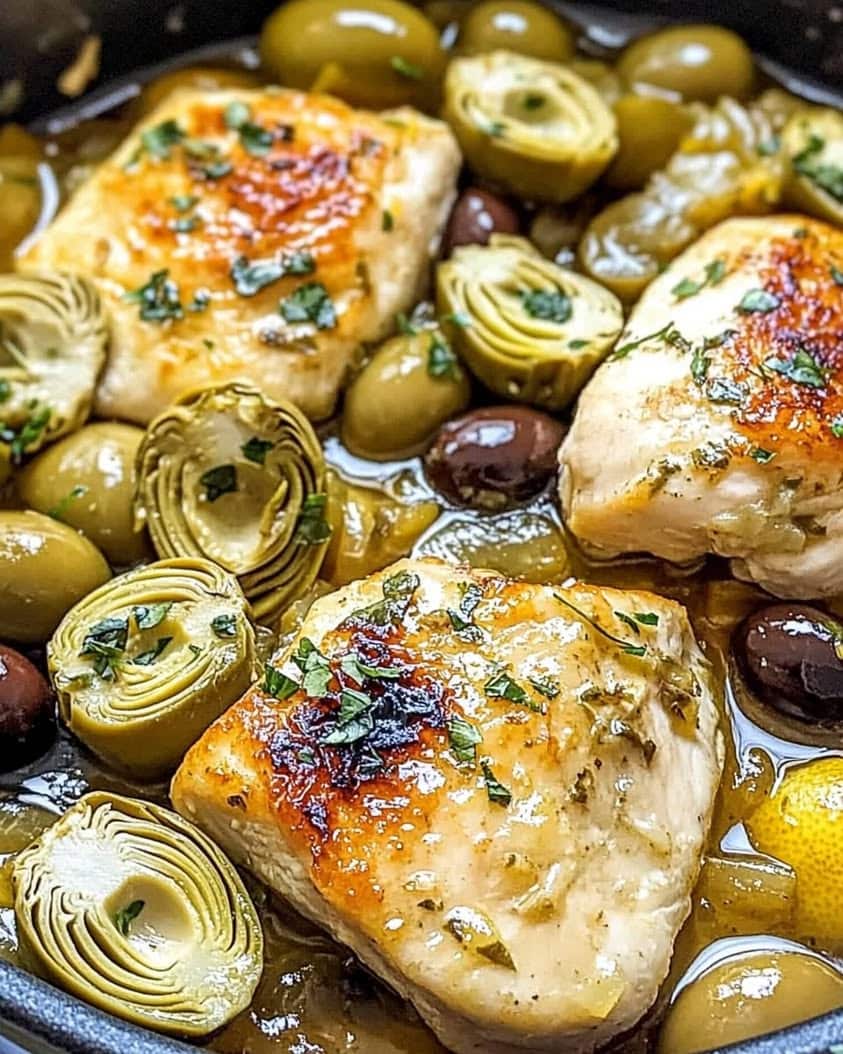
- Visual Appeal: Golden-brown chicken rests on a bed of green artichokes and dark purple olives. The lemon slices and fresh parsley add pops of bright yellow and green. Because the colors contrast so well, the dish looks stunning straight from the skillet.
- Skill Level Needed: This recipe suits beginners and experienced cooks alike, since it relies on basic searing and simmering. If you can brown chicken and stir a sauce, you can nail this dish. However, paying attention to pan temperature will push your results from good to great.
- Special Equipment: A large, heavy skillet or braiser with a lid does most of the work here. You also need tongs, a sharp knife, and a cutting board for prepping the lemon and garlic. Therefore, no fancy gadgets or specialty tools are required.
Recipe Overview
- Difficulty Level: This Mediterranean Lemon Chicken with Artichokes and Olives recipe lands squarely in the easy category. The steps are straightforward, and the technique focuses on browning and simmering rather than advanced knife work. Because the sauce builds itself in the pan, you do not need to whisk constantly or monitor temperatures closely. As a result, even a first-time cook can serve this dish with confidence.
- Category: This dish works as a main course for lunch or dinner, and it also shines as a meal-prep protein for the week. You can plate it as a centerpiece entree or fold the meat into bowls, wraps, and salads. Furthermore, leftovers taste even better the next day, which makes it a smart choice for batch cooking.
- Cuisine: The recipe draws from Greek and broader Mediterranean cooking traditions, where lemon, olive oil, oregano, and olives form a flavor backbone. Coastal regions of Greece, Italy, and southern France all claim versions of chicken braised with citrus and briny vegetables. Consequently, this dish carries centuries of culinary history in every bite. However, the method stays simple and accessible for modern home kitchens.
- Cost: The main expense comes from the chicken, which ranges from about 6 to 10 dollars depending on cut and quality. Artichoke hearts, olives, lemons, and pantry spices add roughly 5 to 8 dollars more. Therefore, a full meal for four people costs around 15 dollars, or under 4 dollars per serving.
- Season: This dish works year-round, yet it tastes best in spring and summer when lemons peak in juiciness. During colder months, the briny, warming flavors bring a welcome taste of sunshine. Additionally, artichoke hearts remain available canned or frozen all year, so nothing holds you back.
- Occasion: Serve this Mediterranean Lemon Chicken with Artichokes and Olives for weeknight dinners, Sunday suppers, or holiday gatherings. The presentation looks impressive enough for guests, yet the effort stays low. Moreover, it pairs beautifully with wine, which makes it a natural pick for date night at home.
Why You’ll Love This Recipe
The taste and texture of this Mediterranean Lemon Chicken with Artichokes and Olives hit every note you want in a savory dish. Juicy chicken meets tangy lemon, salty olives, and tender artichokes in a sauce that begs for bread. Because the flavors layer from searing, deglazing, and simmering, the final result tastes far more complex than the effort suggests. Meanwhile, the textural contrast between the soft artichokes and firm olives keeps every bite interesting. Therefore, picky eaters and adventurous palates alike find something to love here.
Convenience sets this Mediterranean Lemon Chicken with Artichokes and Olives apart from most braised chicken recipes. You need one pan, about 45 minutes, and a handful of basic ingredients. Furthermore, the cleanup takes five minutes because everything cooks in the same skillet. Because there is no marinating step, you can decide to make this dish an hour before dinner and still pull it off. As a result, it fits perfectly into hectic schedules without sacrificing quality.
Nutritionally, this Mediterranean Lemon Chicken with Artichokes and Olives delivers impressive benefits without feeling like diet food. Chicken provides lean protein that supports muscle repair and keeps hunger away. Additionally, artichokes supply fiber, antioxidants, and folate, while olives contribute healthy monounsaturated fats. Because the recipe uses olive oil instead of butter, the fat profile leans heart-healthy. Consequently, you can feel great about serving this dish to your family several times a month.
Socially, this Mediterranean Lemon Chicken with Artichokes and Olives makes entertaining easy and stress-free. You can prep the ingredients ahead and cook everything while guests sip wine in the kitchen. Moreover, the one-pan presentation looks rustic and generous, so you can bring the skillet straight to the table. Because the recipe doubles without trouble, it works for dinner parties of six or eight. Therefore, this dish earns a permanent spot in your hosting rotation.
Finally, the cost-effectiveness of this Mediterranean Lemon Chicken with Artichokes and Olives makes it a smart everyday choice. Chicken thighs rank among the cheapest proteins at the butcher counter, yet they deliver the most flavor. Meanwhile, canned artichokes and jarred olives cost little and last for months in the pantry. Because the recipe stretches four servings from humble ingredients, your grocery budget stays intact. In short, this Mediterranean Lemon Chicken with Artichokes and Olives gives you maximum flavor for minimum money.
Historical Background and Cultural Significance
The origins of Mediterranean Lemon Chicken with Artichokes and Olives trace back to the coastal cooking of Greece and southern Italy. Fishing villages and farming communities relied on lemons, olives, and wild greens for bright, preserved flavor. Because refrigeration was scarce, cooks used salt, citrus, and oil to season and extend their food. As a result, dishes like this one developed as practical, everyday meals rather than fancy restaurant fare. Over time, the combination became a signature of Mediterranean home cooking.
Culturally, this Mediterranean Lemon Chicken with Artichokes and Olives reflects the Mediterranean diet, which UNESCO recognizes as an intangible cultural heritage. Families across Greece, Italy, Spain, and Morocco gather around tables filled with olive oil, vegetables, and slow-cooked proteins. Furthermore, the dish embodies the principle of simple food shared among loved ones. Because the ingredients grow abundantly in the region, the recipe carries a strong sense of place. Therefore, cooking it at home connects you to a long culinary tradition.
The recipe evolved as cooks moved between regions and adapted techniques. Greek cooks favor oregano and lemon, while Italian versions often include white wine and rosemary. Meanwhile, North African cooks might add preserved lemons, cumin, or a pinch of harissa for heat. Because each culture left its mark, the modern Mediterranean Lemon Chicken with Artichokes and Olives reflects a blend of influences. Consequently, the dish feels both traditional and endlessly adaptable.
Regional variations continue to shape how people prepare this Mediterranean Lemon Chicken with Artichokes and Olives today. In Greece, you might see it baked with potatoes and feta. In southern France, cooks might finish the sauce with butter and fresh tarragon. Elsewhere, home cooks grill the chicken first for a smoky char before simmering. However, the core ingredients stay the same, which keeps the dish recognizable across borders. As a result, every version tells the story of its kitchen and its cook.
Ingredient Deep Dive
Chicken thighs anchor this Mediterranean Lemon Chicken with Artichokes and Olives recipe because they stay juicy through braising. People have roasted and stewed chicken in olive oil for thousands of years around the Mediterranean basin. Nutritionally, thighs deliver protein, iron, and zinc, along with more flavor than leaner cuts. When shopping, look for bone-in, skin-on thighs for the richest results, though boneless works fine. Store raw chicken in the coldest part of your fridge and cook it within two days. If you prefer, swap in chicken breasts, but reduce the simmer time to avoid dryness.
Chicken also absorbs the lemon, garlic, and oregano in this Mediterranean Lemon Chicken with Artichokes and Olives, which makes it the perfect flavor sponge. Home cooks across cultures prize poultry for its versatility and mild taste. Additionally, the skin renders fat that helps brown the meat and build the sauce. Choose thighs with firm flesh and a fresh, neutral smell, and avoid any package with excess liquid. Freeze raw chicken for up to three months if you buy in bulk. For a lighter option, use skinless breast meat and add a tablespoon of olive oil to the pan.
Lemons define the personality of this Mediterranean Lemon Chicken with Artichokes and Olives, since their juice and zest cut through the richness. Mediterranean cooks have used citrus for centuries as both medicine and seasoning. Lemons provide vitamin C, flavonoids, and a clean acidity that brightens heavy dishes. Pick lemons that feel heavy for their size and give slightly when squeezed, because those yield the most juice. Store them in the fridge crisper for up to three weeks. If you run out, use bottled lemon juice, though fresh tastes far better.
Furthermore, lemon zest carries aromatic oils that bottled juice cannot match in this Mediterranean Lemon Chicken with Artichokes and Olives. Cooks around the world grate citrus peel into sauces, baked goods, and marinades for concentrated flavor. The zest adds fiber and small amounts of calcium and potassium. Choose organic lemons when you plan to use the peel, since conventional ones may carry wax. Keep zested lemons wrapped in the fridge and use them within a few days. As a substitute, try lime zest or a splash of white wine vinegar.
Artichoke hearts bring a meaty, slightly sweet character to this Mediterranean Lemon Chicken with Artichokes and Olives. Ancient Greeks and Romans prized artichokes as a delicacy, and Mediterranean cooks still treat them with respect. They offer fiber, vitamin K, and antioxidants like cynarin, which supports liver health. When buying canned or jarred artichokes, choose ones packed in water or olive oil rather than heavy brine. Store unopened jars in a cool pantry and use opened ones within a week in the fridge. If artichokes are unavailable, hearts of palm or sliced fennel make decent stand-ins.
Moreover, artichoke hearts soak up the lemon sauce in this Mediterranean Lemon Chicken with Artichokes and Olives, which makes them taste even richer. Their gentle bitterness balances the salty olives and acidic lemon. Additionally, they add bulk and substance, so the dish feels hearty without extra meat. Look for brands with firm, intact pieces rather than mushy fragments. Rinse canned artichokes well to remove excess sodium. For a fresher option in spring, steam and quarter baby artichokes yourself.
Kalamata olives deliver the briny punch that makes this Mediterranean Lemon Chicken with Artichokes and Olives unforgettable. Greek families have cured olives in salt and oil for millennia, and Kalamatas rank among the most beloved varieties. They supply healthy monounsaturated fats, vitamin E, and polyphenols that support heart health. Buy them in jars or from olive bars, and choose firm, glossy specimens with deep purple color. Store them in their brine in the fridge for up to six months. If you dislike Kalamatas, try Castelvetrano or green olives for a milder taste.
Similarly, olives add complexity to this Mediterranean Lemon Chicken with Artichokes and Olives that no other ingredient can replicate. Their saltiness seasons the sauce naturally, so you need less added salt. Because they hold their shape during cooking, they provide a pleasant bite in every forkful. Avoid canned olives packed in water, since they lack the rich, cured flavor you want here. Rinse them if you prefer a milder result. For a twist, add a tablespoon of capers alongside the olives.
Garlic forms the aromatic base of this Mediterranean Lemon Chicken with Artichokes and Olives and appears in nearly every Mediterranean kitchen. Cooks have used garlic for at least 5,000 years as both food and medicine. It contains allicin, a compound linked to immune and cardiovascular benefits. Select firm, tight bulbs with papery skin and no green sprouts. Keep whole bulbs in a cool, dark spot for months, but store peeled cloves in oil in the fridge for a week. In a pinch, garlic paste works, though fresh minced cloves taste best.
Additionally, garlic infuses the olive oil in this Mediterranean Lemon Chicken with Artichokes and Olives, which builds flavor before the chicken even hits the pan. The sharp raw bite mellows into sweetness once it hits the heat. Because garlic burns quickly, add it after searing the chicken to protect its flavor. Choose heads that feel heavy and smell potent. If you love garlic, feel free to add an extra clove or two. Jarred minced garlic offers convenience but lacks the same brightness.
Olive oil ties every element of this Mediterranean Lemon Chicken with Artichokes and Olives together and serves as the cooking medium. Mediterranean cultures have pressed olives for oil for more than 4,000 years. Extra virgin olive oil provides monounsaturated fats and antioxidants like oleocanthal. Look for cold-pressed oil in dark glass bottles, and check the harvest date for freshness. Store it away from light and heat, and use it within a year of opening. If you need a substitute, avocado oil handles high heat well, though the flavor changes.
Common Mistakes to Avoid
- Crowding the pan: When you pile chicken into a small skillet, the pieces steam instead of sear. Consequently, you lose the golden crust that makes this dish special. Work in batches, or use a larger pan, so each piece has room.
- Skipping the dry-off step: Wet chicken will not brown properly, because moisture steams the surface. Pat the thighs completely dry with paper towels before seasoning. This small step makes a huge difference in texture and color.
- Burning the garlic: Garlic turns bitter in seconds over high heat, which can ruin the sauce. Add it after searing the chicken and lower the flame. Stir constantly until it smells sweet and fragrant.
- Under-seasoning the chicken: The sauce cannot fix bland meat, so season the thighs well before cooking. Use salt, pepper, and oregano on both sides. Remember that olives add salt later, so season the chicken, not the sauce, heavily.
- Overcooking the chicken: Thighs stay forgiving, but they still dry out after too long on the heat. Simmer gently and check for an internal temperature of 175 degrees. If you use breasts, pull them at 165 degrees.
- Using the wrong olives: Mild black canned olives lack the punch this recipe needs. Choose Kalamatas or another bold, cured variety. Otherwise, the dish tastes flat and one-dimensional.
- Forgetting to deglaze: The browned bits on the pan bottom hold incredible flavor. Pour in the wine or broth and scrape them up with a wooden spoon. Skip this step, and you leave the best part behind.
- Adding lemon juice too early: Lemon juice turns bitter when it cooks too long, so stir it in near the end. Instead, use zest early for aroma and juice late for brightness. This timing keeps the citrus tasting fresh.
- Thinning the sauce by accident: Wet artichokes and olives release liquid into the pan. Drain and pat them dry before adding. Then simmer uncovered at the end if the sauce looks watery.
- Rushing the rest: Resting the chicken for five minutes lets the juices redistribute. If you cut in immediately, the meat loses moisture onto the plate. Wait, then slice or serve whole.
Essential Techniques
Searing chicken properly forms the foundation of this Mediterranean Lemon Chicken with Artichokes and Olives. High heat creates a Maillard reaction, which browns the surface and builds deep savory flavor. To master it, heat your skillet until a drop of water sizzles, then add oil and chicken skin-side down. Press gently for full contact, and resist moving the pieces for five to six minutes. You will know it worked when the skin releases easily and shows a rich amber color. Common pitfalls include a cold pan and constant flipping, both of which prevent browning.
Deglazing the pan transforms those browned bits into a glossy pan sauce for this Mediterranean Lemon Chicken with Artichokes and Olives. After removing the chicken, pour wine or broth into the hot skillet and scrape the bottom with a wooden spoon. This step dissolves the fond, which packs concentrated flavor. Work quickly, because the liquid evaporates fast. You will see the liquid turn slightly brown as the bits melt in. If you skip this technique, your sauce tastes thin and missing depth.
Simmering gently finishes the chicken and melds the flavors in this Mediterranean Lemon Chicken with Artichokes and Olives. A gentle bubble, not a rolling boil, keeps the meat tender and the sauce smooth. Cover the pan and cook on low for fifteen to twenty minutes. Check occasionally to ensure the liquid does not dry out. The chicken is ready when it reaches 175 degrees and the sauce coats a spoon. High heat at this stage toughens the meat and breaks the sauce.
Balancing the sauce teaches you to taste like a chef when you make this Mediterranean Lemon Chicken with Artichokes and Olives. Acid, salt, fat, and sweetness should all play a role. If the sauce tastes flat, add lemon juice; if too tart, add a pinch of sugar or a knob of butter. If it tastes dull, a splash of wine or broth wakes it up. Taste before serving and adjust in small increments. This habit improves every dish you cook, not just this one.
Pro Tips for Perfect Mediterranean Lemon Chicken with Artichokes and Olives
First, take the chicken out of the fridge twenty minutes before cooking. Room-temperature meat browns more evenly and cooks faster. This small habit also keeps the inside juicy while the outside crisps. Second, zest your lemon directly over the pan to catch every drop of aromatic oil. The fine spray of citrus oil boosts flavor more than juice alone. Then save the naked lemon for squeezing at the end.
Third, use a skillet that fits the chicken in a single layer. If the pieces touch too much, they steam rather than sear. A twelve-inch skillet handles four thighs comfortably. Fourth, do not dump the artichokes and olives in early. Add them during the simmer so they warm through without turning mushy. Fifth, taste the sauce before serving and adjust with a final squeeze of lemon. This last touch makes the flavors pop.
Sixth, thicken the sauce only if needed. A tablespoon of cold butter swirled in at the end adds gloss and body. Alternatively, mash a few artichoke pieces into the sauce for natural thickness. Seventh, rest the chicken before serving so the juices stay in the meat. Finally, garnish right before the table so the parsley stays bright green. These tips turn a good dish into a great one.
Variations and Adaptations
Regional variations of this Mediterranean Lemon Chicken with Artichokes and Olives reflect local pantries and traditions. Greek cooks often add potatoes, feta, and extra oregano, then bake everything in the oven. Italian versions might include capers, cherry tomatoes, and a splash of white wine. Meanwhile, Moroccan cooks could add preserved lemon, cumin, and a touch of harissa. Because the base stays the same, each version still tastes like the original dish.
Seasonal adaptations let you enjoy this Mediterranean Lemon Chicken with Artichokes and Olives all year. In spring, add fresh peas, asparagus, and baby artichokes. During summer, toss in cherry tomatoes and fresh basil at the end. In fall, mushrooms and a pinch of thyme add earthy depth. Winter calls for root vegetables and a longer braise. Therefore, the recipe never feels stale.
Dietary modifications make this Mediterranean Lemon Chicken with Artichokes and Olives fit nearly every eating plan. It is already gluten-free and dairy-free as written, provided your broth and wine are clean. For a low-carb version, serve it over cauliflower rice or greens. Keto diners can add extra olive oil and cheese. Paleo eaters should skip the wine and use extra broth with a squeeze of lemon.
Flavor variations keep this Mediterranean Lemon Chicken with Artichokes and Olives exciting over time. Add smoked paprika for a deeper, warmer profile. A spoonful of Dijon mustard lends tang and helps thicken the sauce. For heat, toss in red pepper flakes or a chopped cherry pepper. If you love herbs, finish with dill, mint, or tarragon. Each tweak creates a new signature dish.
Texture modifications help you customize this Mediterranean Lemon Chicken with Artichokes and Olives to your liking. Shred the chicken after cooking for a saucy, fork-tender result. Leave the pieces whole for a prettier plate. Crisp the skin under the broiler for two minutes if you want extra crunch. You can also puree half the sauce for a smoother finish. Small changes make a big difference.
Presentation alternatives let this Mediterranean Lemon Chicken with Artichokes and Olives shine in any format. Serve it family-style in the skillet for a rustic feel. Plate individual portions over creamy polenta for an elegant touch. Stuff the mixture into pita with tzatziki for a casual handheld meal. Layer it over hummus for a mezze-style spread. Therefore, the dish never feels boring.
Serving and Presentation Guide
Plating this Mediterranean Lemon Chicken with Artichokes and Olives starts with a shallow bowl or rimmed plate. Spoon the sauce first, then set the chicken on top so it stays crisp. Arrange artichokes and olives around the meat for color and balance. Drizzle a little pan juice over everything right before serving. This simple order keeps the presentation clean and appetizing.
Garnishing brings this Mediterranean Lemon Chicken with Artichokes and Olives to life with color and freshness. Scatter chopped flat-leaf parsley or dill over the top. Add thin lemon slices for a bright visual accent. A sprinkle of crumbled feta adds creamy contrast if you eat dairy. Toasted pine nuts or almonds bring crunch. Choose two garnishes at most to keep the plate elegant.
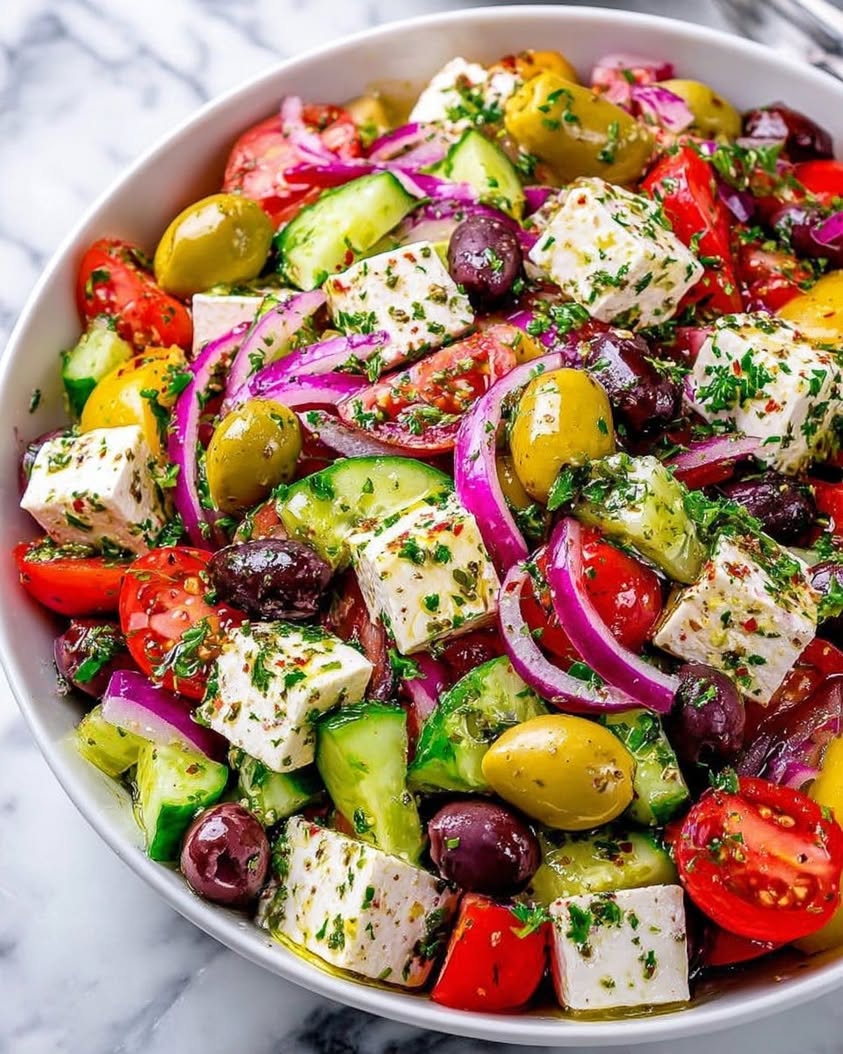
Traditional accompaniments for this Mediterranean Lemon Chicken with Artichokes and Olives include rice pilaf, orzo, and crusty bread. The grains soak up the lemony sauce, and the bread handles the rest. A simple Greek salad with cucumber, tomato, and red onion rounds out the meal. Roasted potatoes also work beautifully. These sides echo the flavors of the Mediterranean and keep the theme consistent.
Modern serving suggestions update this Mediterranean Lemon Chicken with Artichokes and Olives for contemporary tables. Try it over whipped feta or labneh for a trendy twist. Serve it in lettuce cups for a lighter, low-carb option. Grain bowls with quinoa, arugula, and a drizzle of tahini also pair wonderfully. For brunch, top toasted sourdough with shredded chicken and a poached egg. The dish adapts to any modern menu.
Temperature matters when you serve this Mediterranean Lemon Chicken with Artichokes and Olives. Hot from the pan tastes best, since the sauce stays glossy and the chicken juicy. However, room-temperature leftovers make excellent salads and sandwiches. Avoid serving it cold straight from the fridge, because the olive oil firms up. A quick reheat restores the silky texture.
Portion control keeps this Mediterranean Lemon Chicken with Artichokes and Olives balanced for different appetites. One thigh with a generous spoonful of vegetables and sauce suits most adults. Heartier appetites may want two thighs with a starch. For lighter meals, serve one thigh over a large bed of greens. Adjust portions based on the sides you choose, and everyone leaves satisfied.
Wine and Beverage Pairing
Wine pairings for this Mediterranean Lemon Chicken with Artichokes and Olives favor crisp, acidic whites. A Greek Assyrtiko brings minerality and citrus that mirror the lemon sauce. Dry Provencal rose also works beautifully, thanks to its bright red-fruit notes. If you prefer red, choose a light Pinot Noir or a fruity Beaujolais. Avoid heavy oaky wines, because they overpower the delicate sauce.
Non-alcoholic alternatives keep this Mediterranean Lemon Chicken with Artichokes and Olives accessible to everyone. Sparkling water with lemon and fresh mint refreshes the palate between bites. Iced herbal tea with lemon verbena echoes the citrus notes. A homemade lemonade with a sprig of rosemary feels festive yet simple. For something savory, try a chilled cucumber cooler. These drinks pair just as well as wine.
Coffee and tea pairings rarely appear with Mediterranean chicken, yet certain options work surprisingly well. A light green tea with lemon complements the citrus without overwhelming the dish. Iced hibiscus tea adds tartness that mirrors the lemon. If you drink coffee, choose a mild roast rather than a dark, smoky blend. These beverages suit a late lunch or a lighter evening meal.
Temperature considerations apply to every drink you serve with this Mediterranean Lemon Chicken with Artichokes and Olives. White wines taste best well chilled, around 45 to 50 degrees. Reds should sit slightly below room temperature for balance. Sparkling water and coolers taste best ice cold. Warm drinks, on the other hand, can clash with the bright, tangy sauce. Serve cold beverages for the best experience.
Serving suggestions for beverages keep the meal cohesive and enjoyable. Pour wine into stemmed glasses to elevate the presentation. Offer water with lemon slices in a glass pitcher for a clean look. Set out extra lemon wedges so guests can brighten their own plates. Finally, match the drink temperature to the season for maximum comfort.
Storage and Shelf Life
Storage methods determine how well this Mediterranean Lemon Chicken with Artichokes and Olives keeps its flavor. Cool leftovers within two hours, then transfer them to an airtight container. Keep the chicken submerged in some sauce to prevent drying. Store it in the refrigerator for up to four days. Proper cooling and sealing protect both texture and taste.
Temperature requirements matter for food safety with this Mediterranean Lemon Chicken with Artichokes and Olives. Your fridge should stay at or below 40 degrees Fahrenheit. Do not leave the dish at room temperature for more than two hours. If you transport it, use a cooler with ice packs. These habits prevent bacterial growth and keep the food safe.
Container recommendations help this Mediterranean Lemon Chicken with Artichokes and Olives stay fresh longer. Glass containers with locking lids work best because they do not stain or hold odors. If you use plastic, choose BPA-free options with tight seals. Divide large batches into smaller portions for faster cooling. Label containers with the date so you track freshness easily.
Signs of spoilage tell you when to toss this Mediterranean Lemon Chicken with Artichokes and Olives. A sour or off smell signals bacteria, so discard the food immediately. Slimy texture on the chicken or cloudy sauce also means trouble. Mold, discoloration, and excessive liquid are red flags. When in doubt, throw it out, because food safety always comes first.
Reheating instructions protect the texture of this Mediterranean Lemon Chicken with Artichokes and Olives. Warm portions gently on the stovetop over medium-low heat with a splash of broth. The microwave works in a pinch, but cover the dish and use fifty percent power. Reheat until the internal temperature hits 165 degrees. Avoid boiling, which toughens the chicken and dulls the lemon.
Freezing guidelines extend the life of this Mediterranean Lemon Chicken with Artichokes and Olives. Freeze cooled portions in airtight containers for up to three months. Leave a little headspace for expansion, and press out excess air. Thaw overnight in the refrigerator before reheating. Note that artichokes may soften slightly after freezing, but the flavor holds up well.
Make Ahead Strategies
A prep timeline makes this Mediterranean Lemon Chicken with Artichokes and Olives stress-free on busy days. Up to two days ahead, chop the garlic, zest and juice the lemons, and drain the artichokes and olives. Store each item in its own container in the fridge. On cooking day, you simply sear, simmer, and serve. This approach cuts active cooking time to about twenty minutes.
Storage between steps keeps prepped components fresh for this Mediterranean Lemon Chicken with Artichokes and Olives. Keep lemon juice in a sealed jar so it does not absorb fridge odors. Cover minced garlic tightly, because its aroma travels. Store drained artichokes and olives in small bowls wrapped with plastic. Label everything with dates. Then assembling the dish becomes fast and organized.
Quality impact assessment helps you decide what to prep early for this Mediterranean Lemon Chicken with Artichokes and Olives. Chopped garlic loses potency after a day, so use it within twenty-four hours. Lemon juice tastes best fresh, though it holds for two days. Artichokes and olives keep for a week once drained. The chicken itself cooks best the same day, though you can marinate it overnight for deeper flavor.
Assembly tips streamline the final cook for this Mediterranean Lemon Chicken with Artichokes and Olives. Set out all ingredients within arm’s reach before you turn on the stove. Preheat the oven to warm plates if you plan to serve immediately. Have your serving platter ready. This organization prevents burning and keeps the process calm and enjoyable.
Reheating guidelines for prepped meals keep this Mediterranean Lemon Chicken with Artichokes and Olives tasting fresh. If you fully cook the dish ahead, cool it fast and refrigerate within two hours. Reheat gently with extra broth to loosen the sauce. Stir in fresh lemon juice after reheating for a bright finish. Add fresh herbs at the end, because they wilt during storage.
Fresh element additions elevate make-ahead versions of this Mediterranean Lemon Chicken with Artichokes and Olives. Top reheated portions with new parsley, dill, or mint. Add a squeeze of fresh lemon or a drizzle of raw olive oil. Crumble feta or toast nuts right before serving. These touches make leftovers taste like a brand-new meal.
Scaling Instructions
Halving this Mediterranean Lemon Chicken with Artichokes and Olives suits two people or a small household. Cut the chicken down to two thighs and reduce the artichokes, olives, and broth by half. Keep the lemon and garlic amounts generous, because flavor matters more than exact math. Use a ten-inch skillet so the chicken still browns. Cooking time stays nearly the same.
Doubling or tripling this Mediterranean Lemon Chicken with Artichokes and Olives works well for parties and meal prep. Brown the chicken in batches to avoid crowding, then return everything to a large braiser. Multiply the sauce ingredients, but add the lemon juice gradually and taste as you go. Simmer times may stretch by five to ten minutes with larger volumes. Check doneness with a thermometer rather than the clock.
Equipment adjustments keep this Mediterranean Lemon Chicken with Artichokes and Olives cooking evenly at any size. A dutch oven handles double batches beautifully because it holds heat well. For triple batches, consider two skillets or a large roasting pan finished in the oven. Always match pan size to food volume. Proper equipment prevents steaming and uneven cooking.
Timing modifications matter when you scale this Mediterranean Lemon Chicken with Artichokes and Olives up or down. Smaller batches cook slightly faster, so start checking early. Larger batches need extra simmering time and more stirring. Rest the meat a few minutes longer after cooking big batches, since larger pieces hold heat. Adjust by feel and temperature, not just the timer.
Storage considerations change with larger batches of this Mediterranean Lemon Chicken with Artichokes and Olives. Divide cooled leftovers into single-serving containers for easy reheating. Keep some sauce with each portion to preserve moisture. Label and date everything before freezing. This system keeps a big batch organized and fresh for weeks.
Nutritional Deep Dive
The macro breakdown of this Mediterranean Lemon Chicken with Artichokes and Olives supports a balanced diet. Each serving delivers roughly 35 grams of protein from the chicken, which fuels muscle repair and satiety. Healthy fats from olive oil and olives add about 20 grams, mostly monounsaturated. Carbohydrates stay low at around 12 grams, thanks to the vegetables and minimal added sugars. Therefore, the dish fits low-carb and Mediterranean eating plans alike.
Micronutrient analysis reveals why this Mediterranean Lemon Chicken with Artichokes and Olives earns a place in a healthy rotation. Artichokes provide fiber, vitamin K, and folate, while olives deliver vitamin E and iron. Lemons contribute vitamin C, which supports immune function and collagen production. Garlic adds manganese, vitamin B6, and selenium. Together, these ingredients cover a wide range of daily nutrient needs.
Health benefits of this Mediterranean Lemon Chicken with Artichokes and Olives extend beyond basic nutrition. Olive oil and olives support heart health through anti-inflammatory polyphenols. The Mediterranean diet as a whole links to lower rates of chronic disease. Lean protein keeps blood sugar steady and reduces cravings. Meanwhile, fiber from artichokes supports digestion and gut health.
Dietary considerations for this Mediterranean Lemon Chicken with Artichokes and Olives make it easy to fit specific needs. The recipe is naturally gluten-free and dairy-free, so most diners can enjoy it. Watch the sodium if you use canned artichokes and olives, and rinse them well. Choose low-sodium broth to keep salt in check. If you track carbs, the count stays low enough for most plans.
Portion analysis helps you plan this Mediterranean Lemon Chicken with Artichokes and Olives into your daily intake. One serving, about one thigh with vegetables and sauce, lands near 400 calories. Pair it with a modest starch or salad for a complete meal around 550 calories. Larger appetites can double the protein without much added fat. Adjust sides to hit your personal targets.
Weight management tips make this Mediterranean Lemon Chicken with Artichokes and Olives a smart choice for mindful eating. The high protein and fiber content keeps you full for hours. Serve it over vegetables instead of rice to trim calories. Use a smaller plate to control portions visually. Because the dish tastes so satisfying, you rarely crave seconds.
Dietary Adaptations
Gluten-free diners can enjoy this Mediterranean Lemon Chicken with Artichokes and Olives with almost no Print
Mediterranean Lemon Chicken with Artichokes & Olives
- Total Time: 50 minutes
- Yield: 4
Description
Tender chicken thighs simmered in a bright, briny sauce of lemon, artichoke hearts, and Kalamata olives. This one-pan Mediterranean dish is full of bold flavor and ready in under an hour.
Ingredients
- 8 bone-in, skin-on chicken thighs (about 2 lbs)
- 1 teaspoon salt
- 1/2 teaspoon black pepper
- 2 tablespoons olive oil
- 1 large onion, thinly sliced
- 4 garlic cloves, minced
- 1 cup chicken broth
- 1/2 cup dry white wine
- 1 lemon, zested and juiced
- 1 teaspoon dried oregano
- 1/2 teaspoon red pepper flakes (optional)
- 1 (14-ounce) can artichoke hearts, drained and quartered
- 1/2 cup Kalamata olives, pitted
- 2 tablespoons fresh parsley, chopped
Instructions
- Pat the chicken thighs dry and season both sides with salt and pepper.
- Heat olive oil in a large skillet or Dutch oven over medium-high heat. Add the chicken, skin-side down, and cook until golden brown, about 5-7 minutes per side. Transfer to a plate and set aside.
- Reduce heat to medium. Add the onion to the same pan and cook until softened, about 3 minutes. Add the garlic and cook for 1 minute until fragrant.
- Pour in the chicken broth and white wine, scraping up any browned bits from the bottom of the pan.
- Stir in the lemon zest, lemon juice, oregano, and red pepper flakes (if using). Bring to a simmer.
- Return the chicken to the pan, nestling it into the liquid. Cover and simmer over low heat for 15 minutes.
- Add the artichoke hearts and olives around the chicken. Cover and continue to simmer for another 10 minutes, until the chicken is cooked through (internal temperature reaches 165°F).
- Taste the sauce and adjust seasoning if needed. Garnish with fresh parsley before serving.
Notes
You can customize the seasonings to taste. For a thicker sauce, remove the chicken after cooking and simmer the sauce uncovered for a few minutes. Serve with crusty bread, rice, or orzo to soak up the flavorful sauce.
- Prep Time: 15 minutes
- Cook Time: 35 minutes
- Method: Main
- Cuisine: Mediterranean