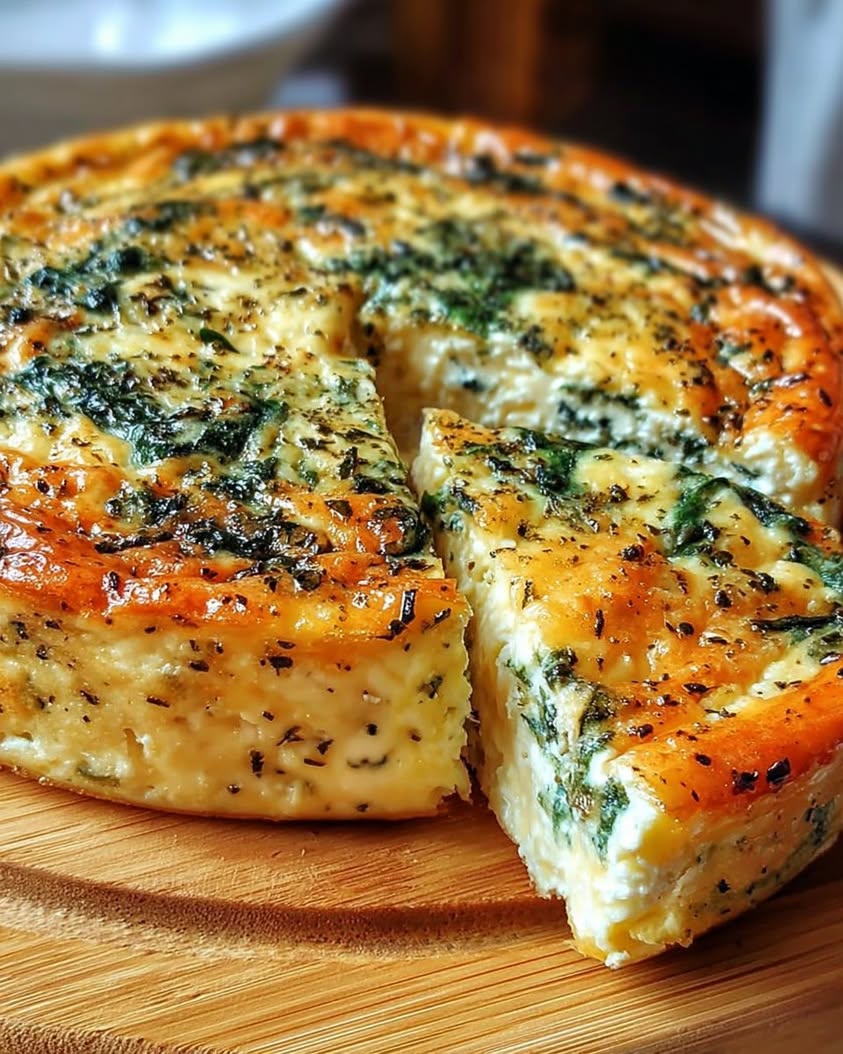
The Ultimate High-Protein Cottage Cheese and Spinach Crustless Quiche
This Cottage Cheese and Spinach Crustless Quiche has become my absolute favorite breakfast solution for busy weekday mornings. I first discovered this high-protein quiche recipe during my search for satisfying meals that actually keep me full until lunch without the mid-morning crash. The combination of creamy cottage cheese, fresh spinach, and perfectly seasoned eggs creates a dish that feels indulgent while remaining genuinely nutritious. Every time I pull this golden beauty from the oven, my kitchen fills with the most incredible aroma of melted cheese and sautéed greens, and I know a delicious meal awaits.
What truly sets this crustless quiche apart is its remarkable simplicity and versatility. Unlike traditional quiches that require a delicate pastry crust and careful blind baking, this version skips the fuss entirely without sacrificing any flavor or texture. The cottage cheese melts into the egg mixture creating pockets of creamy richness throughout, while the spinach adds a fresh, earthy note that perfectly balances the savory profile. Whether you serve it for a leisurely weekend brunch, a quick weekday breakfast, or even a light dinner with a side salad, this Cottage Cheese and Spinach Crustless Quiche delivers exceptional taste and satisfaction. The ingredients come together in under fifteen minutes, making it an ideal option for anyone who loves homemade food but values their time.
Moreover, this recipe represents the perfect harmony between health consciousness and culinary pleasure. Each slice delivers an impressive protein punch thanks to the cottage cheese and eggs, while the spinach provides essential vitamins and minerals. Consequently, you can enjoy a generous portion without any guilt, knowing you are nourishing your body properly. Additionally, the crustless format means this quiche naturally suits low-carb and gluten-free lifestyles, making it an inclusive option for various dietary preferences. Prepare this once, and I guarantee it will become a permanent fixture in your weekly meal rotation.
Quick Recipe Highlights
- Flavor Profile: This Cottage Cheese and Spinach Crustless Quiche delivers a savory, rich taste with subtle tanginess from the cottage cheese. The spinach adds a pleasant earthiness that complements the creamy egg base, while the optional herbs introduce aromatic freshness to every single bite. The flavor deepens beautifully as it bakes, creating complex layers of cheesy goodness.
- Texture: The texture transforms dramatically during baking, starting as a liquid mixture and finishing as a custardy, tender quiche with delightful creaminess throughout. Additionally, the spinach provides gentle resistance when you bite through, which creates a pleasing contrast against the silky smoothness. The edges become slightly firm and golden, offering a satisfying bite while the center remains luxuriously soft.
- Aroma: As this bakes, your kitchen will fill with the heavenly scent of eggs, melted cheese, and sautéed spinach with garlic. The aroma intensifies during the final minutes of baking, developing that irresistible golden crust smell that signals perfection. Consequently, family members will wander into the kitchen wondering what delicious creation awaits them.
- Visual Appeal: The finished quiche presents beautifully with its golden-brown surface, speckled with vibrant green spinach pieces throughout. When you slice into it, you reveal the creamy interior with subtle variations in color that demonstrate the perfect blend of ingredients. The quiche holds its shape elegantly on the plate, making it look professional and appetizing without any elaborate presentation required.
- Skill Level Needed: This recipe welcomes beginners with open arms while still impressing experienced cooks. The technique is straightforward with no complicated steps, making it nearly impossible to mess up. Even if you have never made a quiche before, the clear instructions and forgiving nature of this recipe will guide you to success on your very first attempt.
- Special Equipment: You will need a standard 9 inch pie dish or a similar shallow baking dish for this recipe. A large mixing bowl, a whisk, and basic measuring tools will handle the preparation perfectly. Additionally, a skillet for sautéing the spinach and a sharp knife for chopping the greens are the only other essential tools required.
Recipe Overview
- Difficulty Level: I rate this as an easy recipe because it requires minimal culinary expertise and uses a straightforward mixing method. The ingredients simply combine into a smooth batter that bakes into a beautiful quiche without any special techniques. Even novice cooks will find this approachable and rewarding. The steps are logical and easy to follow, ensuring consistent results every time.
- Category: This dish wonderfully straddles multiple meal categories, functioning perfectly as breakfast, brunch, lunch, or dinner. It serves beautifully as the centerpiece of a holiday brunch buffet or as a casual weekday dinner paired with a simple green salad. Furthermore, it makes excellent meal prep, providing you with ready to eat portions throughout the week for any meal.
- Cuisine: While quiche originated in France, this particular version reflects the American love for convenient, high-protein dishes. The crustless adaptation became popular in the United States as part of the low-carb movement, yet it honors the classic French technique of baking eggs with dairy and vegetables. This cross-cultural appeal makes the Cottage Cheese and Spinach Crustless Quiche universally loved and appreciated.
- Cost: This recipe ranks among the most budget-friendly breakfast options you can create. The main ingredients, which include eggs, cottage cheese, and spinach, remain affordable at any grocery store throughout the year. With costs averaging well under two dollars per serving, it presents exceptional value when you consider the high protein content and satisfying nature of the dish.
- Season: Although you can enjoy this quiche during any season, it truly shines during spring when fresh spinach is at its peak availability and quality. The light, fresh ingredients offer a welcome change from hearty winter dishes, while still providing warmth and comfort on cooler mornings. During summer, you can add fresh herbs from your garden to elevate the flavors even further.
- Occasion: This versatile dish appears perfectly at Easter brunches, Mother’s Day celebrations, baby showers, and bridal luncheons. It also makes an impressive contribution to potlucks and family gatherings, always disappearing quickly from the serving plate. Additionally, it functions wonderfully as a make-ahead meal for busy holiday mornings when you want something special without excessive effort.
Why You’ll Love This Recipe
The first reason you will absolutely adore this Cottage Cheese and Spinach Crustless Quiche is the incredible taste that never disappoints. The creamy custard base, enriched with cottage cheese, melts in your mouth with every single forkful, providing a richness that rivals much more decadent dishes. Meanwhile, the spinach adds a fresh, slightly sweet flavor that cuts through the creaminess perfectly. The eggs provide a satisfying, savory foundation that brings all the ingredients together into cohesive harmony. Additionally, the top develops a beautiful golden crust that adds a slight textural contrast to the velvety interior, making each bite exciting and complete.
Convenience stands as the second major reason this quiche earns a permanent place in your recipe collection. With only fifteen minutes of active preparation time, you can mix all the ingredients in one bowl and transfer to the oven with minimal cleanup afterward. Moreover, this crustless version eliminates the intimidating pastry-making step that deters many home cooks from attempting traditional quiche. You do not need to roll dough, blind bake crusts, or worry about soggy bottoms. The recipe works perfectly with simple ingredients you likely already have in your fridge, meaning you can prepare it without a special trip to the grocery store.
Nutritionally, this quiche deserves a standing ovation for its impressive health benefits wrapped in delicious flavor. Each serving provides over twenty grams of complete protein, primarily from the eggs and cottage cheese, which supports muscle maintenance and keeps you feeling full and satisfied for hours. Additionally, the spinach contributes significant amounts of iron, vitamin K, and folate, while the eggs provide choline and essential B vitamins. This protein and nutrient combination makes it an outstanding choice for anyone watching their weight, managing blood sugar, or simply wanting to fuel their body properly.
From a social perspective, this quiche consistently earns rave reviews and requests for the recipe from everyone who tastes it. The beautiful presentation allows you to serve it proudly at any gathering without worrying about it disappearing too quickly. Moreover, because it tastes delicious both warm and at room temperature, it offers flexibility for casual entertaining where guests serve themselves. You can confidently bring this dish to any event knowing that even picky eaters will appreciate its familiar, comforting flavors while still being impressed by its quality and taste.
Finally, the cost-effectiveness and accessibility of this recipe make it a winning choice for families and individuals alike. The ingredients cost very little individually, yet the resulting dish tastes like something from a fancy café. Because it keeps beautifully in the refrigerator for up to four days, you can prepare it once and enjoy multiple meals, saving both time and money. The flexibility to substitute ingredients based on what you have available further enhances its accessibility, allowing everyone to enjoy this wholesome dish regardless of dietary constraints or grocery preferences.
Historical Background and Cultural Significance
Quiche originated in the medieval German kingdom of Lothringen, which the French later renamed Lorraine. The word quiche comes from the German word kuchen, meaning cake, and the earliest versions featured bread dough filled with egg custard and local ingredients. When this dish crossed into France, cooks refined it with the addition of cream and bacon, creating the classic Quiche Lorraine that remains beloved today. The transition from bread crust to pastry crust happened gradually, with bakers experimenting to create the flaky, buttery shell associated with modern quiches.
Culturally, quiche represents the French culinary philosophy of making elegant dishes from humble ingredients using careful technique. French home cooks traditionally served quiche as a light lunch or supper, accompanied by a simple green salad and crusty bread. The dish gained international prominence during the 1950s and 1960s when American tourists discovered it in Parisian cafés and returned home craving this sophisticated yet approachable egg dish. Consequently, quiche became a symbol of continental refinement in American kitchens, appearing at brunches and luncheons across the country.
The crustless version emerged during the low-carbohydrate diet trends of the late twentieth century as health-conscious cooks sought ways to enjoy quiche without the carb-heavy crust. This adaptation proved that removing the pastry shell did not diminish the dish’s appeal; rather, it allowed the creamy egg filling to shine even more prominently. Consequently, crustless quiche developed its own devoted following, with creative home cooks experimenting with various additions like vegetables, cheeses, and meats. This innovation demonstrates how traditional recipes evolve to meet modern nutritional needs while preserving their essential character.
Regional variations of crustless quiche appear across the United States, reflecting local tastes and available ingredients. Southwestern versions add green chiles and pepper jack cheese, while coastal areas feature crab or shrimp additions. Mediterranean-inspired variations incorporate feta, tomatoes, and olives, and Southern cooks sometimes include collard greens and sharp cheddar. The flexibility of this format encourages regional expression, making each version unique while maintaining the core concept of a simple, satisfying egg bake. This cottage cheese and spinach version draws on the health-food movement’s emphasis on protein-rich, nutrient-dense ingredients.
Ingredient Deep Dive
Cottage cheese stands as the nutritional cornerstone of this Cottage Cheese and Spinach Crustless Quiche, bringing creaminess and protein in equal measure. Historically, cottage cheese dates back thousands of years, with references found in ancient Mesopotamian texts describing fresh cheeses made from curdled milk. The cultural significance continues today, particularly in health-conscious communities that prize its high protein-to-calorie ratio. Nutritionally, cottage cheese delivers approximately twenty-five grams of protein per cup with minimal fat, making it ideal for muscle recovery and sustained satiety. Additionally, it provides calcium, phosphorus, selenium, and B vitamins that support bone health and metabolic function. When selecting cottage cheese, choose a full-fat or 2 percent version for the creamiest texture, and look for brands that list simple, recognizable ingredients without additives. Store cottage cheese in the refrigerator and check the use-by date, typically consuming within one week of opening for optimal freshness. For substitution, ricotta cheese works in a pinch, though the texture will be slightly different.
Fresh spinach brings vibrant color and essential nutrients to this quiche, elevating it from merely tasty to genuinely health-promoting. Spinach originated in ancient Persia and traveled along trade routes to China and Europe, eventually becoming a staple vegetable worldwide. Its reputation for building strength stems partly from a historical error regarding its iron content, yet it genuinely provides substantial nutrition. This leafy green contains high levels of vitamin K, vitamin A, manganese, and folate, along with antioxidants that combat oxidative stress. Additionally, spinach provides nitrate compounds linked to improved cardiovascular function and healthy blood pressure. When shopping, look for crisp, deeply colored leaves without yellowing or wilting, and choose bunched spinach over bagged varieties when possible. Store unwashed spinach wrapped in paper towels inside a plastic bag for up to five days in the crisper drawer. Baby spinach works best for this recipe because of its tenderness and mild flavor, though you can substitute kale or Swiss chard with excellent results.
Eggs form the structural backbone of the quiche, providing the custard that holds everything together beautifully. Throughout human history, eggs have symbolized new life and renewal, featuring prominently in cultural traditions worldwide. Nutritionally, eggs offer one of the most complete protein profiles available, containing all nine essential amino acids in a highly absorbable form. The yolk provides choline for brain health and lutein for eye protection, while the white contributes lean protein and no fat. For this recipe, large brown or white eggs work equally well, and farm-fresh eggs from pastured hens offer deeper flavor and more vibrant color. Store eggs in their original carton in the main body of the refrigerator to maintain consistent temperature. If you need an egg substitute, flax eggs or commercial egg replacers can work, though the texture will change noticeably.
Additional ingredients contribute subtle yet essential elements to this recipe. Garlic adds aromatic depth and enhances the savory profile with its pungent, slightly sweet character when sautéed. Onions or shallots provide sweetness and texture, though you can omit them for simplicity. Grated cheese, whether sharp cheddar or Gruyère enhances creaminess and contributes nutty flavor notes that complement the spinach beautifully. Fresh herbs like dill, chives, or thyme add brightness and complexity, creating a more refined finished dish. Olive oil or butter for sautéing provides richness and helps soften the spinach quickly. Seasonings including salt, pepper, and nutmeg elevate the overall flavors, making the simple ingredients taste extraordinary. Each component plays a specific role in achieving proper flavor and texture balance.
Common Mistakes to Avoid
- Not draining the spinach properly results in a watery quiche that fails to set correctly. After sautéing, excess moisture from the greens will leach into the egg mixture, making the final dish soggy. Moreover, pressing the cooked spinach firmly with a spatula to remove as much liquid as possible prevents this disappointment and ensures a firm, sliceable texture.
- Overcooking the quiche leads to a dry, rubbery texture that loses the custardy quality you want. The eggs continue to cook from residual heat after removal, so take the quiche out when the center still has a slight jiggle. Letting it rest for ten minutes allows carryover cooking to finish the job perfectly without drying out the edges.
- Underseasoning the egg mixture creates a bland quiche despite the flavorful ingredients. Eggs require generous seasoning because their flavor is neutral, and the spinach and cottage cheese need salt to brighten their profiles. Taste your mixture before baking, remembering that chilling and reheating will mute flavors slightly, so season a bit more boldly than you think necessary.
- Baking at too high a temperature causes the eggs to curdle and separate, creating an unpleasant texture. Stick to the recommended 350 degree Fahrenheit oven temperature for gentle, even cooking. Furthermore, placing the quiche on the middle rack ensures proper heat distribution prevents burning the top while the center remains undercooked.
- Opening the oven door frequently during baking lets heat escape and increases cooking time unpredictably. Additionally, the sudden temperature fluctuations can cause the custard to deflate or become unevenly cooked. Wait until the quiche has baked for at least thirty minutes before checking for doneness, and use the oven light instead of opening the door when possible.
- Cutting the quiche while it is still hot causes the slices to fall apart and lose their shape. The custard needs time to set and cool slightly before you can cut clean pieces. Patience proves essential with this recipe, as letting the quiche rest for ten to fifteen minutes yields perfect slices that hold together beautifully.
- Using cold ingredients directly from the refrigerator creates an unevenly cooked quiche with a cold center. Bringing eggs, cottage cheese, and milk to room temperature before mixing ensures they combine smoothly and bake evenly. Therefore, set these ingredients out thirty minutes before you begin preparation for the best results.
- Forgetting to grease the baking dish causes the quiche to stick and makes serving nearly impossible. Even with a well-seasoned ceramic or glass dish, you need a generous coating of butter, oil, or cooking spray to ensure clean release. This simple step prevents unnecessary frustration and guarantees your beautiful quiche slides out effortlessly onto the serving plate.
Essential Techniques
The first essential technique you must master is properly sautéing the spinach to remove excess moisture. Heat your skillet over medium heat with a small amount of olive oil or butter, then add the garlic and cook for thirty seconds until fragrant. Add the spinach in batches, stirring continuously as it wilts dramatically, and continue to cook for additional two or three minutes until all the moisture evaporates. You will know the spinach is ready when it no longer releases liquid when pressed and edges begin to brown slightly. This technique concentrates the spinach flavor and prevents watery quiche. The visual cue is the spinach reducing from its initial leafy volume by approximately seventy percent, now dark green and glossy.
The second crucial technique involves properly whisking the egg mixture to incorporate air while avoiding overmixing. Start by cracking eggs into a large bowl and scrambling them gently with a fork or whisk, breaking yolks completely until the mixture has uniform color. Whisk thoroughly for at least two minutes until the eggs become light, frothy, and slightly increased in volume, which creates a lighter, airier quiche texture. However, do not beat so vigorously that you create excessive foam, which can cause holes or a spongy texture in the finished product. The correct consistency resembles a smooth, well-combined batter without visible streaks of egg white or yolk. When you lift the whisk, the mixture should fall back smoothly and leave a brief ribbon trail.
The third technique that significantly impacts quality is properly lining your baking dish and creating an even layer of ingredients. Grease the dish thoroughly, then arrange the sautéed spinach, herbs, and some cheese evenly across the bottom before pouring the egg mixture over the top. This strategic layering allows the solids to infuse the custard with flavor while ensuring that each slice contains a good distribution of ingredients. Furthermore, using a spatula to gently stir the mixture after pouring helps distribute the solids evenly. You will recognize success when the quiche presents swirls of green spinach and visible cheese throughout each slice.
The final essential technique relates to baking and doneness testing, which determines whether your Cottage Cheese and Spinach Crustless Quiche achieves perfection. Place the quiche in the preheated oven and bake undisturbed for thirty-five to forty-five minutes, then check for doneness by gently jiggling the dish. The edges should appear set and lightly golden while the center remains slightly wobbly, indicating a creamy interior that will set completely as it rests. Inserting a knife into the center can also test readiness; if it comes out clean, the quiche is done, while custard clinging to the blade indicates additional baking time needed. Consequently, trusting these visual cues rather than strictly relying on time produces the best results.
Pro Tips for Perfect Cottage Cheese and Spinach Crustless Quiche
First, for the absolute creamiest cottage cheese and spinach crustless quiche, consider blitzing the cottage cheese in a food processor before adding it to your egg mixture. This simple technique transforms the curds into a silky, uniform texture that incorporates seamlessly into the custard, eliminating any dry pockets of cheese. Therefore, the resulting quiche will have a notably more luxurious mouthfeel, almost reminiscent of a rich crème brûlée. Additionally, you can pulse it only a few times for a chunkier texture if you prefer more rustic style quiche.
Second, do not skip the nutmeg, as this humble spice performs culinary magic in egg and cheese dishes. Grate fresh nutmeg directly into your quiche mixture for the most vibrant aromatic effect, using about one-quarter teaspoon. The subtle warmth and slightly sweet, nutty flavor elevates the spinach and cottage cheese, adding sophisticated complexity that makes this dish taste professionally prepared. Furthermore, this tiny addition costs pennies yet transforms the entire flavor profile dramatically, proving that great cooking often relies on thoughtful details.
Third, allow your quiche to cool completely before slicing if you want beautifully neat portions. While it is tempting to cut immediately, the custard requires twenty to thirty minutes to fully set and stabilize. Conversely, if you prefer to serve the quiche warm, use a sharp, non-serrated knife and make clean, downward cuts without dragging the blade. After each slice, wipe the knife clean with a damp cloth to ensure every subsequent cut also presents perfectly clean edges.
Fourth, feel free to sauté additional vegetables along with the spinach, since onions, mushrooms, or zucchini make excellent additions. If opting for mushrooms, cook them until they release their moisture and begin to brown to concentrate their savory flavor. For the best results, do not overcrowd the pan, allowing the vegetables to caramelize rather than steam in their own juice. This enhancement adds heartiness and personal flair to your quiche, making it uniquely yours each time you prepare it.
Fifth, consider lining the bottom of your baking dish with a single layer of shredded cheese before adding the egg mixture. This creates a deliciously crusty, golden cheese layer on the bottom, offering a lovely textural contrast and a burst of cheesy flavor. Furthermore, it allows you to slice and serve individual pieces more easily because they release cleanly from the bottom of the pan with that exceptional crust ready to impress your family or guests.
Sixth, use a glass or ceramic pie dish instead of a metal pan when baking this quiche. Glass heats more evenly and retains less intense bottom heat, preventing over-browning or burning of the delicate custard. The glass also allows you to monitor the bottom of the quiche easily, without disturbing its top, and you can spot any sign of sticking or over-baking before it becomes too problematic.
Seventh, do not be afraid to customize the herbs to match your preferences or what you have growing. Fresh dill, chives, tarragon, or thyme each provide their unique personality to this dish, so experiment playfully. A combination of chives and dill brings a classic delicatessen flavor, while tarragon adds a lovely anise note that pairs wonderfully with spinach. Furthermore, you can also use dried herbs; but remember they are more concentrated, so use just one-third of the amount.
Eighth, remember that this recipe is quite forgiving of various add-ins and can be delicious with leftover cooked meat or roasted vegetables. If the mix becomes too dry due to extra ingredients, add an extra splash of milk or cream to keep the custard moist. Also, check for doneness a couple of minutes earlier than the recipe indicates when you add bulky extras.
Ninth, maximize flavor and nutrition by using a flavorful cheese blend. Combine sharp cheddar for nutty, bold flavor, Gruyère for its creamy, slightly sweet meltability, and a bit of salty Parmesan for depth. Grate the cheese yourself rather than buying pre-shredded, which often contains anti-caking agents that hinder smooth melting and overall texture.
Tenth, serve your cottage cheese and spinach crustless quiche with a side of creamy avocado or a dollop of sour cream. These additions complement the earthy flavors and increase the feeling of satisfaction, making it a truly memorable brunch or breakfast experience.
Variations and Adaptations
Regional variations of this crustless quiche appear across the globe, with each culture adding its local ingredients to create unique interpretations. In the American Southwest, cooks add roasted green chilies, pepper jack cheese, and a generous pinch of cumin, creating a spicy version that pairs beautifully with salsa and sour cream. Mediterranean renditions incorporate feta cheese, sun-dried tomatoes, and olives, bringing briny, tangy notes that transport your taste buds to a Greek seaside taverna. Meanwhile, some Italian-inspired versions feature ricotta instead of cottage cheese, using fresh basil and provolone for a distinctly Italian flavor profile. These variations demonstrate the remarkable adaptability of this versatile egg-based dish, proving that it welcomes creativity without losing its essential character.
Seasonal adaptations allow you to showcase produce at its peak throughout the year with this crustless quiche. During spring, add asparagus spears and fresh peas to the spinach mixture for bright, vegetal sweetness that celebrates the season. Summer versions feature roasted cherry tomatoes, zucchini ribbons, and basil, capturing the essence of garden freshness in every bite. Autumn adaptations incorporate sautéed mushrooms, caramelized butternut squash, and sage, bringing earthy warmth to the custard. Finally, winter vegetables such as roasted Brussels sprouts, leeks, or Swiss chard add substantial nutrition and comforting flavor to the quiche during colder months.
Dietary modifications make this recipe accessible to individuals with various nutritional needs and restrictions. For a gluten-free version, the recipe already qualifies since there is no flour or crust involved; however, ensure any cheese you use is certified gluten-free. A dairy-free adaptation can replace cottage cheese with silken tofu and use plant-based cheese or nutritional yeast for melt and umami. To lower fat further, use egg whites for part of the whole eggs and choose low-fat cottage cheese, though the texture will be less creamy. The flexibility of this recipe accommodates many dietary requirements without sacrificing quality or enjoyment.
Flavor variations offer endless opportunities to customize this quiche to suit your preferences and inspire repeat enjoyment. Smoked salmon and dill create a luxurious version reminiscent of a lox and bagel breakfast spread. Caramelized onions, bacon, and Gruyère bring savory, smoky depth, appealing to those who enjoy traditionally richer flavors. Roasted red pepper and feta add sweetness and tanginess, creating a vibrant, colorful quiche that delights the eyes as much as the palate. Herbed goat cheese and thyme, or spicy chorizo and manchego cheese, each create unique culinary experiences that keep this recipe fresh and exciting, week after week.
Texture modifications allow you to adjust the quiche for a lighter or denser final result. Adding extra milk or half-and-half makes the custard softer, creamier, and more delicate, resulting in a silkier mouthfeel. Conversely, adding an extra egg or some grated cheese makes the custard firmer and more substantial, similar to a dense frittata. Consider incorporating well-drained, roasted vegetables for added texture contrast or folding in toasted nuts or seeds for a pleasant crunch. Whatever your textural preference, you can easily modify the basic recipe to achieve exactly the mouthfeel you crave in your cottage cheese and spinach crustless quiche.
Presentation alternatives range from individual muffin-tin quiches to elegant deep-dish versions perfect for entertaining. Mini quiches baked in greased muffin tins make delightful appetizers or grab-and-go options for busy mornings, reducing baking time to twenty minutes. For brunch parties, an extra-deep filling baked in a springform pan creates a stunning centerpiece that slices into impressively thick wedges. Alternatively, serve the quiche in small ramekins for a personal, portion-controlled approach, adjusting baking time accordingly. These versatile presentation options make the same delicious recipe suitable for various occasions and settings.
Serving and Presentation Guide
Plating techniques for the cottage cheese and spinach crustless quiche can elevate your presentation from simple to spectacular without requiring professional culinary training. For breakfast or brunch, cut the quiche into generous wedges and slide a wide spatula underneath each portion for clean transfer. Place the slice slightly off-center on the plate, then add a few fresh spinach leaves or microgreens to one side for a pop of vibrant green color. Drizzle a small amount of high-quality olive oil or balsamic glaze artistically across the plate for a restaurant-quality touch. For a more rustic feel, serve the quiche directly from a cast-iron skillet, allowing guests to help themselves from this attractive presentation vessel.
Garnishing ideas can transform this simple dish into a visually appealing meal that tempts the appetite before the first bite. A sprinkle of fresh chopped chives, dill, or parsley adds bright color and fresh herbal fragrance that complements the quiche’s flavors. For added creaminess, place a small dollop of crème fraîche, sour cream, or Greek yogurt on each portion and sprinkle with paprika or cracked black pepper. Sliced cherry tomatoes arranged around the quiche provide juicy, acidic contrast and visual appeal that enhances the overall presentation. With these simple garnishes, your cottage cheese and spinach crustless quiche transforms into a dish you will feel proud to serve to guests.
Traditional accompaniments for crustless quiche include fresh fruit, mixed greens with a light vinaigrette, and crusty bread or toasted baguette slices. The mild acidity of a simple green salad provides a refreshing contrast to the rich, eggy custard, making it an ideal balance. Creamy avocado halves, roasted potatoes, or seasoned breakfast potatoes also pair well, offering additional texture and substance to complete the meal. For a true brunch spread, serve your quiche alongside smoked salmon platters, fresh pastries, and seasonal fruit salads to create a memorable feast.
Modern serving suggestions expand the possibilities for this breakfast staple to lunch and dinner. Transform leftovers into elegant open-faced sandwiches by placing quiche slices on toasted sourdough topped with arugula and roasted tomatoes. Incorporate crumbled quiche into breakfast tacos or burritos with black beans, avocado, and salsa for a creative fusion meal. Alternatively, dice leftover quiche and toss it into a Cobb-style salad for a protein-rich lunch that keeps you satisfied. These inventive serving ideas ensure that your cottage cheese and spinach crustless quiche rarely goes to waste, providing multiple delicious meal possibilities from one dish.
Temperature considerations significantly influence the enjoyment of this dish, as it tastes delightful at various temperatures. Serve the quiche warm from the oven, allowing it to rest for at least ten minutes, or at room temperature, which makes it perfect for picnics and gatherings. Cold leftovers taste surprisingly good, with the flavors and textures still maintaining their quality. When reheating, use a low oven or microwave at reduced power to prevent drying out or becoming rubbery. This temperature versatility makes the quiche a dependable option for both planned meals and spontaneous gatherings.
Portion control tips assist in both entertaining and everyday meal preparation. Standard serving sizes for breakfast, lunch, or dinner are approximately one-sixth of the quiche, which provides satisfying protein portions. For appetizers, cut smaller, two-bite pieces that allow guests to sample multiple offerings. The individual quiche muffin version works superbly for portion control, with each muffin containing approximately one serving. Moreover, using a kitchen scale to weigh portions helps track nutritional intake for those monitoring calories, guaranteeing consistent serving sizes each time.
Wine and Beverage Pairing
Wine pairings for this cottage cheese and spinach crustless quiche should complement its creamy, savory flavors while offering refreshing contrast. A crisp, unoaked Chardonnay from Chablis plays beautifully with the eggs and cheese, providing bright acidity that cuts through the richness effectively. Additionally, a light-bodied Pinot Noir with cherry notes pairs surprisingly well with the spinach and earthy flavors, especially if you include mushrooms or onions. For sparkling wine enthusiasts, a dry Prosecco or Crémant d’Alsace adds festive effervescence that cleanses your palate between bites elegantly. Furthermore, consider a fragrant Sauvignon Blanc, whose herbal notes echo the spinach and herbs in your quiche, creating a harmonious marriage of flavors. When selecting wine, prioritize bottles with good acidity, which will mirror and enhance the savory character of your dish.
Non-alcoholic alternatives also present excellent options to pair with this quiche, ensuring everyone finds a suitable drink to enjoy. A sparkling water with a squeeze of fresh lemon or lime brightens the palate and mirrors the clean, fresh notes from the spinach. For herbal complexity, consider a chilled, unsweetened hibiscus or chamomile iced tea whose floral quality complements the egg dish without overpowering it. Tomato or vegetable juice offers a savory option that echoes the flavors of the quiche elegantly. These non-alcoholic beverages deliver satisfying complementarity, ensuring all your guests feel included mentally and physically at your table.
Coffee and tea pairings work particularly well when serving this quiche for breakfast or brunch, bringing warmth to accompany the meal. A medium-roast coffee with moderate acidity and notes of caramel or chocolate harmonizes with the custard’s richness, providing a comforting, classic café experience. Meanwhile, a robust English Breakfast or Earl Grey tea offers briskness that cuts through the creamy texture, making each sip refresh your palate. For herbal options, peppermint tea provides a cooling contrast, while ginger or chai tea adds a warming, spiced depth that amplifies the quiche’s earthy components. Ensure your tea or coffee is freshly prepared and appropriately brewed for best enjoyment.
Temperature considerations for beverages that accompany quiche should always prioritize serving your chosen drink at its optimal temperature for flavor. White wines and sparkling wines should be well-chilled, between 45-50 degrees Fahrenheit, allowing their crispness to shine. Light red wines, like Pinot Noir, are best served slightly chilled at around 60 degrees, which enhances their fruitiness while softening tannins. For hot beverages like coffee and tea, serving them freshly brewed at a comfortable sipping temperature is essential. Furthermore, make sure you also serve your quiche appropriately, either warm or at room temperature, to create a coherent tasting experience for everyone.
Serving suggestions for beverages with quiche revolve around providing multiple options and accommodating guest preferences. Set up a simple beverage station with an assortment of chilled, hot, and room temperature drinks, allowing guests to self-select. For more formal meals, offer a carefully selected wine appropriate for your maincourse, and pour it before serving. Provide glassware suited to each beverage type to enhance the experience, and ensure non-alcoholic options appear as attractive and considered. Additionally, always re-offer refills to ensure your guests feel well cared for during their visit.
Storage and Shelf Life
Proper storage methods prove essential for maintaining the quality of your cottage cheese and spinach crustless quiche after baking. Once the quiche cools completely Print
Cottage Cheese & Spinach Crustless Quiche
- Total Time: 50 minutes
- Yield: 6
Description
A light and fluffy crustless quiche packed with creamy cottage cheese, fresh spinach, and savory seasonings. Perfect for a quick breakfast, brunch, or a healthy dinner.
Ingredients
- 1 tablespoon olive oil
- 1 small onion, diced
- 2 cloves garlic, minced
- 5 ounces fresh spinach, roughly chopped
- 6 large eggs
- 1 cup cottage cheese
- 1/2 cup shredded mozzarella cheese
- 1/4 cup grated Parmesan cheese
- 1/2 teaspoon salt
- 1/4 teaspoon black pepper
- 1/4 teaspoon red pepper flakes (optional)
- 1/4 teaspoon dried thyme
Instructions
- Preheat your oven to 375°F (190°C). Lightly grease a 9-inch pie dish or a similar sized baking dish with cooking spray or olive oil.
- In a large skillet, heat the olive oil over medium heat. Add the diced onion and cook until softened, about 3-4 minutes. Add the minced garlic and cook for another minute until fragrant.
- Add the chopped spinach to the skillet and cook, stirring, until it has wilted and any excess liquid has evaporated, about 3-4 minutes. Remove from heat and let it cool slightly.
- In a large bowl, whisk the eggs until well beaten. Add the cottage cheese, mozzarella, Parmesan, salt, black pepper, red pepper flakes (if using), and thyme. Mix well to combine.
- Stir the cooked spinach mixture into the egg mixture until evenly distributed.
- Pour the mixture into the prepared pie dish. Smooth the top with a spatula.
- Bake in the preheated oven for 30-35 minutes, or until the quiche is set in the center and the top is lightly golden. A knife inserted into the center should come out clean.
- Let the quiche cool for about 10 minutes before slicing and serving. Enjoy warm or at room temperature.
Notes
You can customize the seasonings to taste. Add a pinch of nutmeg for extra warmth or top with cherry tomatoes before baking. This quiche stores well in the refrigerator for up to 3 days.
- Prep Time: 15 minutes
- Cook Time: 35 minutes
- Method: Main
- Cuisine: American