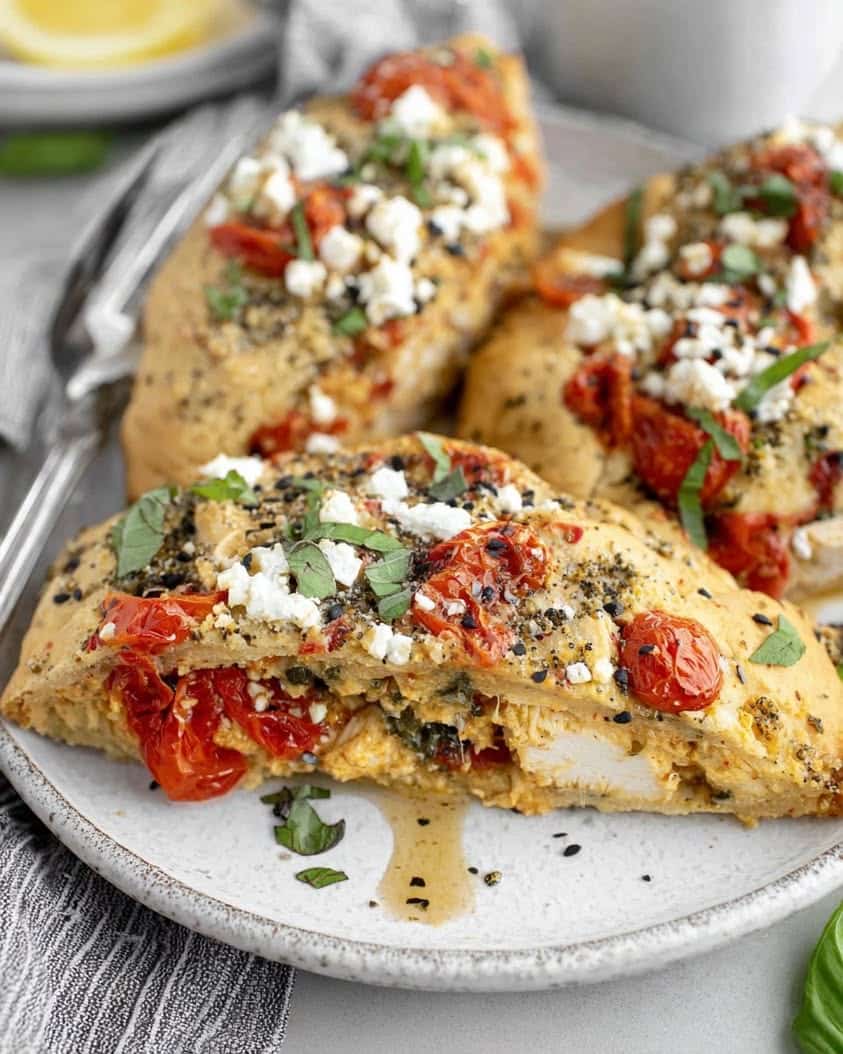
Mediterranean Hummus Chicken Pockets: The Easiest 20-Minute Weeknight Dinner
Welcome to the ultimate solution for busy weeknights when you crave something fresh, flavorful, and satisfying without spending hours in the kitchen. This Mediterranean Hummus Chicken Pockets recipe brings together the creamy richness of hummus, the savory goodness of perfectly seasoned chicken, and the crisp crunch of fresh vegetables, all wrapped in a warm pita. Therefore, this dish is not just a meal; it is an experience that transports your taste buds straight to the sunny shores of the Mediterranean. Furthermore, the beauty of this recipe lies in its simplicity, as it uses readily available ingredients to create something truly spectacular.
Consequently, you will find that these Mediterranean Hummus Chicken Pockets are incredibly versatile. They work perfectly for a quick family dinner, a casual gathering with friends, or even as a delightful meal prep option for the week ahead. Because the assembly is so straightforward, you can easily customize each pocket to suit individual tastes, making it a crowd-pleaser every single time. Therefore, let us embark on this culinary journey and discover how to create a dish that is both nourishing and bursting with vibrant Mediterranean flavors, all in under thirty minutes from start to finish.
Moreover, this recipe is designed with the home cook in mind, ensuring that every step is accessible and foolproof. The combination of textures, from the smooth hummus to the tender chicken and crunchy vegetables, creates a delightful contrast that will keep you coming back for more. Additionally, the use of simple seasonings like oregano and garlic enhances the natural flavors of the ingredients without overpowering them. Ultimately, this dish is a testament to the fact that healthy, delicious food does not have to be complicated or time-consuming to prepare.
Quick Recipe Highlights
- Flavor Profile: The flavor is a beautiful symphony of savory, tangy, and fresh notes. The creamy hummus provides a rich and nutty base, while the seasoned chicken offers a savory, garlicky depth. Fresh vegetables add a crisp, vibrant, and slightly sweet contrast that brightens every single bite.
- Texture: Every bite delivers a marvelous array of textures, from the soft and pillowy pita to the incredibly smooth hummus and the juicy, tender chicken. The addition of crunchy cucumbers, bell peppers, and onions introduces a delightful snap that makes the eating experience truly dynamic and satisfying.
- Aroma: The aroma is instantly inviting, filled with the warm, earthy scent of toasted pita and the aromatic spices of the chicken. As you prepare the pockets, the fresh, clean scent of chopped herbs and vegetables mingles with the rich, savory fragrance of the hummus and chicken, promising a delicious meal.
- Visual Appeal: These pockets are a feast for the eyes as well as the stomach. The vibrant colors of the fresh vegetables, the golden-brown sear on the chicken, and the creamy swirl of hummus inside a warm pita create a stunning presentation that looks as good as it tastes.
- Skill Level Needed: This recipe is perfect for cooks of all levels, from beginners to seasoned pros. The techniques are straightforward and forgiving, requiring only basic knife skills and simple cooking methods. Consequently, even a novice cook can achieve fantastic results with this easy-to-follow guide.
- Special Equipment: You will need a basic set of kitchen tools for this recipe. A large skillet for cooking the chicken, a sharp knife, and a cutting board for prepping the vegetables are essential. Moreover, a small bowl for mixing the seasonings and a spoon for assembling the pockets will make the process smoother.
Recipe Overview
- Difficulty Level: This Mediterranean Hummus Chicken Pockets recipe is rated as easy, and for good reason. The entire process is very manageable, with no complicated techniques or hard-to-find ingredients. As long as you can dice vegetables and cook chicken in a skillet, you can master this recipe. Therefore, it is an excellent choice for a stress-free weeknight meal that anyone can accomplish.
- Category: This dish fits beautifully into a variety of meal categories. It is an excellent main course for lunch or dinner, but can also be served as a hearty appetizer or party food if cut into smaller portions. Furthermore, it is a fantastic option for meal prepping, as the components can be stored and assembled quickly throughout the week.
- Cuisine: This recipe draws its inspiration from the vibrant and healthful culinary traditions of the Mediterranean region. It highlights the core principles of using fresh, wholesome ingredients like olive oil, lean proteins, and a wealth of vegetables. Accordingly, this dish showcases the simple, bold flavors that define cuisines from countries like Greece, Lebanon, and Israel.
- Cost: The ingredients for this dish are quite affordable and accessible. Chicken breast, pita bread, and fresh vegetables are all budget-friendly staples. Hummus, whether homemade or store-bought, is also an economical addition. Therefore, this is a fantastic recipe for families or individuals looking to eat well without breaking the bank.
- Season: While you can enjoy these Mediterranean Hummus Chicken Pockets all year round, they are at their absolute peak during the summer months. This is the season when fresh vegetables such as cucumbers, tomatoes, and bell peppers are at their most flavorful and abundant. Moreover, the light and refreshing nature of the dish makes it a perfect choice for warmer weather.
- Occasion: These pockets are wonderfully versatile and suitable for a wide range of occasions. They are an ideal choice for a casual weeknight dinner, a fun and interactive lunch for the family, or a crowd-pleasing dish for a potluck or barbecue. Additionally, they make a great, satisfying lunchbox option for work or school, proving their versatility in any setting.
Why You’ll Love This Recipe
The primary reason you will fall in love with this dish is its incredible taste and the wonderful interplay of textures. The smooth and creamy hummus forms a luxurious base that complements the savory, juicy chicken perfectly. The crunch of the fresh vegetables adds a refreshing contrast that prevents the pockets from feeling heavy. As a result, every bite is a harmonious blend of flavors and sensations that is both comforting and exciting, leaving you completely satisfied without feeling overly full.
Convenience is another massive factor that makes these pockets a standout. With just twenty minutes of total time, you can have a delicious and wholesome meal on the table, even on the busiest of days. The preparation is simple, requiring minimal chopping and a quick cook time for the chicken. Furthermore, the assembly is a breeze, making it a great activity for getting kids involved in the kitchen. This speed and simplicity make it a reliable go-to recipe for those hectic evenings when you need dinner fast.
From a nutritional standpoint, these Mediterranean Hummus Chicken Pockets are a wonderful choice. They are packed with lean protein from the chicken and fiber from the hummus and fresh vegetables. This combination helps to keep you feeling full and energized for longer periods, making it a smart option for those watching their weight or trying to maintain a balanced diet. Additionally, the use of heart-healthy olive oil and the wealth of vitamins and minerals from the veggies make this a recipe you can feel good about serving to your family.
Furthermore, this recipe possesses great social and entertaining value. The interactive nature of building your own pockets is a fun and engaging way to serve a meal to guests. You can set out all of the components in separate bowls and let everyone assemble their own creation, customizing it with their favorite toppings and sauces. Therefore, it is a fantastic and low-stress option for parties, game day gatherings, or a fun and casual dinner with friends, offering a shareable and delightful dining experience.
Finally, the cost-effectiveness and accessibility of the ingredients make this an unbeatable recipe. You do not need to hunt down exotic spices or spend a fortune on premium ingredients. Most items, such as pita bread, chicken, and vegetables, are readily available at any grocery store. Hummus can be easily made at home or purchased affordably. This accessibility ensures that everyone can enjoy this delicious and nutritious Mediterranean meal, regardless of their budget or shopping capabilities.
Historical Background and Cultural Significance
The history of the components of this dish is deeply rooted in the ancient culinary traditions of the Mediterranean and Middle East. Hummus, a creamy blend of chickpeas, tahini, lemon juice, and garlic, has been a staple food for centuries, with its exact origins fiercely debated among several countries including Lebanon, Israel, and Syria. The chickpea, its main ingredient, is one of the earliest cultivated legumes and has been a crucial source of nutrition in these regions for thousands of years, forming the foundation of many traditional meals.
The use of flatbreads like pita is also an ancient practice, with evidence of bread-making dating back to the Neolithic era. Pita bread, with its characteristic pocket, is a quintessential element of Middle Eastern and Mediterranean cuisine. It serves not only as a vessel for dips and fillings but also as an edible utensil, perfectly designed for scooping and wrapping. Therefore, the concept of filling pita bread with savory ingredients is a time-honored tradition that predates modern sandwiches by many hundreds of years.
The evolution of this recipe into the modern Mediterranean Hummus Chicken Pockets we enjoy today is a wonderful example of culinary adaptation. As global cuisines have mingled, the traditional flavors of the Mediterranean have been embraced and reimagined. The addition of grilled or sautéed chicken, a lean protein source, makes the classic vegetarian dip into a more substantial and complete meal. This evolution reflects a modern desire for balanced, protein-rich dishes that still honor the vibrant, fresh flavors of the old world.
Today, numerous regional variations of chicken and hummus wraps exist across the globe. In some areas, you might find them served with pickled vegetables for an added tang, while others might include a sprinkle of sumac or za’atar for a more complex spice profile. Some versions use shawarma-style spiced chicken, while others prefer a simpler grilled preparation. This widespread popularity highlights the dish’s incredible versatility and its ability to adapt to local tastes, cementing its status as a globally loved and culturally significant meal.
Ingredient Deep Dive
Hummus is the star of this show, providing a creamy, rich, and tangy foundation for this dish. The chickpea, or garbanzo bean, is a nutritional powerhouse that has been a dietary cornerstone in the Mediterranean for millennia. Historically, it provided a valuable source of plant-based protein, fiber, and essential minerals. When blended with tahini, a paste made from toasted sesame seeds, it creates an incredibly smooth and nutty spread that is both luxurious and wholesome, offering an excellent source of plant-based iron and calcium.
When selecting hummus, you can choose a quality store-bought brand or make your own at home. For a truly personalized flavor, homemade hummus is unbeatable, as you can control the amount of lemon, garlic, and salt. However, a good store-bought version can also work wonderfully. Once opened, store it in an airtight container in the refrigerator, where it will stay fresh for about a week. For this recipe, you can also experiment with flavored hummus, such as roasted red pepper or garlic, to add another layer of taste and creativity to the dish.
The chicken breast is the key protein in this recipe, celebrated for its lean and versatile nature. Chicken has a long history as a globally consumed meat, valued for its relatively low fat content and high protein quality. This makes it an excellent building block for a healthy and satiating meal. In this recipe, the chicken is sliced and sautéed with a simple blend of Mediterranean spices, allowing its natural flavor to shine while absorbing the aromatic essence of oregano and garlic.
For the best results, select boneless, skinless chicken breasts that are uniform in thickness to ensure even cooking. You can pound them to an even thinness for quicker and more consistent sautéing. Seasoning generously with salt, pepper, and oregano before cooking is crucial for developing a deep, savory flavor. Store the chicken in the refrigerator until you are ready to cook it, and be sure to cook it thoroughly until no longer pink in the center.
Fresh vegetables are the final essential component, bringing a burst of color and crunch to the pockets. Cucumbers offer a refreshing coolness and a crisp texture, making them a classic pairing with hummus. Tomatoes, when in season, provide a sweet and juicy pop of flavor, while red onions contribute a sharp, piquant bite that cuts through the richness of the other ingredients. These vegetables not only improve the taste but also add a significant amount of vitamins, antioxidants, and dietary fiber, making the dish a colorful and nutritious power meal.
To ensure peak freshness and flavor, select vegetables that are firm and vibrant in color. The cucumber should feel crisp and heavy, while the tomatoes should be fragrant and slightly soft to the touch. Look for red onions with dry, papery skins. When prepping, clean them thoroughly and chop them into small, uniform pieces so they are easy to pile into the pita pockets. Store any leftover chopped vegetables in a sealed container in the fridge and use them within a couple of days for a quick snack or salad.
Pita bread is more than just a carrier; it is a fundamental vessel that makes this dish so fun to eat. The pocket is perfectly designed to hold all the ingredients without making a mess, which is why it has been a staple flatbread in the Middle East and Mediterranean for centuries. The pita’s soft and slightly chewy texture provides a wonderful contrast to the crisp vegetables and creamy hummus. It acts as the blank canvas for our culinary creation, ready to be filled with delicious things.
When selecting pita bread, you want to find warm, pliable rounds. If they seem stiff, wrap them in a damp paper towel and heat them in the microwave for a few seconds to make them more flexible. Alternatively, you can warm them in the oven or on a dry skillet to add a slight toast and a wonderful, nutty aroma. Be careful not to overheat them, as they can become brittle and crack when you try to open the pocket, disrupting the entire assembly process.
Common Mistakes to Avoid
- Overcooking the chicken: Sautéing the chicken for too long can result in dry, tough, and chewy meat. It is crucial to cook it just until it is golden brown and cooked through, then remove it from the heat. Resting the chicken for a few minutes before serving also helps to lock in its juices and maintain its tenderness.
- Skipping the seasoning on the chicken: Plain, unseasoned chicken will lead to bland pockets. The spice blend of oregano, garlic powder, salt, and pepper is essential for infusing the chicken with rich, savory flavor. Do not be shy with the seasoning, as it is the primary flavor imparted to the protein and elevates the entire dish.
- Using cold pita bread: Cold pita bread is often stiff and brittle, making it very difficult to open and fill without tearing. Always warm the pita rounds before assembly. Warming them not only makes them pliable but also enhances their flavor and gives them a wonderful, freshly-baked aroma that is far more appealing.
- Overfilling the pockets: While tempting to add as much filling as possible, overfilling the pita pocket is a common mistake. This often leads to the pita tearing and the filling falling out, creating a messy eating experience. It is best to be a little conservative and fill the pocket about three-quarters full, ensuring you can enjoy the sandwich without a flood of ingredients spilling out.
- Adding too much liquid or wet ingredients: If you add a very watery ingredient, like a loose cucumber salad or too many wet tomatoes, it can make the pita soggy and cause it to fall apart. To avoid this, you can pat the chopped tomatoes and cucumbers dry with a paper towel before adding them. This helps to maintain the structural integrity of the pita and keeps everything tasting fresher.
- Not prepping all ingredients beforehand: Starting to cook without having all your ingredients chopped and ready can lead to chaotic timing, possibly resulting in overcooked chicken or cold vegetables. This is known as “mise en place.” By preparing all your components first, you can focus on the cooking sequence and streamline the entire process for a more enjoyable and successful cooking experience.
- Forgetting to rest the cooked chicken: Cutting into the chicken immediately after cooking causes all the flavorful juices to run out onto the cutting board, leaving the meat dry. Allowing the chicken to rest for five minutes after cooking gives the juices time to redistribute throughout the meat, resulting in a more tender, juicy, and flavorful final product.
- Using a low-quality or stale hummus: The hummus is a central flavor component, so using a low-quality, overly sour, or stale product will negatively impact the entire dish. Take the time to choose a hummus that you love or consider making your own fresh. A good quality hummus should taste nutty, bright, and creamy, acting as a perfect complement to the other ingredients.
- Ignoring the char on the chicken: Sautéing the chicken over high heat gives it a beautiful golden-brown crust, which is packed with flavor. If you cook it at too low a temperature, it will steam and become pale, missing out on that delicious caramelized exterior. Do not be afraid of a little color on the chicken for a more robust and savory flavor profile.
- Not toasting the pita for added texture: While warming the pita is essential, taking it a step further and toasting it lightly on a hot skillet adds a wonderful smoky flavor and a crispy outer layer. This slight char not only tastes great but also provides a sturdier, less flimsy pocket that holds up better to the moist fillings.
Essential Techniques
One of the most critical techniques for this recipe is properly sautéing the chicken to achieve a golden-brown crust. This process, known as the Maillard reaction, occurs when proteins and sugars are exposed to high heat, creating a deep, complex flavor and an appealing color. Mastering this involves ensuring your skillet is hot before adding the chicken and not overcrowding the pan. Overcrowding lowers the pan’s temperature and causes the chicken to steam rather than sear. Instead, cook in batches if necessary to ensure each piece makes full contact with the hot surface, yielding perfectly browned and flavorful chicken chunks.
Another essential skill is warming the pita bread correctly to create a soft and pliable pocket. The goal is to heat the bread without making it dry or brittle. Wrapping the pitas in a damp paper towel and microwaving them for twenty to thirty seconds is a fast and effective method. This steaming process creates a gentle, moist heat that makes the pita wonderfully flexible. Alternatively, you can warm them directly on a dry griddle for a few seconds per side, which adds a slight toasty flavor while still maintaining the bread’s essential softness. The key is to handle them gently to prevent them from cracking.
A final key technique is the art of assembling the perfect pocket. This requires a careful hand and a generous, but not overwhelming, amount of filling. Start by spreading a thick layer of hummus on the inside of the warmed pita. This not only adds flavor but also creates a barrier that protects the pita from becoming soggy from the moist vegetables. Then, add your seasoned chicken and top with the fresh veggies. The order is important, as the hummus and chicken anchor the filling and prevent it from falling out easily, ensuring a clean and enjoyable eating experience from the first bite to the last.
Pro Tips for Perfect Mediterranean Hummus Chicken Pockets
For an even deeper flavor, marinate your sliced chicken in a bit of olive oil, lemon juice, and dried oregano for fifteen minutes before cooking. This simple step adds an incredible depth of flavor, making the chicken exceptionally juicy and aromatic. The acid in the lemon juice helps to tenderize the meat while the oregano infuses it with a classic Mediterranean taste that shines through with every bite.
To get that perfect golden-brown sear on your chicken, make sure your skillet is truly hot before adding the meat. You should see a slight shimmer in the oil, indicating it is ready. Once you add the chicken, leave it undisturbed for a couple of minutes to allow a nice crust to form. If you try to stir it too soon, it will stick to the pan and you will lose the beautiful color and flavor that comes with a proper sear.
Spread a generous amount of hummus not just inside the pocket, but also on the rim of the pita. It might sound messy, but as you bite into it, the hummus meets the other ingredients in perfect proportion. This ensures that you get a taste of the creamy, nutty spread in every single bite, instead of just in the middle of the sandwich, creating a more balanced and enjoyable flavor profile.
Pat your chopped vegetables completely dry with a paper towel before assembling. This simple step is crucial for preventing the pita bread from becoming soggy. Excess moisture from the tomatoes or cucumbers can quickly turn a crisp, satisfying pocket into a wet and floppy mess. Taking the time to dry your veggies ensures that every component retains its distinct texture and appeal.
Do not be afraid to use a high-quality extra virgin olive oil to finish your pockets. A light drizzle of this peppery, fruity oil over the assembled filling adds a final touch of richness and a distinct, high-quality Mediterranean flavor. This simple, final touch can genuinely elevate your dish from great to restaurant-worthy, demonstrating that sometimes the highest quality ingredients make the most significant difference.
If you decide to make your own hummus, let it come to room temperature before assembling the pockets. Chilled hummus straight from the fridge can dull the flavors of the other ingredients. Allowing it to warm up slightly will enhance its creamy texture and aromatic properties, ensuring it blends harmoniously with the chicken and vegetables instead of clashing as a cold, stiff paste.
For an extra pop of flavor, consider adding some crumbled feta cheese to your pockets. Its tangy, salty flavor is a phenomenal match for the hummus and cucumber. Similarly, a few Kalamata olives, sliced and scattered in, will add a briny depth that is quintessential to Mediterranean cuisine. These simple additions create a richer and more complex flavor experience.
Variations and Adaptations
Regional variations of this sandwich are endless and exciting. In Greek cuisine, you might see it made with gyros-style meat and a generous helping of tzatziki sauce alongside the hummus. In Israeli culture, the hummus is often the star, and the pockets are loaded with pickled vegetables, fried eggplant, and a hard-boiled egg. Exploring these regional twists can be a fantastic way to celebrate the diverse culinary heritage of the Mediterranean, inspiring you to try new and different flavor combinations in your own kitchen.
Seasonal adaptations are key to keeping this recipe fresh and exciting. In the summer, use juicy, ripe heirloom tomatoes and sweet corn for a delightful crunch and sweetness. As the weather cools, consider swapping the raw veggies for grilled or roasted ones like zucchini, red peppers, and eggplant. The smoky char from the grill adds an incredible depth of flavor that pairs beautifully with the hummus. This flexibility ensures you can enjoy this wonderful dish all year round with the best produce each season has to offer.
Dietary modifications are incredibly simple for this dish, making it a great option for many. To make it vegetarian, simply omit the chicken. The hummus and vegetables are so flavorful that the dish stands beautifully on its own as a vegetarian main course. For those following a vegan diet, it is already suitable as long as you ensure the hummus is dairy-free and check that your pita bread doesn’t contain any milk or eggs. There are many excellent vegan-friendly pita options available.
Flavor variations are a fun way to keep this recipe from ever becoming boring. You could use a sun-dried tomato or a spicy harissa hummus for a different base flavor. Switching up the seasonings on the chicken is another easy win; a mix of smoked paprika and cumin will give it a more smoky, North African feel. You can also add some chopped fresh herbs like dill, parsley, or mint for a refreshing, aromatic twist that enhances the Mediterranean taste.
Texture modifications can completely change the feel of this meal. If you are looking for extra crunch, you could add some shredded cabbage or carrots to the mix. For a softer, more substantial texture, try warming up some chickpeas and adding them right into the pocket. If you prefer a crispier chicken, you can even pan-fry it in a little extra oil until the edges are super crispy and golden, providing a delightful contrast to the smooth hummus and crisp veggies.
Presentation alternatives are perfect for turning this weeknight dinner into something more special. Instead of stuffing the pita, you can slice them into wedges and serve them on a platter with the filling piled high in the center for guests to create their own little open-faced sandwiches. This deconstructed presentation is excellent for parties. Alternatively, you can grill the pita and cut it into strips for dipping in the hummus and serving with the chicken on skewers for a fun, appetizer-style arrangement.
Serving and Presentation Guide
The art of plating for a dish like this is all about showcasing its vibrant colors. For a beautiful and simple presentation, place the assembled pockets on a clean wooden board or a large serving platter. The golden-brown of the chicken and the bright reds, greens, and whites of the vegetables create a gorgeous, inviting display. The contrast between the warm pita and the colorful filling is visually stunning and immediately signals that a fresh and delicious meal is about to be enjoyed.
Garnishing ideas can elevate this dish from simple to spectacular. A light crumble of feta cheese over the top of the filling just before serving adds a salty, creamy finish. A sprinkle of fresh, chopped parsley or mint provides a bright, herbaceous note and a lovely pop of green color. A final drizzle of olive oil or a squeeze of lemon juice over the assembled pockets can brighten the flavors in a truly noticeable way, adding a touch of elegance and culinary expertise.
Traditional accompaniments often include a simple Greek or Mediterranean salad on the side. A mix of cucumbers, tomatoes, red onion, and olives with a simple lemon and olive oil dressing is a perfect pairing. In addition to a salad, you might also serve them with some extra hummus and pita wedges, seasoned olives, or some stuffed grape leaves. These sides stay within the Mediterranean theme, providing a cohesive and satisfying meal experience.
Modern serving suggestions include creating a “build-your-own” bar for gatherings. You can set out the warm pita, seasoned chicken, and an array of colorful vegetables, sauces, and toppings. This is not only a convenient method for serving a crowd but also an interactive and fun way for your guests to customize their own perfect pockets. Furthermore, for a trendy look, you could serve the components in separate bowls, allowing the rich colors of the ingredients to stand out.
Temperature considerations are crucial. The pita should be warm, the chicken hot, and the vegetables cold and crisp. Serving the pockets with this contrast in temperatures is key to the best sensory experience. Combining a hot filling with a cool, crisp topping is what defines the modern Mediterranean wrap. Therefore, it is best to cook the chicken and warm the pita right before serving, and keep your prepared vegetables chilled until the moment of assembly.
Portion control tips are helpful for a balanced meal. One pita pocket, generously filled, is usually a satisfying and appropriate single serving. This provides a good balance of carbohydrates for energy, a generous amount of protein from the chicken, and a healthy dose of fiber and vitamins from the vegetables. For those with heartier appetites, serving the pockets with a side salad or a bowl of soup can complete the meal without going overboard on portion size.
Wine and Beverage Pairing
For a wine pairing, a light-bodied, crisp white wine is an excellent choice. A Sauvignon Blanc or Pinot Grigio with its citrusy and herbaceous notes will complement the fresh flavors of the vegetables and the creaminess of the hummus beautifully. The wine’s acidity also helps to cut through the richness of the tahini and olive oil. Another great option is a dry, refreshing Spanish Albariño or an Italian Vermentino, both of which share that bright and zesty character that works so well with Mediterranean cuisine.
For those who prefer red wine, a light, chilled red like a Pinot Noir or a Frappato is the way to go. These wines are low in tannins and have a bright acidity that can stand up to the dish without feeling heavy. They won’t overwhelm the delicate flavors of the chicken and hummus, and their subtle earthiness and red fruit notes can enhance the oregano and garlic. Be sure to serve them slightly chilled to increase their refreshing quality and make the pairing perfect for a warm evening.
Non-alcoholic alternatives are plentiful and flavorful. A very classic and traditional pairing is simply a glass of iced mint tea. The refreshing, herbal notes of the mint beautifully echo the herbs in the dish and cleanse the palate after each bite. For something more citrusy, a homemade lemonade or a sparkling water infused with lemon and cucumber is incredibly refreshing. Without a doubt, this can sometimes be the most perfect companion for such a light and vibrant meal.
Another fantastic non-alcoholic option is a fruit-based sparkling beverage. A plain soda water with a splash of pomegranate or cherry juice adds a touch of sweetness and a beautiful deep color, pairing well with the savory flavors. Also, consider a traditional Middle Eastern beverage like Ayran, a simple and delightful concoction of yogurt, water, and salt. This cooling and slightly sour drink is the classic companion to savory dishes in the region and offers a truly authentic and complementary taste experience.
The ideal temperature for any beverage served with this dish is ice-cold. The crisp, cool temperature of your drink will enhance the freshness of the ingredients and provide a welcome contrast to the warm pita and chicken. It also helps to cool your palate between bites, allowing you to fully appreciate the complex layers of flavors. Make sure your wine, beer, or non-alcoholic drinks are adequately chilled before serving for the optimal experience.
When serving drinks with the meal, consider the vessel in which they are served. For wine, a stemmed glass is standard and best for appreciating the aromas. For non-alcoholic drinks, a tall glass filled with ice is classic and practical. If you are serving Ayran, it is traditionally served in a small, chilled glass, but a larger glass over ice works perfectly well for a modern setting. The key is to ensure the presentation of your beverages matches the fresh, vibrant character of the meal itself.
Storage and Shelf Life
Proper storage is essential for maintaining the quality and safety of your Mediterranean Hummus Chicken Pockets. The most important rule is to store the components separately if you have leftovers. The assembled pockets should be stored in an airtight container in the refrigerator, but it is best to only assemble what you plan to eat immediately. The moisture from the vegetables will inevitably make the pita bread soggy over time, so for the best texture, store the filling and pita bread in separate containers.
Temperature requirements for storing the leftovers are crucial for food safety. All cooked chicken and assembled pockets must be refrigerated within two hours of cooking, and even sooner if you are in a warm environment. You should store them at a temperature below 40°F to inhibit the growth of bacteria. The airtight container will help to keep out any unwanted odors and prevent the food from drying out, ensuring it remains as delicious as possible for the next meal.
Container recommendations are relatively simple. Any airtight glass or plastic container works well for storing the components. For the fresh vegetables, you can wrap them in a paper towel inside the container to absorb excess moisture and keep them crisp. The cooked chicken should be stored in a separate shallow container to allow it to cool quickly. The pita bread should be kept in a sealed plastic bag or a bread box to maintain its softness, guarding against it turning hard and stale.
Signs of spoilage are important to recognize to avoid any risk of foodborne illness. The most obvious sign is an off or sour smell, both from the chicken and the other components. If the chicken becomes slimy or has a dull and sticky texture, it should be discarded. Vegetables should be limp, discolored, or showing signs of mold. If you are uncertain about the freshness of any component, it is always best to follow the mantra “when in doubt, throw it out” and discard it.
Reheating instructions will help you enjoy your leftovers without sacrificing quality. The best method for reheating the chicken is in a skillet over medium heat, as this helps to restore some of its original texture and prevent it from drying out in a microwave. You can also reheat the pita bread in a toaster or a dry skillet for a few minutes to bring back its warm, pliable quality. The fresh vegetables should always be eaten cold, so do not reheat the entire assembled pocket.
Freezing guidelines for this dish are simple but have limitations. Cooked and cooled chicken can be frozen in an airtight, freezer-safe container for up to three months. The hummus can also be frozen, though the texture may change slightly upon thawing, becoming a bit more watery. However, fresh vegetables and pita bread do not freeze well, and their quality will degrade considerably. Therefore, if you plan on freezing, it is best to freeze only the chicken and prepare the rest fresh when you are ready to eat.
Make Ahead Strategies
The prep timeline for these Mediterranean Hummus Chicken Pockets is ideal for a make-ahead meal. You can get a head start by cooking and slicing the chicken a day in advance. Once it is fully cooled, store it in an airtight container in the refrigerator. You can also chop all of your vegetables, such as cucumbers, tomatoes, and onions, and store them in a separate container. By taking an hour on a Sunday afternoon to prep these main components, you can cut your hands-on time for the weeknight dinner down to nearly zero.
PrintMediterranean Hummus Chicken Pockets
- Total Time: 25 minutes
- Yield: 4
Description
Juicy chicken breast strips tossed with Mediterranean spices, tucked into warm pita pockets with creamy hummus, fresh veggies, and a tangy feta-yogurt sauce. A quick, healthy, and flavorful meal that’s perfect for lunch or dinner.
Ingredients
- 2 boneless, skinless chicken breasts (about 1 lb), sliced into thin strips
- 1 tablespoon olive oil
- 1 teaspoon dried oregano
- 1/2 teaspoon garlic powder
- 1/2 teaspoon smoked paprika
- Salt and black pepper to taste
- 4 pita breads (with pockets)
- 1/2 cup hummus
- 1 cup mixed greens or shredded lettuce
- 1 small cucumber, thinly sliced
- 1/2 cup cherry tomatoes, halved
- 1/4 cup crumbled feta cheese
- 1/4 cup Greek yogurt
- 1 tablespoon lemon juice
- 1 clove garlic, minced
- 1 tablespoon chopped fresh dill (or 1 tsp dried)
- Optional: chopped Kalamata olives, red onion slices
Instructions
- In a bowl, combine the chicken strips with olive oil, oregano, garlic powder, smoked paprika, salt, and pepper. Toss to coat evenly.
- Heat a large skillet over medium-high heat. Add the seasoned chicken strips and cook for 5-7 minutes, stirring occasionally, until cooked through and golden brown. Remove from heat and set aside.
- In a small bowl, mix the Greek yogurt, lemon juice, minced garlic, and dill. Season with a pinch of salt and pepper. Set aside.
- Warm the pita breads in a dry skillet or microwave for 20-30 seconds until soft and pliable.
- To assemble: Spread about 2 tablespoons of hummus inside each pita pocket. Add a handful of greens, then divide the cooked chicken among the pockets.
- Add cucumber slices and cherry tomatoes. Drizzle with the yogurt-dill sauce, then sprinkle with feta cheese and optional olives or red onion.
- Serve immediately, or wrap in foil for an easy on-the-go meal.
Notes
You can customize the seasonings to taste. For a spicier kick, add a pinch of cayenne pepper or red pepper flakes to the chicken. If you prefer, use grilled chicken or rotisserie chicken for convenience. The yogurt sauce can be made ahead and refrigerated.
- Prep Time: 15 minutes
- Cook Time: 10 minutes
- Method: Main
- Cuisine: Mediterranean