Warm Baked Brie with Figs and Pecans: The Ultimate Holiday Appetizer
When you need a show stopping appetizer that requires minimal effort, this Warm Baked Brie with Figs and Pecans delivers every single time. The combination of creamy, melted brie with sweet fig jam and crunchy toasted pecans creates an irresistible flavor profile that guests absolutely adore. Moreover, this dish comes together in just 25 minutes, making it perfect for last minute holiday gatherings or casual dinner parties. The Warm Baked Brie with Figs and Pecans offers a sophisticated balance of richness, sweetness, and nuttiness that feels both indulgent and elegant.
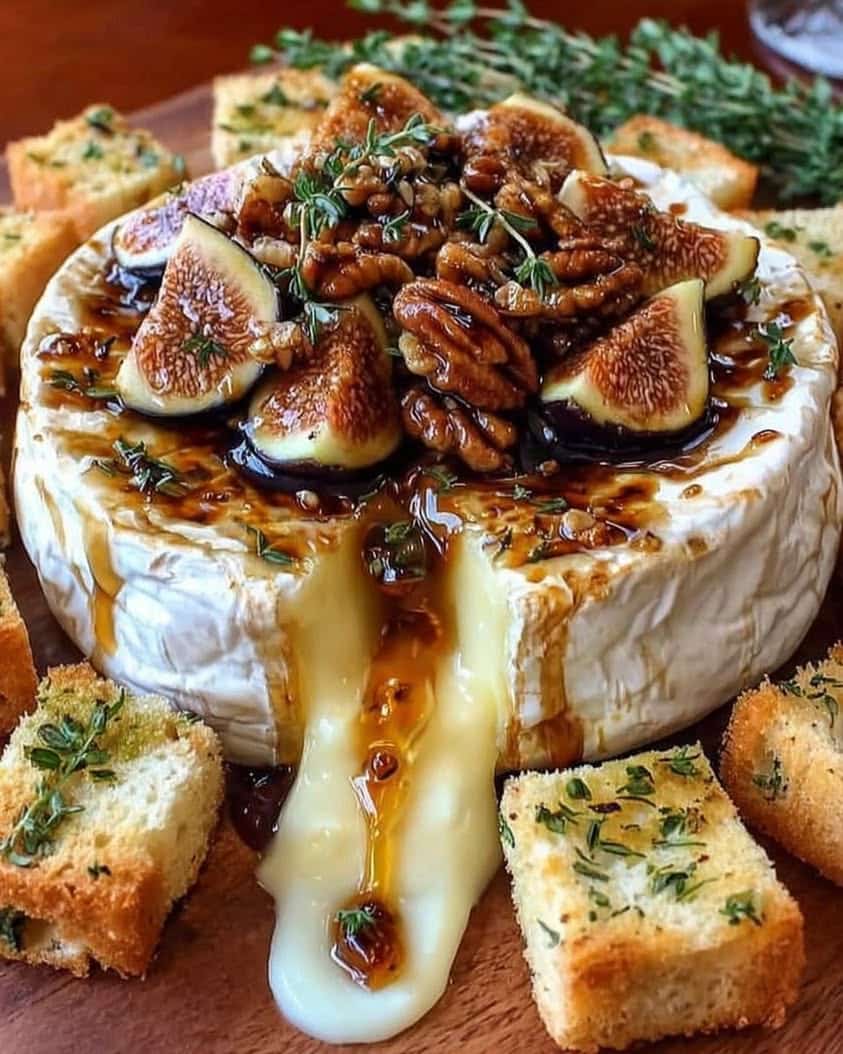
Imagine pulling a warm, gooey wheel of brie from the oven, its top glossy and golden, with a generous layer of fig preserves bubbling alongside toasted pecan pieces. As you slice into it, the cheese flows out smoothly, ready to be spread onto crusty bread or crisp apple slices. This Warm Baked Brie with Figs and Pecans recipe transforms simple ingredients into a memorable centerpiece that sparks conversation and delight. Whether you serve it during Thanksgiving, Christmas, or a New Year’s Eve celebration, this dish consistently earns rave reviews. The beauty of this recipe lies in its flexibility you can easily customize the toppings based on what you have on hand.
Quick Recipe Highlights
- Flavor Profile: This appetizer combines the buttery, mild tang of baked brie with the deep sweetness of fig preserves and the earthy crunch of toasted pecans. A drizzle of honey and fresh thyme add subtle floral and herbal notes that round out every bite.
- Texture: The exterior of the brie remains slightly firm while the interior becomes luxuriously creamy and spoonable. The fig jam provides a sticky, luscious texture, and the pecans introduce a satisfying crunch that contrasts beautifully with the soft cheese.
- Aroma: As the brie bakes, it fills your kitchen with a warm, nutty fragrance. The fig preserves release a fruity sweetness, while fresh thyme adds an earthy, aromatic layer that signals comfort and celebration.
- Visual Appeal: This dish presents beautifully with a golden brown brie wheel topped with deep purple fig jam, speckled with toasted pecan pieces, and finished with fresh green thyme leaves. It looks impressive on any cheese board or serving platter.
- Skill Level Needed: Even beginner cooks can master this recipe easily. The only real skill required involves timing the bake so the brie melts perfectly without bursting. This straightforward process builds confidence in the kitchen.
- Special Equipment: You need a small baking dish or a cast iron skillet that fits the brie wheel snugly. A sharp knife helps score the top of the cheese, and a serving knife works well for cutting the finished dish.
Recipe Overview
- Difficulty Level: This recipe earns an easy rating because it involves only a few simple steps and no complex techniques. You simply score the brie, top it with fig jam and pecans, then bake until warm and melty. Most home cooks can prepare this without any fuss.
- Category: This dish belongs to the appetizer and snack category, specifically warm cheese starters. It also works well as a brunch or party food item, given its shareable nature and crowd pleasing appeal.
- Cuisine: While brie originates from France, this preparation reflects a modern American entertaining style that embraces global flavors. The combination of French cheese with fig preserves, a Mediterranean staple, and pecans, native to North America, creates a truly fusion experience.
- Cost: This recipe proves relatively affordable for an impressive appetizer. A wheel of brie costs around five to eight dollars, fig preserves run about four to six dollars, and pecans cost roughly three to five dollars. Total ingredient cost lands under twenty dollars for eight generous servings.
- Season: Fall and winter provide the ideal seasons for this dish because figs reach peak ripeness during late summer and early fall. Additionally, the warm, cozy nature of baked brie complements cooler weather and holiday gatherings perfectly.
- Occasion: This Warm Baked Brie with Figs and Pecans suits a wide range of occasions, from casual movie nights to formal holiday dinners. It shines particularly during Thanksgiving, Christmas, New Year’s Eve, and any cocktail party where you want to impress without stress.
Why You’ll Love This Recipe
First and foremost, the taste and texture combination in this Warm Baked Brie with Figs and Pecans is absolutely divine. The creamy, molten brie provides a luxurious base that pairs perfectly with the sweet, sticky fig preserves. Each bite delivers a harmonious contrast between the rich cheese and the crunchy pecans. Moreover, the honey drizzle adds a subtle floral sweetness that ties everything together beautifully. This appetizer truly satisfies every craving, whether you prefer savory, sweet, or nutty flavors. The complexity of the dish belies its simple preparation, which is exactly what makes it so special for home cooks.
Convenience is another major reason to love this recipe. You can prepare the Warm Baked Brie with Figs and Pecans in under thirty minutes using just a handful of ingredients. There is no elaborate prep work, no complicated sauce making, and no tedious assembly required. Simply combine the toppings and bake. Furthermore, this recipe requires minimal cleanup since everything cooks in one dish. For busy hosts who want to serve something impressive without spending hours in the kitchen, this appetizer is a lifesaver. It gives you more time to enjoy your guests and less time stressing over complicated recipes.
Nutritionally, this appetizer offers some surprising benefits that make it a smarter choice compared to many party foods. Brie provides a good source of calcium and protein, which helps keep you feeling satisfied. Pecans deliver healthy fats, fiber, and antioxidants that support heart health. Figs contribute natural sweetness along with fiber and essential minerals like potassium and magnesium. While this dish is certainly indulgent, it offers more nutritional value than typical fried appetizers or processed snacks. You can feel good about serving something that tastes this decadent yet contains wholesome ingredients.
Socially and for entertaining, this Warm Baked Brie with Figs and Pecans serves as the perfect conversation starter. When you bring the warm, bubbling brie to the table, guests immediately gather around, drawn by the aroma and visual appeal. The interactive nature of spreading the cheese onto crackers or bread encourages sharing and connection. Furthermore, this dish works beautifully for potlucks, dinner parties, and holiday buffets because it travels well and maintains its texture. People remember the dishes that surprise and delight them, and this baked brie consistently leaves a lasting impression on everyone who tries it.
Cost effectiveness and accessibility make this recipe even more appealing. Compared to buying similar baked brie dishes from restaurants or catering services, homemade versions cost a fraction of the price. Additionally, the ingredients are readily available at most grocery stores throughout the year. You do not need specialty shops or expensive imports to create this dish. The affordability allows you to serve a high quality appetizer without straining your budget. For hosts who prioritize both quality and value, this Warm Baked Brie with Figs and Pecans offers the best of both worlds.
Historical Background and Cultural Significance
The origin of baked brie traces back to French culinary traditions where cheese has always held a revered place. Brie itself, often called the Queen of Cheeses, originated in the Île-de-France region during the medieval period. French peasants and aristocrats alike enjoyed brie, though the method of baking it became popular much later, particularly in American entertaining culture. The concept of serving warm, melted cheese as an appetizer gained traction in the United States during the 1980s and 1990s, when dinner parties and cocktail hours became more elaborate. This Warm Baked Brie with Figs and Pecans represents a modern evolution of that tradition.
Culturally, baked cheese dishes symbolize hospitality, abundance, and celebration across many societies. In France, serving cheese is an art form, and the wheel of brie represents generosity and refinement. American hosts embraced baked brie because it feels both luxurious and approachable, bridging the gap between formal entertaining and casual get togethers. The addition of figs and pecans reflects a distinctly American innovation that incorporates regional ingredients and global flavor influences. This dish now appears at everything from wedding showers to Super Bowl parties, demonstrating its broad appeal across different social contexts.
The evolution of this recipe shows how home cooks have adapted traditional French techniques to suit modern tastes and convenience. Early versions of baked brie often featured simple toppings like almonds or breadcrumbs. Over time, creative cooks began experimenting with fruit preserves, nuts, herbs, and even savory elements like garlic or prosciutto. The combination of figs and pecans emerged as a particularly successful pairing because the sweetness of the figs complements the rich, buttery brie while the pecans add a distinctly American twist. Food blogs, cooking shows, and social media platforms have further popularized this specific variation.
Regional variations of baked brie exist across the United States, reflecting local ingredient availability and cultural preferences. In the South, cooks might substitute pecans with walnuts or add a drizzle of bourbon infused honey. On the West Coast, variations often incorporate dried apricots, fresh berries, or local artisan jams. Mediterranean inspired versions might use honey, pistachios, and dried figs instead of fig preserves. Each region puts its own spin on the basic formula, but the essential appeal of warm, melted brie remains universal. This adaptability ensures the recipe continues to evolve while staying true to its roots.
Ingredient Deep Dive
Brie cheese holds deep cultural significance in France where it has been produced for over a thousand years. Originally, monks crafted brie in monasteries, and it later became a favorite of French royalty. Nutritionally, brie offers impressive benefits including high quality protein, calcium for bone health, and vitamin B12 for energy metabolism. It also contains conjugated linoleic acid, which may support immune function. When selecting brie, look for wheels that feel slightly soft when pressed gently but remain firm enough to hold their shape. Avoid brie with any ammonia like odors or excessively runny texture, which indicates overripeness. Store brie in the refrigerator wrapped in parchment paper or cheese paper, and bring it to room temperature before baking for even melting. For substitutions, you can use camembert, which has a similar texture, or even a double cream brie for extra richness.
Fig preserves play a starring role in this recipe, bringing sweetness and complexity that perfectly balances the savory cheese. Figs have been cultivated for thousands of years, originating in the Middle East and Mediterranean regions where they symbolized fertility and prosperity. Ancient Greeks and Romans revered figs as sacred fruits, often using them in religious ceremonies and medicinal remedies. Nutritionally, figs provide significant fiber, which aids digestion, along with potassium, calcium, and antioxidants that combat inflammation. When choosing fig preserves, look for options with visible fig pieces and a deep purple or amber color. Avoid preserves with added high fructose corn syrup or artificial flavors. Store opened preserves in the refrigerator and use within a few months. If you cannot find fig preserves, try using fig jam, dried fig spread, or even a high quality apricot or cherry preserves as substitutes.
Pecans add essential crunch and nutty depth to this Warm Baked Brie with Figs and Pecans. Native to North America, pecans have been a staple food for Indigenous peoples for centuries before European settlers arrived. The word pecan comes from an Algonquian term meaning a nut requiring a stone to crack. Nutritionally, pecans are packed with healthy monounsaturated fats, which support heart health, along with magnesium, zinc, and vitamin E. They also contain antioxidants that help reduce oxidative stress in the body. For selection, choose pecan halves or pieces that appear uniform in color and smell fresh and nutty. Avoid pecans that look shriveled or smell rancid, as they have likely gone bad. Store pecans in an airtight container in the refrigerator or freezer to maintain freshness for up to six months. If pecans are unavailable, walnuts, almonds, or hazelnuts make excellent substitutes that provide similar crunch.
Honey serves as the finishing touch that ties all the flavors together with its natural sweetness. Humans have harvested honey for over eight thousand years, with ancient Egyptians, Greeks, and Romans using it for both culinary and medicinal purposes. Honey contains antioxidants, antibacterial properties, and small amounts of vitamins and minerals. Raw honey specifically retains more beneficial enzymes and nutrients than processed varieties. For this recipe, choose a mild honey that will not overpower the other flavors. Orange blossom honey, clover honey, or wildflower honey all work beautifully. Store honey at room temperature in a sealed container, and if it crystallizes, simply warm the jar in a bowl of hot water. If you prefer a less sweet option, pure maple syrup makes a great substitute that adds its own unique flavor profile.
Fresh thyme adds an aromatic herbal note that elevates this dish from simple to sophisticated. Thyme has been used in Mediterranean cooking for centuries and was prized by ancient Greeks for its cleansing and preserving properties. It contains thymol, a compound with antioxidant and antimicrobial benefits. When selecting fresh thyme, look for vibrant green sprigs with no wilting or yellowing. Store fresh thyme wrapped in a damp paper towel inside a plastic bag in the refrigerator, where it can last up to two weeks. If fresh thyme is unavailable, dried thyme works, but use only half the amount since dried herbs are more concentrated. Rosemary or fresh sage can also serve as aromatic alternatives that pair well with the other flavors.
Common Mistakes to Avoid
- Overbaking the brie is a frequent error that leads to a runny, collapsed cheese that loses its shape. Bake just until the brie feels warm and slightly soft to the touch, usually about 15 minutes. The center should be molten but not liquid.
- Not scoring the top of the brie before baking prevents even melting and can cause the cheese to burst through the rind. Use a sharp knife to make a shallow crosshatch pattern on the top surface. This allows heat to penetrate evenly and prevents messy explosions.
- Using cold brie straight from the refrigerator results in uneven heating and a longer baking time. Always let the brie sit at room temperature for about 20 to 30 minutes before baking. This ensures the cheese warms through consistently.
- Choosing pre shredded or low quality brie compromises the final texture and flavor of the dish. Always buy a whole wheel of good quality brie for best results. Pre shredded cheese contains anti caking agents that prevent proper melting.
- Skipping the toasted pecans leaves the nuts tasting raw and less flavorful. Toast pecans in a dry skillet over medium heat for three to five minutes until fragrant. This simple step enhances their nutty flavor and adds extra crunch.
- Adding too many toppings can overwhelm the delicate flavor of the brie and cause the cheese to become soggy. Use a moderate amount of fig preserves and pecans to maintain balance. You can always offer extra toppings on the side.
- Using a baking dish that is too large causes the brie to spread out and lose its shape during baking. Choose a dish that fits the brie wheel with just a little room around the edges. This helps the cheese hold its form.
- Forgetting to let the baked brie rest for a few minutes after baking makes it difficult to serve without burning yourself. Allow the cheese to cool for about five minutes before transferring to a serving board. This also helps the filling set slightly.
- Baking the brie on a high rack too close to the broiler can cause the top to burn before the center melts. Use the middle oven rack and bake at 350 degrees Fahrenheit for gentle, even heating. This prevents scorching while ensuring proper melting.
- Not serving the brie with adequate accompaniments limits the experience of this dish. Provide an assortment of crackers, sliced baguette, apple slices, and pear slices for spreading. The contrast of textures enhances every bite.
Essential Techniques
Scoring the brie properly is a critical technique that ensures even melting and prevents the cheese from bursting. Use a sharp paring knife to make shallow cuts across the top of the brie in a diamond or crosshatch pattern. The cuts should only penetrate the rind and about one quarter inch into the cheese. Avoid cutting all the way through the wheel, as this can cause the cheese to leak during baking. This simple step allows heat to penetrate the cheese uniformly, resulting in a perfectly melted interior with a stable exterior. Practice this technique on a few brie wheels to build confidence and consistency.
Toasting pecans requires attention to prevent burning while maximizing flavor. Spread the pecan pieces in a single layer in a dry skillet over medium heat. Stir or shake the pan frequently to ensure even toasting. The pecans are ready when they become fragrant and lightly golden, usually after three to five minutes. Remove them from the hot pan immediately to stop the cooking process. Toasted pecans add a deeper, richer flavor and a crunchier texture compared to raw nuts. For extra flavor, you can toss the toasted pecans with a pinch of salt or a sprinkle of cinnamon before adding them to the brie.
Judging when the brie is perfectly baked requires paying attention to visual and tactile cues. The cheese should look slightly puffed and feel soft when gently pressed with a spoon. The edges may begin to bulge slightly, but the cheese should not lose its shape completely. Insert a small knife into the center, and it should come out warm and gooey. The fig preserves on top should be bubbly and fragrant. Overbaked brie becomes too runny and difficult to serve, while underbaked brie remains firm in the center. With practice, you will learn to recognize the perfect moment when the cheese is at its peak creaminess.
Assembling the baked brie dish involves layering ingredients strategically for best results. Start by placing the scored brie in the center of your baking dish. Spread the fig preserves evenly over the top, making sure to cover the surface fully. Sprinkle the toasted pecans over the fig layer, pressing them gently so they adhere. Finally, drizzle honey over everything and finish with fresh thyme leaves. This layering order ensures that the fig preserves melt into the cheese while the pecans maintain their crunch. The honey and thyme add flavor without becoming lost in the other ingredients.
Pro Tips for Perfect Warm Baked Brie with Figs and Pecans
Always use a brie that is at room temperature before baking for the most consistent results. Cold brie takes longer to warm through, which can lead to uneven melting and a longer baking time. Plan ahead by taking the cheese out of the refrigerator about 30 minutes before you start cooking.
For extra flavor, consider adding a sprinkle of flaky sea salt just before serving. The salt enhances the sweetness of the fig preserves and balances the richness of the cheese. A small amount goes a long way, so use a light hand.
Experiment with different fig preserves to find your favorite flavor profile. Some varieties include spices like cinnamon or star anise, which add complexity to the dish. Others are more fruit forward with chunks of fig for added texture.
If you want a deeper caramelized flavor, broil the assembled brie for the last two minutes of baking. Watch it closely to prevent burning. This creates a golden, slightly crisp top that contrasts beautifully with the creamy interior.
Use a cheese board or wooden serving platter that has been warmed slightly to keep the brie at the perfect temperature while serving. A cold board can cause the cheese to firm up too quickly. Simply run the board under hot water and dry it before placing the brie on it.
Offer a variety of dippers alongside the baked brie to cater to different preferences. Crusty baguette slices, water crackers, apple slices, pear slices, and even celery sticks all work wonderfully. The variety keeps the dish interesting and encourages guests to try different combinations.
Make the honey drizzle slightly warm before adding it to the brie for easier spreading. Warm honey pours more smoothly and coats the pecans evenly. You can heat it in the microwave for about 10 seconds or in a small saucepan over low heat.
Consider adding a sprinkle of dried cranberries or pomegranate seeds for extra color and tartness. These additions brighten the presentation and add a pop of acidity that cuts through the richness of the cheese. The colors also make the dish more festive for holiday occasions.
Variations and Adaptations
Regional variations of this Warm Baked Brie with Figs and Pecans exist throughout the United States, each reflecting local tastes and ingredient availability. In the Pacific Northwest, cooks might use local berries like huckleberries or marionberries instead of fig preserves. Southern variations often incorporate bourbon soaked pecans or a drizzle of sorghum syrup for a distinct regional twist. Midwestern versions might use cherry preserves and walnuts, reflecting the region’s abundant cherry orchards and walnut trees. These regional adaptations show how versatile the basic recipe truly is and how it can be customized to reflect local flavors. Experiment with your own regional ingredients to create a version that feels uniquely yours.
Seasonal adaptations allow you to enjoy this dish year round with fresh, appropriate ingredients. During summer, fresh figs, peaches, or nectarines make excellent substitutes for fig preserves. Simply slice the fruit and arrange it over the brie before baking. Fall versions can incorporate apple butter, pear preserves, or even pumpkin butter for a cozy twist. Winter holidays call for cranberry sauce or spiced plum preserves that complement the warm flavors of the season. Spring variations might use rhubarb compote or strawberry preserves for a lighter, brighter flavor profile. Each season brings new opportunities to reinvent this classic appetizer.
Dietary modifications make this recipe accessible to people with various nutritional needs and preferences. For a gluten free version, serve the baked brie with gluten free crackers, rice cakes, or vegetable slices like cucumber and bell pepper. Dairy free versions can be made using plant based brie alternatives made from cashews or almonds, though the texture will differ slightly. Vegan versions require completely different ingredients, such as cashew based cheese topped with fig jam and pecans, but the spirit of the dish remains similar. For a lower sugar option, use no sugar added fig preserves and skip the honey drizzle. These adaptations ensure that everyone can enjoy this delicious appetizer regardless of dietary restrictions.
Flavor variations can dramatically change the character of this dish while maintaining its essential appeal. Try adding crumbled blue cheese or goat cheese to the top for an extra tangy dimension. Incorporate balsamic glaze drizzled over the finished brie for a sweet and sour contrast. Spice lovers can add red pepper flakes or a pinch of cayenne to the pecan topping for heat. Herbs like rosemary, sage, or oregano offer different aromatic profiles that change the flavor direction. For a savory twist, top the brie with caramelized onions, crispy prosciutto, or roasted garlic before adding the fig preserves. Each variation creates a unique experience while keeping the preparation simple.
Texture modifications can adjust the mouthfeel and overall experience of the appetizer. For a crunchier version, double the pecan topping and add crushed pistachios or pumpkin seeds. For a smoother version, chop the pecans very finely or use pecan meal instead of pieces. Adding a layer of breadcrumbs mixed with melted butter creates a crisp, golden crust on top of the brie. For a gooier texture, let the brie bake a few minutes longer, but watch carefully to prevent collapse. Each texture choice changes how the dish feels in your mouth and how it pairs with different dippers. Consider what texture experience you want to create for your guests.
Presentation alternatives allow you to serve this appetizer in creative ways that suit different occasions. Instead of baking a whole wheel, you can cut the brie into smaller pieces and bake them individually in mini ramekins for personal servings. For a more dramatic presentation, serve the baked brie inside a hollowed out round loaf of bread, creating an edible bowl. You can also layer the brie, fig preserves, and pecans in a puff pastry shell for a wrapped version that looks even more impressive. Individual phyllo cups filled with brie mixture make perfect finger food for parties. Each presentation style changes the formality and ease of serving.
Serving and Presentation Guide
Plating techniques for this Warm Baked Brie with Figs and Pecans focus on creating a visually appealing centerpiece that invites guests to dig in. Use a large wooden cheese board or a slate platter as the base, as these materials provide a rustic, elegant backdrop. Place the warm brie wheel in the center of the board, surrounded by an assortment of crackers, bread slices, and fresh fruit. Arrange the accompaniments in small clusters around the cheese, leaving enough space for guests to reach everything easily. The goal is to create a balanced, abundant look that feels welcoming rather than cluttered.
Garnishing ideas can elevate the presentation and add finishing touches that impress your guests. Fresh fig slices arranged around the brie create a beautiful visual connection to the fig preserves on top. Sprigs of fresh thyme or rosemary add height and color to the plate. Edible flowers like pansies or nasturtiums bring a touch of elegance that works well for special occasions. A light dusting of powdered sugar or a few whole pecans placed strategically around the board adds texture and visual interest. Remember that garnishes should be edible and complement the flavors of the dish, not just decorate it.
Traditional accompaniments for baked brie include crusty French baguette slices, plain water crackers, and fresh apple or pear slices. These neutral dippers allow the cheese and toppings to shine without competing for attention. Many hosts also offer a small dish of additional fig preserves or honey for guests who want extra sweetness. For a more substantial spread, add cured meats like prosciutto or salami, along with cornichons or olives for contrast. The key is to provide a variety of textures and flavors that enhance the main dish without overwhelming it.
Modern serving suggestions can update this classic appetizer for contemporary tastes and trends. Serve the baked brie alongside a charcuterie board with artisan cheeses, meats, and pickled vegetables for a complete grazing experience. For a lighter option, offer endive leaves or radicchio cups as vessels for the cheese mixture. Some hosts serve the brie in small individual portions, spooning the melted cheese onto small plates with accompaniments arranged separately. This approach works well for more formal dinners where guests stay seated. Consider your serving style and choose the presentation that best fits your event.
Temperature considerations are crucial for enjoying this dish at its best. Serve the baked brie immediately after it comes out of the oven, while the cheese is still warm and gooey. Allow the brie to rest for about five minutes before serving to avoid burning yourself and to let the filling set slightly. If the brie cools too much, it will firm up and lose its desirable creamy texture. You can keep the brie warm by placing the baking dish on a warming tray or setting it on a heated serving stone. Never let the brie sit out for more than two hours for food safety reasons.
Portion control tips help you serve the right amount for your guests without waste. A standard eight ounce wheel of brie serves about eight people as an appetizer, with each person getting a few generous spoonfuls. For larger groups, plan on one wheel for every eight to ten guests, depending on how many other appetizers you are serving. If you are serving the brie as part of a larger meal, smaller portions will suffice. For cocktail parties where guests are standing and mingling, smaller portions make it easier for people to eat while socializing. Always prepare a little extra in case guests want seconds.
Wine and Beverage Pairing
Wine pairings for this Warm Baked Brie with Figs and Pecans should complement the creamy texture and sweet fig flavors. A crisp, dry sparkling wine like Champagne or Prosecco provides acidity that cuts through the richness of the cheese. Unoaked Chardonnay offers a buttery texture that mirrors the brie while its citrus notes balance the sweetness. For red wine lovers, a light bodied Pinot Noir with its red fruit flavors and low tannins works beautifully. Beaujolais, with its bright berry notes and soft tannins, also pairs well with the fig and pecan topping. Avoid heavily oaked or tannic wines that can overwhelm the delicate cheese flavors.
Non alcoholic alternatives ensure that everyone can enjoy a beverage pairing with this dish. A sparkling apple cider or non alcoholic sparkling wine provides the same festive feel as Champagne without the alcohol. Cranberry spritzer made with sparkling water and a splash of cranberry juice offers tartness that complements the sweet fig preserves. For a warm option, spiced apple cider simmered with cinnamon sticks and cloves creates a cozy pairing for cooler months. Herbal teas like chamomile or mint provide a light, refreshing contrast to the rich cheese. These non alcoholic options are just as thoughtful as wine pairings and make all guests feel included.
Coffee and tea pairings can work wonderfully for brunch or afternoon gatherings where wine might not be appropriate. A bold, dark roast coffee with chocolatey notes provides a pleasant contrast to the sweet and nutty flavors of the dish. For tea lovers, a robust black tea like English Breakfast or Earl Grey offers enough body to stand up to the cheese. Chai tea, with its warming spices, complements the fig and pecan flavors beautifully. For a lighter option, green tea with floral notes provides a refreshing palate cleanser between bites. Consider serving these beverages at the appropriate temperature, either hot or iced depending on the season.
Temperature considerations for beverages matter just as much as for food when pairing with baked brie. Sparkling wines and white wines should be served chilled to maximize their refreshing qualities. Red wines like Pinot Noir benefit from being slightly cool, around 55 degrees Fahrenheit, to keep their fruit flavors bright. Non alcoholic sparkling drinks should be well chilled for the best experience. Hot beverages like coffee and tea should be served at a temperature that allows guests to sip comfortably without burning. Pay attention to the temperature of your beverages to ensure they complement the warm brie rather than clash with it.
Serving suggestions for beverages can enhance the overall entertaining experience. Offer a small selection of wine options so guests can choose what they prefer. Provide wine glasses and tumblers for different beverage types. For non alcoholic options, consider making a signature mocktail that ties into the fig theme of the dish. A fig and rosemary spritzer, for example, would be both thematic and delicious. Label the beverages clearly so guests know what they are drinking. Creating a cohesive beverage experience shows attention to detail and makes the meal feel more complete.
Storage and Shelf Life
Storage methods for leftover baked brie require careful handling to maintain food safety and quality. First, allow any leftover brie to cool completely at room temperature for no more than two hours. Then, transfer the cooled brie to an airtight container and place it in the refrigerator. The baked brie will keep for up to three days when properly stored. However, the texture will change significantly upon reheating, becoming less creamy and more firm. Leftover baked brie is best used as a spread for sandwiches or melted into pasta sauces rather than served as a standalone appetizer again.
Temperature requirements for storing baked brie are strict because cheese is a perishable dairy product. Keep the brie refrigerated at 40 degrees Fahrenheit or below to prevent bacterial growth. Do not leave baked brie at room temperature for more than two hours total, including the time it spends on the serving board. If you are serving the brie outdoors during warm weather, reduce this time to one hour. Always err on the side of caution when it comes to food safety, especially when serving guests. Discard any brie that has been left out too long or shows signs of spoilage.
Container recommendations for storing baked brie focus on preventing the cheese from absorbing other flavors in the refrigerator. Use a glass or plastic container with a tight fitting lid to create an airtight seal. Alternatively, wrap the cooled brie tightly in plastic wrap and then place it in a resealable plastic bag. Avoid storing brie near strongly scented foods like onions or garlic, as the cheese can absorb these odors. For best results, use the leftover brie within one to two days while the texture is still acceptable. The quality declines rapidly after that point.
Signs of spoilage in baked brie are similar to those in fresh cheese. Look for any mold growth that is not part of the natural white rind. If you see green, black, or pink mold, discard the entire cheese immediately. Smell the brie for any sour, ammonia like, or off putting odors, which indicate spoilage. The texture may become slimy or excessively runny as the cheese deteriorates. If the brie develops an unusual color or changes in appearance, it is safest to throw it away. Never taste cheese that you suspect has gone bad, as foodborne illness can result.
Reheating instructions for leftover baked brie require gentle methods to prevent the cheese from becoming tough or rubbery. The best method is to reheat the brie in a 300 degree Fahrenheit oven for about five to seven minutes, just until warmed through. Microwaving is not recommended, as it can cause the cheese to become unevenly hot and develop a rubbery texture. Another option is to use the leftover brie as a melted spread on sandwiches or burgers, where the texture matters less. For the best results, plan to eat the baked brie the same day you make it, as reheated brie never quite matches the original quality.
Freezing guidelines for baked brie are generally not recommended because the texture suffers significantly upon thawing. The high moisture content in brie causes it to become watery and grainy after freezing and thawing. However, if you must freeze leftover baked brie, wrap it tightly in plastic wrap and then in aluminum foil. Freeze for up to one month. Thaw the brie in the refrigerator overnight before using it in cooked dishes like sauces or casseroles. Do not attempt to refreeze thawed brie, as this further degrades the quality. For best results, prepare only as much brie as you plan to eat fresh.
Make Ahead Strategies
Prep timeline for this Warm Baked Brie with Figs and Pecans focuses on tasks that can be completed ahead of time without sacrificing quality. Up to one day in advance, toast the pecans and store them in an airtight container at Print
Warm Baked Brie with Figs and Pecans
- Total Time: 22 minutes
- Yield: 6
Description
A warm, gooey baked brie topped with sweet figs and crunchy pecans, perfect for an elegant appetizer.
Ingredients
- 1 (8 ounce) wheel of Brie cheese
- 1/2 cup dried figs, chopped
- 1/4 cup pecans, chopped
- 2 tablespoons honey
- 1 tablespoon balsamic vinegar
- 1/4 teaspoon fresh rosemary, chopped (optional)
- Crackers or sliced baguette for serving
Instructions
- Preheat oven to 350°F (175°C). Place the Brie wheel on a parchment-lined baking sheet or in a small oven-safe dish.
- In a small bowl, combine chopped figs, pecans, honey, and balsamic vinegar. Stir until well mixed.
- Spoon the fig-pecan mixture evenly over the top of the Brie. If using, sprinkle with fresh rosemary.
- Bake for 10-12 minutes, until the cheese is soft and starting to melt slightly.
- Remove from oven and let cool for 2-3 minutes. Transfer to a serving platter and surround with crackers or sliced baguette. Serve warm.
Notes
You can customize the seasonings to taste.
- Prep Time: 10 minutes
- Cook Time: 12 minutes
- Method: Appetizer
- Cuisine: American