Quick and Easy Spaghetti with Garlic and Spinach for Busy Nights
This quick and easy spaghetti with garlic and spinach for busy nights is the ultimate weeknight lifesaver. The combination of tender spaghetti, fragrant garlic, and fresh spinach creates a dish that feels both comforting and light. You can prepare this spaghetti with garlic and spinach in under thirty minutes, making it perfect for those evenings when time is tight but you still crave something homemade.
Imagine the aroma of garlic sizzling gently in olive oil as it fills your kitchen. The sweet, earthy scent of fresh spinach wilting into the warm pasta adds another layer of comfort. Each bite offers a satisfying chew from the spaghetti balanced by the silkiness of the greens. This quick and easy spaghetti with garlic and spinach for busy nights proves that simple ingredients can deliver remarkable flavor without any fuss or stress.
This recipe celebrates the beauty of pantry staples coming together in perfect harmony. Whether you are cooking for yourself or feeding a hungry family, the straightforward steps ensure consistent results every time. The gentle heat coaxes out the natural sweetness of the garlic while the spinach provides a vibrant pop of green. For those seeking a reliable go-to meal, this quick and easy spaghetti with garlic and spinach for busy nights will quickly become a staple in your weekly rotation.
Quick Recipe Highlights
- Flavor Profile: This dish delivers a delicate balance of pungent garlic and mild, earthy spinach. The olive oil adds a fruity richness that ties everything together. A pinch of red pepper flakes introduces a subtle warmth without overpowering the palate.
- Texture: The al dente spaghetti provides a satisfying bite that contrasts beautifully with the tender, wilted spinach. Each strand is lightly coated in the garlic-infused oil, creating a silky mouthfeel. The overall experience is both hearty and delicate at the same time.
- Aroma: The fragrance of garlic gently browning in olive oil is the star of this dish. As the spinach wilts, it releases a fresh, green scent that balances the richness of the oil. The combination is inviting and promises a comforting meal ahead.
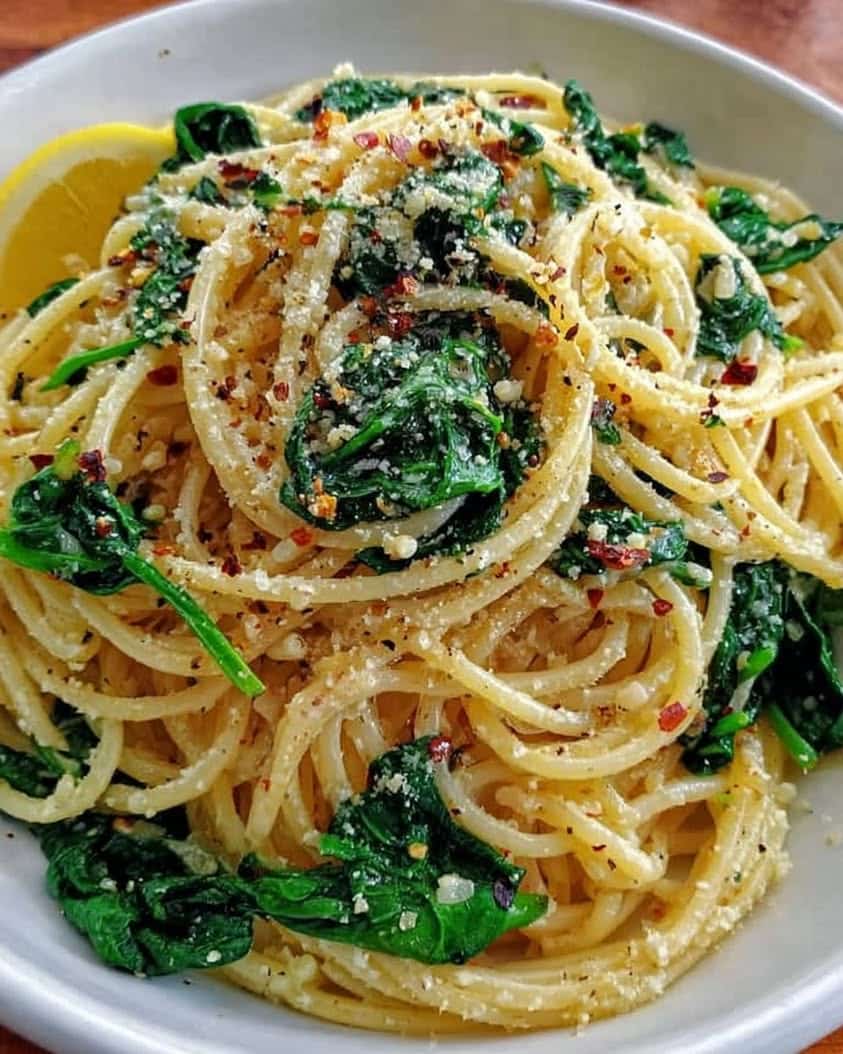
- Visual Appeal: Bright green spinach weaves through glossy spaghetti strands, creating a beautiful contrast. The pale golden garlic pieces are scattered throughout, adding texture and visual interest. A final sprinkle of Parmesan or red pepper flakes adds the perfect finishing touch.
- Skill Level Needed: This recipe requires only basic knife skills and a simple understanding of pasta cooking. There are no complicated techniques or hard-to-find ingredients involved. Even novice cooks can achieve excellent results on their very first attempt.
- Special Equipment: You need a large pot for boiling pasta and a large skillet or sauté pan for the sauce. A colander for draining and a sharp knife for mincing garlic are also essential. No specialty gadgets are required for this straightforward recipe.
Recipe Overview
- Difficulty Level: This recipe rates as easy because it relies on basic cooking methods like boiling and sautéing. The ingredient list is short and includes items most people keep in their pantry. No advanced techniques like emulsifying or tempering are needed. You can confidently make this dish even on your most hectic weeknight.
- Category: This falls under main course pasta dishes but also works well as a substantial side dish. It pairs beautifully with grilled chicken or fish for a more complete meal. The versatility allows you to adjust portions based on your needs for lunch or dinner.
- Cuisine: The inspiration comes from classic Italian cucina povera, which emphasizes humble ingredients and simple preparation. This style celebrates the philosophy of making delicious food with minimal resources. The use of garlic, olive oil, and pasta reflects the heart of Mediterranean cooking traditions. Regional variations across Italy often include greens like spinach or swiss chard.
- Cost: This is an extremely budget-friendly meal because the ingredients are inexpensive and widely available. A box of spaghetti costs just a few dollars, and fresh garlic and spinach are very affordable. You can feed four people for under ten dollars total, making it an excellent choice for saving money. Leftover ingredients can easily be used in other recipes throughout the week.
- Season: This dish shines in spring and summer when fresh spinach is at its peak and most flavorful. However, the ingredients are available year-round in most grocery stores. The light nature of the sauce makes it particularly appealing during warmer months. You can enjoy it anytime you need a quick and satisfying meal.
- Occasion: This recipe is perfect for casual family dinners, weeknight meals after a long day, or last-minute gatherings with friends. It also works well for meal prep since the flavors hold up nicely for a day or two. The simplicity makes it appropriate for both beginner cooks and experienced chefs looking for a quick fix.
Why You’ll Love This Recipe
The taste and texture of this quick and easy spaghetti with garlic and spinach for busy nights are simply irresistible. The garlic slowly infuses the olive oil, creating a fragrant base that coats every strand of pasta. Fresh spinach wilts down to a tender, silky texture that complements the al dente spaghetti perfectly. The combination of flavors feels both indulgent and light, leaving you satisfied without feeling overly full. The subtle heat from red pepper flakes adds a gentle kick that wakes up your taste buds. Each forkful delivers a harmonious blend of savory, earthy, and slightly sweet notes.
Convenience is a major reason why this recipe deserves a regular spot in your meal rotation. You can have dinner on the table in about twenty-five minutes from start to finish. The ingredient list uses items you likely already have in your pantry and refrigerator. There is minimal chopping involved, and the cooking process requires very little active attention. Cleanup is quick because you only use a pot, a skillet, and a few basic utensils. This efficiency makes it an ideal choice for evenings when time and energy are both limited.
Nutritional advantages make this dish a smart choice for health-conscious home cooks. Spinach provides a generous dose of vitamins A, C, and K, along with iron and antioxidants. Garlic is known for its immune-boosting properties and potential cardiovascular benefits. Using olive oil as the base adds healthy monounsaturated fats that support heart health. The pasta provides complex carbohydrates for sustained energy throughout the evening. This balanced meal offers both nourishment and satisfaction without any guilt.
The social and entertaining value of this recipe should not be underestimated. You can easily double the batch to feed a crowd without adding significant effort. Guests appreciate the rustic, homey quality of a dish made with care and fresh ingredients. The beautiful presentation with bright green spinach and glossy pasta looks impressive on any table. You can serve family-style in a large bowl, encouraging everyone to help themselves. This casual approach fosters a warm, welcoming atmosphere that makes people feel comfortable and cared for.
The cost-effectiveness and accessibility of the ingredients make this recipe a practical choice for any budget. A box of quality spaghetti costs only a couple of dollars and lasts for several meals. Fresh garlic is incredibly inexpensive and adds tremendous flavor for very little money. Spinach often comes in large bags that provide multiple servings at a low price point. Olive oil and basic seasonings are pantry staples that you likely already have on hand. This economical approach allows you to eat well without straining your grocery budget.
Historical Background and Cultural Significance
The origins of simple pasta dishes like this quick and easy spaghetti with garlic and spinach for busy nights trace back to southern Italy. During the 18th and 19th centuries, Italian peasants created meals using affordable, readily available ingredients. Garlic and olive oil have been cornerstones of Mediterranean cuisine for thousands of years. The concept of aglio e olio, simply pasta with garlic and oil, emerged as a humble yet delicious staple. Adding spinach or other greens was a natural way to incorporate vegetables into the daily diet. These resourceful cooks proved that scarcity could inspire incredible culinary creativity.
Cultural importance of this style of cooking cannot be overstated in Italian culinary tradition. The philosophy of making the most with the least available resources is known as cucina povera. This approach emphasizes fresh, seasonal ingredients prepared with respect and simplicity. Meals were often built around whatever was growing in the garden or available at the market. The communal aspect of sharing a large bowl of pasta brought families together at the end of the day. These traditions continue to influence modern Italian cooking and home kitchens worldwide.
The evolution of this recipe reflects broader changes in food availability and cooking technology. Originally, pasta was dried and stored for long periods, making it a reliable pantry staple. Garlic was preserved through hanging and used throughout the year for its intense flavor. The introduction of fresh spinach to pasta dishes became more common as refrigeration improved distribution. Immigrants brought these simple recipes to America, where they gained popularity for their affordability and taste. Today, variations appear in cookbooks and restaurants around the globe, adapted to local tastes and ingredients.
Regional variations across Italy demonstrate the versatility of this basic formula. In southern regions, cooks might use broccoli rabe or wild greens instead of spinach. Northern versions sometimes incorporate butter or cream for a richer, more luxurious texture. Some areas add anchovies or capers for a briny, umami boost that complements the garlic beautifully. The choice of pasta shape also varies, with spaghetti being common but linguine or fettuccine appearing frequently. Each regional twist adds a unique character while honoring the original spirit of simplicity and resourcefulness.
Ingredient Deep Dive
Spaghetti holds cultural significance as one of the most iconic pasta shapes in Italian cuisine. Its long, thin strands are perfectly designed to capture light sauces like this garlic and oil mixture. Nutritionally, spaghetti provides complex carbohydrates that offer steady energy release throughout the day. When selecting spaghetti, look for brands made from 100% semolina flour for the best texture and cooking performance. Store dried pasta in a cool, dry place away from direct sunlight to maintain its quality for up to two years. For a whole wheat alternative, choose 100% whole wheat spaghetti which offers more fiber and a nuttier flavor.
Garlic has been cherished for both culinary and medicinal purposes for over five thousand years. Ancient Egyptians used it for strength and endurance, while Greek athletes consumed it before competitions. The compound allicin is responsible for garlic’s distinctive aroma and many health benefits. When selecting garlic, choose bulbs that are firm with tight, unbroken skin and no signs of sprouting. Store whole bulbs in a cool, dark place with good air circulation, and avoid refrigerating them. For a milder flavor, you can substitute roasted garlic paste or even shallots in a pinch.
Spinach originated in ancient Persia and spread across the globe through trade routes over many centuries. It became particularly popular in Mediterranean cuisine for its tender texture and mild, slightly sweet flavor. Nutritionally, spinach is a powerhouse of vitamins A, C, and K, as well as iron and calcium. When buying fresh spinach, look for crisp, vibrant green leaves without any yellowing or wilting. Store it in the refrigerator in a perforated bag and use within three to five days for the best quality. If fresh spinach is unavailable, frozen spinach works well and requires no washing or stemming.
Olive Oil is the liquid gold of Mediterranean cooking and the foundation of countless traditional dishes. Extra virgin olive oil retains the highest level of antioxidants and healthy monounsaturated fats. Its fruity, sometimes peppery flavor enhances the garlic and spinach without overwhelming them. Choose a good quality extra virgin olive oil in a dark bottle to protect it from light degradation. Store olive oil in a cool, dark cabinet away from heat sources like the stove. For a different flavor profile, avocado oil offers a neutral taste and high smoke point for sautéing.
Red Pepper Flakes add a subtle warmth that awakens the other flavors in the dish without making it spicy. These dried and crushed chili peppers originated in Central and South America before spreading globally. Capsaicin, the compound responsible for heat, also offers anti-inflammatory and metabolism-boosting properties. Look for red pepper flakes with vibrant color and a strong, peppery aroma in the bulk spice section. Store them in an airtight container away from light and heat to preserve their potency. You can substitute fresh chili, cayenne pepper, or even black pepper for a different type of heat.
Parmesan Cheese brings a salty, nutty finish that elevates the entire dish to another level. True Parmigiano-Reggiano comes from specific regions in Italy and undergoes a strict aging process of at least twelve months. It adds protein and calcium while providing a savory umami boost that enhances the other ingredients. When buying Parmesan, look for authentic imported versions for the best flavor and texture. Store it wrapped in wax paper inside a plastic bag in the refrigerator to prevent drying. For a dairy-free option, nutritional yeast offers a cheesy, savory flavor without any animal products.
Common Mistakes to Avoid
- Overcooking the spaghetti leads to mushy, unappealing pasta that loses its structure. Cook it until al dente, which means firm to the bite, and check it a minute before the package directions suggest. The pasta will continue cooking slightly when you toss it with the hot sauce.
- Burning the garlic creates a bitter, acrid taste that ruins the entire dish. Cook garlic over medium-low heat and stir constantly to ensure even browning. Remove it from heat immediately when it turns pale golden and fragrant.
- Using too much oil makes the dish greasy and heavy rather than light and coating. Start with three tablespoons and add more only if needed for the desired consistency. The goal is a thin coating that clings to each strand of pasta.
- Not salting the pasta water adequately results in bland spaghetti that lacks flavor. Use at least one tablespoon of salt per gallon of water for properly seasoned pasta. The salt absorbs into the pasta as it cooks, providing flavor from within.
- Adding spinach too early causes it to overcook into a slimy, unappealing texture. Add it during the last minute of cooking and toss just until wilted and bright green. The residual heat from the pasta will continue to soften it slightly.
- Failing to reserve pasta water is a missed opportunity for perfecting the sauce. The starchy water helps emulsify the oil and creates a silky coating on the pasta. Save at least one cup before draining, and add a splash if the dish seems dry.
- Using cold ingredients directly from the refrigerator can cause uneven cooking and reduced flavor. Let pasta and spinach come to room temperature for about ten minutes before cooking. This ensures more consistent results and better absorption of flavors.
- Skipping the resting period after tossing prevents the flavors from melding together properly. Let the pasta sit for about two minutes after combining so the sauce absorbs into the strands. This brief rest allows the dish to reach its full potential.
- Rinsing the cooked pasta removes the valuable starch that helps sauces cling to the surface. Only rinse pasta if you plan to use it in a cold dish like pasta salad. For hot pasta dishes, drain well and immediately combine with the sauce.
- Overseasoning with salt during cooking because cheese and olives add significant sodium later. Taste the dish before adding any additional salt at the table. The savory elements from Parmesan and garlic provide enough seasoning for most palates.
Essential Techniques
Boiling Pasta Properly is the foundation of any successful pasta dish. Use a large pot with at least four quarts of water per pound of pasta to allow room for movement. Bring the water to a rolling boil before adding the pasta, which ensures even cooking from the start. Stir the pasta immediately after adding it and occasionally during cooking to prevent sticking. The water should taste like the sea from salting, which seasons the pasta internally. Drain the pasta al dente, about one minute before the package instructions indicate, because it will finish cooking in the sauce. This technique creates perfectly textured spaghetti that holds sauce beautifully.
Sautéing Garlic requires patience and attention to avoid burning and bitterness. Heat the olive oil over medium-low heat before adding the minced garlic to ensure gentle cooking. Stir the garlic constantly with a wooden spoon to distribute heat evenly and prevent hot spots. The garlic is ready when it turns pale golden and releases a fragrant, sweet aroma into the oil. Remove the pan from heat immediately if the garlic begins to brown too quickly. The residual heat will continue to cook the garlic slightly, so err on the side of taking it off early. This careful approach yields sweet, mellow garlic that enhances rather than dominates the dish.
Wilting Spinach transforms the raw leaves into a tender, silky component that integrates seamlessly. Add the spinach in batches if necessary, allowing the first batch to wilt before adding more. Toss the spinach gently with tongs to coat it in the garlic oil and promote even wilting. The leaves should turn bright green and reduce significantly in volume within about one minute. Avoid overcooking, as the spinach can become slimy and lose its vibrant color. Remove the pan from heat as soon as the spinach is wilted to preserve its texture. This technique preserves the nutritional value and fresh taste of the greens.
Emulsifying the Sauce creates a silky, cohesive coating that clings perfectly to every strand of pasta. Reserve about one cup of starchy pasta water before draining the spaghetti. Add a splash of the pasta water to the garlic and spinach mixture and stir vigorously. The starch in the water helps bind the oil and water together into a smooth emulsion. Toss the drained pasta with the sauce and add more pasta water as needed to reach the desired consistency. The goal is a light, glossy coating that covers the pasta without pooling at the bottom of the bowl. This technique elevates the dish from simple to restaurant-quality.
Tossing Pasta with Sauce ensures even distribution and optimal flavor absorption in every bite. Use tongs or two large forks to lift and turn the pasta repeatedly until thoroughly coated. Add the pasta to the skillet with the sauce rather than pouring sauce over the pasta in a separate bowl. The heat from the skillet helps the sauce adhere to the pasta and meld the flavors together. Continue tossing for about one minute until everything is well combined and heated through. Let the pasta rest for one to two minutes before serving to allow the flavors to settle. This final technique brings all the elements together into a harmonious dish.
Pro Tips for Perfect Quick and Easy Spaghetti with Garlic and Spinach for Busy Nights
Use freshly minced garlic rather than pre-chopped versions from a jar for the best flavor. Fresh garlic has a more pungent, vibrant taste that enhances the entire dish significantly. The pre-minced versions often contain preservatives that alter the flavor profile.
Toast the red pepper flakes in the oil for about thirty seconds before adding the garlic. This brief toasting releases their essential oils and deepens their flavor without making the dish too spicy. You can control the heat level by adjusting the amount you add.
Reserve extra pasta water beyond what you think you need for adjusting the sauce consistency. The starchy water is your secret weapon for creating a silky, restaurant-quality sauce. You can always discard the extra if you do not use it.
Wash and thoroughly dry the spinach before cooking to prevent excess water from diluting the sauce. Wet spinach creates steam that can make the dish watery and reduce the intensity of the garlic flavor. Pat the leaves dry with a clean kitchen towel or use a salad spinner.
Add a squeeze of fresh lemon juice just before serving to brighten the flavors and cut through the richness. The acidity balances the oil and enhances the natural sweetness of the spinach. Start with a small amount and adjust to your taste preference.
Grate the Parmesan cheese fresh from a block rather than using pre-shredded versions. Pre-shredded cheese contains anti-caking agents that prevent it from melting smoothly into the sauce. Freshly grated cheese offers superior flavor and texture that elevates the entire dish.
Use high-quality extra virgin olive oil for the best flavor, but save expensive finishing oils for drizzling at the end. The cooking process mellows the oil, so a moderately priced bottle works well for sautéing. Drizzle a small amount of your best olive oil over the finished dish for a final touch.
Do not overcrowd the skillet when wilting the spinach, as this traps steam and leads to uneven cooking. Work in batches if necessary to ensure each leaf comes into contact with the hot oil. This attention to detail produces perfectly tender, vibrant green spinach every time.
Variations and Adaptations
Regional Variations of this dish appear throughout Italy and the Mediterranean region. In Sicily, cooks often add toasted breadcrumbs for a rustic crunch that contrasts with the tender pasta. Southern Italian versions might include anchovies melted into the oil for a salty, umami depth. In coastal regions, fresh seafood like shrimp or clams can transform this into a more substantial main course. Each regional twist adds local character while honoring the original simplicity of the recipe.
Seasonal Adaptations allow you to take advantage of fresh produce throughout the year. In spring, substitute fresh peas and asparagus for some of the spinach for a brighter, more vibrant dish. Summer brings opportunities to add cherry tomatoes or zucchini for extra color and texture. Fall versions can incorporate sautéed mushrooms or roasted butternut squash for earthy warmth. Winter adaptations might use kale or swiss chard instead of spinach for heartier greens that stand up to longer cooking.
Dietary Modifications make this recipe accessible to those with food sensitivities or preferences. For a gluten-free version, substitute your favorite gluten-free spaghetti made from rice, corn, or quinoa flour. To make it vegan, omit the Parmesan cheese and use nutritional yeast for a cheesy flavor. A low-carb adaptation can use zucchini noodles or shirataki noodles in place of traditional spaghetti. These modifications maintain the spirit of the dish while accommodating various dietary needs.
Flavor Variations offer endless opportunities for creativity and personalization. Add sun-dried tomatoes for a sweet, concentrated tomato flavor that complements the garlic beautifully. Incorporate capers or olives for a briny, tangy twist that adds complexity. A sprinkle of fresh herbs like basil, parsley, or oregano brightens the dish and adds aromatic notes. For a smoky element, use smoked paprika or a touch of liquid smoke in the oil. These additions allow you to customize the dish to your exact taste preferences.
Texture Modifications can change the mouthfeel and overall experience of the dish. For a creamier version, stir in a tablespoon of cream cheese or a splash of heavy cream at the end. Add toasted pine nuts or walnuts for a satisfying crunch that contrasts with the tender pasta. Include cooked white beans or chickpeas for extra protein and a creamy interior texture. For additional crunch, top with crispy prosciutto or pancetta bits before serving. These texture changes add variety and interest to the basic recipe.
Presentation Alternatives allow you to serve this dish in different settings and occasions. For a more elegant presentation, twirl the spaghetti into neat nests using a carving fork and tongs. Serve individual portions in shallow bowls with a drizzle of finishing olive oil on top. For a family-style meal, present the pasta in a large, warm serving bowl with extra Parmesan on the side. Garnish with fresh basil leaves or a sprinkle of red pepper flakes for visual appeal and flavor contrast.
Serving and Presentation Guide
Plating Techniques can transform a simple weeknight meal into an impressive dining experience. Use a pair of tongs to create a neat, twisted mound of pasta in the center of each bowl. Lift the pasta from the serving dish and twist it gently before placing it on the plate. This technique prevents stray strands and creates a professional-looking presentation. Alternatively, use a large fork and spoon to coil the pasta into a tidy nest shape. The height of the mound adds visual interest and makes the portion look substantial.
Garnishing Ideas add the final touch that makes the dish visually appealing and flavorful. A light sprinkle of freshly grated Parmesan cheese over the top adds a snowy white contrast. Fresh basil leaves or parsley provide a bright green pop that complements the spinach. A pinch of red pepper flakes adds color and a hint of heat for those who enjoy spice. A drizzle of high-quality extra virgin olive oil just before serving adds shine and richness. These simple garnishes elevate the dish without overwhelming the core flavors.
Traditional Accompaniments complete the meal and provide balance to the pasta dish. A simple green salad with lemon vinaigrette offers a fresh, acidic contrast to the rich pasta. Crusty bread or garlic bread is perfect for sopping up any leftover sauce in the bowl. Grilled or roasted vegetables like asparagus or broccoli add extra nutrients and texture. A glass of crisp white wine, such as Pinot Grigio or Sauvignon Blanc, pairs beautifully with the garlic and olive oil. These accompaniments round out the meal and make it feel more complete.
Modern Serving Suggestions offer fresh ways to present this classic dish for contemporary tastes. Serve the pasta in individual cast iron skillets for a rustic, Instagram-worthy presentation. Use wide, shallow bowls that allow the pasta to spread out and show off the beautiful colors. For a deconstructed version, serve the spaghetti with the garlic and spinach sauce on the side for dipping. A small ramekin of extra Parmesan and red pepper flakes allows guests to customize their servings. These modern approaches add excitement and novelty to a familiar dish.
Temperature Considerations are important for enjoying the dish at its best. Serve the spaghetti immediately after cooking while it is still hot and the sauce is fluid. If the dish sits too long, the pasta will absorb the sauce and become dry. If reheating is necessary, add a splash of reserved pasta water or olive oil to restore moisture. The ideal serving temperature allows the garlic and olive oil flavors to be vibrant and aromatic. Cold leftovers can be transformed into a pasta salad with added vegetables and vinaigrette.
Portion Control Tips help you serve the right amount without waste or overeating. A standard serving of dry spaghetti is about two ounces per person for a main course. For a side dish, reduce to one ounce per person to leave room for other components. Use a kitchen scale for accuracy, or measure by the diameter of a quarter coin for a single serving. Cooked pasta doubles in volume, so two ounces dry becomes about one cup cooked. These measurements ensure you have enough for everyone without excessive leftovers.
Wine and Beverage Pairing
Wine Pairings enhance the garlic and spinach flavors while complementing the olive oil base. A crisp Pinot Grigio from northern Italy offers bright acidity that cuts through the richness of the oil. Sauvignon Blanc provides herbal notes that echo the spinach and add freshness to each sip. For red wine lovers, a light-bodied Chianti or Barbera offers enough acidity without overpowering the delicate flavors. A dry rosé from Provence works beautifully as a versatile option that bridges white and red preferences. The key is choosing wines with good acidity that can stand up to the garlic without being overwhelmed.
Non-Alcoholic Alternatives provide refreshing options for those who prefer not to drink alcohol. Sparkling water with a squeeze of lemon or lime cleanses the palate between bites of rich pasta. A chilled herbal iced tea, such as mint or chamomile, offers a soothing contrast to the savory dish. Non-alcoholic sparkling wine or dealcoholized wine offers the same pairing benefits without the alcohol. For a more festive option, a virgin bloody mary with extra lemon complements the garlic beautifully. These alternatives allow everyone to enjoy a beverage that enhances the dining experience.
Coffee and Tea Pairings may not be traditional with pasta but can work for brunch or light meals. A light-bodied green tea like Sencha offers vegetal notes that mirror the spinach flavors. Herbal teas such as lemon verbena or ginger provide bright, aromatic complements to the garlic. For after the meal, a small espresso or strong black coffee cleanses the palate and aids digestion. These options are particularly suitable if you are serving the pasta as part of a larger brunch spread. The key is choosing beverages that do not overpower the delicate flavors of the dish.
Temperature Considerations influence how the beverage interacts with the pasta and sauce. White wines and sparkling water should be served well-chilled to provide a refreshing contrast to the warm pasta. Red wines should be slightly cool, around 55-60 degrees Fahrenheit, to maintain their acidity and freshness. Hot tea or coffee should be served at a temperature that does not overwhelm the palate. The beverage temperature should complement the dish without competing for attention. Finding the right temperature balance enhances both the food and drink experience.
Serving Suggestions for beverages ensure they are ready when the pasta is served. Chill white wine and sparkling water for at least two hours before serving for optimal refreshment. Allow red wine to breathe for about fifteen minutes after opening to soften any harsh tannins. Prepare hot tea or coffee just before serving the pasta to ensure it is at the perfect temperature. Have glasses pre-chilled for white wine or sparkling water to maintain temperature longer. These small preparations make the dining experience feel more thoughtful and polished.
Storage and Shelf Life
Storage Methods for leftover spaghetti with garlic and spinach require careful handling to maintain quality. Allow the pasta to cool completely at room temperature before storing it in an airtight container. Spread the pasta in a thin layer on a baking sheet to cool quickly and prevent bacterial growth. Once cooled, transfer it to a clean container and seal tightly to prevent absorption of refrigerator odors. Properly stored leftovers will maintain their best quality for up to three days. For longer storage, consider freezing the pasta in portion-sized containers.
Temperature Requirements are crucial for food safety and preserving texture. Store leftover pasta in the refrigerator at or below 40 degrees Fahrenheit to inhibit bacterial growth. Do not leave the pasta at room temperature for more than two hours after cooking. The refrigerator temperature should be consistent, so avoid storing the pasta in the door where temperatures fluctuate. For frozen storage, maintain a temperature of 0 degrees Fahrenheit or below. Consistent cold temperatures prevent spoilage and maintain the best possible texture and flavor.
Container Recommendations can make a significant difference in how well leftovers hold up. Glass containers with airtight lids are ideal because they do not absorb odors and are easy to clean. Plastic containers with tight-sealing lids work well but may absorb garlic odors over time. Avoid using aluminum containers, as the acid in the pasta can react with the metal. For freezing, use freezer-safe containers or heavy-duty freezer bags with the air pressed out. Proper containers prevent freezer burn and maintain the quality of the pasta for longer periods.
Signs of Spoilage indicate when leftovers should be discarded rather than consumed. A sour or off smell coming from the pasta is the most obvious sign of spoilage. Visible mold growth, which may appear as fuzzy spots of various colors, means the pasta must be thrown away. Changes in texture, such as excessive mushiness or slime, indicate bacterial activity. If the pasta has an unusual taste, even a small bite, discard the entire batch immediately. When in doubt, it is always safer to discard questionable leftovers rather than risk foodborne illness.
Reheating Instructions help restore the pasta to a palatable state without further degrading the texture. The best method is to reheat in a skillet over medium heat with a splash of water or olive oil. Toss the pasta frequently until it is heated through, which takes about three to five minutes. For microwave reheating, cover the bowl with a damp paper towel to add moisture and prevent drying. Stir the pasta halfway through reheating to ensure even temperature distribution. Avoid overheating, which can make the pasta rubbery and the spinach slimy.
Freezing Guidelines allow you to preserve this dish for future meals with minimal loss of quality. Portion the cooled pasta into freezer-safe containers or bags, removing as much air as possible. Label each container with the date and contents for easy identification later. Frozen pasta will maintain its best quality for up to three months in the freezer. Thaw frozen pasta overnight in the refrigerator before reheating for the best texture. Do not refreeze pasta that has already been thawed, as this degrades quality and increases food safety risks.
Make Ahead Strategies
Prep Timeline helps you organize the cooking process for maximum efficiency. Up to one day ahead, you can mince the garlic and store it in a small container in the refrigerator. Wash and dry the spinach, then store it in a salad spinner or lined container to stay crisp. Measure out the olive oil, red pepper flakes, and salt into small bowls for easy access. This advance preparation reduces active cooking time to just the final assembly steps. The dish comes together in minutes when you have everything prepped and ready to go.
Storage Between Steps requires careful handling to maintain ingredient quality and freshness. Minced garlic should be stored in an airtight container in the refrigerator for no more than one day. Washed spinach should be dried thoroughly and stored with a paper towel to absorb excess moisture. Do not cook the garlic or spinach in advance, as they lose texture and flavor when reheated. The spaghetti itself can be cooked ahead and stored tossed with a little olive oil to prevent sticking. These storage techniques ensure the final dish tastes fresh and vibrant.
Quality Impact Assessment helps you decide which steps to prepare in advance without sacrificing quality. Cooking the spaghetti ahead results in slightly softer texture than freshly cooked pasta. The garlic and spinach sauce is best made fresh because reheating can cause the garlic to become bitter. However, having the ingredients prepped and ready significantly reduces the final cooking time. The trade-off between convenience and quality is acceptable for busy weeknights when time is limited. For the best results, cook the pasta and sauce fresh while relying on prepped ingredients to speed the process.
Assembly Tips ensure a smooth and efficient final cooking process. Bring a large pot of salted water to a boil while you set out your prepped ingredients. Cook the spaghetti according to package directions until al dente, reserving pasta water before draining. While the pasta cooks, heat the olive oil in a skillet and sauté the garlic until fragrant. Add the spinach and toss until wilted, then combine with the drained pasta. Toss everything together with a splash of pasta water to create a silky sauce, and serve immediately.