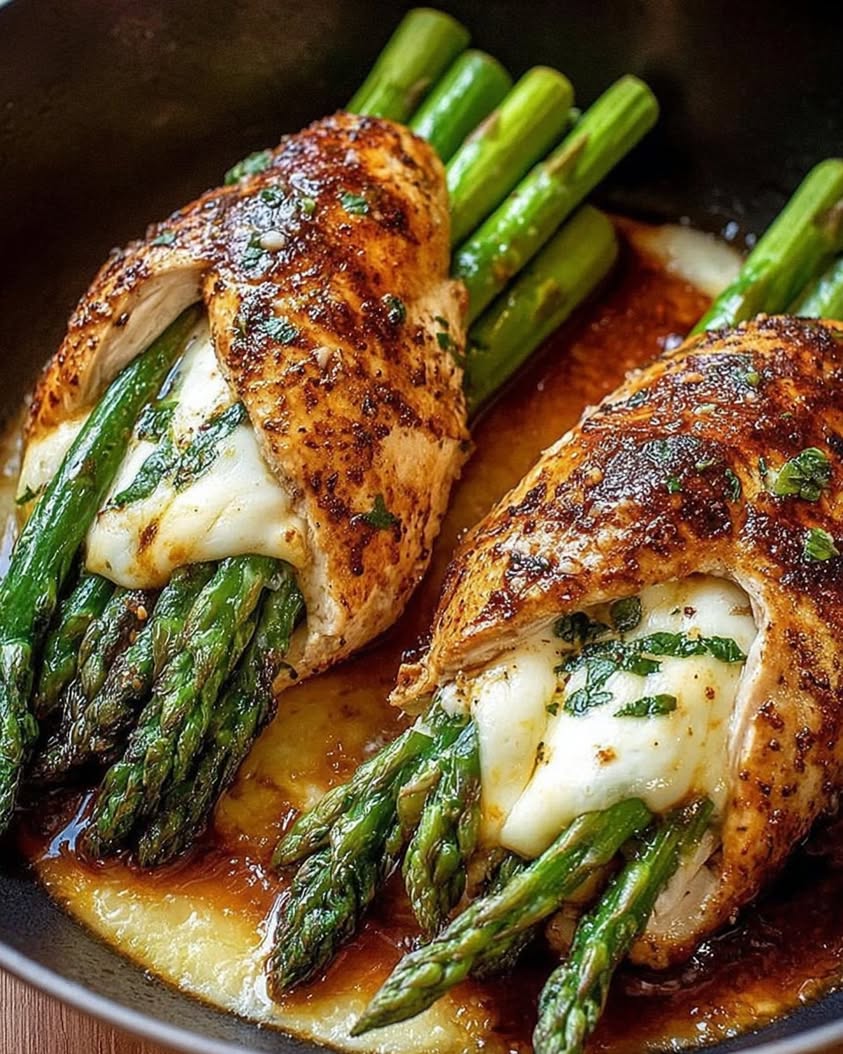
Asparagus Stuffed Chicken Fillet: A Juicy Keto Dinner Recipe
This Asparagus Stuffed Chicken Fillet recipe delivers a perfect balance of tender chicken, crisp green spears, and gooey melted cheese. You get a restaurant-quality meal that fits perfectly into a low-carb or keto lifestyle. Imagine slicing into a perfectly cooked chicken breast to reveal bright green asparagus and a creamy cheese center. The aroma of garlic and herbs fills your kitchen, promising a dinner that feels indulgent yet remains surprisingly light and healthy. Every bite offers a satisfying contrast between the juicy chicken and the slightly crunchy vegetable filling. This dish proves that eating well does not require sacrificing flavor or visual appeal.
Preparing this Asparagus Stuffed Chicken Fillet at home saves you money and gives you full control over the ingredients. You avoid the hidden sugars and unhealthy oils often found in restaurant versions. The process involves simple techniques like pounding the chicken and rolling the filling, which builds confidence in the kitchen. Even beginner cooks can master this recipe after a couple of attempts. The final result looks impressive on the plate, making it ideal for date nights, family dinners, or meal prep for the week. You will find yourself returning to this recipe again and again for its reliability and delicious payoff.
The combination of textures makes this dish truly special. The chicken provides a savory, protein-rich base that stays moist from the stuffing. The asparagus adds a fresh, earthy crunch that cuts through the richness. The cheese creates a creamy, melty surprise that ties everything together. Garlic, salt, and black pepper enhance the natural flavors without overwhelming them. A light sear on the outside creates a golden crust, while the oven finishes the cooking gently. You can serve this dish with a side salad, roasted vegetables, or cauliflower rice for a complete meal. The leftovers taste fantastic cold or reheated the next day.
Quick Recipe Highlights
- Flavor Profile: This dish offers a savory, garlic-forward taste with a subtle creaminess from the cheese and a mild, earthy note from the asparagus. The seasoning stays simple to let the main ingredients shine.
- Texture: You experience a tender, juicy chicken exterior followed by a crisp-tender asparagus interior. The melted cheese adds a smooth, slightly gooey element that contrasts beautifully with the firm chicken and the firm vegetable.
- Aroma: The scent of browning butter and garlic fills the kitchen during the searing process. Fresh herbs and roasting chicken create an inviting, comforting smell that builds anticipation for the meal.
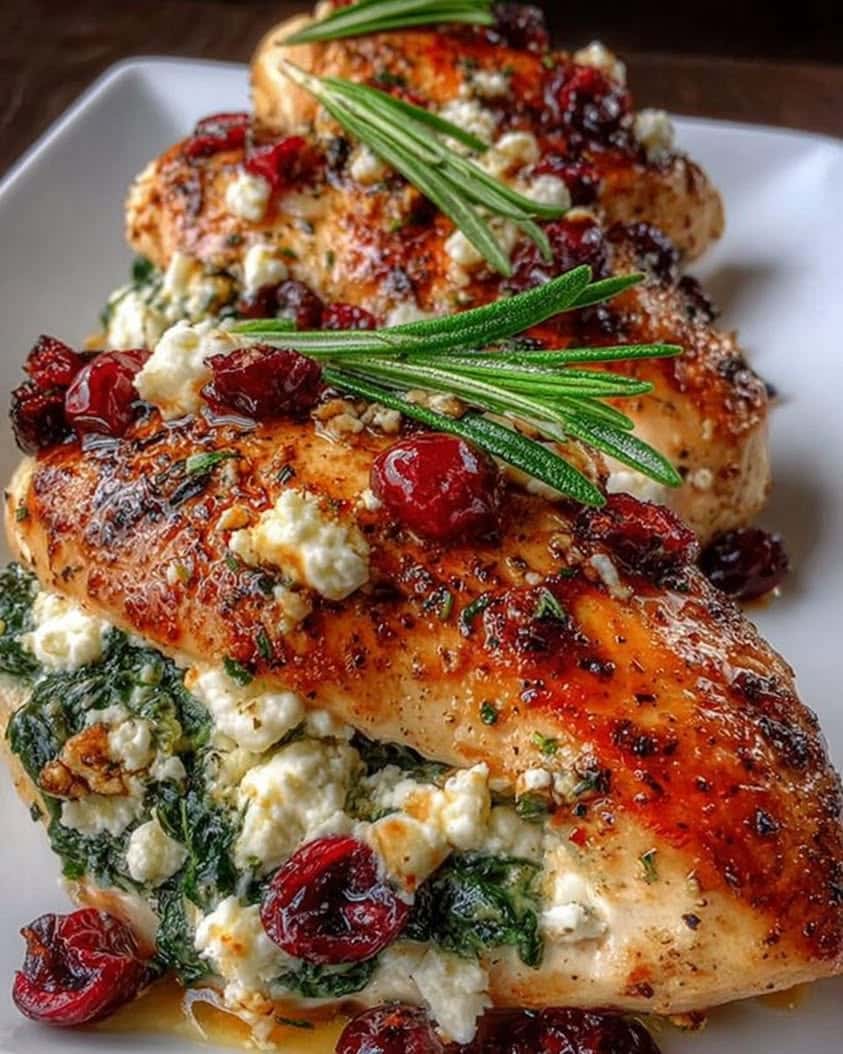
- Visual Appeal: The golden-brown chicken rolls look elegant when sliced, revealing a spiral of bright green asparagus against the pale meat and white cheese. A sprinkle of fresh parsley or a drizzle of pan sauce adds a professional finish.
- Skill Level Needed: This recipe requires basic knife skills and the ability to pound chicken to an even thickness. Rolling and securing the fillets takes a bit of practice, but the process remains straightforward for home cooks with some experience.
- Special Equipment: You need a meat mallet or a rolling pin for flattening the chicken. Toothpicks or kitchen twine help secure the rolls during cooking. An oven-safe skillet works best for searing and baking.
Recipe Overview
- Difficulty Level: I categorize this recipe as medium difficulty because you need to handle raw chicken carefully and roll it tightly. The cooking method requires two stages: a quick sear on the stovetop followed by a gentle finish in the oven. This approach ensures the chicken cooks through without burning the exterior. Once you understand the process, it becomes a reliable dish you can prepare on a busy weeknight.
- Category: This dish belongs to the main course category, specifically stuffed poultry entrees. It works wonderfully as a dinner centerpiece for a family meal or a special occasion. You can also slice it cold and serve it over salads for a satisfying lunch option.
- Cuisine: The recipe draws inspiration from European culinary traditions, particularly French and Italian techniques for stuffing meats. The combination of chicken, vegetables, and cheese appears in many classic dishes across the Mediterranean. This version simplifies those techniques for the modern home kitchen while retaining the elegant presentation and bold flavors.
- Cost: The ingredients for this Asparagus Stuffed Chicken Fillet remain budget-friendly. Chicken breasts cost moderately, especially when bought in bulk or on sale. Asparagus prices vary by season, but it becomes very affordable during spring. Cheese and basic pantry spices add minimal expense. You can easily feed four people for under twenty dollars total.
- Season: Asparagus peaks in the spring, making this the ideal time to prepare the recipe. The fresh, vibrant stalks offer superior flavor and texture during this period. However, you can find decent quality asparagus year-round at most grocery stores. The dish itself feels light enough for spring and summer yet hearty enough for cooler months when served with warm sides.
- Occasion: This recipe suits a wide range of occasions. It works perfectly for a romantic anniversary dinner or a special weekend meal for the family. You can also prepare it for holiday gatherings like Easter or Mother’s Day when asparagus is in season. The make-ahead options make it convenient for entertaining guests without spending the entire evening in the kitchen.
Why You Will Love This Recipe
The taste and texture combination in this Asparagus Stuffed Chicken Fillet creates a memorable dining experience. You get the savory satisfaction of perfectly cooked chicken paired with the fresh snap of roasted asparagus. The melted cheese adds a creamy richness that brings all the elements together. Every forkful offers variety and excitement without complicated sauces or lengthy preparation. The simple seasoning allows the natural flavors of the main ingredients to stand out. You do not need to be a professional chef to achieve this level of flavor at home. The dish tastes impressive without being intimidating to cook.
Convenience plays a major role in why this recipe works so well for busy individuals. You can prep the chicken rolls earlier in the day and store them in the refrigerator until dinnertime. The actual cooking time takes only about twenty-five minutes, which fits perfectly into a hectic schedule. Cleanup remains minimal since you only use one skillet and a few basic tools. The recipe does not require any exotic ingredients that force you to visit specialty stores. Most items are pantry staples that you likely already have on hand. This efficiency makes the dish a go-to choice for weeknight dinners when time is limited.
Nutritional advantages make this dish a standout choice for health-conscious eaters. A single serving provides a substantial amount of high-quality protein, which supports muscle maintenance and keeps you feeling full. Asparagus adds fiber, vitamins A, C, and K, along with folate and antioxidants. The recipe naturally fits into low-carb and keto diets because it contains minimal carbohydrates. You avoid the heavy breading or sugary sauces that often accompany stuffed chicken recipes. The cooking method uses a moderate amount of healthy fat for flavor without making the dish greasy. This balance allows you to enjoy a satisfying meal while staying on track with your health goals.
The social and entertaining value of this dish cannot be overstated. Presenting whole stuffed chicken rolls on a platter creates an impressive centerpiece for any dinner party. Your guests will appreciate the effort and care that went into constructing the meal. The recipe scales easily, so you can feed a crowd without complicated adjustments. You can also portion the rolls individually for a more formal plating approach. The visual appeal of the sliced rolls garnished with fresh herbs adds a touch of elegance. This recipe turns an ordinary weeknight dinner into a special occasion with very little extra work.
Cost-effectiveness and accessibility make this recipe a practical choice for everyday cooking. Chicken breast remains one of the most affordable sources of lean protein available. Asparagus, while sometimes pricier, provides a vegetable centerpiece that reduces the need for additional side dishes. You can also substitute other vegetables like broccoli or green beans when asparagus is out of season. The cheese and seasoning costs are minimal and use ingredients that last for multiple meals. This economic approach ensures you can serve a restaurant-worthy dish without straining your grocery budget. The leftovers also repurpose beautifully into salads, wraps, or quick lunches.
Historical Background and Cultural Significance
The concept of stuffing chicken breasts originates from French culinary techniques, specifically the practice of farcies or stuffed preparations. French chefs historically used forcemeats, vegetables, and herbs to add moisture and flavor to lean poultry. This method allowed them to transform simple ingredients into elegant dishes suitable for formal dining. The technique spread across Europe and evolved as different cultures added their own local ingredients and seasonings. Asparagus, a prized spring vegetable since Roman times, naturally became a favorite filling choice. Its delicate flavor and firm texture complement chicken perfectly without overwhelming it.
Cultural importance of stuffed poultry dishes extends beyond France into Italian and Mediterranean cuisines. Italian cooks often stuff chicken with prosciutto, cheese, and herbs for a dish called pollo ripieno. Greek versions incorporate spinach and feta cheese, creating a similar flavor profile to spanakopita. Middle Eastern variations might use rice, pine nuts, and aromatic spices. Each culture adapts the basic concept to reflect local tastes and available ingredients. The common thread remains the desire to make chicken more interesting and satisfying. This versatility explains why stuffed chicken recipes remain popular across so many different culinary traditions today.
The evolution of this specific recipe reflects modern dietary trends and cooking convenience. Earlier versions often required complex preparations like deboning whole chickens or preparing elaborate forcemeats. Today’s home cooks prefer simpler approaches that still deliver impressive results. The use of cream cheese or mozzarella instead of traditional béchamel sauce reduces preparation time and simplifies the ingredient list. The focus on fresh vegetables like asparagus aligns with current emphasis on whole foods and nutritional balance. This evolution makes the recipe more accessible to a wider range of cooks without sacrificing the elegance of the original concept.
Regional variations of stuffed chicken exist in many parts of the world. Southern United States cuisine features chicken stuffed with cornbread dressing and served with gravy. Asian versions might incorporate ginger, soy sauce, and scallions for a completely different flavor profile. Latin American cuisines use ingredients like chorizo, peppers, and cheese for a spicy twist. Each regional adaptation tells a story about local agricultural products, cultural preferences, and cooking traditions. This diversity demonstrates how a simple technique can be endlessly customized. The Asparagus Stuffed Chicken Fillet represents one delicious interpretation of this global culinary tradition.
Ingredient Deep Dive
Chicken breast serves as the foundation of this recipe and provides a lean, versatile protein source. Chicken has been a dietary staple across many cultures for centuries, particularly valued for its mild flavor and adaptability. From a nutritional standpoint, chicken breast offers complete protein with all essential amino acids, plus B vitamins and selenium. When selecting chicken, look for breasts that are similar in size for even cooking. The meat should have a pinkish color without any discoloration or unpleasant odor. Fresh chicken refrigerates well for up to two days, or you can freeze it for several months. For best results, choose organic or free-range chicken if your budget allows. You can substitute chicken thighs for a juicier, more flavorful alternative, though they will require slightly longer cooking time.
Asparagus provides the bright green filling that gives this dish its signature appearance and fresh flavor. This vegetable has been cultivated for over two thousand years, with ancient Greeks and Romans valuing it for both culinary and medicinal purposes. Asparagus is rich in fiber, folate, and vitamins A, C, and K, making it a nutritional powerhouse. When selecting asparagus, look for firm, bright green stalks with tightly closed tips. The thickness of the stalks matters little, though thinner spears cook faster and may become mushy. Store asparagus upright in a container with water, or wrap the ends in a damp paper towel inside the refrigerator. You can substitute broccoli florets, green beans, or even zucchini strips if asparagus is unavailable or out of season.
Cream cheese or mozzarella cheese adds richness and helps bind the filling together. Cheese-making dates back over seven thousand years and remains one of the most beloved food traditions worldwide. Cream cheese provides a tangy creaminess that balances the savory chicken and earthy asparagus. Mozzarella melts beautifully and creates that desirable stretchy texture. Both options add calcium and protein to the dish. For selection, choose full-fat versions for the best flavor and texture. Low-fat cheeses often become rubbery when melted and do not provide the same creamy mouthfeel. Store cheese properly wrapped in the refrigerator and bring it to room temperature before using for easier spreading. For dairy-free options, use a vegan cream cheese or a nut-based cheese alternative.
Garlic provides the aromatic backbone of this dish and enhances the other ingredients. Garlic has been used for thousands of years in cuisines around the world, from ancient Egypt to modern Italy. It contains allicin, a compound with anti-inflammatory and immune-supporting properties. Fresh garlic cloves offer the most potent and complex flavor. Look for firm, plump bulbs without any soft spots or sprouting. Store garlic in a cool, dark place with good air circulation for maximum shelf life. You can substitute garlic powder in a pinch, using about one-eighth teaspoon per clove. Roasted garlic provides a sweeter, milder alternative that works beautifully in this recipe.
Common Mistakes to Avoid
- Overcooking the chicken results in dry, tough meat that lacks appeal. Use a meat thermometer to check for doneness at 165 degrees Fahrenheit. Remove the chicken from the oven as soon as it reaches this temperature to preserve moisture.
- Under-seasoning the chicken leads to bland, disappointing results. Season both the inside and outside of the chicken generously with salt and pepper. Remember that the cheese and asparagus also need seasoning to contribute to the overall flavor profile.
- Using thick asparagus stalks that do not cook through in the same time as the chicken. Choose medium-thin spears that will become tender during the baking process. If using thick stalks, blanch them briefly before stuffing to ensure proper doneness.
- Failing to pound the chicken to an even thickness causes uneven cooking. You need the chicken to be about one-quarter inch thick for easy rolling and consistent cooking. Place the chicken between plastic wrap and pound gently with a mallet or rolling pin.
- Overfilling the chicken rolls makes them difficult to seal and prone to bursting during cooking. Use a modest amount of filling and leave room at the edges for proper sealing. Secure the rolls with toothpicks or twine to keep everything in place.
- Skipping the searing step results in pale, unappetizing chicken without a golden crust. The sear adds color and flavor that you cannot achieve through baking alone. Take the time to get a good brown on each side before transferring to the oven.
- Using cold cheese that does not melt properly during the short cooking time. Allow the cheese to come to room temperature before assembling the rolls. This small step ensures even melting and a creamy texture throughout the filling.
- Cutting into the chicken immediately after removing it from the oven causes juices to run out. Let the rolls rest for five minutes before slicing to allow the juices to redistribute. This patience pays off with moister, more flavorful chicken.
- Neglecting to secure the rolls properly leads to filling leaking out during cooking. Use toothpicks inserted at an angle or kitchen twine tied around the rolls. Check the seals before searing to avoid a mess in the pan.
- Using a pan that is too small for the number of rolls leads to overcrowding and steaming instead of searing. Give each roll enough space to brown properly on all sides. Cook in batches if necessary to achieve the best results.
Essential Techniques
Pounding the chicken to an even thickness is the first critical step for successful stuffed chicken rolls. This technique ensures that the meat cooks uniformly and rolls easily without cracking. Place each chicken breast between two sheets of plastic wrap to prevent splattering. Use the flat side of a meat mallet or a heavy rolling pin to gently pound from the center outward. Aim for a thickness of about one-quarter inch throughout the entire piece. Pounding too aggressively can tear the meat, so apply steady, even pressure. The chicken should be pliable but still intact enough to hold the filling. This technique also tenderizes the meat, making it more enjoyable to eat. You can prepare the chicken several hours ahead and refrigerate it until ready to use.
Rolling and securing the chicken packages requires attention to detail for a neat final presentation. Lay the pounded chicken flat with the smoother side facing down for a nicer exterior. Place the asparagus spears and cheese near one edge, leaving about an inch of space on the sides. Start rolling from the filled edge, tucking the filling tightly as you go. Fold the sides inward slightly to prevent the filling from escaping during cooking. Secure the roll with toothpicks inserted at an angle or tie it with kitchen twine. The rolls should feel firm but not overly tight, as the chicken needs room to expand. Practice makes this process faster, and you will develop a rhythm after making a few rolls. Properly secured rolls hold their shape beautifully during the searing and baking process.
Searing the rolls in a hot skillet creates a golden-brown crust that adds flavor and visual appeal. Heat a tablespoon of oil or butter in a heavy skillet over medium-high heat until it shimmers. Carefully place the secured rolls seam-side down first to create a seal. Cook without moving for two to three minutes until the bottom develops a deep golden color. Turn the rolls using tongs, being careful not to pierce the meat. Continue cooking for another two to three minutes on each side until all surfaces are evenly browned. The goal is color, not doneness at this stage. Transfer the skillet directly to the preheated oven to finish cooking without cooling down. This technique locks in moisture and creates a beautiful presentation when sliced.
Finishing the rolls in the oven ensures gentle, even cooking without burning the exterior. Preheat your oven to 375 degrees Fahrenheit while you sear the chicken. Place the skillet in the oven and bake for twelve to fifteen minutes, depending on the size of your rolls. The internal temperature should reach 165 degrees Fahrenheit when measured with an instant-read thermometer. Let the chicken rest in the pan for five minutes after removing it from the oven. This resting period allows the juices to redistribute throughout the meat. Slice each roll at a slight angle for the most attractive presentation. The juices on the cutting board can be spooned over the sliced chicken for added moisture and flavor.
Pro Tips for Perfect Asparagus Stuffed Chicken Fillet
Choose chicken breasts that are similar in size and shape for more uniform cooking. This consistency helps all the rolls finish cooking at the same time, preventing some from drying out while others remain undercooked. You can trim larger breasts to match smaller ones if needed.
Blanch the asparagus spears in boiling salted water for one minute before stuffing to ensure they are tender when the chicken finishes cooking. Immediately transfer the blanched spears to an ice bath to stop the cooking process. This step guarantees bright green asparagus with a perfect tender-crisp texture.
Use toothpicks of the same length and insert them at consistent angles for easy removal after cooking. Remind yourself and your guests about the toothpicks before serving to avoid any accidents. Kitchen twine provides a safer alternative if you prefer not to use toothpicks.
Season the chicken generously on both sides with salt and pepper before adding the filling. Do not forget to season the asparagus and cheese as well. Proper seasoning at every layer ensures a flavorful final dish that does not need heavy sauces.
Allow the cheese to soften at room temperature before spreading it on the chicken. Cold cheese does not spread evenly and may not melt completely during the cooking time. This small step makes assembly easier and improves the texture of the final dish.
Use a cast-iron skillet or other oven-safe pan for the entire cooking process. This eliminates the need to transfer the chicken to a baking dish, which can disrupt the sear. A good pan retains heat well and promotes even browning.
Check the internal temperature of the rolls using an instant-read thermometer inserted into the thickest part. This is the most reliable way to ensure doneness without cutting into the meat. Chicken is safe to eat at 165 degrees Fahrenheit.
Rest the cooked rolls on a cutting board for exactly five minutes before slicing. Use a sharp chef’s knife to cut each roll at a diagonal angle for the most attractive presentation. The resting period makes a noticeable difference in the juiciness of the final dish.
Variations and Adaptations
Regional variations of this dish reflect local ingredients and culinary traditions. A Mediterranean version might include sun-dried tomatoes, olives, and feta cheese alongside the asparagus. An Italian-inspired adaptation could use prosciutto, fresh mozzarella, and basil leaves for a Caprese-style filling. A Greek variation works well with spinach, roasted red peppers, and crumbled feta cheese. Each regional twist offers a completely different flavor profile while maintaining the same basic technique. You can experiment with different combinations based on what ingredients you have available. The versatility of the stuffed chicken concept makes it easy to travel the world through your kitchen.
Seasonal adaptations allow you to enjoy this recipe throughout the year using what is freshest. In spring and summer, use fresh asparagus straight from the farmer’s market. During fall, swap the asparagus for roasted butternut squash cubes or sautéed mushrooms. Winter versions can feature blanched broccoli florets or roasted Brussels sprouts. The cheese and seasoning can adjust slightly to complement the seasonal vegetable you choose. This adaptability ensures you never get bored with the recipe. It also helps you eat more seasonally and support local agriculture when possible.
Dietary modifications make this recipe accessible to people with various nutritional needs. For a low-carb or keto version, use full-fat cream cheese and add extra butter for richness. A dairy-free adaptation works well with vegan cream cheese or a cashew-based cheese substitute. Gluten-free eaters do not need any changes since the recipe contains no wheat or gluten. For a dairy-free version, simply omit the cheese and add a layer of pesto or hummus for moisture. Each modification maintains the integrity of the original recipe while accommodating specific dietary requirements. The basic technique remains unchanged regardless of the ingredients you choose.
Flavor variations can completely transform the character of this dish with just a few ingredient swaps. Smoked paprika and cumin add a warm, earthy note reminiscent of Spanish cuisine. Lemon zest and fresh thyme create a bright, herbal flavor that pairs beautifully with chicken. A sprinkle of red pepper flakes or cayenne adds heat for those who enjoy spicy food. Pesto spread on the chicken before adding the asparagus provides a burst of basil and garlic flavor. Each variation creates a distinct new dish while keeping the preparation method identical. This flexibility encourages creativity and prevents mealtime boredom.
Texture modifications can adjust the mouthfeel and overall eating experience. Adding a layer of crunchy nuts like almonds or walnuts provides contrast against the tender chicken. Crispy bacon pieces mixed into the cheese filling add smoky flavor and additional texture. For a softer filling, use ricotta cheese blended with herbs and garlic. Toasted pine nuts offer a buttery crunch that complements the asparagus beautifully. Each texture variation changes the eating experience without complicating the preparation. You can mix and match these ideas to create your own signature version of the recipe.
Serving and Presentation Guide
Plating techniques for this dish focus on showcasing the beautiful spiral of chicken, asparagus, and cheese. Slice each roll at a slight diagonal angle to expose the colorful layers of the filling. Arrange two slices per serving in a fan pattern on a warmed plate. Drizzle any pan juices over the top for added moisture and shine. A sprinkle of fresh parsley or chives adds a pop of green color that complements the dish. For a more formal presentation, serve the unsliced roll whole on a bed of sautéed greens or roasted vegetables. The entire plate should look cohesive and appetizing.
Garnishing ideas can elevate the visual appeal of the dish without overwhelming the flavors. A light dusting of smoked paprika adds color and a subtle smoky note. Thin lemon slices or wedges placed next to the chicken provide a bright contrast and an option for diners to add acidity. Fresh herb sprigs like rosemary or thyme add an aromatic element that enhances the dining experience. A drizzle of high-quality extra virgin olive oil or a balsamic reduction adds visual interest and an extra layer of flavor. Keep garnishes simple and purposeful to avoid cluttering the plate. The star of the show should remain the stuffed chicken itself.
Traditional accompaniments for this dish include simple preparations that do not compete with the main flavors. A side of roasted potatoes or mashed cauliflower pairs well with the chicken and absorbs any pan juices. Steamed rice or quinoa provides a neutral base that allows the chicken flavors to shine. A fresh green salad with a light vinaigrette adds brightness and cuts through the richness of the cheese. Steamed or roasted green vegetables like broccoli or green beans complement the asparagus nicely. The key is to keep sides simple and let the stuffed chicken remain the focal point of the meal.
Modern serving suggestions offer new ways to enjoy this dish beyond the traditional dinner plate. Sliced cold chicken rolls make an excellent addition to salads or grain bowls for a satisfying lunch. You can cut the rolls into bite-sized pieces and serve them as an appetizer at parties. The rolls also work well in sandwiches or wraps for a portable meal option. Consider serving the chicken over a bed of creamy polenta or cauliflower mash for a comforting winter dinner. Each serving method adapts the recipe to different occasions and meal contexts. The versatility ensures you never run out of ways to enjoy this delicious dish.
Temperature considerations matter for achieving the best eating experience. Serve the chicken hot from the oven for the juiciest texture and melty cheese. The rolls cool quickly, so have sides and garnishes ready before the chicken finishes cooking. If preparing the chicken ahead, reheat it gently in a low oven or toaster oven to avoid drying it out. Cold chicken rolls taste surprisingly good and make excellent leftovers for lunch the next day. The cheese firms up slightly at room temperature but remains delicious. Always rest the chicken before slicing, regardless of whether you serve it hot or cold.
Portion control tips help you manage serving sizes for different situations. A single roll made from one large chicken breast provides an adequate portion for most adults. For hearty eaters, serve two rolls or larger rolls made from thicker chicken breasts. Children may prefer smaller rolls or half portions sliced into manageable pieces. Leftovers store well, so you can always prepare extra for future meals. The rolls freeze beautifully, making them ideal for batch cooking and meal prep. Consistent portion sizes help with meal planning and nutritional tracking.
Wine and Beverage Pairing
Wine pairings for this dish should complement the savory chicken, earthy asparagus, and creamy cheese. A crisp Sauvignon Blanc from New Zealand or California cuts through the richness of the cheese and matches the herbal notes. The grassy character of Sauvignon Blanc particularly suits the asparagus in the filling. A unoaked Chardonnay from Chablis provides a more subtle, mineral-driven option that does not overwhelm the chicken. For red wine lovers, a light-bodied Pinot Noir from Oregon or Burgundy offers enough structure without dominating the flavors. The wine should enhance the meal without competing with the main ingredients.
Non-alcoholic alternatives offer satisfying options for those who prefer not to drink alcohol. A sparkling water with a squeeze of lemon or lime provides a refreshing palate cleanser between bites. Chilled herbal tea like mint or chamomile offers a soothing complement to the savory dish. For a more festive option, try a non-alcoholic sparkling wine or a shrub-based mocktail with apple cider vinegar and herbs. The key is to choose beverages that cleanse the palate and refresh the taste buds. Avoid overly sweet drinks that can clash with the savory character of the chicken. Each alternative should enhance the dining experience without overwhelming the food.
Temperature considerations for beverages depend on the serving style and season. White wines and sparkling beverages should be served well-chilled for maximum refreshment. Red wines benefit from being slightly cool, around 55 degrees Fahrenheit, especially for lighter styles like Pinot Noir. Non-alcoholic drinks taste best when served cold over ice or straight from the refrigerator. Room temperature drinks tend to taste flat and less refreshing. If serving the meal outdoors in warm weather, keep beverages on ice to maintain optimal temperature. The right serving temperature significantly enhances the enjoyment of both food and drink.
Serving suggestions for beverages include thoughtful glassware and presentation details. White wine looks elegant in stemmed glasses that keep the wine cool away from your hand. Red wine glasses should have a larger bowl to allow the wine to breathe and release its aromas. Non-alcoholic drinks can be served in stemless glasses or mason jars for a more casual vibe. Always have a water pitcher on the table for guests to hydrate between courses. Proper glassware enhances the sensory experience and shows attention to detail. Your guests will appreciate the extra effort you put into the beverage presentation.
Storage and Shelf Life
Storage methods for this dish depend on whether you plan to eat it soon or save it for later. Cooked chicken rolls should cool completely before being placed in the refrigerator. Wrap each roll individually in plastic wrap or aluminum foil to prevent drying out. Place the wrapped rolls in an airtight container or a resealable plastic bag. Refrigerated rolls remain fresh for up to four days when properly stored. For longer storage, freeze the rolls for up to three months. Label the container with the date to keep track of freshness. Always thaw frozen rolls in the refrigerator overnight before reheating.
Temperature requirements are crucial for food safety and quality preservation. Keep cooked chicken below 40 degrees Fahrenheit in the refrigerator to prevent bacterial growth. Use a refrigerator thermometer to ensure your appliance maintains a safe temperature. Do not leave cooked chicken at room temperature for more than two hours. If you are transporting the rolls for a picnic or potluck, use a insulated cooler with ice packs. Never refreeze previously frozen chicken after it has been thawed. Following these temperature guidelines keeps you safe and preserves the quality of your dish.
Container recommendations help maintain the texture and flavor of the stored rolls. Glass containers with tight-fitting lids work well because they do not absorb odors or flavors. Plastic containers are lighter and stack more efficiently in the refrigerator or freezer. Avoid using metal containers for acidic ingredients that might react with the metal. For freezer storage, use heavy-duty freezer bags or containers designed for freezing. Remove as much air as possible from the storage bag to prevent freezer burn. Proper containers make a noticeable difference in how well the chicken maintains its quality over time.
Signs of spoilage indicate when the chicken has gone bad and should be discarded. A sour or unpleasant odor is the most obvious sign that the chicken is no longer safe to eat. Visible mold growth or slimy texture on the surface indicates spoilage. Discoloration or dulling of the meat color also suggests the chicken has turned. If you detect any off smells or unusual textures, err on the side of caution and throw the food away. Consuming spoiled chicken can cause foodborne illness, so do not take risks. When in doubt, trust your senses and discard any questionable leftovers.
Reheating instructions ensure the chicken remains moist and tasty on the second serving. The best method for reheating is in the oven or toaster oven at 350 degrees Fahrenheit for ten to fifteen minutes. Wrap the rolls loosely in aluminum foil to prevent them from drying out. Microwave reheating works in a pinch but can make the chicken rubbery and the cheese tough. For frozen rolls, thaw them in the refrigerator overnight before reheating. Always check the internal temperature reaches 165 degrees Fahrenheit when reheating. A splash of chicken broth or water in the pan helps create steam that keeps the meat moist.
Freezing guidelines help you preserve the rolls for future meals without sacrificing quality. Prepare the rolls completely through the cooking process before freezing for the best results. Allow the cooked rolls to cool completely before wrapping and freezing. Freeze the rolls individually on a baking sheet before transferring them to a storage bag for more convenient portioning. This prevents them from sticking together in the freezer. Thaw frozen rolls in the refrigerator overnight before reheating. Do not refreeze rolls that have already been thawed. Proper freezing preserves the texture and flavor for up to three months.
Make Ahead Strategies
Prep timeline planning helps you break down the recipe into manageable tasks. You can prepare the asparagus and cheese mixture up to two days in advance. Blanch the asparagus, cook it briefly, and store it in the refrigerator until ready to use. The cream cheese can be softened and mixed with seasonings and kept covered. This advance preparation reduces the work on the day you plan to serve the dish. You can also pound the chicken breasts and store them in the refrigerator for one day. Having these components ready makes assembly quick and stress-free on the day of serving.
Storage between steps requires careful attention to food safety and quality. Keep all prepped ingredients covered in the refrigerator to maintain freshness. Store pounded chicken between layers of plastic wrap to prevent it from drying out. Blanched asparagus should be stored in a sealed container with a paper towel to absorb excess moisture. Softened cheese mixtures can be stored in small bowls covered with plastic wrap. Do not combine the ingredients until you are ready to assemble the rolls. This approach ensures each component remains at its best quality when you start cooking.
Quality impact assessment helps you determine which steps can be done ahead without compromising the final dish. Pounding chicken ahead of time actually improves tenderness as the meat relaxes. Blanched asparagus holds up well for a day or two in the refrigerator. The cheese mixture can be prepared ahead without any loss of quality. However, assembling the rolls too far in advance can lead to soggy breading or uneven cooking. For best results, assemble the rolls no more than eight hours before cooking. This timing balances convenience with optimal texture and flavor.
Assembly tips for make-ahead preparation focus on efficiency and consistency. Set up a clean workspace with all ingredients within easy reach. Lay out sheets of plastic wrap for rolling each chicken breast. Prepare your toothpicks or twine in advance so you do not have to search for them during assembly. Work in an assembly line fashion to speed up the process. Place the completed rolls on a parchment-lined baking sheet and cover them with plastic wrap. This organized approach makes assembly feel like a simple task rather than a complicated project.
Reheating guidelines for make-ahead rolls ensure they taste freshly made on the day of serving. If you assembled the rolls ahead, cook them directly from the refrigerator without bringing them to room temperature. Add an extra two to three minutes to the cooking time to account for the cold start. For fully cooked rolls, reheat gently in a low oven to avoid drying them out. A meat thermometer is your best friend for ensuring proper doneness during reheating. The goal is to warm the Print
Asparagus Stuffed Chicken Fillet
- Total Time: 45 minutes
- Yield: 4
Description
A savory chicken breast stuffed with tender asparagus spears and melted cheese, baked to golden perfection.
Ingredients
- 4 boneless, skinless chicken breasts
- 12 asparagus spears, trimmed
- 4 slices provolone or mozzarella cheese
- 2 tablespoons olive oil
- 1 teaspoon garlic powder
- 1 teaspoon paprika
- Salt and pepper to taste
- 1/2 cup chicken broth
Instructions
- Preheat oven to 400°F (200°C).
- Pound chicken breasts to an even thickness. Season with garlic powder, paprika, salt, and pepper.
- Place 3 asparagus spears and 1 slice of cheese on each chicken breast. Roll up tightly and secure with toothpicks.
- Heat olive oil in an oven-safe skillet over medium-high heat. Sear stuffed chicken rolls for 2-3 minutes per side until browned.
- Pour chicken broth around the chicken, then transfer skillet to oven. Bake for 20-25 minutes until chicken is cooked through.
- Remove toothpicks, let rest 5 minutes, then slice and serve with pan juices.
Notes
You can customize the seasonings to taste. For extra flavor, add fresh herbs like thyme or rosemary.
- Prep Time: 15 minutes
- Cook Time: 30 minutes
- Method: Main
- Cuisine: American