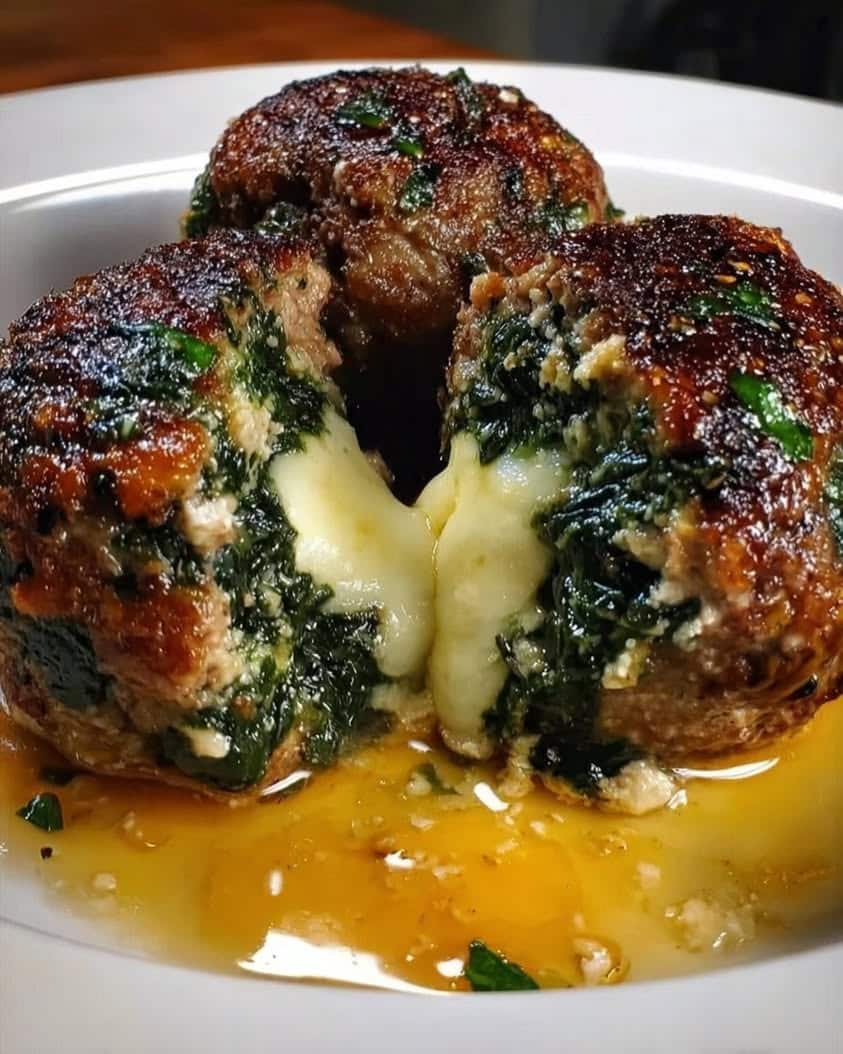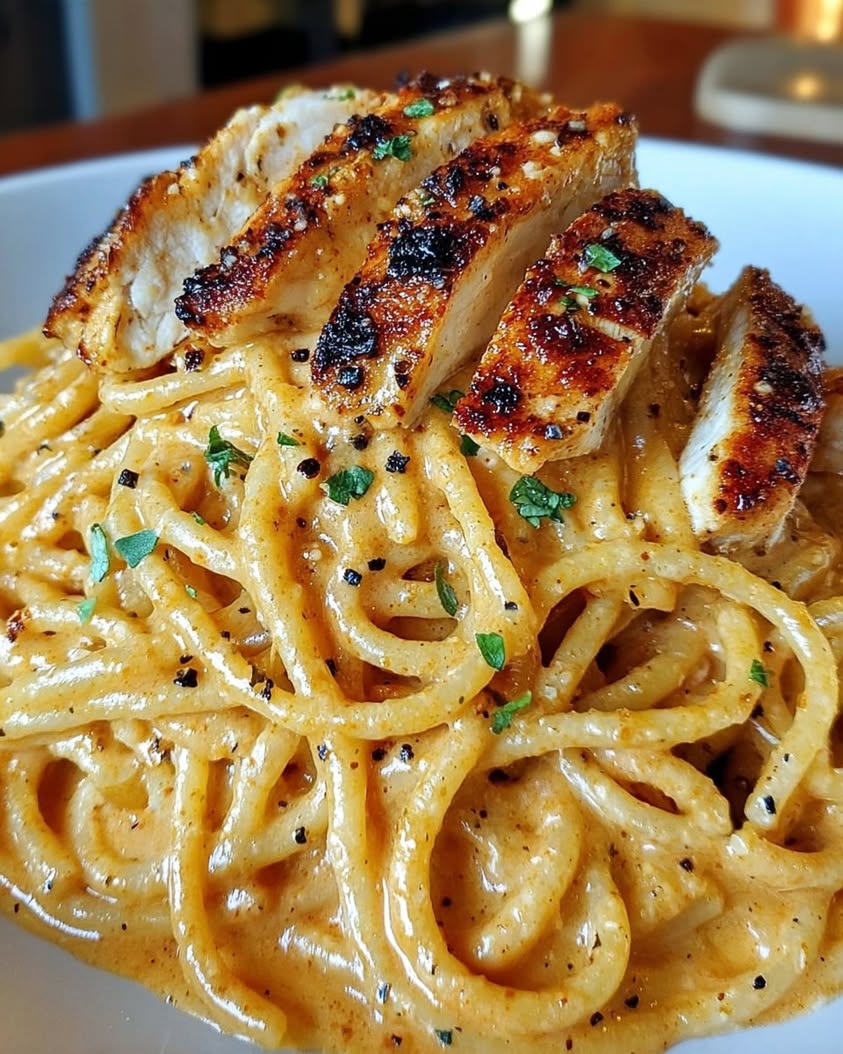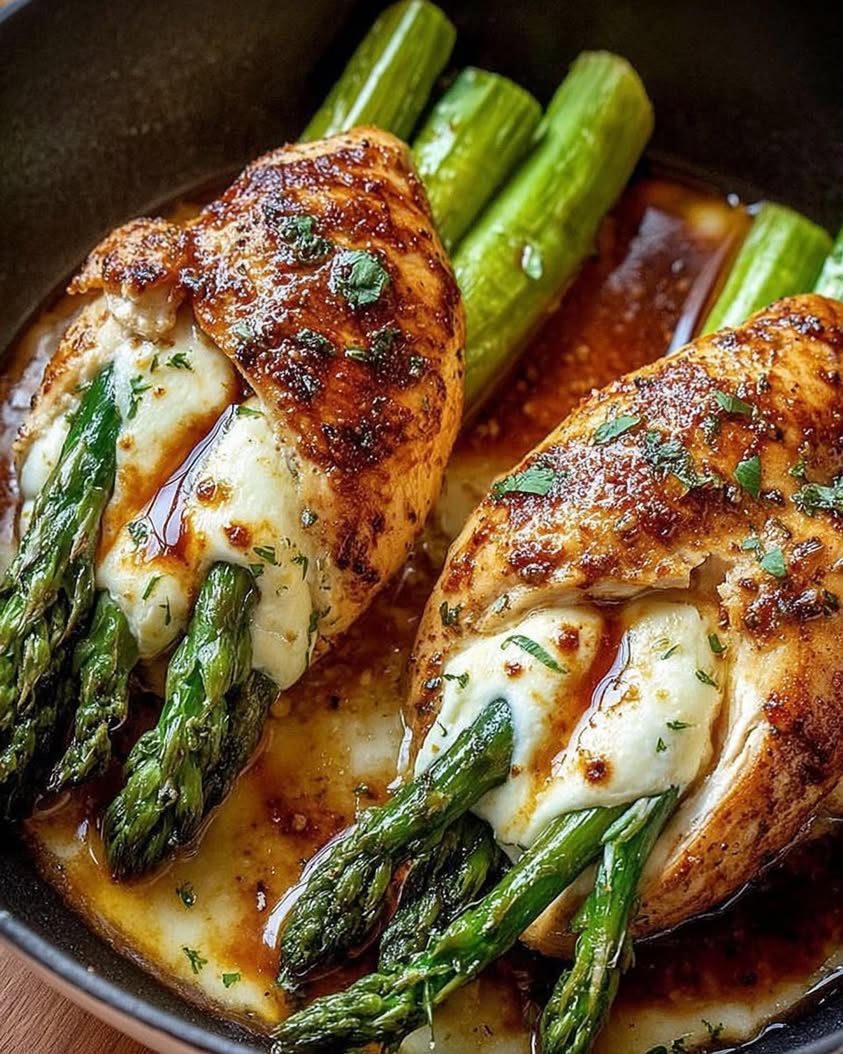
Delicious Asparagus Stuffed Chicken Fillet Recipe for Easy Dinner
Imagine slicing into a perfectly golden chicken fillet to reveal a vibrant core of tender asparagus and melted cheese. This Delicious Asparagus Stuffed Chicken Fillet Recipe for Easy Dinner brings restaurant-quality elegance straight to your home kitchen. The combination of juicy chicken, crisp green spears, and rich, creamy cheese creates a symphony of flavors that will delight your entire family. Moreover, the preparation is surprisingly simple, making it an ideal choice for both busy weeknights and special weekend dinners.
When you take that first bite, the savory chicken exterior gives way to the bright, slightly earthy taste of fresh asparagus. The cheese, whether you choose mozzarella, provolone, or a creamy goat cheese, adds a luscious, tangy note that binds everything together. This meal is not just about great taste; it is also a visual stunner. The green asparagus peeking out from the golden chicken roll is incredibly appealing. Consequently, this dish is perfect for impressing guests without spending hours in the kitchen.
This Delicious Asparagus Stuffed Chicken Fillet Recipe for Easy Dinner is designed for real life. It requires minimal prep work and uses straightforward cooking techniques. You do not need to be a professional chef to achieve a perfect result. The recipe is forgiving and adaptable, allowing you to swap cheeses or add different herbs based on what you have on hand. Therefore, you can create a personalized gourmet meal that feels both satisfying and effortless. Let us dive into the details of making this wonderful dish a regular part of your dinner rotation.
Quick Recipe Highlights
- Flavor Profile: The primary taste is a wonderful contrast between savory, juicy chicken and the clean, slightly grassy flavor of roasted asparagus. Melted cheese introduces a rich, creamy, and tangy element that perfectly bridges the two main components. A hint of garlic and fresh herbs like thyme or rosemary completes the savory profile.
- Texture: You will experience a satisfying crunch from the seared chicken skin or crust, followed by the tender, flaky texture of the well-cooked breast. The asparagus provides a pleasant, tender-crisp bite that resists just enough before yielding. The cheese becomes wonderfully gooey and stretchy, adding a luxurious mouthfeel to every forkful.
- Aroma: The kitchen will fill with an irresistible aroma as the chicken sears and the garlic sizzles. The vegetal scent of roasting asparagus blends beautifully with the nutty, savory notes of the melting cheese. Fresh herbs release their essential oils, creating a fragrant and inviting atmosphere that signals dinner is almost ready.
- Visual Appeal: The final dish is a showstopper. The chicken roll is beautifully browned with a golden crust. When you cut into it, the bright green asparagus spears contrast sharply with the white meat and the pale, melted cheese. A final garnish of fresh herbs and a squeeze of lemon adds a pop of color and freshness to the plate.
- Skill Level Needed: This recipe is perfectly suited for beginner to intermediate home cooks. The technique of butterflying a chicken breast and rolling it may seem tricky at first, but it is easy to master with a little practice. The cooking process itself is straightforward, primarily involving searing and baking, which are basic kitchen skills.
- Special Equipment: You will need a sharp chef’s knife for butterflying the chicken and a meat mallet or rolling pin for pounding it to an even thickness. Kitchen twine or a few sturdy toothpicks are essential for securing the rolls during cooking. A reliable oven-safe skillet, preferably cast iron, is ideal for searing the chicken and then transferring it directly to the oven.
Recipe Overview
- Difficulty Level: We rate this as Easy to Medium. The difficulty comes from the careful assembly and ensuring the chicken is cooked through without drying out. However, the steps are logical and repeatable. By pounding the chicken to a uniform thickness, you guarantee even cooking, which is the main challenge. Most home cooks will find this recipe very approachable after one try.
- Category: This dish fits perfectly into the main course category for dinner. It is substantial enough to stand on its own with simple sides like rice or a salad. Furthermore, it can be considered a special occasion meal due to its elegant presentation. Yet, its quick cook time makes it a fantastic weeknight dinner solution.
- Cuisine: While the technique of stuffing meat is global, this recipe draws inspiration from classic American and European comfort food traditions. The combination of chicken, cheese, and vegetables is a timeless one, echoing dishes like Chicken Kiev or Chicken Cordon Bleu. However, the use of fresh asparagus tilts it toward a more modern, lighter, and seasonal American cuisine.
- Cost: The cost for this Delicious Asparagus Stuffed Chicken Fillet Recipe for Easy Dinner is moderate. Chicken breast is a relatively affordable protein, and a bunch of asparagus is economical when in season. The cheese and basic pantry staples (garlic, herbs, oil) are low-cost items. You will spend more if you choose specialty cheeses like prosciutto or fontina, but the base recipe is budget-friendly.
- Season: This recipe is best enjoyed in the spring when asparagus is at its peak and most flavorful. The tender, young spears are perfect for this dish. However, you can easily make it year-round using grocery store asparagus, which, while less vibrant, still works wonderfully. It is a fantastic way to celebrate the arrival of spring produce.
- Occasion: This dish is wonderfully versatile. It is elegant enough for a romantic date night dinner or a dinner party with friends. It is also easy enough to prepare for a simple family meal on a Tuesday. The individual portions make it great for entertaining, as each person gets their own perfect roll.
Why You Will Love This Recipe
The first reason to love this Delicious Asparagus Stuffed Chicken Fillet Recipe for Easy Dinner is the incredible taste and texture combination. The juicy chicken provides a savory base, while the asparagus delivers a fresh, earthy pop. The melted cheese then ties everything together with a rich, creamy element. This creates a perfect harmony that is far more exciting than a plain chicken breast. Every single bite is a delightful contrast of flavors and textures.
Beyond taste, the convenience of this recipe is a major draw. The prep is quick, taking only about fifteen minutes. The cooking process is also hands-off after the initial sear. You can have a complete, impressive meal on the table in under forty minutes. This makes it an ideal solution for busy weeknights when you want something special but lack time for complicated recipes. You will love how little effort it takes to achieve such a great result.
From a nutritional standpoint, this recipe is a winner. Chicken breast is a lean, high-quality protein that supports muscle health and keeps you full. Asparagus is a powerhouse of vitamins, fiber, and antioxidants. The cheese adds calcium and flavor. Therefore, this meal is both satisfying and good for you. It is a balanced dinner that provides energy and nutrients without being heavy or overly caloric.
This dish also has incredible social and entertaining value. When you bring a platter of these golden chicken rolls to the table, your guests will be impressed. The vibrant green center makes for a beautiful presentation. Moreover, the individual portions are easy to serve, making it perfect for a dinner party. You can prepare them in advance and simply bake them when your guests arrive, allowing you to spend more time with your company and less time in the kitchen.
Finally, this recipe is cost-effective and highly accessible. Chicken and asparagus are widely available at almost any grocery store. The ingredients are simple and budget-friendly. You do not need expensive or exotic items to create a gourmet-quality meal. This makes it a great recipe for home cooks on a budget who still want to enjoy delicious, impressive food. You are getting restaurant-quality results for a fraction of the cost.
Historical Background and Cultural Significance
The concept of stuffing a protein with vegetables and cheese is a classic culinary technique that appears in many cultures. In Europe, dishes like French paupiettes or Italian involtini involve rolling thin slices of meat around a filling. This method was a way to make tougher cuts of meat more tender and flavorful. Over time, it evolved into a method for showcasing elegant fillings. The Delicious Asparagus Stuffed Chicken Fillet Recipe for Easy Dinner is a modern, lighter version of this tradition.
Asparagus itself has a long and storied history. It was cultivated by the ancient Greeks and Romans, who prized it for its flavor and medicinal properties. It was considered a delicacy for the wealthy and was often reserved for special occasions. Today, it remains a symbol of spring and fresh, vibrant eating. Pairing this prestigious vegetable with chicken creates a dish that feels both luxurious and wholesome, connecting us to centuries of culinary tradition.
The evolution of this particular recipe mirrors the post-war American focus on quick, elegant home cooking. As more women entered the workforce and convenience foods became popular, cooks looked for meals that were simple but impressive. This dish fits that bill perfectly. It uses accessible ingredients but presents them in a sophisticated way. It is a product of the desire for efficiency without sacrificing quality, a hallmark of modern home cooking.
Regional variations of this dish are plentiful. In the American South, you might find it with a breading and a creamy gravy. In the Pacific Northwest, cooks might use wild mushrooms and local goat cheese. French versions often involve a Dijon mustard and herb coating. These adaptations show the incredible flexibility of the core concept. The Delicious Asparagus Stuffed Chicken Fillet Recipe for Easy Dinner is a blank canvas for your own culinary creativity.
Ingredient Deep Dive
Chicken breast is the star of this show, and its history is central to modern cuisine. Once a more expensive cut, modern farming has made it a staple protein in American households. It is prized for its lean, mild flavor and versatility. Nutritionally, it is an excellent source of complete protein, B vitamins, and selenium. When selecting chicken, look for plump, firm breasts with a pinkish hue and no strong odor. Store it in the coldest part of your refrigerator and use it within a day or two of purchase. For this recipe, boneless, skinless breasts are ideal, but you can also use skin-on for a crispier result. A good substitute for chicken is turkey breast cutlets or even thick pork loin slices.
Asparagus is a true spring vegetable, known for its distinct, slightly grassy flavor and elegant spear shape. It has been cultivated for over 2,000 years and was highly valued in ancient Rome for its medicinal properties. It is a nutritional powerhouse, rich in fiber, folate, vitamins A, C, and K, and contains the antioxidant glutathione. When buying asparagus, look for firm, bright green stalks with tightly closed tips. The thicker stalks are often more tender and easier to handle for stuffing. Store it upright in a glass of water in the refrigerator, covered loosely with a plastic bag. If you cannot find asparagus, green beans or even thick zucchini sticks can be a suitable alternative, though the flavor will change.
The cheese you choose will greatly impact the final flavor of your Delicious Asparagus Stuffed Chicken Fillet Recipe for Easy Dinner. Mozzarella is a classic choice for its excellent melt and mild flavor. Provolone offers a slightly sharper, more buttery taste. Goat cheese provides a tangy, creamy contrast to the chicken and asparagus. Cream cheese is another great option for a very smooth, mild filling. The history of cheese making is ancient, and each cheese brings its own cultural heritage. For the best melt, always use block cheese and grate it yourself. Pre-shredded cheese contains anti-caking agents that can prevent smooth melting. Store cheese in the refrigerator, wrapped tightly in its original packaging or wax paper.
Garlic and fresh herbs are the aromatic foundation of this dish. Garlic has been a staple in cooking for thousands of years, valued for its pungent flavor and health benefits. It adds a savory depth that enhances the chicken and cheese. Fresh herbs like thyme, rosemary, or parsley add brightness and complexity. Thyme has a subtle, earthy flavor that pairs wonderfully with chicken. Rosemary is more robust and piney. Always use fresh herbs for the best flavor, as dried herbs are more concentrated and can be bitter. Store garlic in a cool, dark, dry place. Store fresh herbs by trimming the stems and placing them in a glass of water, covered loosely with a bag, in the refrigerator.
Common Mistakes to Avoid
- Not pounding the chicken to an even thickness. This is the most critical step for even cooking. If one part of the breast is thicker, it will be overcooked and dry by the time the thicker section is done. Take the time to pound it to a consistent quarter-inch thickness.
- Overstuffing the chicken rolls. It is tempting to add a lot of filling, but too much will cause the roll to burst open during cooking. Use a moderate amount of asparagus and cheese, leaving a border around the edges so you can seal the roll securely.
- Using dry, woody asparagus. Always snap off the tough, woody ends of the asparagus before using them. The spear should bend and then snap naturally at the point where it becomes tender. If you skip this step, you will end up with fibrous, unpleasant bites.
- Not securing the rolls properly. The chicken rolls must be tightly secured with kitchen twine or toothpicks. If they are loose, the filling will leak out during searing. Make sure the twine is tied snugly, but not so tight that it cuts into the meat.
- Overcrowding the pan when searing. The chicken needs space to brown properly. If you crowd the pan, the chicken will steam instead of sear. Cook the rolls in batches if necessary, ensuring they have direct contact with the hot pan surface.
- Skipping the searing step. Some recipes suggest just baking the rolls, but searing is essential for creating a flavorful, golden-brown crust. The Maillard reaction during searing adds immense depth of flavor that you cannot achieve from baking alone.
- Overcooking the chicken. Chicken breast can go from perfectly juicy to dry and tough very quickly. Use an instant-read thermometer to check for doneness. The internal temperature should reach 165 degrees Fahrenheit
- Forgetting to let the chicken rest. Just like with a steak, resting the chicken after baking allows the juices to redistribute throughout the meat. If you cut into it immediately, the juices will run out onto the plate, leaving the chicken dry.
Essential Techniques
Butterflying a chicken breast is the foundational technique for this recipe. You start by placing your hand flat on top of the chicken breast. Using a sharp chef’s knife, carefully slice horizontally through the breast, starting at the thickest side and cutting almost all the way through to the other side, leaving a hinge. This creates a large, flat surface that is perfect for stuffing. Mastering this technique is important because it allows you to create an even piece of meat for rolling. The key is to use a very sharp knife and a steady hand. A common pitfall is cutting all the way through the breast, separating it into two pieces. This is not a disaster, but you will need to pound those pieces separately and roll them individually. When done correctly, the butterflied breast will open like a book, ready for pounding.
Pounding the chicken to an even thickness is the next critical step. Place the butterflied breast between two sheets of plastic wrap or inside a large zip-top bag. Using the flat side of a meat mallet or a rolling pin, gently pound the chicken from the center outward. Aim for a uniform thickness of about one-quarter to one-third of an inch. This ensures that the chicken cooks evenly, preventing the thin parts from drying out while the thick parts remain undercooked. The visual cue for success is a piece of chicken that looks uniformly thin and has a slightly larger surface area. Avoid pounding too hard, which can tear the meat. If you use a bag, you can also pound it gently with a heavy skillet.
Rolling and securing the stuffed chicken fillets requires a careful touch. After seasoning the chicken and layering the cheese and asparagus, begin rolling from one short end, tucking the filling tightly as you go. The goal is to create a compact, cylindrical log. Once rolled, use kitchen twine to tie the roll at both ends and once in the middle, or secure it firmly with two or three toothpicks placed at an angle. This prevents the filling from escaping during searing and baking. A common pitfall is rolling too loosely, which creates air pockets and an uneven shape. The chicken should feel snug and firm. When you are done, the roll should hold its shape easily.
Searing the chicken rolls creates the flavorful golden crust. Heat a tablespoon of oil in an oven-safe skillet over medium-high heat. Once the oil shimmers, carefully place the chicken rolls in the pan, seam-side down first. Sear for 2 to 3 minutes per side, turning gently with tongs, until all sides are deep golden brown. This process, called the Maillard reaction, creates hundreds of flavor compounds. The visual cue is a deep, even browning on the surface of the chicken. A common mistake is turning the chicken too soon, before a proper crust has formed. The chicken will release easily from the pan when it is ready to be turned. Do not force it.
Pro Tips for Perfect Delicious Asparagus Stuffed Chicken Fillet Recipe for Easy Dinner
First, always partially pre-cook your asparagus. Blanching or quickly steaming the spears for one to two minutes before stuffing ensures they are tender by the time the chicken is fully cooked. This prevents the vegetable from being too crunchy or raw. Second, use a high-quality, full-fat cheese for the best melt and flavor. Low-fat cheeses do not melt as smoothly and can become rubbery.
Third, season your chicken generously. The inside of the roll will not be seasoned directly by the searing process. Therefore, season the inside of the butterflied breast with salt, pepper, and garlic powder before adding the filling. Fourth, do not skip resting the chicken after baking. Let it sit on a cutting board for five minutes before slicing. This allows the juices to redistribute, resulting in a much juicier final dish.
Fifth, use an instant-read thermometer to guarantee perfect doneness. Chicken is safe to eat at 165 degrees Fahrenheit. Remove the pan from the oven when the internal temperature reads 160 degrees, as the temperature will continue to rise during the resting period. Sixth, try adding a thin layer of Dijon mustard or pesto to the inside of the chicken before adding the cheese and asparagus. This adds another layer of flavor that complements the other ingredients beautifully.
Seventh, you can make a simple pan sauce to elevate the dish. After removing the chicken, add a splash of chicken broth and a pat of butter to the hot skillet. Scrape up the browned bits from the bottom and simmer for a minute. This creates a quick, flavorful sauce to drizzle over the finished rolls. Eighth, for a crispier exterior, you can give the finished rolls a quick two-minute sear in a hot pan after they come out of the oven. This reinforces the crust and adds extra texture.
Variations and Adaptations
Regional variations of this Delicious Asparagus Stuffed Chicken Fillet Recipe for Easy Dinner can completely change its character. In a Greek-inspired version, substitute the mozzarella with feta cheese, add Kalamata olives and sun-dried tomatoes to the filling, and season the chicken with oregano and lemon zest. This creates a bright, tangy flavor profile that is perfect for summer.
Seasonal adaptations are also easy to make. During the fall, swap the asparagus for roasted butternut squash strips or sautéed apples. Use a sharp cheddar or Gruyere cheese for a warmer, more comforting flavor. In the winter, you could use sautéed spinach and artichoke hearts with a creamy cheese sauce. The basic technique remains the same, but the flavors shift with the seasons.
Dietary modifications are straightforward. For a lower-calorie version, use part-skim mozzarella and skip the oil in the pan, using a non-stick spray. For a low-carb or keto-friendly meal, this recipe is already excellent, as it is naturally low in carbohydrates. Just be mindful of the cheese selection. For a dairy-free version, use a high-quality dairy-free cheese alternative or simply omit the cheese and add extra vegetables like roasted red peppers.
Flavor variations are limited only by your imagination. Try a Southwestern version with pepper jack cheese, black beans, and corn. An Italian version could use prosciutto, provolone, and sun-dried tomatoes. A creamy version might include a spread of herb cream cheese. Texture modifications can also be made by adding a crunchy element, such as a layer of panko breadcrumbs on the outside of the roll before searing.
Serving and Presentation Guide
Plating techniques for this dish are simple but effective. Slice each chicken roll into two or three medallions, exposing the beautiful spiral of green asparagus and cheese. Fan the slices out on a warm plate. This presentation immediately shows off the hard work you put into the recipe and makes the meal look very elegant.
Garnishing ideas can elevate the visual appeal. A sprinkle of fresh, chopped chives or parsley adds a pop of green. A few lemon wedges on the side provide a bright, acidic counterpoint to the richness of the cheese. A light drizzle of a simple balsamic glaze can add a touch of sweetness and a professional-looking finish.
Traditional accompaniments for this dish include a simple side of roasted potatoes or rice pilaf. The mild starches soak up any juices from the chicken. A crisp, green salad with a light vinaigrette provides a fresh contrast. The key is to keep the sides simple so the stuffed chicken remains the star of the meal.
Modern serving suggestions might include serving the slices on a bed of creamy polenta or a light, lemony risotto. For a lower-carb option, serve it over a bed of sautéed spinach or zucchini noodles. The individual rolls can also be served as a main course for a buffet-style dinner party, arranged beautifully on a large platter.
Temperature considerations are important for the best eating experience. The chicken should be served hot, right after its resting period. The cold cheese would become rubbery, and the asparagus would lose its pleasant texture. Therefore, time your cooking so that the chicken comes out of the oven right before you are ready to eat. For portion control tips, one whole roll per person is a perfect serving size for a main course. If you are serving a very hungry group, you can plan for one and a half rolls per person.
Wine and Beverage Pairing
Wine pairings for this Delicious Asparagus Stuffed Chicken Fillet Recipe for Easy Dinner are delightful. A classic choice is a crisp, unoaked Chardonnay. The bright acidity and subtle fruit flavors cut through the richness of the cheese and complement the chicken beautifully. Another excellent option is a Pinot Grigio, which has a similar light, clean profile.
Non-alcoholic alternatives are also wonderful. A sparkling water with a squeeze of fresh lemon is a perfect palate cleanser. A crisp, dry apple cider offers a fruity, slightly tart counterpoint. For a fancier option, try a non-alcoholic sparkling wine. The bubbles and acidity help to balance the creamy, savory flavors of the main dish.
A light, dry rosé is another fantastic pairing. Its subtle red fruit flavors and refreshing acidity work well with both the chicken and the cheese. If you prefer red wine, a light-bodied Pinot Noir is a good choice. It has low tannins and bright cherry flavors that will not overpower the dish. Just avoid heavy, oaky red wines that can clash with the delicate flavors.
Serving temperature is key for any beverage. White wine and rosé should be served well-chilled, around 45 to 50 degrees Fahrenheit. Light reds like Pinot Noir are best at a slightly cool room temperature, around 55 to 60 degrees. The goal is to serve the beverage at a temperature that feels refreshing and complements the food, not one that masks its flavors.
Storage and Shelf Life
Storage methods are straightforward but crucial for food safety. Any leftover Delicious Asparagus Stuffed Chicken Fillet Recipe for Easy Dinner should be cooled to room temperature within two hours of cooking. Then, place the rolls in an airtight container. They will stay fresh in the refrigerator for up to three to four days.
Temperature requirements are essential for safety. Your refrigerator should be set to 40 degrees Fahrenheit or below. This slows down bacterial growth and keeps the chicken safe to eat. Always place the leftovers in the fridge promptly. Do not leave them out on the counter for extended periods, especially in warm weather.
Container recommendations are simple. Glass or BPA-free plastic containers with tight-fitting lids are ideal. You can also wrap the rolls tightly in aluminum foil or plastic wrap, though an airtight container is preferable to keep them from drying out or absorbing other odors in the fridge. For signs of spoilage, look for any off-putting sour or ammonia-like smell, a slimy texture on the chicken, or any visible mold. If you see or smell any of these, discard the leftovers immediately.
Reheating instructions are important to maintain quality. The best way to reheat the chicken rolls is in the oven, not the microwave. Place the rolls on a baking sheet and warm them in a 350-degree Fahrenheit oven for about ten to twelve minutes, or until heated through. This helps to revive the crispy exterior without drying out the meat. The microwave will make the chicken rubbery and the cheese tough.
Freezing guidelines are useful for meal prep. You can freeze the chicken rolls either before or after cooking. To freeze uncooked rolls, assemble them completely but do not sear them. Wrap each roll tightly in plastic wrap, then place them in a freezer-safe bag. They will keep for up to two months. When you are ready to cook them, thaw them in the refrigerator overnight before searing and baking. To freeze cooked rolls, let them cool completely, then wrap them and freeze them. They will keep for up to a month. Reheat them from frozen in a 350-degree oven for about 20 minutes.
Make Ahead Strategies
Prep timeline is the first step in a successful make-ahead strategy. You can prepare the chicken for stuffing up to a day in advance. Butterfly and pound the chicken breasts, then store them between layers of plastic wrap in the refrigerator. You can also blanch the asparagus and grate the cheese the day before. This cuts the day-of prep time down to just a few minutes of assembly.
Storage between steps is critical for quality. If you are preparing the rolls a few hours ahead of time, keep them assembled with the filling but unbaked. Place them on a plate, cover them tightly with plastic wrap, and store them in the refrigerator. This prevents the chicken from drying out and keeps the filling fresh. Remember to remove the rolls from the fridge about 15 minutes before searing to take the chill off the meat.
Quality impact assessment is important. This recipe actually benefits from being made a few hours ahead in the assembly stage. The flavors meld together nicely. However, the texture of the seared crust will be best when the chicken is cooked and served immediately. If you bake it from a cold state, the cooking time will increase slightly, and the crust may not be as crisp.
Assembly tips for make-ahead success include building the rolls as directed and then placing them on a parchment-lined baking sheet. Cover them with plastic wrap and refrigerate. When you are ready to cook, simply sear them and bake them according to the recipe instructions. For reheating guidelines, if you bake the rolls ahead and then reheat them, the texture will be slightly less crispy. The best method for reheating is, as mentioned, in the oven at 350 degrees. For fresh element additions, consider adding a squeeze of fresh lemon juice or a sprinkle of fresh herbs over the chicken just before serving.
Scaling Instructions
Halving the recipe is very easy for a smaller household. Simply use two chicken breasts instead of four, and halve the amounts of asparagus, cheese, herbs, and seasonings. The cooking time will likely stay the same, but you should monitor the internal temperature as usual. You can also place the two rolls in a smaller baking dish.
Doubling or tripling the recipe for a crowd is also simple. Scale up all of the ingredients proportionally. The main challenge will be cook time and equipment. You will likely need to sear the chicken rolls in multiple batches to avoid overcrowding the pan. The baking time may also increase slightly because the oven will have more food in it. Use a larger baking sheet or two sheets placed on separate racks, rotating them halfway through baking.
Equipment adjustments are necessary when scaling up. You may need two large skillets for searing to speed up the process. For baking, a large rimmed baking sheet works well. If you are roasting in a very crowded oven, consider adjusting the temperature up by 25 degrees to compensate for the cold food load, or increase the baking time by five to ten minutes. Always rely on your thermometer for doneness.
Timing modifications are crucial for success. When doubling the recipe, the searing time will multiply because you are cooking in batches. Plan for this by starting the searing process earlier. The overall time from start to finish will increase, but the actual per-roll cooking time remains similar. For storage considerations, leftovers from a larger batch can be stored in the refrigerator for up to three days or frozen for a month. This recipe is perfect for meal prep on a larger scale.
Nutritional Deep Dive
The macro breakdown of this Delicious Asparagus Stuffed Chicken Fillet Recipe for Easy Dinner is very balanced. A single serving, which consists of one whole roll, provides approximately 35 to 40 grams of high-quality protein from the chicken. It also contains a moderate amount of fat, primarily from the cheese and any oil used for searing. The carbohydrates are low, coming only from the small amount in the asparagus and any negligible amount in the cheese. This makes it a perfect meal for those looking for a high-protein, low-carb option.
The micronutrient analysis reveals a wealth of vitamins and minerals. Asparagus is an excellent source of vitamin K, which is important for bone health and blood clotting. It also provides a good amount of folate, which is crucial for cell growth and DNA synthesis. Chicken is rich in B vitamins, especially niacin and B6, which are essential for energy metabolism. This meal is not just filling; it is genuinely nutritious and supports overall wellness.
The health benefits are significant. The lean protein helps with muscle maintenance and repair. The fiber from the asparagus promotes good digestion and contributes to feelings of fullness. The antioxidants in the asparagus and herbs help combat oxidative stress in the body. This dish is a fantastic choice for those looking to maintain a healthy weight or simply eat a more balanced, whole-foods-based diet.
Dietary considerations are favorable for many. This recipe is naturally gluten-free, making it safe for those with celiac disease or gluten sensitivity. It is also low in carbohydrates and high in protein, fitting well into a variety of popular diet plans like keto or paleo. For those watching their sodium intake, you can control the amount of salt you add to the recipe. For portion analysis, one roll is a very satisfying portion that provides a large amount of protein and vegetables. This is a complete meal in itself.
Dietary Adaptations
For a gluten-free adaptation, this recipe is naturally a great fit. All of the core ingredients are gluten-free. Just be sure to check that your spices and any packaged ingredients, like mustard, are labeled gluten-free. There are no flour or breadcrumb components in the basic recipe, so it is safe to serve to anyone avoiding gluten without any changes.
For a dairy-free adaptation, you will need to replace the cheese. There are many excellent dairy-free mozzarella and provolone alternatives available now made from cashews, almonds, or coconut oil. Alternatively, you can skip the cheese entirely and stuff the chicken with other ingredients like sun-dried tomatoes, artichoke hearts, or a heap of sautéed mushrooms and spinach. The dish will be just as delicious.
For a vegan version, this recipe would need more significant changes. You would replace the chicken with a large, flat piece of extra-firm tofu or a store-bought vegan chicken substitute. The cheese would be replaced with a vegan cheese or a nut-based ricotta. The asparagus would remain the same. The cooking time would be much shorter, as tofu cooks quickly. This adaptation is possible but requires careful attention to textures.
For a low-carb or keto adaptation, this recipe is already perfect. It is naturally low in carbohydrates. You can make it even more keto-friendly by using a full-fat cheese like full-fat mozzarella or provolone and adding a generous amount of healthy fat, like a pat of butter on top of each roll before baking. This increases the fat content while keeping the carbs minimal, which is ideal for a ketogenic diet.
Troubleshooting Guide
If you experience texture issues where the chicken is dry, the most likely cause is overcooking. Use an instant-read thermometer to avoid this. Remove the chicken from the oven when it reaches 160 degrees Fahrenheit, and let it rest. If the chicken is tough, it may have been pounded too thin or seared over too high a heat. Next time, pound to a quarter-inch thickness and sear over medium-high heat, not high heat.
If the flavor balance is off, it may be underseasoned. The inside of the chicken rolls must be seasoned directly. Salt, pepper, and garlic powder on the inside of the breast are crucial. If the dish tastes flat, a squeeze of fresh lemon juice or a pinch of red pepper flakes at the end can brighten it up. For temperature problems, such as the chicken being undercooked in the center, the roll may have been too thick or the oven temperature too low. Ensure the chicken is pounded evenly and that your oven is fully preheated.
For equipment challenges, such as the chicken sticking to the pan, make sure the pan and oil are hot before adding the chicken. A properly heated pan creates a non-stick effect. Also, do not move the chicken too early; it will naturally release when a good sear has formed. For ingredient substitutions, if Print
Asparagus Stuffed Chicken Fillet
- Total Time: 45 minutes
- Yield: 4
Description
Juicy chicken breasts stuffed with tender asparagus and melted cheese, baked to golden perfection. A simple yet elegant dish perfect for weeknight dinners or special occasions.
Ingredients
- 4 boneless, skinless chicken breasts
- 12 asparagus spears, trimmed
- 1 cup shredded mozzarella cheese
- 1/2 cup grated Parmesan cheese
- 2 cloves garlic, minced
- 1 teaspoon dried thyme
- 1 teaspoon paprika
- Salt and pepper to taste
- 2 tablespoons olive oil
Instructions
- Preheat oven to 400°F (200°C).
- Pound chicken breasts to even thickness. Season inside and out with salt, pepper, paprika, and thyme.
- Blanch asparagus in boiling water for 2 minutes, then drain and cool.
- Mix mozzarella and Parmesan with minced garlic.
- Place 3 asparagus spears and a portion of cheese mixture on each chicken breast. Roll up tightly and secure with toothpicks.
- Heat olive oil in an oven-safe skillet over medium-high heat. Sear chicken rolls for 2-3 minutes per side until golden.
- Transfer skillet to preheated oven and bake for 20-25 minutes until chicken is cooked through and cheese is bubbly.
- Remove toothpicks and let rest for 5 minutes before slicing.
Notes
You can customize the seasonings to taste.
- Prep Time: 15 minutes
- Cook Time: 30 minutes
- Method: Main
- Cuisine: American