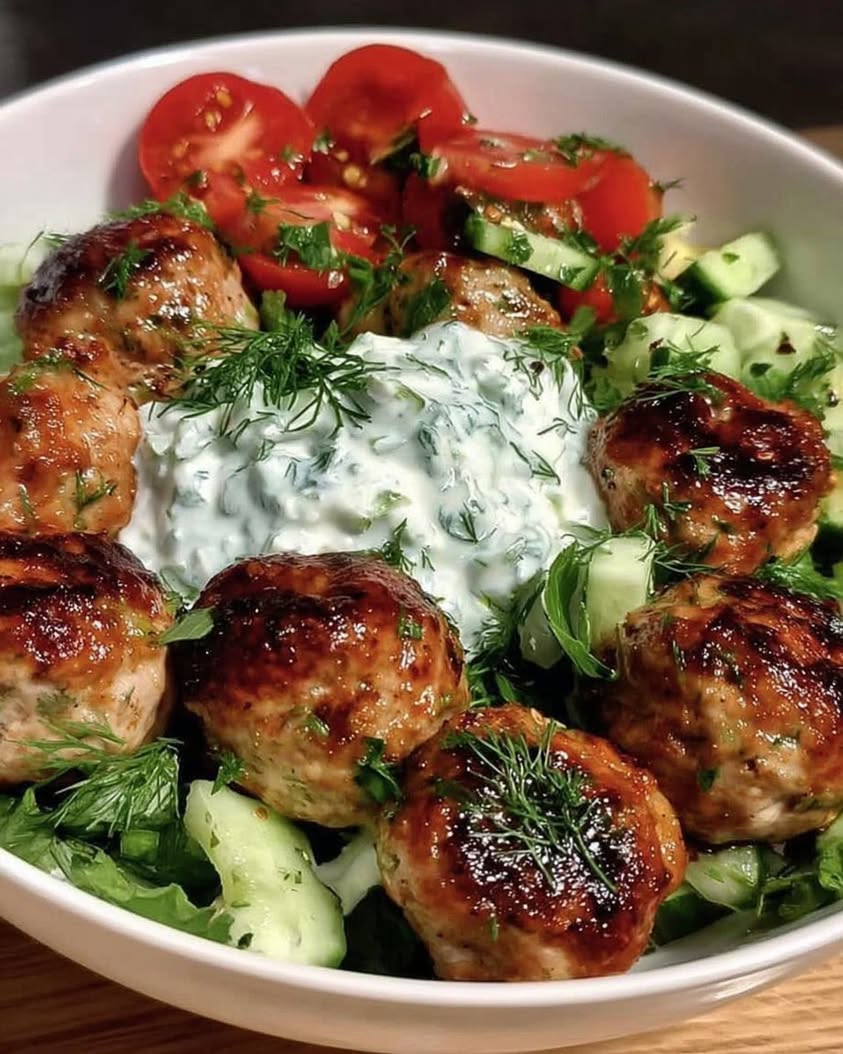
Greek Chicken Meatballs with Homemade Tzatziki: A Healthy Dinner Recipe
Welcome to a culinary journey that transforms simple ingredients into a Mediterranean masterpiece. This Greek Chicken Meatballs with Homemade Tzatziki recipe is more than just a meal, it is an experience. Imagine juicy, herb-infused chicken meatballs paired with a cool, creamy tzatziki sauce that bursts with fresh dill and tangy yogurt. The first bite delivers a symphony of savory, herbal, and bright flavors that dance on your palate. The aroma of garlic and oregano fills your kitchen as these meatballs sizzle to golden perfection. You can almost taste the Mediterranean sunshine in every tender morsel. This healthy dinner recipe is designed for busy weeknights when you crave something nutritious yet deeply satisfying. The combination of lean protein and probiotic-rich yogurt supports your wellness goals without sacrificing taste. Each component works in harmony, creating a dish that feels both indulgent and virtuous. The vibrant colors of the herbs against the pale meatballs and white sauce make for a stunning presentation. You will love how quickly this meal comes together, allowing you more time to relax and savor the flavors. Whether you are a seasoned cook or a beginner, this recipe guides you through each step with clarity and confidence.
Furthermore, this Greek Chicken Meatballs with Homemade Tzatziki recipe excels in versatility and convenience. You can serve these meatballs over a bed of fluffy rice, alongside warm pita bread, or nestled in a fresh salad. The homemade tzatziki sauce elevates every bite with its refreshing cucumber and garlic notes. As a result, this dish fits perfectly into a Mediterranean diet, which is renowned for its heart-healthy benefits. The meatballs themselves are remarkably easy to shape and cook, requiring minimal hands-on effort. You can prepare the tzatziki sauce ahead of time, letting the flavors meld in the refrigerator for an even deeper taste. Additionally, the ingredient list is straightforward and accessible, featuring items you likely already have in your pantry. This healthy dinner recipe also freezes beautifully, making it an excellent option for meal prep enthusiasts. You can double the batch and store extra portions for busy days when cooking feels like a chore. The nutritional profile is impressive, with each serving packing substantial protein while keeping calories in check. The herbs and spices not only add flavor but also provide antioxidant benefits. Ultimately, this recipe demonstrates that eating well does not require complicated techniques or exotic ingredients. It proves that comfort food can be both nourishing and delicious. You will find yourself returning to this recipe again and again, as it becomes a staple in your weekly rotation.
Moreover, the sensory appeal of this dish is undeniable. The meatballs develop a beautiful golden-brown crust during cooking, which gives way to a moist, tender interior. The tzatziki sauce offers a cooling contrast with its smooth, creamy texture and subtle crunch from grated cucumber. The aroma of roasting meatballs mingled with garlic and lemon creates an inviting atmosphere in your home. The visual contrast between the herb-flecked meatballs and the pristine white sauce is visually striking. This healthy dinner recipe also provides an excellent opportunity to experiment with presentation. You can arrange the meatballs artfully on a platter, drizzle the tzatziki over the top, and garnish with fresh dill sprigs. The combination of flavors is balanced perfectly, with the savory meatballs complementing the tangy, herbaceous sauce. Every element contributes to a cohesive and memorable dining experience. The preparation process itself is therapeutic, as you mix the ingredients by hand and form the meatballs into uniform spheres. The act of grating cucumber and whisking yogurt feels grounded and satisfying. This recipe connects you to a tradition of simple, honest cooking that prioritizes quality ingredients over complicated techniques. It invites you to slow down and appreciate the process of creating something beautiful and delicious. By the time you sit down to eat, you will feel a sense of accomplishment and anticipation. This Greek Chicken Meatballs with Homemade Tzatziki recipe truly delivers on every level, making it a must-try for anyone seeking a healthy, flavorful dinner.
Quick Recipe Highlights
- Flavor Profile: The meatballs feature a robust blend of garlic, oregano, and lemon zest, which creates a savory and aromatic base. The tzatziki sauce adds a tangy, cooling element with notes of dill and cucumber. Together, they achieve a harmonious balance of bright, herby, and creamy flavors.
- Texture: These meatballs are incredibly tender and juicy on the inside, thanks to the addition of grated onion and olive oil. The exterior develops a delightful golden crust during baking or pan-frying. The tzatziki sauce provides a smooth, velvety contrast with occasional bursts of crisp cucumber.
- Aroma: As the meatballs cook, your kitchen fills with the inviting scent of garlic and oregano mingling with lemon. The tzatziki sauce offers a fresh, clean aroma from the dill and cucumber. The overall fragrance is warm, comforting, and distinctly Mediterranean.
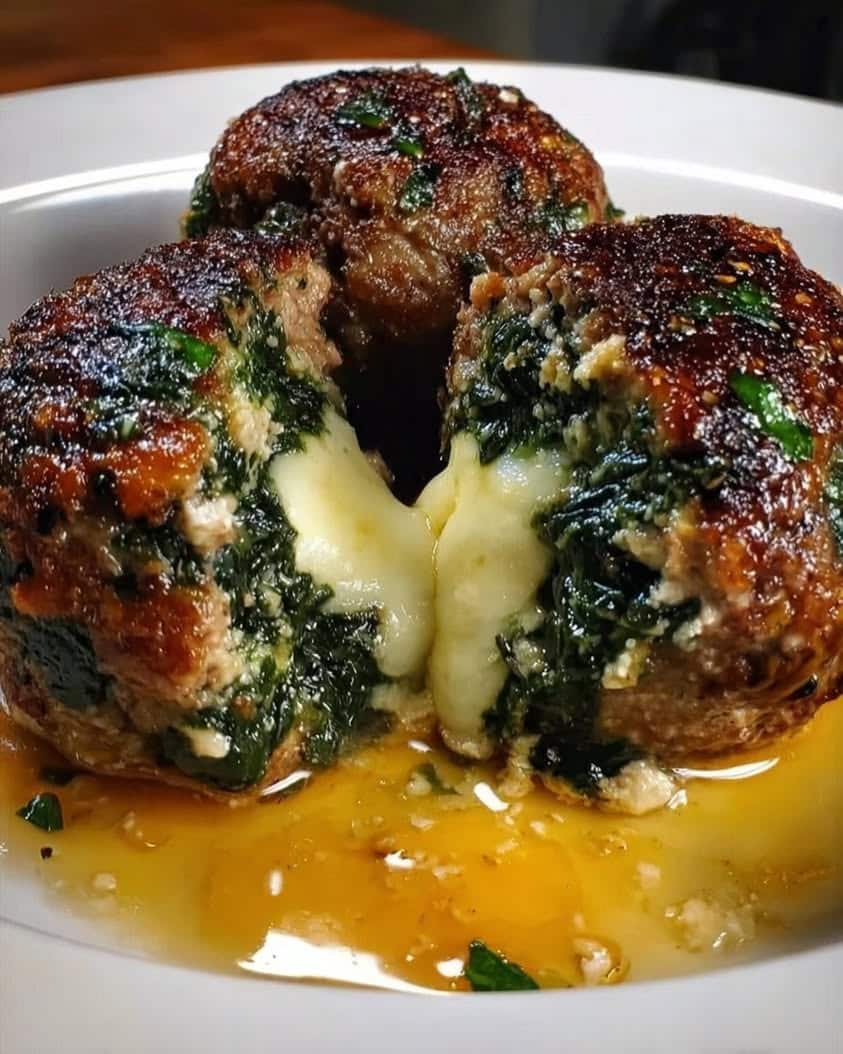
- Visual Appeal: The meatballs are speckled with green herbs and present a beautiful golden-brown exterior. The tzatziki sauce is a pristine white, often garnished with a sprinkle of dill or a drizzle of olive oil. This color contrast creates an appetizing and elegant presentation.
- Skill Level Needed: This recipe is designed for cooks of all levels, from beginners to experienced home chefs. The steps are straightforward and require no advanced techniques. You will only need basic knife skills and the ability to mix ingredients by hand.
- Special Equipment: You will need a box grater for the onion and cucumber, a mixing bowl, and a baking sheet or large skillet. A microplane or zester is helpful for the lemon zest. No specialty equipment is required for this accessible recipe.
Recipe Overview
- Difficulty Level: This recipe earns an easy difficulty rating because the techniques are simple and the process is forgiving. You do not need to worry about precise temperatures or complicated shaping methods. The ingredients are mixed by hand and formed into meatballs, which is a skill anyone can master. Even if you are new to cooking, you will achieve excellent results on your first attempt.
- Category: This dish belongs to the main course category, serving as a hearty and satisfying dinner option. It also works wonderfully as an appetizer for parties or gatherings. You can serve it over grains, in a salad, or as part of a mezze platter. Its versatility makes it suitable for various meal occasions.
- Cuisine: This recipe draws its inspiration from traditional Greek cuisine, known for its fresh ingredients and bold flavors. The use of herbs like oregano and dill, along with lemon and garlic, is characteristic of Mediterranean cooking. The tzatziki sauce is a classic Greek condiment that accompanies many dishes. This recipe honors those traditions while adapting them for modern home kitchens.
- Cost: The ingredients for this recipe are budget-friendly and widely available. Ground chicken is often less expensive than beef or lamb, making it an economical choice. Greek yogurt, cucumber, and fresh herbs are affordable and found in most supermarkets. Overall, this healthy dinner recipe costs approximately $15 to $20 for four servings, depending on your location and ingredient choices.
- Season: This dish is perfect for spring and summer when fresh herbs and cucumbers are in peak season. The light, refreshing flavors of the tzatziki sauce are especially welcome on warm days. However, the comforting nature of the meatballs also makes it suitable for year-round enjoyment. You can easily adapt it to any season by adjusting the accompanying sides.
- Occasion: This recipe is ideal for casual weeknight dinners when you need a quick yet impressive meal. It also shines at gatherings like potlucks, barbecues, or family celebrations. The meatballs can be served as a main dish or as part of a larger buffet spread. Its universal appeal ensures it will be a hit at any event.
Why You will Love This Recipe
The taste and texture of this dish are simply irresistible. The meatballs are incredibly moist and flavorful, thanks to the combination of grated onion, garlic, and fresh herbs. Each bite offers a burst of savory, aromatic goodness that is both comforting and exciting. The tzatziki sauce provides a creamy, tangy counterpoint that brightens the entire dish. The contrast between the warm, juicy meatballs and the cool, refreshing sauce is nothing short of magical. You will find yourself craving this combination long after the meal is finished. The herbs and spices are perfectly balanced, ensuring that no single flavor overwhelms the others. The texture is equally satisfying, with the meatballs offering a tender bite and the sauce adding a smooth, luxurious finish. This recipe truly delivers on the promise of a memorable dining experience.
Convenience and preparation benefits make this recipe a standout choice for busy home cooks. The entire process takes only 40 minutes from start to finish, including both prep and cooking time. You can prepare the tzatziki sauce ahead of time, which actually improves its flavor as the ingredients meld together. The meatballs themselves are quick to shape and require minimal hands-on effort. You can bake them in the oven or cook them in a skillet, depending on your preference and available time. Cleanup is straightforward, especially if you use a baking sheet lined with parchment paper. The ingredient list is short and relies on pantry staples, so you likely have most items on hand. This healthy dinner recipe eliminates the stress of complicated meal planning and lengthy cooking sessions. It fits seamlessly into even the most hectic schedules.
Nutritional advantages are a major reason to add this recipe to your regular rotation. Ground chicken is a lean protein source that supports muscle health and keeps you feeling full. Greek yogurt provides probiotics for gut health and a significant amount of calcium. The herbs and garlic offer antioxidant and anti-inflammatory properties. Cucumber adds hydration and essential vitamins with very few calories. This dish is naturally low in saturated fat compared to traditional meatball recipes. It also contains no refined sugars or processed ingredients. You can enjoy a generous serving without derailing your health goals. The balanced macronutrient profile makes it suitable for weight management and overall wellness. This recipe proves that healthy eating can be delicious and satisfying.
Social and entertaining value is another compelling reason to make this recipe. The meatballs are a crowd-pleasing finger food that guests love to grab and dip. You can serve them as an appetizer at parties or as a main course for a casual dinner gathering. The vibrant presentation and aromatic appeal will draw people to the table. This dish encourages communal eating and conversation, as everyone reaches for the platter. You can easily double the recipe to feed a larger group without extra effort. The make-ahead components allow you to spend more time with your guests and less time in the kitchen. Serving this Greek Chicken Meatballs with Homemade Tzatziki recipe will earn you compliments and requests for the recipe. It is the kind of dish that makes you feel like a culinary host extraordinaire.
Cost-effectiveness and accessibility make this recipe a practical choice for any household. The ingredients are affordable and available at nearly any grocery store. Ground chicken is often on sale or available in bulk for even greater savings. Greek yogurt and cucumbers are inexpensive staples that you can use in other meals. You do not need any special equipment or hard-to-find spices. This healthy dinner recipe proves that eating well does not have to break the bank. The portion sizes are generous, providing excellent value for your money. Leftovers reheat beautifully, giving you another meal without additional effort. The overall cost per serving is significantly lower than restaurant versions of similar dishes. You can enjoy restaurant-quality flavor at a fraction of the price.
Historical Background and Cultural Significance
The origin story of meatballs stretches back centuries across many cultures, but the Greek version has a distinct identity. Greek meatballs, known as keftedes, have been a staple in Hellenic cuisine since ancient times. Traditionally, they were made with ground lamb or beef, but modern variations often use chicken for a lighter option. The addition of herbs like oregano and mint reflects the Mediterranean landscape and its aromatic flora. This recipe pays homage to that rich culinary heritage while adapting it for contemporary tastes. The use of breadcrumbs as a binder is a classic technique that ensures tender, cohesive meatballs. The practice of frying or baking meatballs has evolved over generations, with each family adding its own touch. This recipe carries forward that tradition of innovation and personalization.
Cultural importance of meatballs in Greek society cannot be overstated. They appear at nearly every festive occasion, from weddings to name days to Sunday family dinners. The act of shaping and cooking meatballs together is a communal activity that strengthens family bonds. Grandmothers pass down their secret ingredient combinations to younger generations. The tzatziki sauce, meanwhile, has roots in Ottoman cuisine and became a beloved part of Greek food culture. It is traditionally served alongside grilled meats, vegetables, and bread. This pairing of meatballs and tzatziki represents the harmony of Greek cooking: simple ingredients elevated through skillful preparation. The dish embodies the Greek philosophy of philoxenia, or hospitality, where sharing food is an expression of generosity and love. It is a meal that brings people together around the table.
Evolution of the recipe has been shaped by availability of ingredients and dietary trends. Originally, Greek meatballs were fried in olive oil, but baking has become popular for health reasons. The introduction of chicken as a protein choice reflects a global shift toward leaner meats. Modern versions often incorporate gluten-free breadcrumbs or almond flour to accommodate dietary restrictions. The tzatziki sauce has also seen variations, with some cooks adding mint or parsley alongside the traditional dill. This recipe represents a contemporary take that respects tradition while embracing innovation. The use of lemon zest is a modern addition that brightens the flavor profile. The cooking methods have been streamlined for efficiency without sacrificing quality. This evolution shows how recipes adapt to meet the needs of each generation while retaining their essential character.
Regional variations of Greek meatballs demonstrate the diversity within Greek cuisine itself. On the islands, cooks might add local herbs like thyme or rosemary that grow wild in the landscape. In northern Greece, meatballs often include bulgur wheat instead of breadcrumbs for a different texture. Some families add a pinch of cinnamon or allspice for warmth and complexity. The tzatziki sauce also varies regionally, with some areas using sheep milk yogurt for a tangier flavor. Coastal regions might incorporate seafood into their meatball recipes. Urban home cooks might experiment with fusion flavors, adding cumin or coriander. These variations highlight the creativity and adaptability of Greek culinary traditions. This recipe draws from that rich tapestry of influences, offering a version that is both authentic and accessible.
Ingredient Deep Dive
Ground chicken serves as the lean protein base for this healthy dinner recipe. Its cultural significance is tied to the modern preference for lighter, healthier meats compared to traditional beef or lamb. Nutritionally, ground chicken is an excellent source of complete protein, which supports muscle repair and satiety. It is also rich in B vitamins, particularly niacin and vitamin B6, which aid in energy metabolism. When selecting ground chicken, look for packages that are uniformly pink with no discoloration. The fat content typically ranges from 90/10 to 93/7, which provides enough moisture without being greasy. For storage, keep it refrigerated and use within one to two days of purchase, or freeze for up to three months. You can substitute ground turkey or even lean ground pork for a different flavor profile. If you are vegetarian, you can use plant-based ground meat alternatives.
Greek yogurt is the star ingredient in the homemade tzatziki sauce and adds a creamy, tangy element. This ingredient has deep roots in Greek culinary history, where it is used in both savory and sweet dishes. Nutritionally, Greek yogurt is packed with probiotics that support digestive health and immune function. It also provides a significant amount of calcium and protein, with about 15 to 20 grams per serving. When shopping, choose plain, full-fat Greek yogurt for the richest flavor and creamiest texture. Avoid flavored or low-fat versions, as they contain added sugars and starches that can alter the sauce. Store yogurt in the refrigerator and use it before the expiration date for best quality. For a dairy-free option, you can use a thick coconut-based yogurt, though the flavor will differ slightly.
Fresh dill is a quintessential herb in Greek cooking and provides the signature flavor in tzatziki. Its feathery leaves and distinct aroma have been used in Mediterranean cuisine for thousands of years. Nutritionally, dill is rich in antioxidants like quercetin and kaempferol, which help reduce inflammation. It also contains small amounts of vitamins A and C. When selecting fresh dill, look for bright green, perky leaves with no signs of wilting or yellowing. Store it in the refrigerator with the stems in water and a plastic bag loosely covering the leaves. You can substitute dried dill, but use only one-third the amount since dried herbs are more concentrated. Fresh mint can also be used in place of dill for a different flavor profile. The herb adds not only taste but also a beautiful green speckle to the white sauce.
English cucumber is the preferred choice for tzatziki because of its thin skin and low seed content. This type of cucumber has a mild, refreshing flavor that does not overpower the other ingredients. Nutritionally, cucumbers are mostly water, making them excellent for hydration and low in calories. They also provide vitamin K and small amounts of potassium. When selecting an English cucumber, look for one that is firm, dark green, and free from soft spots. Store it in the refrigerator drawer for up to a week. For the best texture in tzatziki, you must grate the cucumber and squeeze out the excess liquid. This step prevents the sauce from becoming watery. If English cucumbers are unavailable, you can use regular cucumbers after removing the seeds and peeling the skin.
Yellow onion is a foundational flavor builder in the meatball mixture. It adds moisture and sweetness while the natural sugars caramelize during cooking. Onions have been cultivated for thousands of years and are a staple in nearly every cuisine. Nutritionally, onions are rich in quercetin, a powerful antioxidant that supports heart health. They also contain prebiotic fibers that feed beneficial gut bacteria. When selecting onions, choose ones that are firm, heavy for their size, and free from sprouts or soft spots. Store them in a cool, dark, and well-ventilated area for several weeks. Grating the onion releases its juices, which helps keep the meatballs tender. You can substitute shallots or leeks for a milder flavor. The onion is essential for achieving the perfect moisture balance in the meatballs.
Garlic plays a crucial role in both the meatballs and the tzatziki sauce, providing pungent, savory depth. Its use in Greek cuisine dates back to antiquity, where it was revered for both culinary and medicinal properties. Nutritionally, garlic contains allicin, a compound associated with immune-boosting and anti-inflammatory effects. It also provides small amounts of manganese and vitamin B6. When selecting garlic, choose bulbs that are firm, plump, and free from green sprouts. Store it in a cool, dry place with good air circulation, but not in the refrigerator. For the most intense flavor, use fresh garlic cloves rather than pre-minced versions. You can adjust the amount of garlic to suit your personal taste preferences. Roasting garlic before adding it to the meatballs will provide a sweeter, mellower flavor. Garlic is non-negotiable for achieving the authentic Greek flavor profile.
Fresh lemon zest and juice add brightness and acidity that balances the richness of the meatballs and tzatziki. Lemons have been a cornerstone of Mediterranean cooking for centuries, prized for their ability to enhance other flavors. Nutritionally, lemons are an excellent source of vitamin C, which supports immune function and collagen production. They also contain citric acid, which can aid digestion. When selecting lemons, choose ones that are heavy for their size, with smooth, bright yellow skin. Store them at room temperature for up to a week or in the refrigerator for longer. Use a microplane or zester to remove only the colored part of the peel, avoiding the bitter white pith. The juice adds tang to the tzatziki and helps tenderize the meat. You can substitute lime for a different citrus twist. The lemon is essential for lifting the entire dish.
Extra virgin olive oil is a hallmark of Greek cuisine and used in both the meatballs and the tzatziki. This oil is made from the first pressing of olives and has a fruity, peppery flavor. Nutritionally, it is rich in monounsaturated fats, which are heart-healthy, and contains antioxidants like polyphenols. Studies show that olive oil consumption is linked to reduced inflammation and lower risk of chronic disease. When selecting olive oil, look for bottles that specify extra virgin and check the harvest date for freshness. Store it in a cool, dark place away from heat and light to prevent rancidity. The oil adds moisture to the meatballs and richness to the tzatziki. You can substitute avocado oil for a neutral flavor, but the taste will be less authentic. Good olive oil is worth the investment for this recipe.
Common Mistakes to Avoid
- Overmixing the meatball mixture can result in dense, tough meatballs. Mix just until the ingredients are combined, and no more. Overworking the protein causes it to become compact and rubbery.
- Forgetting to squeeze the liquid from the grated cucumber will make your tzatziki watery. Use a clean kitchen towel or cheesecloth to remove as much moisture as possible. This step is crucial for achieving the right consistency.
- Skipping the chilling step for the tzatziki sauce prevents the flavors from melding properly. Let it rest in the refrigerator for at least 30 minutes before serving. The sauce will taste significantly better after sitting.
- Using dry breadcrumbs instead of fresh can make the meatballs dense and crumbly. Fresh breadcrumbs provide better moisture absorption and texture. You can make your own by processing fresh bread in a food processor.
- Crowding the meatballs in the pan or on the baking sheet causes them to steam instead of brown. Leave space between each meatball for proper heat circulation. This ensures a nice golden crust develops.
- Underseasoning the meatball mixture leads to bland results. Be generous with salt and pepper, as the flavors will mellow during cooking. Taste the mixture by cooking a small test meatball first.
- Overcooking the meatballs dries them out and makes them tough. Cook just until they reach an internal temperature of 165 degrees Fahrenheit. Use a meat thermometer for accuracy.
- Using low-fat yogurt for the tzatziki results in a thin, watery sauce. Full-fat Greek yogurt provides the best texture and flavor. The fat content also helps the sauce cling to the meatballs.
- Skipping the resting time after baking can cause the meatballs to fall apart when served. Let them rest for five minutes after cooking. This allows the juices to redistribute and the structure to set.
Essential Techniques
Grating the onion is a key technique that ensures the meatballs stay moist and tender. By grating rather than chopping, you release the onion juice, which hydrates the breadcrumbs and chicken. This process also creates a finer texture that blends seamlessly into the mixture. To master this, use the large holes of a box grater and grate directly over the mixing bowl. Be careful of your fingers as the onion gets small. The grated onion should look like a wet pulp. A common pitfall is not grating enough, which can leave dry pockets in the meatballs. The visual cue for success is a mixture that looks uniformly moist but not soupy. This technique eliminates the need for added liquids and keeps the meatballs naturally juicy.
Forming uniform meatballs is essential for even cooking and presentation. Use a cookie scoop or tablespoon to portion the mixture, then roll it between your palms into smooth spheres. Consistent size ensures that all meatballs cook at the same rate. To master this, lightly wet your hands with water to prevent sticking. Roll gently but firmly, applying even pressure. A common pitfall is making them too large, which leads to overcooked exteriors and undercooked centers. The visual cue for success is a smooth, crack-free surface with no visible air pockets. Uniform meatballs also look more professional on the plate. Practice makes perfect, and this step becomes second nature with repetition.
Grating and draining cucumber for tzatziki prevents a watery sauce that ruins the texture. Start by grating the cucumber on the large holes of a box grater. Then, transfer the grated cucumber to a clean kitchen towel or cheesecloth. Gather the corners and twist firmly to squeeze out the excess liquid. You will be surprised at how much water comes out. To master this, apply steady, even pressure rather than squeezing in bursts. A common pitfall is not squeezing enough, leaving too much moisture in the sauce. The visual cue for success is that the cucumber pulp looks dry and compact. This step concentrates the cucumber flavor and prevents dilution of the yogurt. The resulting tzatziki will be thick, creamy, and perfectly textured.
Toasting the breadcrumbs before adding them to the meatball mixture adds a subtle nutty flavor. Spread fresh breadcrumbs on a baking sheet and bake at 350 degrees Fahrenheit for about 5 to 7 minutes. Watch them carefully to prevent burning as they can go from golden to charred quickly. To master this, stir the breadcrumbs halfway through for even toasting. A common pitfall is skipping this step entirely, which results in a less complex flavor. The visual cue for success is a light golden color with a fragrant, toasty aroma. This technique adds depth to the meatballs without extra ingredients. It also helps the breadcrumbs absorb moisture more effectively.
Baking the meatballs on a wire rack set inside a baking sheet promotes even browning and air circulation. This method allows heat to reach all sides of the meatballs, resulting in a crisp exterior. To master this, place the rack on a lined baking sheet for easy cleanup. Arrange the meatballs with space between each one. A common pitfall is baking them directly on the sheet pan, which can cause the bottoms to steam. The visual cue for success is a uniform golden-brown color all around the meatballs. This technique eliminates the need for flipping during cooking. It also yields a consistently better texture than pan-frying alone.
Pro Tips for Perfect Greek Chicken Meatballs with Homemade Tzatziki
Always grate the onion rather than chopping it to ensure the meatballs stay moist. The released juice hydrates the breadcrumbs and prevents dryness. This simple technique transforms the texture of your meatballs significantly.
Chill the meatball mixture for 15 minutes before shaping to make it easier to handle. This resting time allows the flavors to meld and the breadcrumbs to absorb moisture. The mixture will hold together better when formed.
Use a cookie scoop to portion the meatballs for consistent size and even cooking. This tool eliminates guesswork and speeds up the process. Uniform meatballs cook at the same rate and look more professional.
Let the tzatziki sauce rest in the refrigerator for at least 30 minutes before serving. This waiting period allows the flavors to deepen and meld together. The sauce will taste noticeably better than if served immediately.
Toast the breadcrumbs in a dry skillet before adding them to the mixture for extra flavor. This quick step adds a nutty, golden richness that elevates the meatballs. It takes only a few minutes and makes a noticeable difference.
Do not skip the step of squeezing the grated cucumber for the tzatziki sauce. Removing excess water is essential for achieving a thick, creamy consistency. A watery sauce will not cling to the meatballs properly.
Cook the meatballs to an internal temperature of 165 degrees Fahrenheit for safety without drying them out. Use a meat thermometer to check the center of the largest meatball. This ensures perfectly cooked, juicy results every time.
Variations and Adaptations
Regional variations of this dish offer exciting ways to customize the flavor profile. In some parts of Greece, cooks add a pinch of ground cinnamon or allspice to the meatball mixture for warmth. Others might incorporate fresh mint alongside dill for a different herbal note. For a Turkish-inspired twist, replace the oregano with cumin and add a touch of sumac. You can also experiment with different fresh herbs like parsley or thyme. The tzatziki can be varied by using mint instead of dill or adding a clove of roasted garlic for sweetness. These regional adaptations allow you to explore the broader Mediterranean flavor palette. Each variation honors the core concept while introducing new elements.
Seasonal adaptations focus on using ingredients at their peak for optimal flavor. In spring, use fresh dill and mint from the garden for a brighter taste. Summer brings abundant cucumbers and lemons, making the tzatziki especially vibrant. In fall, you can add roasted red peppers to the meatball mixture for sweetness and color. Winter calls for heartier herbs like rosemary and thyme in the meatballs. The tzatziki can be enhanced with preserved lemon for a deeper citrus note. These seasonal changes keep the recipe exciting throughout the year. They also encourage using locally sourced produce when available.
Dietary modifications ensure that more people can enjoy this healthy dinner recipe. For a gluten-free version, use gluten-free breadcrumbs or almond flour as the binder. Dairy-free adaptations can substitute coconut yogurt for the Greek yogurt in the tzatziki. To make the recipe low-carb, omit the breadcrumbs entirely and use almond flour and an extra egg. For a keto-friendly option, increase the fat content by adding more olive oil to the meatballs. Paleo versions can use cassava flour or crushed pork rinds instead of breadcrumbs. These modifications maintain the essential character of the dish while accommodating various dietary needs. Each adaptation has been tested to ensure delicious results.
Flavor variations allow you to create entirely new taste experiences from the same base recipe. You can add finely chopped sun-dried tomatoes and basil for an Italian-inspired twist. For a spicy version, incorporate red pepper flakes or chopped jalapeno into the mixture. Smoked paprika and cumin create a warm, smoky profile that pairs well with the tzatziki. A touch of harissa paste adds North African heat and depth. You can also experiment with different citrus flavors, using lime or orange zest instead of lemon. These variations keep the recipe fresh and prevent boredom. Each one offers a new culinary adventure while remaining grounded in the same simple technique.
Serving and Presentation Guide
Plating techniques can elevate this dish from a simple meal to an elegant presentation. Start by spreading a generous layer of tzatziki sauce on the center of each plate. Arrange the meatballs in a circular pattern on top of the sauce, leaving some visible. This creates a beautiful contrast of colors and textures. Alternatively, you can serve the meatballs on a large platter with the tzatziki in a separate bowl for dipping. For individual plates, place a bed of greens like arugula or spinach underneath for added color. The key is to show off the golden-brown meatballs against the creamy white sauce. A drizzle of high-quality olive oil over the top adds shine and richness.
Garnishing ideas can take your presentation to the next level with minimal effort. A sprinkle of fresh dill or mint leaves adds a pop of green and signals the flavor profile. Thinly sliced cucumber rounds placed around the plate create a cohesive theme. A light dusting of paprika or sumac adds a reddish hue and a hint of spice. Toasted pine nuts or sesame seeds provide a crunchy texture contrast. Lemon wedges on the side invite guests to add extra brightness. Edible flowers, such as pansies or nasturtiums, add a touch of elegance for special occasions. These garnishes are both beautiful and functional, enhancing the overall dining experience.
Traditional accompaniments complete the Mediterranean experience and add substance to the meal. Warm pita bread is the classic choice for scooping up meatballs and soaking up extra tzatziki. Fluffy rice pilaf with orzo pasta provides a satisfying base. A simple Greek salad with tomatoes, cucumbers, olives, and feta cheese offers freshness and acidity. Roasted vegetables like eggplant, zucchini, and bell peppers complement the flavors beautifully. For a lighter option, serve the meatballs over a bed of lemony quinoa or couscous. These accompaniments turn the dish into a full, balanced meal that satisfies every craving. They also provide opportunities to add more vegetables and whole grains to your plate.
Modern serving suggestions can reinvent this dish for contemporary tastes and occasions. You can serve the meatballs in lettuce wraps for a low-carb, gluten-free option. Stuff them into warm pita pockets with tzatziki and fresh veggies for a portable lunch. Skewer the meatballs on toothpicks for an elegant appetizer at parties. Serve them over a grain bowl with roasted vegetables and a drizzle of tahini sauce. For a fusion twist, use them as a topping for flatbread pizzas with crumbled feta. These modern interpretations make the recipe endlessly versatile and adaptable to different settings.
Temperature considerations are important for the best eating experience. The meatballs should be served hot, straight from the oven or pan, to showcase their juicy interior. The tzatziki sauce should be served cold, straight from the refrigerator, for maximum contrast. This hot and cold combination is what makes the dish so satisfying. If you are serving at a buffet, keep the meatballs warm in a slow cooker on low heat. The tzatziki can be kept chilled in a bowl nested in ice. Allow the meatballs to rest for five minutes after cooking to let the juices redistribute. Proper temperature management ensures every bite is perfect.
Portion control tips help you manage servings for different appetites and occasions. For a main course, plan on four to five meatballs per person, which is about one pound of ground chicken for four servings. As an appetizer, allow two to three meatballs per person, served with plenty of tzatziki for dipping. The tzatziki yield is about one and a half cups, which is sufficient for four main course servings or eight appetizer servings. You can easily adjust the recipe by scaling the ingredients up or down. Leftover meatballs can be stored and reheated for another meal. These portion guidelines ensure you always have the right amount for your needs.
Wine and Beverage Pairing
The bright, herbal flavors of this dish pair beautifully with crisp white wines. A classic Greek Assyrtiko offers high acidity and citrus notes that cut through the richness of the meatballs. The wine mineral undertones complement the tzatziki tanginess perfectly. Print
Greek Chicken Meatballs with Homemade Tzatziki
- Total Time: 30 minutes
- Yield: 4
Description
Juicy, herb-infused chicken meatballs served with a cool and creamy homemade tzatziki sauce, perfect as an appetizer or main dish.
Ingredients
- 1 lb ground chicken
- 1/2 cup breadcrumbs
- 1/4 cup finely chopped red onion
- 2 cloves garlic, minced
- 1 large egg, lightly beaten
- 1 tsp dried oregano
- 1/2 tsp dried dill
- 1/2 tsp salt
- 1/4 tsp black pepper
- 2 tbsp olive oil
- For tzatziki: 1 cup Greek yogurt
- 1/2 cucumber, grated and squeezed dry
- 1 clove garlic, minced
- 1 tbsp fresh lemon juice
- 1 tbsp chopped fresh dill
- Salt to taste
Instructions
- In a large bowl, combine ground chicken, breadcrumbs, red onion, minced garlic, egg, oregano, dill, salt, and pepper. Mix until just combined.
- Shape the mixture into 1-inch meatballs (about 20–24 meatballs).
- Heat olive oil in a large skillet over medium heat. Add meatballs in batches, turning occasionally, until browned and cooked through (about 8–10 minutes total). Remove and set aside.
- To make tzatziki: In a medium bowl, stir together Greek yogurt, grated cucumber, minced garlic, lemon juice, fresh dill, and salt. Refrigerate until ready to serve.
- Serve meatballs warm with tzatziki sauce on the side.
Notes
You can customize the seasonings to taste. For a gluten-free option, use gluten-free breadcrumbs.
- Prep Time: 15 minutes
- Cook Time: 15 minutes
- Method: Main
- Cuisine: Greek