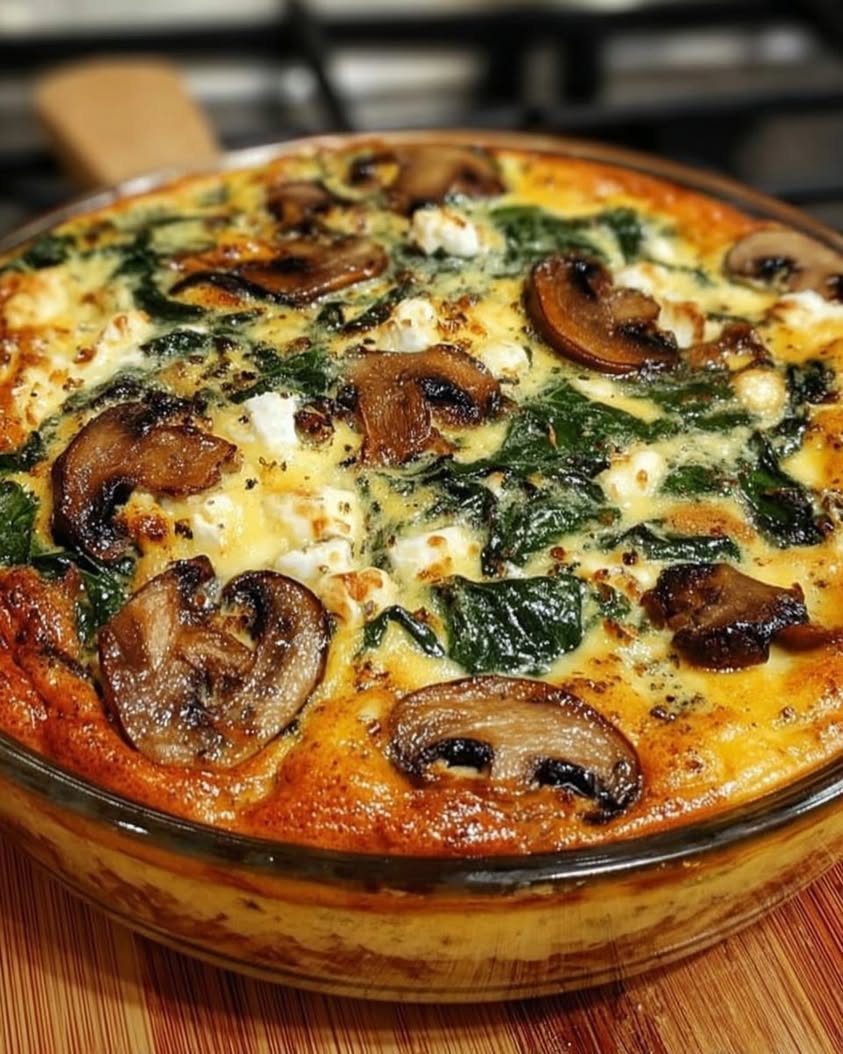
Classic Spinach & Feta Crustless Mushroom Quiche: An Easy Low-Carb Recipe
Imagine slicing into a warm, golden quiche where the flavors of fresh spinach, tangy feta, and earthy mushrooms meld together perfectly. This Classic Spinach & Feta Crustless Mushroom Quiche delivers all that satisfaction without a single carb from pastry. You get a rich, creamy custard that holds each vegetable in place. The feta adds a salty punch that contrasts beautifully with the mild mushrooms. It feels like comfort food but fits seamlessly into a low-carb lifestyle. Every bite offers a silky texture and a burst of savory goodness. You will feel proud serving this at brunch or enjoying it for a quick weeknight dinner.
This crustless quiche simplifies cooking while maximizing flavor. You do not need to roll dough or worry about a soggy bottom. The egg and cream base creates a naturally firm slice that stands up beautifully on a plate. Fresh spinach wilts down into the mixture, and the mushrooms add a meaty bite. The aroma of garlic and thyme will fill your kitchen as it bakes. It smells like a cozy cafe breakfast. Plus, you can prep the vegetables ahead of time to make assembly a breeze. This recipe truly proves that you can enjoy a decadent, savory dish while staying on track with your health goals.
When you pull this quiche from the oven, you will see a golden top with slight browning around the edges. It looks just as inviting as any traditional quiche. The filling is moist but not watery. The feta stays distinct, adding little pockets of tangy flavor throughout. This Classic Spinach & Feta Crustless Mushroom Quiche works for any meal. Pair it with a side salad for lunch. Serve it alongside roasted tomatoes for a light dinner. It also reheats beautifully for leftovers the next day. You will find yourself making this recipe again and again because it delivers so much taste with such little effort.
Quick Recipe Highlights
- Flavor Profile: You taste the salty, creamy feta first. Then the earthy mushrooms and mild spinach come through. A hint of garlic and thyme rounds out the savory profile.
- Texture: The custard is silky and smooth with a tender bite. Mushrooms offer a soft, meaty chew. Feta adds small crumbly bits that contrast nicely with the creaminess.
- Aroma: Your kitchen will smell of toasted garlic, butter, and fresh herbs. The egg mixture gives off a warm, comforting scent as it bakes. It reminds you of a hearty farmhouse breakfast.
- Visual Appeal: The quiche bakes to a beautiful golden brown on top. You will see flecks of green spinach and white feta scattered throughout. It looks rustic yet elegant on any table.
- Skill Level Needed: This recipe is perfect for beginner cooks. You only need basic knife skills to chop mushrooms and onions. The mixing and baking are very straightforward.
- Special Equipment: You need a 9-inch pie dish or a tart pan. A mixing bowl and whisk are essential. A skillet helps to saute the vegetables quickly.
Recipe Overview
- Difficulty Level: This quiche is rated as easy because it requires no pastry making. You simply saute vegetables, mix the custard, and bake. There is no complicated technique involved. Even first-time bakers can achieve a perfect result. The only small challenge is not overbaking the custard, but the visual cues are clear.
- Category: This dish belongs to the quiche and frittata family. It works beautifully as a breakfast or brunch centerpiece. It also serves as a satisfying lunch or light dinner. It fits into the low-carb and vegetarian meal categories as well.
- Cuisine: The recipe draws from classic French quiche traditions but skips the pastry crust. French cuisine often uses eggs, cream, and cheese as a base. The addition of spinach and feta introduces Mediterranean influences. It is a modern fusion that celebrates simplicity and fresh ingredients.
- Cost: This recipe is very budget friendly. Eggs, spinach, and mushrooms are inexpensive staples. Feta cheese costs a bit more but a small block goes a long way. You likely have the spices and cream already in your pantry. Expect to spend around eight to ten dollars total for all ingredients.
- Season: This quiche works year round because spinach and mushrooms are available in any season. It feels especially right in spring when fresh spinach is abundant. It also makes a cozy fall dish when you crave warm, savory comfort food. You can adapt it with seasonal vegetables like asparagus or zucchini.
- Occasion: This dish shines at weekend brunches, holiday breakfasts, and casual get-togethers. It looks impressive on a buffet table. It is also perfect for meal prep because it stores and reheats well. Pack it for picnics or take it to a potluck.
Why You Will Love This Recipe
The taste of this quiche is simply outstanding. You get a creamy, eggy custard that feels luxurious on your tongue. The feta melts slightly but retains its crumbly personality. Each bite offers a little burst of tanginess. The mushrooms add a deep umami flavor that anchors the whole dish. Spinach contributes a fresh, mild green note that balances the richness. It is savory without being heavy. You will find yourself going back for seconds. The combination is familiar but feels exciting because it is so perfectly balanced. It satisfies cravings for both a hearty meal and a light, vegetable-forward dish.
The convenience of this recipe is a major selling point. You can have it on the table in under an hour with minimal active work. While the quiche bakes, you can prepare a side salad or set the table. Cleanup is easy because you only use one skillet and one pie dish. There is no messy dough to roll or flour to clean up. You can even prepare the filling the night before. Just mix the eggs and cream in the morning and pour. This makes it perfect for busy mornings when you still want a homemade breakfast. It is truly a set-it-and-forget-it kind of recipe.
Nutritionally, this quiche is a winner. It is naturally low in carbohydrates, making it ideal for keto or low-carb diets. Each serving packs around 18 grams of protein from the eggs and cheese. The spinach adds iron, vitamin K, and antioxidants. Mushrooms provide B vitamins and selenium. The healthy fats from the cream and eggs keep you full and satisfied. It feels like a treat but supports your wellness goals. You can enjoy a generous slice without any guilt. It also happens to be gluten-free and vegetarian. This recipe makes eating well feel effortless and delicious.
This quiche also shines when you entertain guests. It looks elegant on a brunch table with its golden top and colorful filling. You can serve it warm or at room temperature, so timing is flexible. It pairs beautifully with fresh fruit, a simple green salad, or roasted potatoes. Your guests will appreciate the homemade touch and the rich flavor. It is a crowd-pleaser that appeals to both meat-eaters and vegetarians. You can double the recipe easily for larger groups. It feels special without requiring hours of work. That makes it a go-to dish for holidays or casual gatherings alike.
Finally, this recipe is incredibly cost-effective and accessible. All the ingredients are available at any grocery store. You likely already have eggs, cream, and onions at home. Feta cheese is affordable and lasts for weeks in the refrigerator. Mushrooms and spinach are among the least expensive vegetables. You can make a whole quiche for less than the cost of a single restaurant entree. It also helps you reduce food waste because you can use leftover vegetables or herbs. This recipe gives you a lot of value for your money and time. It is a smart choice for anyone looking to eat well on a budget.
Historical Background and Cultural Significance
The quiche originated in Germany, specifically in the medieval kingdom of Lothringen, which later became the French region of Lorraine. The original quiche Lorraine was an open pie filled with a custard of eggs and cream. It did not contain cheese. German bakers created it using bread dough, which evolved into pastry crust over time. The dish became popular in France during the 19th century. French cooks refined the recipe and added various fillings. They turned it into a versatile base for vegetables, meats, and cheeses. This history shows how a simple peasant dish transformed into a beloved classic.
In French culture, quiche represents comfort and family tradition. It is often served for Sunday lunch or light dinners. French home cooks take pride in their quiche recipes, passing them down through generations. The dish also appears in bistros and cafes across France. It symbolizes the value of simple, high-quality ingredients. The crustless version is a modern adaptation that respects that heritage. It keeps the creamy custard and savory fillings intact. This version honors the tradition while making it more accessible for contemporary diets. It shows that innovation can preserve the soul of a classic recipe.
The evolution of crustless quiche happened partly for health reasons. Home cooks wanted to reduce carbohydrates and calories. They also wanted to simplify the cooking process. The crustless version gained popularity in the 1970s and 1980s alongside low-carb movements. It also became a favorite for people with gluten sensitivities. Today, it is a staple in many health-conscious kitchens. The recipe continues to evolve with regional ingredients and personal tastes. Some versions use almond flour for a mock crust, but the fully crustless style remains most popular. It proves that you do not need a crust to make a satisfying quiche.
Regional variations of crustless quiche appear around the world. In Greece, they use feta, spinach, and dill. In Italy, they add ricotta, zucchini, and basil. In the American South, you might find versions with cheddar, bacon, and collard greens. Each region adapts the egg custard base to its local produce and cheeses. This recipe with spinach, feta, and mushrooms reflects Mediterranean influences. The combination is especially popular in the United States. It offers a familiar flavor profile that works well for American palates. This cross-cultural appeal shows how quiche continues to adapt and thrive globally.
Ingredient Deep Dive
Eggs are the foundation of any quiche. They provide structure, richness, and protein. Culturally, eggs symbolize fertility and new life across many traditions. They are a staple in almost every cuisine worldwide. Nutritionally, eggs are a complete protein source. They contain choline, which supports brain health. They also offer vitamin D and B vitamins. For this recipe, use large eggs at room temperature for the best texture. Store eggs in the refrigerator and use them within three to five weeks of purchase. If you need a substitute, you can use a combination of silken tofu and plant milk for a vegan version, though the texture will differ.
Mushrooms add depth and umami to this quiche. They have been used in cooking for centuries, especially in Asian and European cuisines. Mushrooms are low in calories and rich in antioxidants like selenium. They also provide B vitamins and beta-glucans for immune support. Choose cremini or white button mushrooms for this recipe. Look for firm, dry mushrooms with a smooth surface. Avoid any that are slimy or have dark spots. Store them in a paper bag in the refrigerator for up to a week. You can substitute with shiitake, portobello, or oyster mushrooms for a different flavor profile. Each variety brings a unique earthy taste.
Spinach is a nutrient powerhouse with a long history. It originated in Persia and spread through Asia and Europe. Spinach became popular in the United States in the early 20th century. It is loaded with iron, calcium, vitamin K, and vitamin A. The folate content supports cell growth and is important during pregnancy. When selecting fresh spinach, look for bright green leaves without yellowing. Avoid wilted or slimy bunches. Store it in the refrigerator in a sealed bag with a paper towel to absorb moisture. Use it within three to five days. You can substitute with kale, Swiss chard, or arugula for a different flavor. Each green will change the taste slightly.
Feta cheese brings a tangy, salty kick to this dish. It originated in Greece and is made from sheep milk or a mixture of sheep and goat milk. Feta has a crumbly texture and a distinctive sharp flavor. It is lower in fat than many other cheeses, making it a good choice for this recipe. It also contains calcium, protein, and probiotics. Choose feta that is stored in brine for the best flavor and texture. Look for blocks rather than pre-crumbled feta, which can be drier. Store it in its brine in the refrigerator for up to a month. You can substitute with goat cheese, ricotta salata, or queso fresco. Each alternative will change the flavor intensity.
Common Mistakes to Avoid
- Do not skip sauteing the vegetables. Raw mushrooms and onions release water during baking, making the quiche watery. Sauteing them first removes excess moisture and concentrates their flavor. This step is crucial for a firm, non-soggy quiche.
- Do not overmix the egg custard. Whisking too vigorously can incorporate too much air. This causes the quiche to puff up in the oven and then collapse, resulting in a dense texture. Mix just until the eggs and cream are combined.
- Do not overbake the quiche. The center should still wobble slightly when you take it out of the oven. It will continue to cook from residual heat. Overbaking leads to a dry, rubbery texture. The edges should be set and golden.
- Do not use pre-shredded cheese. Pre-shredded cheese often contains anti-caking agents that prevent smooth melting. Buy a block of feta and crumble it yourself for the best texture. This helps the cheese integrate evenly.
- Do not add cold eggs or cream to the skillet. Cold ingredients can cause the quiche to bake unevenly. Let the eggs and cream sit at room temperature for 15 minutes before mixing. This promotes even cooking.
- Do not skip greasing the pie dish. Even though the quiche contains butter and cheese, it can still stick. Use butter or nonstick spray to coat the dish thoroughly. This ensures clean slices and easy removal.
- Do not use a glass dish for baking at high heat without adjusting the temperature. Glass can cause the edges to overbrown. Use a metal or ceramic pie dish instead. If you use glass, lower the oven temperature by 25 degrees.
- Do not slice the quiche while it is piping hot. The custard needs time to set properly. Let it cool for at least 10 minutes before cutting. This prevents a runny mess and gives you clean, neat slices.
- Do not replace heavy cream with milk entirely. The cream provides richness and stability. Using only milk results in a watery, less flavorful quiche. You can use half and half as a lighter alternative that still works well.
- Do not add too much salt to the egg mixture. Feta is naturally salty, and the vegetables may release some salt. Taste the filling after adding the cheese before adding extra salt. This prevents an overly salty quiche.
Essential Techniques
Sauteing the vegetables properly is key to this quiche. Start by heating butter or oil in a skillet over medium heat. Add the onions first and cook until they become translucent, which takes about three minutes. Then add the mushrooms and cook until they release their liquid and it evaporates, about five minutes. Finally, add the spinach and cook just until it wilts, which takes about two minutes. This process removes moisture and develops deep, caramelized flavors. The vegetables should look reduced but not browned. If you hear sizzling, the heat is too high. Lower it so the vegetables sweat rather than fry. Mastering this technique guarantees a quiche that holds together beautifully.
Mixing the custard is another important step. In a large bowl, whisk the eggs until the yolks and whites are fully combined. Then add the heavy cream, salt, pepper, garlic powder, and thyme. Whisk gently until everything is smooth. Avoid creating bubbles or foam. The goal is a homogeneous mixture that will set evenly. You can use a fork instead of a whisk to reduce air incorporation. The custard should look creamy and pale yellow. If you see streaks of egg white, whisk a bit more. This careful mixing ensures a silky, tender texture in the finished quiche. It also helps the filling stay uniform.
Baking the quiche requires attention to temperature and timing. Preheat your oven to 375 degrees Fahrenheit. Pour the custard over the sauteed vegetables and crumbled feta in the prepared dish. Gently stir to distribute the ingredients evenly. Place the dish on the middle rack of the oven. Bake for 30 to 35 minutes. The edges should be set and lightly golden. The center will still jiggle slightly when you shake the dish. That wobble is your signal to take it out. Let the quiche rest on a wire rack for at least 10 minutes. This cooling period allows the custard to finish setting. It also makes slicing easier and cleaner.
Pro Tips for Perfect Classic Spinach Feta Crustless Mushroom Quiche
Use fresh spinach instead of frozen for the best texture. Frozen spinach releases a lot of water that can make the quiche soggy. Fresh spinach wilts quickly and adds a brighter flavor. If you only have frozen spinach, thaw it completely and squeeze out every drop of moisture before adding it.
Grate a little nutmeg into the custard for a warm, aromatic note. Nutmeg pairs beautifully with spinach and eggs. Just a pinch is enough to elevate the entire dish. It adds depth without overpowering the other flavors. You can find pre-ground nutmeg easily, but freshly grated is even better.
Let the sauteed vegetables cool slightly before adding the eggs. Hot vegetables can cook the eggs on contact, creating a scrambled texture. Let them sit for five minutes after sauteing. This keeps the custard smooth and even. It also prevents the quiche from baking too quickly on the bottom.
Blind baking is not necessary for this crustless quiche. Many recipes for quiche with a crust recommend blind baking to prevent sogginess. Since there is no crust, you can skip that step entirely. This saves time and simplifies the process. Just make sure your vegetables are well sauteed.
Add a pinch of cayenne pepper or red pepper flakes for a subtle kick. This small addition contrasts nicely with the creamy feta. It does not make the quiche spicy but adds a layer of warmth. It also wakes up the flavor profile. Adjust the amount based on your spice tolerance.
Use a sharp knife to slice the quiche for clean edges. A dull knife can drag through the custard and create messy slices. Run the knife under hot water and dry it before each cut. This technique works especially well for quiche and frittata. It makes serving much more professional.
Variations and Adaptations
Regional variations of this quiche can transform the flavor completely. In the Mediterranean, you might add sun-dried tomatoes, olives, and oregano. The tomatoes add a sweet acidity that balances the feta. Olives bring a briny pop of flavor. In the American Southwest, you could add roasted green chiles, black beans, and pepper jack cheese. The chiles add smokiness and heat. Black beans add fiber and protein. These adaptations show how versatile the base recipe is. You can make it your own by using ingredients from your region or personal taste.
Seasonal adaptations keep this dish fresh all year long. In spring, add asparagus tips and fresh peas. These vegetables are tender and sweet. In summer, use zucchini, bell peppers, and fresh basil. They add color and lightness. In fall, try roasted butternut squash, sage, and caramelized onions. The sweetness of the squash complements the savory custard. In winter, use kale, roasted root vegetables, and a pinch of smoked paprika. Each season offers new flavors that work beautifully with the egg base. You can also use wild mushrooms when they are in season for a gourmet touch.
Dietary modifications make this quiche accessible to more people. For a dairy-free version, use full-fat coconut cream instead of heavy cream. Use a dairy-free feta alternative or omit the cheese altogether. Add nutritional yeast for a cheesy flavor. For a lower-fat version, use whole milk instead of cream and reduce the amount of cheese. The texture will be less rich but still satisfying. You can also add extra vegetables to bulk up the filling without adding calories. These modifications help you tailor the recipe to your dietary needs.
Flavor variations are endless with this recipe. You can add cooked bacon or sausage for a meaty version. The smoky flavor pairs perfectly with the feta and spinach. For a more herbaceous quiche, add fresh dill, chives, or parsley. These herbs brighten the dish and add freshness. You could also use goat cheese instead of feta for a milder, creamier taste. Add roasted red peppers for sweetness and color. Each variation creates a new dish while keeping the same easy technique. Experiment to find your favorite combination.
Texture modifications can change the eating experience. For a denser quiche, use only egg whites and reduce the cream. This creates a firmer, lighter texture. For a fluffier quiche, separate the eggs and beat the whites to soft peaks before folding them in. This technique makes the quiche rise higher and feel airy. You can also add a tablespoon of cornstarch to the custard for a more stable texture. This is helpful if you plan to transport the quiche. Each modification gives you control over the final mouthfeel.
Presentation alternatives make this quiche suitable for different occasions. For individual servings, bake the mixture in a muffin tin for mini quiches. They cook in about half the time and are perfect for parties. For a fancier look, use a fluted tart pan with a removable bottom. This creates beautiful slices with decorative edges. You can also top the quiche with extra feta and fresh herbs before serving. A drizzle of balsamic reduction adds elegance. These presentation options allow you to dress up the dish for any event.
Serving and Presentation Guide
Plating this quiche is simple but effective. Use a sharp knife to slice clean wedges. Place each slice on a warmed plate. A warm plate keeps the quiche at the right temperature longer. Angle the slice slightly for height. You can also use a pie server to lift the slice cleanly. For a casual meal, serve directly from the pie dish. For a formal brunch, transfer slices to individual plates. The golden top and green flecks make it naturally appealing. You do not need to do much to make it look beautiful.
Garnishing ideas can elevate the presentation. A sprinkle of fresh dill or chives adds a vibrant green pop. A few crumbles of extra feta on top reinforce the flavor. You can also add a small handful of microgreens for a delicate touch. A drizzle of olive oil or a squeeze of lemon juice brightens the dish. For a touch of luxury, add a few shards of parmesan or a dusting of smoked paprika. Keep garnishes simple so they do not overwhelm the quiche itself.
Traditional accompaniments for this quiche include a simple green salad with a vinaigrette. The acidity of the dressing cuts through the richness of the eggs. Fresh fruit like berries or sliced apples adds sweetness and color. Roasted tomatoes or grilled asparagus also pair wonderfully. For a heartier meal, serve with roasted potatoes or a side of bacon. The combination of textures and flavors creates a balanced plate. You can also offer crusty bread for those who are not avoiding carbs.
Modern serving suggestions include pairing the quiche with a bowl of soup. Tomato basil or roasted red pepper soup complements the flavors nicely. You can also serve it on a brunch board with smoked salmon, cream cheese, and capers. This makes for a beautiful and interactive meal. For a lighter option, serve the quiche with a cucumber and tomato salad. The freshness of the vegetables balances the richness of the quiche. These modern pairings keep the dish exciting.
Temperature considerations are important for the best eating experience. Serve the quiche warm, but not hot. Let it rest for 10 minutes after baking to allow the custard to set. It can also be served at room temperature, making it perfect for picnics and potlucks. If you prefer a warm quiche, reheat slices in a 300-degree oven for about 10 minutes. Avoid microwaving, which can make the eggs rubbery. The quiche tastes delicious at any temperature between warm and room temperature.
Portion control tips help you serve the right amount. For a main course, one quarter of the quiche works well for an adult. Six servings make for a satisfying meal. For a side dish, cut the quiche into eight smaller wedges. This works well when served alongside a larger meal. If you are serving a brunch buffet, cut the quiche into twelve bite-sized pieces. This allows guests to sample without filling up too quickly. Adjust the portion size based on the rest of your menu.
Wine and Beverage Pairing
Wine pairings for this quiche enhance its savory flavors. A crisp Sauvignon Blanc complements the tangy feta and earthy mushrooms. Its herbal notes echo the thyme in the recipe. A dry Chenin Blanc also works well because of its bright acidity. For red wine lovers, a light Pinot Noir is a good choice. Its soft tannins do not overpower the delicate custard. A Beaujolais offers fruity notes that contrast with the salty feta. These wines lift the flavors without competing with them. Serve the wine slightly chilled for white varieties and at cool room temperature for reds.
Non-alcoholic alternatives are just as satisfying. A sparkling water with a squeeze of lemon or lime adds a refreshing contrast. The bubbles cleanse your palate between bites. A glass of unsweetened iced tea with a sprig of mint also pairs nicely. The slight bitterness of the tea balances the richness of the quiche. For something warmer, a cup of herbal tea like chamomile or ginger works well. These options keep the meal light and enjoyable. You can also try a tart cherry or pomegranate juice for a fruity note.
Coffee and tea pairings make this quiche perfect for brunch. A medium roast coffee with a smooth, nutty flavor complements the egg custard. It adds a warm, comforting element to the meal. If you prefer tea, a strong black tea like English Breakfast works well. Its bold flavor stands up to the savory quiche. Earl Grey offers floral notes that pair nicely with the feta. For a caffeine-free option, try a rooibos tea with its naturally sweet, earthy taste. These beverages enhance the brunch experience without overwhelming the dish.
Temperature considerations matter for beverages as well. Serve white wines and sparkling water well chilled. Red wines should be slightly cool but not cold. Coffee and tea should be served hot for the best aroma. Iced tea should have plenty of ice to keep it refreshing. If you are serving the quiche at room temperature, you have more flexibility with beverage temperatures. A cool drink complements a warm quiche nicely. Always consider the overall temperature balance of your meal.
Serving suggestions for beverages include using appropriate glassware. Stemware for wine adds elegance. Mason jars or tumblers work well for casual meals. Offer both alcoholic and non-alcoholic options so all guests feel included. Place the drinks near the serving area for easy access. You can also offer a signature cocktail like a mimosa or a bloody mary for a special touch. The right beverage service completes the dining experience. It shows that you have thoughtfully planned every detail.
Storage and Shelf Life
Storing this quiche properly keeps it fresh and delicious. Allow the quiche to cool completely to room temperature before storing. Cover it tightly with plastic wrap or aluminum foil. You can also transfer slices to an airtight container. Store the quiche in the refrigerator for up to four days. The egg custard stays moist and flavorful during that time. The texture will remain pleasant if you reheat it properly. Do not leave the quiche at room temperature for more than two hours to avoid spoilage.
Temperature requirements are straightforward for this dish. The refrigerator should be set to 40 degrees Fahrenheit or below. This temperature slows bacterial growth and preserves quality. If you plan to serve the quiche later, keep it chilled until you are ready to reheat. Do not store it in the refrigerator door, where temperatures fluctuate. Place it on a middle shelf for the most consistent cold. Always check the quiche for any off odors before eating leftovers. Safety is always the top priority.
Container recommendations focus on keeping the quiche intact. Use a container that is just large enough to hold the quiche or slices. This minimizes air exposure and prevents drying. Glass or ceramic containers work best because they do not absorb odors. Plastic containers are also fine but may stain over time. If you wrap the quiche in foil, press it directly against the surface to remove air pockets. This helps maintain moisture. For long-term storage, consider vacuum sealing individual slices.
Signs of spoilage are easy to recognize. The quiche should smell fresh and eggy. If you notice a sour or off smell, discard it immediately. The texture should remain firm and moist. If the quiche becomes slimy or develops mold, do not eat it. The color might darken slightly over time, but that is normal. Always trust your senses. When in doubt, throw it out. Food safety is not worth the risk. Proper storage minimizes the chance of spoilage.
Reheating instructions ensure the quiche tastes fresh again. The best method is to reheat slices in a 300 degrees Fahrenheit oven for 10 to 12 minutes. This warms the quiche through without drying it out. You can also use a toaster oven for small portions. Avoid microwaving, which can make the eggs rubbery and create steam that ruins the texture. If you must use a microwave, heat on low power in 30-second intervals. Cover the slice with a damp paper towel to retain moisture. Let it rest for a minute before serving.
Freezing guidelines extend the shelf life of this quiche. You can freeze a whole quiche or individual slices. Allow the quiche to cool completely first. Wrap it tightly in plastic wrap, then in a layer of aluminum foil. Place it in a freezer-safe bag. Label it with the date and freeze for up to three months. To thaw, move the quiche to the refrigerator overnight. Reheat it in a 300 degrees Fahrenheit oven until warmed through. The texture may be slightly less creamy after freezing, but it will still taste great. Freezing is a convenient option for meal prep.
Make Ahead Strategies
Prep timeline for this quiche is flexible. You can prepare the filling up to two days ahead. Saute the vegetables and let them cool completely. Store them in an airtight container in the refrigerator. When you are ready to bake, simply mix the custard and assemble the quiche. This saves about 15 minutes of prep time on the day you bake. You can also grate the nutmeg and pre-measure the spices. Having everything ready makes the process seamless. The quality of the quiche remains excellent with this make-ahead approach.
Storage between steps is easy with a little planning. After sauteing the vegetables, spread them on a plate to cool quickly. This prevents them from steaming and becoming soggy. Once cooled, transfer them to a container. The feta can be crumbled and stored separately. The egg custard should be mixed fresh on baking day for the best texture. Pre-mixing the custard can cause it to separate or become watery. Keep the components separate until you are ready to combine them. This ensures the freshest possible quiche.
Quality impact assessment shows that make-ahead is a smart strategy. The vegetables actually benefit from resting because the flavors continue to meld. The mushrooms and onions become even more flavorful after a day in the refrigerator. The feta stays crumbly and fresh. Only the custard should be made fresh to ensure the best rise and texture. The final quiche tastes just as good as when made entirely on the same day. You can confidently prep ahead without sacrificing quality. This is a great way to reduce stress on busy mornings.
Assembly tips for make-ahead success start with the pie dish. Grease the dish and sprinkle a thin layer of cheese on the bottom. This creates a barrier that prevents the custard from sticking. Add the sauteed vegetables and crumbled feta. When ready to bake, whisk the eggs and cream together and pour over the filling. Gently stir to distribute. Do not assemble the quiche fully until you are ready to bake. The vegetables and cheese can sit in the greased dish for up to an hour at room temperature. This makes the final assembly quick and easy.
Reheating guidelines for a pre-made quiche are simple. If you baked the quiche ahead of time, reheat it in a 300 degrees Fahrenheit oven for 15 minutes. This warms it through without drying it out. Cover the quiche loosely with foil for the first 10 minutes, then uncover for the last 5 minutes to restore the golden top. If you are reheating individual slices, 10 minutes is usually enough. Allow the quiche to sit at room temperature for 10 minutes before reheating. This helps it warm evenly. You can also serve it cold or at room temperature if you prefer.
Fresh element additions can elevate a make-ahead quiche. Before serving, add a handful of fresh baby spinach on top of the warm quiche. The heat will wilt it slightly. A sprinkle of fresh herbs like dill or chives adds brightness and color. You can also drizzle a little extra virgin olive oil over the top. A squeeze of lemon juice provides acidity that wakes up the flavors. These fresh touches make the Print
Classic Spinach & Feta Crustless Mushroom Quiche
- Total Time: 45 minutes
- Yield: 6
Description
A flavorful and easy crustless quiche featuring sautéed mushrooms, fresh spinach, and tangy feta cheese, baked to golden perfection.
Ingredients
- 2 tablespoons olive oil
- 1 small onion, diced
- 8 ounces mushrooms, sliced
- 3 cups fresh spinach
- 6 large eggs
- 1 cup milk
- 1/2 cup crumbled feta cheese
- 1/2 cup shredded mozzarella cheese
- 1/4 teaspoon salt
- 1/4 teaspoon black pepper
- 1/4 teaspoon garlic powder
Instructions
- Preheat oven to 375°F (190°C). Grease a 9-inch pie dish.
- Heat olive oil in a large skillet over medium heat. Add onion and cook until softened, about 3-4 minutes.
- Add mushrooms and cook until golden and moisture has evaporated, about 5-7 minutes.
- Add spinach and cook just until wilted, about 1-2 minutes. Remove from heat and let cool slightly.
- In a large bowl, whisk together eggs, milk, salt, pepper, and garlic powder.
- Stir in the cooked vegetables, feta cheese, and mozzarella cheese until evenly combined.
- Pour the mixture into the prepared pie dish and spread evenly.
- Bake for 25-30 minutes, or until the center is set and the top is lightly golden.
- Let cool for 5 minutes before slicing and serving.
Notes
You can customize the seasonings to taste. For a dairy-free version, use plant-based milk and omit the cheeses.
- Prep Time: 15 minutes
- Cook Time: 30 minutes
- Method: Main
- Cuisine: American