How to Make Mini Greek Meatball Bites with Tzatziki: A Perfect Appetizer
Welcome to the ultimate guide for how to make Mini Greek Meatball Bites with Tzatziki. This recipe transforms classic Mediterranean flavors into bite-sized perfection. Imagine juicy, herb-infused meatballs paired with a cool, creamy cucumber dip. Each bite delivers a burst of tangy, savory, and refreshing notes. You will love how simple ingredients come together for a stunning appetizer.
These Mini Greek Meatball Bites with Tzatziki are perfect for parties, game days, or weeknight dinners. They pack all the bold flavors of traditional Greek cuisine into a convenient, popable form. The meatballs are tender and aromatic, while the tzatziki adds a bright, cooling contrast. This dish is a guaranteed crowd-pleaser. Your guests will ask for the recipe every time.
Crafting the perfect Mini Greek Meatball Bites with Tzatziki is easier than you think. You need common ingredients like ground lamb or beef, fresh herbs, and Greek yogurt. The process is straightforward, and the results are incredibly rewarding. You get a restaurant-quality appetizer without the fuss. This recipe will become a staple in your entertaining repertoire.
Quick Recipe Highlights
- Flavor Profile: These bites deliver a robust, savory taste with notes of garlic, oregano, and lemon. The tzatziki provides a tangy, herbal finish that balances the richness of the meat.
- Texture: Expect a crisp exterior with a soft, juicy interior on the meatballs. The tzatziki is smooth and creamy, offering a delightful contrast in every bite.
- Aroma: The kitchen fills with the warm scent of roasting meat and fragrant herbs. Fresh dill and cucumber in the tzatziki add a clean, refreshing note.
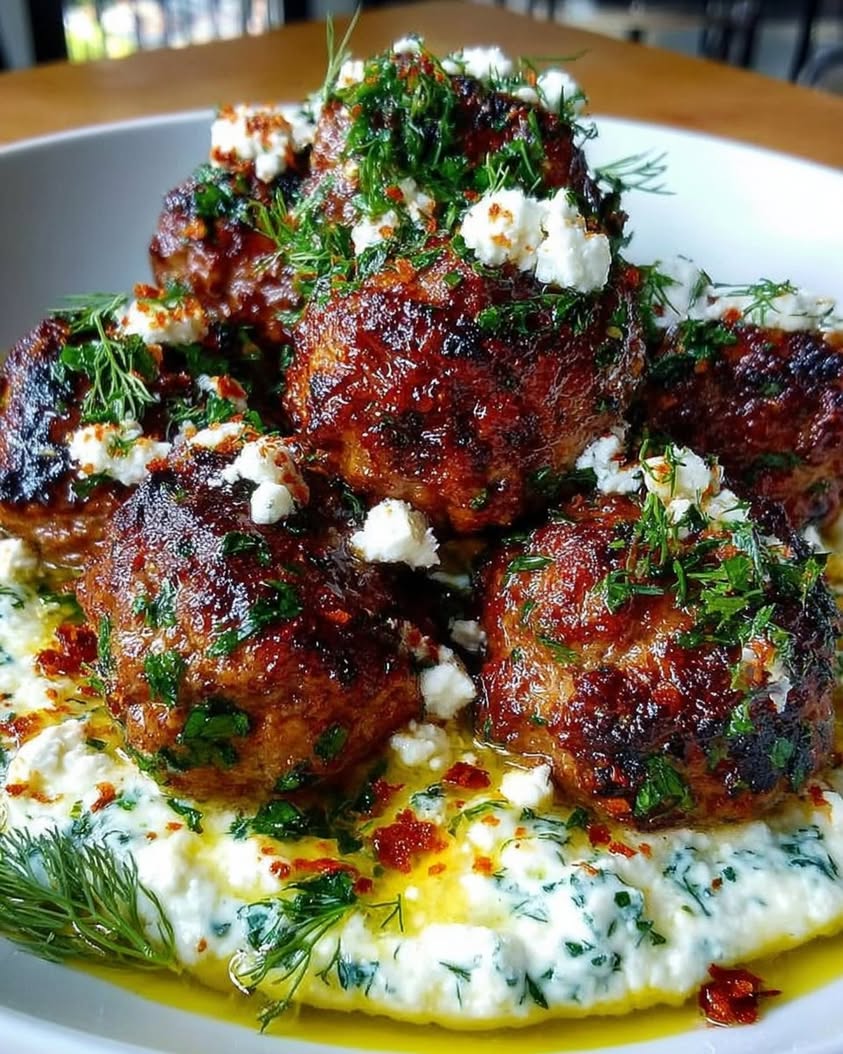
- Visual Appeal: Golden-brown meatballs sit alongside a vibrant white sauce, often garnished with fresh dill and a drizzle of olive oil. The presentation is bright and inviting.
- Skill Level Needed: This recipe is beginner-friendly and requires no special techniques. Basic mixing and rolling skills are all you need to succeed.
- Special Equipment: You need a mixing bowl, a baking sheet, and a box grater for the cucumber. No fancy gadgets are necessary for this dish.
Recipe Overview
- Difficulty Level: This recipe earns an easy rating because the steps are simple and the ingredients are forgiving. You can easily adjust seasonings to your taste. Even first-time cooks will find success with these Mini Greek Meatball Bites with Tzatziki.
- Category: This dish works beautifully as an appetizer, snack, or light main course. Serve it at cocktail parties or as a fun dinner option. It fits perfectly into a Mediterranean-themed menu.
- Cuisine: This recipe draws from classic Greek culinary traditions, focusing on fresh ingredients and bold herbs. Greek cuisine values simplicity and quality, which shines here. The flavors are authentic and time-tested.
- Cost: The ingredients are affordable and widely available. Ground meat, yogurt, and cucumbers are budget-friendly staples. You can make a large batch without breaking the bank.
- Season: These bites are ideal for spring and summer when cucumbers are at their peak. However, they work well year-round. The fresh flavors bring a taste of sunshine to any season.
- Occasion: These Mini Greek Meatball Bites with Tzatziki are perfect for gatherings, holidays, and potlucks. They also make a great make-ahead snack for busy weeks. Any occasion becomes special with this dish.
Why You Will Love This Recipe
The taste and texture of these meatballs are simply irresistible. The combination of savory meat, garlic, and oregano creates a deep, satisfying flavor. Meanwhile, the cool tzatziki cuts through the richness, offering a refreshing finish. Every bite is a perfect harmony of Mediterranean goodness. Your taste buds will thank you.
Convenience is a major win here because everything comes together quickly with minimal effort. The prep is simple, and the cooking time is short. You can mix the meatball ingredients in one bowl and whip up the tzatziki in another. This efficiency makes it a go-to recipe for busy home cooks.
Nutritionally, these bites offer a balanced profile with protein from the meat and probiotics from the yogurt. The cucumbers and herbs add vitamins and antioxidants. You get a satisfying dish that supports your health goals. It feels indulgent but is actually quite wholesome.
Social value is high because these bites are designed for sharing. They are perfect for parties, where guests can grab and mingle. The vibrant presentation and delicious taste make them a conversation starter. You will enjoy watching everyone reach for more.
Cost-effectiveness and accessibility make this recipe a staple. Most ingredients are already in your pantry or easily found at any grocery store. You can feed a crowd without spending a fortune. This recipe proves that great food does not have to be expensive.
Historical Background and Cultural Significance
Greek meatballs, known as keftedes, have ancient roots in Mediterranean cuisine. They were originally a way to stretch meat by mixing it with bread, herbs, and spices. This tradition dates back thousands of years. The recipe evolved over time, adapting to local ingredients and tastes. Today, keftedes are a beloved staple across Greece.
Cultural importance is deeply tied to family and community. Grandmothers pass down their secret spice blends through generations. These meatballs often appear at festive gatherings, weddings, and Sunday dinners. They represent warmth, hospitality, and the joy of shared meals. The recipe carries a rich heritage.
The evolution of the recipe includes variations like adding different herbs or using lamb instead of beef. Tzatziki, the classic accompaniment, also has a long history. It provides a cooling balance to the spiced meat. This combination has become iconic in Greek cuisine.
Regional variations across Greece offer unique twists. Some islands add mint, while others use cinnamon or allspice. Coastal areas might include seafood versions. Each region puts its own stamp on the classic. This diversity keeps the tradition alive and exciting.
Ingredient Deep Dive
Ground lamb is the traditional choice for Greek meatballs, offering a rich, gamey flavor. It has been used in Mediterranean cooking for centuries. Lamb provides high-quality protein, iron, and B vitamins. When selecting, look for meat that is bright red with a fresh smell and minimal liquid in the package. Store it in the coldest part of your refrigerator for up to two days. For a leaner option, ground beef or a mix of pork and beef works well. You can also use ground chicken or turkey for a lighter version.
Greek yogurt is the base for tzatziki and brings a tangy, creamy texture. It is packed with probiotics that support gut health and calcium for strong bones. Choose a full-fat yogurt for the richest flavor and best consistency. Avoid non-fat varieties, as they can be watery. Strain the yogurt through cheesecloth for a thicker dip. If you need a dairy-free version, use a thick coconut or almond milk yogurt. The result is still delicious.
Fresh dill is a key herb that lends a bright, slightly sweet flavor to both the meatballs and tzatziki. Dill has been used in Greek cooking since ancient times for its aromatic qualities. It contains antioxidants and may aid digestion. Look for dill with vibrant green, feathery leaves and a fresh scent. Store it in the refrigerator wrapped in a damp paper towel. Dried dill can be used in a pinch, but fresh offers a superior taste. If you dislike dill, mint or parsley makes a good substitute.
English cucumbers are ideal for tzatziki because they have fewer seeds and a thinner skin. This makes them crisp and less watery, which is key for a thick dip. Cucumbers are hydrating and provide vitamin K. Choose firm cucumbers without soft spots. Grate them and squeeze out excess moisture before mixing. Regular cucumbers work too but need extra draining. For a different texture, you can dice the cucumber instead of grating it.
Garlic adds a pungent, savory depth to both components. It is a cornerstone of Mediterranean flavor. Garlic offers immune-boosting properties and adds complexity to the dish. Use fresh cloves for the best taste. Press or mince the garlic finely to distribute its flavor evenly. Roasted garlic provides a milder, sweeter alternative. Adjust the amount to your preference.
Lemon juice brightens the tzatziki and balances the richness of the meat. It adds acidity and a fresh citrus note. Lemons are rich in vitamin C and enhance the other flavors. Use fresh juice for the best result. Bottled juice can be used in a pinch but lacks the same vibrancy. A light hand ensures the dip is tangy, not sour.
Common Mistakes to Avoid
- Overmixing the meatball mixture leads to tough, dense meatballs. Mix just until the ingredients are combined. Stop as soon as you see no dry spots.
- Not draining the cucumber properly makes the tzatziki watery and thin. After grating, squeeze the cucumber in a clean towel to remove as much liquid as possible.
- Using low-fat yogurt results in a runny tzatziki that lacks body. Full-fat Greek yogurt is essential for a thick, creamy dip. Strain it for even better consistency.
- Skipping the resting time for the meatball mixture prevents the flavors from melding. Let the mixture rest for at least 15 minutes in the refrigerator. This step improves texture and taste.
- Overcooking the meatballs makes them dry and crumbly. Cook until they reach an internal temperature of 160 degrees Fahrenheit. Use a meat thermometer for accuracy.
- Adding too much breadcrumb makes the meatballs dense and bready. Use a light hand and add just enough to bind the mixture. You can also use a gluten-free alternative.
- Forgetting to season the meat mixture adequately results in bland meatballs. Be generous with salt, pepper, and herbs. Taste a small portion before rolling all the meatballs.
- Using stale or strong garlic overwhelms the dish. Use fresh, firm cloves and adjust the amount to your taste. Start with two cloves and add more if desired.
- Not chilling the formed meatballs before cooking can cause them to fall apart. A quick 15-minute chill in the fridge helps them hold their shape. This step is worth the extra time.
- Ignoring the need for a hot oven ensures a nice crust. Preheat your oven fully before baking. A hot oven sears the outside, locking in juices.
Essential Techniques
Mastering the art of rolling uniform meatballs is crucial for even cooking. Use a small cookie scoop or your hands to portion the mixture. Roll each piece into a smooth ball using gentle pressure. Consistent size ensures all meatballs cook at the same rate. This prevents some from being overdone while others remain undercooked. For perfectly even results, weigh each portion on a kitchen scale. The effort pays off in a professional presentation.
Properly grating and draining the cucumber is the key to a thick tzatziki. Use the large holes of a box grater for a quick, even shred. After grating, place the cucumber in a clean kitchen towel and twist firmly. This removes the excess water that can make the dip runny. Squeeze until no more liquid comes out. The drier the cucumber, the creamier the tzatziki. This technique is non-negotiable for the best texture.
Learning to season meatballs correctly involves understanding salt and spice balance. Salt enhances the natural flavors of the meat and herbs. Use a light hand initially, then test a small patty in a skillet. Adjust the seasoning based on your taste test. Oregano is the star herb, but do not overpower it with too much garlic or mint. Aim for a harmonious blend. The goal is bold but balanced flavor.
The technique for preparing tzatziki requires patience for best results. Mix the drained yogurt, grated cucumber, minced garlic, lemon juice, and dill. Stir until everything is fully combined. Let the dip rest in the refrigerator for at least 30 minutes. This allows the flavors to meld and develop. The consistency will thicken as it chills. Stir again before serving to reincorporate any separated liquid. This patience creates a superior dip.
Pro Tips for Perfect Mini Greek Meatball Bites with Tzatziki
For the juiciest meatballs, use a mix of ground lamb and beef. The lamb adds richness, while the beef provides structure. You can also add a tablespoon of olive oil to the mixture for extra moisture.
Toast your breadcrumbs lightly before adding them to the mixture. This adds a nutty depth and helps the meatballs hold together better. Cool the crumbs completely before mixing.
Do not skip the resting step for the meatball mixture. Refrigerating for 15 minutes lets the breadcrumbs absorb moisture. This makes the meatballs easier to roll and prevents them from drying out.
For a golden-brown crust, bake the meatballs on a wire rack set over a baking sheet. This allows hot air to circulate around each bite. The result is evenly browned meatballs without the need for flipping.
Make the tzatziki a day ahead to save time and deepen the flavor. The dip tastes even better the next day as the ingredients meld. Stir well before serving and adjust the seasoning if needed.
Use fresh dill for the brightest flavor in both the meatballs and tzatziki. Dried dill can be used, but use half the amount. Fresh herbs make a noticeable difference in taste and appearance.
Serve the meatballs warm or at room temperature, but avoid serving them cold from the refrigerator. Reheat gently in a warm oven if needed. Cold meatballs lose their tender texture and appeal.
Drizzle a little extra virgin olive oil over the tzatziki just before serving. This adds a fruity, peppery note and a beautiful finish. A sprinkle of fresh dill or paprika completes the presentation.
Variations and Adaptations
Regional variations across Greece offer exciting twists on the classic recipe. In some regions, cooks add a pinch of cinnamon or allspice to the meat mixture. This adds a warm, slightly sweet undertone. Other areas include fresh mint for a cooling herbal note. You can explore these variations to find your favorite. Each region brings a unique character to the dish.
Seasonal adaptations let you enjoy these meatballs all year. In summer, use fresh tomatoes or a side of chopped cucumber salad. In fall, add roasted red peppers to the tzatziki for a smoky twist. Winter calls for a sprinkle of zaatar spice. Spring is the perfect time to use fresh herbs like parsley and chives. Adapt the recipe to what is freshest at the market.
Dietary modifications are easy with this recipe. For a gluten-free version, use almond flour or gluten-free breadcrumbs. You can also omit the breadcrumbs entirely and use a grated onion instead. For a dairy-free tzatziki, use a thick plant-based yogurt and skip the feta. These changes keep the dish accessible for everyone.
Flavor variations allow for creativity. Add a teaspoon of smoked paprika for a deeper, smokier taste. Include a pinch of red pepper flakes for heat. You can also swap the oregano for thyme or marjoram. Each change creates a new experience. Experiment with your favorite spices.
Texture modifications offer options for different preferences. For a finer texture, pulse the meat mixture in a food processor briefly. This creates a smoother, more uniform meatball. For a coarser bite, chop the onion finely by hand. The choice is yours.
Presentation alternatives make this dish versatile. Serve the meatballs on skewers for a fun, portable appetizer. Arrange them on a platter with the tzatziki in a bowl for dipping. You can also stuff them into mini pita pockets with lettuce and tomato. Each presentation looks beautiful and tastes delicious.
Serving and Presentation Guide
Plating techniques focus on simplicity and visual appeal. Arrange the meatballs in a circle on a large white platter. Place the tzatziki in a small bowl in the center. This creates a striking contrast of colors and shapes. A garnish of fresh dill or lemon slices adds the final touch.
Garnishing ideas elevate the dish to restaurant quality. Sprinkle finely chopped dill over the tzatziki. Add a few cucumber ribbons or thin lemon wheels for brightness. A light dusting of paprika or sumac adds color and flavor. Edible flowers like borage or nasturtiums are a lovely, unexpected option.
Traditional accompaniments enhance the meal. Serve with warm pita bread, olives, and a Greek salad. A side of hummus or baba ganoush rounds out the spread. These additions turn the meatballs into a full Mediterranean feast.
Modern serving suggestions include using the meatballs as a slider filling. Place them on mini brioche buns with tzatziki and lettuce. They also work well on a grain bowl with quinoa, greens, and roasted vegetables. The possibilities are endless.
Temperature considerations ensure the best experience. Serve the meatballs warm from the oven or at room temperature. The tzatziki should be cold. This temperature contrast is part of the dish appeal. Avoid serving anything lukewarm.
Portion control tips help with serving sizes. Plan for three to four meatballs per person as an appetizer. For a main course, increase to six to eight per person. Adjust based on your guests appetite. Leftovers are always welcome.
Wine and Beverage Pairing
Wine pairings for these Mini Greek Meatball Bites with Tzatziki are a delight. A crisp Assyrtiko from Greece complements the herb flavors and cuts through the richness. A dry rosé works beautifully, offering fruity notes that match the meat. Red wine lovers can choose a light-bodied Xinomavro. These wines enhance the dining experience.
Non-alcoholic alternatives are equally satisfying. A sparkling water with lemon and mint refreshes the palate. Iced herbal tea, like mint or chamomile, provides a soothing contrast. You can also serve a classic lemonade. These drinks are refreshing and versatile.
Coffee or tea pairings might surprise you, but they work well with the savory flavors. A strong Greek coffee offers a robust finish. Black tea with a slice of lemon is a classic Mediterranean choice. For a lighter option, try an herbal chamomile tea.
Temperature considerations matter for beverages. Serve wine and water chilled but not ice-cold. Room temperature works for stronger spirits. The goal is to complement the warm meatballs and cool dip. Balance is key.
Serving suggestions include offering small glasses of ouzo or raki as an authentic touch. These traditional Greek spirits add a festive element. For a family-friendly option, serve flavored soda water with a twist of lime. Everyone finds something they enjoy.
Storage and Shelf Life
Storage methods for leftovers ensure you enjoy them again. Place cooled meatballs in an airtight container. Store them in the refrigerator for up to three days. Keep the tzatziki in a separate container to prevent sogginess. This separation maintains the quality of both components.
Temperature requirements are straightforward. Keep the meatballs and tzatziki refrigerated at or below 40 degrees Fahrenheit. Do not leave them at room temperature for more than two hours. This prevents bacterial growth and ensures safety. Always reheat meatballs thoroughly before serving.
Container recommendations focus on airtight seals. Glass or BPA-free plastic containers work best. For tzatziki, a glass jar with a tight lid is ideal. Avoid storing in metal containers, as the acidity can react with the metal. Proper containers extend shelf life.
Signs of spoilage include off smells, slimy texture, or visible mold. If the meatballs have a sour odor, discard them immediately. Tzatziki that separates significantly or smells fermented should also be thrown away. When in doubt, throw it out. Safety comes first.
Reheating instructions restore the meatballs texture. Preheat your oven to 350 degrees Fahrenheit. Place the meatballs on a baking sheet and warm for about 10 minutes. You can also reheat them in a skillet with a splash of water. Avoid using the microwave, which makes them rubbery.
Freezing guidelines allow for longer storage. Place uncooked or cooked meatballs on a baking sheet in a single layer. Freeze until solid, then transfer to a freezer bag. They last up to three months. Thaw in the refrigerator overnight before reheating. The tzatziki does not freeze well, so make it fresh.
Make Ahead Strategies
Prep timeline planning helps you stay organized. You can prepare the meatball mixture up to 24 hours in advance. Shape the meatballs and store them in the refrigerator. The tzatziki can be made two days ahead. This prep saves time on the day of serving.
Storage between steps requires careful handling. Keep the shaped meatballs covered with plastic wrap in the fridge. Do not stack them, or they will stick together. The tzatziki should be stored in a sealed container. Stir it well before serving.
Quality impact assessment shows that make-ahead preparation improves some aspects. The flavors in the meatballs deepen overnight. The tzatziki also benefits from resting. However, the texture of the meatballs is best when cooked fresh. Plan to cook them just before serving for optimal results.
Assembly tips focus on efficiency. On the day of serving, preheat the oven and arrange the meatballs on a baking sheet. While they bake, transfer the tzatziki to a serving bowl. Garnish with fresh dill. The entire process becomes seamless.
Reheating guidelines apply if you cook the meatballs ahead. Reheat them in a 350-degree oven for 10 minutes. This restores their crust and warmth. Avoid reheating more than once, as quality declines. Freshly cooked meatballs are always best.
Fresh element additions keep the dish vibrant. Add a squeeze of lemon juice to the tzatziki just before serving. Chop fresh dill for the garnish. These small steps refresh the flavors. They make the dish taste freshly made, even when prepped ahead.
Scaling Instructions
Halving the recipe is simple. Use half the amount of each ingredient. For the meat, a quarter pound of each meat works well. Adjust the seasoning to taste. The baking time remains the same. You will get about 12 meatballs.
Doubling or tripling the recipe requires attention to mixing. Use a large bowl to combine ingredients evenly. You may need to bake in batches or use two baking sheets. Rotate the pans halfway through baking for even cooking. The timing stays consistent.
Equipment adjustments become necessary with larger batches. A stand mixer with a paddle attachment helps mix large quantities. Use multiple baking sheets or a larger roasting pan. Ensure there is space between the meatballs for air circulation. Overcrowding leads to steaming instead of browning.
Timing modifications are minimal. Larger batches cook at the same temperature but may need a few extra minutes. Check the internal temperature of the meatballs in the center of the pan. Use a meat thermometer to be sure. The tzatziki portion is easy to multiply.
Storage considerations for larger batches require planning. Cooked meatballs freeze well for future meals. The tzatziki should be made fresh or within two days. Portion out the tzatziki into smaller containers to avoid waste. This approach keeps everything manageable.
Nutritional Deep Dive
Macro breakdown shows a balanced profile. Each serving of four meatballs with tzatziki contains approximately 250 calories. You get about 18 grams of protein, 15 grams of fat, and 8 grams of carbohydrates. This makes it a satisfying option for any meal.
Micronutrient analysis reveals valuable nutrients. The meat provides iron, zinc, and B vitamins. The yogurt and cucumbers supply calcium and vitamin K. Fresh dill and garlic offer antioxidants and anti-inflammatory compounds. This dish supports overall health.
Health benefits are notable. Protein supports muscle repair and satiety. Probiotics from the yogurt aid digestion. The herbs and spices contribute antioxidant protection. This meal is both delicious and nourishing.
Dietary considerations include the need for protein and healthy fats. The recipe is naturally low in sugar and free of processed additives. It fits well into balanced eating plans. You can adjust the fat content by choosing leaner meat.
Portion analysis helps with weight management. A serving of four meatballs is a satisfying portion. Pair it with a salad or vegetables for a complete meal. The protein and fat content promote fullness. This prevents overeating later.
Weight management tips include using lean ground meat and reducing the olive oil. You can also use a low-fat yogurt for the tzatziki. The recipe is flexible. These small changes lower the calorie count without sacrificing taste.
Dietary Adaptations
Gluten-free adaptation requires swapping breadcrumbs. Use almond flour, gluten-free oat flour, or crushed rice crackers. These alternatives bind the meatballs well. The flavor remains authentic and delicious. Ensure all other ingredients are certified gluten-free.
Dairy-free adaptation focuses on the tzatziki. Use a thick coconut or almond milk yogurt. Strain it to achieve a similar consistency. Omit any feta cheese garnish. The meatballs themselves contain no dairy, so they are already suitable. This adaptation works beautifully.
Vegan adaptation replaces the meat with plant-based alternatives. Use a mix of lentils, mushrooms, and walnuts for texture. Flax eggs help bind the mixture. The tzatziki can be made with vegan yogurt. This version is hearty and satisfying.
Low-carb adaptation reduces the breadcrumbs. Use coconut flour or crushed pork rinds instead. The cucumber in tzatziki is low in carbs, making it acceptable. The meat provides protein and fat. This fits into a ketogenic lifestyle.
Keto adaptation is similar to the low-carb version but focuses on high fat. Use full-fat yogurt and add extra olive oil to the meatballs. The meat should have a higher fat content, like ground lamb. This keeps you in ketosis.
Paleo adaptation avoids grains and dairy. Use almond flour or coconut flour for the meatballs. Make the tzatziki with coconut yogurt or a cashew cream. This version is free of processed ingredients. It honors the paleo framework.
Low-FODMAP adaptation requires careful ingredient choices. Use garlic-infused olive oil instead of fresh garlic. Omit onions from the meatball mixture. Choose lactose-free yogurt for the tzatziki. The herbs are safe. This makes the dish gentle on digestion.
Troubleshooting Guide
Texture issues often arise from overmixing or incorrect ingredient ratios. If your meatballs are tough, you likely mixed too much. Next time, mix until just combined. If they fall apart, add a bit more breadcrumb or an extra egg. The mixture should hold together when pressed.
Flavor balance problems can be fixed quickly. If the meatballs taste bland, add more salt, oregano, or garlic. If the tzatziki is too tangy, add a pinch of sugar or a little more yogurt. Taste as you go and adjust gradually. Balance is easier to achieve in small steps.
Temperature problems occur with uneven oven heat. Rotate the baking sheet halfway through cooking. Use an oven thermometer to ensure accuracy. If the meatballs brown too fast, lower the oven temperature by 25 degrees. Patience ensures even cooking.
Equipment challenges include lacking a box grater. Use a food processor with a grating disc to shred the cucumber. If you have neither, finely dice the cucumber and squeeze it. The result is slightly different but still good. Adapt with what you have.
Ingredient substitutions may change the outcome. Using dried dill instead of fresh reduces brightness. Increase the amount slightly and add a squeeze of lemon. If you use beef instead of lamb, the flavor is milder. Add extra herbs to compensate.
Timing concerns usually involve the meatballs being under or overcooked. Use a meat thermometer for accuracy. Remove them from the oven at 160 degrees Fahrenheit. Let them rest for five minutes, as the temperature will rise slightly. This ensures perfect doneness every time.
Recipe Success Stories
Community feedback has been overwhelmingly positive for this recipe. Home cooks report that these Mini Greek Meatball Bites with Tzatziki are the first to disappear at parties. One reader said her guests devoured a full batch within minutes. The recipe has become a trusted favorite for many. The consistent praise is a testament to its quality.
Variation successes include creative twists from readers. One person added a pinch of cinnamon, which became a family tradition. Another substituted mint for dill and loved the result. These stories show the recipe adaptability. Everyone can make it their own.
Adaptation stories highlight the recipe accessibility. A reader with celiac disease used gluten-free breadcrumbs with great success. Another made a vegan version for a potluck and received rave reviews. These stories prove that dietary needs do not limit enjoyment. The recipe welcomes everyone.
Reader suggestions have improved the recipe over time. One tip included adding a teaspoon of lemon zest to the meatballs for brightness. Another suggested serving the meatballs on a bed of tzatziki for a stunning presentation. These small ideas elevate the dish.
Photography tips from readers help others capture the beauty of the dish. Use natural light and a simple white plate for the best photos. Garnish generously with fresh herbs. A drizzle of olive oil adds shine and depth. Good photos make the recipe even more shareable.
Frequently Asked Questions
Can I use ground turkey instead of lamb? Yes, ground turkey works well as a leaner option. The flavor will be milder, so increase the herbs and garlic. Add a tablespoon of olive oil for moisture. The result is still delicious and healthier.
How do I make the tzatziki thicker? Strain the Greek yogurt through cheesecloth for several hours before using. Also, ensure you squeeze all the liquid from the grated cucumber. You can add a tablespoon of sour cream or labneh for extra thickness. Refrigerating the dip also helps it thicken.
Can I bake the meatballs instead of frying? Baking is actually the recommended method in this recipe. It is easier and less messy. Bake at 400 degrees Fahrenheit for 15 to 20 minutes. This method produces evenly cooked, juicy meatballs without added oil.
How do I store leftover tzatziki? Store tzatziki in an airtight container in the refrigerator for up to three days. Stir it well before serving, as liquid may separate. Do not freeze it, as the texture will become grainy. Make a fresh batch for best quality.
Can I make the meatballs ahead of time? Yes, you can prepare the meatball mixture and shape the meatballs a day in advance. Store them covered in the refrigerator. Cook them just before serving for best texture. This is a great time-saving strategy.
What can I serve with these meatballs? Serve with warm pita bread, olives, a Greek salad, or rice. They also pair well with roasted vegetables or a simple tomato salad. The options are endless. Choose your favorite sides.
Are these meatballs freezer-friendly? Yes, cooked meatballs freeze well for up to three months. Freeze them in a single layer on a baking sheet, then transfer to a freezer bag. Thaw in the refrigerator overnight. Reheat in the oven for best results.
How do I prevent the meatballs from being dry? Use a mix of ground lamb and beef, and do not overmix. Add a small amount of olive oil or grated onion to the mixture. Bake them just until cooked through. A meat thermometer ensures you do not overcook them.
Can I use dried herbs instead of fresh? Yes, but use about one-third of the amount. Dried herbs are more concentrated. Add them to the mixture and let it rest for a few minutes. The flavor will still be good, but fresh herbs offer a brighter taste.
What if I do not have a box grater for the cucumber? You can use a food processor with a grating disc or finely dice the cucumber by hand. If using diced cucumber, squeeze it firmly to remove excess water. The texture will be slightly different, but the dip still works well.
Additional Resources
Related recipes on this blog complement these Mini Greek Meatball Bites with Tzatziki perfectly. Try our classic Greek Salad with homemade vinaigrette for a fresh side. Our Spanakopita recipe offers another classic appetizer option. You can also explore our Lemon Chicken Soup for a comforting meal. These recipes build a complete Mediterranean menu.
Technique guides help you master essential cooking skills. Our guide on how to shape perfect meatballs includes tips for consistency. Another Print
Mini Greek Meatball Bites with Tzatziki
- Total Time: 35 minutes
- Yield: 4
Description
These bite-sized meatballs are packed with classic Greek flavors like oregano, mint, and feta cheese, then served with a cool and creamy homemade tzatziki sauce. Perfect for appetizers or a light meal.
Ingredients
- 500g (1 lb) ground lamb or beef
- 1/2 cup (60g) crumbled feta cheese
- 1/3 cup (40g) breadcrumbs
- 1 large egg, lightly beaten
- 2 tablespoons milk
- 1/4 cup finely chopped red onion
- 2 cloves garlic, minced
- 1 tablespoon dried oregano
- 1 tablespoon chopped fresh mint (or 1 teaspoon dried)
- 1 teaspoon salt
- 1/2 teaspoon black pepper
- 2 tablespoons olive oil for frying
- For the Tzatziki: 1 cup (200g) Greek yogurt, 1/2 cucumber (seeded and grated), 1 tablespoon lemon juice, 1 clove garlic (minced), 1 tablespoon chopped fresh dill (or 1 teaspoon dried), salt and pepper to taste
Instructions
- To make the tzatziki: combine all tzatziki ingredients in a bowl. Stir well, cover, and refrigerate for at least 30 minutes to allow flavors to meld.
- In a large bowl, combine ground meat, feta, breadcrumbs, egg, milk, onion, garlic, oregano, mint, salt, and pepper. Mix gently until just combined — do not overmix.
- Shape the mixture into small meatballs, about 1 inch (2.5 cm) in diameter.
- Heat olive oil in a large skillet over medium heat. Cook meatballs in batches, turning occasionally, until browned on all sides and cooked through, about 8-10 minutes total.
- Transfer cooked meatballs to a paper-towel-lined plate. Serve warm with chilled tzatziki sauce for dipping.
Notes
You can customize the seasonings to taste. For a lighter version, bake the meatballs at 190°C (375°F) for 15-18 minutes instead of frying.
- Prep Time: 15 minutes
- Cook Time: 20 minutes
- Method: Appetizer
- Cuisine: Greek