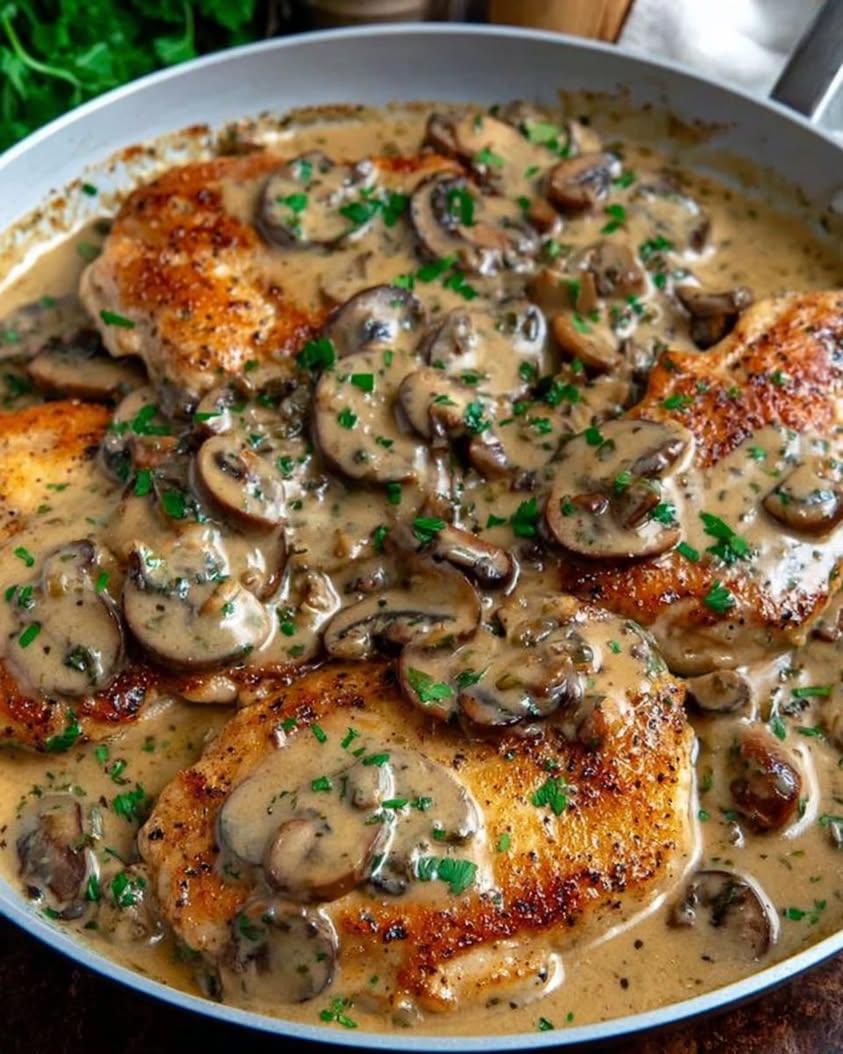
The Ultimate Chicken and Mushroom Skillet with Creamy Asiago Mustard Sauce
This Chicken and Mushroom Skillet with Creamy Asiago and Mustard Sauce delivers a restaurant-quality dinner in under an hour. You will love how the earthy mushrooms pair with the nutty Asiago cheese and the subtle kick of Dijon mustard. The sauce coats each piece of chicken perfectly, creating a luxurious finish that feels decadent yet approachable for any home cook. Moreover, this one-pan wonder minimizes cleanup while maximizing flavor, making it ideal for busy weeknights.
When you sear the chicken breast until golden brown, you create a savory foundation that infuses the entire skillet with depth. Then the mushrooms release their natural juices as they cook, blending with the aromatic garlic and shallots. Consequently, every bite delivers a complex flavor profile that evolves from the first taste to the last. The creamy Asiago mustard sauce ties everything together, offering a tangy, rich element that elevates the dish beyond ordinary skillet meals.
Additionally, this recipe uses simple ingredients that you can find at any grocery store. The preparation involves straightforward techniques, so even novice cooks can achieve impressive results. Because the cooking process flows from one step to the next, you will feel confident guiding the dish to completion. Finally, the visual appeal of the golden chicken nestled among glossy mushrooms and creamy sauce makes this a stunning centerpiece for any dinner table. Truly, this Chicken and Mushroom Skillet with Creamy Asiago and Mustard Sauce deserves a spot in your regular rotation.
Quick Recipe Highlights
- Flavor Profile: The combination of savory chicken, earthy mushrooms, tangy mustard, and nutty Asiago creates a balanced, satisfying taste experience. Each component contributes distinct notes that harmonize beautifully without overwhelming the palate. The sauce particularly shines with its creamy texture and sharp undertones.
- Texture: You will enjoy the contrast between the tender, juicy chicken and the supple mushrooms. The rich sauce adds a velvety smoothness that coats every ingredient generously. Additionally, the slight crust on the chicken from searing provides a pleasant textural counterpoint.
- Aroma: As the chicken browns, your kitchen fills with an irresistible savory scent. The mushrooms release an earthy fragrance while the garlic and shallots add aromatic sweetness. When you stir in the cream and cheese, the aroma becomes even more inviting and comforting.
- Visual Appeal: The golden-brown chicken pieces stand out against the deep brown mushrooms and pale creamy sauce. Fresh parsley sprinkled on top adds vibrant green specks that enhance presentation. The glossy sauce glistens under lighting, making the dish look professionally plated.
- Skill Level Needed: This recipe requires basic knife skills and familiarity with stovetop cooking. You must monitor heat levels to prevent burning the garlic or scorching the cream. However, the instructions guide you through each phase, so beginner cooks can succeed comfortably.
- Special Equipment: A large heavy-bottomed skillet, preferably cast iron or stainless steel, works best for even heat distribution. You will need a sharp chef’s knife for slicing mushrooms and dicing aromatics. Additionally, measuring spoons and a wooden spoon or spatula are essential.
Recipe Overview
- Difficulty Level: I categorize this as easy because the techniques involve basic sautéing and simmering. You do not need advanced skills like making a roux or tempering eggs. Following the sequence ensures success, and the recipe forgives minor timing variations.
- Category: This dish works as a hearty main course for dinner. You can serve it over pasta, rice, or crusty bread to soak up the delicious sauce. It also fits well into meal prep because the flavors meld beautifully overnight.
- Cuisine: The recipe draws inspiration from European comfort food traditions, particularly Italian and French influences. Asiago cheese originates from Italy, while mustard-cream sauces appear frequently in French cooking. The combination creates a fusion that feels both familiar and refined.
- Cost: Chicken breast and mushrooms are generally affordable proteins. Asiago cheese costs more than standard cheddar but a little goes a long way. Overall, this meal costs less than takeout for four people, making it budget-friendly.
- Season: You can enjoy this skillet year-round, but it shines particularly during cooler months. The creamy sauce and earthy mushrooms evoke feelings of warmth and comfort. In summer, pair it with a crisp green salad for a lighter feel.
- Occasion: This recipe suits casual family dinners, date nights, or small gatherings. It impresses guests without requiring hours of preparation. Moreover, the one-pan format allows you to spend more time with company rather than cleaning up.
Why You Will Love This Recipe
First and foremost, the taste of this Chicken and Mushroom Skillet with Creamy Asiago and Mustard Sauce is exceptional. The combination of savory chicken, earthy mushrooms, tangy mustard, and nutty cheese creates a symphony of flavors that delights the palate. Each ingredient plays a role, and no single element dominates. The cream rounds out the sharp edges, resulting in a smooth, balanced sauce. You will find yourself scraping the pan for every last drop, truly loving the depth and complexity.
Secondly, the convenience factor makes this recipe a lifesaver on busy evenings. You use one skillet from start to finish, which means minimal dishes and less stress. The active cooking time is short, and most steps involve hands-off simmering. Also, you can prepare the ingredients in advance, chopping mushrooms and measuring spices ahead of time. This streamlined process fits perfectly into a hectic schedule, giving you a home-cooked meal without the fuss.
Nutritionally, this dish offers a satisfying balance of protein, healthy fats, and vegetables. The chicken provides lean protein that supports muscle health and keeps you full longer. Mushrooms contribute fiber, B vitamins, and antioxidants, supporting immune function. Moreover, the moderate amount of cream and cheese adds calcium without overwhelming the calorie count. You can feel good about serving this nourishing meal to your family.
Additionally, this skillet meal delivers excellent social and entertaining value. When guests arrive, the aroma already sets the stage for a wonderful evening. The beautiful presentation requires minimal effort, yet it looks like you spent hours in the kitchen. Moreover, you can easily double the recipe to feed larger groups. Serving from the skillet creates a rustic, communal atmosphere that encourages conversation and sharing.
Finally, cost-effectiveness and accessibility make this recipe a practical choice. The ingredients are standard grocery store items that you may already have on hand. Chicken breast often goes on sale, and mushrooms are generally affordable year-round. Even the Asiago cheese, while special, does not require a large amount. Consequently, you can create a gourmet-tasting meal without a gourmet budget. For all these reasons, this recipe earns a permanent place in your cooking rotation.
Historical Background and Cultural Significance
Skillet cooking traces its roots to ancient times when humans first cooked over open fires. The cast iron skillet became particularly popular in Europe during the Middle Ages. This method allowed people to cook meats and vegetables together in one vessel, creating hearty, flavorful meals. The skillet remains a staple in many cultures because of its versatility and efficiency. In modern kitchens, the skillet continues to symbolize comfort and resourcefulness.
Asiago cheese comes from the Asiago plateau in northern Italy, where it has been produced since the 10th century. Initially, shepherds made this cheese from sheep’s milk. Over time, producers switched to cow’s milk, and the cheese evolved into two varieties: fresh and aged. The nutty, slightly sharp flavor of aged Asiago makes it perfect for grating into sauces and dishes. Its inclusion in this recipe honors that rich Italian cheesemaking tradition.
The combination of mustard and cream appears frequently in French cuisine, especially in classic sauces. French cooks have used mustard to add tang and depth to cream sauces for centuries. Dijon mustard, named after the city of Dijon in Burgundy, became famous in the 19th century. Pairing it with cream creates a sauce that is both rich and bright. This culinary technique spread across Europe and eventually worldwide.
Regional variations of creamy chicken and mushroom dishes exist in many countries. In Germany, you might find Jägerschnitzel, which features a mushroom cream sauce served over breaded meat. In Poland, similar sauces appear with pork or veal. Italian cooks often incorporate porcini mushrooms and Parmesan cheese. This Chicken and Mushroom Skillet with Creamy Asiago and Mustard Sauce represents a fusion of these traditions. It honors the past while creating something unique for contemporary palates.
Ingredient Deep Dive
Chicken Breast: Chicken breast has been a dietary staple for centuries due to its mild flavor and lean protein content. Nutritionally, it provides high-quality protein that supports muscle growth and repair. It also contains essential amino acids, B vitamins, and minerals like selenium. When selecting chicken, look for plump breasts with a pinkish hue and no discoloration. Avoid packages with excess liquid, which indicates aging. Store raw chicken in the refrigerator for up to two days or freeze for several months. For substitutions, you can use boneless thighs for richer flavor or turkey cutlets for a leaner option.
Mushrooms: Mushrooms have been valued in various cultures for both culinary and medicinal purposes. They are low in calories and rich in fiber, vitamins B and D, and antioxidants like ergothioneine. Cremini mushrooms offer a deeper flavor than white button mushrooms, while shiitake adds an earthy twist. Choose mushrooms that are firm and dry with smooth caps and no slimy spots. Avoid pre-sliced packages because whole mushrooms last longer. Additionally, store them in a paper bag inside the refrigerator for optimal freshness. You can substitute with oyster mushrooms, portobello, or even rehydrated porcini for more intense flavor.
Asiago Cheese: Asiago holds a protected designation of origin status in Italy, ensuring its traditional production methods. Its nutritional profile includes calcium, phosphorus, and protein. Fresh Asiago is soft and mild, while aged Asiago becomes hard and sharp. For this recipe, aged Asiago works best because it melts smoothly and contributes intense flavor. When buying, look for wedges with a pale yellow interior and a natural rind. Grate it fresh off the block for best results. Keep it wrapped in wax paper inside a sealed bag in the refrigerator. If needed, substitute with Parmesan, Grana Padano, or Pecorino Romano for similar nuttiness.
Dijon Mustard: Dijon mustard originated in Burgundy, France, where it has been produced since medieval times. This mustard uses brown or black seeds mixed with verjuice or white wine for a sharp, tangy profile. It contains minimal calories but adds significant flavor without fat. Dijon mustard also has antimicrobial properties due to the turmeric and vinegar. Look for brands with no added sugars or artificial preservatives. Store mustard in the refrigerator to maintain its pungency longer. Whole-grain mustard or spicy brown mustard can substitute, but they will change the texture slightly.
Heavy Cream: Heavy cream has been a cherished ingredient in European cuisine for centuries. It provides richness and body to sauces, making them feel luxurious. The high fat content ensures smooth emulsification and prevents curdling. Nutritionally, cream contains fat-soluble vitamins A, D, E, and K. Choose cream with no additives and check the sell-by date for freshness. Store it in the coldest part of the refrigerator and use within a week of opening. For a lighter option, use half-and-half, though the sauce will be thinner. Coconut cream can replace dairy for those avoiding lactose.
Shallots and Garlic: Shallots are a member of the allium family, milder than onions and sweeter than garlic. They have been cultivated since ancient times and are prized in French cuisine for their delicate flavor. Garlic has a storied history, used in traditional medicine and cooking across many cultures. Both provide anti-inflammatory and immune-boosting properties. Look for shallots that are firm with papery skins and no sprouts. Store them in a cool, dry place away from direct sunlight. For substitutions, use sweet onion for shallots and garlic powder for fresh cloves if necessary.
Common Mistakes to Avoid
- Overcrowding the skillet prevents proper browning, so cook the chicken in batches if needed.
- Undercooking the mushrooms leads to a rubbery texture, so sauté them until they release their liquid and begin to brown.
- Adding the cream too early causes it to curdle from the high heat, so stir it in after reducing the heat.
- Skipping the deglazing step leaves flavorful browned bits stuck to the pan, so use broth to release them.
- Using pre-shredded cheese often results in a grainy sauce due to anti-caking agents, so grate fresh Asiago instead.
- Not patting chicken dry prevents good searing, so use paper towels to remove excess moisture.
- Overcooking the chicken makes it dry and tough, so use a meat thermometer and remove it at 165 degrees Fahrenheit.
- Adding too much mustard overwhelms the dish, so start with one tablespoon and adjust to taste.
Essential Techniques
Proper Searing: Searing chicken breast creates a flavorful crust through the Maillard reaction, which browns proteins and sugars. To master this, heat your skillet over medium-high heat until it is hot enough that a drop of water sizzles instantly. Add oil with a high smoke point like avocado or canola. Place the chicken in the skillet without moving it for four to five minutes. You will see the edges turn golden, indicating a good sear. Avoid crowding the pan, which lowers the temperature and prevents browning. The visual cue is a deep golden-brown color with crispy edges.
Deglazing the Pan: After removing the chicken, the skillet contains browned bits called fond that hold intense flavor. Pour in chicken broth or white wine while scraping the bottom with a wooden spoon. This process dissolves the fond and creates a rich base for the sauce. Do not skip this step because it adds depth that cannot be achieved otherwise. The liquid should bubble and reduce slightly as you stir. Once the pan is clean, you have successfully deglazed and captured all the flavor.
Building the Sauce: The sauce starts by sautéing aromatics like garlic and shallots in butter until fragrant. Then you whisk in cream, mustard, and grated Asiago cheese. The key is to add cheese gradually while stirring constantly to ensure smooth melting. Keep the heat low to medium to avoid curdling the cream. The sauce should thicken enough to coat the back of a spoon. Taste and adjust seasoning with salt, pepper, or additional mustard. This technique yields a velvety, cohesive sauce that clings beautifully to the chicken and mushrooms.
Pro Tips for Perfect Chicken and Mushroom Skillet
First, pound the chicken breast to an even thickness so they cook uniformly. Use a meat mallet or rolling pin to achieve about half an inch thickness. This ensures no part of the chicken dries out before the rest finishes cooking.
Second, let the cooked chicken rest on a cutting board for five minutes before slicing. This allows the juices to redistribute throughout the meat, resulting in a moister final dish. Cover loosely with foil to keep warm.
Third, use a combination of butter and oil for sautéing mushrooms. The butter adds flavor while the oil raises the smoke point, preventing burning. Start with butter and add a splash of oil if needed.
Fourth, season the sauce at the end of cooking after adding the cheese. Asiago is naturally salty, so you may need less salt than expected. Taste before adding extra seasoning to avoid oversalting.
Fifth, warm your serving plates in a low oven before plating. This keeps the dish hot longer, especially important with creamy sauces that cool quickly. Alternatively, serve directly from the skillet for a rustic presentation.
Sixth, consider adding a splash of white wine after deglazing for extra acidity. Sauvignon Blanc or Pinot Grigio work well and complement the mustard. Allow the wine to reduce by half before adding cream.
Seventh, if the sauce becomes too thick, thin it with a tablespoon of chicken broth or milk. The sauce should flow slowly but not be watery. Adjust in small increments to reach the desired consistency.
Eighth, garnish with fresh parsley or chives just before serving. The herbs add a fresh, bright note that contrasts with the rich sauce. Also, a sprinkle of extra grated Asiago on top provides visual appeal and flavor.
Variations and Adaptations
Regional Variations: In Italy, you might find this dish made with porcini mushrooms and Parmesan instead of Asiago. Some regions add a splash of white wine and fresh thyme for an herbal note. In France, chefs sometimes incorporate tarragon and use crème fraîche for extra tang. German versions often include smoked paprika and serve it over egg noodles.
Seasonal Adaptations: During spring, add fresh asparagus or peas for color and crunch. In fall, incorporate roasted butternut squash cubes or caramelized root vegetables. Summer versions can include cherry tomatoes and basil for brightness. Winter adaptations might feature kale or spinach wilted into the sauce for added nutrition.
Dietary Modifications: For a gluten-free version, ensure your mustard and broth contain no wheat. Serve over rice or quinoa instead of pasta. For dairy-free adaptation, use coconut cream and nutritional yeast or a vegan cheese alternative that melts well. The flavor profile changes but remains delicious.
Flavor Variations: Add a teaspoon of smoked paprika for warmth or red pepper flakes for heat. Swap Dijon mustard for whole-grain mustard for a different texture. Stir in sun-dried tomatoes for a Mediterranean twist. Fresh rosemary or sage can replace or complement the thyme.
Texture Modifications: For a chunkier sauce, leave some mushrooms whole rather than slicing thinly. If you prefer a smoother sauce, puree part of the mushroom mixture before adding cream. You can also bread the chicken for a crispy coating before searing, though this changes the dish entirely.
Presentation Alternatives: Serve the chicken and sauce over creamy polenta for a comforting base. Spoon it over roasted potatoes or mashed sweet potatoes for variety. For a low-carb option, use cauliflower rice or zucchini noodles. Individual cast iron skillets make for impressive single-serving presentations.
Serving and Presentation Guide
Plating Techniques: Start by arranging the bed of your chosen starch on the plate or in a shallow bowl. Place one chicken breast on top and spoon mushrooms and sauce generously over it. For elegance, slice the chicken diagonally before plating to show the juicy interior. Tilt the plate slightly to let the sauce pool naturally around the chicken.
Garnishing Ideas: Fresh chopped parsley or chives adds a burst of green against the cream-colored sauce. A few whole chive stems arranged across the top provide a professional touch. Grate additional Asiago cheese over the dish right before serving for a melt-in-your-mouth finish. Edible flowers like chive blossoms add a pop of color.
Traditional Accompaniments: Crusty bread is essential for sopping up every bit of the sauce. Buttered egg noodles complement the creamy texture perfectly. A simple green salad with a tangy vinaigrette cuts through the richness. Roasted carrots or green beans add color and nutrients to the plate.
Modern Serving Suggestions: Serve the skillet family-style at the table for a communal feel. Offer small bowls of extra grated cheese and fresh herbs for diners to customize. Present individual portions in small cast iron skillets for a trendy, rustic look. Pair with a crisp white wine like Sauvignon Blanc to balance the creaminess.
Temperature Considerations: This dish is best served hot directly from the skillet. Reheat leftovers gently on the stovetop with a splash of broth to restore sauce consistency. Avoid microwaving because it can dry out the chicken. If making ahead, reheat at low temperature to prevent curdling.
Portion Control Tips: One chicken breast per serving provides adequate protein for most adults. Adjust the amount of sauce accordingly, about one-quarter to one-third cup per portion. If serving as part of a multi-course meal, reduce the portion size slightly. Leftovers portion well for lunch the next day.
Wine and Beverage Pairing
Wine Pairings: A buttery Chardonnay complements the creamy sauce beautifully, especially one with slight oak aging. Alternatively, a crisp Sauvignon Blanc cuts through the richness with its acidity. For red wine lovers, a light Pinot Noir with earthy notes pairs well with the mushrooms. Avoid heavy tannic reds that clash with the cream.
Non-Alcoholic Alternatives: Sparkling water with a squeeze of lemon offers a refreshing palate cleanser between bites. A cold-brewed iced tea with a hint of lemon or mint works well. For a festive touch, try a non-alcoholic sparkling wine or a ginger ale with fresh rosemary.
Coffee and Tea Pairings: This dish does not typically pair with coffee, but an herbal tea like chamomile or mint can cleanse the palate. If serving as a hearty lunch, a light black tea like Darjeeling might work. Avoid strong coffees that override the subtle flavors.
Temperature Considerations: White wines should be chilled to around 45 to 50 degrees Fahrenheit for optimal enjoyment. Red wines are best served slightly cool, around 55 degrees, to maintain balance. Non-alcoholic beverages should also be served cold to contrast the warm, creamy dish.
Serving Suggestions: Pour wine into appropriate glassware, such as a white wine glass for whites and a Burgundy glass for Pinot Noir. For non-alcoholic options, use stemware to elevate the experience. Provide water glasses at every place setting to keep guests hydrated.
Storage and Shelf Life
Storage Methods: Transfer leftover Chicken and Mushroom Skillet to an airtight container. Store it in the refrigerator within two hours of cooking to prevent bacterial growth. Separate the chicken from the sauce if possible to maintain texture. The dish stays fresh for three to four days when properly stored.
Temperature Requirements: Keep the refrigerator temperature at 40 degrees Fahrenheit or below. Use a refrigerator thermometer to verify. Avoid storing the container on the door where temperatures fluctuate. Place it on a shelf in the main compartment for consistent cooling.
Container Recommendations: Glass containers with tight-fitting lids are ideal because they do not absorb odors. Alternatively, BPA-free plastic containers work well. Avoid metal containers that may react with acidic ingredients in the sauce. Portion into smaller containers for easier reheating.
Signs of Spoilage: Discard the dish if you notice a sour or off smell. Mold growth on the surface is a clear indicator of spoilage. The sauce may separate slightly upon storage, but this is normal. If the chicken becomes slimy or develops an odd texture, throw it away immediately.
Reheating Instructions: Reheat on the stovetop over low heat, adding a splash of chicken broth or water to loosen the sauce. Stir occasionally to ensure even warming. You can also reheat in the oven at 300 degrees Fahrenheit for 15 minutes, covered. Avoid the microwave because it often makes the chicken rubbery.
Freezing Guidelines: This dish freezes well for up to three months. Allow it to cool completely before transferring to a freezer-safe container. Leave some headspace for expansion. Thaw overnight in the refrigerator before reheating. Expect the sauce to be slightly thinner upon thawing.
Make Ahead Strategies
Prep Timeline: You can slice the mushrooms and dice the shallots up to two days in advance. Store them separately in airtight containers in the refrigerator. Measure out the cream, broth, and mustard the night before. Grate the Asiago cheese and keep it in a sealed bag. This reduces active cooking time to less than 30 minutes.
Storage Between Steps: If you sear the chicken earlier in the day, cool it quickly and refrigerate it separately. Reheat it gently in the sauce when ready to serve. Cook the mushrooms and sauce base a day ahead, but add the cream and cheese just before serving to preserve texture.
Quality Impact Assessment: The flavors actually improve after sitting overnight as they meld together. However, the sauce may thicken upon cooling; thin it with a little broth when reheating. The chicken can dry out if overcooked during reheating, so monitor closely. Fresh herbs should always be added after reheating for brightness.
Assembly Tips: Reheat the sauce and mushrooms in the skillet first. Add the pre-cooked chicken and simmer gently until warm. Finish by stirring in the cream and cheese off the heat. This final step keeps the sauce smooth and prevents curdling.
Reheating Guidelines: Always reheat gently to avoid tough chicken or broken sauce. Low and slow is the key. Use a splash of liquid to refresh the consistency. Stir frequently to distribute heat evenly. Do not let the sauce boil vigorously.
Fresh Element Additions: Add fresh spinach or arugula to the sauce just before serving for a nutrient boost. Finish with fresh parsley or chives. A squeeze of lemon juice brightens the flavors remarkably. These fresh touches make the dish taste freshly made.
Scaling Instructions
Halving the Recipe: Simply divide all ingredient amounts in half. Use a smaller skillet, such as 10 inches, to maintain proper cooking space. Cook the chicken for slightly less time because smaller pieces may cook faster. The sauce will reduce more quickly, so watch closely.
Doubling or Tripling: Double or triple the ingredients proportionally. Use a larger skillet, at least 14 inches, or cook in batches. Do not overcrowd the pan when searing the chicken. You may need to adjust cooking times because more ingredients retain heat longer. Increase the simmering time slightly to reach the right consistency.
Equipment Adjustments: For larger batches, consider using a heavy-bottomed pot or Dutch oven. Ensure the pan is wide enough to allow proper browning. If the pan is too full, cook the mushrooms in batches. Use multiple smaller skillets if necessary for even cooking.
Timing Modifications: When scaling up, expect longer cooking times for each step because of the added volume. The sauce will take longer to thicken. Use a thermometer to check chicken doneness rather than relying solely on time. Plan for an additional 10 to 15 minutes total.
Storage Considerations: Larger batches should be cooled quickly and divided into smaller containers for refrigeration. This speeds cooling and maintains food safety. Freeze in meal-sized portions for convenient future meals. Label containers with the date to track freshness.
Nutritional Deep Dive
Macro Breakdown: One serving of this Chicken and Mushroom Skillet provides approximately 35 grams of protein, supporting muscle maintenance. It contains around 20 grams of fat, primarily from cream and cheese, providing satiety. The carbohydrate content is low, roughly 8 grams, mostly from mushrooms and aromatics. This makes it suitable for low-carb eating patterns.
Micronutrient Analysis: Chicken is rich in selenium and B vitamins, particularly niacin and B6. Mushrooms provide significant amounts of copper, potassium, and pantothenic acid. Asiago cheese contributes calcium, phosphorus, and vitamin A. Garlic and shallots offer manganese and vitamin C. Together, this dish supplies a variety of essential nutrients.
Health Benefits: The protein in chicken supports bone health and enzyme function. Mushrooms contain beta-glucans that support immune health. The moderate fat content helps absorb fat-soluble vitamins from other foods. Additionally, the recipe uses minimal processed ingredients, making it a whole-food choice.
Dietary Considerations: This meal is relatively low in carbohydrates, fitting well with diabetic meal plans. It is naturally gluten-free, provided you use certified gluten-free ingredients. However, it contains dairy, making it unsuitable for vegans and those with lactose intolerance. For weight management, pair with a large vegetable side to increase volume.
Portion Analysis: A typical serving size of one chicken breast with about one cup of sauce and mushrooms is satisfying. This portion provides roughly 400 to 500 calories depending on exact ingredient amounts. Adjust portion sizes based on individual energy needs. Serve with a side of non-starchy vegetables for a balanced plate.
Weight Management Tips: Use half-and-half instead of heavy cream to reduce fat content. Increase mushroom portions to add volume without many calories. Serve over zucchini noodles or cauliflower rice instead of pasta. Control portion sizes by serving the dish pre-plated rather than family-style.
Dietary Adaptations
Gluten-Free: This recipe is naturally gluten-free as long as you use gluten-free chicken broth and mustard. Check labels on Dijon mustard for any wheat-based additives. Serve over rice, quinoa, or gluten-free pasta. Avoid using flour to thicken the sauce; the cream and cheese provide enough body.
Dairy-Free: Substitute full-fat coconut cream for heavy cream to maintain richness. Use a dairy-free cheese alternative that melts well, such as cashew-based cheese or vegan mozzarella. Nutritional yeast can add a cheesy flavor. Omit the butter and use olive oil for sautéing. The flavor profile changes but remains delicious.
Vegan: Replace chicken with firm tofu, seitan, or jackfruit for a plant-based protein. Use vegetable broth instead of chicken broth. Follow the dairy-free adaptations above. Add extra mushrooms for umami depth. Ensure all ingredients are certified vegan, including mustard.
Low-Carb: This recipe is already low-carb with roughly 8 grams per serving. Serve over cauliflower rice or steamed broccoli to keep carbs minimal. Avoid adding any starchy sides. Increase mushroom quantity for more volume without carbs. The creamy sauce is naturally keto-friendly due to high fat content.
Keto: This dish fits perfectly into a keto lifestyle because of its high fat and moderate protein ratio. Use full-fat cream and generous amounts of cheese. Serve with steamed asparagus or a side salad. Avoid any added sugars in the mustard or broth. The macros align well with ketogenic goals.
Paleo: For a paleo adaptation, use coconut cream instead of dairy cream. Replace the cheese with nutritional yeast or simply omit it for a different but still tasty sauce. Use ghee or avocado oil instead of butter. Ensure the mustard contains no additives. Serve with roasted sweet potatoes or cauliflower rice.
Low-FODMAP: Use the green part of spring onions instead of shallots and garlic. Omit garlic entirely and use garlic-infused oil for flavor. Use lactose-free cream or a lactose-free milk thickened with cornstarch. Ensure the mustard contains no garlic powder. Choose chicken broth without onion or garlic.
Troubleshooting Guide
Texture Issues: If the sauce curdles, you likely added the cream over high heat. Remove the pan from heat immediately and whisk vigorously. Add a tablespoon of cold broth to help stabilize it. If the sauce is too thin, let it simmer uncovered for a few minutes to reduce. Conversely, if too thick, add broth or milk one tablespoon at a time.
Flavor Balance: When the dish tastes bland, add more kosher salt and freshly ground black pepper. A squeeze of lemon juice can brighten all flavors. Additional grated Asiago cheese boosts umami. If too salty, add a splash of unsalted broth or a squeeze of lemon to balance. A pinch of sugar can counteract bitterness from burnt garlic.
Temperature Problems: If the chicken cooks too quickly on the outside but remains raw inside, the heat is too high. Lower the heat and cover the skillet for a few minutes. Use a meat thermometer to ensure the center reaches 165 degrees Fahrenheit. Let the pan rest between batches to avoid overheating.
Equipment Challenges: A non-stick skillet may not produce as much fond for deglazing, resulting in less flavorful sauce. Use a stainless steel or cast iron skillet for better browning. If your burner heats unevenly, rotate the pan periodically. Use a lid to trap heat if needed for cooking mushrooms faster.
Ingredient Substitutions: If you run out of heavy cream, use whole milk with a tablespoon of butter to increase richness. Without Asiago, use Parmesan or pecorino. If you only have whole-grain mustard, it works, though the texture becomes speckled. Out of mushrooms, try zucchini or bell peppers for a different texture.
Timing Concerns: If you are short on time, slice the chicken into thinner cutlets to reduce cooking time. Prepare the sauce while the chicken rests to save minutes. Use pre-sliced mushrooms, though they may not brown as well. Cook the mushrooms at higher heat to speed up the process.
Recipe Success Stories
Community Feedback: Many readers Print
Chicken and Mushroom Skillet in a Creamy Asiago and Mustard Sauce
- Total Time: 45 minutes
- Yield: 4
Description
A quick and satisfying one-pan dinner featuring tender chicken breast and earthy mushrooms enveloped in a rich, creamy Asiago and whole-grain mustard sauce. Perfect for a weeknight meal that feels special.
Ingredients
- 1.5 lbs boneless, skinless chicken breasts, pounded to even thickness
- 2 tbsp olive oil, divided
- 8 oz cremini mushrooms, sliced
- 2 cloves garlic, minced
- 1/2 cup chicken broth
- 1/2 cup heavy cream
- 2 tbsp whole-grain mustard
- 1/2 cup shredded Asiago cheese
- Salt and black pepper to taste
- 2 tbsp chopped fresh parsley for garnish
Instructions
- Season chicken breasts with salt and pepper. In a large skillet over medium-high heat, heat 1 tablespoon olive oil. Cook chicken for 5-6 minutes per side until golden and cooked through. Remove chicken and set aside.
- Reduce heat to medium. Add remaining 1 tablespoon olive oil and the sliced mushrooms. Sauté for 5-6 minutes until browned and tender. Stir in garlic and cook for 30 seconds.
- Pour chicken broth into the skillet, scraping up any browned bits. Stir in heavy cream, whole-grain mustard, and Asiago cheese. Cook, stirring, until the cheese is melted and the sauce is smooth.
- Return chicken to the skillet, spooning the sauce over it. Simmer for 2-3 minutes until heated through. Taste and adjust seasoning with salt and pepper.
- Garnish with fresh parsley and serve immediately.
Notes
You can customize the seasonings to taste.
- Prep Time: 15 minutes
- Cook Time: 30 minutes
- Method: Main
- Cuisine: American