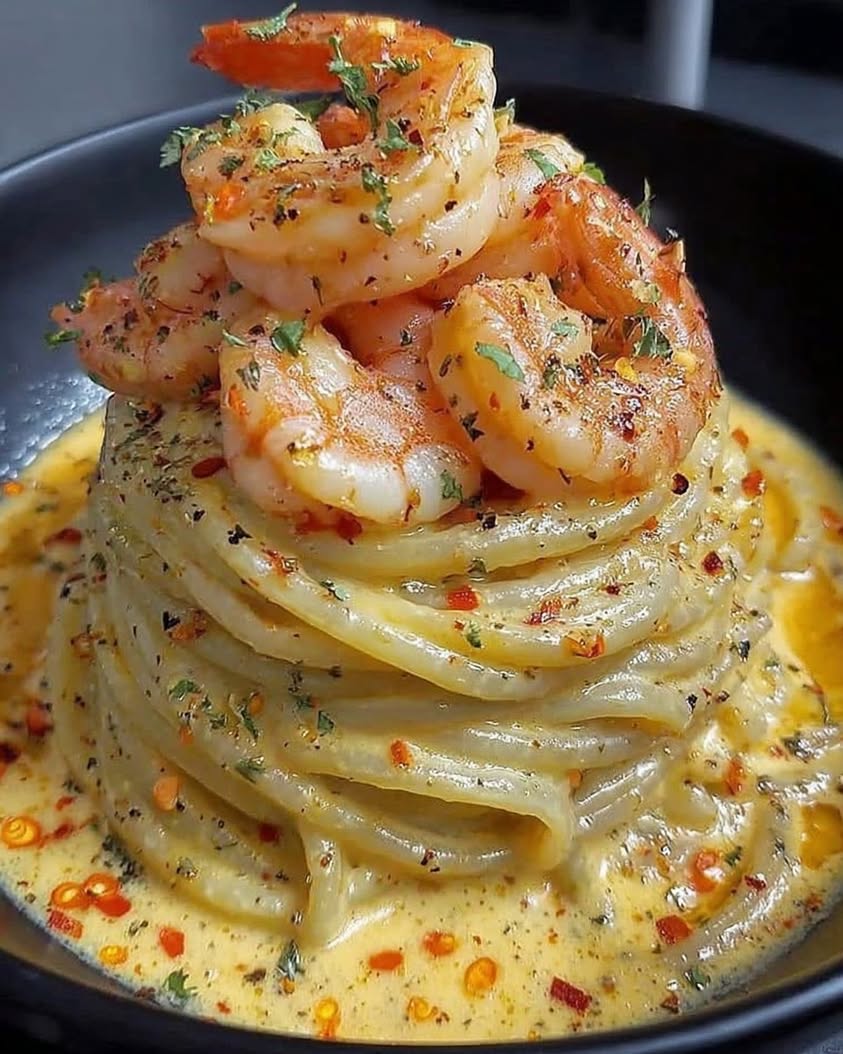
Creamy Shrimp Linguine Explosion: The Ultimate Comfort Pasta
You deserve a dinner that feels like a celebration, and this Creamy Shrimp Linguine Explosion delivers exactly that. Picture perfectly cooked linguine wrapped in a luxuriously creamy sauce that coats every strand. Juicy, plump shrimp add a sweet, briny pop that contrasts beautifully with the rich sauce. This dish is not just a meal. It is an experience that brings restaurant-quality flavor right to your kitchen table.
The magic of this Creamy Shrimp Linguine Explosion lies in its balance. The sauce is rich without being heavy, and the freshness of garlic and lemon cuts through the cream beautifully. You get a delightful combination of textures, from the tender shrimp to the al dente pasta. This recipe is designed for a weeknight victory, a simple yet impressive dish that makes you feel like a culinary star without spending hours in the kitchen.
Imagine the aroma filling your home as you sauté garlic and shrimp in butter. The sizzle, the scent, and the anticipation build toward a truly satisfying meal. This Creamy Shrimp Linguine Explosion is more than just food. It is a warm embrace at the end of a long day. It is a dish that satisfies deep cravings for comfort and indulgence, making any ordinary evening feel a little more special.
Quick Recipe Highlights
- Flavor Profile: This pasta delivers a rich, savory creaminess balanced by the natural sweetness of shrimp. A hint of garlic and a splash of lemon add brightness, creating a well-rounded and deeply satisfying flavor profile.
- Texture: You get a wonderful contrast from the tender, succulent shrimp and the perfectly cooked, slightly chewy linguine. The creamy sauce is smooth and velvety, coating every bite beautifully.
- Aroma: The kitchen fills with the inviting scent of garlic and butter sizzling together. As you add the cream and shrimp, the aroma grows richer and more complex, promising a delicious meal ahead.
- Visual Appeal: The glistening linguine in its pale golden sauce looks elegant and inviting. The bright pink shrimp are scattered throughout, creating a beautiful and appetizing contrast against the creamy pasta.
- Skill Level Needed: This is a great recipe for intermediate home cooks. Managing the sauce consistency and cooking the shrimp just right requires a little attention, but the steps are straightforward and easy to follow.
- Special Equipment: You need a large pot for boiling pasta, a colander, and a large skillet or sauté pan for the sauce. A wooden spoon or silicone spatula is helpful for stirring.
Recipe Overview
- Difficulty Level: This recipe earns a medium difficulty rating because success depends on timing. Overcooking the shrimp makes them tough, and letting the sauce get too hot can cause it to separate. With a little focus and attention to detail, anyone can master it.
- Category: This Creamy Shrimp Linguine Explosion fits perfectly as a main course for dinner. It also works well as a show-stopping dish for a special occasion meal, like a birthday or anniversary dinner at home.
- Cuisine: The dish draws inspiration from Italian-American culinary traditions, combining classic pasta with a rich, creamy sauce. It features familiar flavors of garlic, lemon, and fresh shrimp that are beloved across the United States.
- Cost: The total cost is moderate, mainly driven by the price of fresh or frozen shrimp. Pasta, cream, and basic pantry ingredients are very affordable, making this dish a cost-effective way to enjoy a high-quality seafood dinner.
- Season: This pasta is perfect for any season, but it is especially satisfying in cooler months. The warm, creamy sauce provides comfort on a cold evening, yet the lightness of the shrimp and lemon makes it suitable for spring and summer meals.
- Occasion: This recipe is ideal for a romantic dinner for two or a family dinner that feels extra special. It also makes a fantastic dish for dinner parties, as it looks impressive but requires minimal last-minute effort.
Why You Will Love This Recipe
The taste of this Creamy Shrimp Linguine Explosion is simply outstanding. The cream sauce is rich and savory, perfectly seasoned with garlic and a hint of black pepper. The shrimp add a sweet, tender bite that pairs wonderfully with the pasta. Every forkful delivers a burst of flavor that is both comforting and luxurious, making it a meal you will crave regularly.
Convenience is a huge factor in its appeal. You can have this impressive dish on the table in about 35 minutes from start to finish. The steps are simple and straightforward, and you only need one pot and one pan. This makes cleanup easy, giving you more time to relax and enjoy your delicious creation with your family.
You can feel good about serving this meal because it offers some solid nutritional benefits. Shrimp is an excellent source of lean protein, which helps keep you full and satisfied. It also provides important nutrients like selenium and vitamin B12. The cream sauce provides calcium, and you can add spinach or peas for extra vitamins and fiber without changing the flavor much.
This recipe is perfect for entertaining guests because it looks and tastes gourmet. When you serve this Creamy Shrimp Linguine Explosion, your guests will think you spent hours in the kitchen. In reality, you will be relaxed and able to enjoy the party, too. It is a reliable crowd-pleaser that never fails to earn compliments, making it a valuable addition to your cooking repertoire.
Cost-effectiveness is another major plus. You can often find frozen shrimp on sale, which makes this dish very affordable. Pasta and cream are pantry staples that cost very little. This means you can create a restaurant-quality meal for a fraction of the price, making your grocery budget stretch further without sacrificing flavor or quality.
Historical Background and Cultural Significance
The exact origin of a creamy shrimp pasta is not pinpointed to one single event. However, its roots clearly lie in the melting pot of Italian-American cuisine. Italian immigrants brought their deep love for pasta and simple, high-quality ingredients to the United States. Over time, they adapted their recipes to include more readily available American ingredients like heavy cream, creating a richer style of sauce.
This dish represents a beautiful fusion of cultures. It takes the classic Italian technique of pairing pasta with seafood and combines it with the American preference for creamy, decadent sauces. The result is a dish that feels familiar and comforting to many Americans while still carrying the spirit of its Italian heritage. It has become a staple in many households across the country.
The recipe has evolved significantly over the decades. Home cooks and restaurant chefs alike have experimented with different additions. Some versions include sun-dried tomatoes or mushrooms. Others add a touch of red pepper flakes for heat. This evolution shows the versatility and enduring popularity of the core concept, allowing each cook to put their own personal stamp on the dish.
Regional variations are common throughout the United States. In coastal areas, you might find versions that use fresh, local shrimp and herbs. Inland, cooks might rely on high-quality frozen shrimp from the Gulf. Some Southern versions might include a hint of cayenne pepper. These regional twists demonstrate how a simple recipe can be adapted to local tastes and available ingredients, keeping it vibrant and relevant.
Ingredient Deep Dive
Shrimp are incredibly popular in American cuisine, particularly in the South and coastal regions. They are a fantastic source of lean protein and low in saturated fat. When selecting shrimp, look for ones that smell like the ocean, not fish. Fresh shrimp should be firm and translucent. For the best results, buy peeled and deveined shrimp to save time. You can substitute with lobster or chicken for a different protein.
Linguine is a classic long, flat pasta that originates from the Liguria region of Italy. Its name means little tongues, which describes its shape perfectly. Linguine holds creamy sauces beautifully, coating every strand evenly. Choose a high-quality bronze-die pasta for the best texture. Store it in a cool, dry place. You can easily substitute with fettuccine, spaghetti, or tagliatelle if you prefer a different shape.
Heavy Cream is the foundation of the luxurious sauce. It adds richness and a velvety texture that is hard to replicate. Choose heavy cream with at least 36 percent milkfat for the best results. It stores well in the refrigerator for about a week. For a lighter option, you can use half-and-half, but the sauce will be less thick. A can of evaporated milk can also work in a pinch.
Garlic is an essential aromatic that provides a pungent, savory base for the sauce. It has been used for thousands of years in cuisines around the world, both for its flavor and its health benefits. Garlic contains allicin, which may support heart health. Choose firm, plump heads of garlic. Store them in a cool, dark place. Fresh garlic is best, but garlic powder can be used in a smaller amount.
Lemon provides a crucial bright note that balances the richness of the cream. The acidity cuts through the fat and adds freshness to the dish. A medium lemon provides about three tablespoons of juice. Look for lemons that feel heavy for their size, which indicates more juice. Store lemons in the refrigerator for longer freshness. You can substitute with lime juice or white wine vinegar.
Butter is used to sauté the garlic and shrimp, adding a rich, nutty flavor. Use unsalted butter to control the sodium level of the dish. It adds a wonderful flavor that oil alone cannot replicate. Store butter wrapped tightly in the refrigerator. A good quality olive oil can be used as a substitute, but the flavor will be different and less rich.
Common Mistakes to Avoid
- Overcooking the shrimp: Shrimp cook very quickly, usually in two to three minutes. Cooking them any longer makes them tough and rubbery. Watch for them to turn pink and curl into a loose C shape. Remove them from the pan immediately to prevent carryover cooking.
- Undercooking the pasta: Always cook your linguine to al dente, meaning it is firm to the bite. This texture holds up better when tossed with the sauce. Undercooked pasta can be chalky, while overcooked pasta becomes mushy and absorbs too much sauce.
- Boiling the cream sauce: A high heat will cause the cream to curdle and separate, resulting in a grainy sauce. Keep the heat at a gentle simmer after adding the cream. You want the sauce to thicken, not boil.
- Not salting the pasta water: The pasta water should taste like the sea. This is the only chance you have to season the pasta itself. Salting the water adds flavor from the inside out, making the entire dish more flavorful.
- Using cold shrimp directly from the fridge: Adding cold shrimp to a hot pan can lower the pan temperature and lead to uneven cooking. Let your shrimp sit at room temperature for about ten minutes before cooking. This helps them cook more evenly and quickly.
- Draining the pasta completely: Always reserve a cup of pasta water before draining the pasta. The starchy water is a secret weapon for thickening the sauce and helping it stick to the linguine. Add it a little at a time until the sauce reaches the perfect consistency.
- Adding all the sauce ingredients at once: Build the sauce in stages. Start by cooking the garlic in butter, then add the cream and let it simmer. This layered approach develops deeper, more complex flavors compared to adding everything at once.
- Skipping the fresh lemon juice: The lemon juice is not optional. It brightens the entire dish and prevents the cream from tasting flat or heavy. A simple squeeze of lemon at the end brings all the flavors together.
- Using pre-grated Parmesan cheese: Pre-grated cheese often contains anti-caking agents that prevent it from melting smoothly. For a silky sauce, grate a block of Parmesan fresh. It melts better and has a superior, nutty flavor.
- Forgetting to season the shrimp: Shrimp benefit from a light seasoning before cooking. A simple sprinkle of salt, pepper, and a pinch of paprika adds a lot of flavor. Seasoning at each stage builds a more delicious final dish.
Essential Techniques
Searing Shrimp is all about getting a golden-brown crust while keeping the inside tender. Start with a hot pan and a little butter or oil. Do not overcrowd the pan, as this will create steam and prevent browning. Place the shrimp in a single layer and let them cook undisturbed for about two minutes. Once you see a nice color on the bottom, flip them and cook for about one minute more. The visual cue is a pink, opaque flesh and a firm texture.
Making a Cream Sauce requires patience and a gentle hand. Begin by sautéing your aromatics like garlic in butter. Then, pour in your cream and reduce the heat to a simmer. Stir occasionally so the bottom does not scorch. The sauce is ready when it easily coats the back of a spoon. If it becomes too thick, you can thin it with reserved pasta water. The goal is a smooth, luscious sauce that clings to the pasta.
Cooking Pasta to Al Dente is a fundamental skill. Bring a large pot of generously salted water to a rolling boil. Add the linguine and stir immediately to prevent sticking. Cook it for one to two minutes less than the package instructions suggest. This ensures it remains firm in the center. You will finish cooking it in the sauce, where it will absorb the flavors and reach the perfect texture.
Emulsifying the Sauce and Pasta is the final crucial step. When you combine the sauce and pasta, you need to get them to marry together. Toss the al dente pasta with the sauce and a splash of pasta water over medium heat. The starch from the water helps the sauce cling to the linguine. The tossing motion creates a creamy, cohesive dish where the pasta is not just coated but bathed in the sauce.
Pro Tips for Perfect Creamy Shrimp Linguine Explosion
- Pat the shrimp very dry with paper towels before seasoning. Excess moisture prevents a good sear. Dry shrimp brown much better, which adds a deeper, more complex flavor to the final dish.
- Use a microplane to zest your lemon before juicing it. A little lemon zest added to the sauce brings an intense lemon aroma without the acidity. It brightens the whole dish significantly.
- Do not skip the reserved pasta water. This starchy liquid is liquid gold for your sauce. It helps bind the sauce to the pasta and adjusts the consistency perfectly without thinning the flavor.
- Add the cooked shrimp back to the pan at the very end. Toss them gently with the pasta and sauce just long enough to warm them through. This prevents them from overcooking and staying tender.
- Let the cream sauce simmer gently for a few minutes. A quick simmer helps the sauce thicken and allows the garlic flavor to infuse the cream more deeply. Patience here builds a richer flavor profile.
- Taste and adjust seasonings before serving. Cream dishes often need a surprising amount of salt to taste balanced. Add salt, pepper, and lemon juice gradually until the flavors sing.
- Warm your serving bowls in a low oven. A hot bowl keeps the pasta warm longer. This simple step ensures your perfect Creamy Shrimp Linguine Explosion stays delicious from the first bite to the last.
- Finish the dish with a sprinkle of fresh parsley. It adds a pop of green color and a fresh, slightly peppery note. This small touch elevates the presentation and adds a fresh flavor contrast.
Variations and Adaptations
You can explore regional variations to keep this dish exciting. Add sun-dried tomatoes for a sweet, tangy pop of flavor and a beautiful red speckle. For a bit of heat, toss in half a teaspoon of red pepper flakes along with the garlic. A Southern-inspired version might include a pinch of Cajun seasoning and some chopped green onions for a different twist.
Seasonal adaptations are easy and rewarding. In the spring, add fresh asparagus spears or peas to the pan for a burst of green and sweetness. During the summer, toss in halved cherry tomatoes and fresh basil. In the fall, sautéed mushrooms add an earthy depth that pairs nicely with the creamy sauce. These changes keep the recipe feeling fresh all year round.
Dietary modifications work well with this base recipe. For a gluten-free version, simply use your favorite gluten-free linguine. The sauce itself is naturally gluten-free, so this is an easy swap. For a dairy-free version, you can use full-fat canned coconut milk or a cashew cream instead of heavy cream. The flavor will change slightly but remain deliciously creamy.
Flavor variations can change the entire character of the dish. For a more savory flavor, add a spoonful of tomato paste when cooking the garlic. A splash of white wine before adding the cream adds acidity and complexity. You could also try a pinch of nutmeg in the cream sauce, which is a classic pairing with creamy pasta dishes.
Texture modifications offer another way to customize. You can add a crispy panko breadcrumb topping for a crunchy contrast. Simply toast panko in butter with a little garlic powder and sprinkle it over the finished pasta. You could also toss in some toasted pine nuts for a nutty crunch. These additions add a new dimension to the dish.
Presentation alternatives can make the dish feel entirely new. Serve the pasta in a large, shallow bowl for a rustic look. For a more elegant presentation, use tongs to twirl the linguine into neat nests on the plate, then place several shrimp on top. Garnish with fresh herbs and a drizzle of good olive oil for a final touch.
Serving and Presentation Guide
Plating techniques can dramatically affect the dining experience. Use a large set of tongs to lift the linguine from the pan, twisting it gently to create a high, elegant mound in the center of a warm bowl. Arrange the shrimp artfully around the twirl of pasta. This simple act of twirling creates a professional and inviting presentation.
Garnishing ideas elevate the visual appeal of the dish. A sprinkle of fresh, flat-leaf parsley adds a bright green color. A light grating of fresh Parmesan cheese over the top adds a nutty aroma. A final crack of black pepper and a tiny pinch of red pepper flakes add visual interest and a hint of spice. Keep garnishes simple and relevant to the flavors.
Traditional accompaniments pair wonderfully with this creamy pasta. A simple side salad with a bright vinaigrette provides a tart contrast to the rich sauce. Crusty bread is essential for sopping up any leftover creamy sauce on the plate. A glass of crisp white wine, like a Pinot Grigio or Sauvignon Blanc, is a classic and complementary beverage choice.
Modern serving suggestions can make the meal feel fresh. Serve the Creamy Shrimp Linguine Explosion in individual cast iron skillets for a trendy, rustic look. You can also use a large wooden board and serve the pasta family-style, letting everyone help themselves. This approach fosters a communal and relaxed dining atmosphere.
Temperature considerations are important for the best experience. Serve the pasta immediately after it is finished, while it is still piping hot. The sauce is most fluid and delicious at this high temperature. As it cools, the cream sauce will thicken and become less appealing. Pre-warming your bowls helps maintain the ideal serving temperature for longer.
Portion control tips help you manage the meal. A standard serving is about one-quarter of the entire recipe, which is a generous portion. For a lighter meal, serve it with a large side salad or roasted vegetables. You can also serve smaller portions as an appetizer or a first course for a multi-course dinner party.
Wine and Beverage Pairing
Wine pairings can greatly enhance the dining experience. A crisp, unoaked white wine is a classic choice for this creamy shrimp dish. A well-chilled Pinot Grigio or a Sauvignon Blanc has enough acidity to cut through the richness of the cream. These wines also complement the delicate flavor of the shrimp without overpowering it. A light-bodied Chardonnay that is not overly oaky is another excellent option.
Non-alcoholic alternatives are just as satisfying. A sparkling water with a generous squeeze of fresh lemon or lime is an excellent palate cleanser. The bubbles and acidity cut through the cream perfectly. A refreshing iced tea with a hint of mint also works well. For a slightly sweeter option, a dry ginger ale or a ginger beer provides a nice spicy kick.
Coffee and tea are not traditional pairings for pasta, but they can work in some contexts. A light, floral green tea can be a refreshing finish to the meal. However, a coffee pairing is not recommended for this particular dish, as the bitter and acidic notes in coffee can clash with the cream and seafood. Stick to wine or a non-alcoholic alternative for the best experience.
Temperature considerations are crucial for beverages. White wines should be served well-chilled, typically between 45 and 50 degrees Fahrenheit. Non-alcoholic drinks are best served over ice. Avoid serving any beverage at room temperature, as this can make the warm, rich pasta feel heavier and less appealing. A cold drink provides a pleasant contrast to the warm dish.
Serving suggestions extend to glassware as well. White wine is best served in a stemmed glass with a slightly narrower bowl to preserve the temperature and aroma. For non-alcoholic drinks, use a highball glass filled with ice. A beautiful glass can make the beverage feel more special and part of the overall presentation.
Storage and Shelf Life
Proper storage methods are crucial for maintaining the quality of leftovers. Allow the pasta to cool completely to room temperature before storing. Transfer it to an airtight container. This prevents the pasta from absorbing odors from the refrigerator and keeps it from drying out. Properly stored, the leftovers will last for about three to four days in the fridge.
Temperature requirements are simple but important. The refrigerator should be set to 40 degrees Fahrenheit or below. This temperature range prevents the growth of harmful bacteria. Do not leave the pasta sitting out at room temperature for more than two hours. If you are serving it for a long period, keep it warm or refrigerate it promptly after eating.
Container recommendations are straightforward. Use a glass or plastic container with a tight-fitting lid. A shallow container is better than a deep one because it allows the pasta to cool more quickly. Avoid using metal containers, as they can sometimes impart a metallic taste to the leftover food. A good quality container is a worthwhile investment for food storage.
Signs of spoilage are easy to identify. If the leftover pasta develops a sour smell or an off-putting odor, throw it away. If you see any mold growing on the surface, discard the entire container. The sauce may separate slightly upon refrigeration, which is normal. However, if the texture looks curdled or slimy, it is a sign of spoilage and the food should not be eaten.
Reheating instructions are critical for a good result. The best method is to reheat the pasta gently on the stovetop. Add a splash of milk, cream, or pasta water to the pan to help loosen the sauce. Heat over medium-low heat, stirring frequently, until it is warmed through. The microwave can be used, but it tends to dry out the pasta and make the sauce separate. If you use a microwave, heat it in short bursts and stir in between.
Freezing guidelines should be applied with caution. Cream sauces often do not freeze well, as they can become grainy and separate when thawed. If you must freeze it, do so before adding the cream. Freeze the cooked pasta and shrimp separately. When you are ready to eat, make a fresh cream sauce and combine it with the thawed components.
Make Ahead Strategies
A prep timeline can save you significant time on the day of serving. You can peel and devein the shrimp up to a day in advance. Store them in a covered bowl in the refrigerator. You can also grate the Parmesan cheese and chop the parsley and garlic ahead of time. This preparation allows you to focus solely on the cooking when you are ready to serve the meal.
Storage between steps requires some planning. If you are prepping the shrimp a day ahead, keep them very cold. Do not season them until you are ready to cook, as the salt can draw out moisture and make them tough. Keep your prepped aromatics in separate small containers. This organization makes the cooking process smooth and fast.
Quality impact assessment is important to consider. The pasta is best when served immediately after cooking. If you make it fully ahead, the pasta will continue to absorb the sauce and can become mushy. The sauce can also thicken and separate. Therefore, it is better to prep the components rather than the entire dish.
Assembly tips are helpful for last-minute execution. Cook the linguine al dente and toss it with a little olive oil to prevent sticking. Set it aside. Then, just before serving, reheat the pasta in a pan with the cream sauce. Add the cooked shrimp at the end. This quick assembly ensures the pasta is hot and the sauce is perfectly creamy without being over-saturated.
Reheating guidelines for a pre-assembled dish are a last resort. If you must reheat the fully assembled dish, use the stovetop method. Add a little milk or cream to revive the sauce. Heat it gently, stirring constantly. Expect the texture to be slightly less perfect than a freshly made dish. A squeeze of fresh lemon juice at the end can help brighten the reheated flavors.
Fresh element additions can revive a make-ahead dish. If you are reheating the pasta, do not add the fresh parsley or lemon zest until the very end. Adding these fresh elements after reheating provides a pop of color and a burst of fresh flavor. A final grating of fresh Parmesan also helps the dish taste less like leftovers and more like a freshly cooked meal.
Scaling Instructions
Halving the recipe is straightforward for a smaller household. Simply cut all ingredient amounts in half. Use one egg yolk if the original recipe called for an egg in the cream sauce. The cooking times will remain mostly the same, though the sauce may thicken a little faster in a smaller pan. This adjustment makes a perfect meal for one or two people.
Doubling or tripling the recipe for a crowd requires some adjustments. You will need a larger pot and a very large skillet or a Dutch oven. Do not overcrowd the pan when searing the shrimp. Cook the shrimp in batches to ensure they get a good sear. This prevents them from steaming and becoming tough. Keep the first batch warm while you cook the rest.
Equipment adjustments are necessary for larger batches. Use your largest pot for the pasta. For the sauce, a wide, deep skillet or a Dutch oven is ideal. You need enough surface area to toss all the linguine with the sauce. If your pan is too small, the pasta will not coat evenly and it will be difficult to mix. A large pan is a good investment for entertaining.
Timing modifications are important for scaling up. Cooking a larger volume of pasta takes a similar amount of time, but it takes the water longer to return to a boil after adding the pasta. The sauce will also take a few minutes longer to thicken because there is more volume in the pan. Allow a little extra time for these steps when cooking for a crowd.
Storage considerations change when you make a large batch. If you have a lot of leftovers, cool the pasta quickly by spreading it out on a baking sheet. This prevents it from staying too long in the temperature danger zone. Once it is cool, portion it into smaller containers for easier reheating and storage in the refrigerator.
Nutritional Deep Dive
A macro breakdown shows that this dish provides a balanced meal. A single serving of this Creamy Shrimp Linguine Explosion contains a good amount of protein from the shrimp. The linguine provides complex carbohydrates for energy. The cream adds fats that contribute to satiety and flavor. This balance makes it a satisfying and energy-dense meal that can fit into a balanced diet.
A micronutrient analysis reveals several important vitamins and minerals. Shrimp is an excellent source of selenium, an antioxidant that supports thyroid health. It also provides a significant amount of vitamin B12, which is important for nerve function and energy production. The cream sauce contributes calcium and vitamin A. The garlic offers small amounts of manganese and vitamin B6.
Health benefits are associated with the key ingredients. The lean protein in shrimp supports muscle growth and repair. The calcium from the cream and Parmesan is vital for bone health. The antioxidants in garlic may help support a healthy immune system. While not a health food, this dish provides several nutritional advantages that support overall wellness.
Dietary considerations are important for many people. This dish is naturally low in carbohydrates if you are mindful of portion sizes. It is not suitable for a vegan or dairy-free diet in its standard form. It does contain shellfish, which is a common allergen. Always be aware of your guests dietary restrictions before serving this meal.
Portion analysis is key for managing calorie intake. A standard serving of this pasta is roughly the size of your fist. If you are watching your weight, serve it with a large side of steamed vegetables. This adds bulk and nutrients without a lot of calories. You can also reduce the portion of pasta and increase the portion of shrimp and vegetables.
Weight management tips can help you enjoy this dish guilt-free. Be mindful of the amount of cream and cheese you add. Using half-and-half instead of heavy cream can reduce the calorie and fat content. Adding more shrimp and vegetables increases the nutrient density of the meal without adding many calories from carbohydrates. This makes the meal more filling and balanced.
Dietary Adaptations
Gluten-Free: This adaptation is very simple. Replace the traditional linguine with a high-quality gluten-free pasta made from rice, corn, or quinoa. The sauce is naturally gluten-free, as it contains no wheat flour. Be sure to cook the gluten-free pasta until just al dente, as it can become mushy quickly. Check all labels on your ingredients to ensure no cross-contamination occurred.
Dairy-Free: You can create a dairy-free version that is still creamy. Replace the heavy cream with full-fat canned coconut milk for a rich, slightly sweet base. Use a dairy-free butter or olive oil to sauté the aromatics. Omit the Parmesan cheese or use a dairy-free alternative made from cashews or almonds. The final dish will have a different flavor profile but will still be delicious.
Vegan: This adaptation requires more significant changes. Replace the shrimp with firm tofu, tempeh, or a vegan seafood alternative. Use the dairy-free adaptations listed above for the sauce and butter. You can add nutritional yeast to the sauce for a cheesy flavor without using dairy. The key is to build a rich, savory base of flavor with garlic, lemon, and herbs.
Low-Carb: This adaptation focuses on reducing carbohydrates. Replace the linguine with spiralized zucchini noodles or shirataki noodles. These options have a fraction of the carbs. You can also use steamed cauliflower florets as a base. The creamy sauce and shrimp remain the same, making this a satisfying low-carb meal that still feels indulgent.
Keto: The keto diet requires very low carbs and high fat. Use shirataki noodles or zucchini noodles as the base. Increase the amount of heavy cream and butter in the sauce to boost the fat content. Add a good amount of Parmesan cheese. This version keeps your carb count low while delivering the rich, creamy flavors you crave.
Paleo: The paleo diet requires avoiding grains and dairy. Use zucchini noodles or sweet potato noodles as a pasta substitute. Replace the heavy cream with full-fat coconut milk. Use ghee or coconut oil instead of butter. Ensure your shrimp is wild-caught. Omit the Parmesan cheese completely or use a small amount of nutritional yeast for a savory flavor.
Low-FODMAP: This adaptation focuses on reducing fermentable carbs. Use garlic-infused olive oil instead of whole garlic. Replace the shallots with the green parts of scallions. Use a low-FODMAP pasta made from rice or corn. Ensure your cream is pure and contains no additives. Check the shrimp packaging to ensure no high-FODMAP ingredients were added.
Troubleshooting Guide
Texture issues often arise from the sauce or pasta. If your sauce looks curdled or separated, you likely heated it too quickly or too high. Remove it from the heat immediately. Whisk vigorously and add a splash of cold cream or milk to bring it back together. For overly thick sauce, thin it with reserved pasta water. For a thin sauce, let it simmer gently to reduce.
Flavor balance problems are usually easy to fix. If the dish tastes flat or boring, it likely needs more salt or acid. Add a squeeze of fresh lemon juice and a pinch of salt. Stir and taste again. If it tastes too acidic, add a tablespoon of butter or cream to mellow it out. Print
Creamy Shrimp Linguine Explosion
- Total Time: 35 minutes
- Yield: 4
Description
A luxurious and flavorful pasta dish featuring succulent shrimp in a rich, creamy garlic sauce with a hint of spice, served over al dente linguine.
Ingredients
- 8 oz linguine
- 1 lb large shrimp, peeled and deveined
- 2 tbsp olive oil
- 4 cloves garlic, minced
- 1/2 tsp red pepper flakes
- 1 cup heavy cream
- 1/2 cup chicken broth
- 1/2 cup grated Parmesan cheese
- 1/4 cup fresh parsley, chopped
- Salt and black pepper to taste
- 1 tbsp butter
Instructions
- Cook linguine according to package directions until al dente. Drain and set aside.
- Season shrimp with salt and pepper. Heat olive oil in a large skillet over medium-high heat. Cook shrimp for 2-3 minutes per side until pink. Remove and set aside.
- In the same skillet, melt butter and add garlic and red pepper flakes. Sauté for 1 minute until fragrant.
- Pour in chicken broth and heavy cream, stirring to combine. Bring to a simmer and cook for 3-4 minutes until slightly thickened.
- Stir in Parmesan cheese until melted and smooth. Adjust seasoning with salt and pepper.
- Add cooked linguine and shrimp to the sauce. Toss to coat evenly. Cook for 1-2 minutes until heated through.
- Garnish with fresh parsley and serve immediately.
Notes
You can customize the seasonings to taste. For extra heat, add more red pepper flakes. Substitute half-and-half for a lighter sauce.
- Prep Time: 15 minutes
- Cook Time: 20 minutes
- Method: Main
- Cuisine: Italian-American