Mediterranean Meatball Rice Bowl with Tzatziki Recipe for a Healthy Dinner
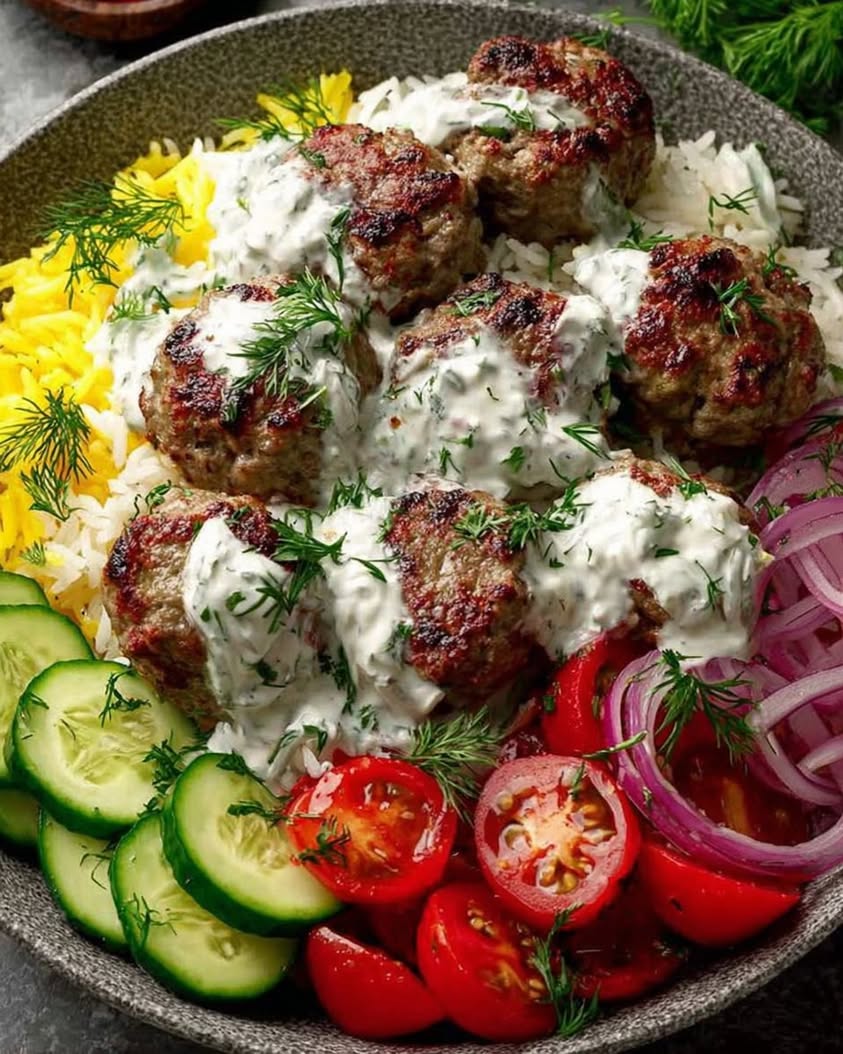
This Mediterranean Meatball Rice Bowl with Tzatziki Recipe for a Healthy Dinner brings all the bright, sun-drenched flavors of the Greek coastline straight to your weeknight table. Imagine tender, herb-packed meatballs resting on a bed of fluffy rice, surrounded by crisp cucumbers, juicy tomatoes, and tangy red onion. You then drizzle everything with a cool, creamy tzatziki sauce that ties each bite together with a refreshing finish. This bowl is not just a meal; it is a complete sensory experience that satisfies deeply without weighing you down.
The beauty of this Mediterranean Meatball Rice Bowl with Tzatziki Recipe for a Healthy Dinner lies in its balance. You get the savory richness of perfectly seasoned meatballs, the earthy comfort of warm rice, and the vibrant crunch of fresh vegetables. The tzatziki adds a bright, garlicky note that cuts through the richness, making every mouthful interesting. Moreover, this recipe fits perfectly into a busy schedule. You can prep the components ahead of time, which makes assembling dinner on a hectic evening incredibly simple.
When you build this bowl, you are also building a meal that supports your wellness goals. This Mediterranean Meatball Rice Bowl with Tzatziki Recipe for a Healthy Dinner is packed with lean protein, fiber-rich vegetables, and healthy fats from olive oil and yogurt. It feels like a treat, yet it nourishes your body with real, whole ingredients. Whether you are feeding your family or meal-prepping for the week, this recipe proves that healthy food can be genuinely exciting and deeply satisfying.
Quick Recipe Highlights
- Flavor Profile: This bowl delivers a symphony of savory, tangy, and fresh notes. The meatballs are infused with garlic, oregano, and a hint of warming spices. The tzatziki provides a cool, sharp contrast, while the vegetables add a sweet and acidic pop.
- Texture: You will find a wonderful contrast between the tender, juicy meatballs and the fluffy rice. The fresh vegetables offer a crisp, crunchy counterpoint. The creamy tzatziki sauce then brings a smooth, velvety element that unifies everything.
- Aroma: The scent of oregano and garlic fills your kitchen as the meatballs cook. You will also smell the warm, nutty fragrance of the rice and the clean, bright aroma of fresh dill and cucumber in the tzatziki.
- Visual Appeal: This bowl is a feast for the eyes with its vibrant colors. You see the deep brown of the meatballs against the white rice, punctuated by bright green cucumbers, red tomatoes, and purple onions. A swirl of white tzatziki completes the picture.
- Skill Level Needed: This recipe is perfect for beginner and intermediate cooks alike. The techniques are straightforward, involving mixing, shaping, and sautéing. Anyone can successfully create this impressive dish with a little attention to detail.
- Special Equipment: You will need a large skillet for the meatballs and a fine grater or box grater for the cucumber in the tzatziki. A standard rice cooker or a pot with a tight-fitting lid is helpful for the rice.
Recipe Overview
- Difficulty Level: The overall difficulty is easy because the recipe breaks down into simple, manageable steps. You do not need any advanced culinary techniques to succeed. The main challenge is timing the components, but a simple prep list makes it foolproof.
- Category: This dish fits perfectly into the dinner category, specifically as a complete main course. It also works wonderfully as a meal-prep lunch because the individual components store well. You can classify it as a bowl meal or a grain bowl.
- Cuisine: The recipe draws heavily from Greek and broader Mediterranean culinary traditions. You see influences from classic Greek meatballs, known as keftedes, and the ever-popular tzatziki sauce. The use of oregano, lemon, and olive oil roots this dish firmly in the Mediterranean landscape.
- Cost: This is a very cost-effective recipe. Ground meat, rice, and yogurt are budget-friendly staples. The fresh herbs and vegetables are also generally affordable. You can create a luxurious-tasting meal for a family without breaking the bank.
- Season: This bowl is perfect for spring and summer when fresh vegetables are at their peak. The cool tzatziki and crisp veggies make it a refreshing choice for warmer weather. However, you can easily enjoy it year-round by using greenhouse-grown produce.
- Occasion: This recipe is ideal for a quick weeknight family dinner. It also shines at casual gatherings, such as a summer barbecue or a game-day spread. The self-serve bowl format makes it perfect for entertaining guests with different preferences.
Why You Will Love This Mediterranean Meatball Rice Bowl with Tzatziki Recipe for a Healthy Dinner
The taste and texture combination in this bowl is simply addictive. You get the savory, herby punch of the meatballs first, followed by the cool, creamy relief of the tzatziki. The fresh vegetables then add a burst of acidity and crunch that keeps your palate engaged. This is not a monotonous bowl of food; it is a dynamic experience where every forkful offers something slightly different. The flavors are bold yet balanced, ensuring you never get bored halfway through your meal.
Convenience is a major advantage of this recipe. You can chop the vegetables and make the tzatziki sauce up to a day in advance. The meatballs can be shaped and refrigerated hours before you plan to cook them. When dinner time arrives, you only need to cook the rice and brown the meatballs. This streamlined process makes a healthy, home-cooked meal achievable even on the busiest evenings when you feel tempted to order takeout.
Nutritionally, this bowl is a powerhouse that supports your health goals. The lean ground meat provides high-quality protein to keep you full and satisfied. The rice offers complex carbohydrates for sustained energy. The fresh vegetables deliver essential vitamins, minerals, and antioxidants. The yogurt-based tzatziki adds probiotics for gut health and calcium for strong bones. You are eating a meal that tastes indulgent but actively contributes to your well-being.
Socially, this Mediterranean Meatball Rice Bowl with Tzatziki Recipe for a Healthy Dinner is a guaranteed crowd-pleaser. The build-your-own-bowl format allows guests to customize their plates. Someone can load up on vegetables, while another person can double the meatballs. This interactive style makes dinner feel more like an event than a chore. It also makes it easy to accommodate different dietary needs without preparing separate meals.
Finally, this recipe is incredibly cost-effective and utilizes accessible ingredients. You do not need to hunt down exotic items at a specialty store. Most of the components can be found at your local grocery store for a reasonable price. This accessibility means you can enjoy a taste of the Mediterranean on a regular basis. It is a luxurious experience that fits within a practical, everyday budget.
Historical Background and Cultural Significance
This Mediterranean Meatball Rice Bowl with Tzatziki Recipe for a Healthy Dinner draws its soul from the ancient culinary traditions of Greece and the Levant. Meatballs, or keftedes, have been a staple in Greek cuisine for centuries. The earliest versions date back to ancient times when cooks would combine ground meat with breadcrumbs, herbs, and spices. These savory morsels were a practical way to stretch expensive ingredients and feed a large family.
Within Greek culture, sharing a meal is an act of hospitality and community. This bowl embodies that spirit by bringing together diverse elements into a single, harmonious dish. The tzatziki sauce, a classic Greek condiment made from yogurt, cucumber, and garlic, has been a cooling companion to meat dishes for generations. It represents the Mediterranean philosophy of balancing rich flavors with fresh, bright elements.
The evolution of this specific bowl format is a more modern phenomenon, influenced by the global popularity of grain bowls. Chefs and home cooks began deconstructing traditional plated meals into customizable bowls. This adaptation allowed for greater flexibility and visual appeal. By placing the meatballs, rice, and vegetables side by side, you create a canvas for individual expression.
Regional variations of this dish are abundant across the Mediterranean. In Turkey, you might find similar meatballs served with a yogurt sauce and pilaf. Lebanese cuisine offers kofta served with garlic sauce and rice. Each culture adds its own spin with unique spice blends and accompaniments. This recipe celebrates the core elements of these traditions while creating a modern, accessible version for the American kitchen.
Ingredient Deep Dive
Ground Meat (Lamb or Beef): Ground lamb is the traditional choice for Mediterranean meatballs because of its rich, gamey flavor that pairs beautifully with oregano and garlic. It provides a higher fat content, which keeps the meatballs exceptionally juicy. Nutritionally, lamb is an excellent source of high-quality protein, iron, and vitamin B12. When selecting ground lamb, look for meat that is a vibrant pink color with a clean, fresh smell. It should not be overly greasy or have a strong odor. Store it in the coldest part of your refrigerator and use it within two days of purchase. If you find the flavor of lamb too strong, you can substitute ground beef (preferably 80/20) or a mix of beef and pork for a milder taste. Ground chicken or turkey also works well, though you may want to add a tablespoon of olive oil to the mixture to prevent dryness.
Greek Yogurt: This is the star of the tzatziki sauce, providing a thick, creamy base with a distinct tang. Greek yogurt is strained to remove the whey, resulting in a much denser consistency than regular yogurt. It is packed with probiotics, calcium, and protein, making it a nutritional powerhouse. For the best tzatziki, select a full-fat or 2% Greek yogurt, as non-fat versions can be watery and lack flavor. The yogurt should be smooth, thick, and free of any sour smell. Always store it in the refrigerator and check the expiration date. If you are dairy-free, you can substitute a thick, plain coconut or almond milk yogurt, though the flavor will be slightly different. Another option is to use labneh, a strained yogurt cheese that is even thicker and tangier.
Cucumber: Crisp cucumber provides the essential freshness and crunch in both the tzatziki and the bowl itself. It adds a high water content that helps cool the palate against the warm meatballs. Cucumbers are low in calories and a good source of vitamin K and hydration. For the tzatziki, use English or Persian cucumbers because they have thin skins and fewer seeds. Regular waxed cucumbers also work, but you should peel them first. The cucumber should feel firm and heavy for its size, with no soft spots. Store it in the refrigerator crisper drawer. For the tzatziki, you must grate the cucumber and then squeeze it dry in a clean towel. This step removes excess water and prevents your sauce from becoming runny. For the bowl, you simply chop the cucumber into half-moons or small dice.
Rice: Fluffy, warm rice serves as the foundation of this bowl, absorbing the juices from the meatballs and tzatziki. Long-grain white rice is a classic choice because it cooks up light and separate. For a more nutritious option, you can use brown rice, which offers more fiber and a nuttier flavor. Basmati or jasmine rice also work beautifully, adding a fragrant element to the dish. When selecting rice, look for bags that are free of any debris or insects. Store it in an airtight container in a cool, dry place. Rinse the rice under cold water before cooking to remove excess starch, which helps prevent clumping. You can also substitute quinoa, farro, or even cauliflower rice for a lower-carb option.
Common Mistakes to Avoid
- Not squeezing the water out of the grated cucumber for the tzatziki. If you skip this step, your sauce will be watery and thin. The excess liquid dilutes the flavor and makes the texture unpleasant.
- Overmixing the meatball mixture. If you work the meat too much, the meatballs will become dense and tough. Mix until the ingredients are just combined for a tender, light texture.
- Using cold meat when forming meatballs. Cold meat is stiff and difficult to shape into uniform balls. Let the mixture rest at room temperature for 10 minutes to make it more pliable.
- Cooking the meatballs at too high a heat. High heat will burn the outside before the inside is cooked through. Use medium heat to ensure even cooking and a nice brown crust.
- Overcooking the meatballs, which makes them dry and rubbery. Use a meat thermometer to check for doneness. The internal temperature should reach 160F for beef or lamb.
- Adding the tzatziki to hot rice causes the sauce to warm up and separate. Always let the rice cool slightly before adding the sauce. You can also serve the tzatziki on the side.
- Using a dull knife to chop the fresh herbs leads to bruising and a loss of flavor. A sharp knife makes clean cuts that preserve the herbs volatile oils.
- Forgetting to season the rice adequately. Plain rice can be bland. Cook it in broth or add a pinch of salt and a bay leaf to the cooking water for more flavor.
- Making the tzatziki sauce too far in advance. While it can be made a day ahead, the garlic flavor will intensify over time. Taste it right before serving and adjust seasoning as needed.
- Skipping the resting time for the cooked meatballs. Letting them rest for a few minutes after cooking allows the juices to redistribute, resulting in a more succulent bite.
Essential Techniques
Making the Tzatziki Sauce: This technique is all about managing moisture and creating a creamy, balanced dressing. First, grate the cucumber using the large holes of a box grater. Place the grated cucumber in a clean kitchen towel and wring it tightly over the sink. You will be surprised by how much liquid comes out. This step is non-negotiable for a thick sauce. Then, mix the dried cucumber with full-fat Greek yogurt, minced garlic, fresh dill or mint, a squeeze of lemon juice, and a drizzle of olive oil. Stir gently to combine. Season with salt and pepper to taste. For the best flavor, let the tzatziki rest in the refrigerator for at least 30 minutes before serving. This resting time allows the flavors to meld together beautifully. A common pitfall is adding too much garlic, which can overpower the delicate yogurt and cucumber. Start with one clove and add more after tasting.
Forming and Cooking Perfect Meatballs: The key to tender meatballs is a gentle touch and a proper binding technique. Combine the ground meat with finely chopped onion, minced garlic, breadcrumbs, an egg, and your chosen herbs and spices. Mixing with your hands is the most effective method, but use a light touch. Overworking the mixture activates the protein, leading to tough meatballs. Once combined, form the mixture into uniform balls, about 1.5 inches in diameter. A small ice cream scoop can help with consistency. For cooking, heat a large skillet over medium heat with a thin layer of olive oil. Place the meatballs in the skillet, leaving a little space between them. Do not crowd the pan, or they will steam instead of brown. Brown them on all sides, turning them gently with a spatula. A visual cue for doneness is a nice, deep golden-brown crust all around. If you are unsure, cut one open to check that it is no longer pink in the center.
Building the Perfect Bowl: The final assembly is where all your hard work comes together visually and texturally. Start with a generous base of warm, fluffy rice in a shallow bowl. Arrange the cooked meatballs around the edges of the rice, leaving a well in the center. Artfully place your fresh vegetables, such as chopped cucumber, cherry tomatoes halved, thin slices of red onion, and maybe some Kalamata olives. The goal is to create a colorful, inviting display. Finally, spoon a generous dollop of the prepared tzatziki sauce into the center or drizzle it over the meatballs. You can also add a sprinkle of fresh dill or a pinch of sumac for extra color and flavor. Serving the components slightly warm is ideal, as the cool tzatziki contrasts wonderfully with the heat of the meatballs and rice. A common pitfall is drowning the bowl in too much sauce, which makes everything soggy. Start with a moderate amount and let diners add more to their taste.
Pro Tips for Perfect Mediterranean Meatball Rice Bowl with Tzatziki Recipe for a Healthy Dinner
Toast your rice in a little olive oil before adding water to enhance its nutty flavor. This simple step adds another layer of depth to your bowl. It takes only two minutes and makes a noticeable difference.
Use a microplane or the finest side of a box grater for the garlic in the meatballs and tzatziki. This creates a paste that distributes the flavor evenly without leaving any harsh chunks. It also helps the garlic meld more seamlessly into the mixture.
Let your seasoned ground meat mixture rest in the refrigerator for 15 to 20 minutes before forming the meatballs. This resting time allows the breadcrumbs to fully absorb the moisture, resulting in a more cohesive and tender meatball.
For a deeper flavor in your tzatziki, use dried mint instead of fresh. Dried mint has a more concentrated, aromatic quality that pairs exceptionally well with lamb. You only need a small pinch to make a big impact.
If you are short on time, you can use pre-cooked frozen meatballs. Just be sure to choose a high-quality brand with simple, recognizable ingredients. Reheat them in a skillet with a splash of water or broth to keep them moist.
The acid element is crucial for balance. If your bowl feels a little flat, a final squeeze of fresh lemon juice over everything can lift all the flavors. A drizzle of a high-quality extra virgin olive oil also adds a peppery, fruity finish.
To make your vegetables stay crisp longer, salt them lightly and let them sit for five minutes before adding them to the bowl. This draws out some excess moisture and concentrates their flavor. Pat them dry before assembling the bowls.
For an authentic touch, add a pinch of sumac to the tzatziki or sprinkle it over the finished bowl. Sumac has a tangy, lemony flavor that is a signature of Mediterranean cuisine. It adds a beautiful reddish-purple color as well.
Variations and Adaptations
Regional Variations: You can easily transform this bowl to reflect different Mediterranean regions. For a Turkish twist, use a spice mix of cumin, coriander, and a pinch of cinnamon in the meatballs. Serve them with a side of pomegranate molasses for dipping. For a Lebanese version, shape the meat mixture into elongated kofta logs and grill them. Serve the kofta over rice with a tahini-based sauce instead of tzatziki. You can also add pickled turnips for a tangy crunch.
Seasonal Adaptations: This recipe is highly adaptable to what is available at the farmers market. In the summer, add grilled zucchini and bell peppers for extra smokiness. In the fall, swap the tomatoes for roasted butternut squash cubes and add a sprinkle of toasted pumpkin seeds. During the winter, use roasted beets and a handful of arugula for a peppery bite. In the spring, fresh asparagus, sugar snap peas, and peas are wonderful additions.
Dietary Modifications: This bowl works for a variety of dietary needs with simple substitutions. For a gluten-free version, use gluten-free breadcrumbs or ground oats in the meatballs and tamari instead of soy sauce. For a dairy-free version, use a thick, plain coconut yogurt for the tzatziki and ensure your meatballs contain no cheese. For a low-carb version, serve the meatballs and vegetables over cauliflower rice or a bed of mixed greens instead of white rice.
Flavor Variations: The meatballs are a canvas for many different flavor profiles. Add a tablespoon of harissa paste to the meat mixture for a spicy, smoky kick. Incorporate grated lemon zest and a teaspoon of dried rosemary for a brighter, more floral note. For a Moroccan touch, add a teaspoon of ras el hanout, a warming spice blend. You can also include a tablespoon of finely chopped preserved lemon for a salty, tangy punch.
Texture Modifications: You can easily adjust the textures to suit your preference. For a creamier bowl, add a spoonful of hummus alongside the tzatziki. For extra crunch, top the bowl with toasted pine nuts, slivered almonds, or crushed pita chips. You can also include Kalamata olives for a briny, chewy element. For a softer texture, use short-grain rice like sushi rice, which is more sticky and cohesive.
Presentation Alternatives: Instead of a bowl, serve everything as a deconstructed platter for a family-style meal. Place the rice on a large platter, top with the meatballs and vegetables, and drizzle the tzatziki over the top. You can also wrap the ingredients in warm pita bread for a handheld meal. For a more elegant presentation, serve the components individually as a composed salad, slicing the meatballs and arranging them on a bed of greens.
Serving and Presentation Guide
For a beautiful plating technique, start by spooning a generous portion of warm rice into a shallow, wide bowl. Use the back of the spoon to create a small well in the center of the rice. Arrange three or four cooked meatballs around the edges of the bowl, nestling them into the rice slightly. This creates a frame for the other ingredients. Next, scatter the fresh vegetables artfully around the meatballs. Place the chopped cucumber in one area, the cherry tomatoes in another, and the red onion slices in a third area. The goal is to create distinct, colorful clusters that look intentional and inviting.
Garnishing is where you can add your final flourish. Spoon a generous dollop of tzatziki directly into the well you created in the center of the rice. For a more elegant look, you can drizzle the tzatziki back and forth over the meatballs and vegetables. Finish with a sprinkle of fresh dill or mint leaves, a pinch of sumac or paprika, and a drizzle of extra virgin olive oil. A final crack of black pepper over everything adds a classic touch. The contrast of the white tzatziki, red tomatoes, green cucumber, and brown meatballs is visually stunning.
Traditional accompaniments for this dish include warm pita bread or crusty bread for soaking up any extra sauce. A side of simple Greek salad with feta cheese is a classic pairing. For a lighter meal, you can serve the bowl with a side of grilled lemon wedges. These traditional sides add authenticity and heartiness to the meal. Modern serving suggestions include adding a side of roasted chickpeas for extra protein and crunch. You can also serve the bowl with a side of spicy roasted vegetables for a more complex flavor profile.
Temperature considerations are important for the best eating experience. The rice and meatballs should be served warm, while the tzatziki and fresh vegetables are served cold or at room temperature. This contrast in temperatures is part of what makes the bowl so satisfying. If you are meal-prepping, store each component separately and reheat only the rice and meatballs before serving. For portion control, aim for about 1 cup of cooked rice, 3 to 4 meatballs, and a generous handful of vegetables per person. This balanced portion provides a satisfying meal without overeating.
Wine and Beverage Pairing
A crisp, acidic white wine is the perfect companion for this bowl. A glass of Assyrtiko, a signature Greek white wine, is an ideal choice. Its high acidity and mineral notes cut through the richness of the meatballs and complement the tangy tzatziki beautifully. A Sauvignon Blanc from California or New Zealand also works well, with its herbaceous and citrusy characteristics mirroring the fresh herbs and lemon in the dish. If you prefer red wine, a light, chilled red like a Pinot Noir or a Beaujolais is a great option. Its bright fruit and low tannins will not overpower the delicate flavors of the bowl.
For non-alcoholic alternatives, sparkling water with a squeeze of lemon or lime is a refreshing and palate-cleansing choice. A ginger beer or ginger ale adds a spicy kick that pairs well with the garlic and herbs. Iced herbal tea, such as mint or chamomile, offers a soothing and aromatic option. You can also make a simple strawberry lemonade for a sweet and tart contrast. A good old-fashioned iced green tea with a touch of honey is another excellent choice.
When it comes to serving suggestions, the recommended beverage should be served well-chilled. For wine, a temperature of 45 to 50 degrees Fahrenheit is ideal. For non-alcoholic drinks, serve them over ice with a fresh garnish. You can also offer a small glass of ouzo or raki as an aperitif to set the Mediterranean mood. If you are serving this bowl for a party, a pitcher of chilled white sangria with fresh fruit is a wonderful, festive option.
Storage and Shelf Life
The individual components of this bowl store differently, so for best results, store them separately. Cooked meatballs will keep in an airtight container in the refrigerator for up to four days. The cooked rice is best stored in a separate container and will last for about three to four days. Fresh, chopped vegetables are best consumed within one to two days. The tzatziki sauce should be stored in its own airtight container and will stay fresh for up to three days. Always let all components cool completely to room temperature before sealing and refrigerating.
Temperature requirements are crucial for food safety. All refrigerated items should be kept at a consistent temperature of 40 degrees Fahrenheit or below. Do not leave the bowl components at room temperature for more than two hours. For container recommendations, use glass or BPA-free plastic containers with tight-fitting lids. Airtight containers prevent the transfer of odors and help maintain the texture of the food. For the tzatziki, a container with a tight seal is especially important to prevent it from absorbing other smells in the fridge.
Signs of spoilage include a sour or off smell from the meatballs or tzatziki. The rice may become hard or develop a musty odor. The vegetables will become limp, slimy, or discolored. If you see any mold, discard the entire component immediately. For reheating instructions, the meatballs are best reheated in a skillet over medium-low heat with a splash of water or broth to rehydrate them. The rice can be reheated in the microwave with a damp paper towel over the top to restore moisture. You can also reheat the rice in a skillet with a little oil. For freezing, the cooked meatballs freeze very well for up to three months. Place them on a baking sheet in a single layer to freeze solid, then transfer them to a freezer-safe bag. The tzatziki does not freeze well because the yogurt will separate and become watery upon thawing.
Make Ahead Strategies
This Mediterranean Meatball Rice Bowl with Tzatziki Recipe for a Healthy Dinner is perfect for make-ahead meal prep. For the best prep timeline, start by making the tzatziki sauce up to two days in advance. Storing it in the refrigerator allows the flavors to meld beautifully. You can also chop all the fresh vegetables one day ahead. Store the cucumbers and tomatoes separately from the onions to prevent the other vegetables from absorbing the onion flavor. The meatball mixture can be prepared and shaped up to 24 hours in advance. Keep the uncooked meatballs covered in the refrigerator.
When storing between steps, keep all components in separate airtight containers. The tzatziki should be stirred thoroughly before serving, as it may separate slightly in the fridge. The chopped vegetables should be patted dry with a paper towel before storing to remove excess moisture. The uncooked meatballs can be left on a plate covered with plastic wrap. When you are ready to cook, you can go right from the fridge to the skillet. You may need to add a minute or two to the cooking time.
The quality impact of make-ahead preparation is minimal for this recipe. The meatballs and tzatziki actually benefit from resting. However, the fresh vegetables will lose some of their crispness after being cut. To mitigate this, you can store them in a bowl of cold water in the refrigerator. For assembly tips, reheat the rice and meatballs separately before combining. The rice can be freshened with a splash of water and a quick steam. For reheating guidelines, the meatballs can be reheated in a microwave or skillet. The final element is to add the fresh vegetables and tzatziki just before serving to maintain maximum crunch and freshness.
Scaling Instructions
Halving the recipe is straightforward. Simply cut all ingredients in half. Use one egg yolk instead of a whole egg to maintain the right moisture balance in the meatballs. You will need a smaller skillet to prevent the meatballs from spreading too much. The cooking time for the meatballs may be slightly shorter when you cook fewer of them. The tzatziki recipe halves easily, but be careful with the garlic flavor, as it becomes more concentrated in a smaller batch. Adjust it to your taste.
Doubling or tripling the recipe requires some adjustments. You will need a very large skillet or two skillets to avoid overcrowding the meatballs. If you are cooking in batches, keep the first batch warm in a low oven (200 degrees Fahrenheit) while you cook the rest. The tzatziki recipe doubles perfectly, but you may need to strain the yogurt slightly longer to maintain the right thickness. For the rice, you will need a larger pot. Follow the package instructions for the correct water-to-rice ratio when scaling up.
Equipment adjustments are necessary when scaling. A larger mixing bowl is needed for the meatball mixture. You might need a food processor to grate the cucumber efficiently for a large batch of tzatziki. For timing modifications, the cooking time will not change much when you double the recipe if you are cooking in batches. The total time will increase due to batch cooking. For storage considerations, a double batch will take up more refrigerator space. Plan your storage containers accordingly. The meatballs and rice can be frozen in single-serving portions for easy future meals.
Nutritional Deep Dive
The macro breakdown of this meal is well-balanced for a satisfying dinner. A single serving provides approximately 550 to 650 calories, depending on the specific ingredients and portion sizes. You get around 35 to 40 grams of protein from the meatballs and yogurt, which supports muscle repair and keeps you full. The rice contributes about 45 to 55 grams of complex carbohydrates for energy. The tzatziki and olive oil add healthy fats, totaling about 20 to 25 grams per serving. This balanced macronutrient profile makes it a great post-workout meal.
The micronutrient analysis is equally impressive. The vegetables provide a significant dose of vitamin C, vitamin K, and potassium. The yogurt is an excellent source of calcium for bone health. The meatballs offer iron, zinc, and B vitamins, which are important for energy metabolism. The herbs, such as oregano and dill, contain antioxidants that combat inflammation. The olive oil provides heart-healthy monounsaturated fats and vitamin E. This bowl is a concentrated source of many essential nutrients.
The health benefits of this bowl are numerous. The high protein content helps regulate appetite and supports weight management. The fiber from the vegetables and rice promotes digestive health and helps stabilize blood sugar levels. The healthy fats from olive oil and yogurt support brain function and heart health. The anti-inflammatory properties of the herbs and olive oil can help reduce the risk of chronic disease. This bowl is a true example of food as medicine. For portion analysis, a serving is a complete meal in itself. You do not need to add any sides. For weight management tips, be mindful of the amount of olive oil and rice you use. You can also add extra vegetables to bulk up the volume without adding many calories.
Dietary Adaptations
For a gluten-free adaptation, use gluten-free breadcrumbs or crushed gluten-free crackers in the meatball mixture. Ensure that your chosen oats, if using, are certified gluten-free. For the rice, use a brand that is labeled gluten-free to avoid cross-contamination. The tzatziki is naturally gluten-free, but always check the label on the yogurt. This simple swap allows anyone with celiac disease or gluten sensitivity to enjoy this bowl safely.
For a dairy-free version, the primary change is the tzatziki sauce. Use a thick, plain coconut milk or almond milk yogurt. These alternatives have a different consistency and flavor, so you may need to adjust the seasoning. You can also use a dairy-free sour cream alternative. For the meatballs, ensure they contain no cheese. The rest of the bowl is naturally dairy-free. This adaptation works well for anyone avoiding dairy.
For a vegan option, you need to replace the meatballs and the tzatziki. Use store-bought vegan meatballs made from soy, pea protein, or vegetables. You can also make your own lentil or chickpea meatballs. For the tzatziki, use a thick, plain vegan yogurt and proceed with the recipe as directed. The rest of the bowl is already plant-based. This vegan version is just as satisfying and flavorful as the original.
For a low-carb or keto adaptation, replace the rice with cauliflower rice. Cook the cauliflower rice by sautéing it in a skillet until tender. You can also use a bed of mixed greens, such as spinach or arugula, instead of rice. The meatballs and tzatziki are already low in carbohydrates. This adaptation significantly reduces the carb count while keeping the flavor profile intact.
For a paleo adaptation, use almond flour or coconut flour instead of breadcrumbs in the meatballs. Ensure the meatballs contain no dairy, so skip the cheese. For the tzatziki, use a dairy-free yogurt made from coconut or cashews. Serve the bowl over cauliflower rice or a bed of greens. The paleo version Print
Mediterranean Meatball Rice Bowl with Tzatziki & Fresh Veggies
- Total Time: 40 minutes
- Yield: 4
Description
A vibrant and hearty bowl featuring savory spiced meatballs, fluffy rice, crunchy fresh vegetables, and a cool, creamy tzatziki sauce. Perfect for a balanced and flavorful meal.
Ingredients
- 1 lb ground lamb or beef
- 1/2 cup breadcrumbs
- 1/4 cup finely chopped onion
- 2 cloves garlic, minced
- 1 large egg
- 1 tsp dried oregano
- 1 tsp ground cumin
- 1/2 tsp salt
- 1/4 tsp black pepper
- 2 cups cooked rice (white or brown)
- 1 cup cherry tomatoes, halved
- 1 cucumber, diced
- 1/2 cup Kalamata olives, pitted and halved
- 1/4 cup crumbled feta cheese
- 1/4 cup chopped fresh parsley
- For the Tzatziki: 1 cup Greek yogurt, 1/2 cucumber grated and squeezed dry, 1 clove garlic minced, 1 tbsp lemon juice, 1 tbsp fresh dill chopped, salt to taste
Instructions
- Preheat oven to 400°F (200°C). Line a baking sheet with parchment paper.
- In a large bowl, combine ground meat, breadcrumbs, onion, garlic, egg, oregano, cumin, salt, and pepper. Mix until just combined.
- Shape mixture into 1.5-inch meatballs and place on prepared baking sheet.
- Bake for 18-20 minutes, until cooked through and lightly browned.
- While meatballs bake, prepare tzatziki: combine Greek yogurt, grated cucumber, garlic, lemon juice, dill, and salt. Refrigerate until serving.
- Assemble bowls: divide rice among serving bowls. Top with meatballs, cherry tomatoes, cucumber, olives, feta cheese, and parsley.
- Drizzle with tzatziki sauce and serve immediately.
Notes
You can customize the seasonings to taste. For a lighter version, use ground chicken or turkey. Add a squeeze of lemon over the bowl for extra brightness.
- Prep Time: 20 minutes
- Cook Time: 20 minutes
- Method: Main
- Cuisine: Mediterranean