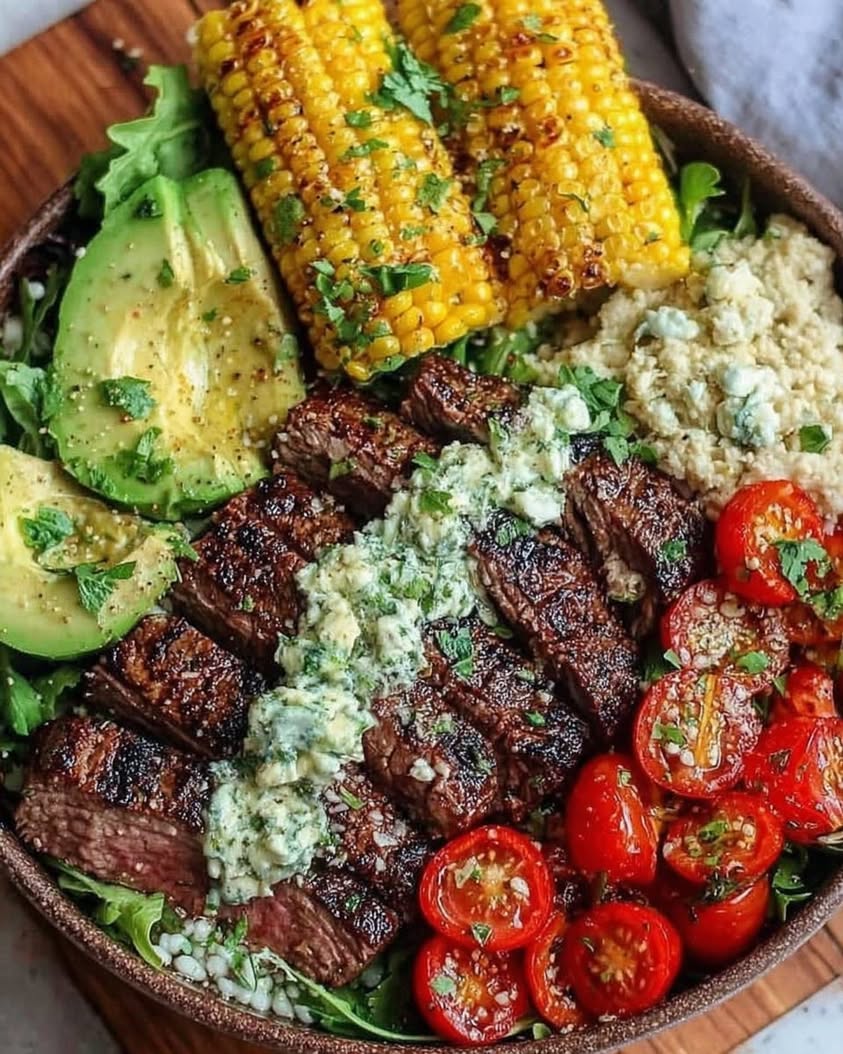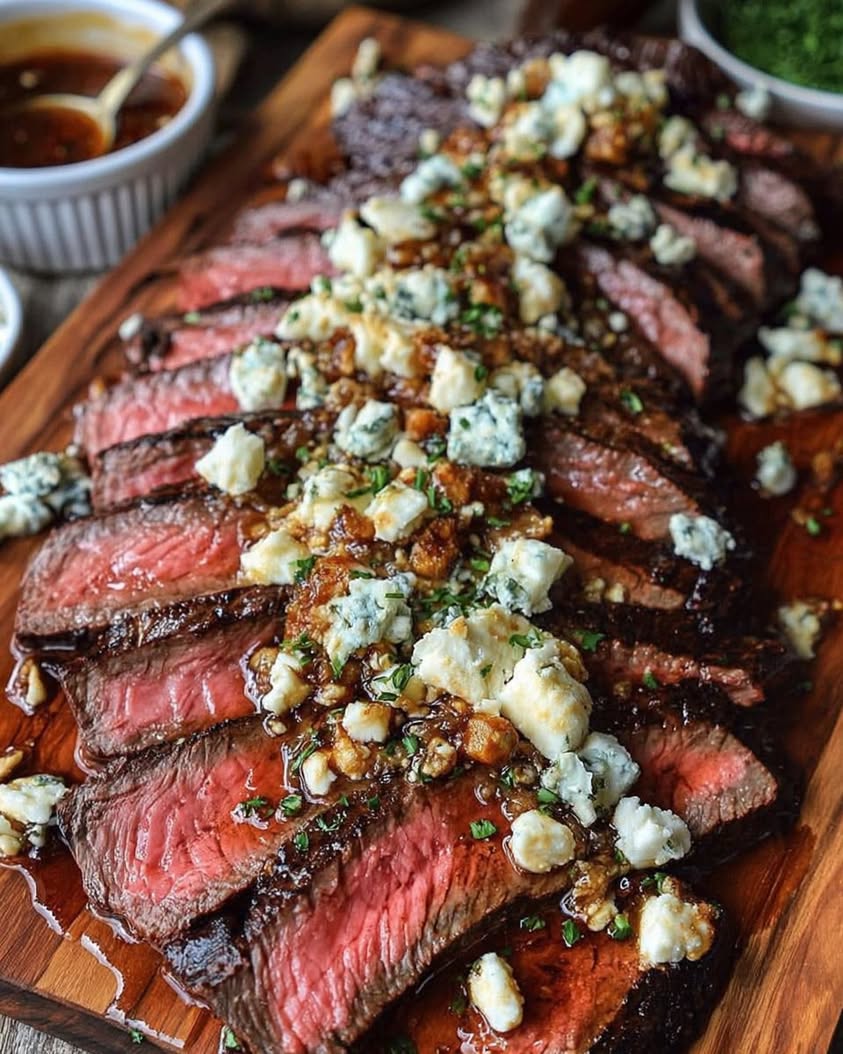
Balsamic Marinated Flank Steak with Blue Cheese Crust: An Unforgettable Dinner
This balsamic marinated flank steak with a blue cheese crust is truly a showstopper. I still remember the first time I pulled this from the oven, the aroma of tangy balsamic and creamy blue cheese filling my kitchen. The steak comes out incredibly tender, perfectly kissed by the marinade, and topped with a golden, savory crust that melts in your mouth. It is a meal that feels like a celebration without demanding hours of fussy work. You will find that the combination of sweet, acidic balsamic and rich, pungent blue cheese creates a flavor profile that is both bold and balanced. It is a dish designed to impress both family and dinner guests alike, and once you try it, you will understand why it is a favorite in my home.
Let me walk you through why this recipe is so special. The key lies in the marinade, which does not just coat the meat but actively tenderizes it. Balsamic vinegar, when paired with robust flank steak, works its magic by breaking down fibers, ensuring each slice is juicy. But the real star is the blue cheese crust. As it bakes, it forms a crispy, golden shell that locks in moisture and adds a salty, tangy punch. This balsamic marinated flank steak with a blue cheese crust is perfect for a weeknight dinner but elegant enough for a special occasion. You can serve it with simple roasted vegetables or a crisp salad, and it will shine every time. The best part is how straightforward the process is; with a little planning, you will have a restaurant-quality meal on the table.
Quick Recipe Highlights
- Flavor Profile: The taste is a perfect dance of sweet and tangy from the balsamic vinegar, followed by the deep, earthy, and salty notes of blue cheese. It is rich, savory, and utterly satisfying.
- Texture: The flank steak remains tender and moist inside, while the outside features a slightly chewy, crispy blue cheese crust that offers a delightful contrast. Each bite has a soft interior with a crunchy top.
- Aroma: You will smell the sharp, sweet scent of balsamic reduction first, then the distinct, earthy aroma of blue cheese as it bakes. The combination is warming and appetizing, promising a hearty meal.
- Visual Appeal: The deep brown crust of the steak topped with golden, bubbly blue cheese makes for a stunning presentation. When sliced, the pink, juicy center against the dark crust is beautiful.
- Skill Level Needed: This is an intermediate recipe. You need to know how to marinate meat and manage oven temperature. However, the steps are straightforward and easy to follow with attention.
- Special Equipment: You will need a heavy-bottomed skillet or cast-iron pan for searing and a baking sheet or oven-safe skillet for finishing the steak in the oven. A meat thermometer is helpful.
Recipe Overview
- Difficulty Level: I rate this as an intermediate difficulty. It is not overly complicated, but it requires some timing and attention. Marinating overnight and searing the steak correctly are key skills. If you can follow basic cooking instructions, you will succeed.
- Category: This recipe fits perfectly as a main course for dinner. It works for casual family meals and elegant dinner parties. You can also slice it thinly and serve it in salads or sandwiches for lunch the next day.
- Cuisine: This is a modern American steakhouse dish with European influences. The blue cheese crust draws from French and Italian traditions, while the balsamic marinade is classic Italian. It is a fusion of comforting, bold flavors.
- Cost: The flank steak is the most expensive ingredient, but it is affordable compared to other cuts. Blue cheese can be pricey, but you only need a small amount. Overall, this is a mid-range cost recipe that offers great value for a special meal.
- Season: This dish is perfect for fall and winter, when you crave hearty, warming meals. However, it is wonderful for summer grilling if you prefer to cook outside. The rich flavors suit cooler weather best.
- Occasion: It is ideal for date nights, holiday dinners, and dinner parties. It also works for a fancy weeknight meal when you want to treat yourself. The impressive presentation makes it a go-to for celebrations.
Why You Will Love This Recipe
The taste and texture of this steak are absolutely addictive. First, the balsamic marinade infuses the meat with a sweet and tangy flavor that cuts through the richness of the beef. Then, the blue cheese crust adds a creamy, salty crunch that complements the steak perfectly. Each bite offers a symphony of flavors: the tender, juicy meat, the sharp cheese, and the slight acidity from the vinegar. It is a dish that satisfies every craving. You will love how the crust holds together, creating a beautiful, almost nutty finish that makes the steak unforgettable.
Convenience is a huge plus here. The prep work is minimal, and the marinade does most of the heavy lifting. You just combine a few ingredients, let the steak sit, then sear and bake it. This balsamic marinated flank steak with a blue cheese crust is not a recipe that keeps you tied to the stove. Instead, it gives you time to prepare sides or relax with a glass of wine. The cooking process is forgiving, and the final result is consistently excellent. I love that I can prepare it ahead, making it perfect for entertaining without stress.
Nutritionally, this dish offers a great balance. Flank steak is a lean cut of beef, high in protein and iron, which supports muscle health and energy. The balsamic vinegar adds antioxidants, while blue cheese provides calcium and probiotics. It is a satisfying meal that keeps you full and energized. When paired with vegetables or a salad, it fits well into a balanced diet. You get all the indulgence of a rich dinner without excessive fat. It is a smart choice for those who love steak but want to eat well.
Socially, this recipe is a winner. It has a wow factor that impresses guests, making you look like a culinary pro. The rich aroma and beautiful presentation spark conversation and excitement. Serving this balsamic marinated flank steak with a blue cheese crust shows that you put thought and care into the meal. It is perfect for sharing, as you can slice it at the table and let everyone help themselves. That communal aspect makes dinner more enjoyable and memorable.
Cost-effectiveness and accessibility are also key reasons to love this recipe. Flank steak is more affordable than ribeye or filet mignon, yet it is just as delicious when prepared correctly. The ingredients for the marinade and crust are pantry staples or easy to find at any grocery store. You do not need expensive specialty items. This means you can create a luxurious meal without breaking the bank. It is a smart way to elevate everyday cooking on a budget.
Historical Background and Cultural Significance
The origin of using blue cheese crusts on meat can be traced back to French and Italian culinary traditions. Blue cheese itself has a long history, with varieties like Roquefort from France and Gorgonzola from Italy being produced for centuries. Chefs in these regions began pairing strong cheeses with beef to complement its richness. The idea of a crust, or croûte, was a way to seal in juices and add texture. This technique then traveled to America, where it evolved into the modern steakhouse favorite we enjoy today. The balsamic vinegar component is a more recent addition, blending Italian marinade traditions with American grilling culture.
Culturally, this dish represents a celebration of bold flavors and shared dining. In many households, steak is a special meal, often reserved for holidays or celebrations. Adding a blue cheese crust elevates it further, turning a simple piece of meat into a centerpiece. It reflects a trend in modern cooking where everyday ingredients are combined in creative ways to produce gourmet results. The dish also highlights the importance of using high-quality, flavorful components. It is a testament to how a few key ingredients can come together to create something truly memorable.
The evolution of this recipe is fascinating. Initially, chefs would simply crumble blue cheese on top of a cooked steak. Over time, they started mixing it with breadcrumbs, herbs, and butter to create a more cohesive crust. This balsamic marinated flank steak with a blue cheese crust is a newer variation that incorporates marinating for extra tenderness and flavor. Cooks have also experimented with different cheeses, from Gorgonzola to Stilton, and various marinades. The version we use today is a refined balance of acidity and creaminess, perfected through trial and error in home kitchens and restaurants.
Regional variations of this dish are common throughout the world. In Italy, you might find a similar preparation using Gorgonzola and a red wine marinade. In France, Roquefort is often paired with a peppercorn crust. In the American South, cooks sometimes add a touch of hot sauce to the cheese mixture for a spicy kick. Some versions use a pan-seared method instead of baking, while others grill the steak over charcoal for a smoky flavor. Each adaptation reflects local tastes and available ingredients, but the core idea of pairing beef with blue cheese remains constant. It is a versatile dish that welcomes personal touches.
Ingredient Deep Dive
Flank steak is a long, flat cut from the abdominal muscles of the cow. It is known for its robust beef flavor and lean texture. Historically, it was considered a tougher cut, but with proper marinating and cooking, it becomes incredibly tender. Culturally, it is a staple in many cuisines, from Mexican fajitas to Asian stir-fries. Nutritionally, it is high in protein, zinc, and B vitamins, making it a great choice for muscle repair and energy. When selecting flank steak, look for a deep red color with even marbling. The meat should feel firm but slightly springy. Avoid pieces with a grayish tint or strong odor. Store it in the coldest part of your fridge and use within two to three days. You can also freeze it for up to three months. If you cannot find flank steak, skirt steak or sirloin flap meat are good substitutes, though they have slightly different textures.
Balsamic vinegar is the soul of this marinade. It originates from Italy, specifically the Modena and Reggio Emilia regions, where it has been made for over a thousand years. Traditional balsamic vinegar is aged in wooden barrels, developing a complex, sweet, and tangy flavor. Nutritionally, it contains antioxidants that can help reduce inflammation. For this recipe, you do not need the most expensive aged vinegar; a good quality commercial balsamic works perfectly. Look for a vinegar that is dark, syrupy, and has a balanced sweetness. Store it in a cool, dark place away from direct sunlight. When choosing, avoid vinegars with added sugar or caramel color. You can use red wine vinegar or balsamic glaze as a substitute, but the flavor will be slightly different.
Blue cheese is the unmistakable star of the crust. This cheese is made with cultures of the mold Penicillium, giving it its characteristic blue or green veins and sharp, salty taste. Varieties like Gorgonzola, Roquefort, and Stilton each bring their own unique profile. Gorgonzola is creamy and milder, while Roquefort is more pungent and crumbly. Nutritionally, blue cheese is rich in calcium, protein, and beneficial bacteria. For the best flavor, buy a block of blue cheese and crumble it yourself. Look for cheese that is moist and has distinct veins. Avoid any that smells of ammonia, which indicates age. Store it wrapped in wax paper inside a container in the fridge. If you are not a fan of blue cheese, you can substitute feta, goat cheese, or gouda, but the crust will have a different character.
Common Mistakes to Avoid
- Do not skip the marinating time. Even thirty minutes helps, but overnight is best. The balsamic vinegar needs time to tenderize the meat and infuse it with flavor.
- Avoid using a non-reactive container for marinating. Use glass, ceramic, or plastic. Metal bowls can react with the acidic vinegar and give the meat a metallic taste.
- Do not over-sear the steak. You want a nice brown crust, but cooking it too long on the stove will make it tough. Just sear for two to three minutes per side.
- Avoid using too much blue cheese in the crust. A thick layer will not adhere properly and might slide off. A thin, even layer is best for a crispy finish.
- Do not skip resting the steak after cooking. Resting allows the juices to redistribute. Cutting it immediately will cause all the flavorful liquid to run out onto the cutting board.
- Avoid using a cold steak. Let it sit at room temperature for about 30 minutes before cooking. A cold steak will cook unevenly and might end up tough.
- Do not overcook the steak. Flank steak is best at medium-rare to medium. Cooking it beyond that will dry it out. Use a meat thermometer for accuracy.
- Avoid slicing the steak incorrectly. Always slice against the grain, which means cutting perpendicular to the muscle fibers. This ensures each bite is tender.
- Do not use low-quality balsamic vinegar. Cheap vinegars can be overly acidic or watery. They will not provide the rich flavor needed for the marinade.
- Avoid overcrowding the pan if you are searing. If the pan is too full, the steak will steam instead of sear. Use a large skillet or work in batches.
Essential Techniques
Marinating is the first crucial technique. It involves soaking the steak in a mixture of balsamic vinegar, oil, garlic, and herbs. This process does more than just add flavor; the acidity in the vinegar helps break down tough muscle fibers, making the flank steak tender. To master it, ensure the steak is fully submerged in the marinade. Use a resealable plastic bag or a shallow dish so the liquid covers the meat evenly. Common pitfalls include marinating for too long, which can make the meat mushy, or not long enough, which results in a weak flavor. A visual cue for success is the meat darkening slightly and the marinade reducing in volume. You should also notice a strong, aromatic smell coming from the bag.
Perfecting the sear is essential for texture and flavor. Searing creates a browned, caramelized crust on the steak through the Maillard reaction. This reaction develops deep, savory notes that are critical to the final dish. To master it, heat your skillet over high heat until it is smoking hot. Pat the steak dry with paper towels before placing it in the pan, as moisture prevents browning. A common pitfall is moving the steak too soon; let it sear undisturbed for two to three minutes before flipping. Visual cues for success include a golden-brown crust forming on the surface. The steak should release easily from the pan when it is ready to flip.
Building the blue cheese crust is a delicate process. You need to create a mixture that will stick to the seared steak and form a golden, crispy layer. Start by combining crumbled blue cheese with breadcrumbs, butter, and herbs. The breadcrumbs provide structure, while the butter helps everything bind and brown. To master it, press the mixture firmly onto the top of the seared steak. Do not worry if some falls off during baking; you can press it back on. A common pitfall is using a mixture that is too dry or too wet. If it is too dry, add a little more butter; if too wet, add more breadcrumbs. Visual cues for success include a uniform, golden-brown crust that is bubbly and slightly puffed after baking.
Pro Tips for Perfect Balsamic Marinated Flank Steak with Blue Cheese Crust
For the best flavor, marinate the flank steak for at least four hours, but overnight is ideal. This long marination allows the balsamic vinegar to deeply penetrate the meat and tenderize it fully. Do not rush this step.
Always bring the steak to room temperature before cooking. A cold steak will cook unevenly and might end up tough on the outside while still raw inside. Let it sit on the counter for 30 minutes before searing.
Use a cast-iron skillet for the best sear. Cast iron retains heat exceptionally well and creates an even, beautiful crust. If you do not have one, a heavy stainless steel pan works too, but avoid non-stick for a good sear.
When making the blue cheese crust, use room-temperature butter. Cold butter will not mix evenly with the breadcrumbs and cheese. Softened butter creates a cohesive, spreadable paste that sticks well to the steak.
Do not overmix the blue cheese crust. You want some chunks of cheese to remain, as they will melt into creamy pockets during baking. Overmixing will create a uniform paste that lacks texture.
For a more intense blue cheese flavor, use a combination of two types, such as Gorgonzola and Roquefort. This adds complexity. For a milder taste, stick with a creamy Gorgonzola dolce.
Let the steak rest for at least ten minutes after baking. This resting period is non-negotiable. It allows the juices to settle, ensuring each slice is tender and moist. Cover it loosely with foil to keep it warm.
Variations and Adaptations
Regional variations of this dish are popular worldwide. In the American Southwest, cooks often add a sprinkle of chili powder or cayenne to the blue cheese crust for heat. In Italy, they might use a mixture of Gorgonzola and mascarpone for a creamier, milder crust. In France, Roquefort is the cheese of choice, often paired with a dash of Dijon mustard in the crust. Each region puts its own spin, reflecting local tastes and available ingredients. You can easily adapt this recipe to your own preference by adding smoked paprika, black pepper, or fresh thyme to the cheese mixture. The foundational technique remains the same, but the flavor profile can change dramatically.
Seasonal adaptations are also easy to make. In spring, you can add fresh chopped chives or parsley to the blue cheese crust for a bright, herbal note. In summer, consider grilling the steak instead of baking it, then adding the crust during the last few minutes of cooking. For autumn, pair the steak with roasted root vegetables like carrots and parsnips. In winter, you can add a touch of Worcestershire sauce to the marinade for extra depth. The balsamic marinated flank steak with a blue cheese crust is a versatile base that welcomes seasonal ingredients, allowing you to enjoy it year-round.
Dietary modifications are straightforward. To make it gluten-free, use gluten-free breadcrumbs or almond flour for the crust. Ensure your balsamic vinegar is gluten-free as well. For dairy-free, you can replace blue cheese with a dairy-free alternative, though it will not taste the same. For a lower-fat version, use less butter and more breadcrumbs in the crust. You can also skip the butter entirely and use olive oil. Each modification changes the texture and taste slightly, but the dish remains delicious. Always check labels on store-bought ingredients for hidden allergens.
Flavor variations are endless. You can add minced garlic, rosemary, or thyme to the blue cheese crust for more complexity. A dash of honey in the marinade adds sweetness that balances the tangy blue cheese. For a spicy kick, include red pepper flakes in the cheese mixture. Consider swapping half the balsamic vinegar for soy sauce for an umami-packed marinade. Each of these changes creates a new signature dish while keeping the core concept of tender steak topped with a savory crust. Feel free to experiment and find your favorite combination.
Texture modifications are also possible. For a crunchier crust, use panko breadcrumbs instead of regular breadcrumbs. For a softer crust, reduce the amount of breadcrumbs and increase the blue cheese. You can also add finely chopped nuts, like walnuts or pecans, to the crust mixture for a nutty crunch. If you prefer a smoother texture, use a food processor to blend the cheese, butter, and breadcrumbs into a paste. Each approach yields a different mouthfeel, so you can tailor it to your preference.
Presentation alternatives can make the dish stand out. Instead of slicing the whole steak, you can serve individual medallions topped with the crust. For a more elegant look, slice the steak on a bias and fan the pieces out on a platter. Drizzle a little reduced balsamic glaze over the top for extra shine and flavor. You can also serve the steak on a bed of arugula dressed with lemon vinaigrette, which cuts through the richness. These small changes elevate the visual appeal of the balsamic marinated flank steak with a blue cheese crust.
Serving and Presentation Guide
Plating this steak beautifully is key to its impact. Start by slicing the steak against the grain into thin strips. Arrange the slices slightly overlapping on a warm plate or wooden board. This creates a rustic, inviting look that highlights the pink interior and golden crust. For a more formal presentation, place two or three slices in the center of the plate, leaning against each other. Leave space for sides. A simple white plate allows the dark meat and cheese crust to stand out. Always serve immediately after resting to keep the steak warm and the crust crisp.
Garnishing ideas are simple but effective. Fresh herbs like chopped parsley, thyme, or chives add a pop of green and a fresh flavor. A light sprinkle of flaky sea salt right before serving enhances the savory notes. You can also add a few crumbles of extra blue cheese on top for a visual cue of the flavor inside. A drizzle of balsamic reduction or a simple vinaigrette on the plate adds elegance and complements the marinade. Keep garnishes minimal to avoid overwhelming the main dish.
Traditional accompaniments for flank steak are roasted potatoes, mashed potatoes, or a crisp green salad. The richness of the blue cheese crust calls for sides that are light and acidic, like a citrus salad or steamed asparagus. In the American tradition, a side of creamed spinach or grilled vegetables works beautifully. For a more Italian touch, serve it with a simple pasta tossed in garlic and olive oil. The key is to balance the heavy flavors of the steak with fresh, simple sides that do not compete.
Modern serving suggestions include pairing this steak with a grain bowl. Serve the sliced steak over quinoa or farro with roasted vegetables and a lemon-tahini dressing. It also works well in tacos, where you can add a slaw and extra blue cheese crumbles. For a lighter meal, use the steak as a topping for a big salad with arugula, pears, and walnuts. The balsamic marinated flank steak with a blue cheese crust is versatile enough to fit into modern, health-conscious meals. Its bold flavor shines through in any setting.
Temperature considerations are critical. The steak should be served warm, ideally right after resting. If you slice it too early, it will cool down quickly. Keep the plates warm in a low oven before serving. If you are making this for a party, you can keep the whole steak warm in a 200-degree oven for up to 30 minutes before slicing. The crust will stay intact, and the meat will not overcook. Always check the internal temperature with a thermometer to ensure it reaches 130-135 degrees Fahrenheit for medium-rare before resting.
Portion control tips help ensure everyone gets enough. A typical serving size for flank steak is about 4 to 6 ounces per person. For a hungry crowd, plan for 6 to 8 ounces. When slicing, count the number of pieces to ensure even distribution. If you are serving it as part of a multi-course meal, smaller portions are fine. For a main course with sides, aim for three to four slices per person. This recipe yields about six servings, so adjust accordingly for your group size.
Wine and Beverage Pairing
Wine pairing with this steak is a delight. The bold flavors of the balsamic marinade and blue cheese call for a wine that can stand up to them. A full-bodied red wine like Cabernet Sauvignon is a classic choice. Its tannins cut through the richness of the steak while complementing the tangy cheese. Another excellent option is a Malbec, which offers dark fruit flavors and a smooth finish that balances the saltiness of the blue cheese. For a more complex pairing, try a Zinfandel, which has a hint of spice that works well with the balsamic. If you prefer a lighter red, a Pinot Noir will not overwhelm the dish, but it might not match the cheese as strongly. The key is to choose a wine with enough structure to match the meat and cheese. I recommend serving the wine at around 60 to 65 degrees Fahrenheit for the best flavor.
Non-alcoholic alternatives are also wonderful. A strong, tart blackberry or pomegranate juice mimics the acidity of red wine and complements the balsamic notes. A sparkling water with a splash of lemon or lime cleanses the palate between bites. For a more sophisticated option, try a non-alcoholic red wine or a shrub made with balsamic vinegar and berries. These drinks offer complexity and depth without alcohol. I find that a chilled, unsweetened iced tea with a hint of mint also works beautifully, as its astringency cuts through the richness of the steak. Always serve these beverages cold to refresh the palate.
Temperature considerations for drinks matter. Red wines should be served slightly below room temperature, around 60-65 degrees. Sparkling water or soda should be ice-cold. If you are serving beer, a brown ale or a porter offers rich, malty flavors that match the steak. The carbonation helps cleanse the palate. For white wine lovers, a full-bodied Chardonnay with a touch of oak can work, but it is less traditional. I always recommend tasting the drink alongside the steak to see how the flavors interact. Personal preference is the most important factor.
Serving suggestions for beverages include decanting red wine to aerate it. Use stemmed glasses to keep the wine from warming too quickly with hand heat. For non-alcoholic drinks, use tall glasses filled with ice. Garnish wine glasses with a sprig of rosemary for a festive touch. For a party, set up a small drink station with both wine and non-alcoholic options so guests can choose. This balsamic marinated flank steak with a blue cheese crust pairs well with a variety of drinks, so offer choices to suit everyone.
Storage and Shelf Life
Proper storage is key to preserving leftovers. Once cool, place the steak in an airtight container. If you have already sliced it, ensure the pieces are in a single layer or separated with parchment paper to prevent sticking. Store it in the refrigerator at 40 degrees Fahrenheit or below. It will stay fresh for three to four days. The blue cheese crust will soften over time, but the flavor will remain delicious. Do not leave the steak at room temperature for more than two hours, as bacteria can grow rapidly. For the best taste, use leftovers within two days.
Temperature requirements are specific. Keep the steak refrigerated and away from raw foods to prevent cross-contamination. If you plan to freeze the steak, allow it to cool completely first. Wrap it tightly in plastic wrap, then in aluminum foil, and place it in a freezer-safe bag. It can be frozen for up to three months. The crust may lose some of its crispness after thawing, but the meat will still be tender. For best results, thaw the steak in the refrigerator overnight before reheating. Never thaw at room temperature, as this can cause uneven cooking and food safety issues.
Container recommendations are important. Use glass or BPA-free plastic containers with tight-fitting lids. Avoid using metal containers, as they can react with the balsamic marinade and affect the taste. If you are storing the steak whole, a large container is best. For sliced portions, use smaller containers to minimize air exposure. Always label the container with the date so you know how long it has been stored. Press a piece of plastic wrap directly onto the surface of the steak before sealing the lid to reduce air pockets and keep the meat moist.
Signs of spoilage to watch for include a sour or off smell, a slimy texture, or a grayish color. If the blue cheese crust has developed mold that is not blue or green, discard the steak. When in doubt, throw it out. It is better to be safe than risk food poisoning. Proper storage should prevent spoilage within the recommended time frames, but always trust your senses. I always check leftover steak before reheating, just to be sure.
Reheating instructions require care to avoid drying out the meat. The best method is to reheat the steak in a low oven at 300 degrees Fahrenheit. Place the slices on a baking sheet and cover them loosely with foil to retain moisture. Heat for about 10 to 15 minutes, or until warmed through. You can also reheat it in a skillet over medium-low heat with a splash of beef broth or water to add moisture. Do not use a microwave, as it will make the steak rubbery and the crust soggy. For sliced leftovers, a quick sear in a hot pan can revive the crust.
Freezing guidelines help extend the shelf life. For future meals, you can freeze the steak before baking. Marinate it, sear it, then let it cool. Wrap it tightly and freeze it. When ready to cook, thaw it overnight in the fridge, then add the blue cheese crust and bake as directed. This allows you to have a quick meal ready. The crust is best added fresh, so do not freeze the steak with the crust already on. This way, you maintain the ideal texture of the finished dish.
Make Ahead Strategies
Prep timeline is essential for stress-free cooking. The marinade can be prepared up to 24 hours in advance. Simply combine the balsamic vinegar, olive oil, garlic, and herbs in a bag, and add the steak. Store it in the refrigerator. The blue cheese crust can also be made ahead. Mix the cheese, breadcrumbs, butter, and herbs, then cover and refrigerate for up to two days. This makes the final assembly quick. On the day of serving, you only need to sear the steak, top with the crust, and bake. This approach works well for dinner parties.
Storage between steps is straightforward. After marinating, keep the steak in the fridge until you are ready to cook. Pat it dry right before searing. The blue cheese crust should be brought to room temperature for about 15 minutes before using, as cold butter will not spread easily. If you are making the steak entirely ahead, you can cook it to medium-rare without the crust, then cool it quickly. When ready to serve, sear it again briefly, add the crust, and bake. The flavor will be slightly less intense, but it is still delicious.
Quality impact assessment is important to consider. Marinating overnight improves flavor and tenderness, so that is a benefit. Making the crust ahead might cause it to dry out slightly, but it will still taste great. Cooking the steak fully ahead and reheating can result in a slightly drier texture. The best approach is to complete all prep steps ahead and cook fresh. However, if you must cook ahead, the steak will still be good. I find that the crust is best when baked fresh, so I try to add it at the last minute.
Assembly tips for make-ahead include keeping components separate. Do not add the crust until you are ready to bake, as it will become soggy if it sits on the steak for too long. If you are cooking the steak ahead, slice it only when reheating, as sliced meat dries out faster. For a dinner party, I sear the steak, then let it rest on a baking sheet. I can then add the crust and pop it in the oven when guests arrive. This way, the steak is served hot and fresh.
Reheating guidelines for made-ahead components are the same as for leftovers. Use the oven at 300 degrees for whole steak slices. For individual portions, a skillet with a lid works well. Avoid the microwave at all costs. If the crust has softened, you can place the steak under the broiler for one to two minutes to crisp it up. Watch it closely to prevent burning. The goal is to restore the crust’s crunch without overcooking the steak.
Fresh element additions can brighten the dish. When serving leftovers or make-ahead steak, add a garnish of fresh herbs or a squeeze of lemon juice. This adds a pop of freshness that balances the richness. You can also serve it with a fresh salad or pickled vegetables. These elements bring the dish back to life. The core flavors will remain, but the fresh additions make it feel new again.
Scaling Instructions
Halving the recipe is easy. Use a piece of flank steak that is about half the weight, around one pound. Reduce the marinade ingredients by half, and adjust the crust ingredients proportionally. The cooking time will decrease slightly because the steak is smaller. Check for doneness five minutes earlier than the full recipe. Searing time remains the same, as you still want a good crust. The rest of the process is identical. This works well for a smaller family meal.
Doubling or tripling the recipe works well for large gatherings. Use two or three separate flank steaks to ensure even cooking. Do not cook them together in one pan, as they will crowd and steam. Use a larger skillet or sear them in batches. For the crust, simply double or triple the ingredients and mix them in a large bowl. When baking, use a large baking sheet and space the steaks apart. The baking time may increase slightly if the steaks are thick, but usually stays the same. A thermometer is your best friend here.
Equipment adjustments are needed for larger quantities. Use a larger cast-iron skillet or multiple pans for searing. You can also use a griddle if available. For the oven, you may need two baking sheets placed on different racks. Rotate them halfway through baking for even cooking. Ensure your oven can accommodate the trays without touching. If you are making a small batch, a toaster oven works perfectly. Always adjust the pan size to prevent overcrowding.
Timing modifications are minimal when scaling up. The searing time per batch remains the same. The baking time may increase by a few minutes if the steaks are thicker or if you are cooking multiple pieces. Use a meat thermometer to check each steak individually. The resting time remains the same. Plan for about 10 to 15 minutes of resting for the whole steak. If you are Print
Balsamic Marinated Flank Steak with Blue Cheese Crust
- Total Time: 2 hours 45 minutes
- Yield: 4
Description
A flavorful flank steak marinated in a tangy balsamic mixture, then seared and topped with a rich blue cheese crust that melts into a savory finish.
Ingredients
- 1 1/2 pounds flank steak
- 1/3 cup balsamic vinegar
- 2 tablespoons olive oil
- 2 cloves garlic, minced
- 1 teaspoon Dijon mustard
- 1/2 teaspoon salt
- 1/2 teaspoon black pepper
- 1/2 cup crumbled blue cheese
- 2 tablespoons breadcrumbs
- 1 tablespoon fresh parsley, chopped
Instructions
- In a bowl, whisk together balsamic vinegar, olive oil, garlic, Dijon mustard, salt, and pepper. Place flank steak in a resealable bag, pour marinade over it, seal, and refrigerate for at least 2 hours or overnight.
- Preheat oven to 400°F (200°C). Remove steak from marinade and pat dry. Season lightly with additional salt and pepper.
- Heat a cast-iron skillet over high heat. Sear steak for 3-4 minutes per side until nicely browned.
- Transfer skillet to the oven and roast for 10-15 minutes for medium-rare, or until desired doneness.
- Remove steak from oven and let rest for 5 minutes. In a small bowl, mix blue cheese, breadcrumbs, and parsley.
- Preheat broiler. Spread blue cheese mixture evenly over the top of the steak. Broil for 1-2 minutes until cheese is bubbly and lightly browned.
- Slice against the grain and serve immediately.
Notes
You can customize the blue cheese to your preference, such as Gorgonzola or Stilton, for a different flavor profile.
- Prep Time: 15 minutes
- Cook Time: 30 minutes
- Method: Main
- Cuisine: American