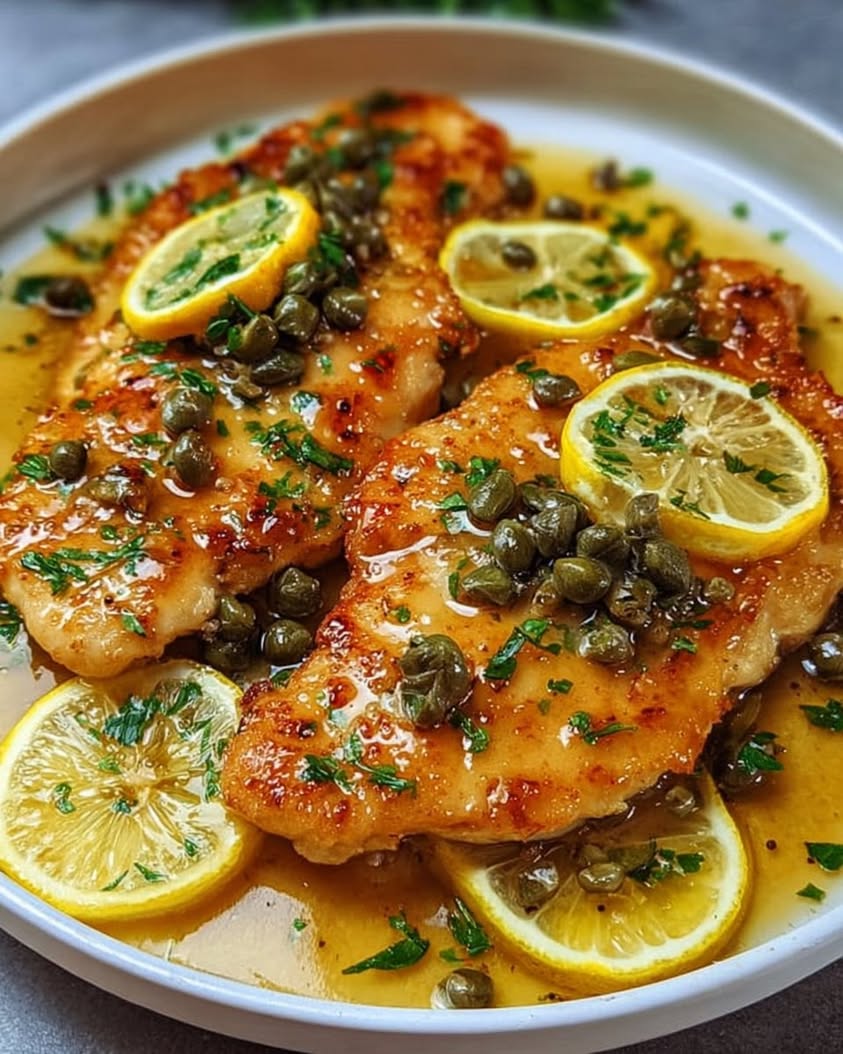
The Ultimate Chicken Piccata with Lemon and Capers Recipe
This Chicken Piccata with Lemon and Capers recipe brings a bright Italian classic straight to your dinner table with minimal effort and maximum flavor. The tangy lemon juice, briny capers, and rich butter sauce transform simple chicken breasts into a restaurant-quality meal that feels both elegant and comforting. When you crave something quick yet impressive, this recipe delivers a perfect balance of acidity and richness that pleases everyone.
Each bite of this Chicken Piccata with Lemon and Capers recipe offers a burst of citrus that cuts through the tender pan-fried chicken. The capers add a salty punch that complements the silky sauce, making every mouthful a delightful contrast of textures and tastes. This dish works wonderfully for busy weeknights or special occasions, proving that you do not need hours in the kitchen to create something memorable.
The beauty of this Chicken Piccata with Lemon and Capers recipe lies in its simplicity. With just a handful of pantry staples and fresh ingredients, you can whip up a sauce that tastes like you spent all day simmering. The process is straightforward, but the result feels sophisticated, guaranteeing that you will return to this recipe again and again for its reliable deliciousness.
Quick Recipe Highlights
- Flavor Profile: This dish delivers a bright, tangy citrus punch from fresh lemon juice balanced by the briny, savory notes of capers. The butter and chicken broth create a rich, savory base that rounds out the acidity perfectly without overwhelming the palate.
- Texture: The chicken breasts develop a golden, lightly crispy exterior from the flour dredge while staying juicy and tender inside. The sauce remains smooth and velvety, coating each piece evenly and adding a luscious mouthfeel.
- Aroma: The fragrant scent of lemon zest and juice fills your kitchen as the sauce simmers, mingling with the earthy aroma of capers and the nutty smell of browning butter. This inviting combination signals that a satisfying meal is nearly ready.
- Visual Appeal: You will see glistening golden chicken breasts nestled in a pale, creamy sauce speckled with green capers and bright yellow lemon slices. The contrast of colors creates an appetizing presentation that looks impressive on any plate.
- Skill Level Needed: This recipe requires basic knife skills for slicing chicken and simple pan techniques for dredging and sautéing. Even beginner cooks can master the steps easily, as the instructions focus on straightforward, manageable tasks.
- Special Equipment: You need a large skillet, preferably non-stick or stainless steel, and a meat mallet or rolling pin for flattening the chicken. A microplane or zester helps you get fine lemon zest quickly without effort.
Recipe Overview
- Difficulty Level: I rate this recipe as easy because the techniques involve basic pan-frying and sauce-making that do not require advanced culinary skills. The steps are clear and forgiving, allowing you to adjust the sauce consistency without stress. With a little attention to timing, you will achieve excellent results on your first attempt.
- Category: This dish fits perfectly into the main course category for lunch or dinner, and it pairs beautifully with pasta, rice, or crusty bread. You can also serve it as part of a larger Italian-inspired feast with antipasti and vegetables.
- Cuisine: Chicken Piccata originates from Italian-American cuisine, drawing inspiration from traditional Italian cooking techniques that emphasize fresh, simple ingredients. The combination of lemon, capers, and butter reflects the southern Italian love for bright, herbaceous flavors. This adaptation has become a staple in American homes due to its accessibility and crowd-pleasing taste.
- Cost: Making this recipe costs approximately to per serving, depending on the quality of chicken and capers you choose. Chicken breasts are generally affordable, and capers, butter, and lemons are inexpensive pantry items. This meal provides excellent value for the elegant dining experience it delivers.
- Season: This Chicken Piccata with Lemon and Capers recipe shines best in spring and summer when lemons are at their peak and you crave light, refreshing flavors. However, the bright citrus notes also work well during winter months when you need a cheerful, sunny dish to lift your spirits. You can enjoy it year-round with consistent results.
- Occasion: This dish suits casual family dinners, romantic date nights, and festive holiday meals equally well. Its quick preparation makes it perfect for last-minute entertaining, and its elegant appearance impresses guests without requiring hours of work. Serve it for celebrations like birthdays or anniversaries for a memorable meal.
Why You Will Love This Recipe
The taste and texture of this Chicken Piccata with Lemon and Capers recipe create an irresistible combination that keeps you coming back for more. The tangy lemon juice wakes up your taste buds, while the capers add a salty burst that enhances the savory chicken. The butter sauce ties everything together with a silky richness that coats each piece perfectly, resulting in a dish that is both bright and comforting. Every bite feels balanced and satisfying, making it a family favorite that even picky eaters enjoy.
Convenience and preparation benefits make this recipe a lifesaver on busy evenings when you need dinner fast. You only need about 15 minutes of prep time to pound, season, and dredge the chicken breasts before cooking. The entire process takes just 35 minutes from start to finish, so you can serve a hot, homemade meal without spending hours in the kitchen. This efficiency does not sacrifice quality, as the sauce comes together quickly while the chicken rests.
Nutritional advantages add another layer of appeal to this Chicken Piccata with Lemon and Capers recipe. Chicken breast provides lean protein that supports muscle health and keeps you feeling full longer. Lemons offer vitamin C for immune support, and capers contain antioxidants that benefit overall wellness. You control the butter and oil amounts, allowing you to adjust the recipe to fit your dietary needs without losing flavor.
Social and entertaining value increases when you serve this dish to guests who appreciate homemade Italian cuisine. The vibrant colors and fragrant aroma make a stunning presentation that impresses dinner party attendees. You can prepare the sauce in advance and reheat it gently, giving you more time to enjoy your guests. The recipe scales easily for larger gatherings, so you can confidently cook for a crowd without stress.
Cost-effectiveness and accessibility make this recipe a practical choice for home cooks on a budget. Chicken breasts are often on sale, and capers, lemons, and butter are common ingredients you may already have. You do not need expensive specialty items, and the recipe uses standard kitchen tools. This affordability means you can enjoy a restaurant-quality meal at home without breaking the bank, making it a smart addition to your weekly rotation.
Historical Background and Cultural Significance
The origin of Chicken Piccata traces back to Italian immigrants who adapted traditional Italian cooking methods to American ingredients in the early 20th century. The word piccata refers to a preparation style where meat is sliced, dredged in flour, and cooked in a sauce with lemon and capers. This technique originally applied to veal in Italy, but chicken became a popular substitute in the United States due to its availability and lower cost. The recipe gained widespread recognition in Italian-American cookbooks from the 1950s onward.
Cultural importance of this dish lies in its representation of the Italian-American culinary fusion that shaped modern home cooking. Families passed down the recipe through generations, adapting it to local tastes and available produce. The combination of bright lemon and salty capers reflects the southern Italian tradition of using simple, bold flavors to enhance humble ingredients. This recipe embodies the resourcefulness and creativity of immigrant cooks who made the most of what they had.
The evolution of the recipe shows how home cooks refined the technique over time to achieve better results. Early versions often used whole chicken breasts, but cooks learned to pound them evenly for faster cooking and more tender texture. The sauce also evolved, with some versions incorporating white wine, garlic, or herbs for added depth. Modern adaptations include gluten-free flour blends and dairy-free butter alternatives, making the dish accessible to more people.
Regional variations of Chicken Piccata exist across different parts of Italy and the United States, each with its own twist. Some Italian regions add parsley or basil for freshness, while others include a splash of white wine to deglaze the pan. In America, you might find versions with heavy cream for a richer sauce or artichoke hearts for extra texture. These variations highlight the recipe’s versatility and its ability to adapt to local preferences without losing its core identity.
Ingredient Deep Dive
Chicken breasts serve as the foundation of this Chicken Piccata with Lemon and Capers recipe, and choosing the right ones makes a noticeable difference. Boneless, skinless chicken breasts offer lean protein and cook quickly when pounded to even thickness. Look for breasts that are uniform in size to ensure consistent cooking, and avoid those with excess fat or bruising. For the best flavor, select organic or free-range chicken if your budget allows, as these options often have a cleaner taste. Store raw chicken in the refrigerator for up to two days or freeze it for up to three months in an airtight package.
Lemons provide the bright, acidic core that defines this dish, and their quality directly impacts the final flavor. Fresh lemons yield more juice and zest than bottled alternatives, delivering a vibrant, sunny taste that cannot be replicated. When selecting lemons, choose ones that feel heavy for their size and have smooth, thin skin for easier juicing. Store lemons at room temperature for up to a week or in the refrigerator for several weeks to maintain freshness. If you need a substitution, white wine vinegar or apple cider vinegar can mimic the acidity but will alter the flavor profile slightly.
Capers add a distinctive briny, tangy note that balances the richness of the butter and chicken. These unripened flower buds come from the caper bush and are typically pickled in vinegar or salt. Look for nonpareil capers, which are the smallest and most tender, offering a more delicate texture and flavor. Rinse capers before using them to remove excess salt, especially if you use the salted variety. Store opened capers in their brine in the refrigerator for up to a year, and drain them well before adding to the sauce.
Butter and olive oil form the cooking fat that browns the chicken and creates the luscious sauce base. Unsalted butter allows you to control the salt level in the dish, while extra-virgin olive oil adds fruity notes that complement the lemon. Use a combination of both for the best flavor and browning, as the oil prevents the butter from burning. Store butter in the refrigerator for up to a month or freeze it for longer storage, and keep olive oil in a cool, dark place to preserve its quality.
All-purpose flour acts as the coating that helps the chicken develop a golden crust and thickens the sauce slightly. You can substitute gluten-free all-purpose flour or almond flour for a gluten-free version, though the texture will change slightly. Season the flour with salt and pepper before dredging to ensure the chicken is well seasoned throughout. Store flour in an airtight container in a cool, dry place for up to six months, and sift it before using if it has clumped.
Chicken broth provides the liquid base for the sauce, adding depth and savory flavor that complements the lemon and capers. Use low-sodium broth to control the saltiness, and opt for homemade broth if you have it for a richer taste. Vegetable broth works as a substitute if needed, though it will alter the flavor slightly. Store opened broth in the refrigerator for up to five days or freeze it in portions for later use.
Common Mistakes to Avoid
- A common mistake is not pounding the chicken to an even thickness, which leads to uneven cooking and dry edges. You should aim for about 1/2 inch thickness throughout the breast for consistent results. Use a meat mallet or a heavy skillet covered with plastic wrap to flatten the chicken gently.
- Overcrowding the skillet when cooking the chicken causes the temperature to drop, resulting in steaming instead of browning. Cook the chicken in batches if needed, giving each piece enough space to develop a golden crust. This step ensures a crisp exterior and tender interior.
- Skipping the step of patting the chicken dry with paper towels prevents proper browning and flour adhesion. Moisture on the surface creates steam that keeps the coating from crisping up. Take the time to dry the chicken thoroughly before dredging in flour.
- Using cold butter directly from the refrigerator can cause the sauce to break or become grainy when added. Allow the butter to come to room temperature before whisking it into the sauce for a smooth, emulsified result. This small detail makes a big difference in texture.
- Adding all the lemon juice at once may make the sauce too tart or acidic for your taste. Start with half the recommended amount, taste the sauce, and adjust gradually until you achieve the desired brightness. This approach lets you customize the acidity level.
- Forgetting to rinse capers before using them introduces excess salt that can overpower the dish. Even capers packed in brine carry a salty coating that should be removed. Rinse them under cold water and pat them dry for balanced flavor.
- Cooking the sauce at too high a temperature after adding the lemon juice can cause it to separate or become bitter. Keep the heat at medium-low and stir gently to maintain the emulsion. Patience during this step ensures a silky, cohesive sauce.
- Neglecting to let the chicken rest after cooking causes the juices to run out when you cut into it, resulting in dry meat. Allow the chicken to rest for about five minutes before serving to redistribute the moisture. This simple step improves texture dramatically.
Essential Techniques
Pounding the chicken to an even thickness is a fundamental technique that ensures uniform cooking and tender results. Place the chicken breast between two sheets of plastic wrap or inside a resealable bag to prevent splattering. Use the flat side of a meat mallet or a heavy skillet to gently pound from the center outward until the breast reaches about 1/2 inch thickness. This process breaks down muscle fibers slightly, making the meat more tender and allowing it to cook faster. Avoid pounding too aggressively, as that can tear the chicken or create thin spots that cook too quickly.
Dredging the chicken in seasoned flour creates a protective coating that browns beautifully and helps thicken the sauce. Season the flour generously with salt and pepper, then coat each chicken piece evenly, shaking off any excess. The flour layer should be thin and uniform, not clumpy, to avoid a doughy texture after cooking. Press the flour gently into the chicken to ensure it adheres, and work quickly so the coating does not become soggy. This technique also helps the chicken develop that signature golden crust you want.
Deglazing the pan with chicken broth and lemon juice captures the flavorful browned bits left from cooking the chicken. After removing the chicken, add the liquid to the hot pan and use a wooden spoon to scrape up the fond from the bottom. This step incorporates all the caramelized flavor into the sauce, creating a rich base that cannot be achieved otherwise. Stir continuously as the liquid reduces slightly, allowing the flavors to concentrate and meld together. Deglazing transforms a simple sauce into something deeply savory and complex.
Whisking in cold butter at the end of the sauce preparation creates a smooth, glossy emulsion that coats the chicken beautifully. Cut the butter into small cubes and add them one at a time, whisking constantly until each piece melts completely. The butter should be cold when you start to prevent the sauce from breaking or becoming greasy. This technique, known as mounting the sauce, adds richness and body without making it heavy. The resulting sauce should be velvety and cohesive, clinging to the chicken and pasta alike.
Pro Tips for Perfect Chicken Piccata with Lemon and Capers Recipe
Use a digital meat thermometer to check the internal temperature of the chicken, which should reach 165 degrees Fahrenheit for safe consumption. This tool removes the guesswork and prevents overcooking, ensuring juicy, tender meat every time. Insert the thermometer into the thickest part of the breast for an accurate reading.
Toast the capers briefly in the hot pan before adding the liquid to deepen their flavor and reduce raw brininess. This step takes only about 30 seconds and adds a nutty, roasted quality that enhances the overall sauce. Stir them constantly to avoid burning.
Let the sauce rest for a minute off the heat before serving to allow the flavors to meld and the texture to settle. This brief pause helps the sauce thicken slightly and ensures each component integrates fully. Do not rush this resting period for the best results.
Slice the lemon into thin rounds for garnish, removing any seeds, to add visual appeal and a pop of color. The lemon slices also infuse the sauce with additional citrus flavor as they simmer briefly. Arrange them over the chicken for an elegant presentation.
Reserve a small amount of pasta water if serving with spaghetti or angel hair, as the starchy liquid helps bind the sauce. Add a splash to the finished dish to create a cohesive coating that clings to the pasta. This trick elevates the entire meal.
Taste the sauce before serving and adjust the seasoning with salt, pepper, or additional lemon juice as needed. Personal preference varies, so trust your palate to achieve the perfect balance. A final squeeze of lemon can brighten the dish right before serving.
*Pro Tip: For an extra layer of flavor, add a splash of dry white wine like Pinot Grigio after deglazing the pan. Let it reduce by half before adding the broth and lemon juice for a more complex sauce.
Variations and Adaptations
Regional variations of this Chicken Piccata with Lemon and Capers recipe often include white wine for a more complex sauce, as seen in many Italian-American kitchens. Some cooks add minced garlic or shallots to the pan after the chicken browns, sautéing them briefly for aromatic depth. Others incorporate fresh herbs like parsley or basil at the end for a burst of green freshness. You can also try adding artichoke hearts or sun-dried tomatoes for extra texture and flavor that complements the lemon and capers beautifully.
Seasonal adaptations allow you to enjoy this dish year-round by incorporating fresh produce from your local market. In spring, add asparagus spears or peas to the sauce for a bright, green accent. Summer invites the addition of cherry tomatoes or zucchini ribbons that cook quickly alongside the chicken. Fall and winter bring opportunities to include roasted butternut squash or sautéed mushrooms for a heartier version. These seasonal tweaks keep the recipe exciting and aligned with what is available.
Dietary modifications make this Chicken Piccata with Lemon and Capers recipe accessible to more people without sacrificing flavor. For a gluten-free version, substitute the all-purpose flour with a gluten-free blend or almond flour, and ensure the chicken broth is certified gluten-free. A dairy-free adaptation replaces butter with vegan butter or olive oil, though the sauce will be thinner. Those following a low-carb diet can serve the chicken over cauliflower rice or zucchini noodles instead of pasta. Each modification requires small adjustments but yields delicious results.
Flavor variations let you customize the dish to your preferences with different herbs and spices. Add a pinch of red pepper flakes for heat, or include fresh rosemary or thyme for an earthy twist. A splash of balsamic vinegar at the end introduces a sweet and tangy note that pairs well with the lemon. You can also experiment with different citrus fruits, like lime or orange, for a unique flavor profile that still feels bright and fresh.
Texture modifications offer ways to change the mouthfeel of the dish to suit your liking. For a thicker sauce, whisk in a teaspoon of cornstarch mixed with cold water before adding the butter. If you prefer a lighter sauce, reduce the butter amount and increase the broth proportion. You can also leave the chicken in larger pieces instead of pounding them for a more substantial bite. These changes let you tailor the dish exactly to your texture preferences.
Presentation alternatives help you serve this recipe in creative ways for different occasions. Plate the chicken over a bed of creamy polenta or mashed potatoes for a comforting twist. Arrange the slices on a platter with lemon wedges and fresh parsley for a family-style serving. For a dinner party, serve individual portions in shallow bowls with the sauce poured over the chicken and a side of roasted vegetables. Each presentation style highlights the dish differently and adds variety to your table.
Serving and Presentation Guide
Plating techniques for this Chicken Piccata with Lemon and Capers recipe focus on showcasing the golden chicken and glossy sauce prominently. Place the chicken in the center of the plate and spoon the sauce generously over the top, allowing it to pool around the base. For a cleaner look, arrange the slices in a slight fan or overlap them gently. This approach highlights the texture and color of the dish without clutter, making it visually appealing.
Garnishing ideas include fresh parsley leaves, thin lemon slices, and whole capers scattered over the chicken for color and contrast. A sprinkle of flaky sea salt adds a finishing touch that enhances the flavors visually. You can also add a drizzle of extra-virgin olive oil right before serving for a glossy sheen. These simple garnishes elevate the presentation with minimal effort.
Traditional accompaniments for Chicken Piccata include angel hair pasta, steamed white rice, or crusty bread to soak up the flavorful sauce. Each side absorbs the lemon and caper notes perfectly, ensuring no sauce goes to waste. A simple green salad with a light vinaigrette provides a refreshing contrast to the rich dish. These pairings complete the meal and make it satisfying.
Modern serving suggestions involve serving the chicken over cauliflower rice or zucchini noodles for a low-carb option that still feels indulgent. You can also plate it with roasted asparagus or sautéed spinach for a nutrient-dense side. For a brunch twist, serve the chicken with poached eggs on top for a luxurious eggs Benedict variation. These contemporary ideas keep the recipe relevant and adaptable.
Temperature considerations matter because the dish tastes best served hot, but the sauce should not be boiling when you serve it. Allow the chicken to rest briefly after cooking, then rewarm the sauce gently before plating. If you need to keep the dish warm, place it in a low oven (around 200 degrees Fahrenheit) covered loosely with foil. This method maintains the texture without drying out the chicken.
Portion control tips suggest serving one chicken breast per person for a main course, with about half a cup of sauce per serving. Adjust the amount of pasta or rice based on your guests appetites, and aim for a balanced plate with equal parts protein and starch. For smaller appetites, consider halving the chicken breast lengthwise before cooking. These guidelines help you serve the right amount without waste.
Wine and Beverage Pairing
Wine pairings for this Chicken Piccata with Lemon and Capers recipe work best with crisp, acidic whites that complement the citrus notes. A Sauvignon Blanc from New Zealand or California offers herbal and grassy undertones that match the capers perfectly. Pinot Grigio provides a lighter, more neutral option that allows the lemon to shine without competing. For a slightly richer choice, try a Vermentino from Italy, which has a subtle salinity that mirrors the caper brine beautifully. Serve these wines chilled, around 45 to 50 degrees Fahrenheit, for optimal refreshment.
Non-alcoholic alternatives include sparkling water with a squeeze of fresh lemon or a splash of elderflower cordial for a floral touch. Lemonade or limeade also works wonderfully, reinforcing the citrus theme of the dish. For a more sophisticated option, try a non-alcoholic white wine or a chilled herbal tea like chamomile with a hint of honey. These beverages cleanse the palate without overwhelming the delicate flavors of the chicken.
Coffee and tea pairings are less common for this dish, but a light, fruity black tea like Darjeeling can complement the lemon notes. Iced tea with lemon and a touch of mint offers a refreshing contrast on warm days. If you prefer coffee at the end of the meal, choose a light roast with bright acidity to mirror the citrus elements. These options work well for brunch or lighter dinners.
Temperature considerations for beverages follow the guideline of serving white wines and non-alcoholic drinks chilled to enhance their refreshing qualities. Red wines are not recommended, as their tannins clash with the acidity of the lemon and capers. For sparkling options, ensure they are well chilled to maintain their effervescence. Always taste the drink before serving to confirm it complements the dish.
Serving suggestions include offering a wine glass with each course and refilling as needed for a relaxed dining experience. For non-alcoholic beverages, use stemless glasses or tumblers with ice and a lemon slice for garnish. Present the bottle or pitcher on the table so guests can serve themselves. This approach keeps the meal casual and enjoyable.
Storage and Shelf Life
Storage methods for this Chicken Piccata with Lemon and Capers recipe require cooling the dish to room temperature before refrigerating to prevent bacterial growth. Place the chicken and sauce in separate airtight containers to maintain texture and prevent the sauce from making the chicken soggy. Refrigerate the components promptly within two hours of cooking for safety. Properly stored, the chicken stays fresh for up to four days, though the sauce is best consumed within three days for optimal flavor.
Temperature requirements dictate that you keep the chicken at or below 40 degrees Fahrenheit in the refrigerator to slow spoilage. Use a refrigerator thermometer to verify the temperature, especially if you store the dish near the door where it fluctuates. Do not leave the chicken at room temperature for more than two hours total, including preparation and serving time. This precaution prevents foodborne illness and maintains quality.
Container recommendations include glass or BPA-free plastic containers with tight-fitting lids to prevent odor transfer and moisture loss. For the sauce, use a container that minimizes air exposure to reduce oxidation, which can dull the lemon flavor. If you stack containers, place them on a middle shelf where the temperature is most consistent. Label each container with the date to track freshness easily.
Signs of spoilage include a sour or off smell, slimy texture on the chicken, or discoloration in the sauce. If you notice any of these indicators, discard the entire dish immediately to avoid health risks. The sauce may separate slightly upon storage, but this is normal and can be remedied by whisking gently during reheating. Always trust your senses when evaluating leftovers.
Reheating instructions recommend warming the chicken gently to avoid drying it out, using a skillet over medium-low heat with a splash of broth or water. Add the sauce to the pan and heat until bubbly, stirring occasionally to maintain consistency. The microwave works in a pinch, but use short bursts at 50% power and cover the dish to retain moisture. Aim for an internal temperature of 165 degrees Fahrenheit for safety.
Freezing guidelines allow you to store the cooked chicken for up to three months, though the sauce may change texture upon thawing. Place the chicken in a freezer-safe bag or container, removing as much air as possible to prevent freezer burn. Freeze the sauce separately in a small container or ice cube tray for portioned use. Thaw both components in the refrigerator overnight before reheating for the best results.
Make Ahead Strategies
Prep timeline for make-ahead success starts with pounding and seasoning the chicken up to one day in advance. Store the seasoned, raw chicken in the refrigerator covered with plastic wrap until you are ready to cook. You can also measure the flour, lemon juice, and capers ahead of time, keeping them in separate containers for easy access. This preparation cuts the active cooking time to about 15 minutes when you are ready to serve.
Storage between steps requires keeping the raw chicken chilled and separate from other ingredients to avoid cross-contamination. After cooking, you can prepare the sauce up to two days ahead and store it in the refrigerator. When you are ready to serve, reheat the sauce while you cook the chicken fresh for the best texture. This approach balances convenience with quality.
Quality impact assessment shows that making the sauce ahead of time actually enhances its flavor as the ingredients meld overnight. The lemon and caper notes become more integrated, creating a deeper, more cohesive taste. However, the chicken should always be cooked fresh for optimal juiciness and texture. This strategy gives you the best of both worlds.
Assembly tips suggest arranging the chicken on a serving platter and pouring the reheated sauce over it just before serving. If you need to keep the dish warm, place it in a low oven (around 200 degrees Fahrenheit) covered loosely with foil for up to 20 minutes. Do not hold it longer than this, as the chicken may dry out. Garnish with fresh parsley and lemon slices right before serving for a vibrant finish.
Reheating guidelines for pre-cooked chicken require gentle heat to avoid toughening the meat. Use a skillet with a splash of broth or water, cover it, and warm over low heat for about five minutes. Add the sauce and heat until bubbling, stirring occasionally. This method restores the dish without compromising the texture.
Fresh element additions like a final squeeze of lemon juice or a sprinkle of fresh parsley before serving brighten the flavors after storage. These small touches revive the dish and make it taste freshly made. Always taste the sauce after reheating and adjust seasoning with salt or pepper as needed. This step ensures the final dish is vibrant and delicious.
Scaling Instructions
Halving the recipe works well for two servings, requiring you to use one chicken breast cut in half lengthwise or two smaller breasts. Reduce the flour to about 1/4 cup, the lemon juice to two tablespoons, and the capers to one tablespoon. The cooking time remains similar, but you may need a smaller skillet to maintain proper heat distribution. Adjust the sauce seasonings to taste, as the proportions scale easily without complications.
Doubling or tripling the recipe for a crowd requires a large skillet or cooking in batches to avoid overcrowding. Use two pans simultaneously if you have them, or cook the chicken in multiple batches and keep it warm in a low oven. Double the ingredients proportionally, but be careful with the salt levels, as capers and broth vary by brand. The sauce may need a few extra minutes to reduce and thicken when working with larger volumes.
Equipment adjustments for larger batches include using a 12-inch or 14-inch skillet to accommodate more chicken pieces. A Dutch oven also works well for big quantities, as it retains heat evenly. Ensure you have enough serving dishes and warmers to keep the food at the right temperature. Extra spatulas and tongs help manage the increased volume efficiently.
Timing modifications for scaled recipes mean that the sauce may take longer to reduce due to the larger volume of liquid. Expect an additional three to five minutes of simmering time for doubled recipes, and stir more frequently to prevent sticking. The chicken cooking time stays the same per piece, but you will spend more total time batching the pieces. Plan your timing accordingly to serve everything hot.
Storage considerations for larger batches involve cooling the leftovers quickly by dividing them into shallow containers. Place the containers in the refrigerator uncovered until they reach room temperature, then cover them. This method prevents the sauce from cooling too slowly in a large mass, which can lead to spoilage. Leftovers store well for up to four days using this approach.
Nutritional Deep Dive
Macro breakdown for one serving of this Chicken Piccata with Lemon and Capers recipe includes approximately 320 calories, 25 grams of protein, 12 grams of fat, and 10 grams of carbohydrates. The protein content comes primarily from the chicken breast, which supports muscle repair and satiety. The fat content derives from the butter and olive oil, providing essential fatty acids and flavor. The carbohydrates are minimal, coming mainly from the flour coating and natural sugars in the broth.
Micronutrient analysis shows that this dish offers significant amounts of vitamin C from the lemon juice, which supports immune function and collagen production. Capers contribute small amounts of vitamin K and antioxidants like quercetin, which have anti-inflammatory properties. The chicken provides B vitamins, including niacin and B6, which aid energy metabolism. These nutrients make the meal more than just delicious.
Health benefits of this recipe include the lean protein that helps maintain muscle mass and keeps you feeling full for longer. The lemon juice adds vitamin C without sugar, supporting overall wellness without extra calories. Capers contain compounds that may help reduce oxidative stress and support heart health. This dish fits into a balanced diet when paired with vegetables and whole grains.
Dietary considerations for this recipe include its relatively low carbohydrate content, making it suitable for low-carb or keto diets if you skip the pasta. The dish contains dairy from the butter, so lactose-intolerant individuals may need a dairy-free alternative. The flour coating adds gluten, but a gluten-free flour blend works as a substitute. Always check ingredient labels for hidden allergens.
Portion analysis indicates that one serving provides a balanced ratio of protein to fat, with a moderate calorie count suitable for a main course. Pairing the chicken with a generous portion of vegetables increases fiber intake without adding many calories. For weight management, serve the chicken over zoodles or a salad instead of pasta to reduce carbohydrate load. These adjustments help you enjoy the dish align with your goals.
Weight management tips include controlling the amount of butter used in the sauce to reduce fat content slightly. You can also use cooking spray instead of olive oil for sautéing, though this changes the flavor. Serve the chicken with a large side of steamed broccoli or a mixed greens salad to increase volume without calories. These simple swaps support dietary goals while preserving the dish appeal.
Dietary Adaptations
Gluten-free adaptation requires using a gluten-free all-purpose flour blend for dredging the chicken, ensuring it is labeled as such. Check the chicken broth for gluten, as some commercial brands contain additives. The sauce naturally remains gluten-free when Print
Chicken Piccata with Lemon & Capers
- Total Time: 30 minutes
- Yield: 4
Description
A classic Italian-American dish featuring tender chicken breasts in a bright lemon and caper sauce, perfect for a quick and elegant dinner.
Ingredients
- 2 boneless, skinless chicken breasts (about 1 lb), halved horizontally to make 4 cutlets
- Salt and freshly ground black pepper to taste
- 1/2 cup all-purpose flour, for dredging
- 2 tablespoons olive oil
- 2 tablespoons unsalted butter
- 1/3 cup dry white wine or chicken broth
- 1/3 cup fresh lemon juice (about 2 lemons)
- 1/2 cup low-sodium chicken broth
- 2 tablespoons capers, drained and rinsed
- 2 tablespoons chopped fresh parsley
- Lemon slices for garnish (optional)
Instructions
- Place the chicken cutlets between two sheets of plastic wrap and pound to an even thickness of about 1/4 inch. Season both sides with salt and pepper.
- Place flour in a shallow dish. Dredge each chicken cutlet in the flour, shaking off excess. Set aside.
- In a large skillet over medium-high heat, heat 1 tablespoon olive oil and 1 tablespoon butter until shimmering. Add 2 chicken cutlets and cook until golden brown and cooked through, about 3 minutes per side. Transfer to a plate and repeat with remaining oil, butter, and cutlets.
- Reduce heat to medium. Add white wine (or broth) to the skillet, scraping up any browned bits. Cook for 1 minute.
- Add lemon juice, chicken broth, and capers. Bring to a simmer and cook until the sauce reduces slightly, about 2 minutes.
- Return the chicken to the skillet, turning to coat in the sauce. Cook for 1 minute to reheat. Sprinkle with parsley and serve immediately with lemon slices if desired.
Notes
You can customize the seasonings to taste. For a richer sauce, swirl in an additional tablespoon of butter before serving. Serve with pasta, rice, or crusty bread.
- Prep Time: 15 minutes
- Cook Time: 15 minutes
- Method: Main
- Cuisine: Italian-American