Vibrant Roasted Beets & Carrots with Creamy Burrata Salad: A Simple Elegant Side
This Vibrant Roasted Beets & Carrots with Creamy Burrata Salad is the side dish that transforms any ordinary meal into a special occasion. You will love how the earthy sweetness of roasted root vegetables pairs perfectly with the rich, milky creaminess of fresh burrata. This is not just a recipe; it is an experience that brings color, texture, and sophisticated flavor to your dinner table with minimal effort. Furthermore, the combination of warm roasted beets and carrots with cool, luscious cheese creates a temperature contrast that is simply irresistible.
Think about the last time you had a truly memorable side dish. This Vibrant Roasted Beets & Carrots with Creamy Burrata Salad is exactly that kind of recipe. It is a celebration of simple ingredients that work in harmony. The beets offer a deep, sweet earthiness, while the carrots add a lighter, slightly floral note. Consequently, when you pair them with creamy burrata, the flavors mingle beautifully. As a result, you get a salad that feels both rustic and refined, making it perfect for weeknight dinners or holiday feasts alike.
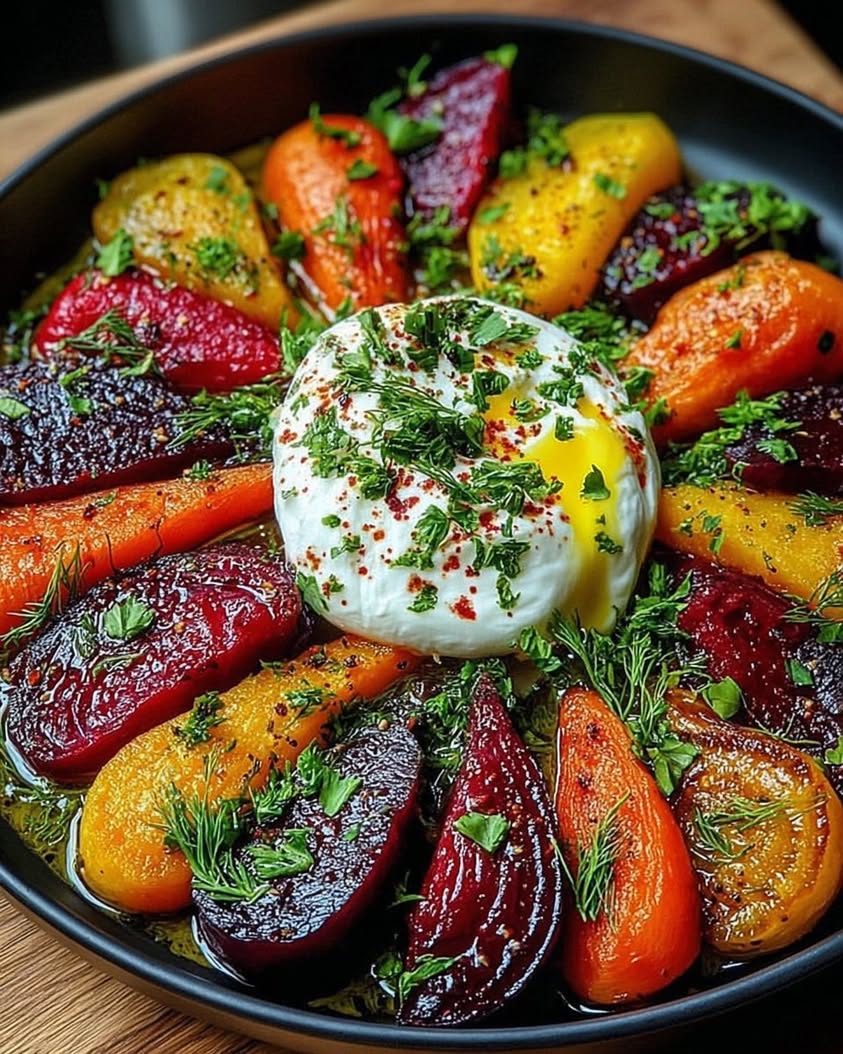
Imagine serving this stunning dish at your next gathering. Your guests will be immediately drawn to the deep ruby reds and bright orange hues on the plate. Then, as they dig in, they discover the creamy center of the burrata, which spreads over the warm vegetables. Similarly, the simple vinaigrette dressing, often made with balsamic or a light herb oil, ties everything together without overpowering the natural flavors. This Vibrant Roasted Beets & Carrots with Creamy Burrata Salad is a testament to how easy it is to create something beautiful and deeply satisfying.
Quick Recipe Highlights
- Flavor Profile: This dish balances the sweet, earthy flavor of roasted beets and carrots with the rich, milky, and slightly tangy taste of fresh burrata cheese. A touch of balsamic or lemon adds a bright finish.
- Texture: You will experience a wonderful contrast of textures. The vegetables are tender yet firm after roasting, while the burrata is silky and creamy. A final sprinkle of toasted nuts or seeds adds a welcome crunch.
- Aroma: The aroma is deeply comforting and savory. Roasting concentrates the natural sugars, creating a caramelized scent. The fresh basil or thyme adds an herby, fragrant note that lifts the entire dish.
- Visual Appeal: This salad is a visual stunner. The jewel-toned beets and orange carrots are arranged beautifully, often creating a colorful gradient. The creamy white burrata sits in the center, creating a focal point that is both elegant and appetizing.
- Skill Level Needed: This recipe is excellent for beginners. The techniques are basic roasting and assembly. As long as you can chop vegetables and set a timer, you can create this impressive side dish with confidence.
- Special Equipment: You will need a sharp knife for cutting the root vegetables, a baking sheet for roasting, and a serving platter. A small bowl for the vinaigrette is also helpful. No specialty tools are required.
Recipe Overview
- Difficulty Level: I rate this as an Easy recipe because the steps are very straightforward. You simply toss the vegetables in oil and roast them. There is no complicated technique, no last-minute fussing, and you can easily prepare the dressing ahead of time. This makes it perfect for busy cooks.
- Category: This dish falls into the side dish or salad category. It is hearty enough to stand alone as a light lunch if paired with crusty bread. However, it truly shines as a stunning accompaniment to roasted chicken, grilled steak, or a festive holiday roast.
- Cuisine: The recipe has roots in modern American and Italian-inspired cooking. The use of fresh burrata is distinctly Italian, while the technique of roasting root vegetables is a classic winter preparation. This combination reflects a contemporary, global approach to simple, high-quality ingredients.
- Cost: This is a very cost-effective recipe. Beets and carrots are among the most affordable fresh vegetables year-round. High-quality burrata is the one splurge, but it is still reasonable for a special treat. Overall, you can feed four people for under fifteen dollars.
- Season: This dish is perfect for fall and winter. During these months, root vegetables are at their peak sweetness and flavor. The warm, roasted nature of the salad is also comforting on cold days. Yet, you can easily make it year-round with great success.
- Occasion: This versatile salad is suitable for many occasions. It is elegant enough for Thanksgiving, Christmas, or a dinner party. At the same time, it is simple enough for a Sunday family dinner or a healthy weeknight meal. It always feels special.
Why You’ll Love This Recipe
First and foremost, you will love the incredible taste and texture combination. The sweetness of the roasted beets and carrots is incredibly satisfying. When you take a bite, the warm vegetable yields to the creamy, almost liquid center of the burrata cheese. This temperature and texture contrast is what makes the dish so memorable. The creaminess of the cheese cuts through the sweetness of the vegetables. Then, the fresh herbs and a simple vinaigrette add a bright, acidic finish that balances the entire dish. Every single bite is a rich and satisfying experience.
Furthermore, the convenience of this recipe cannot be overstated. You can do the bulk of the work well in advance. You can peel and chop the vegetables a day ahead and store them in the refrigerator. The dressing can also be made ahead. Then, when you are ready to eat, you simply roast the vegetables and let them cool slightly. Finally, you assemble the salad in just a few minutes. This makes it an incredibly practical choice for entertaining because you are not stuck in the kitchen while your guests are enjoying themselves. Instead, you can relax and enjoy the meal with everyone else.
Moreover, this Vibrant Roasted Beets & Carrots with Creamy Burrata Salad offers significant nutritional advantages. Beets are packed with antioxidants and are great for heart health. Carrots are an excellent source of Vitamin A and fiber. The burrata provides a good amount of protein and calcium, though it is rich, so a little goes a long way. Consequently, this dish is not just a treat for your taste buds; it is also a smart choice for your body. It transforms a classic healthy vegetable side into a more filling and satisfying dish without heavy, unhealthy ingredients.
Additionally, this recipe has fantastic social and entertaining value. When you bring this salad to the table, people notice it immediately. The vibrant colors and the dramatic presentation of the whole burrata ball make it a conversation starter. It looks like something from a high-end restaurant. Your guests will be impressed by your culinary skills. Furthermore, because it looks so special, it elevates the entire meal. You can serve it as part of a larger buffet or as a plated side course. It is a guaranteed crowd-pleaser that makes you look like a star in the kitchen.
Finally, this recipe is incredibly cost-effective and accessible. You do not need to buy expensive, exotic ingredients. The core ingredients are beets, carrots, olive oil, and cheese. These are all items you can find at any local grocery store for a low price. This means you can create a restaurant-quality side dish on a tight budget. You also do not need any special equipment. A simple sheet pan and your oven are all you need. Consequently, this recipe removes the barriers to creating something truly impressive. It proves that high-impact cooking does not have to be difficult or expensive.
Historical Background and Cultural Significance
The origin of this specific recipe is modern, but its components have ancient histories. Beets have been cultivated for thousands of years, originally grown for their greens. The Romans were among the first to cultivate them for their roots. Carrots, similarly, have a long history, first grown in Persia and Central Asia. They were originally purple or yellow. The orange carrot we know today was developed in the Netherlands in the 17th century. Therefore, a dish combining these two ancient root vegetables connects us directly to millennia of agricultural history.
Burrata cheese has a more specific and romantic history. It was first created in the early 20th century in the Apulia region of Italy. Farmers created it as a way to use leftover mozzarella scraps. They would stretch the curds and fill them with cream and stracciatella. The name burrata means buttered in Italian, which perfectly describes its rich, buttery interior. For a long time, burrata was a regional secret. Today, it has become a global sensation, celebrated for its luxurious texture and simple, milky flavor.
The evolution of this recipe reflects a broader trend in modern cooking. Chefs and home cooks have moved away from complex, heavily sauced dishes. Instead, they now focus on highlighting the natural flavors of high-quality ingredients. This recipe is a perfect example. It takes simple, earthy vegetables and creamy cheese. It then uses very little intervention to let those flavors shine. The technique of roasting root vegetables to concentrate their sweetness is a classic modern approach. Pairing that with a creamy, fresh cheese has become a staple of contemporary cuisine.
Regional variations of this dish are abundant and interesting. In the American South, you might find roasted beets with a tangy buttermilk dressing. In France, they often roast carrots with a little honey and serve them with fresh goat cheese. In the Middle East, you might see roasted carrots and beets with a tahini dressing and pine nuts. This recipe borrows from the Italian tradition by using burrata. However, it also brings in the universal love for roasted vegetables. As a result, the dish feels both global and comforting, adaptable to many different culinary traditions.
Ingredient Deep Dive
Beets: Beets have a rich history in many cultures, from ancient Greece to medieval Europe. They are often associated with strength and vitality. Nutritionally, beets are a powerhouse. They are rich in folate, manganese, potassium, and fiber. They are also famous for betalains, which are powerful antioxidants that give them their deep red color. When selecting beets, look for firm, smooth-skinned ones with fresh, unwilted greens attached, as this is a sign of freshness. You should store them in a plastic bag in the refrigerator, where they will keep for several weeks. If you want a substitution, golden beets offer a milder, less earthy flavor and will not bleed onto other ingredients.
Carrots: Carrots have been cultivated for over 5,000 years, with their earliest known uses in Afghanistan. They are a staple in almost every cuisine globally. Their nutritional profile is outstanding. They are one of the best sources of beta-carotene, which your body converts into Vitamin A for eye health. They also provide fiber, Vitamin K1, and potassium. For the best carrots, look for firm, bright orange ones with smooth skin and no cracks. You should remove their green tops before storing them in a crisper drawer, as the tops pull moisture from the root. You can substitute parsnips for a different, sweeter flavor or use rainbow carrots for a more colorful presentation.
Burrata Cheese: Burrata is a fresh Italian cheese hailing from the Apulia region. It is a special occasion ingredient, symbolizing simplicity and indulgence. Nutritionally, it is high in fat and calories, but it also provides protein and calcium. Because it is a fresh cheese, it is best eaten the day you buy it. When selecting burrata, look for a ball that feels slightly firm but gives a little with pressure. The exterior should be white and smooth. You should store it in its own liquid in the refrigerator and consume it within 24 to 48 hours for the best taste and texture. For a substitute, fresh mozzarella is the closest option, though it lacks the creamy center. You can also use a good quality ricotta.
Olive Oil: Olive oil is the foundation of Mediterranean cooking. It has been used for thousands of years, from ancient Greece to modern Italy. It is a key source of heart-healthy monounsaturated fats and antioxidants. For this recipe, a good quality extra virgin olive oil is important because you will taste it in the dressing. You should look for a bottle with a harvest date and a dark glass bottle to protect it from light. Store it in a cool, dark cabinet, not near the stove. Avoid using strong, peppery oils that might overpower the delicate vegetables and cheese. A mild to medium intensity oil works perfectly here.
Balsamic Vinegar: Balsamic vinegar originates from Modena, Italy, where it has been produced for centuries using a traditional method of aging grape must. It adds a necessary acidic balance to the rich flavors in this salad. It is very low in calories and contains some antioxidants. For a salad like this, you do not need the expensive, decades-aged balsamic. A good quality, moderately priced balsamic provides the perfect sweet-tart flavor. You should store it in a cool, dark place, where it will last for years. If you do not have balsamic, you can substitute it with a good red wine vinegar or a squeeze of fresh lemon juice for a brighter taste.
Common Mistakes to Avoid
- Not peeling the beets and carrots properly. The skins of beets and carrots can be tough and bitter after roasting. You should take the time to peel them thoroughly. Use a vegetable peeler for carrots and a paring knife for beets, as their shape is more irregular.
- Cutting the vegetables into uneven sizes. Uneven pieces will not roast evenly. Some will burn while others remain raw. You should cut your carrots and beets into similar-sized cubes or wedges to ensure consistent cooking. For carrots, cutting them on a bias is a good technique.
- Roasting the vegetables at too low a temperature. A low temperature will steam the vegetables instead of roasting them. You need a hot oven, typically between 400 and 425 degrees F. This high heat is essential for caramelizing the natural sugars and creating those delicious, browned edges.
- Overcrowding the baking sheet. If your vegetables are too crowded, they will steam rather than roast. They need space around them for the hot air to circulate. Use a large, rimmed baking sheet and spread the vegetables in a single layer. If you need to, use two sheets.
- Not letting the roasted vegetables cool slightly before adding the burrata. If you add the burrata to piping hot vegetables, the cheese will melt completely into a puddle. You want it to soften slightly but remain intact. Let the vegetables rest for ten minutes after roasting before assembling the salad.
- Using low-quality burrata. Burrata is the star of this show. A poor-quality burrata can be rubbery or bland. You should splurge on the best brand you can find. Look for one imported from Italy and check the expiration date to ensure it is very fresh.
- Dressing the salad too early. If you dress the vegetables while they are still very hot, they will absorb too much dressing and become soggy. Similarly, you should not dress the salad hours in advance. Toss the vegetables in a little vinaigrette just before serving and add the burrata on top.
- Skipping the fresh herbs. A sprinkle of fresh herbs like basil, thyme, or parsley is not just a garnish. It adds a layer of freshness and aroma that balances the rich, earthy flavors. Do not skip this step. A final touch of fresh herbs makes the dish complete.
- Forgetting to season the vegetables. Vegetables need salt to bring out their flavor. You should season them generously before roasting. A sprinkle of flaky sea salt right after they come out of the oven is also highly recommended. Proper seasoning is the key to flavor.
- Serving the dish cold. This salad is best served at room temperature or just slightly warm. The warm vegetables and the cool burrata need to be in balance. If you serve it directly from the refrigerator, the flavors will be muted and the texture less pleasant.
Essential Techniques
Roasting for Maximum Sweetness: Roasting is the most important technique in this recipe. When you roast root vegetables at a high heat, their natural sugars caramelize. This creates a deep, complex sweetness that simply cannot be achieved by boiling or steaming. The high heat also creates those beautiful, browned edges which add texture and flavor. To master this technique, you must ensure your vegetables are dry before tossing them in oil. Any moisture will create steam and prevent caramelization. You should also toss them halfway through cooking to ensure even browning.
Handling Root Vegetables: Properly preparing your beets and carrots is crucial. Beets can be messy. Their juice can stain your hands and cutting board. You should wear gloves if you are concerned about staining. Using a stainless steel knife can also help prevent discoloration. You must also make sure to cut the vegetables into uniform pieces. This is the key to even cooking. For beets, it is often easier to cut them in half or quarters depending on their size. For carrots, you can cut them into large diagonal slices or chunks. Consistency is your goal.
Assembling the Salad: The assembly of this salad is as important as the cooking. You want to create a beautiful presentation. First, arrange the warm roasted vegetables on a platter in an even layer. Then, you will place the ball of burrata in the center. You should tear the burrata open gently with your hands just before serving. This allows the creamy center to spill out and mingle with the vegetables. Finally, you will drizzle the vinaigrette and sprinkle fresh herbs over the entire dish. This order ensures that every component is in its rightful place.
Making the Vinaigrette: A simple vinaigrette is the perfect finishing touch. It provides the acid that balances the richness. A basic vinaigrette follows a ratio of three parts oil to one part acid. In this case, you might use extra virgin olive oil and balsamic vinegar. You should whisk them together vigorously until they are emulsified. A pinch of salt and pepper is essential. You can also add a small amount of Dijon mustard or honey to the vinaigrette. This helps with emulsification and adds another layer of flavor.
Pro Tips for Perfect Vibrant Roasted Beets & Carrots with Creamy Burrata Salad
Use separate baking sheets for your beets and carrots if you want to avoid the beets from staining the lighter carrots. This is an easy way to keep the colors pure and vibrant.
Do not toss your vegetables with too much oil. A thin, even coating is all you need. Excess oil can make them soggy. Use your hands to toss them in a bowl with the oil and seasonings for the best coverage.
Add a few sprigs of fresh thyme or rosemary to your baking sheet before roasting. The herbs will infuse the vegetables with a subtle, savory aroma that complements their sweetness beautifully.
If you want to add a bit of crunch to this creamy dish, top it with toasted walnuts, pecans, or pumpkin seeds. You can toast them in a dry pan for a few minutes until they are fragrant just before serving.
For a deeper flavor in your vinaigrette, use a high-quality aged balsamic vinegar. It will add a syrupy, sweet-tart note that is wonderful with the earthy vegetables. You can also add a splash of pomegranate molasses.
Always remove your burrata from the refrigerator about 20 to 30 minutes before serving. This takes the chill off it. A cold burrata will not have the same creamy, flowing texture as one that has come to room temperature.
Variations and Adaptations
Regional Variations: This recipe is highly adaptable to different cuisines. For a French twist, you can substitute the burrata with fresh goat cheese. Then, add a drizzle of honey and a sprinkle of fresh thyme. For a Middle Eastern version, swap the balsamic for a lemon-tahini dressing and top with sumac and pine nuts. You can also add a sprinkle of zaatar spice to the vegetables before roasting. These simple changes create entirely new flavor profiles while keeping the core concept the same.
Seasonal Adaptations: While beets and carrots are available year-round, you can adapt this recipe for other seasons. In the spring, you can roast asparagus and radishes alongside the carrots and serve them with burrata. In the summer, you can use fresh peaches or nectarines with burrata and a balsamic glaze. In the fall, you can incorporate roasted butternut squash or sweet potatoes. This versatility makes it a fantastic recipe to keep in your rotation throughout the year, always using what is freshest.
Dietary Modifications: This recipe can be easily modified for many diets. It is naturally gluten-free, but you should always check your vinegar to be sure. For a dairy-free adaptation, you can omit the burrata entirely and instead top the vegetables with a creamy cashew cheese or a dollop of dairy-free pesto. The roasted vegetables are delicious on their own. For a lower-fat option, you can use less oil for roasting and skip the cheese, but you will lose some of the signature creaminess of the original dish.
Flavor Variations: You can play with the flavor profile in many ways. Add a bit of heat by roasting the vegetables with some red pepper flakes. You can also add a pinch of smoked paprika or cumin for a warm, smoky note. For a sweeter version, you can toss the carrots in a little honey or maple syrup before roasting. For a more herb-forward version, you can make a chimichurri instead of a balsamic vinaigrette. The possibilities are endless, allowing you to customize the dish to your exact mood.
Texture Modifications: The texture of this salad is a large part of its appeal, but you can modify it. If you want a softer, more tender vegetable, you can boil them lightly before roasting. This can help if your vegetables are very large or if you are short on time. For a crunchier texture, you can roast the vegetables at a higher temperature for a shorter time. You can also add raw shaved vegetables, like shaved fennel or radish, on top of the roasted ones to add a fresh, crisp element.
Serving and Presentation Guide
Plating Techniques: For the most striking presentation, start with a large, shallow white platter. The white background makes the colors of the beets and carrots pop. Arrange the warm vegetables in an organic, overlapping pattern across the platter. Do not just dump them in a pile. Take a moment to spread them out. Then, place the whole ball of burrata in the center. This creates a focal point. You can also create small nests of rocket or arugula on the bottom first, which adds another layer of flavor and texture.
Garnishing Ideas: A beautiful garnish can elevate this dish. A sprinkle of flaky sea salt and freshly cracked black pepper is a must. Then, top with fresh herbs like micro basil, chives, or a few leaves of purple basil for color. A drizzle of a thick, aged balsamic glaze adds elegance and a concentrated flavor punch. You can also add a few edible flowers, like nasturtiums or pansies, for a truly special occasion. These small touches make a big visual impact.
Traditional Accompaniments: This salad pairs wonderfully with many main courses. It is a classic side for roasted chicken, grilled lamb chops, or a perfectly cooked steak. It also works beautifully with baked fish, like salmon or cod. For a vegetarian meal, serve it alongside a hearty grain salad or a bowl of warm lentils. It can even be part of a larger antipasti platter. The rich, creamy, and earthy flavors are versatile enough to complement a wide range of foods.
Temperature Considerations: The ideal serving temperature for this dish is room temperature or slightly warm. You should let the roasted vegetables cool for at least ten to fifteen minutes after they come out of the oven. This allows them to set and prevents the burrata from melting too quickly. The burrata itself should not be ice cold. Bringing it to room temperature ensures it will be soft and creamy. The contrast between the warm vegetables and the cool, but not cold, cheese is the perfect balance.
Wine and Beverage Pairing
Wine Pairings: The earthy sweetness of the beets and carrots and the creamy richness of the burrata call for a wine that can handle both. A crisp, unoaked Sauvignon Blanc is an excellent choice. Its bright acidity cuts through the creaminess of the cheese and complements the vegetables. A dry Rosé, particularly from Provence, also works beautifully with its light fruitiness and refreshing finish. For red wine lovers, a light-bodied Pinot Noir or a Gamay is a great option, offering red fruit flavors that do not overpower the dish.
Non-Alcoholic Alternatives: There are many wonderful non-alcoholic pairings. A sparkling water with a splash of elderflower cordial is elegant and refreshing. The floral notes of the elderflower complement the root vegetables. A good quality sparkling apple cider or a non-alcoholic wine from a brand like Fre or Gruvi also works well. The key is to have something with a bit of acidity and bubbles to refresh the palate between bites of the rich cheese.
Temperature and Serving Suggestions: All wines should be served slightly chilled. White wines and Rosé should be cold but not icy, about 45 to 50 degrees F. Light reds like Pinot Noir benefit from a slight chill as well, around 55 to 60 degrees F. This helps keep them refreshing. You should pour the wine in clean, well-rinsed glasses. For non-alcoholic options, serve them over ice in a beautiful highball glass with a slice of citrus or a sprig of mint for a special presentation.
Storage and Shelf Life
Storage Methods: This salad is best enjoyed immediately after assembly. However, you can store the components separately. Store the roasted vegetables in an airtight container in the refrigerator for up to four days. You should store the burrata separately in its original liquid or in a container covered with plastic wrap. Store the vinaigrette in a separate small jar or container. Never store the assembled salad, as the burrata will make the vegetables soggy and the burrata itself will lose its shape.
Reheating Instructions: To reheat the roasted vegetables, the oven is your best friend. Spread them on a baking sheet and warm them at 350 degrees F for about five to ten minutes. This will restore some of their crisp edges. You can also reheat them in a hot skillet with a little olive oil. Avoid using the microwave, as it will make them rubbery and steamy. Once the vegetables are warm, allow them to cool to room temperature before proceeding with the assembly and adding the fresh burrata.
Freezing Guidelines: Freezing this dish is not recommended. The texture of roasted vegetables becomes mushy and watery after thawing. The burrata cheese will break down and become grainy and unpleasant. If you have an abundance of vegetables, you can freeze the raw, peeled, and chopped beets and carrots for up to three months. Then, you can roast them directly from frozen. However, the completed salad is something that should always be enjoyed fresh for the best quality and texture.
Make Ahead Strategies
Prep Timeline: You can easily prep this dish in advance. Up to two days before serving, you can peel and chop your beets and carrots. Store them in separate airtight containers in the refrigerator. You can also make the vinaigrette up to a week in advance and store it in the refrigerator. On the day of serving, you simply need to roast the vegetables and assemble the salad. This strategy reduces your active cooking time to almost zero on the day of the event.
Quality Impact Assessment: Prepping the vegetables ahead of time has a very low impact on quality. They will stay crisp in the refrigerator for a day or two. However, the dressing might separate after being refrigerated. You simply need to bring it to room temperature and shake or whisk it vigorously to re-emulsify it. Roasting the vegetables a few hours before serving is also fine. You can roast them, let them cool, and then reheat them on a sheet pan for a few minutes before serving. The flavor will deepen and become even better.
Assembly Tips: The final assembly should happen just before serving. Do not add the dressing or the burrata to the vegetables more than fifteen minutes before you plan to eat. If you are making this for a party, you can have all the components ready. Arrange the warm vegetables on the platter. Then, keep the burrata and dressing on the side. Just before your guests sit down, add the burrata to the center and drizzle the dressing. This ensures the dish looks and tastes its absolute best.
Scaling Instructions
Halving the Recipe: This recipe is very easy to halve. You will use about two medium beets and two medium carrots for a half recipe. The cooking time will remain roughly the same, but you should check the vegetables a few minutes earlier. The baking sheet will not be as full, so the vegetables might cook a little faster. You will also use one ball of burrata. If the burrata is very large, you can use half of it. The vinaigrette can be halved easily as well.
Doubling or Tripling: Doubling or tripling this recipe for a crowd is simple. The main challenge is baking space. You will need to use two or even three baking sheets. It is crucial not to overcrowd the pans. Place the racks in the upper and lower thirds of your oven. Then, you might need to swap the pans and rotate them halfway through cooking. The cooking time will be about the same, but you should check for doneness earlier. Use one large ball of burrata or two smaller balls for a doubled recipe.
Equipment Adjustments: When scaling up, your equipment needs change. You need more baking sheets. You also need a larger mixing bowl to toss the vegetables in oil. You might need a larger platter or even two platters for serving. If you do not have enough sheet pans, you can borrow from a neighbor or use disposable aluminum pans in a pinch. Ensure you have enough refrigerator space to store the prepped vegetables and the extra bottles of dressing.
Nutritional Deep Dive
Macro Breakdown: This dish provides a good balance of macronutrients. The majority of the calories come from the olive oil and the burrata, which are sources of healthy fats. The beets and carrots provide complex carbohydrates and fiber. The burrata also contributes a significant amount of protein. A single serving typically contains around 300 to 400 calories, depending on how much oil and cheese you use. This makes it a substantial side dish that can be part of a balanced meal without being overly heavy.
Micronutrient Analysis: This salad is a powerhouse of micronutrients. Beets are rich in folate, manganese, and potassium. Carrots are an incredible source of Vitamin A in the form of beta-carotene. The olive oil provides Vitamin E, a powerful antioxidant. The burrata contributes calcium and phosphorus for bone health. Together, these ingredients provide a wide range of vitamins and minerals that support everything from eye health to immune function.
Health Benefits: The health benefits of this dish are substantial. The antioxidants in beets, called betalains, are known for their anti-inflammatory properties. They can also support liver function. The fiber in both beets and carrots promotes healthy digestion and helps you feel full and satisfied. The healthy monounsaturated fats from the olive oil are great for heart health. This fresh, whole-food-based salad is a much healthier choice than many processed or cream-based side dishes.
Dietary Adaptations
Gluten-Free: This recipe is naturally gluten-free in its base form. All of the core ingredients, beets, carrots, olive oil, vinegar, and burrata, are gluten-free. However, you should be very careful about cross-contamination. Always check the labels on your vinegar and any added spices, as some brands may use additives that contain gluten. If you buy pre-roasted nuts for garnish, you must ensure they are not coated in any wheat-based seasoning.
Vegan: To make this recipe vegan, you will need to replace the burrata. There are many excellent vegan cheese alternatives on the market now. You can find a cashew-based cheese that mimics the creaminess of burrata. Alternatively, you can make a simple vegan ricotta by blending soaked cashews with lemon juice, nutritional yeast, and garlic. The roasted vegetables themselves are vegan, so you only need to focus on the cheese substitute to make this dish completely plant-based.
Low-Carb: This dish is naturally low in carbohydrates. Beets and carrots do contain more sugar than some other vegetables, but the net carb count is still relatively low for a serving of vegetables. If you are on a strict keto diet, you can moderate your portion size. You can also replace half of the carrots with lower-carb vegetables like cauliflower or radishes. The healthy fats from the olive oil and burrata make this a very satisfying and keto-friendly side dish.
Troubleshooting Guide
Texture Issues: If your vegetables are soggy instead of caramelized, your oven temperature might be too low. You need a hot oven, at least 400 degrees F. You might have also overcrowded the pan. This traps steam and prevents browning. If they Print
Vibrant Roasted Beets & Carrots with Creamy Burrata Salad
- Total Time: 45 minutes
- Yield: 4
Description
This colorful salad features sweet roasted beets and carrots, paired with creamy burrata cheese, fresh herbs, and a tangy balsamic glaze. Perfect as a starter or a light main course.
Ingredients
- 4 medium beets, peeled and cut into wedges
- 4 large carrots, peeled and cut into sticks
- 2 tablespoons olive oil
- 1 teaspoon salt
- 1/2 teaspoon black pepper
- 1 teaspoon dried thyme
- 8 ounces burrata cheese
- 2 tablespoons balsamic glaze
- 1/4 cup fresh basil leaves, torn
- 1/4 cup fresh mint leaves, torn
- 1/4 cup toasted pine nuts
- Mixed salad greens (optional)
Instructions
- Preheat oven to 400°F (200°C). Line a baking sheet with parchment paper.
- In a bowl, toss beets and carrots with olive oil, salt, pepper, and thyme until well coated.
- Spread vegetables in a single layer on the prepared baking sheet. Roast for 25-30 minutes, flipping halfway, until tender and caramelized.
- Remove from oven and let cool slightly.
- Arrange roasted vegetables on a serving platter. Tear burrata into pieces and place on top.
- Drizzle with balsamic glaze, sprinkle with fresh basil, mint, and toasted pine nuts. Serve immediately.
Notes
You can customize the seasonings to taste. Add a handful of arugula or mixed greens for extra freshness.
- Prep Time: 15 minutes
- Cook Time: 30 minutes
- Method: Main
- Cuisine: American