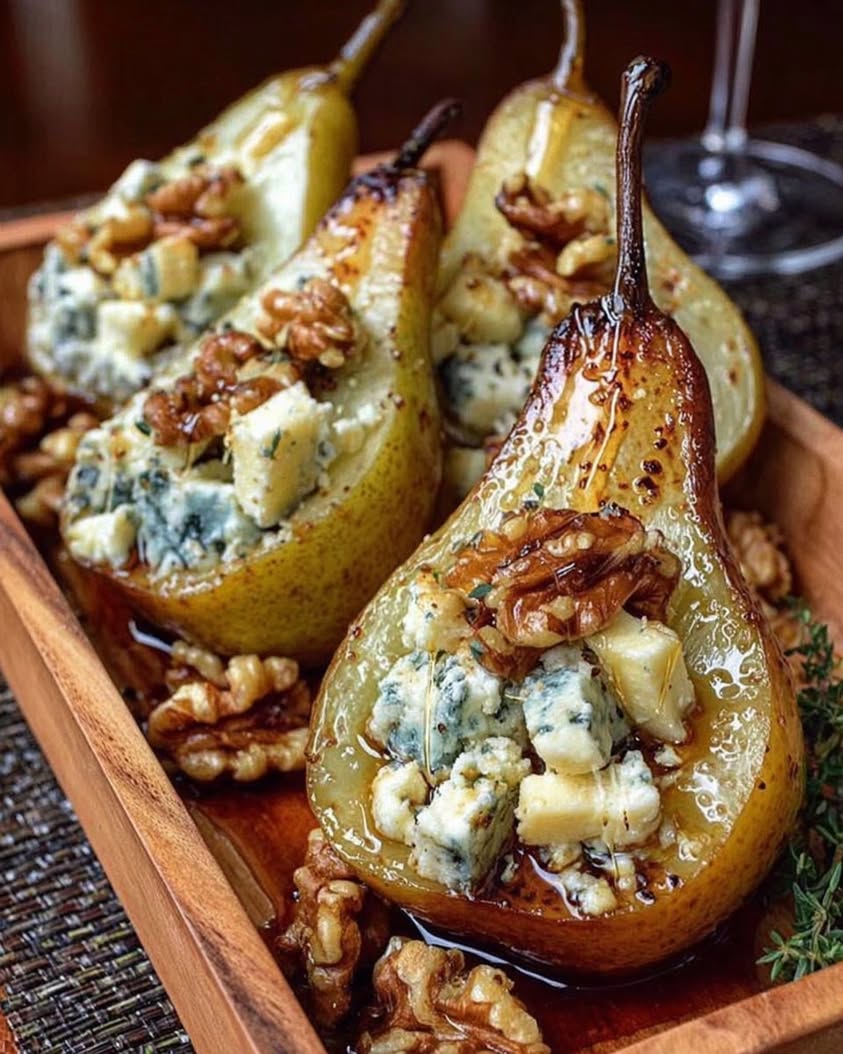
Roasted Pears with Blue Cheese and Walnuts: A Perfect Autumn Dessert
This roasted pears with blue cheese and walnuts recipe transforms simple fall fruit into an elegant dessert that feels both sophisticated and approachable. You will discover how the natural sweetness of ripe pears intensifies during roasting, creating a caramelized exterior that pairs beautifully with the salty, tangy kick of blue cheese. The toasted walnuts add a satisfying crunch, making every bite a delightful contrast of textures and flavors. Whether you are hosting a dinner party or craving a cozy night in, this dish delivers restaurant-quality results without demanding hours in the kitchen. The combination of warm, tender pears with creamy, pungent cheese and nutty walnuts creates a balance that surprises and delights the palate. You do not need any special culinary training to master this recipe, which makes it perfect for cooks of all skill levels. Moreover, the ingredients are simple and readily available at any grocery store. This roasted pears with blue cheese and walnuts recipe is a wonderful way to showcase seasonal produce while impressing your guests with minimal effort. The aroma alone, a mix of cinnamon, honey, and roasting fruit, will fill your home with the comforting essence of autumn. Once you try this dish, you will find yourself coming back to it again and again.
What makes this roasted pears with blue cheese and walnuts dish truly special is its versatility. You can serve it as a light dessert after a heavy meal, a sweet appetizer before the main course, or even a unique brunch offering. The pears soften beautifully in the oven, becoming almost jammy in texture, while the blue cheese melts slightly, creating a creamy sauce that coats each slice. Walnuts bring a earthiness that grounds the sweetness, and a drizzle of honey ties everything together. This recipe celebrates the best of fall flavors, capturing the essence of the harvest season in every forkful. As you bite into a warm pear, you will taste the subtle spice of cinnamon and the floral notes of honey, followed by the bold, savory punch of blue cheese. The crunch of walnuts provides the perfect finish, leaving you satisfied without feeling overly full. This dish is also incredibly forgiving, meaning you can adjust the sweetness or cheese intensity to match your preferences. For a dairy-free option, you can substitute the blue cheese with a vegan alternative, though the flavor profile will shift slightly. The beauty of this recipe lies in its simplicity and the quality of its core components.
Quick Recipe Highlights
- Flavor Profile: The sweetness of roasted pears mingles with the sharp, salty notes of blue cheese, while honey adds a floral sweetness and cinnamon provides warmth. Walnuts introduce a nutty, slightly bitter edge that balances the overall taste.
- Texture: Tender, melt-in-your-mouth pears contrast with the creamy, crumbly blue cheese and the crunchy, toasted walnuts. The honey creates a light, sticky glaze that adds a pleasant tackiness to the dish.
- Aroma: Cinnamon and honey perfume the air as the pears roast, releasing a sweet, spiced fragrance. The blue cheese adds a pungent, earthy note, while walnuts contribute a toasty scent.
- Visual Appeal: Golden-brown pears with glossy honey glaze sit alongside crumbles of white and blue cheese and toasted walnut pieces. A sprinkle of fresh thyme adds vibrant green dots against the warm tones.
- Skill Level Needed: This recipe is perfect for beginners since it requires only basic knife skills and an oven. You simply halve the pears, mix a few ingredients, and roast until tender. No complex techniques are necessary.
- Special Equipment: A sharp chef knife, a cutting board, a baking dish, and a small bowl for the honey mixture are all you need. A microplane or zester is optional for grating fresh nutmeg.
Recipe Overview
- Difficulty Level: I rated this recipe as easy because the steps are straightforward and the ingredients are minimal. You do not need to monitor the pears constantly, and the oven does most of the work. Even if you are new to cooking, you will find this recipe approachable and forgiving. The only potential challenge is choosing ripe pears, but a simple squeeze test solves that.
- Category: This dish fits perfectly as a dessert, appetizer, or even a brunch item. It works well for a light finish to a holiday meal or as a starter for a fall dinner party. You can also serve it alongside a salad for a unique lunch option.
- Cuisine: The combination of fruit and cheese is classic in French and Italian cooking, while the use of honey and walnuts reflects Middle Eastern influences. This recipe draws on these traditions to create a fusion that feels both familiar and innovative. The warm spices like cinnamon and nutmeg are staples in European baking, adding a comforting touch.
- Cost: The total cost for this recipe is moderate, with pears being the most affordable component. Blue cheese can be pricey, but a small wedge goes a long way. Walnuts are generally inexpensive, and honey and spices are pantry staples. Expect to spend around ten to fifteen dollars total.
- Season: Autumn is the ideal time for this recipe when pears are at their peak ripeness and sweetness. The flavors of cinnamon and honey evoke the cozy feeling of fall. You can make it in winter too, using slightly firmer pears that hold up well during roasting.
- Occasion: This dish shines at Thanksgiving, Christmas, or any holiday gathering. It is also perfect for a romantic dinner at home or a fall-themed dinner party. For a casual occasion, serve it with vanilla ice cream for an extra treat.
Why You Will Love This Recipe
The taste and texture appeal of this roasted pears with blue cheese and walnuts dish is undeniable. As soon as you take a bite, you experience a burst of warm, honeyed pear that is both comforting and luxurious. The blue cheese cuts through the sweetness with its sharp, salty profile, creating a savory contrast that keeps you wanting more. Walnuts add a pleasant crunch that breaks up the softness of the fruit and the creaminess of the cheese. This interplay of flavors and textures makes every forkful exciting and satisfying. You will love how the ingredients complement each other without overpowering one another. The dish feels indulgent yet light, making it perfect after a heavy meal. Even people who are not typically fans of blue cheese enjoy this preparation because the roasting mellows its intensity. The sweetness of the pears and honey offsets the cheese’s pungency beautifully.
Convenience and preparation benefits make this recipe a winner for busy home cooks. You can prep the pears in just ten minutes, and the oven handles the rest. This hands-off cooking time allows you to prepare other dishes or simply relax while dinner cooks. The cleanup is minimal since you only use one baking dish and a few utensils. You can also make the honey mixture ahead of time and store it in the fridge for up to a week. When you are ready to serve, just halve the pears, pour the mixture over them, and roast. This efficiency does not compromise the final result at all. The pears come out perfectly tender and caramelized every time. You will appreciate how little effort it takes to create such an impressive dish. It is the kind of recipe that makes you look like a pro in the kitchen with almost zero stress.
Nutritional advantages are another reason to love this roasted pears with blue cheese and walnuts recipe. Pears are an excellent source of dietary fiber, which aids digestion and promotes feelings of fullness. They also contain vitamin C and antioxidants that support immune health. Blue cheese provides calcium for strong bones and protein for muscle repair, though it is also high in sodium and fat, so moderation is key. Walnuts are rich in omega-3 fatty acids, which are beneficial for heart health and brain function. A serving of this dish offers a balanced mix of carbohydrates, healthy fats, and protein. It is a dessert that you can feel good about eating, especially compared to sugary, processed options. The natural sweetness of pears and honey means you do not need refined sugar. This recipe fits well into a balanced diet and can even be part of a weight management plan when portioned properly.
Social and entertaining value makes this dish a star at any gathering. When you bring out a platter of roasted pears with blue cheese and walnuts, your guests will be impressed by the elegant presentation. It looks like something from a fine dining restaurant, yet you made it with simple ingredients. The conversation starter is the unexpected pairing of fruit and cheese, which always sparks interest. You can serve it as a shared appetizer or individual plates, depending on your style. The dish also pairs wonderfully with wine, making it a sophisticated choice for dinner parties. Guests will compliment your culinary skills and ask for the recipe. This dish creates a memorable experience that enhances any gathering. It is also a great option for holiday buffets where people can serve themselves. The warm, comforting flavors invite conversation and connection.
Cost-effectiveness and accessibility are practical benefits that should not be overlooked. Pears are one of the most affordable fruits, especially when they are in season. A single pear costs less than a dollar, and you only need two for four servings. Blue cheese is available at most grocery stores, and you can buy a small wedge for around five dollars. Walnuts are also budget-friendly and can be found in bulk bins. The remaining ingredients, honey, cinnamon, and nutmeg, are pantry staples that you likely already have. This means you can create an elegant dessert without a trip to a specialty store or spending a lot of money. The recipe also helps reduce food waste by using ripe pears that might otherwise go to waste. You can even substitute ingredients based on what you have on hand, like using pecans instead of walnuts. This flexibility makes the recipe truly accessible to everyone.
Historical Background and Cultural Significance
The origin story of pairing fruit with cheese dates back thousands of years to ancient Rome and Greece. People in those civilizations recognized that the sweetness of ripe fruit balanced the saltiness of aged cheese. This tradition spread across Europe, evolving into regional specialties like French pear and Roquefort combinations. In medieval times, fruit and cheese were often served at the end of a meal to aid digestion. The concept of roasting fruit, especially pears, became popular in European monasteries where monks developed simple, wholesome recipes. They used honey as a sweetener because sugar was expensive and rare. Walnuts were abundant in many regions, making them a natural addition. This historical context shows that roasted pears with blue cheese and walnuts is not just a modern trend but a time-honored pairing. The recipe connects us to centuries of culinary wisdom and tradition.
Cultural importance varies across different regions. In France, the combination of pears and Roquefort cheese is a classic pairing often served as a cheese course. The French appreciate the balance of sweet and savory, and they serve it with crusty bread and a glass of Sauternes. In Italy, pears are frequently paired with Gorgonzola, a creamy blue cheese from the Lombardy region. This combination appears in salads, pasta dishes, and desserts. Italians also use walnuts extensively in their cuisine, adding them to pestos, baked goods, and cheese plates. In the Middle East, honey and walnuts are a traditional pairing, often found in pastries like baklava. The addition of pears brings a fresh, fruity element to this classic duo. Each culture has contributed its own twist, but the core concept remains the same. This recipe celebrates the universal appeal of combining sweet fruit, savory cheese, and nutty crunch.
The evolution of the recipe reflects changes in ingredient availability and cooking technology. In earlier times, pears were often poached or baked in a hearth, a method that required careful monitoring. With the advent of modern ovens, roasting became easier and more consistent. Honey was once a luxury item reserved for the wealthy, but now it is widely available and affordable. Blue cheese also became more accessible as refrigeration improved and global trade expanded. The addition of spices like cinnamon and nutmeg became common during the Age of Exploration when these spices were imported from Asia. Today, we benefit from a global pantry that allows us to recreate traditional dishes with ease. The recipe has also adapted to dietary trends, with vegan and dairy-free versions emerging in recent years. This evolution shows how a simple dish can remain relevant across generations.
Regional variations highlight the creativity of home cooks and chefs around the world. In the United States, people often add a drizzle of balsamic reduction for extra tanginess. Some versions include dried cranberries or figs for additional sweetness and texture. In the United Kingdom, Stilton cheese is a popular substitute for blue cheese, offering a creamier, less pungent flavor. The British also serve roasted pears with a dollop of clotted cream or crème fraîche. In Scandinavia, a similar dish uses lingonberries or cloudberries instead of honey, adding a tart, floral note. Walnuts are sometimes replaced with hazelnuts or almonds, depending on what grows locally. In Spain, people use Cabrales cheese, a strong blue cheese from the Asturias region, and pair it with membrillo, a quince paste. These variations demonstrate the versatility of the core idea. You can experiment with different cheeses, nuts, and sweeteners to create your own signature version.
Ingredient Deep Dive
Pears have a rich cultural significance, symbolizing prosperity and health in many Asian cultures. In China, the pear is a symbol of immortality and good fortune. In Western art, pears often represent sensuality and abundance. Nutritionally, pears are an excellent source of dietary fiber, especially if you eat the skin. They contain vitamin C, vitamin K, and copper, which supports immune function. Pears also have antioxidants that help reduce inflammation and protect against chronic disease. When selecting pears for roasting, choose ones that are ripe but still firm. They should yield slightly to gentle pressure near the stem, similar to a ripe avocado. Avoid pears that are bruised, overly soft, or have wrinkled skin. Store unripe pears at room temperature, and they will ripen within a few days. Ripe pears should be refrigerated and used within three to five days. Bosc pears are ideal for roasting because they hold their shape well. You can also use Anjou or Bartlett varieties, though they may become softer. For a substitution, you can use apples, but the flavor and texture will differ.
Blue cheese has a storied history that dates back to ancient times when caves were used for aging cheese. The blue veins are actually mold cultures, specifically Penicillium roqueforti, which give the cheese its distinctive flavor. Nutritionally, blue cheese is rich in calcium, protein, and phosphorus, but it is also high in sodium and saturated fat. It contains beneficial probiotics that support gut health, though the amount varies by brand. When selecting blue cheese, look for a wedge that is creamy but not overly moist. The veins should be evenly distributed, and the cheese should smell pungent but not ammoniated. Avoid cheese that is dry, cracked, or has a slimy rind. Store blue cheese wrapped in wax paper or parchment paper inside a loosely sealed plastic bag. It will keep in the refrigerator for up to three weeks. Roquefort, Gorgonzola, and Stilton are all excellent choices for this recipe. Gorgonzola is milder and creamier, while Roquefort is more intense and salty. For a milder flavor, you can use a dairy-free blue cheese alternative, though the texture will differ.
Walnuts have been cultivated for thousands of years, originating in the Mediterranean region and Central Asia. They hold cultural significance in many societies, often symbolizing wisdom and fertility. Nutritionally, walnuts are one of the best plant sources of omega-3 fatty acids, particularly alpha-linolenic acid. They also provide antioxidants, vitamin E, and minerals like magnesium and copper. Regular consumption of walnuts is linked to improved heart health and brain function. When selecting walnuts, choose ones that are plump and have a uniform color. Avoid walnuts that look shriveled, have an oily sheen, or smell rancid. Store walnuts in an airtight container in the refrigerator or freezer to prevent them from going rancid. Toasting walnuts enhances their flavor and crunch, making them a perfect addition to this dish. You can substitute pecans, almonds, or hazelnuts if you prefer. Keep in mind that different nuts will alter the flavor profile slightly, but the dish will still be delicious.
Common Mistakes to Avoid
- Using overripe pears is a common mistake because they become mushy and lose their shape during roasting. Always choose pears that are ripe but still firm to the touch. Bosc pears are a reliable choice for holding up under heat.
- Not coring the pears properly can lead to a bitter taste and an unpleasant texture. Use a melon baller or small spoon to remove the seeds and the tough central core completely.
- Skipping the toasting step for walnuts results in a softer, less flavorful nut. Toast walnuts in a dry skillet over medium heat for two to three minutes until they become fragrant and slightly darker.
- Using too much honey makes the dish overly sweet and masks the delicate flavor of the pears. Start with two tablespoons and adjust to your taste preference.
- Overcooking the pears causes them to fall apart and become mushy. Check for doneness after 20 minutes by piercing a pear with a fork, which should meet slight resistance.
- Not preheating the oven leads to uneven cooking and a longer roasting time. Always preheat your oven to 375 degrees Fahrenheit before you begin.
- Serving the dish cold is a missed opportunity because the flavors shine when the pears are still warm. Serve immediately after roasting for the best experience.
- Cutting the pears into uneven halves results in inconsistent cooking times. Slice them in half lengthwise, ensuring each piece is roughly the same size.
- Forgetting to grease the baking dish can cause the honey to stick and burn. Lightly oil the dish or line it with parchment paper for easy cleanup.
- Adding the blue cheese at the beginning of roasting causes it to melt completely and lose its distinct texture. Add the cheese during the last five minutes of cooking so it softens but does not fully melt.
Essential Techniques
Roasting is the primary technique in this recipe, and it is important to master because it transforms the pears from crisp to tender while concentrating their natural sugars. Roasting at a moderate temperature, around 375 degrees Fahrenheit, allows the pears to cook evenly without burning. The heat caramelizes the honey and natural fruit sugars, creating a beautiful golden glaze. To master roasting, ensure your pears are arranged in a single layer in the baking dish. Do not crowd them, as this traps steam and prevents caramelization. Common pitfalls include roasting at too high a temperature, which burns the honey, or too low, which makes the pears watery. Visual cues for success include a golden-brown color on the cut sides and a fork that slides in easily with slight resistance. The edges of the pears should look slightly wrinkled, indicating moisture loss and concentration of flavor.
Toasting walnuts is another essential technique that enhances their flavor and texture. Toasting releases the natural oils in the nuts, bringing out a rich, nutty aroma and a satisfying crunch. It also reduces any bitterness, making the walnuts more palatable. To master this technique, place the walnuts in a dry skillet over medium heat. Stir them frequently for two to three minutes until they become fragrant and slightly darker. Be careful because nuts burn quickly, and burnt nuts taste bitter and unpleasant. Remove them from the skillet immediately to stop the cooking process. Visual cues for success include a deepened color and a glossy appearance from the released oils. The nuts should also feel warm to the touch and smell distinctly toasty. You can also toast walnuts in the oven at 350 degrees Fahrenheit for five to seven minutes, but watch them closely. This technique is simple but makes a noticeable difference in the final dish.
Pro Tips for Perfect Roasted Pears with Blue Cheese and Walnuts
For the best results, choose Bosc pears because they hold their shape better than other varieties during roasting. Their firm texture and slightly spicy flavor pair perfectly with the other ingredients. If you cannot find Bosc pears, Anjou pears are a good alternative, but check them after 20 minutes.
Use a good quality honey that complements the dish without overpowering it. Wildflower honey offers a floral note, while orange blossom honey adds a citrusy brightness. Avoid strongly flavored honeys like buckwheat, which can compete with the blue cheese.
Let the blue cheese come to room temperature before adding it to the pears. This step ensures it softens more evenly and creates a creamier texture. Cold cheese does not melt as well and may stay in hard chunks.
Toast the walnuts just before you serve the dish to maintain their crunch. Toasted nuts lose their texture quickly if they sit out for too long. If you need to toast them ahead of time, store them in an airtight container.
Drizzle the honey mixture over the pears just before roasting, not earlier. If you let the pears sit with the honey for too long, they will release excess moisture and become soggy. Apply the mixture right before they go into the oven.
Grate fresh nutmeg over the finished dish for an extra layer of warmth and aroma. Pre-ground nutmeg loses its potency quickly and does not provide the same depth of flavor. A microplane makes quick work of this step.
Serve the pears on individual plates or a shared platter, and garnish with fresh thyme leaves. The thyme adds a subtle herbal note that cuts through the richness of the cheese. Do not skip this garnish because it elevates the presentation.
Double the recipe if you are serving a large crowd, but use two baking dishes to avoid overcrowding. Overcrowding traps steam and prevents the pears from caramelizing properly. Space them out for the best results.
Variations and Adaptations
Regional variations of this dish are plentiful and offer exciting ways to customize it. In the French style, you can substitute Roquefort cheese and add a drizzle of walnut oil for extra nuttiness. The French also serve this with a side of mixed greens dressed in a light vinaigrette. In the Italian version, use Gorgonzola dolce, which is sweeter and creamier, and add a splash of balsamic vinegar before serving. This version pairs wonderfully with a glass of Moscato dAsti. For a Middle Eastern twist, replace the honey with date syrup and add a sprinkle of sumac or zaatar. The earthy, tangy flavors of these spices complement the sweetness of the pears and the richness of the cheese. Each regional variation respects the core concept while introducing unique local ingredients.
Seasonal adaptations allow you to enjoy this recipe throughout the year. In spring, replace the pears with halved apples or quince, which are in season and hold up well to roasting. Use a light honey and add a hint of fresh ginger for a bright, zesty note. In summer, you can use stone fruits like peaches or nectarines, but reduce the roasting time because they are more delicate. A dollop of mascarpone cheese adds a creamy, cooling element that balances the heat. In winter, add a splash of bourbon or whiskey to the honey mixture for a warm, boozy kick. The alcohol burns off during roasting, leaving behind a rich, complex flavor. You can also incorporate dried fruits like figs or dates for added sweetness and texture.
Dietary modifications make this recipe accessible to everyone. For a dairy-free version, use a vegan blue cheese alternative made from cashews or almonds. These alternatives have improved significantly in recent years and melt similarly to dairy cheese. For a vegan option, substitute the honey with maple syrup or agave nectar to keep the dish plant-based. The flavor profile changes slightly but remains delicious. For a low-carb version, reduce the amount of honey or use a sugar-free alternative like monk fruit syrup. Pears themselves contain natural sugars, so this dish will never be strictly low-carb, but the modifications can lower the carb count. For a paleo-friendly version, ensure all ingredients are whole foods and avoid processed blue cheese. Pair the pears with a simple unprocessed cheese like feta or goat cheese if needed.
Serving and Presentation Guide
Plating techniques can elevate this simple dish into a work of art. For individual servings, place one roasted pear half on each plate, cut side up. Spoon any remaining honey glaze from the baking dish over the pear. Crumble the blue cheese artfully over the top, and finish with a sprinkle of toasted walnuts. A small dollop of crème fraîche or Greek yogurt adds a beautiful white contrast and a tangy flavor. For a shared platter, arrange the pear halves in a circular pattern, with the cheese and walnuts scattered evenly. This presentation works well for family-style meals and encourages guests to serve themselves. Garnish with fresh thyme leaves or a light dusting of cinnamon for visual interest. Keep the plating simple to let the natural beauty of the ingredients shine.
Temperature considerations are crucial for the best experience. Serve the pears warm, straight from the oven, while the cheese is still soft and the honey glaze is sticky. If the dish sits too long, the cheese will firm up, and the pears will lose their warmth. If you need to prepare ahead of time, reheat the pears gently in a 300-degree Fahrenheit oven for five to seven minutes. Portion control tips include serving one pear half per person for a light dessert or two halves for a heartier appetizer. The dish is relatively light, so guests may want a larger portion if it is the main dessert. Pair it with a small scoop of vanilla ice cream or a dollop of whipped cream for a more indulgent treat. The creaminess of the ice cream complements the warm pears beautifully.
Wine and Beverage Pairing
Wine pairings for this roasted pears with blue cheese and walnuts dish focus on balancing sweetness and acidity. A late-harvest Riesling offers a beautiful contrast with its honeyed sweetness and bright acidity. The sweetness complements the honey in the dish, while the acidity cuts through the richness of the cheese. A Sauternes from Bordeaux is a classic choice, with its complex flavors of apricot, honey, and spice. This wine elevates the dish to a luxurious level, perfect for special occasions. For a lighter option, a Moscato dAsti provides gentle bubbles and a fruity sweetness that mirrors the pears. The bubbles cleanse the palate between bites. If you prefer red wine, choose a Pinot Noir with low tannins and fruity notes of cherry and raspberry. The fruitiness of the wine complements the pears without overpowering them.
Non-alcoholic alternatives are equally satisfying. A sparkling apple cider offers a crisp, refreshing contrast to the warm pears and creamy cheese. The effervescence cleanses the palate and prepares it for the next bite. A spiced chai tea latte, made with cinnamon, cardamom, and ginger, echoes the warm spices in the dish. The creamy milk in the latte soothes the palate and complements the blue cheese. For a simple option, a cup of hot apple cider with a cinnamon stick provides a cozy, aromatic pairing. The natural sweetness of the cider matches the honey glazed pears perfectly. Temperature considerations include serving beverages chilled or at room temperature. A cold cider or wine contrasts nicely with the warm pears, while a warm tea creates a comforting, unified experience. Serve the beverage in appropriate glassware to enhance the presentation.
Storage and Shelf Life
Proper storage methods ensure you can enjoy leftovers without sacrificing quality. Transfer any leftover roasted pears to an airtight container and store them in the refrigerator. They will keep for up to three days, though the texture will soften over time. The blue cheese can be stored separately in the refrigerator, wrapped in wax paper, and placed in a loosely sealed bag. Walnuts should be kept in a separate airtight container at room temperature or in the refrigerator. Temperature requirements are straightforward, as all components require refrigeration except for the walnuts. Do not leave the finished dish at room temperature for more than two hours, especially if you are serving it at a party. Discard any leftovers that have been sitting out longer than that.
Reheating instructions are simple. Preheat your oven to 300 degrees Fahrenheit and place the pears on a baking sheet. Heat for five to seven minutes until they are warmed through. Avoid using a microwave because it will make the pears mushy and cause the cheese to become rubbery. If you are reheating only a single serving, a toaster oven works well for this purpose. Signs of spoilage include a sour smell from the cheese, mold that is not part of the blue cheese, or a slimy texture on the pears. If the honey glaze has crystallized or looks separated, it is still safe to eat but may not taste as good. freezing guidelines indicate that this dish is not ideal for freezing because the pears will become overly soft and watery upon thawing. The blue cheese also changes texture after freezing, becoming crumbly and less creamy. It is best to make this dish fresh and enjoy it immediately.
Make Ahead Strategies
Prep timeline strategies help you plan ahead for a dinner party. You can wash and halve the pears up to two hours before roasting. Store the halved pears in a bowl of water with a splash of lemon juice to prevent browning. Drain them well before proceeding with the recipe. You can also mix the honey, cinnamon, and nutmeg in a small bowl and store it at room temperature for up to a week. Toast the walnuts up to three days in advance and store them in an airtight container. This advance preparation reduces the active cooking time to just ten minutes on the day of serving. Storage between steps requires keeping each component separate to maintain quality. The pears will oxidize if cut too far in advance, so limit the prepping window to a few hours.
Assembly tips include waiting to add the blue cheese until the last five minutes of roasting. If you assemble the dish completely ahead of time, the cheese will melt too much and become oily. When you are ready to serve, arrange the pears in the baking dish, pour the honey mixture over them, and roast as directed. During the final five minutes, add the cheese and walnuts. Reheating guidelines apply if you need to make the entire dish earlier in the day. Roast the pears as directed, but remove them from the oven two minutes before they are fully done. Let them cool completely, then refrigerate. Before serving, reheat them in a 300-degree Fahrenheit oven for eight to ten minutes. Add fresh walnuts and a sprinkle of fresh thyme just before serving to restore the crunch and visual appeal.
Scaling Instructions
Halving the recipe is straightforward since you simply use one pear instead of two, reduce the honey to one tablespoon, and use half the amount of cheese and walnuts. The baking time remains approximately the same, but check for doneness after 18 minutes. You may need to use a smaller baking dish to ensure the honey does not spread too thin and burn. The reduced amount of honey also means less glaze, so you might want to brush it on carefully. This version is perfect for a single-serving dessert or a small treat for two. Equipment adjustments are minimal since you only need a smaller dish. Timing modifications are minor, but keep an eye on the pears because they may cook slightly faster in a smaller dish where heat is concentrated.
Doubling or tripling the recipe is equally easy because the ratios remain the same. Use four or six pears and double or triple the honey, cheese, and walnuts accordingly. The key adjustment is to use a larger baking dish or two separate dishes to avoid overcrowding. Overcrowding causes the pears to steam instead of roast, resulting in a softer texture and less caramelization. If you use two dishes, place them on separate oven racks and rotate them halfway through the cooking time. Timing modifications may include adding two to three extra minutes because the larger quantity of food takes longer to heat through. Storage considerations become more important with larger batches, so plan to serve the dish immediately or refrigerate leftovers promptly. This recipe scales beautifully, making it a great choice for holiday gatherings or potluck dinners.
Nutritional Deep Dive
The macro breakdown of this roasted pears with blue cheese and walnuts dish shows a balanced profile. Each serving, based on one pear half, provides approximately 200 to 250 calories. Carbohydrates come primarily from the pears and honey, offering around 30 grams of carbs per serving. Protein content is modest, with about 6 grams from the blue cheese and walnuts. Fat content is around 12 grams, mostly from the cheese and walnuts, which are sources of healthy unsaturated fats. Fiber is a standout nutrient, with approximately 5 grams per serving, thanks to the pears skin and flesh. This fiber content supports digestive health and helps regulate blood sugar levels. The dish is relatively low in saturated fat, especially if you choose a lower-fat blue cheese option.
Micronutrient analysis reveals valuable vitamins and minerals. Pears provide vitamin C, which supports immune function and skin health. They also contain vitamin K, which is important for blood clotting and bone health. Blue cheese offers calcium for strong bones and teeth, along with phosphorus for energy production. Walnuts are rich in copper, which supports red blood cell formation, and magnesium, which helps with muscle function and sleep. The dish also provides small amounts of iron and zinc. Health benefits of the ingredients include anti-inflammatory properties from the walnuts and antioxidants from the pears and honey. The omega-3 fatty acids in walnuts are linked to reduced risk of heart disease and improved cognitive function. This dish is a smart choice for a dessert because it offers actual nutritional value beyond just empty calories.
Dietary Adaptations
For a gluten-free version, this recipe is already suitable since none of the ingredients contain gluten. However, always check the labels on your blue cheese to ensure it has not been aged in a facility that processes wheat. Some blue cheeses are washed with beer or other gluten-containing liquids, so read the label carefully. The dish is naturally free of wheat, barley, and rye. For a dairy-free adaptation, substitute the blue cheese with a Print
Roasted Pears with Blue Cheese and Walnuts
- Total Time: 45 minutes
- Yield: 4
Description
A delightful balance of sweet roasted pears, tangy blue cheese, and crunchy walnuts – perfect as an appetizer or light dessert.
Ingredients
- 4 ripe but firm pears (such as Bosc or Anjou)
- 2 tablespoons unsalted butter, melted
- 2 tablespoons honey
- 1/4 teaspoon salt
- 1/8 teaspoon black pepper
- 1/2 cup crumbled blue cheese
- 1/3 cup walnut halves, toasted and roughly chopped
- 2 tablespoons balsamic glaze (optional, for drizzling)
Instructions
- Preheat the oven to 375°F (190°C). Line a baking sheet with parchment paper.
- Cut pears in half lengthwise and use a melon baller or small spoon to core them, creating a small hollow.
- In a small bowl, whisk together melted butter, honey, salt, and pepper. Brush the mixture over the cut sides of the pears.
- Place pears cut side up on the prepared baking sheet. Roast for 20–25 minutes until tender and lightly caramelized.
- Remove from the oven and sprinkle blue cheese and chopped walnuts into the hollow of each pear half.
- Return to the oven and bake for an additional 5 minutes until the cheese softens.
- Drizzle with balsamic glaze if desired, and serve warm.
Notes
You can customize the seasonings to taste.
- Prep Time: 15 minutes
- Cook Time: 30 minutes
- Method: Appetizer
- Cuisine: American