Lemon Pecorino Crusted Chicken with Creamy Lemon Sauce Recipe: A Bright and Crunchy Dinner Delight
Imagine a weeknight dinner that feels both indulgent and effortless. This Lemon Pecorino Crusted Chicken with Creamy Lemon Sauce Recipe delivers a golden, crunchy crust paired with a silky, bright sauce. You get a restaurant-quality meal without spending hours in the kitchen. The combination of salty pecorino cheese and zesty lemon creates a flavor profile that wakes up your taste buds. Every bite offers a satisfying crunch from the crust followed by the smooth richness of the cream sauce. It is a dish that feels special enough for guests but simple enough for a busy Tuesday.
The secret to this recipe lies in its balance. The pecorino crust provides a nutty, salty crunch that contrasts beautifully with the tender chicken. Then the creamy lemon sauce ties everything together with a tangy, velvety finish. As the chicken bakes, your kitchen fills with the warm aroma of cheese and citrus. The sight of the golden-brown crust against the pale sauce is genuinely appetizing. This Lemon Pecorino Crusted Chicken with Creamy Lemon Sauce Recipe quickly becomes a family favorite because it offers comfort without heaviness. You will appreciate how the bright lemon cuts through the richness of the cheese and cream.
This recipe works wonderfully for cooks of all skill levels. The steps are straightforward, and the ingredients are easy to find at any grocery store. You do not need any special culinary training to achieve impressive results. The dish comes together in about 40 minutes from start to finish. That makes it an excellent choice for a satisfying dinner after a long day. Serve it alongside a simple salad or roasted vegetables for a complete meal. The versatility of this Lemon Pecorino Crusted Chicken with Creamy Lemon Sauce Recipe means you can adapt it to your preferences with ease.
Quick Recipe Highlights
- Flavor Profile: This dish delivers a bright and savory experience. The salty pecorino cheese pairs perfectly with the sharp, fresh lemon juice. You taste the tangy citrus first, followed by the rich, nutty cheese. The creamy sauce adds a subtle sweetness that balances the acidity.
- Texture: The chicken offers a delightful contrast of textures. The crust provides a crispy, golden crunch that gives way to juicy, tender meat. The sauce is smooth and velvety, coating each bite with luscious creaminess.
- Aroma: As the chicken bakes, your kitchen fills with the warm scent of toasted cheese and fresh lemon zest. The nutty aroma of pecorino mingles with the bright, clean fragrance of citrus. You also pick up hints of garlic and black pepper from the crust mixture.
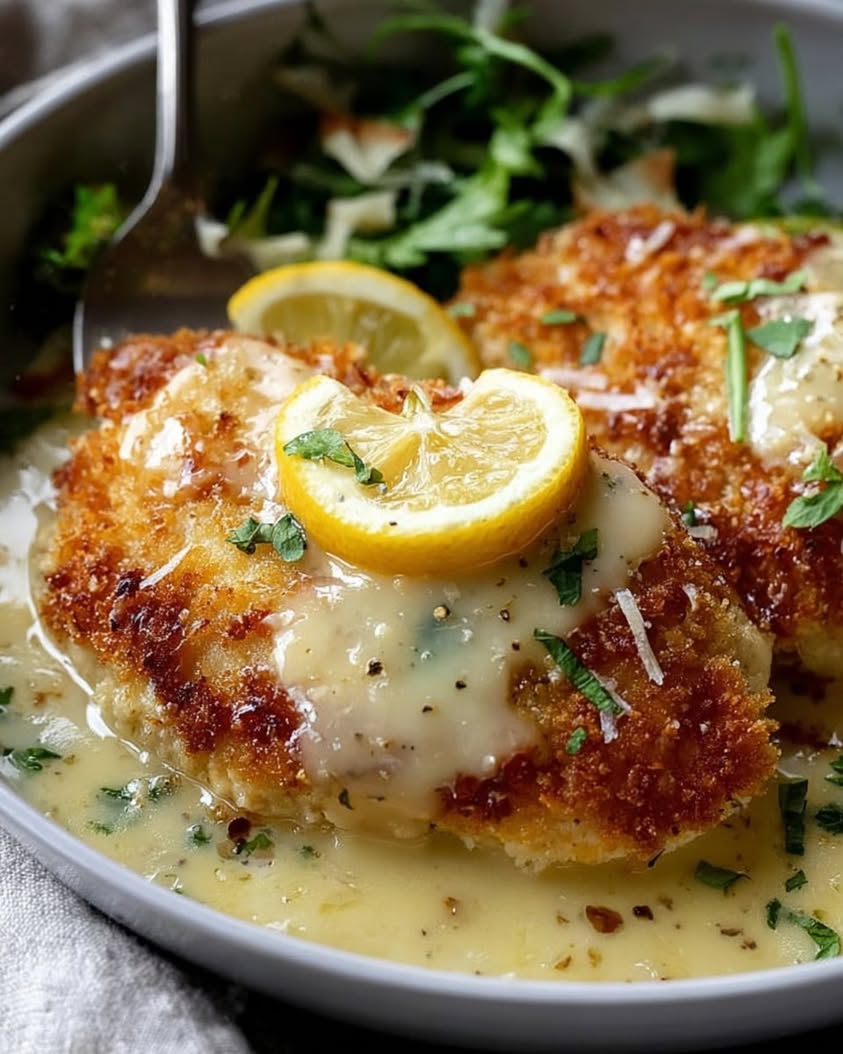
- Visual Appeal: The finished dish looks stunning on the plate. The chicken features a deep golden-brown crust with specks of green herbs. The creamy lemon sauce pools around the chicken in a pale yellow pool. A sprinkle of fresh parsley and lemon zest adds a pop of color.
- Skill Level Needed: This recipe is perfect for beginner and intermediate cooks. The techniques involve basic breading and pan-searing skills. You only need to monitor the chicken as it bakes to avoid overcooking. Anyone can master this dish with a little attention to detail.
- Special Equipment: You need a few basic kitchen tools for this recipe. A large oven-safe skillet works best for searing and baking. You also need a shallow dish for the breading mixture. A microplane or fine grater helps zest the lemons easily.
Recipe Overview
- Difficulty Level: This Lemon Pecorino Crusted Chicken with Creamy Lemon Sauce Recipe qualifies as easy. The techniques are straightforward and do not require advanced skills. You sear the chicken briefly before finishing it in the oven. The sauce comes together quickly while the chicken rests. Even novice cooks can achieve excellent results on the first try.
- Category: This dish fits into several meal categories beautifully. It works as a main course for a casual family dinner. You can also serve it as an impressive entree for a dinner party. The recipe belongs to the broader category of comfort food with a gourmet twist. It bridges the gap between everyday meals and special occasion dishes.
- Cuisine: This recipe draws inspiration from Italian culinary traditions. Pecorino Romano cheese is a staple of Roman and Sardinian cooking. The combination of lemon and cheese reflects the bright, simple flavors of Southern Italian cuisine. The technique of breading and baking chicken echoes classic Italian-American cooking. Yet the creamy lemon sauce adds a modern, restaurant-quality touch to the traditional preparation.
- Cost: This recipe is budget-friendly for most households. Chicken breasts are typically affordable, especially when bought in bulk. Pecorino Romano cheese costs more than some cheeses but a little goes a long way. Fresh lemons and cream are inexpensive pantry staples. The total cost for four servings usually falls under fifteen dollars. You likely already have most of the seasoning ingredients at home.
- Season: This Lemon Pecorino Crusted Chicken with Creamy Lemon Sauce Recipe shines best in spring and summer. Fresh lemons are at their peak during these seasons, offering the best flavor. The bright, citrusy notes complement warmer weather perfectly. However, the dish works well year-round because it provides a welcome burst of sunshine during colder months. It offers a lighter alternative to heavier winter meals.
- Occasion: This versatile recipe suits many different occasions. It works beautifully for weeknight dinners when you need something quick yet satisfying. The elegant presentation makes it suitable for date nights at home. You can serve it at casual gatherings with friends or family celebrations. It also works well for meal prep because the flavors hold up nicely over a few days.
Why You Will Love This Recipe
The taste and texture combination in this Lemon Pecorino Crusted Chicken with Creamy Lemon Sauce Recipe is absolutely compelling. You get the satisfying crunch of the pecorino crust with every forkful. That crust gives way to tender, juicy chicken that stays moist from the gentle baking process. Then the creamy lemon sauce adds a smooth, tangy element that brings everything together. The sauce is rich without being heavy, thanks to the bright lemon juice cutting through the cream. Each bite offers a complex layering of flavors and textures that keeps you coming back for more. The saltiness of the pecorino perfectly balances the acidity of the lemon, creating a harmonious taste experience.
The convenience and preparation benefits make this recipe a practical choice for busy home cooks. You only need about 15 minutes of active prep time before the oven does most of the work. The ingredient list is short and uses items you probably already have on hand. The cooking process involves simple techniques like breading and pan-searing that anyone can handle. The entire meal comes together in about 40 minutes, making it faster than ordering takeout. Cleanup is easy because you use just one skillet and a few bowls. This Lemon Pecorino Crusted Chicken with Creamy Lemon Sauce Recipe proves that you do not need complicated methods to create something delicious.
From a nutritional standpoint, this dish offers several advantages that make it a smart choice for balanced eating. Chicken breast provides a lean source of high-quality protein that supports muscle health and satiety. Pecorino cheese adds calcium and protein along with its bold flavor, though you use it sparingly in the crust. The lemon juice contributes vitamin C and antioxidants that support immune function. The cream sauce provides some fat that helps you absorb fat-soluble vitamins from accompanying vegetables. You can easily control the portion sizes to fit your dietary goals. This recipe allows you to enjoy a satisfying, flavorful meal without derailing your nutrition plan.
This Lemon Pecorino Crusted Chicken with Creamy Lemon Sauce Recipe also excels in social and entertaining value. The dish looks impressive enough to serve at a dinner party without requiring hours of preparation. Your guests will think you spent much more time than you actually did. The aroma that fills your kitchen creates anticipation and excitement around the meal. You can prepare the sauce ahead of time to reduce last-minute stress. The recipe scales easily if you need to feed a larger group. Serving this dish shows your guests that you care about quality without sacrificing your own enjoyment of the evening. It becomes a conversation starter as people ask for the recipe.
The cost-effectiveness and accessibility of this recipe make it a smart addition to your regular rotation. The ingredients are all available at standard grocery stores at reasonable prices. Chicken breasts frequently go on sale, allowing you to stock up and save money. Pecorino Romano costs less than many artisan cheeses while delivering intense flavor. Fresh lemons are one of the most affordable sources of bright, acidic flavor in cooking. You likely already have pantry staples like flour, salt, and pepper on hand. This recipe costs a fraction of what you would pay for a similar dish at a restaurant. The savings add up quickly when you make this a regular part of your meal planning.
Historical Background and Cultural Significance
The roots of breaded and baked chicken dishes stretch back centuries across many cultures. In Italy, the tradition of coating meat in cheese and breadcrumbs dates to the Renaissance period. Wealthy families would use aged cheeses like pecorino to create luxurious crusts on roasted meats. The technique served both practical and culinary purposes. The crust helped seal in moisture during cooking while adding flavor and texture. Peasant families adapted the method using whatever hard cheese they could afford, making the dish accessible to all social classes. The combination of affordable chicken with flavorful cheese became a staple in many Italian households.
Pecorino Romano cheese holds a special place in Italian culinary history. This cheese has been produced in the regions around Rome and Sardinia for over two thousand years. Ancient Roman soldiers received rations of pecorino as part of their daily provisions. The cheese provided essential protein and calcium that sustained them during long campaigns. The name pecorino comes from the Italian word pecora, meaning sheep. The cheese is made exclusively from sheep milk, which gives it a distinctively sharp and salty flavor. Its long aging process concentrates the flavor, allowing you to use less cheese while achieving maximum taste impact.
The creamy lemon sauce in this recipe reflects a more modern culinary innovation. French chefs began incorporating cream sauces into their repertoire during the 17th century. The combination of dairy with citrus became popular as trade routes brought lemons from Southern Italy and Sicily. Italian cooks adopted the technique, creating sauces that balanced richness with acidity. The marriage of pecorino crust with lemon cream sauce represents a fusion of Italian and French cooking traditions. This cross-cultural influence exemplifies how cuisines evolve through exchange and adaptation. Modern home cooks now benefit from centuries of culinary experimentation that produced this harmonious combination.
Regional variations of this dish appear throughout Italy and the Mediterranean region. In Sicily, cooks often add breadcrumbs made from day-old bread to stretch expensive ingredients further. Southern Italian versions might include capers or olives for additional briny flavor. The coastal regions near Amalfi are famous for their abundant lemon groves, and dishes there feature citrus more prominently. In Sardinia, where pecorino is a point of pride, the cheese crust might be thicker and more pronounced. American-Italian restaurants popularized the breaded chicken cutlet, though typically without the lemon sauce. This Lemon Pecorino Crusted Chicken with Creamy Lemon Sauce Recipe draws from these diverse traditions to create something familiar yet unique.
Ingredient Deep Dive
Pecorino Romano cheese stands as the star ingredient in this crust, bringing centuries of tradition to your plate. This sharp, salty cheese has been produced in Italy since ancient Roman times. Shepherds in the hills around Rome and Sardinia developed the technique of aging sheep milk cheese to preserve it through winter. The cheese develops a granular texture and intense flavor during its minimum five-month aging process. Nutritionally, pecorino provides significant calcium for bone health and protein for muscle maintenance. It also contains beneficial probiotics that support digestive health. When selecting pecorino, look for pieces with a pale straw color and a firm, slightly crumbly texture. Avoid cheese that appears cracked or overly dry. Store it wrapped in wax paper inside a loosely sealed plastic bag in the refrigerator. It will keep for several weeks under proper conditions. If you need a substitute, aged parmesan or grana padano work well, though they willalter the flavor profile slightly. Avoid pre-grated cheese because it contains anti-caking agents that prevent proper melting.
Lemons provide the bright, acidic backbone of both the crust and the creamy sauce. These citrus fruits originated in Asia and spread to the Mediterranean region through trade routes. Italian growers in Sicily and the Amalfi Coast perfected lemon cultivation, producing varieties prized for their aromatic zest and balanced juice. Lemons offer impressive nutritional benefits, including high levels of vitamin C that support immune function. The fruit also contains flavonoids that act as antioxidants, protecting cells from damage. When choosing lemons, look for ones that feel heavy for their size with smooth, bright yellow skin. Avoid lemons with soft spots or wrinkled skin. Store lemons at room temperature for up to a week or in the refrigerator for several weeks. For best results, zest the lemons before juicing because the oils in the zest contain the most flavor. Room temperature lemons yield more juice than cold ones. If you need a substitute, Meyer lemons offer a sweeter, less acidic option that works beautifully. Lime juice can replace lemon juice in a pinch, though it will change the overall flavor profile of the dish.
Chicken breast serves as the canvas for this flavorful crust and sauce. This lean cut of poultry became popular in American kitchens during the mid-20th century as health consciousness grew. Chicken breast provides an excellent source of complete protein with relatively little fat compared to darker cuts. It contains high levels of niacin and vitamin B6, which support energy metabolism and brain function. The neutral flavor of chicken breast allows the pecorino and lemon to shine without competition. When selecting chicken, look for breasts that are plump and evenly colored with no discoloration or strong odor. Organic and free-range options often have better texture and flavor. Store raw chicken in the coldest part of your refrigerator and use within two days of purchase. You can freeze chicken breasts for up to three months if wrapped properly. If you prefer a different protein, this recipe works well with turkey cutlets or thick fish fillets like cod or halibut. For a vegetarian option, thick slices of firm tofu or cauliflower steaks make excellent alternatives, though you will need to adjust cooking times.
Heavy cream provides the luxurious base for the creamy lemon sauce. This dairy product has been used in cooking for centuries across many cultures. French cuisine particularly elevated cream sauces to an art form during the 17th and 18th centuries. Heavy cream contains at least 36 percent milk fat, which gives it the ability to thicken and enrich sauces without curdling. It provides fat-soluble vitamins A, D, E, and K, along with calcium and phosphorus. When selecting heavy cream, look for brands that use minimal additives and stabilizers for the best flavor and texture. Check the expiration date carefully because cream spoils quickly. Store heavy cream in the coldest part of the refrigerator and use within a week of opening. For a lighter alternative, you can substitute half-and-half, though the sauce will be thinner and less rich. Coconut cream works well for a dairy-free version, though it will add a subtle coconut flavor. Avoid using milk because it lacks enough fat to create a properly emulsified sauce.
Common Mistakes to Avoid
- Overcooking the chicken is one of the most frequent errors with this recipe. Chicken breast can go from perfectly juicy to dry and tough in just a few minutes. Use an instant-read thermometer to check for doneness at 165 degrees Fahrenheit. Remove the chicken from the oven as soon as it reaches this temperature to preserve moisture.
- Using pre-shredded cheese for the crust leads to poor texture and flavor. Pre-shredded cheese contains anti-caking agents that prevent it from melting smoothly. These additives also dull the flavor compared to freshly grated cheese. Grate your own pecorino just before using for the best results.
- Skipping the step of pounding the chicken to even thickness creates uneven cooking. Thicker parts of the breast will be undercooked while thinner parts dry out. Use a meat mallet or rolling pin to flatten the chicken to about half an inch thickness. This simple step ensures even cooking throughout.
- Applying too much pressure when breading the chicken leads to a dense, heavy crust. The breading should adhere lightly to create a delicate, crispy texture. Gently press the mixture onto the chicken without compacting it. Shake off any excess breading before placing the chicken in the skillet.
- Overcrowding the skillet when searing the chicken prevents proper browning. The chicken needs space for hot air to circulate around each piece. Crowding causes the chicken to steam rather than sear, resulting in a soggy crust. Work in batches if necessary to maintain space between pieces.
- Adding the lemon juice too early in the sauce preparation causes it to taste harsh. Cooking lemon juice for too long can make it bitter and diminish its bright flavor. Add the lemon juice at the very end of the sauce preparation, just before serving. This preserves the fresh citrus taste.
- Using cold cream directly from the refrigerator can cause the sauce to separate. Cold cream when added to a hot pan can curdle and create a grainy texture. Let the cream come to room temperature for about 15 minutes before using. This helps the sauce emulsify smoothly.
- Neglecting to season the chicken before breading results in bland flavor. The crust cannot compensate for unseasoned meat beneath it. Season both sides of the chicken with salt and pepper before applying the breading mixture. This simple step dramatically improves the final taste.
- Failing to let the chicken rest after baking causes the juices to run out when cutting. Resting allows the meat fibers to relax and reabsorb the juices. Let the chicken rest for at least five minutes before slicing. This keeps the meat moist and tender.
- Making the sauce too thick or too thin ruins the overall dish balance. The sauce should coat the back of a spoon without being gloopy or watery. Add the cream gradually and whisk constantly to control the thickness. Adjust with a splash of chicken broth if the sauce becomes too thick.
Essential Techniques
Properly pounding the chicken to an even thickness is critical for successful results. This technique ensures that the chicken cooks uniformly, preventing dry spots and undercooked areas. Start by placing each chicken breast between two sheets of plastic wrap or parchment paper. Use the flat side of a meat mallet or a rolling pin to gently pound the chicken. Work from the center outward, applying even pressure until the breast reaches about half an inch thickness. The chicken should have a uniform thickness throughout with no obvious thick or thin spots. Avoid pounding too aggressively, which can tear the meat or create uneven thin patches. If the chicken tears, do not worry because the crust will seal it during cooking. This technique not only ensures even cooking but also tenderizes the meat slightly. The thinner pieces also cook faster, reducing the total cooking time for the recipe.
Creating the perfect pecorino crust requires attention to the breading process. Start by mixing the grated pecorino with breadcrumbs, lemon zest, garlic powder, and black pepper in a shallow dish. The ratio of cheese to breadcrumbs matters for achieving the right balance of flavor and texture. Too much cheese makes the crust greasy, while too little weakens the flavor impact. Set up a standard breading station with flour, beaten eggs, and the cheese mixture. Pat the chicken dry with paper towels before dredging in flour, then egg, then the cheese mixture. Press the coating gently onto the chicken to ensure it adheres without becoming compacted. Shake off any excess mixture between each step to avoid a thick, heavy crust. The flour helps the egg adhere, and the egg helps the cheese mixture stick to the chicken. This three-step process creates a crust that stays intact during cooking.
Mastering the pan-searing technique gives the crust its golden color and crispy texture. Heat a large oven-safe skillet over medium-high heat with a tablespoon of olive oil. The oil should shimmer but not smoke before adding the chicken. Place the breaded chicken in the skillet without crowding, leaving space between pieces. Cook for about three to four minutes on the first side until deep golden brown. The crust should release easily from the pan when it is ready to flip. If it sticks, give it another minute before trying again. Flip the chicken carefully using tongs to avoid disturbing the crust. Cook for another two to three minutes on the second side until golden. The chicken will not be fully cooked at this point, but the crust should be crispy and browned. Transfer the skillet directly to the preheated oven to finish cooking.
Pro Tips for Perfect Lemon Pecorino Crusted Chicken with Creamy Lemon Sauce Recipe
Use freshly grated pecorino Romano cheese for the crust rather than pre-shredded options. Pre-shredded cheese contains cellulose and anti-caking agents that prevent proper melting. Freshly grated cheese melts more evenly and creates a superior crust texture. The flavor intensity is also much higher with freshly grated cheese.
Zest the lemons before juicing them to capture the flavorful oils in the zest. The zest contains aromatic oils that provide intense lemon flavor without the acidity of the juice. Use a microplane or fine grater to remove only the yellow portion of the peel. Avoid the white pith underneath because it tastes bitter.
Let the breaded chicken rest for five minutes before searing to help the coating adhere better. This brief resting period allows the egg and flour to set slightly. The crust will stay on the chicken during cooking rather than sliding off. Patience at this stage pays off with a cleaner finished dish.
Use an instant-read thermometer to check the internal temperature of the chicken. The chicken is safe to eat at 165 degrees Fahrenheit, but it will continue cooking slightly after removal from the oven. Remove it from the oven at 160 degrees and let it rest to reach the safe temperature. This prevents overcooking and keeps the meat juicy.
Make the creamy lemon sauce while the chicken rests to ensure it is fresh and hot. The sauce takes only a few minutes to prepare, allowing you to serve everything together. Whisk constantly while adding the cream to prevent lumps from forming. Add the lemon juice at the very end for the brightest flavor.
Season the flour for the breading station with salt, pepper, and a pinch of garlic powder. This adds an extra layer of flavor that penetrates the chicken during cooking. Many cooks forget to season the flour, missing an opportunity to build flavor from the inside out.
Use a heavy-bottomed skillet for even heat distribution during the searing process. Cast iron or stainless steel skillets work particularly well for achieving a golden crust. Nonstick skillets can work but may not produce the same level of browning.
Garnish the finished dish with fresh parsley and additional lemon zest for color and freshness. The bright green parsley contrasts beautifully with the golden crust and pale sauce. A final sprinkle of lemon zest adds a burst of citrus aroma that enhances the overall experience.
Variations and Adaptations
Regional variations of this dish appear throughout Italy, each adding local ingredients and techniques. In Tuscany, cooks often include fresh herbs like rosemary and thyme in the breading mixture. The Calabrian version might add a pinch of red pepper flakes for subtle heat. In the coastal regions of Liguria, cooks incorporate pine nuts into the crust for added texture and nuttiness. The Piedmont region uses a combination of pecorino and truffle-infused butter for a luxurious twist. These regional adaptations demonstrate the versatility of the basic recipe and encourage experimentation.
Seasonal adaptations allow you to enjoy this dish throughout the year with fresh, local ingredients. In spring, serve the chicken with a side of asparagus or fresh peas. Summer calls for a bright tomato and basil salad alongside the chicken. Fall brings opportunities to pair the dish with roasted butternut squash or sauteed mushrooms. Winter versions work well with hearty greens like kale or Swiss chard. You can also adjust the herb content in the crust according to what is fresh and available. Fresh dill or tarragon makes a lovely addition in spring and summer.
Dietary modifications make this recipe accessible to people with various food restrictions. For a gluten-free version, substitute almond flour or gluten-free breadcrumbs in the crust mixture. A dairy-free adaptation requires using nutritional yeast in place of pecorino and coconut cream instead of heavy cream. To reduce carbohydrates, skip the breadcrumbs and use only grated pecorino for the crust. The keto-friendly version works well because the high-fat content keeps you satisfied. For a lower-calorie option, use half-and-half instead of heavy cream and reduce the cheese in the crust. These modifications maintain the essential character of the dish while accommodating different needs.
Flavor variations let you customize this Lemon Pecorino Crusted Chicken with Creamy Lemon Sauce Recipe to your taste preferences. Add a teaspoon of Dijon mustard to the creamy lemon sauce for extra depth and tang. Incorporate fresh herbs like basil, oregano, or thyme into the breading mixture for a more complex flavor profile. For a smoky twist, add smoked paprika to the crust mixture. A pinch of cayenne pepper introduces gentle heat that complements the creamy sauce. You can also experiment with different citrus fruits like orange or lime for a unique flavor combination.
Texture modifications offer ways to change the mouthfeel of the dish without altering the core recipe. For an extra crispy crust, use panko breadcrumbs instead of regular breadcrumbs. Toast the breadcrumbs lightly before mixing with the cheese for additional crunch. Adding finely chopped nuts like almonds or walnuts to the crust mixture creates textural contrast. For a softer crust, reduce the baking time slightly and skip the pan-searing step altogether. You can also broil the chicken for the last minute of cooking to create an extra-crispy top.
Presentation alternatives allow you to serve this dish in creative ways for different occasions. Slice the chicken and fan it over a bed of arugula for a beautiful salad presentation. Serve the chicken alongside pasta tossed in the extra creamy sauce for a heartier meal. Cut the chicken into strips and serve as an appetizer with the sauce for dipping. Plate individual portions on small boards or slate plates for a modern, rustic look. You can also serve the chicken whole on a large platter for family-style dining, allowing everyone to help themselves.
Serving and Presentation Guide
Plating techniques can elevate this simple dish into an impressive presentation. Start by spooning a generous amount of creamy lemon sauce onto the center of each plate. Place the chicken breast slightly off-center on top of the sauce, allowing it to pool around the edges. Slice the chicken on a slight bias for a more elegant appearance and to show off the juicy interior. Arrange the slices in a slight fan pattern for visual interest. The sauce should surround the chicken without completely covering the golden crust, preserving its visual appeal.
Garnishing ideas add the final touches that make the dish look professionally prepared. Fresh flat-leaf parsley provides a bright green contrast to the golden chicken and pale sauce. Sprinkle finely chopped parsley over the top just before serving. Additional lemon zest adds a burst of yellow color and a fresh citrus aroma. Thin lemon slices arranged on the plate reinforce the lemon theme. A pinch of flaky sea salt on top of the crust adds a final textural and flavor element. Edible flowers like nasturtiums or chive blossoms create an elegant presentation for special occasions.
Traditional accompaniments complement this dish beautifully without overwhelming the flavors. A simple arugula salad with lemon vinaigrette provides a peppery contrast to the rich chicken. Roasted asparagus or green beans offer a fresh, crunchy side dish. Garlic mashed potatoes or creamy polenta soak up the extra sauce deliciously. Crusty bread is essential for wiping the plate clean of every last drop of sauce. A side of sauteed spinach with garlic provides a nutritious, flavorful accompaniment that echoes the Italian theme.
Modern serving suggestions offer creative ways to present this dish for contemporary palates. Serve the chicken deconstructed with the sauce on the side for dipping. Create a bowl meal by serving the chicken over a bed of farro or quinoa with roasted vegetables. Use the chicken as a topping for a hearty grain bowl with avocado and cherry tomatoes. For a low-carb option, serve the chicken over zucchini noodles or cauliflower rice. The versatility of this dish adapts easily to current food trends while remaining satisfying.
Wine and Beverage Pairing
Wine pairings for this Lemon Pecorino Crusted Chicken with Creamy Lemon Sauce Recipe should complement the bright citrus and rich cheese elements. A crisp, unoaked Chardonnay works wonderfully because its acidity mirrors the lemon in the sauce. The wine should not have strong oak flavors that would compete with the pecorino. Italian whites like Vermentino or Falanghina offer mineral notes that pair beautifully with the cheese. A dry Riesling provides enough acidity to cut through the cream sauce without overwhelming the dish. For red wine lovers, a light-bodied Pinot Noir with its subtle fruit and low tannins works surprisingly well. Avoid heavily oaked or tannic wines that clash with the delicate flavors of this dish.
Non-alcoholic alternatives also pair wonderfully with this dish for those who prefer not to drink alcohol. A sparkling water with a squeeze of fresh lemon provides a refreshing palate cleanser between bites. Lemonade made with fresh lemons echoes the citrus theme of the sauce without competing with it. Herbal teas like chamomile or lemon verbena offer a soothing, aromatic accompaniment. A non-alcoholic sparkling wine or cider provides the celebratory feel of wine without the alcohol. Iced tea with a hint of mint offers a clean, refreshing contrast to the rich sauce.
Temperature considerations matter when serving beverages with this dish. White wines should be served chilled but not ice cold, around 45 to 50 degrees Fahrenheit. Overly cold wine numbs the taste buds and prevents you from appreciating the flavors. Red wine should be served slightly cool, around 55 to 60 degrees Fahrenheit, to keep the tannins in check. Non-alcoholic beverages should be served cold but not overly iced to avoid diluting flavors. Room temperature water is actually better for palate cleansing than ice water, which can shock the taste buds.
Storage and Shelf Life
Proper storage methods keep leftover Lemon Pecorino Crusted Chicken with Creamy Lemon Sauce Recipe fresh and safe to eat. Allow the chicken and sauce to cool completely before storing them separately. The crust will soften if stored with the sauce, so keep them in separate containers. Place the chicken in an airtight container lined with paper towels to absorb excess moisture. Store the sauce in a separate airtight container in the refrigerator. Both components will keep for three to four days when properly stored. Label your containers with the date to track freshness.
Temperature requirements are crucial for food safety with dairy-based dishes. The cooked chicken and sauce must be refrigerated within two hours of cooking. The refrigerator temperature should be at or below 40 degrees Fahrenheit. Do not leave the dish at room temperature for extended periods, especially in warm weather. If you are serving the dish at a party, use a warming tray or chafing dish to keep it at safe temperatures above 140 degrees Fahrenheit. Never store the food in the refrigerator while it is still warm, as this raises the internal temperature of the refrigerator and compromises food safety.
Container recommendations help maintain the quality of the leftovers. Glass containers with tight-fitting lids work best for both the chicken and sauce. Glass does not absorb odors or stain like plastic containers can. For the chicken, choose a container that is just large enough to hold the pieces without too much empty space. This minimizes air exposure that can dry out the chicken. For the sauce, a wide-mouthed jar or container makes reheating easier because you can scoop directly from the container. Avoid using metal containers for the sauce because the acid in the lemon can react with the metal, creating an off flavor.
Make Ahead Strategies
Prep timeline planning allows you to enjoy this Lemon Pecorino Crusted Chicken with Creamy Lemon Sauce Recipe with minimal last-minute effort. You can prepare the breading mixture up to three days in advance and store it in an airtight container. The lemon zest can be zested and stored in the refrigerator for up to a week. You can also pound the chicken breasts to even thickness and store them in the refrigerator for up to two days. On the day of serving, you simply need to bread and cook the chicken, which takes about 30 minutes total. This approach makes the recipe perfect for busy weeknights when time is limited.
Storage between steps requires careful planning to maintain food safety and quality. If you prepare the chicken in advance, keep it refrigerated until ready to bread and cook. Do not bread the chicken ahead of time because the breading will become soggy and fall off during cooking. The sauce can be made up to two days in advance and stored in the refrigerator. Reheat the sauce gently on the stovetop, whisking constantly, before serving. Fresh lemon juice should be added after reheating for the brightest flavor.
Reheating guidelines ensure that leftovers taste as good as the freshly prepared dish. The best method for reheating the chicken is in the oven at 350 degrees Fahrenheit for about 10 to 15 minutes. This method restores the crust crispiness better than the microwave. Place the chicken on a wire rack set over a baking sheet to allow air circulation. For the sauce, reheat it gently on the stovetop over low heat, whisking frequently. Add a splash of chicken broth or cream if the sauce has thickened too much during storage. Microwave reheating works in a pinch but will result in a softer crust and less vibrant sauce.
Scaling Instructions
Halving the recipe is straightforward for smaller households or reduced portions. Simply divide all ingredient quantities in half, being careful with the breading mixture. Use one egg and adjust the other ingredients proportionally. The cooking time remains about the same because the chicken should still be pounded to the same thickness. Use a smaller skillet to avoid overcrowding, which affects browning. The sauce will reduce more quickly in a smaller pan, so watch it carefully to avoid over-thickening. Leftover breading mixture can be stored in the refrigerator for future use.
Doubling or tripling the recipe requires some adjustments for large gatherings or meal prep. Increase all ingredient quantities proportionally, but be careful not to overcrowd the cooking surface. You will need to cook the chicken in batches to maintain proper browning. Keep the first batch warm in a 200 degree Fahrenheit oven while you cook the remaining pieces. The sauce can be made in a larger saucepan, but watch the cooking time because larger volumes take longer to reduce. Consider making the sauce in two batches for the best texture control. Store finished chicken on a wire rack over a baking sheet in the warm oven to maintain crispiness.
Timing modifications become necessary when scaling the recipe up or down. For smaller batches, the chicken may cook slightly faster because the skillet heats up more quickly. Check for doneness a few minutes earlier than the recipe indicates. For larger batches, the oven temperature may drop slightly when you open the door frequently Print
Lemon Pecorino Crusted Chicken with Creamy Lemon Sauce
- Total Time: 45 minutes
- Yield: 4
Description
Crispy, cheesy crust meets tender chicken, all complemented by a bright and creamy lemon sauce. This dish is elegant yet simple to prepare, perfect for a weeknight dinner or a special occasion.
Ingredients
- 4 boneless, skinless chicken breasts
- Salt and freshly ground black pepper, to taste
- 1/2 cup all-purpose flour
- 2 large eggs, lightly beaten
- 1 cup panko breadcrumbs
- 1/2 cup freshly grated Pecorino Romano cheese
- Zest of 1 lemon
- 2 tablespoons olive oil
- 1 tablespoon unsalted butter
- 1/2 cup chicken broth
- 1/2 cup heavy cream
- Juice of 1 lemon
- 2 tablespoons chopped fresh parsley
Instructions
- Preheat oven to 400°F (200°C). Line a baking sheet with parchment paper.
- Season chicken breasts with salt and pepper. Set up a breading station: flour in one shallow dish, beaten eggs in another, and combine panko, Pecorino, and lemon zest in a third.
- Dredge each chicken breast in flour, then dip in egg, and finally coat with the panko mixture, pressing gently to adhere.
- In a large oven-safe skillet, heat olive oil and butter over medium-high heat. Add chicken and cook until golden brown, about 3 minutes per side.
- Transfer the skillet to the oven and bake until chicken is cooked through (internal temperature reaches 165°F), about 10–12 minutes. Remove chicken and set aside on a plate.
- Place the same skillet over medium heat. Add chicken broth and bring to a simmer, scraping up any browned bits. Stir in heavy cream and lemon juice, cooking until sauce thickens slightly, about 2–3 minutes. Season with salt and pepper.
- Return chicken to the skillet, spoon sauce over the top, and garnish with fresh parsley. Serve immediately.
Notes
You can customize the seasonings to taste. For extra brightness, add a pinch of lemon zest to the sauce before serving. Pecorino Romano can be substituted with Parmesan if desired.
- Prep Time: 15 minutes
- Cook Time: 30 minutes
- Method: Main
- Cuisine: American