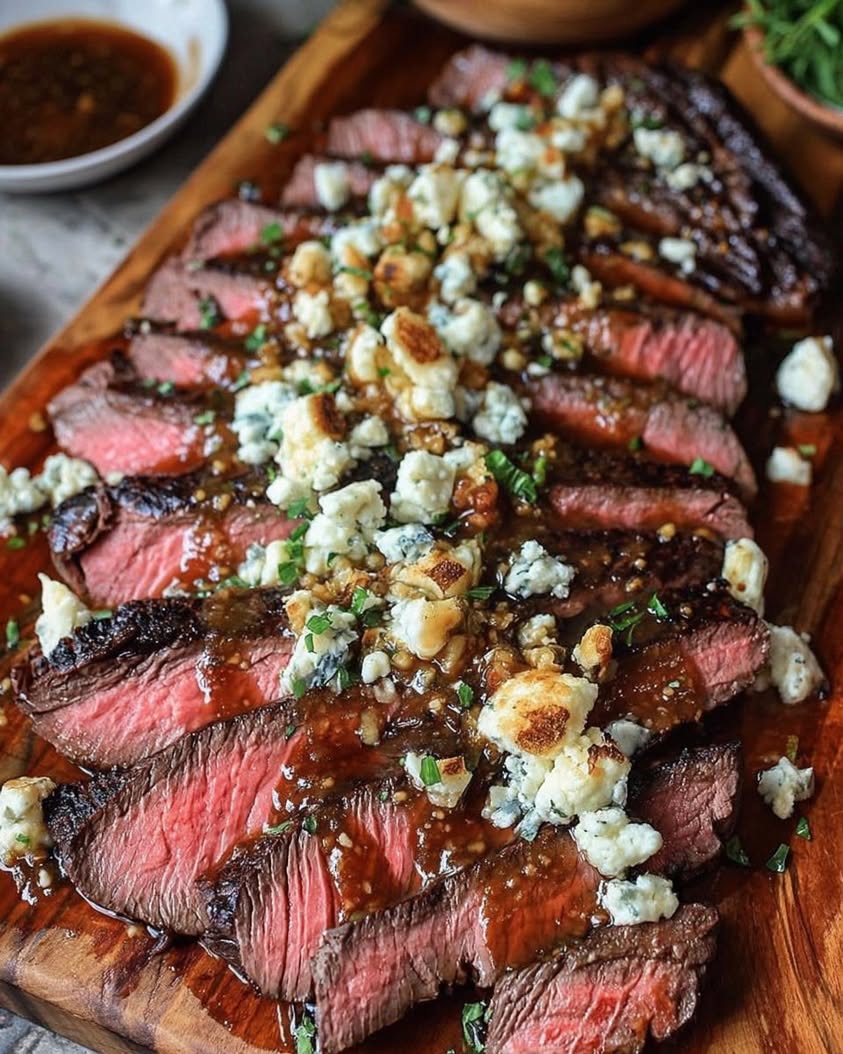
The Ultimate Balsamic Marinated Flank Steak with Blue Cheese Crust: A Bold Recipe for Steak Lovers
Imagine slicing into a perfectly cooked flank steak that has been soaking in a tangy, sweet balsamic marinade for hours. Then, on top, you discover a crispy, melty blue cheese crust that adds a creamy, sharp counterpoint to every bite. This is the experience of the Balsamic Marinated Flank Steak with Blue Cheese Crust. It is a dish that transforms a relatively inexpensive cut of beef into a restaurant-quality centerpiece. The balsamic vinegar tenderizes the meat while infusing it with deep, complex flavors, and the blue cheese crust provides a savory, almost sinful finish. This recipe is not just about eating; it is about savoring a moment of culinary indulgence that feels both sophisticated and comforting.
The appeal of this dish lies in its incredible balance of flavors and textures. The beef itself becomes incredibly tender and juicy after a marinade, which typically includes balsamic vinegar, olive oil, garlic, and herbs. The high heat searing creates a beautiful crust on the outside while keeping the interior medium-rare or to your liking. Then, the blue cheese crust, often made with crumbled blue cheese, breadcrumbs, and a touch of butter, bakes into a golden, bubbly layer. This combination of savory beef and pungent, creamy cheese is a classic pairing for a reason. It works beautifully on its own, served with simple roasted vegetables, or even sliced thin for a stunning steak salad. The aroma that fills your kitchen while this cooks is absolutely intoxicating.
Furthermore, this recipe is surprisingly easy to execute, making it perfect for both weeknight dinners and special occasions. The active prep time is minimal, and most of the work involves waiting for the marinade to do its magic. Because flank steak can be tough if not prepared correctly, the balsamic marinade is crucial for ensuring a tender result. The blue cheese crust adds a layer of complexity that impresses guests without requiring a lot of extra effort. Whether you are a seasoned home cook or a beginner looking to try something new, this balsamic marinated flank steak with blue cheese crust will become a favorite. It is a guaranteed crowd-pleaser that delivers big flavor with relatively little fuss.
Quick Recipe Highlights
- Flavor Profile: The flavor is a dynamic dance between sweet and tangy balsamic vinegar, savory garlic and herbs, and the bold, pungent, and salty kick of blue cheese. It is a robust and savory combination that lingers on the palate.
- Texture: You get a delightful contrast of textures. The flank steak is tender and juicy from the marinating process, the exterior has a slightly charred crust from searing, and the blue cheese topping is crunchy and creamy simultaneously.
- Aroma: As it cooks, the air fills with the rich, sweet aroma of balsamic vinegar reducing, the savory scent of searing beef, and the earthy, pungent notes of melting blue cheese. It is an incredibly appetizing fragrance.
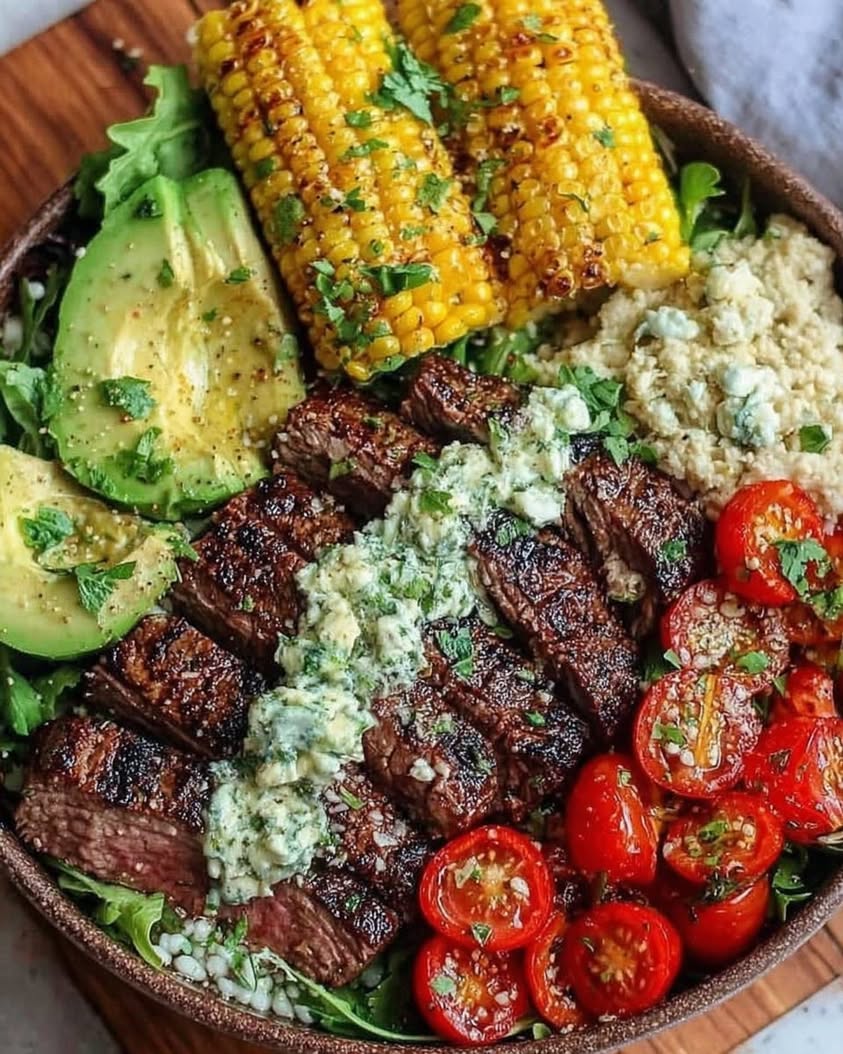
- Visual Appeal: The deep, mahogany brown of the seared steak contrasts beautifully with the golden, bubbly blue cheese crust. When sliced, the pink, juicy interior of the meat creates a stunning presentation on the plate.
- Skill Level Needed: This is an approachable recipe for home cooks with some basic experience. The key skills are preparing a marinade, searing meat properly, and finishing it in the oven, all of which are straightforward to master.
- Special Equipment: You will need a large resealable plastic bag or a glass dish for marinating. A heavy-bottomed skillet that can go from stovetop to oven, such as a cast iron skillet, is ideal for searing and baking.
Recipe Overview
- Difficulty Level: This recipe is rated as medium difficulty. The marinating process is simple, but achieving the perfect level of doneness for the flank steak and ensuring the blue cheese crust browns without burning requires a bit of attention to detail. It is not difficult, but it rewards careful timing.
- Category: This dish fits perfectly into the main course category for dinner. It is hearty enough for a weeknight meal but impressive enough for a dinner party or a special weekend dinner. It also works wonderfully as part of a larger spread.
- Cuisine: The recipe draws inspiration from American steakhouse traditions but with a modern, gourmet twist. The use of balsamic vinegar nods to Italian cuisine, while the addition of a blue cheese crust is a classic American culinary technique for elevating simple dishes.
- Cost: The cost is moderate. Flank steak is generally more affordable than premium cuts like ribeye or filet mignon, but it is still a respectable cut of beef. Blue cheese can be slightly pricey, but you only need a small amount for the crust. Overall, it is a cost-effective way to serve an elegant meal.
- Season: This balsamic marinated flank steak with blue cheese crust is exceptionally versatile seasonally. It is wonderful in the summer when you want to grill the steak, and it is equally comforting in the fall and winter when cooked in a hot skillet and finished in the oven. It is a year-round winner.
- Occasion: It is perfect for holidays like Father’s Day, birthdays, anniversaries, or any time you want to make a meal feel special. It is also a fantastic choice for a romantic dinner at home or for hosting friends who appreciate bold flavors.
Why You’ll Love This Recipe
The primary reason you will love this recipe is the incredible taste and texture combination. The balsamic marinade does not just add flavor; it actively works to break down the muscle fibers of the flank steak, guaranteeing a tender result every time. Then, the blue cheese crust provides an intense, savory, and creamy finish that complements the beef perfectly. Every bite is a symphony of flavors, from the slightly sweet and tangy beef to the rich, salty cheese. The texture is equally satisfying, with a tender interior and a crispy, bubbly topping that provides a delightful crunch. This is not just a meal; it is a sensory experience that delights the palate from start to finish.
Another reason this recipe is a winner is its convenience and preparation benefits. The active cooking time is surprisingly short, considering the impressive final result. Most of the prep work involves combining the marinade ingredients and letting the steak sit. This hands-off approach makes it a great option for busy weeknights. You can marinate the steak in the morning, and when you get home, the searing and baking process takes less than thirty minutes. The cleanup is also minimal, especially if you use a single skillet for both searing and baking. This efficiency does not compromise the quality of the final dish at all.
From a nutritional standpoint, this recipe offers a good balance. Flank steak is a lean cut of beef, making it an excellent source of high-quality protein, iron, and B vitamins. It is lower in fat than many other cuts, especially when compared to ribeye. The balsamic marinade uses healthy olive oil, and the blue cheese, while rich, is used sparingly. When paired with a side of roasted vegetables or a fresh salad, this becomes a well-rounded and satisfying meal. You are getting a significant protein boost along with essential nutrients, all wrapped in a delicious and satisfying package.
Furthermore, this balsamic marinated flank steak with blue cheese crust has immense social and entertaining value. It is the kind of dish that looks and tastes like you spent hours in the kitchen, even though it is remarkably simple. serving this to guests feels special and impressive. The vibrant colors and the dramatic presentation of the blue cheese crust make it an instant conversation starter. It is also easy to scale up for a larger crowd, making it a fantastic choice for dinner parties or holiday gatherings. Your guests will be asking for the recipe, and you will be proud to share it.
Finally, this recipe is cost-effective and accessible. Flank steak is one of the more affordable cuts of beef that still offers great flavor and texture when cooked correctly. The rest of the ingredients, like balsamic vinegar, olive oil, garlic, and blue cheese, are pantry staples for many home cooks. This makes it a realistic and budget-friendly way to enjoy a gourmet steak dinner without breaking the bank. You do not need expensive cuts of meat to create an extraordinary meal. This recipe proves that with the right techniques and a little bit of patience, you can achieve restaurant-quality results at home for a fraction of the cost.
Historical Background and Cultural Significance
The flank steak, the primary ingredient in this recipe, has a fascinating history in American cuisine. For a long time, it was a lesser-known cut, often ground into hamburger or used for stews because of its toughness. However, butchers and savvy home cooks discovered that with proper marinating and quick, high-heat cooking, this lean and flavorful cut could be transformed into a delicious steak. It gained popularity in the United States through Mexican and Tex-Mex cuisine, where it is the star of dishes like carne asada. Its rise to prominence is a story of culinary ingenuity, proving that with the right technique, every part of the animal can be celebrated.
The cultural significance of this dish lies in its evolution from a humble cut to a beloved centerpiece. The addition of a balsamic marinade and a blue cheese crust represents a sophisticated, modern twist on a classic preparation. Balsamic vinegar, with its origins in Italy, adds a touch of Mediterranean elegance. Blue cheese, a staple in many European cuisines, introduces a bold, pungent flavor that elevates the entire dish. This fusion of techniques and flavors is a testament to how global culinary influences can create something new and exciting. It shows that recipes are not static but are living documents that evolve with our tastes and access to ingredients.
Over the decades, the preparation of flank steak has evolved significantly. Traditionally, it was simply grilled over an open flame or pan-seared. The introduction of acidic marinades, like the balsamic one used here, was a game-changer. It allowed for a more tender result and opened up a world of flavor possibilities. The blue cheese crust is a more recent innovation, born from the American steakhouse trend of adding compound butters and crusts to steaks. This evolution reflects a broader culinary movement toward combining simple, high-quality ingredients with bold flavors to create memorable dining experiences without excessive complexity.
Regional variations of this dish are abundant. In the Southern United States, you might find a similar steak coated in a pimento cheese crust. In the Midwest, a blue cheese crust is often paired with a mushroom and onion topping. On the West Coast, the marinade might incorporate soy sauce or citrus. Each variation reflects the local palate and available ingredients. This particular version, with its Italian-inspired balsamic marinade and rich blue cheese crust, represents a harmonious blend of these influences. It takes the best parts of different traditions to create a unique and satisfying dish that feels both familiar and refreshingly new.
Ingredient Deep Dive
Balsamic vinegar is the soul of the marinade. It has a long and storied history, dating back to medieval Italy, where it was produced in the Emilia-Romagna region. Traditional balsamic vinegar is made from the must of Trebbiano grapes, aged for years in a series of wooden barrels. This aging process gives it a complex, sweet, and tangy profile. Nutritionally, it contains antioxidants known as polyphenols, which are beneficial for heart health. When selecting balsamic vinegar for this recipe, a good quality commercial variety works perfectly. You want one that has a balance of sweetness and acidity, not too watery. Store it in a cool, dark place to preserve its flavor. If you need a substitute, you can use a mix of red wine vinegar and a touch of maple syrup or honey.
Flank steak is the star of the show. This cut comes from the abdominal muscles of the cow, which makes it lean and flavorful but also naturally tough. Its cultural significance lies in its role as a working-class cut that, with proper treatment, becomes a delicacy. It is packed with protein, iron, and zinc, making it a very nutritious choice. When selecting flank steak, look for one with a deep red color and a good amount of fat marbling within the grain. Avoid any that have a strong smell or feel slimy. For storage, keep it in the coldest part of your refrigerator and cook it within two days of purchase. Substitutes for flank steak include skirt steak or sirloin flap, which offer a similar texture and flavor profile.
Blue cheese is the defining element of the crust. This category of cheese, which includes varieties like Roquefort, Gorgonzola, and Stilton, is characterized by the addition of Penicillium cultures that create its distinctive blue veins and pungent, tangy flavor. Its history dates back thousands of years, with legends of it being discovered in caves in France. Blue cheese is a good source of calcium and protein, although it is high in sodium and fat. Your selection should be based on personal preference. A milder blue cheese like Gorgonzola dolce works well for a more subtle flavor, while a stronger Stilton or Roquefort will provide a more intense kick. Store it wrapped in wax paper in the refrigerator. For those who dislike blue cheese, crumbled feta or goat cheese can be used as a substitute, but the flavor profile will change significantly.
Garlic is a foundational aromatic in the marinade. It has been used in cooking for thousands of years, originating in Central Asia. It is known for its pungent, savory flavor and its numerous health benefits, including boosting the immune system and reducing blood pressure. When selecting garlic, look for firm, plump bulbs with unbroken skin. Store it in a cool, dry, and dark place with good ventilation. Avoid storing it in the refrigerator, as this can cause it to sprout. If you do not have fresh garlic, you can substitute with one teaspoon of garlic powder for every two cloves.
Olive oil acts as the carrier for the flavors in the marinade and helps with searing. Extra virgin olive oil, with its fruity and peppery notes, is ideal for this recipe. It is a cornerstone of the Mediterranean diet, rich in monounsaturated fats and antioxidants. When selecting olive oil, look for one that is stored in a dark bottle and has a harvest date. Store it in a cool, dark place away from heat and light. If you do not have olive oil, you can use another neutral oil like avocado or canola oil, but you will lose some of the flavor complexity.
Common Mistakes to Avoid
- One of the most common mistakes is not marinating the flank steak long enough. The balsamic marinade needs time to penetrate the meat and tenderize it. A minimum of two hours is recommended, but overnight is ideal. Skipping this step will result in a less flavorful and tougher steak.
- Another frequent error is using too much heat or not enough heat during searing. The pan needs to be very hot to achieve a good crust without overcooking the interior. If the pan is not hot enough, the meat will steam instead of sear, resulting in a gray, unappealing exterior.
- Overcooking the flank steak is a major pitfall. Because it is a lean cut, flank steak becomes tough and dry if cooked beyond medium. Using a meat thermometer is the most reliable way to ensure it is cooked to your desired level of doneness, pulling it off the heat at about 130-135 degrees Fahrenheit for medium-rare.
- A mistake often made with the blue cheese crust is applying it too early or burning it. The crust should be added during the last few minutes of baking. It requires high heat to melt and brown, but it can burn very quickly, so you must watch it closely.
- Failing to let the steak rest after cooking is a critical error. Resting allows the juices to redistribute throughout the meat. If you slice into it immediately, the juices will run out onto the cutting board, leaving you with a dry steak. Always let it rest for at least five to ten minutes.
- Using a poor quality balsamic vinegar is another mistake. Very cheap balsamic vinegar can be thin and overly acidic, lacking the sweetness and depth needed for a good marinade. Invest in a mid-range balsamic vinegar for the best results.
- Slicing the flank steak incorrectly is a common mistake that affects texture. Flank steak has a pronounced grain. You must always slice it against the grain, which means cutting perpendicular to the lines of muscle fiber. Slicing with the grain will result in long, chewy strands of meat.
- Not patting the steak dry before searing is a mistake. After marinating, the steak has excess liquid on its surface. If you do not pat it dry with paper towels, the moisture will steam the meat when it hits the hot pan, preventing a good sear.
- Forgetting to season the blue cheese crust properly can lead to a bland topping. The mixture of blue cheese, breadcrumbs, and butter needs a pinch of salt and a crack of black pepper to bring out its full flavor. Do not skip this step.
- Using a non-stick skillet for searing is not ideal. Non-stick pans do not get hot enough for a proper sear and cannot handle the high heat required. A cast-iron skillet or heavy-bottomed stainless steel pan is much better.
Essential Techniques
The first essential technique is mastering the art of marinating. Marinating serves two primary purposes: flavoring and tenderizing. The acid in the balsamic vinegar helps to break down the tight muscle fibers in the flank steak. To do this effectively, you must ensure the steak is fully submerged in the marinade. Use a resealable plastic bag and squeeze out as much air as possible to maximize surface contact. Place the bag in a bowl in the refrigerator to catch any leaks. The longer the steak marinates, the more pronounced the flavor becomes. However, do not exceed 24 hours, as the acid can begin to make the meat mushy. A good general rule is to aim for four to eight hours.
Another crucial technique is achieving a perfect sear. This process creates the delicious brown crust on the outside of the steak, known as the Maillard reaction. To achieve a good sear, you must start with a very hot pan. Heat your cast-iron skillet over high heat for several minutes until it is smoking hot. While the pan heats, pat the steak completely dry with paper towels. This step is non-negotiable. Carefully place the steak in the hot pan. You should hear a loud sizzle. Do not move the steak for at least two to three minutes to allow a crust to form. Once it releases easily from the pan, flip it to sear the other side. This technique locks in the juices and builds a layer of intense flavor.
Creating the blue cheese crust is a technique that requires precision and timing. The crust is a mixture of crumbled blue cheese, breadcrumbs, melted butter, and sometimes fresh herbs. The goal is to create a cohesive topping that will melt and brown without burning. To do this, mix the ingredients gently in a small bowl until they are combined but the cheese is still in small chunks. After searing both sides of the steak, transfer the pan to the oven to finish cooking. When the steak is about five degrees below your target temperature, remove the pan from the oven. Spread the blue cheese mixture evenly over the top of the steak. Return the pan to the oven and broil for a minute or two, watching very closely, until the crust is bubbly and golden. The key is to avoid leaving it unattended.
Finally, the technique of resting and slicing is vital for a perfect final dish. Resting the steak allows the juices that have been pushed to the center during cooking to redistribute evenly throughout the meat. Place the cooked steak on a cutting board and tent it loosely with aluminum foil. Let it rest for at least five minutes, or up to ten minutes for a thicker steak. Once rested, transfer it to a clean cutting board. Locate the direction of the grain, which looks like parallel lines running through the meat. Using a sharp knife, slice the steak perpendicular to these lines, or against the grain. This shortens the muscle fibers, ensuring every bite is tender and easy to chew. Cutting at a slight angle will also create wider, more elegant slices.
Pro Tips for Perfect Balsamic Marinated Flank Steak with Blue Cheese Crust
First, do not skip the step of patting the steak dry after marinating. This is arguably the most important step for achieving a perfect sear. Any moisture on the surface will create steam, which prevents the Maillard reaction and results in a gray, steamed steak. Take the time to blot it thoroughly with paper towels.
Second, consider adding a pinch of red pepper flakes to your balsamic marinade. This adds a subtle warmth that does not overpower the other flavors but rather enhances the overall depth of the dish. It is a small addition that makes a big difference in complexity.
Third, use a high-quality, aged balsamic vinegar for the best flavor. While you do not need the most expensive bottle, avoid the cheapest options. A good balsamic vinegar has a slightly syrupy consistency and a balance of sweet and tangy notes that will elevate the entire dish.
Fourth, ensure your blue cheese is well chilled before mixing it into the crust. Cold cheese is easier to crumble without turning into a paste. This helps create a more textured crust that melts beautifully without becoming a greasy mess.
Fifth, invest in a meat thermometer. This is the only foolproof way to cook flank steak to your preferred level of doneness. Flank steak is best at medium-rare to medium. Overcooking it will result in a tough, dry texture that no amount of marinade can fix.
Sixth, let the steak rest for the full time. This patience will be rewarded. As it rests, the internal temperature will continue to rise slightly, and the juices will settle. Cutting into it too soon releases those precious juices onto the board instead of keeping them in the meat.
Seventh, when broiling the blue cheese crust, keep the oven door slightly ajar and watch it constantly. The transition from perfectly melted to burnt is very fast. Pull the steak out the moment the crust is golden and bubbly, which typically takes less than two minutes.
Variations and Adaptations
This recipe for Balsamic Marinated Flank Steak with Blue Cheese Crust is very adaptable to different dietary needs. For a gluten-free version, simply substitute the breadcrumbs in the blue cheese crust with almond flour or crushed pork rinds. The balsamic vinegar and steak itself are naturally gluten-free. For a dairy-free adaptation, you can replace the blue cheese with a high-quality dairy-free cheese alternative or use a mixture of nutritional yeast and toasted nuts for a similar savory, umami flavor. This modification will alter the taste, but it will still be delicious.
Consider a regional variation by adding a smoky element. For a Southern twist, incorporate a teaspoon of chipotle powder into the balsamic marinade. This will add a smoky heat that pairs beautifully with the blue cheese. Alternatively, for a Mediterranean flair, add fresh rosemary and oregano to the marinade and top the steak with crumbled feta cheese and Kalamata olives instead of blue cheese. Each of these variations changes the character of the dish while keeping the core technique intact.
There are also many flavor variations to explore. You can add a tablespoon of Dijon mustard or a splash of Worcestershire sauce to the marinade for extra depth. For a sweeter profile, add a bit of brown sugar or honey to the balsamic vinegar. If you prefer a more herbaceous crust, mix chopped fresh parsley, chives, or thyme into the blue cheese mixture. For those who love spicy food, add some sliced jalapenos to the top of the crust before broiling.
Texture modifications can also transform the dish. For a crunchier crust, mix in some crushed pecans or walnuts with the breadcrumbs and blue cheese. This adds a nutty flavor and a satisfying crunch. If you prefer a smoother, more melted crust, use a creamier blue cheese like Gorgonzola dolce and eliminate the breadcrumbs, creating a cheese cap that melts into a rich, velvety layer. Both approaches are delightful but offer different textural experiences.
Presentation alternatives can also make this dish shine. Instead of serving the whole steak sliced on a platter, you can slice the steak into strips and arrange them on a bed of arugula for a beautiful salad. You can also serve it on a toasted baguette as an open-faced sandwich with a drizzle of balsamic glaze. For a more rustic presentation, serve the steak on a wooden board with roasted vegetables, herbs, and a side of the extra blue cheese crumbles on the side.
Serving and Presentation Guide
Plating this Balsamic Marinated Flank Steak with Blue Cheese Crust is about contrast and color. Start with a clean, white plate to make the colors pop. Place the rested steak on a cutting board and slice it against the grain at a slight angle. Fan the slices out on the plate in a slightly overlapping pattern. This creates a visually appealing display that shows off the pink interior and the browned crust. Leave the blue cheese crust intact on top of the slices, allowing it to be the focal point of the dish.
Garnishing ideas should enhance the flavors without overwhelming them. A light drizzle of balsamic glaze over the top adds a beautiful dark streak and a pop of sweetness. Fresh herbs like thyme or parsley can be sprinkled over the steak for a touch of green. A few crumbles of extra blue cheese on the side or a dusting of flaky sea salt right before serving will add both flavor and visual appeal. Edible flowers are also a nice touch for special occasions.
Traditional accompaniments for this steak include a simple side of roasted vegetables like asparagus, broccoli, or Brussels sprouts. A baked potato or creamy mashed potatoes are also classic choices. A fresh green salad with a light vinaigrette provides a refreshing contrast to the richness of the steak and cheese. These sides complement the main dish without competing with it.
Modern serving suggestions include pairing it with a grain like farro, quinoa, or wild rice. You could also serve it on a bed of roasted sweet potatoes or a buttered egg noodle dish. For a lighter meal, serve the sliced steak on top of a Caesar salad or a massaged kale salad. The possibilities are vast, so choose a side that fits the season and your personal preference.
Temperature considerations are important. The steak itself should be served warm, not piping hot, to preserve the texture and the integrity of the crust. The sides should be hot. If you are serving a salad, it should be cold and crisp. This contrast in temperatures adds to the overall dining experience. Always let the steak rest before serving to avoid a cold center.
Portion control tips are simple for this dish. A flank steak is usually about one to one and a half pounds, which serves four people generously. Plan for about six to eight ounces of cooked steak per person if it is the main course. If you are serving it as part of a larger meal with multiple dishes, four to six ounces per person is sufficient.
Wine and Beverage Pairing
The bold flavors of this balsamic marinated flank steak with blue cheese crust call for a wine that can stand up to its intensity. A classic pairing is a full-bodied red wine like a Cabernet Sauvignon or a Malbec. These wines have the tannins and dark fruit flavors to match the savory beef and the pungency of the blue cheese. A California Cabernet or an Argentine Malbec is an excellent choice. The tannins help to cut through the richness of the cheese and the fat in the steak.
Another excellent red wine option is a Zinfandel or a Syrah/Shiraz. These wines have a bolder, spicier profile that complements the smoky notes from the sear and the tangy balsamic. A Zinfandel from Sonoma or a Shiraz from Australia offers a fruit-forward character that balances the savory elements. For those who prefer a more elegant pairing, a Chianti Classico or another Sangiovese-based wine from Italy works wonderfully, as it celebrates the Italian origins of the balsamic vinegar.
For non-alcoholic alternatives, a robust and complex beverage is key. An unsweetened iced tea with a splash of pomegranate juice adds a similar tannic and fruity profile. A high-quality sparkling water with a twist of lime or lemon provides a refreshing palate cleanser. A rich, dark red grape juice, preferably one that is not too sweet, also mimics some of the flavor complexity of a red wine. These options are great for designated drivers or those who prefer not to drink alcohol.
Coffee and iced tea pairings can also be considered. A strong, black coffee, like a French press or a dark roast, has bitter notes that can counterbalance the richness of the blue cheese. It is not a traditional pairing but can be very satisfying, especially after a meal. An iced tea, such as a black tea or a smoky Lapsang Souchong, provides a refreshing and savory counterpoint. The temperature of the beverage should be cold to contrast with the warm steak.
Storage and Shelf Life
Proper storage of leftover Balsamic Marinated Flank Steak with Blue Cheese Crust is essential to maintain its quality. Allow the steak to cool completely to room temperature before storing. However, do not leave it out for more than two hours to avoid bacterial growth. Once cooled, wrap the steak tightly in plastic wrap or aluminum foil. Alternatively, you can store it in an airtight container. Place it in the refrigerator, where it will keep for up to three to four days.
Temperature requirements are crucial for food safety. Your refrigerator should be set to 40 degrees Fahrenheit or below. Keep the steak on a bottom shelf to prevent any juices from dripping onto other foods. If you have leftover blue cheese crust, store it separately from the steak, as it can become soggy. The crust can be stored in a separate small container in the refrigerator for up to two days.
For container recommendations, an airtight glass or plastic container is ideal. Avoid using containers that are not sealed properly, as this can lead to the steak absorbing other odors from the fridge. If you wrap it in foil, ensure it is very tight to prevent air from drying out the meat. You can also vacuum seal the steak for optimal freshness, which can extend its shelf life by a day or two.
Signs of spoilage are important to recognize. If the steak develops a slimy texture, an off or sour smell, or if you see any mold, it should be discarded immediately. Do not taste it to check if it is safe. If the blue cheese crust has an ammonia-like smell or appears excessively dry or cracked, it is also a sign of spoilage. When in doubt, throw it out.
Reheating instructions require care to avoid drying out the steak. The best method is to use a low oven. Preheat your oven to 300 degrees Fahrenheit. Place the steak on a baking sheet and warm it for about 10 to 15 minutes, or until it is heated through. For individual slices, you can also reheat them in a skillet over medium-low heat with a splash of beef broth or water to add moisture. Avoid using the microwave, as it will make the steak tough and rubbery.
Freezing guidelines are straightforward. Flank steak freezes very Well. To freeze, wrap the cooked and cooled steak tightly in plastic wrap, then again in aluminum foil, or place it in a freezer-safe bag. Remove as much air as possible. It can be frozen for up to three months. To thaw, transfer it to the refrigerator for 24 hours before reheating. The blue cheese crust may not be as crispy after freezing, but the flavor will still be good.
Make Ahead Strategies
This recipe is excellent for make-ahead preparation. You can marinate the flank steak up to 24 hours in advance. This is the most important make-ahead step. Prepare the balsamic marinade and place the steak in it in a sealed plastic bag. Store it in the refrigerator. Doing this a day ahead not only saves time on cooking day but also results in a more flavorful and tender steak. The longer it marinates, the better the final result.
For the blue cheese crust, you can also prepare it in advance. Combine the crumbled blue cheese, breadcrumbs, melted butter, and herbs in a small bowl. Cover it tightly and store it in the refrigerator for up to two days before you plan to use it. When you are ready to cook, simply take the mixture out of the fridge while the steak is cooking to let it come to room temperature a bit, which helps it melt more evenly.
The quality impact of making the steak ahead and then slicing it before serving is minimal if done correctly. If you cook the steak completely a day ahead, it will not be as good as freshly cooked. The texture will suffer. However, if you need to save time, you can sear the steak and then finish it in the oven the next day. This is a middle-ground approach that compromises some quality but is still much better than a quick weeknight meal.
If you are serving the steak cold, for instance, on a salad, you can cook it a day in advance. Allow it to cool completely, then wrap and refrigerate. When you are ready to serve, slice it thinly and arrange it on the salad. This works very well and makes for an excellent cold dish. The flavors actually meld together nicely overnight.
Reheating guidelines for make-ahead steak are the same as for reheating leftovers. The best method is to place the steak on a wire rack over a baking sheet in a low oven (300 degrees Fahrenheit) until just warmed through. This prevents the meat from stewing in its own juices. For the crust, you can attempt to revive it by placing it under the broiler for a few seconds after reheating, but it will not be as crisp as when it was first made.
When adding fresh elements, do so just before serving. Do not dress a salad in advance if you are using the steak as a topping. Add any fresh herbs, a drizzle of balsamic glaze, or extra crumbled blue cheese Print
Balsamic Marinated Flank Steak with Blue Cheese Crust
- Total Time: 2 hours 35 minutes (includes marinating)
- Yield: 4
Description
A succulent flank steak marinated in a tangy balsamic glaze, topped with a savory blue cheese crust that melts to perfection. Perfect for a special dinner.
Ingredients
- 1 1/2 pounds flank steak
- 1/2 cup balsamic vinegar
- 1/4 cup olive oil
- 3 cloves garlic, minced
- 1 tablespoon Dijon mustard
- 1 teaspoon honey
- 1 teaspoon dried rosemary
- 1/2 teaspoon salt
- 1/4 teaspoon black pepper
- 4 ounces crumbled blue cheese
- 1/4 cup breadcrumbs
- 2 tablespoons chopped fresh parsley
Instructions
- Marinate the steak: In a small bowl, whisk together balsamic vinegar, olive oil, garlic, Dijon mustard, honey, rosemary, salt, and pepper.
- Place the flank steak in a large resealable bag and pour the marinade over it. Seal, turn to coat, and refrigerate for at least 2 hours, or up to 8 hours.
- Preheat the oven to 400°F (200°C). Remove the steak from the marinade and pat dry. Let it come to room temperature.
- Grill or sear the steak: Heat a grill or heavy skillet over high heat. Cook the steak for 4-5 minutes per side for medium-rare, or to desired doneness.
- Transfer the steak to a baking sheet. In a small bowl, combine the crumbled blue cheese, breadcrumbs, and parsley. Press the mixture evenly over the top of the steak.
- Bake in the preheated oven for 5-7 minutes, until the cheese is melted and golden. Let rest 5 minutes before slicing against the grain. Serve immediately.
- Slice the steak against the grain into thin strips and serve with your favorite sides.
Notes
You can customize the seasonings to taste. For a milder cheese, substitute blue cheese with crumbled feta or Gorgonzola.
- Prep Time: 15 minutes
- Cook Time: 20 minutes
- Method: Main
- Cuisine: American