Mini Greek Meatball Bites with Tzatziki: Easy Appetizer Recipe
Imagine the aroma of garlic and oregano filling your kitchen as you prepare these Mini Greek Meatball Bites with Tzatziki. This easy appetizer recipe brings the vibrant flavors of the Mediterranean right to your table. Every bite of these tender meatballs delivers a burst of herbaceous goodness, paired perfectly with the cool, creamy tang of homemade tzatziki sauce. You will find that this combination is simply irresistible for any gathering.
These Mini Greek Meatball Bites with Tzatziki are designed to be a crowd-pleaser, requiring minimal effort yet offering maximum flavor. The recipe uses simple, fresh ingredients like ground lamb or beef, breadcrumbs, and a blend of classic Greek spices. Furthermore, the tzatziki comes together in minutes with yogurt, cucumber, and garlic. As a result, you can create an impressive appetizer that looks and tastes like it came from a gourmet kitchen. Whether you are hosting a party or just want a special snack, these bites deliver a sun-drenched taste of Greece.
The beauty of this easy appetizer recipe lies in its balance. The savory, juicy meatballs contrast wonderfully with the refreshing, cool sauce. Each component complements the other, creating a harmonious flavor profile. Additionally, the small size of the meatballs makes them perfect for portion control and easy eating. You can serve them on a platter with toothpicks for a casual party, or arrange them elegantly as a starter for a sit-down dinner. This versatility ensures that this dish will become a staple in your entertaining repertoire.
Quick Recipe Highlights
- Flavor Profile: These Mini Greek Meatball Bites offer a robust and savory taste. The meatballs are seasoned with oregano, garlic, and a hint of mint. The tzatziki provides a bright, tangy, and creamy counterbalance. Together, they create a classic Mediterranean flavor experience that is both satisfying and refreshing.
- Texture: The texture of this dish is wonderfully varied. The meatballs are tender and moist on the inside with a lightly browned exterior. Meanwhile, the tzatziki is smooth and creamy. The combination of warm, soft meatballs against a cool, velvety sauce is exceptionally pleasing to the palate.
- Aroma: The kitchen will smell fantastic as you cook these meatballs. The primary aromas are of sizzling garlic and fragrant dried oregano. A subtle hint of mint and lemon zest also wafts through the air. These appetizing scents promise the delicious meal to come.
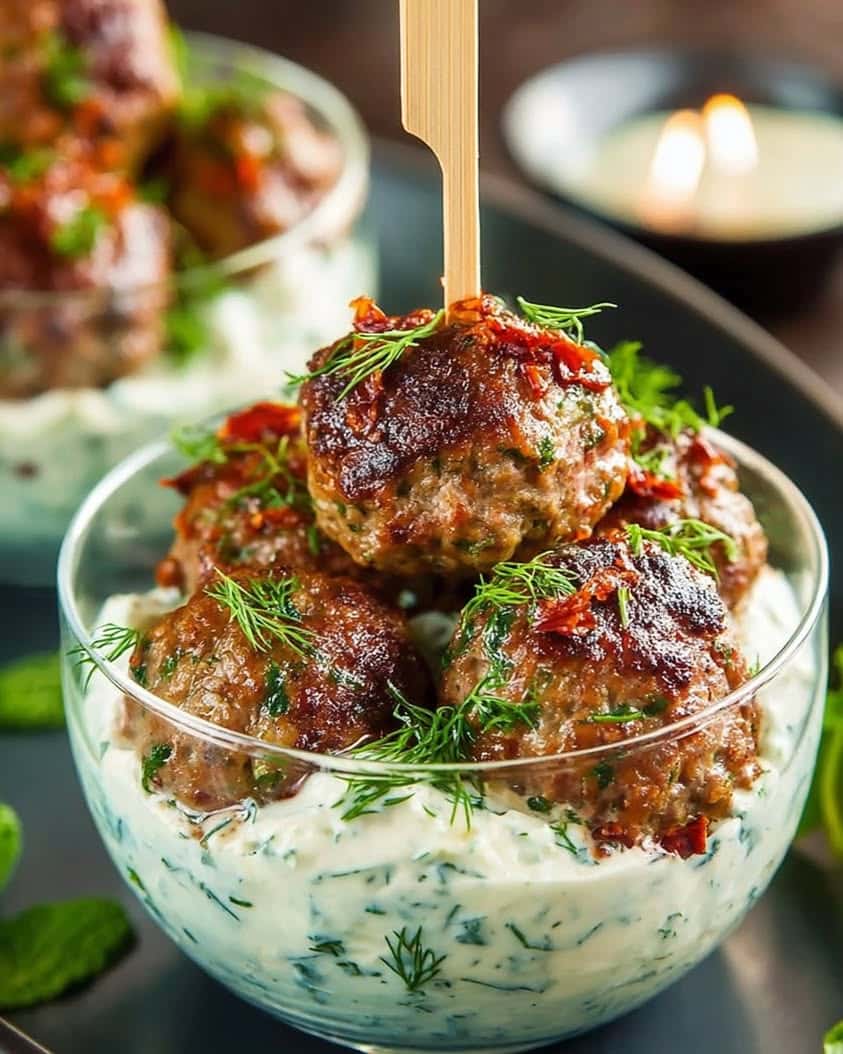
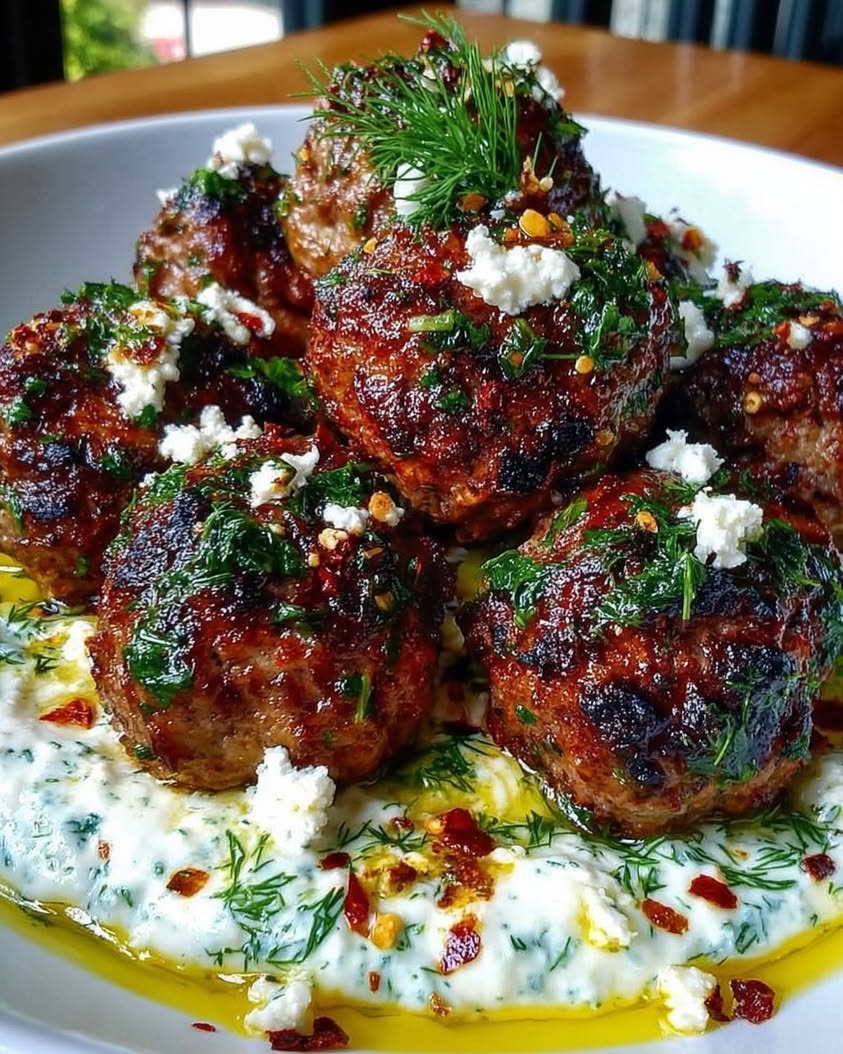
- Visual Appeal: This dish is visually stunning. The golden-brown meatballs stand out against the pristine white of the tzatziki sauce. A sprinkle of fresh dill or parsley adds a pop of green color. This simple presentation is both elegant and inviting.
- Skill Level Needed: This easy appetizer recipe is perfect for cooks of all levels. Even beginners can achieve excellent results by following the simple steps. Only basic kitchen skills like mixing and shaping are required. There are no complicated techniques involved.
- Special Equipment: You will only need basic kitchen tools for this recipe. A large mixing bowl, a baking sheet, and a box grater are essential. A small bowl for the sauce is also necessary. No specialized equipment is needed at all.
Recipe Overview
- Difficulty Level: I classify this recipe as easy because the steps are very straightforward. You simply combine ingredients, shape the meatballs, and then bake or pan-fry them. The tzatziki requires no cooking, just stirring. There are no tricky techniques like tempering eggs or making a roux. Even a novice cook can master this dish on the first try. The hardest part is waiting for them to finish cooking.
- Category: This dish fits perfectly into several categories. It is excellent as an appetizer for parties and gatherings. It can also serve as a hearty snack or a light main course. You can even include it in a mezze platter with olives, pita, and hummus. It is extremely versatile for different meal times.
- Cuisine: This recipe is firmly rooted in Greek culinary traditions. The flavors of oregano, lemon, and garlic are cornerstones of Greek cooking. Using ground lamb also pays homage to the country’s pastoral heritage. The tzatziki sauce is a staple condiment found in tavernas across Greece. This dish provides an authentic taste of the Mediterranean.
- Cost: Making these Mini Greek Meatball Bites is quite cost-effective. Ground meat is generally affordable, especially when you buy it in bulk. Greek yogurt and cucumber for the tzatziki are also inexpensive. The herbs and spices are pantry staples. The total cost per serving is very low compared to restaurant prices.
- Season: This easy appetizer recipe is perfect for any season. In the summer, it is refreshing and light. In the winter, the warm meatballs provide comfort. However, it is particularly welcome during the spring and summer. This is when fresh herbs and cucumber are at their peak flavor.
- Occasion: These bites are ideal for a wide range of occasions. They are a surefire hit for game day parties and casual get-togethers. They also work beautifully for more formal cocktail hours. Additionally, they make a wonderful contribution to potlucks and picnics. Everyone will love them.
Why You Love This Recipe
First and foremost, the taste is absolutely phenomenal. The savory, juicy meatballs are packed with Mediterranean flavor. Meanwhile, the cool, creamy tzatziki sauce offers a perfect contrast. This combination is a classic for a reason. It is incredibly satisfying and always leaves people wanting more. You will appreciate how the simple ingredients create such a complex and delightful flavor profile.
Convenience is another major reason to love this recipe. The preparation is incredibly simple and requires minimal effort. You can prepare the meatball mixture and the tzatziki in advance. This makes hosting much less stressful. Because of its straightforward nature, you are not tied to the kitchen. You can prep ahead and relax while your guests arrive.
Nutritionally, these bites are a smart choice. They are made with high-quality protein from the meat and yogurt. The cucumber in the tzatziki adds a dose of hydration and vitamins. The herbs provide antioxidants. Compared to many other appetizers, this option is lighter and healthier. You can serve them with confidence, knowing they are a wholesome choice.
From a social perspective, these meatballs are a true showstopper. They are visually appealing and incredibly easy to eat. Guests can pick them up with a toothpick and enjoy them in one or two bites. This encourages mingling and easy conversation. Furthermore, they are a conversation starter about Greek cuisine and travel. They add a sophisticated touch to any social gathering.
Finally, this easy appetizer recipe is very cost-effective. You are using inexpensive, everyday ingredients that you can find at any grocery store. Making them yourself is far cheaper than ordering appetizers at a restaurant. This allows you to serve a large crowd without breaking the bank. It is a budget-friendly way to impress your guests with gourmet flavors.
Historical Background and Cultural Significance
The history of meatballs, or keftedes, in Greek cuisine dates back thousands of years. Ancient Greeks were known to cook small patties of minced meat with herbs and spices. These early recipes were often a way to use less expensive cuts of meat. Over time, they evolved into the beloved keftedes we know today. The addition of breadcrumbs soaked in milk or water is a more modern refinement. This technique ensures a juicy and tender texture.
In Greek culture, offering food to guests is a gesture of deep hospitality and friendship. Serving meze, small dishes like meatballs, is a cherished social tradition. These are shared among friends and family, often accompanied by wine or ouzo. This communal style of eating brings people together. The act of sharing food is central to Greek social life. Dishes like these Mini Greek Meatball Bites embody this spirit.
The recipe itself has evolved as Greek communities have migrated across the world. In the diaspora, families have adapted their traditional keftedes with local ingredients. For instance, some might use beef or even turkey instead of lamb. The tzatziki sauce has also seen similar adaptations. Despite these changes, the core flavor profile of garlic, lemon, and oregano remains constant. This continuity connects modern cooks with their ancestral past.
Regional variations of this dish are quite fascinating. In Crete, meatballs might include bread rusks and a lot of mint. On some islands, they are fried in olive oil for a crispier texture. In Northern Greece, they might be larger and served with a tomato-based sauce. Each family often has its own secret ingredient or technique. This diversity shows the rich tapestry of Greek culinary traditions. It also means there is always a new version to try.
Ingredient Deep Dive
Ground lamb holds a special place in Greek cuisine, especially for festive dishes. Historically, sheep farming was central to the Greek economy. Lamb was typically reserved for holidays and special celebrations. Today, it is valued for its rich, slightly gamey flavor. For nutrition, lamb is an excellent source of protein, iron, and B vitamins. These nutrients support muscle growth and energy production. When selecting ground lamb, look for meat with a bright red color and fresh, not sour, odor. It should have a moderate amount of fat for juiciness. Store it in the coldest part of the refrigerator and use it within one to two days. If you need a substitute, ground beef with a higher fat content works very well. Ground pork or even chicken can also be used for a different flavor.
Greek yogurt is the star ingredient for the tzatziki sauce. Its thick, creamy texture is essential for the right consistency. The tangy flavor perfectly complements the savory meatballs. Culturally, yogurt has been a dietary staple in Greece for centuries. It is often eaten for breakfast, in savory dips, or as a base for desserts. Nutritionally, it is packed with protein, calcium, and probiotics that are good for gut health. Choose a full-fat or 2% plain Greek yogurt for the best results. Non-fat yogurt can be watery and lacks the same richness. Avoid yogurts with added sugars or flavors. For storage, keep it refrigerated and use it before the expiration date. As a substitute, you can use labneh or a thick sour cream. For a dairy-free version, use a thick coconut or soy yogurt instead.
Fresh cucumber is vital for the tzatziki sauce. It adds a refreshing coolness and a subtle vegetal flavor. The key is to grate it and then squeeze out the excess water. This step prevents the sauce from becoming watery. Cucumbers are mostly water, making them hydrating and low in calories. They also provide a good source of vitamin K. When shopping, look for cucumbers that are firm, dark green, and free from soft spots. English cucumbers are a good choice because they have fewer seeds. Store them in the crisper drawer of your refrigerator. If you do not have a fresh cucumber, you can use grated zucchini. However, the flavor will be slightly less bright and fresh.
Dried oregano and fresh garlic are the signature aromatic ingredients. Oregano is perhaps the most iconic herb in Greek cooking. Its slightly bitter, peppery flavor defines many classic dishes. Garlic, of course, adds a pungent, savory depth. Both are known for their antimicrobial properties and potential health benefits. When selecting dried oregano, look for one that is still fragrant. It should not be dusty or have lost its color. For garlic, choose firm, plump bulbs with tight, unbroken skin. Store dried oregano in a cool, dark place. Keep garlic in a well-ventilated area, not in the refrigerator. If you are out of fresh garlic, you can use a pinch of garlic powder. However, fresh is always better for flavor.
Fresh dill or mint adds a final layer of brightness. Dill has a slightly sweet, anise-like flavor that pairs beautifully with yogurt. Mint adds a cool, refreshing note that cuts through the richness of the meat. Both herbs are used extensively in Greek cuisine. They are also excellent sources of vitamins and antioxidants. When buying fresh herbs, look for vibrant green leaves without any wilting or yellowing. You can store them in the refrigerator with their stems in a glass of water. A plastic bag loosely placed over the top will help them last longer. If you must use dried herbs, use a smaller amount. However, the fresh version provides a much better flavor and texture.
Common Mistakes to Avoid
- Overmixing the meatball mixture is a frequent error. When you overmix, the proteins in the meat become too tight. This results in tough, dense meatballs instead of tender ones. Mix just until the ingredients are combined.
- Not grating the cucumber for the tzatziki properly is another problem. You must squeeze out the excess water after grating. If you skip this step, your tzatziki will be watery and thin. It will lack the desired creamy consistency.
- Using plain yogurt that is not Greek-style is a mistake. Regular yogurt has too much water content. This will make your tzatziki runny and unstable. Always use a thick, strained Greek yogurt for the best results.
- Baking the meatballs at too low a temperature is a common oversight. They will not brown properly and may become dry. A higher heat, around 400 degrees F, is necessary for a good sear. This helps lock in moisture and creates a nice crust.
- Overcrowding the baking sheet is a crucial thing to avoid. When meatballs are too close together, they steam instead of browning. This prevents the formation of a flavorful crust. Give each meatball a little bit of space on the pan.
- Forgetting to season the meat mixture adequately is a major flaw. Meat needs a generous amount of salt and pepper. Without it, the meatballs will taste bland and flat. Be sure to season the mixture well before shaping it.
- Making the meatballs too large is a common issue for this recipe. They need to be bite-sized for a proper appetizer. Large meatballs will take longer to cook and are less appealing to eat. Aim for a size of about one inch in diameter.
- Not chilling the meatballs before cooking is a step you should not skip. Chilling them for at least 15 minutes helps them hold their shape. It also prevents them from falling apart during the cooking process. This step ensures a better final texture.
- Adding the garlic to the tzatziki too early can result in a harsh flavor. Raw garlic can become very pungent over time. It is better to add it just before serving, or in a smaller amount. This keeps the sauce fresh and balanced.
- Using stale or expired spices will ruin the flavor profile. Old oregano or mint can be musty and weak. Make sure your spices are fresh and aromatic. This is essential for achieving the signature Greek taste.
Essential Techniques
Mastering the technique of soaking breadcrumbs is crucial for tender meatballs. The breadcrumbs absorb milk, which creates a panade, a paste that binds the meat and keeps it moist. This is important because it prevents the meat from drying out during cooking. To master it, simply soak the breadcrumbs in a few tablespoons of milk until they form a soft mush. A common pitfall is using too much milk, which can make the mixture too wet. The visual cue for success is a paste that is combined but not soupy, holding its shape when pressed.
Grating and draining cucumber is a defining technique for perfect tzatziki. The purpose is to remove the cucumber’s excess water, which would otherwise thin out the yogurt sauce. This ensures a thick, creamy dip that clings to the meatballs. To master it, grate the cucumber on the large holes of a box grater. Then, place the shreds in a clean kitchen towel or cheesecloth and wring it tightly over the sink. A common mistake is not squeezing hard enough, leaving the cucumber too wet. The visual cue for success is a dry, compact ball of shredded cucumber with very little moisture remaining.
Shaping uniform meatballs is a foundational skill for this easy appetizer recipe. Uniformly sized meatballs cook evenly and look more professional on the serving platter. This technique is important for consistent results. To master it, use a small cookie scoop or a tablespoon to portion the meat. Then, roll the portion between your moistened palms to create a smooth ball. A common pitfall is making the balls too tightly packed, which makes them tough. The visual cue for success is a round, smooth ball with no cracks on its surface.
Baking the meatballs at the correct temperature is a key technique for this recipe. Baking at 400 degrees F provides a good balance of browning and moisture retention. High heat creates a flavorful crust while keeping the inside juicy. To master it, place the meatballs on a parchment-lined baking sheet with space between them. Do not overcrowd the pan. A common mistake is baking them at a lower temperature to avoid burning, which can lead to dry meatballs. The visual cue for success is a golden-brown exterior and an internal temperature of 160 degrees F.
Pro Tips for Perfect Mini Greek Meatball Bites with Tzatziki
Always use a light hand when mixing and shaping the meat. Overworking the ground meat is the number one cause of tough meatballs. You want to handle it as little as possible. Just fold the ingredients together until they are barely combined. This will guarantee a tender and juicy result.
To get the best flavor from your garlic, grate it instead of mincing it. A microplane grater creates a fine paste that blends seamlessly into the meat and sauce. This allows the garlic flavor to distribute more evenly. It also prevents you from biting into a sharp chunk of garlic. It is a small step that makes a big difference.
Chill the meatball mixture for at least 15 minutes before you start rolling. A cold mixture is much easier to handle. It will be less sticky and will hold its shape much better. This simple step makes the entire shaping process neater and more efficient. It also helps the meatballs keep their round form while cooking.
For the tzatziki, let it sit for at least 30 minutes before serving. This resting time allows the flavors to meld together beautifully. The garlic will infuse the yogurt, and the herbs will release their essential oils. The resulting sauce will be much more cohesive and flavorful. It is a patience game that pays off.
Do not skip the step of seasoning the meat mixture well. Meat needs a generous amount of salt to taste its best. A good guideline is to use about one teaspoon of salt per pound of meat. Remember, you are also adding salty feta cheese later, so balance is key. Always taste a small test meatball before rolling the whole batch.
If you pan-fry the meatballs instead of baking them, use olive oil for the best flavor. Greek olive oil adds an authentic taste that enhances the whole dish. Cook them in batches to avoid lowering the oil temperature. A hot pan ensures a good sear and prevents sticking. This method creates an even richer crust.
Variations and Adaptations
Regional variations for this type of meatball can be found all across Greece. On the island of Crete, they might add a significant amount of fresh mint and bread rusks for texture. In some coastal areas, cooks incorporate a pinch of cinnamon or allspice for warmth. Others might add a bit of grated onion to the mixture for extra moisture. Each region puts its own local spin on the basic concept. This makes the dish endlessly interesting to explore.
Seasonal adaptations are simple and fun to try. In the summer, you can add fresh chopped tomatoes or bell peppers to the meat mixture. This adds a burst of sweetness and freshness. In the fall, a pinch of pumpkin pie spice or nutmeg can add a warm, cozy note. You can also use seasonal herbs like fresh oregano or thyme. These small changes allow the recipe to evolve throughout the year.
Dietary modifications are very easy to make with this recipe. For a gluten-free version, simply use gluten-free breadcrumbs or almond flour in the meatballs. Check your yogurt brand for gluten-free certification. For a dairy-free adaptation, use a plant-based yogurt for the tzatziki and omit the feta cheese. The meatballs themselves are naturally dairy-free. These swaps make the recipe accessible to many people.
Flavor variations can take these bites in a completely different direction. For a spicy kick, add a pinch of red pepper flakes or some chopped chili to the meat. You can also experiment with different herb combinations. For example, swap the mint for fresh thyme or rosemary. Adding a touch of lemon zest to both the meatballs and the tzatziki will brighten the flavors. The possibilities are truly limitless.
Texture modifications can change the eating experience entirely. For a crispier texture, you can coat the meatballs in a light layer of breadcrumbs before baking. Alternatively, you can pan-fry them in a little olive oil for a very crispy crust. For a softer, more delicate texture, bake them at a slightly lower temperature. The choice is yours and depends on your personal preference.
Presentation alternatives can help you serve this dish in different ways. For a main course, arrange the meatballs on a bed of fluffy orzo pasta. You can also serve them in a warm pita pocket with lettuce, tomato, and tzatziki. For a low-carb option, serve them in lettuce cups with a dollop of sauce. Each presentation creates a new and exciting meal.
Serving and Presentation Guide
Plating these Mini Greek Meatball Bites is an art form in itself. The most common and effective method is to serve them on a large, white platter. First, spread a generous layer of tzatziki sauce on the bottom of the platter. Then, pile the warm meatballs artfully on top of the sauce. This creates a beautiful contrast in color and texture. It also allows guests to scoop up both elements in one bite.
Garnishing ideas can elevate the visual appeal of this dish significantly. A sprinkle of fresh dill or chopped parsley adds a vibrant green color. Crumbled feta cheese provides salty, white accents and a creamy texture. A few Kalamata olives scattered around the platter add a dramatic dark pop of color. A light drizzle of extra-virgin olive oil over the top is the perfect finishing touch. These simple additions make the dish look restaurant-quality.
Traditional accompaniments for this dish are essential for a complete experience. Warm, soft pita bread is a must for dipping. You can also include a bowl of extra tzatziki on the side for those who love the sauce. A crisp Greek salad with tomatoes, cucumbers, and onions is a classic side dish. Olives, pepperoncini, and dolmades also make excellent additions to the table. This creates a full Mediterranean feast.
Modern serving suggestions can make this dish more versatile. For a cocktail party, serve each meatball on a small spoon with a dab of tzatziki. You can also skewer one meatball, a cube of feta, and an olive on a toothpick. This makes a perfect one-bite serving. For a casual dinner, serve them in a bowl next to a salad. The presentation can be as formal or as casual as you like.
Temperature considerations are crucial for the best eating experience. The meatballs should be served hot, straight from the oven. This ensures they are juicy and flavorful. The tzatziki sauce, however, should be served cold and thick. The contrast between the hot meatballs and the cold sauce is a key part of the appeal. Make sure to take the tzatziki out of the refrigerator just before serving.
Portion control tips are helpful for party planning. For an appetizer, plan on about 3 to 4 meatballs per person. This is enough for guests to have a taste without being too full. If the meatballs are being served as part of a larger meal, 2 per person may suffice. It is always better to have a little extra than to run out. Your guests will surely come back for more.
Wine and Beverage Pairing
When it comes to wine pairings, this dish is very versatile. A crisp, dry white wine is an excellent choice. A Greek Assyrtiko or a Sauvignon Blanc works wonderfully. The wine’s acidity will cut through the richness of the meat. Its citrus notes will also complement the lemon and herbs. A light-bodied red wine like a Pinot Noir is also a good option.
For non-alcoholic alternatives, there are many fantastic options. A classic glass of iced tea with a squeeze of lemon is refreshing and neutral. Sparkling water with a slice of cucumber or mint is a sophisticated choice. A homemade lemonade or a ginger-ale also works well. These drinks will cleanse the palate and keep the experience light.
A traditional Greek coffee or an herbal tea would make a wonderful pairing. A strong, thick Greek coffee provides a rich, dark contrast. It is a perfect digestif after a meal. Alternatively, a cup of hot mint tea is a classic Greek choice. It is soothing and aids digestion, making it a great end to a meal. Both options are culturally fitting and delicious.
Temperature considerations are also important for beverages. White wines and beers should be served chilled. This enhances their refreshing qualities. Red wines should be served slightly below room temperature. Non-alcoholic drinks are typically served over ice. Paying attention to temperature will ensure the best possible pairing experience.
Serving suggestions for a party are simple. You can set up a small beverage station next to the appetizer platter. Offer a choice of one or two wines, along with sparkling water. Have a pitcher of iced tea or lemonade ready as well. This allows guests to choose their own adventure. It also encourages them to stay and mingle.
Storage and Shelf Life
Proper storage is essential for maintaining the quality of your Mini Greek Meatball Bites. Cooked meatballs should be cooled completely before storage. Then, place them in an airtight container. They can be stored in the refrigerator for up to four days. It is best to store the meatballs and the tzatziki sauce in separate containers. This prevents the meatballs from making the sauce watery.
Temperature requirements are straightforward for this dish. The meatballs and tzatziki must be kept in the refrigerator at or below 40 degrees F. Never leave them out at room temperature for more than two hours. This is particularly important for the dairy-based tzatziki. Following these rules ensures food safety and prevents spoilage.
Container recommendations are important for the best results. For the meatballs, use a shallow container that allows them to be in a single layer. This helps them cool down faster and avoids excess moisture buildup. For the tzatziki, use a glass or plastic container with a tight-fitting lid. This will prevent it from absorbing other odors in the fridge. Always label the containers with the date for freshness tracking.
Signs of spoilage are easy to spot with this recipe. If the meatballs develop a sour or off smell, they should be discarded. If they feel slimy or have any mold growth, do not eat them. For the tzatziki, if it becomes very watery or develops a pinkish tint, it is no longer good. A separation of the whey is normal, but a foul odor is not. When in doubt, it is always better to throw it out.
Reheating instructions are simple for best results. The best way to reheat the meatballs is in a hot oven or an air fryer. This will help them regain their crispy exterior and stay juicy inside. You can reheat them at 350 degrees F for about 5 to 10 minutes. Microwaving them is possible, but it will make the texture softer. Avoid reheating the tzatziki sauce, as it should always be served cold.
Freezing guidelines are perfect for make-ahead meal prep. The cooked meatballs freeze very well. Place them on a baking sheet and freeze them for about an hour. Once they are solid, transfer them to a freezer-safe bag or container. They can be stored in the freezer for up to three months. The tzatziki sauce does not freeze well because it will separate and become watery upon thawing. It is best to make the tzatziki fresh when you are ready to serve.
Make Ahead Strategies
Your prep timeline for this easy appetizer recipe is very flexible. You can make the meatball mixture up to 24 hours in advance. Simply prepare the mixture, cover it tightly, and store it in the refrigerator. The flavors will actually meld and deepen overnight, making the meatballs even tastier. This is a great time-saver for party planning.
Storage between steps requires careful planning. The raw meatball mixture should be stored in a bowl covered with plastic wrap. Keep it in the coldest part of your fridge. The tzatziki can also be made a day ahead. Store it in a sealed container in the refrigerator. Just remember to give it a good stir before serving, as the ingredients can separate a little.
Quality impact assessment is an important consideration. The quality of the meatballs is excellent when made ahead. The flavors are more developed and cohesive. The tzatziki also benefits from a day of resting. Its flavor becomes richer and more balanced. However, the texture of the cucumber in the tzatziki can soften slightly over time. It is still delicious.
Assembly tips are key to a smooth serving experience. On the day of your event, simply shape the chilled meatball mixture into balls. Bake them according to the recipe instructions. While they are baking, take the tzatziki out of the fridge to let it come to a slightly cooler temperature. Once the meatballs are done, assemble the platter. This process takes very little time.
Reheating guidelines for make-ahead meatballs are the same as for leftovers. If you baked them in advance and then refrigerated them, reheat them in a hot oven. This will restore their texture and temperature. Do not reheat them in the sauce. Always reheat the meatballs separately. This keeps the sauce fresh and cold.
Fresh element additions can really brighten the final dish. Just before serving, add a fresh sprinkle of dill or parsley over the meatballs. A squeeze of fresh lemon juice over the top can also add a bright note. These small touches make the dish taste like it was just made. They add a fresh, vibrant element that elevates the entire experience.
Scaling Instructions
Halving the recipe is a straightforward process. Simply divide all the ingredients by two. This is perfect if you are cooking for a smaller group. You will need a smaller baking sheet to accommodate less meatballs. The cooking time may be slightly shorter for a smaller batch. Check for doneness at around 15 minutes. The tzatziki recipe is also easy to halve.
Doubling or tripling the recipe is also very easy. Simply multiply each ingredient by the desired factor. This is great for large parties or gatherings. You may need to use a larger mixing bowl or mix the meat in batches. You will also need multiple baking sheets to avoid overcrowding the oven. Bake the meatballs in batches if necessary for even cooking.
Equipment adjustments are necessary when scaling this recipe. For a double or triple batch, you will need a very large mixing bowl. You may also need to use two ovens or bake the meatballs in shifts. The extra time should be factored into your schedule. You might also consider using a stand mixer with a paddle attachment for mixing large batches. This will save you time and effort.
Timing modifications are important for larger or smaller batches. A single batch usually takes about 20 minutes to bake. A double batch might take a few minutes longer because of the increased volume in the oven. You should always use an instant-read thermometer to check for doneness. The internal temperature should reach 160 degrees F. For a smaller batch, start checking at the 15-minute mark.
Storage considerations change with scaling. A large batch of cooked meatballs will take up more space in your fridge or freezer. Make sure you have enough room before you start cooking. You can also portion them into serving-sized bags for the freezer. This makes it very easy to pull out just what you need for a future meal. It is a very efficient way to meal prep.
Nutritional Deep Dive
From a macronutrient perspective, these Mini Greek Meatball Bites are well-balanced. The ground meat provides a significant amount of protein, which is essential for building and repairing tissues. The fat content, which comes from the meat and yogurt, helps with satiety and flavor absorption. The breadcrumbs contribute a small amount of carbohydrates for quick energy. This makes the dish a satisfying and complete snack or meal component.
A micronutrient analysis reveals a wealth of vitamins and minerals. The meat is a rich source of B vitamins, particularly B12 and niacin. These are crucial for nerve function and energy metabolism. The yogurt provides calcium and phosphorus for strong bones and teeth. The cucumber offers a good dose of vitamin K, which is important for blood clotting. The herbs provide antioxidants that fight off cellular damage.
The health benefits of this dish extend beyond its basic nutrients. The probiotics found in the yogurt are excellent for supporting a healthy gut microbiome. The garlic has known immune-boosting properties and can help lower blood pressure. The olive oil, if used, provides healthy monounsaturated fats that are good for heart health. This is a dish that nourishes your body as well as your taste buds.
Dietary considerations are important for many people. This recipe can be part of a balanced gluten-free diet if you use the right breadcrumbs. It can also be a good source of protein for those on a low-carb diet. However, it is not suitable for vegans. For those with lactose intolerance, the lactose content is relatively low, but a dairy-free yogurt substitute is available. Always check your individual dietary needs.
Portion analysis helps with portion control. A Print
Mini Greek Meatball Bites with Tzatziki
- Total Time: 33 minutes
- Yield: 4
Description
Deliciously seasoned mini meatballs infused with Mediterranean herbs, served with a cool, creamy homemade tzatziki sauce. Perfect as an appetizer or a light meal.
Ingredients
- 1 pound ground lamb or beef
- 1/2 cup breadcrumbs
- 1/4 cup finely chopped onion
- 2 cloves garlic, minced
- 1 large egg, lightly beaten
- 2 tablespoons fresh parsley, chopped
- 1 teaspoon dried oregano
- 1/2 teaspoon ground cumin
- Salt and pepper to taste
- 1 cup Greek yogurt
- 1/2 cucumber, grated and squeezed dry
- 1 tablespoon lemon juice
- 1 tablespoon olive oil
- 1 clove garlic, minced (for tzatziki)
- 1 tablespoon fresh dill, chopped
Instructions
- Preheat oven to 400°F (200°C). Line a baking sheet with parchment paper.
- In a large bowl, combine ground meat, breadcrumbs, onion, garlic, egg, parsley, oregano, cumin, salt, and pepper. Mix until just combined.
- Form mixture into 1-inch meatballs and place on prepared baking sheet. Bake for 15-18 minutes until browned and cooked through.
- While meatballs bake, prepare tzatziki: In a bowl, mix Greek yogurt, grated cucumber, lemon juice, olive oil, garlic, and dill. Season with salt and pepper to taste.
- Serve meatballs warm with tzatziki sauce for dipping.
Notes
You can customize the seasonings to taste. For a lighter version, use ground turkey.
- Prep Time: 15 minutes
- Cook Time: 18 minutes
- Method: Appetizer
- Cuisine: Greek