The Ultimate One-Pan Lemon Garlic Butter Chicken with Creamy Parmesan Pasta
Imagine a weeknight meal that feels like a five-star restaurant experience, all from a single pan. This Lemon Garlic Butter Chicken with Creamy Parmesan Pasta delivers just that. It is a symphony of bright, zesty lemon, savory garlic, and rich, velvety cheese. The chicken breasts cook to golden perfection, while the pasta sauce becomes a luscious, comforting blanket. This dish is not just food; it is an experience that brings joy to your kitchen.
You will love how the lemon cuts through the richness of the butter and cream. The garlic provides a warm, aromatic base that ties everything together. Meanwhile, the Parmesan cheese melts into a silky sauce that coats every strand of pasta. This Lemon Garlic Butter Chicken with Creamy Parmesan Pasta is the perfect solution for a busy weeknight. It requires minimal cleanup, uses simple ingredients, and delivers maximum flavor. This recipe will quickly become a staple in your home, impressing family and friends alike.
This dish is a true crowd-pleaser for good reason. The flavors are bold yet balanced, making it suitable for even the pickiest eaters. The visual appeal is equally stunning, with golden-brown chicken sitting atop creamy pasta. You will feel a sense of accomplishment as you serve a meal that looks and tastes gourmet. The best part is that you can achieve this without spending hours in the kitchen. Let us dive into what makes this recipe so special.
Quick Recipe Highlights
- Flavor Profile: This Lemon Garlic Butter Chicken with Creamy Parmesan Pasta delivers a bright, tangy flavor from fresh lemon balanced by savory, rich garlic. The Parmesan adds a nutty, salty depth that creates a perfectly rounded taste experience.
- Texture: You will enjoy tender, juicy chicken with a crisp, golden crust. The pasta is perfectly al dente, coated in a smooth, velvety sauce that clings to every piece. The contrast between the chicken and the creamy pasta is delightful.
- Aroma: As you cook the garlic in butter, a warm, inviting scent fills your kitchen. The lemon zest adds a fresh, clean note that promises a non-heavy meal. The final aroma is a comforting blend of herbs, cheese, and citrus.
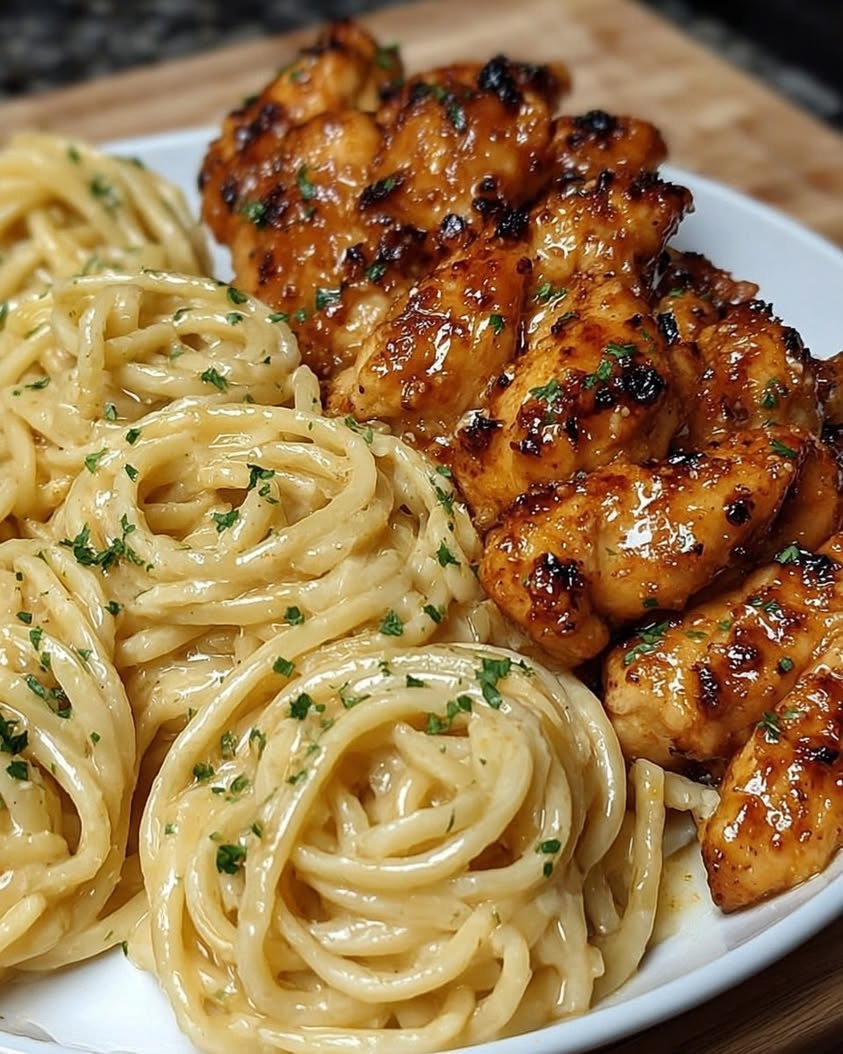
- Visual Appeal: The finished dish is a beautiful study in color. The chicken displays deep golden-brown sear marks, resting on a bed of creamy, pale yellow pasta. A sprinkle of fresh parsley and lemon zest adds a vibrant green and bright yellow pop of color.
- Skill Level Needed: This recipe is accessible to beginners yet satisfying for experienced cooks. You will need basic pan-searing and pasta-boiling skills. The steps are straightforward, and the results are consistently impressive.
- Special Equipment: You will need a large skillet with a lid, a pot for boiling pasta, a colander, and basic measuring tools. A Microplane for zesting the lemon is helpful but not required. A good wooden spoon or spatula is essential for stirring the sauce.
Recipe Overview
- Difficulty Level: I rate this recipe as easy because the techniques are simple and the steps follow a logical flow. There are no complicated procedures like making a roux or tempering eggs. You simply sear the chicken, build the sauce, and combine everything in one pan. The consistency of the sauce is forgiving, and it comes together quickly.
- Category: This dish falls under the main course category, specifically a one-pan meal for dinner. It works perfectly for a busy weeknight meal or a relaxed weekend dinner. It also fits the category of comfort food, as the creamy pasta is deeply satisfying. It is a complete meal in itself, requiring only a simple side salad or steamed vegetable.
- Cuisine: This Lemon Garlic Butter Chicken with Creamy Parmesan Pasta draws heavy inspiration from Italian-American cooking. The combination of garlic, butter, and Parmesan is a classic foundational trio. The method of cooking chicken and pasta together reflects a modern, efficient approach. This fusion of traditional European flavors with practical American cooking makes it universally appealing.
- Cost: This is an affordable meal that uses common, low-cost ingredients. Chicken breasts are a budget-friendly protein source. Pasta, butter, and milk are pantry staples with minimal cost. Parmesan cheese is the priciest ingredient, but a small amount goes a long way. The total cost for four servings is roughly ten to twelve dollars.
- Season: This dish is perfect for the fall and winter months when you crave warm, comforting food. The creamy sauce and tender chicken provide a cozy hug on a cold night. However, the bright lemon flavor makes it versatile for spring and summer too. It is a flexible recipe that shines in any season.
- Occasion: This recipe is ideal for many occasions. It is a fantastic choice for a simple family dinner during the week. It also impresses guests at a casual dinner party without requiring hours of preparation. The one-pan nature makes it great for holidays when you need to simplify cooking. It is a reliable go-to for almost any gathering.
Why You Will Love This Recipe
The taste and texture of this dish are utterly compelling. The chicken acquires a beautiful golden crust from searing. This crust locks in the juices, ensuring every bite is tender and moist. The sauce is a masterpiece of balance, with the acidity of lemon cutting through the richness of butter and cream. The Parmesan adds a salty, nutty depth that makes the sauce unforgettable. The pasta absorbs some of the sauce, becoming flavorful from the inside out. Each forkful delivers a harmonious blend of creamy, tangy, and savory elements.
Convenience is a major reason to love this recipe. You use only one pan for the entire cooking process after boiling the pasta. This means there is significantly less cleanup involved. The preparation steps are simple and do not require advanced skills. You can have this meal on the table in about forty minutes from start to finish. The ingredients are easy to find at any grocery store, making it a practical choice. You will not need to search for exotic items or make a special trip.
This Lemon Garlic Butter Chicken with Creamy Parmesan Pasta also offers nutritional advantages. Chicken is a lean source of protein, which is essential for muscle health and satiety. Garlic and lemon provide antioxidants and vitamins that support the immune system. The dairy base offers calcium for strong bones. When you choose whole-wheat pasta, you add fiber to the meal. You can control the amount of butter and milk used to fit your dietary goals. This dish proves that healthy eating can be delicious and satisfying.
Socially, this recipe is a star. It is a dish that feels celebratory and special, even on a Tuesday night. When you serve it to guests, they will feel pampered and valued. The aroma alone draws people to the table with anticipation. The conversation around this meal often includes compliments and requests for the recipe. It creates a warm, shared experience that brings people together. It is the perfect food for fostering connection and happiness.
Cost-effectiveness and accessibility are two final strong points. This recipe proves that you do not need expensive ingredients to create a gourmet meal. Chicken and pasta are among the most affordable proteins and carbs. You likely already have butter, garlic, and milk in your kitchen. The total cost per serving is very low compared to eating out or ordering takeout. You can make several servings for the price of one restaurant plate. This recipe makes high-quality food accessible to everyone.
Historical Background and Cultural Significance
The origins of this dish are a modern fusion, not a single, ancient tradition. The base of garlic butter and lemon is a classic French and Italian flavor combination. This foundational technique has been used for centuries in these regions. The addition of heavy cream to create a rich pasta sauce became more common in American kitchens in the mid-20th century. This adaptation made the flavor profile more indulgent and familiar to Western palates. The one-pan cooking method rose in popularity due to its simplicity and efficiency.
Culturally, this recipe represents the convergence of European culinary traditions and American practicality. The Italian love for simple, high-quality ingredients shines through. The French mastery of butter-based sauces is also clearly present. The American desire for convenient, all-in-one meals completed the evolution. This dish is not tied to a single holiday or region. Instead, it belongs to the culture of weeknight cooking and shared family meals. It reflects a modern, globalized approach to food.
The evolution of this recipe has been driven by home cooks seeking efficiency. The original technique involved searing the protein separately and building the sauce in the same pan. This method was adapted from classic French deglazing techniques. Over time, cooks began adding pasta directly to the pan to simplify the process. This modern version is a pure expression of convenience cooking. It retains the essence of the classic flavors while removing unnecessary steps. It is a testament to how home cooking adapts to modern life.
Regional variations of this dish are widespread. In the Southern United States, cooks might use buttermilk in the sauce for extra tang. In the Mediterranean, fresh herbs like oregano and thyme are more prominent. Some variations use chicken thighs instead of breasts for more flavor and moisture. Others incorporate sun-dried tomatoes or mushrooms for added texture. The basic formula of lemon, garlic, butter, and Parmesan is stable. These adaptations highlight the recipe’s flexibility and global appeal. It is a canvas for personal creativity.
Ingredient Deep Dive
Chicken breasts are the primary protein in this dish. They have been a staple in American cooking for decades due to their versatility and lean profile. Their neutral flavor profile makes them a perfect canvas for bolder seasonings. Nutritionally, they are an excellent source of lean protein, B vitamins, and selenium. When selecting chicken breasts, look for ones that are plump and even in thickness. This ensures even cooking. Store them in the coldest part of the refrigerator and use them within two days. For this recipe, you can substitute boneless, skinless chicken thighs for a juicier result.
Lemons are the star of the show, providing the crucial bright, acidic note. They have a long history in Mediterranean cuisine, where they are used to preserve and flavor dishes. Lemons are rich in vitamin C, antioxidants, and citric acid. This helps to balance the richness of the butter and cheese in the sauce. Choose lemons that feel heavy for their size, indicating more juice. A firm, bright yellow skin is a good sign. Store them at room temperature for a week or in the fridge for longer. If you do not have a lemon, a splash of white wine vinegar can mimic the acidity.
Garlic is the aromatic backbone of this Lemon Garlic Butter Chicken with Creamy Parmesan Pasta. It has been used for thousands of years, both for its flavor and medicinal properties. Garlic contains allicin, a compound with strong antibacterial and anti-inflammatory benefits. It adds a pungent, savory depth that transforms the sauce. When selecting garlic, choose bulbs with firm, unopened cloves. Avoid any that feel soft or have sprouted. Store it in a cool, dark place, not in the refrigerator. You can substitute one teaspoon of garlic powder per clove, but fresh is far superior for flavor.
Butter is the foundation of the rich, creamy sauce. It has a special place in French cooking for its ability to enrich and emulsify sauces. Butter provides a silky texture and a distinct, nutty flavor when browned. It contains butyrate, a fatty acid that supports gut health. Choose unsalted butter to control the sodium level of the dish. Look for a golden-yellow color and a fresh, clean scent. Store butter in the refrigerator, tightly wrapped to prevent it from absorbing other odors. For a dairy-free option, you can use a high-quality plant-based butter.
Parmesan cheese adds the final layer of umami and saltiness. It is a hard, granular cheese from Italy with a nutty, salty flavor. True Parmesan, or Parmigiano-Reggiano, is aged for at least 12 months. It is rich in calcium and protein, making it a nutritious addition. For the best flavor, always grate your own Parmesan from a block. Pre-grated cheese often contains anti-caking agents that prevent it from melting smoothly. Store a block of Parmesan wrapped in wax paper in the fridge. It can last for weeks. A good substitute is Pecorino Romano, which is saltier and sharper.
Pasta is the canvas for this creamy sauce. The most common choice is fettuccine or linguine. These flat, long noodles hold the sauce very well. Pasta is a staple food in many cultures, providing a source of complex carbohydrates for energy. It is low in fat and can be part of a balanced diet. Choose a pasta made from durum wheat semolina for the best texture. Store it in a cool, dry pantry. For a gluten-free option, use pasta made from rice or corn flour. The cooking time will vary, so always follow the package instructions.
Heavy cream adds the final touch of richness to the sauce. It is a staple in many Western cuisines, used to thicken and enrich dishes. Heavy cream contains a high percentage of milk fat, which gives it a luxurious, smooth texture. It also provides vitamins A, D, and E. When buying cream, check the expiration date and ensure the carton is cold. Store it in the coldest part of the fridge. For a lower-fat option, you can use half-and-half, but the sauce will be less thick. You can also use coconut cream for a dairy-free version.
Chicken broth provides a savory liquid base that helps deglaze the pan. It adds depth of flavor and prevents the sauce from being too rich. Broth is made by simmering chicken bones and vegetables. It is a source of minerals and collagen. Use a low-sodium broth to better control the salt level in the dish. Store any leftover broth in an airtight container in the fridge for up to five days. You can substitute vegetable broth or even water with a chicken bouillon cube. Homemade broth is always best.
Common Mistakes to Avoid
- Overcooking the chicken is a frequent error. The chicken breasts will become dry and tough if cooked for too long. Use a meat thermometer to ensure the internal temperature reaches 165 degrees Fahrenheit. Remove them from the pan immediately after they reach this temperature.
- Adding all the Parmesan at once is a common problem. The cheese can clump together if added too quickly. Sprinkle it in gradually while whisking constantly. This ensures a smooth, emulsified sauce.
- Using low-quality Parmesan will compromise the flavor. Pre-shredded cheese often contains cellulose, which prevents proper melting. Always grate a block of high-quality Parmesan for the best results.
- Not deglazing the pan is a missed opportunity for flavor. The browned bits left after searing the chicken are full of taste. Pour the chicken broth into the hot pan and scrape up those bits with a wooden spoon. This step builds a deep, savory base for the sauce.
- Adding lemon juice too early can cause the dairy to curdle. The acid in the lemon can react with the cream and cause separation. Add the lemon juice at the very end, just before serving, to avoid this issue.
- Boiling the pasta to a mushy state is a common mistake. Overcooked pasta loses its texture and becomes a soggy mess. Cook the pasta al dente according to the package instructions. It will continue to cook slightly when added to the hot sauce.
- Using a cold pan for searing the chicken prevents a good crust. The chicken must hit a hot surface to get that golden-brown color. Ensure the pan is hot before adding the oil and chicken. This step is crucial for flavor development.
- Skipping the rest time for the chicken is a small but important error. After cooking, let the chicken rest for a few minutes before slicing. This allows the juices to redistribute, making the meat more tender and moist.
- Not seasoning the pasta water is a major oversight. The pasta absorbs the salted water, giving it flavor from the inside out. Add a generous amount of salt to the boiling water. It should taste like the ocean.
- Adding the pasta to the sauce without reserving pasta water is a missed opportunity. The starchy water helps to thicken and bind the sauce. Save a cup before draining. Add a splash to the sauce if it seems too thick.
Essential Techniques
The first essential technique is properly searing the chicken. This step creates a golden-brown crust that is packed with flavor. To master this, pat the chicken dry with paper towels first. Wet chicken will steam instead of sear. Heat your pan over medium-high heat until a drop of water sizzles on contact. Add a thin layer of oil and then place the chicken in the pan. Do not overcrowd the pan. Let it cook undisturbed for five to seven minutes. You will know it is ready when it releases easily from the pan. Flip and cook the other side until the internal temperature reaches 165 degrees Fahrenheit. This technique locks in moisture and creates a delicious crust.
The second key technique is deglazing the pan. After you remove the chicken, the pan will have flavorful browned bits stuck to the bottom. These bits are called fond, and they are a concentrated source of flavor. To deglaze the pan, pour in your chicken broth while the pan is still hot. Use a wooden spoon or a spatula to scrape the bottom of the pan vigorously. The liquid will bubble and release the fond from the surface. This action incorporates all that flavor into your sauce base. Deglazing is a fundamental step in many pan sauces and gravies. It ensures that no flavor goes to waste.
The third essential technique is building a smooth, emulsified sauce. This involves combining fat and liquid so they do not separate. Start by melting the butter in the deglazed pan. Add the garlic and cook it for a minute until fragrant. Then, whisk in the heavy cream and bring it to a gentle simmer. The key is to add the Parmesan cheese gradually. Whisk constantly as you sprinkle in the cheese. This continuous whisking prevents the cheese from clumping and ensures a uniform texture. The sauce should thicken slightly after a minute. If it becomes too thick, add a splash of reserved pasta water to thin it out.
Pro Tips for Perfect Lemon Garlic Butter Chicken with Creamy Parmesan Pasta
One of the best tips is to use fresh lemon zest and juice. The zest contains aromatic oils that the juice alone cannot provide. Zest the lemon before you juice it. This extra step adds a clean, bright flavor that elevates the entire dish.
Another excellent tip is to season the chicken generously. Do not be shy with salt and pepper. A well-seasoned chicken breast is the foundation of the meal. Season both sides right before you put it in the pan.
You should also consider using a mix of butter and olive oil to sear the chicken. Butter adds flavor, but it can burn quickly. Olive oil has a higher smoke point. The combination gives you the best of both worlds: a beautiful crust and rich flavor.
Do not skip the step of resting the chicken. After you remove it from the pan, tent it loosely with a piece of foil. Let it sit for five minutes. This simple act allows the juices to settle, resulting in a much juicier cut of meat.
When you cook the pasta, always save a cup of the starchy water before draining. This is liquid gold. You can add a splash to the sauce to adjust its consistency. The starch helps the sauce cling to the pasta beautifully.
Always taste the sauce before you add the cooked pasta. This is your chance to adjust the seasoning. You might need a pinch more salt or a squeeze more lemon. Seasoning as you go is the secret to a perfect final dish.
Finally, do not overcook the pasta. Cook it al dente, one minute less than the package directs. It will continue to cook for a moment in the hot sauce. This helps the pasta absorb more flavor without becoming soggy.
Variations and Adaptations
Regional variations of this dish highlight its adaptability. In the American South, cooks might add a teaspoon of Cajun seasoning for a spicy kick. In the Pacific Northwest, you could incorporate fresh dill or tarragon for a different herbaceous note. In the Southwest, adding a pinch of smoked paprika and a diced jalapeno offers a smoky, spicy twist. Each region puts its own stamp on the base formula, proving its versatility.
Seasonal adaptations are also very easy. In the spring, you can add fresh asparagus or peas to the pan. Their mild sweetness complements the lemon perfectly. In the summer, toss in cherry tomatoes and fresh basil from the garden. In the fall, sautéed mushrooms and a pinch of nutmeg add earthy warmth. In the winter, you can add roasted butternut squash for heartiness. The dish can change beautifully with the calendar.
Dietary modifications make this recipe accessible to many. For a gluten-free version, use gluten-free pasta, such as brown rice or chickpea pasta. For a dairy-free version, use plant-based butter, unsweetened cashew milk, and nutritional yeast. For a low-carb or keto version, serve the chicken and sauce over zucchini noodles or steamed broccoli. These modifications retain the core flavor while addressing dietary needs.
Flavor variations are nearly endless. You can add a pinch of red pepper flakes for heat. A teaspoon of Dijon mustard adds a tangy depth. A splash of white wine before the broth adds acidity and complexity. You can also use different herbs like rosemary, thyme, or oregano. Each change creates a new but equally delicious experience.
Texture modifications can change the whole feel of the meal. You can add toasted pine nuts or walnuts for a crunchy contrast. Sautéed mushrooms add a meaty, earthy element. You can also add wilted spinach for a slight chew and extra nutrients. For a different pasta shape, try penne, farfalle, or orecchiette. The variety keeps the dish interesting.
Presentation alternatives can elevate the dish for special occasions. You can slice the chicken neatly and fan it out over the pasta. A final drizzle of high-quality olive oil adds a glossy shine. You can also serve the pasta in a shallow bowl and place the chicken on top. A sprinkle of fresh parsley and extra lemon zest adds a final touch of elegance.
Serving and Presentation Guide
Plating this dish for maximum visual impact is simple but effective. Start with a warm plate or shallow bowl. Use tongs to create a nest of pasta in the center. Place the sliced chicken breast on top of the pasta, leaning slightly against the side. Drizzle any remaining sauce from the pan over the chicken. This creates a cohesive look and ensures every bite is saucy.
Garnishing is the final step that makes a restaurant-quality impression. A generous sprinkle of fresh, chopped parsley adds a bright green contrast. A light grating of fresh Parmesan over the top adds a salty, nutty aroma. A tiny pinch of lemon zest directly on the chicken adds a pop of color and a burst of fresh flavor. These small touches make a big difference.
Traditional accompaniments for this meal are simple. A crisp green salad with a simple vinaigrette provides a refreshing contrast. Steamed green beans or roasted asparagus also pair well. Crusty bread is perfect for sopping up any extra sauce. These sides complete the meal without overwhelming the main dish.
Modern serving suggestions can make the meal more interactive. You can serve the pasta and chicken family-style in a large platter. This encourages sharing and creates a communal feel. You can also set out bowls of extra Parmesan and red pepper flakes for guests to customize their own plates. This is a fun, engaging way to serve dinner.
Temperature is crucial for the best eating experience. The chicken and pasta should be served hot, immediately after preparation. The sauce will thicken as it cools, so do not let it sit for too long. If you need to hold the dish briefly, cover it with a lid to keep the heat in. Reheat leftovers gently on the stovetop.
Portion control is important for a balanced meal. One chicken breast and about one and a half cups of pasta per person is a good starting point. You can adjust based on appetite and other sides being served. The richness of the sauce means a moderate portion is very satisfying.
Wine and Beverage Pairing
Wine pairing for this Lemon Garlic Butter Chicken with Creamy Parmesan Pasta is a delightful choice. The bright acidity of a Pinot Grigio or a Sauvignon Blanc is a perfect match. These white wines complement the lemon and garlic without being overpowered by the creamy sauce. A Chardonnay with moderate oak can also work, as its buttery notes harmonize with the butter. For a red wine, a light-bodied Pinot Noir is an elegant option. Its low tannins and fruity notes will not clash with the dish.
Non-alcoholic alternatives are equally wonderful. A sparkling water with a squeeze of fresh lemon provides a clean, palate-cleansing effect. A chilled glass of iced tea with a sprig of mint is a refreshing option. The slight bitterness of the tea balances the richness of the sauce. A simple lemonade can also work, but be sure it is not too sweet. These options keep the meal light and enjoyable for everyone.
If you are serving coffee or tea for dessert, choose something with a mild flavor. A light-roast coffee with a hint of fruitiness is a good choice. A chamomile or green tea can cleanse the palate after the rich meal. The key is to avoid beverages that are too strong or bitter, which would overwhelm the delicate lemon and garlic flavors.
Temperature considerations for beverages are simple. White wines should be served chilled, around 45 to 50 degrees Fahrenheit. Red wines like Pinot Noir can be served slightly cool, around 55 degrees. Non-alcoholic drinks should be served well-chilled to refresh the palate. Sparkling water should be icy cold.
Serving suggestions for beverages are straightforward. Pour the wine into a proper glass to allow it to breathe. For a non-alcoholic pairing, a highball glass with ice is a good choice. The visual appeal of a well-served drink adds to the overall dining experience.
Storage and Shelf Life
Proper storage of leftovers is essential for maintaining quality. Allow the dish to cool to room temperature, but do not leave it out for more than two hours. Transfer the chicken and pasta to an airtight container. It is best to store the chicken and pasta together, as the pasta will continue to absorb the sauce. This keeps the dish flavorful and prevents the pasta from drying out.
Temperature requirements are clear. Store the container in the refrigerator at a consistent temperature of 40 degrees Fahrenheit or below. The cold environment will protect against bacterial growth. Do not store it in the door of the fridge, as the temperature fluctuates too much there. The center of the main shelf is the best spot.
Container recommendations are important. A glass container with a tight-fitting lid is ideal. Glass does not absorb odors like plastic can. It also allows you to see the contents easily. If using plastic, ensure it is food-grade and BPA-free. Fill the container nearly full to reduce the amount of air inside, which can cause the food to spoil faster.
Signs of spoilage are easy to spot. If the pasta or chicken has a sour or off smell, discard it immediately. Any visible mold on the surface is a clear indicator of spoilage. If the texture of the chicken becomes slimy or sticky, do not eat it. When in doubt, throw it out.
Reheating instructions are simple. The best method is on the stovetop over medium-low heat. Add a splash of milk or chicken broth to the pan to revive the sauce. Stir frequently until the dish is heated through. You can also use the microwave, but the sauce may separate. If using the microwave, heat in short bursts and stir well.
Freezing guidelines are helpful for meal prep. This dish freezes reasonably well, but the sauce may change texture slightly. Place the cooled dish in a freezer-safe, airtight container. Label it with the date. It will keep for up to three months. To thaw, move it to the refrigerator overnight. Reheat gently on the stovetop, adding a little liquid to restore the sauce.
Make Ahead Strategies
A smart prep timeline can save you a lot of time. You can season the chicken and store it in the refrigerator up to 24 hours ahead. This allows the flavors to penetrate the meat. You can also grate the Parmesan cheese and measure out all your dry and wet ingredients. This mise en place approach makes the cooking process seamless and fast.
Storage between steps requires careful planning. If you sear the chicken ahead of time, let it cool completely. Store it in an airtight container in the fridge. Do not slice the chicken until you are ready to serve. This prevents it from drying out. The sauce should be made fresh for the best texture and consistency.
The quality impact of making parts of the dish ahead is minimal. Pre-seasoned chicken is often more flavorful. Pre-grated cheese melts just the same. The pasta is the one element that suffers if made too far ahead. It will become gummy. Cook the pasta fresh when you are ready to build the final dish.
Assembly tips are crucial for a successful make-ahead meal. When you are ready to serve, reheat the seared chicken gently in the pan. Build the sauce around it as you normally would. Cook the fresh pasta while the sauce is simmering. Toss everything together just before serving. This approach keeps the pasta at its best.
Reheating guidelines for a pre-made dish are specific. If you have a fully assembled dish, reheat it on the stovetop. Add a tablespoon of chicken broth or milk to rehydrate the sauce. Stir gently to incorporate the liquid. Avoid high heat, as it can make the sauce greasy. The goal is to warm it through without altering the texture.
Fresh element additions can make a reheated dish feel new. A squeeze of fresh lemon juice over the top before serving brightens the flavor. A new sprinkle of fresh parsley adds a pop of color and freshness. A final grating of parmesan cheese brings back the salty, nutty note. These small additions make the dish feel as good as the original.
Scaling Instructions
Halving this recipe is straightforward. Use one large chicken breast or two smaller ones. Halve the amounts of butter, cream, broth, and cheese. You will need about half a lemon. The cooking time for the chicken will be similar. The pasta quantity should also be halved. The overall method remains exactly the same. This is perfect for a single person or a small couple.
Doubling or tripling the recipe requires some adjustments. You will need a larger pan to avoid overcrowding. If your pan is not large enough, sear the chicken in batches. A hot surface is still essential. The sauce recipe can be doubled or tripled easily. You will need a larger pot for the pasta. The cooking time for the chicken will remain about the same, but a larger batch might take slightly longer to come to a simmer.
Equipment adjustments are necessary for larger batches. A 12-inch skillet is good for a double batch. For a triple batch, you may need a large dutch oven. The pasta will obviously require a larger pot. You might also need a second pan to hold the cooked chicken while you finish the sauce. This prevents the chicken from cooling down too much.
Timing modifications are important for scaling. The chicken will cook in roughly the same time, but it is wise to check the internal temperature. The sauce may take a minute or two longer to thicken with a larger volume. The pasta will cook in the same time. The overall assembly will take slightly longer due to the increased volume of ingredients.
Storage considerations change with scale. A doubled recipe will fit into a standard container. A tripled recipe may require two containers. Ensure the dish cools down efficiently. A large batch of hot food should be divided into smaller, shallow containers for quick cooling. This is a food safety best practice.
Nutritional Deep Dive
A macro breakdown of this dish shows a balanced meal. A serving provides approximately 550 to 650 calories. You get around 40 grams of protein from the chicken and cheese. The carbohydrate count, mostly from pasta, is roughly 45 to 55 grams. The fat content is around 25 to 30 grams, primarily from the butter and cream. This makes it a satisfying, energy-dense meal. It provides sustained energy without being overly heavy.
A micronutrient analysis reveals some important benefits. The dish is a good source of calcium from the Parmesan cheese, supporting bone health. It provides iron from the pasta, which is essential for oxygen transport. The chicken offers B vitamins, including niacin and B6. Lemon adds a dose of vitamin C, an antioxidant. Garlic contributes small amounts of manganese and vitamin B6. These nutrients support a healthy body.
The health benefits of this meal are notable when it is part of a balanced diet. The high protein content promotes muscle repair and growth. The healthy fats from butter support brain function and hormone production. The garlic is linked to immune support. The lemon aids digestion. This dish is more than just comfort food; it can be a functional part of your nutrition when eaten in moderation.
Dietary considerations vary by individual. This meal is naturally gluten-free if you use gluten-free pasta. It is not suitable for vegans. For low-sodium diets, use unsalted butter and low-sodium broth. For weight management, control your portion size and consider whole-wheat pasta for more fiber. The richness of the sauce means a smaller portion is often satisfying.
A portion analysis is helpful for awareness. One serving equals one chicken breast and roughly one and a half cups of cooked pasta. This is a reasonable and filling portion for an adult. The plate is well-balanced with protein, carbs, and fat. This makes it a good choice for a main dish that does not require a heavy side.
Weight management tips for this recipe are practical. You can reduce the butter by half and use milk instead of cream. This will lower the calorie and fat content significantly. Increase the volume of the dish by adding steamed vegetables like broccoli or zucchini. This adds Print
Lemon Garlic Butter Chicken with Creamy Parmesan Pasta
- Total Time: 45 minutes
- Yield: 4
Description
Juicy pan-seared chicken breasts in a lemon garlic butter sauce served over a rich and creamy Parmesan pasta. This comforting dish is balanced with bright citrus flavors and savory cheese.
Ingredients
- 2 boneless skinless chicken breasts
- Salt and black pepper to taste
- 1 teaspoon paprika
- 2 tablespoons olive oil
- 3 tablespoons unsalted butter
- 4 cloves garlic, minced
- 1/2 cup chicken broth
- 1/4 cup fresh lemon juice
- 1 teaspoon lemon zest
- 1/2 cup heavy cream
- 1/2 cup grated Parmesan cheese
- 8 ounces fettuccine or pasta of choice
- 2 tablespoons chopped fresh parsley
Instructions
- Season chicken breasts on both sides with salt, pepper, and paprika.
- Heat olive oil in a large skillet over medium-high heat. Add chicken and cook for 5-6 minutes per side until golden and cooked through. Remove chicken and set aside.
- In the same skillet, reduce heat to medium and melt butter. Add minced garlic and sauté for 1 minute until fragrant.
- Pour in chicken broth, lemon juice, and lemon zest. Stir and bring to a simmer, scraping up browned bits.
- Reduce heat to low and slowly stir in heavy cream. Add Parmesan cheese and whisk until melted and smooth.
- Cook pasta according to package directions until al dente. Drain and reserve 1/2 cup pasta water.
- Add cooked pasta to the skillet with the sauce, tossing to coat. If needed, add reserved pasta water to thin sauce.
- Slice the reserved chicken and serve over the creamy pasta. Garnish with fresh parsley.
Notes
You can customize the seasonings to taste.
- Prep Time: 15 minutes
- Cook Time: 30 minutes
- Method: Main
- Cuisine: American