Mozzarella Stuffed Spinach Garlic Meatballs Recipe You Need to Try
This Mozzarella Stuffed Spinach Garlic Meatballs Recipe You Need to Try is the ultimate comfort food with a hidden cheesy surprise. Every bite of these tender meatballs delivers a burst of garlic flavor and a stretchy, melted mozzarella center that will impress your family. You will love how the fresh spinach adds moisture and a vibrant green fleck throughout the meat.
The combination of spinach and garlic does not just add flavor; it also boosts the nutritional profile significantly. These meatballs are perfect for a weeknight dinner, yet they feel special enough for entertaining guests. As you bite into one, the warm cheese pulls apart beautifully, creating a memorable eating experience that everyone enjoys.
I developed this recipe after searching for a way to make meatballs both healthier and more exciting. The Mozzarella Stuffed Spinach Garlic Meatballs Recipe You Need to Try solves the problem of dry meatballs by adding a luscious cheese core. You will find that the preparation is surprisingly simple, and the results look like they came from a gourmet restaurant kitchen.
This dish brings together Italian-inspired flavors with a modern twist that appeals to kids and adults alike. The aroma of garlic and herbs fills your kitchen as these meatballs cook, building anticipation for dinner. Serve them with pasta, on a crusty roll, or simply enjoy them with a side of marinara sauce for dipping.
Quick Recipe Highlights
- Flavor Profile: The garlic and spinach create a savory, earthy base that complements the rich, milky mozzarella. A hint of Parmesan adds a salty, nutty finish, while Italian herbs provide a subtle aromatic lift.
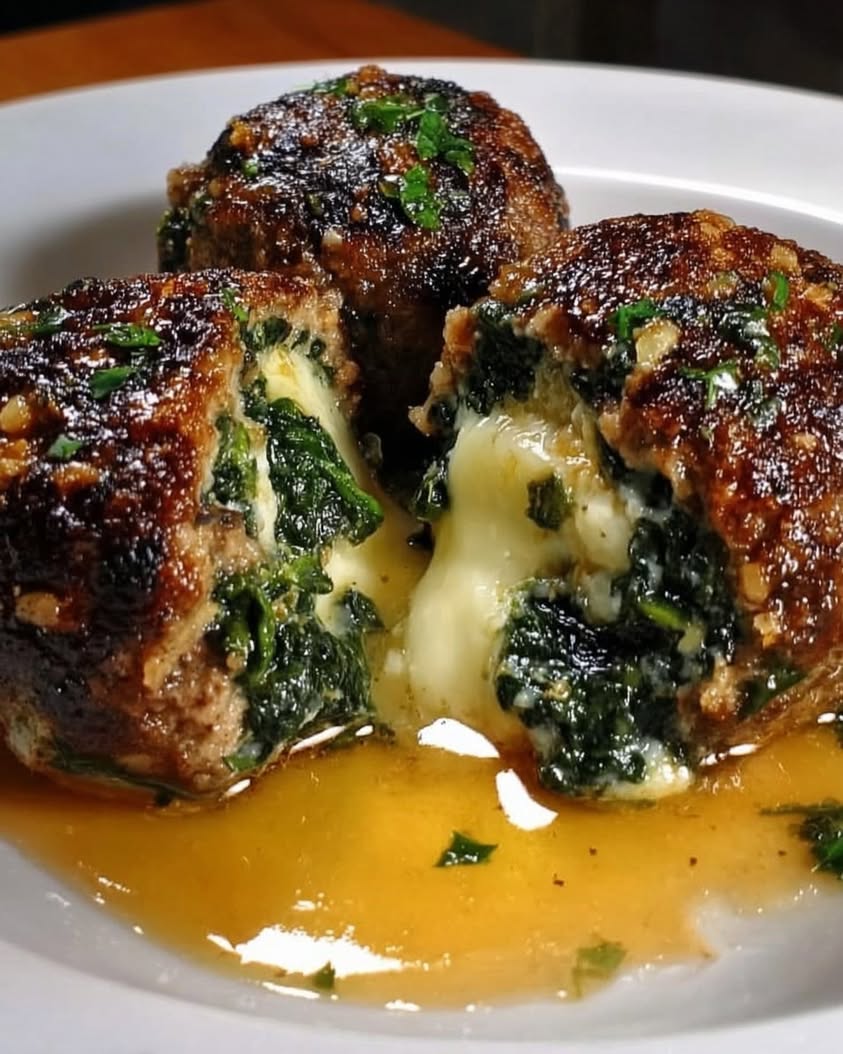
- Texture: The exterior develops a beautiful golden-brown crust during cooking, while the inside remains incredibly tender and moist. The mozzarella center becomes gooey and stretchy, offering a delightful contrast to the firm meat.
- Aroma: The scent of sautéed garlic and fresh herbs welcomes you as soon as you start cooking. The meatballs release a savory fragrance that hints at the cheesy goodness hidden inside.
- Visual Appeal: These meatballs present a beautiful golden brown exterior with specks of vibrant green spinach. When cut open, the white mozzarella oozes out, creating a stunning visual that is perfect for food photos.
- Skill Level Needed: This recipe requires basic meatball-forming skills and the ability to encase cheese properly. A confident beginner can succeed, but attention to sealing the cheese is essential.
- Special Equipment: You need a large mixing bowl, a sharp knife, a cutting board, a baking sheet or skillet, and a meat thermometer for best results.
Recipe Overview
- Difficulty Level: I rated this recipe as intermediate because stuffing the mozzarella requires careful sealing to prevent leaks during cooking. You must ensure the cheese is completely enclosed by the meat mixture. Once you learn the technique, it becomes quite simple and repeatable.
- Category: This dish fits perfectly into the main course category for dinner. It also works wonderfully as an appetizer for parties or as a hearty snack for game day gatherings.
- Cuisine: The flavors draw heavily from Italian-American culinary traditions, combining garlic, spinach, and herbs with mozzarella. This Mozzarella Stuffed Spinach Garlic Meatballs Recipe You Need to Try pays homage to classic Italian cooking while adding a creative twist.
- Cost: Ground meat and mozzarella are generally affordable ingredients found in most grocery stores. The total cost for this recipe is moderate, typically ranging from twelve to sixteen dollars for four servings.
- Season: These meatballs are perfect year-round, but they shine especially during fall and winter months. The warm, comforting nature of the dish makes it ideal for cooler weather when you crave hearty meals.
- Occasion: Serve these meatballs for casual family dinners, holiday gatherings, or potluck parties. They also work beautifully for special occasions like birthday dinners or romantic date nights at home.
Why You Will Love This Recipe
The taste and texture combination in this dish is genuinely unforgettable. The savory garlic and spinach blend perfectly with the beef and pork mixture, creating a flavorful base. When you bite into the meatball, the melted mozzarella stretches and releases its creamy richness. This contrast between the seasoned meat and the mild, milky cheese is what makes every single bite exciting. You will find yourself craving this unique experience long after the meal is finished.
Convenience is a major benefit of this recipe because it comes together quickly after some simple prep work. You can cook these meatballs entirely in a skillet on the stovetop, which saves time compared to baking. The ingredients are common and easy to find at any standard supermarket. Additionally, you can prepare the meatballs ahead of time and refrigerate them until you are ready to cook. This flexibility makes the recipe perfect for busy weeknights when time is limited.
Nutritionally, these meatballs offer a good balance of protein, iron, and vitamins from the spinach. The garlic provides immune-boosting properties, while the mozzarella adds calcium for bone health. Compared to traditional meatballs, this version packs more vegetables without sacrificing any flavor. You can feel good about serving this meal to your family because it is both delicious and nourishing. The hidden spinach is also a clever way to get picky eaters to consume more greens.
Socially, this dish is a showstopper that impresses guests without requiring hours of complicated work. When you slice open a meatball at the table, the cheese pull creates a moment of excitement and delight. Your guests will appreciate the thoughtful presentation and the rich, satisfying flavors. This recipe works wonderfully for dinner parties because it feels special yet approachable. You will receive compliments and requests for the recipe every time you serve it.
Cost-effectiveness is another strong point of this Mozzarella Stuffed Spinach Garlic Meatballs Recipe You Need to Try. Ground meat is generally budget-friendly, especially when you buy it in bulk or on sale. Mozzarella cheese is also inexpensive compared to many specialty cheeses. Combining these affordable ingredients with spinach and garlic creates a luxurious-tasting meal on a reasonable budget. This recipe proves that you do not need expensive ingredients to create an impressive and delicious dinner.
Historical Background and Cultural Significance
Meatballs have a long and storied history in Italian cuisine, dating back to ancient Roman times. The original Italian meatball, or polpetta, was often made with leftover meat and breadcrumbs. Italian immigrants brought these recipes to America in the late nineteenth and early twentieth centuries. Over time, the meatball evolved into the larger, saucy version we know today in Italian-American cooking.
The cultural importance of meatballs in Italian households cannot be overstated; they represent family, tradition, and comfort. Sunday dinners often featured meatballs simmered in tomato sauce for hours, filling the home with warmth. This dish symbolizes hospitality and the joy of sharing a meal with loved ones. The act of making meatballs together is a cherished family ritual in many Italian-American communities.
The evolution of this recipe includes modern adaptations like stuffing meatballs with cheese for extra decadence. Chefs and home cooks began experimenting with hidden fillings to surprise and delight diners. The addition of spinach came from a desire to incorporate more vegetables into classic comfort foods. This Mozzarella Stuffed Spinach Garlic Meatballs Recipe You Need to Try represents that ongoing innovation in home cooking.
Regional variations of stuffed meatballs exist throughout Italy and the United States. In some regions, cooks use ricotta instead of mozzarella for a different texture. Others add pine nuts and raisins for a sweet and savory contrast. The core idea of hiding a delicious surprise inside a meatball remains consistent across these variations. This creativity is what keeps traditional recipes fresh and exciting for new generations.
Ingredient Deep Dive
Ground beef provides the rich, savory foundation for these meatballs, and it has a long history in American cooking. Beef offers a good source of high-quality protein, iron, and B vitamins for energy. When selecting ground beef, look for an 80/20 ratio, which provides enough fat for moisture and flavor. Store ground beef in the coldest part of your refrigerator and use it within two days of purchase. You can substitute ground pork, turkey, or a combination for different flavor profiles.
Garlic is the aromatic heart of this recipe, bringing pungent, savory depth to every bite. Garlic has been used for thousands of years in Mediterranean cooking and is celebrated for its health benefits. It contains allicin, a compound linked to immune support and heart health. Choose firm, plump garlic bulbs with tight skins and avoid any that feel soft or sprouted. Store garlic in a cool, dark place with good air circulation, and never refrigerate whole bulbs.
Fresh spinach adds moisture, color, and significant nutritional value to the meatballs. Spinach is packed with iron, calcium, vitamins A and C, and powerful antioxidants. When selecting spinach, look for crisp, dark green leaves without any yellowing or wilting. Store fresh spinach in a plastic bag in the refrigerator crisper drawer and use it within a few days. You can substitute frozen spinach, but be sure to thaw it completely and squeeze out all excess water.
Mozzarella cheese creates the gooey, stretchy center that makes this recipe so special. Fresh mozzarella originated in southern Italy and is traditionally made from water buffalo milk. This cheese provides calcium and protein while adding a mild, creamy flavor to the meatballs. For stuffing, use low-moisture mozzarella blocks cut into cubes, which hold their shape better during cooking. Store mozzarella in its original liquid or tightly wrapped in the refrigerator for up to one week.
Breadcrumbs and eggs work together to bind the meat mixture and keep the meatballs tender. Plain breadcrumbs absorb moisture and prevent the meatballs from becoming dense or tough. Eggs provide structure and help the meatballs hold their shape during cooking. Use fresh breadcrumbs for a lighter texture or panko for extra crispiness. Store breadcrumbs in an airtight container in a cool, dry place for several months.
Common Mistakes to Avoid
- Do not skip sautéing the garlic and spinach before adding them to the meat mixture. Raw garlic can be too harsh and may not cook evenly inside the meatball. Sautéing also removes excess moisture from the spinach, preventing soggy meatballs.
- Avoid overmixing the meatball mixture because it can make the texture tough and dense. Mix just until the ingredients are combined, and use a gentle hand. Overworking the meat releases too much myosin, resulting in rubbery meatballs.
- Do not use pre-shredded mozzarella cheese for the stuffing because it will melt too quickly. Shredded cheese contains anti-caking agents that prevent proper melting. Always use block mozzarella cut into cubes for the best stretchy center.
- Avoid making the meatballs too large, as they will take longer to cook and may burn on the outside. Aim for meatballs that are about two inches in diameter. Larger meatballs also make it harder to achieve even cooking throughout.
- Do not skip the step of sealing the cheese completely inside the meat mixture. Any cracks or openings will allow the cheese to leak out during cooking. This leak results in a messy pan and disappointing, empty meatballs.
- Avoid using lean ground meat because it will result in dry, crumbly meatballs. The fat content in 80/20 ground beef is essential for moisture and flavor. Leaner meat lacks the fat needed to keep the meatballs tender and juicy.
- Do not overcrowd the pan when cooking the meatballs, as this will cause them to steam instead of brown. Work in batches if necessary to give each meatball enough space. Proper browning creates a flavorful crust and better texture.
- Avoid pressing down on the meatballs while they cook, as this can cause them to flatten. Gently turn them with tongs to ensure even browning on all sides. Pressing releases juices and makes the meatballs dry.
- Do not skip resting the meatballs for a few minutes after cooking. This resting period allows the internal temperature to stabilize and the juices to redistribute. Cutting into them immediately can cause the cheese to run out.
- Avoid using stale or expired spices, as they will not provide the intended flavor. Fresh herbs and spices make a significant difference in the overall taste of the dish. Check expiration dates and replace spices that have lost their aroma.
Essential Techniques
Sautéing the spinach and garlic properly is a critical first step in building flavor. You should heat olive oil in a skillet over medium heat and add the minced garlic first. Cook the garlic for about thirty seconds until it becomes fragrant, then add the fresh spinach. Stir the spinach continuously until it wilts completely, which takes about two minutes. This process removes excess water from the spinach and mellows the garlic. Transfer the mixture to a cutting board and chop it finely before adding it to the meat.
Sealing the mozzarella inside the meatball requires careful technique to prevent leaks. Start by taking a portion of the meat mixture and flattening it into a disc in your palm. Place a cube of mozzarella in the center of the disc, then fold the edges up around it. Gently press and shape the meatball, ensuring no cheese is visible on the surface. Smooth over any cracks or openings with your fingers to create a tight seal. This step is essential for achieving that perfect cheese pull effect when you serve the meatballs.
Browning the meatballs in a skillet creates a flavorful crust that enhances the overall taste. Heat olive oil in a heavy-bottomed skillet over medium-high heat until it shimmers. Carefully place the meatballs in the pan, leaving space between each one. Cook them undisturbed for about three minutes, then turn them to brown another side. Continue turning the meatballs until they are evenly browned on all sides. This process typically takes about eight minutes total and locks in the juices.
Finishing the meatballs in the oven ensures they cook through evenly without burning. After browning, transfer the skillet to a preheated 375-degree Fahrenheit oven. Bake the meatballs for about twelve minutes or until they reach an internal temperature of 165 degrees Fahrenheit. This method provides consistent heat that cooks the meatballs thoroughly while keeping them moist. Using a meat thermometer is the most reliable way to check for doneness.
Pro Tips for Perfect Mozzarella Stuffed Spinach Garlic Meatballs Recipe You Need to Try
Chill the meatballs in the refrigerator for fifteen minutes before cooking to help them hold their shape. This brief chilling period firms up the fat and makes the meatballs less likely to fall apart. It also helps the cheese stay in place during the initial browning process.
Use a cookie scoop to portion the meat mixture evenly, ensuring consistent cooking times. A standard two-tablespoon scoop works perfectly for this recipe. Uniform meatballs cook more evenly and present a more professional appearance on the plate.
Add a tablespoon of grated Parmesan cheese to the meat mixture for an extra layer of savory flavor. Parmesan brings a salty, nutty note that complements the spinach and garlic beautifully. It also helps bind the ingredients together for a better texture.
Do not skip resting the cooked meatballs for five minutes before serving because this step is crucial. Resting allows the cheese inside to set slightly, preventing it from running out immediately. The meatballs will stay hot and the cheese will remain beautifully stretchy.
Use a meat thermometer to check the internal temperature of the meatballs for perfect doneness. Insert the thermometer into the center of the largest meatball, avoiding the cheese pocket. The target temperature is 165 degrees Fahrenheit for food safety and optimal texture.
Simmer the cooked meatballs in your favorite marinara sauce for ten minutes if you want extra flavor. This step infuses the meatballs with tangy tomato goodness and keeps them incredibly moist. The sauce also provides a delicious accompaniment for serving over pasta or with crusty bread.
Variations and Adaptations
Regional variations of stuffed meatballs appear across Italy and the United States with different fillings. In some regions, cooks use a combination of ricotta and Parmesan for a creamy, tangy center. Others add sun-dried tomatoes or roasted red peppers for a burst of sweetness. You can experiment with provolone or fontina cheese for a different melting profile.
Seasonal adaptations allow you to enjoy this recipe year-round with different vegetables. In spring, try adding fresh basil and asparagus tips to the meat mixture. Summer variations could include zucchini, corn, or bell peppers for a lighter taste. Fall and winter call for hearty additions like finely chopped kale or mushrooms.
Dietary modifications make this recipe accessible to people with different nutritional needs. For a gluten-free version, use gluten-free breadcrumbs or almond flour as a binder. Dairy-free eaters can substitute the mozzarella with a plant-based cheese alternative that melts well. Vegan adaptations require using plant-based ground meat substitute and vegan cheese shreds.
Flavor variations offer endless possibilities for customizing this recipe to your preferences. Add red pepper flakes for a spicy kick or fresh herbs like oregano and thyme for more depth. A tablespoon of pesto mixed into the meat adds bright, herbal notes. Smoked paprika provides a subtle smokiness that pairs beautifully with the cheese.
Texture modifications can change the eating experience of these meatballs significantly. For a crispier exterior, roll the formed meatballs in extra breadcrumbs before cooking. Add finely chopped nuts like pine nuts or walnuts to the meat mixture for crunch. Mixing in cooked quinoa or rice adds a tender, slightly chewy texture.
Presentation alternatives allow you to serve this dish in creative ways for different occasions. Serve the meatballs on toothpicks with marinara dipping sauce for an elegant appetizer. Place them on a bed of creamy polenta for a hearty main course. Slice them in half and arrange them over fresh arugula for a stunning salad topping.
Serving and Presentation Guide
Plating techniques for these meatballs should highlight the beautiful contrast between the browned exterior and the cheesy interior. Arrange three to four meatballs in the center of a shallow bowl or plate. Spoon some warm marinara sauce around the meatballs, creating a colorful pool. This presentation allows diners to see the cheese when they cut into the meatball.
Garnishing ideas can elevate the visual appeal of this dish significantly. Sprinkle fresh chopped parsley or basil over the top for a pop of green color. Grate some fresh Parmesan cheese over the meatballs just before serving for extra elegance. A drizzle of high-quality extra virgin olive oil adds shine and a fruity note.
Traditional accompaniments for these meatballs include spaghetti or other pasta shapes. The meatballs pair perfectly with a side of crusty garlic bread for soaking up extra sauce. A simple green salad with lemon vinaigrette provides a fresh, acidic contrast to the rich meatballs.
Modern serving suggestions offer contemporary twists on this classic dish. Serve the meatballs over creamy mashed potatoes or cauliflower mash for a low-carb option. Place them in a crusty sub roll with provolone cheese and peppers for an amazing sandwich. Slice the meatballs and serve them over zucchini noodles for a lighter meal.
Temperature considerations are important for the best eating experience with these meatballs. Serve them hot from the oven or stovetop to ensure the cheese remains stretchy and gooey. If you need to hold them, keep them warm in a low oven at 200 degrees Fahrenheit. Avoid microwaving leftovers, as it can make the meatballs tough and the cheese rubbery.
Portion control tips help you serve the right amount for your guests and manage leftovers. Plan for three to four meatballs per person for a main course serving. For appetizer portions, two meatballs per person are typically sufficient. This recipe yields about sixteen meatballs, making it easy to adjust for different group sizes.
Wine and Beverage Pairing
Wine pairings for these meatballs should complement the savory garlic and rich cheese flavors. A medium-bodied red wine like Chianti or Montepulciano dAbruzzo works beautifully with the tomato sauce. The acidity in these wines cuts through the richness of the cheese and meat. A fruit-forward Barbera also provides a nice balance to the earthy spinach notes.
Non-alcoholic alternatives offer delicious options for those who prefer not to drink wine. Sparkling water with a squeeze of lemon provides a refreshing palate cleanser between bites. A tart cherry juice spritzer offers a fruity acidity that mirrors red wine characteristics. High-quality grape juice or non-alcoholic red wine can also pair nicely with this dish.
Coffee and tea pairings are unconventional but can work for certain dining occasions. A bold espresso after the meal provides a pleasant bitter contrast to the rich, savory meatballs. Herbal teas like peppermint or chamomile offer a light, cleansing finish. Black tea with a splash of milk can also complement the heartiness of the dish.
Temperature considerations for beverages are important to enhance the dining experience. Red wines should be served slightly below room temperature, around 60 to 65 degrees Fahrenheit. Non-alcoholic beverages are best served well-chilled to provide a refreshing contrast. Hot beverages like coffee or tea should be served hot but not scalding.
Serving suggestions for beverages include offering a drink that complements the meal without overpowering it. For a dinner party, provide both a red wine option and a non-alcoholic alternative. Encourage guests to sip their beverage between bites to cleanse their palate. A well-chosen beverage elevates the overall dining experience significantly.
Storage and Shelf Life
Storage methods for leftover meatballs depend on whether they are cooked or uncooked. Cooked meatballs should be cooled completely before transferring to an airtight container. Uncooked meatballs can be stored on a baking sheet covered with plastic wrap. Both options require proper sealing to prevent drying out and absorbing refrigerator odors.
Temperature requirements are critical for food safety and maintaining quality. Cooked meatballs should be refrigerated within two hours of cooking at a temperature below 40 degrees Fahrenheit. Uncooked meatballs must also be kept refrigerated at the same temperature. Freezing extends the shelf life significantly, requiring a temperature of zero degrees Fahrenheit or below.
Container recommendations focus on preserving moisture and preventing freezer burn. Use glass or BPA-free plastic containers with tight-fitting lids for refrigeration. For freezing, wrap meatballs individually in plastic wrap, then place them in a freezer-safe bag. Remove as much air as possible from the bag before sealing to prevent ice crystals.
Signs of spoilage include changes in color, texture, and odor that indicate the meatballs are no longer safe. Any sour or off smell is a clear warning sign that the meat has spoiled. Mold growth on the surface means the meatballs must be discarded immediately. Slime or stickiness on the surface also indicates bacterial growth and spoilage.
Reheating instructions help restore the meatballs to their original delicious state without drying them out. The best method is to reheat them in a skillet with a splash of water or marinara sauce over medium heat. Cover the skillet with a lid to trap steam and warm the meatballs gently. The microwave works for quick reheating, but it can make the meatballs slightly tougher.
Freezing guidelines ensure your meatballs maintain quality for up to three months in the freezer. Arrange uncooked meatballs on a baking sheet lined with parchment paper and freeze until solid. Once frozen, transfer them to a freezer-safe bag, removing as much air as possible. Cook frozen meatballs directly from the freezer, adding about five minutes to the cooking time.
Make Ahead Strategies
Prep timeline for this recipe allows you to break the work into manageable steps over two days. On the first day, you can sauté the spinach and garlic mixture and chop any other ingredients. Store the cooled spinach mixture in the refrigerator in an airtight container for up to twenty-four hours. On the second day, simply combine all the ingredients, form the meatballs, and cook them.
Storage between steps requires careful attention to food safety and quality. Keep the raw meat mixture refrigerated at all times when you are not actively working with it. Formed but uncooked meatballs can be stored on a baking sheet covered with plastic wrap for up to eight hours. Do not leave raw meat at room temperature for more than two hours total during the process.
Quality impact assessment of make-ahead preparation shows that this recipe handles advance work very well. The flavors actually meld and deepen when the meat mixture rests in the refrigerator overnight. The texture remains excellent because the breadcrumbs have time to absorb moisture fully. The only potential issue is that the meatballs may be slightly more delicate to handle after resting.
Assembly tips for make-ahead preparation focus on keeping the meatballs intact during storage. Place formed meatballs on a parchment-lined baking sheet, spacing them so they do not touch. Cover the sheet tightly with plastic wrap to prevent the meatballs from drying out. If stacking meatballs, separate the layers with parchment paper to prevent sticking.
Reheating guidelines for make-ahead meatballs ensure they taste freshly cooked when you serve them. If you cooked the meatballs in advance, reheat them in a 350-degree Fahrenheit oven for about ten minutes. Add a splash of marinara sauce to the baking dish to keep them moist during reheating. For uncooked meatballs that were prepared ahead, simply proceed with the cooking instructions as written.
Fresh element additions can brighten up reheated meatballs and make them feel newly made. Add a sprinkle of fresh parsley or basil just before serving for a pop of color and flavor. A grating of fresh Parmesan cheese over the top adds a fresh, salty note. A final drizzle of extra virgin olive oil brings a fruity, peppery finish to the dish.
Scaling Instructions
Halving the recipe is straightforward and works well for smaller households or fewer guests. Divide all ingredient quantities by two, which means using one egg instead of two for the binder. You may need to adjust cooking time slightly since smaller batches cook faster. Check for doneness a few minutes earlier than the full recipe suggests.
Doubling or tripling this recipe requires some adjustments to technique and equipment. Use a larger mixing bowl or divide the mixture between two bowls for easier handling. Cook the meatballs in multiple batches to avoid overcrowding the pan. You may need to use two skillets simultaneously to maintain efficiency and avoid long wait times.
Equipment adjustments are necessary when scaling this recipe up or down significantly. For smaller batches, a medium skillet works perfectly for browning and finishing the meatballs. Larger batches require a large Dutch oven or multiple skillets to handle the volume. Baking sheets in the oven can also accommodate more meatballs at once if you prefer that method.
Timing modifications must account for the changes in batch size and cooking method. Smaller batches of meatballs will cook faster, so check them five minutes earlier than the recipe states. Larger batches may require an extra five to ten minutes of cooking time to reach the proper internal temperature. Always rely on a meat thermometer for accuracy regardless of batch size.
Storage considerations change when you scale the recipe, particularly for larger batches. Plan for adequate refrigerator or freezer space to store any leftovers or make-ahead meatballs. Use multiple containers to avoid stacking meatballs too deep, which can cause them to compress. Label containers with the date and quantity so you can easily track what you have stored.
Nutritional Deep Dive
Macro breakdown for a serving of three meatballs provides a balanced meal option for most diets. Each serving contains approximately 380 calories, with about 28 grams of protein for muscle repair. The fat content is around 24 grams, primarily from the ground beef and cheese, providing energy. Carbohydrates are relatively low at about 12 grams, mostly from the breadcrumbs and spinach.
Micronutrient analysis reveals that these meatballs offer significant nutritional benefits beyond basic macronutrients. Spinach provides a substantial amount of iron, which is essential for healthy blood and oxygen transport. Garlic contains allicin and other compounds that support immune function and heart health. Mozzarella cheese contributes calcium for strong bones and teeth, along with vitamin B12 for nerve function.
Health benefits of this Mozzarella Stuffed Spinach Garlic Meatballs Recipe You Need to Try extend beyond basic nutrition. The combination of protein and fat provides lasting satiety, helping you feel full and satisfied. The iron from spinach is better absorbed when consumed with the vitamin C present in a tomato sauce accompaniment. Garlic has been studied for its potential to lower blood pressure and reduce inflammation.
Dietary considerations are important for anyone monitoring their intake of specific nutrients. This recipe is naturally low in carbohydrates, making it suitable for low-carb and keto diets. It contains dairy from the mozzarella and Parmesan, which may be an issue for lactose-sensitive individuals. The sodium content can be moderate, depending on the amount of salt added and the cheese used.
Portion analysis helps you understand how this recipe fits into your daily nutritional goals. A standard serving of three meatballs provides about one-third of the daily protein needs for an average adult. It contains roughly one-quarter of the recommended daily fat intake, depending on your individual needs. Pairing the meatballs with a vegetable side dish creates a well-rounded, nutritionally complete meal.
Weight management tips for this recipe focus on portion control and complementary side dishes. Stick to the recommended serving of three meatballs to keep calories within a reasonable range. Serve the meatballs over zucchini noodles or a bed of sautéed spinach instead of pasta. Use a light marinara sauce without added sugar to keep the carbohydrate content lower.
Dietary Adaptations
Gluten-free adaptation of this recipe requires careful substitution of the breadcrumb binder. Use certified gluten-free breadcrumbs or almond flour as a one-to-one replacement for regular breadcrumbs. Almond flour adds a slightly nutty flavor and extra protein to the meatballs. Ensure that all other ingredients, including spices, are certified gluten-free to avoid cross-contamination.
Dairy-free adaptation challenges the core concept of the recipe because of the mozzarella stuffing. You can use a high-quality plant-based mozzarella alternative that melts well for the filling. For the Parmesan in the meat mixture, use a dairy-free Parmesan-style sprinkle or nutritional yeast. Be aware that dairy-free cheese may not stretch the same way as traditional mozzarella.
Vegan adaptation requires replacing both the meat and the dairy components completely. Use a plant-based ground meat substitute made from soy, pea protein, or mushrooms for the base. Replace the eggs with a flax egg or chia egg to bind the mixture properly. Use vegan cheese shreds or a homemade cashew cheese for the mozzarella stuffing.
Low-carb adaptation reduces the carbohydrate content by replacing the breadcrumbs with alternative binders. Use almond flour or crushed pork rinds as a low-carb substitute for traditional breadcrumbs. Pork rinds add extra protein and a neutral flavor that blends well with the other ingredients. This adaptation keeps the meatballs keto-friendly while maintaining a tender texture.
Keto adaptation aligns closely with the low-carb version but with a focus on higher fat content. Use ground beef with a higher fat percentage, like 70/30, to increase the fat content. Add an extra tablespoon of olive oil to the meat mixture for additional healthy fats. Serve the meatballs with a creamy Alfredo sauce instead of marinara to keep carbs minimal.
Paleo adaptation removes grains, legumes, and dairy from the recipe while keeping the core concept intact. Replace breadcrumbs with almond flour or cassava flour, which are paleo-approved binders. Omit the mozzarella cheese and instead stuff the meatballs with a cube of paleo-friendly vegetable or serve them plain. Use coconut aminos instead of salt for a different flavor profile.
Low-FODMAP adaptation helps those with digestive sensitivities enjoy this recipe without discomfort. Replace garlic with garlic-infused oil, which provides flavor without the high-FODMAP compounds. Omit the onion if present in your recipe and use only the green parts of scallions for flavor. Check the mozzarella cheese for any additives that might contain lactose.
Troubleshooting Guide
Texture issues often stem from overmixing the meat or using the wrong fat content in the ground meat. If your meatballs turn out tough, you likely mixed them too much, developing too much gluten. Use a gentle hand and mix only until the ingredients are barely combined for a tender result. If they are dry, try adding a tablespoon of olive oil or an extra egg yolk to the mixture.
Flavor balance problems can occur if the garlic is too strong or the spinach flavor is muted. If the garlic taste is overwhelming, try roasting the garlic cloves before mincing them for a mellower flavor. To brighten the spinach flavor, make sure you season it well with salt while sautéing. Add a pinch of red pepper flakes if the overall flavor needs some heat and depth.
Temperature problems usually involve the meatballs cooking too quickly on the outside while remaining raw inside. If this happens, lower the cooking temperature and cook them more slowly for even doneness. Using a meat thermometer is the most reliable way to avoid undercooked or overcooked meatballs. If the outside is browning too fast, finish the meatballs in a moderate oven to cook the center gently.
Equipment challenges can affect the final outcome of your meatballs significantly. If using a non-stick skillet, you may not get a good browning crust due to the coating. A stainless steel or cast iron skillet provides better heat distribution and browning. Make sure your skillet is hot enough before adding the meatballs to achieve proper searing.
Ingredient substitutions can sometimes lead to unexpected results if you do not adjust properly. If using ground turkey instead of beef, add a tablespoon of olive oil to compensate for the lower fat content. For frozen spinach, ensure it is thoroughly thawed and squeezed dry to avoid adding excess moisture. Different brands of breadcrumbs absorb liquid differently, so be prepared to adjust the amount.
Timing concerns often arise when cooking for a crowd or adjusting the recipe for your schedule. If you run out of time, you can prepare the meatballs up to the point of cooking and refrigerate them. Cook them within twenty-four hours for the best texture and flavor. If you need to speed up cooking, flatten the meatballs slightly into patties for faster and more even cooking.
Recipe Success Stories
Community feedback on this Mozzarella Stuffed Spinach Garlic Meatballs Recipe You Need to Try has been overwhelmingly positive. Many home cooks report that the cheese pull at the table creates a dramatic moment that delights their families. One reader mentioned that her kids, who Print
Spinach Garlic Meatballs Stuffed with Mozzarella
- Total Time: 35 minutes
- Yield: 4
Description
Savory meatballs loaded with spinach and garlic, with a gooey mozzarella center. Perfect as an appetizer or main dish.
Ingredients
- 1 lb ground beef
- 1 cup chopped spinach (thawed if frozen, squeezed dry)
- 3 cloves garlic, minced
- 1/2 cup breadcrumbs
- 1/4 cup grated Parmesan cheese
- 1 large egg
- 1/2 tsp salt
- 1/4 tsp black pepper
- 1/2 tsp red pepper flakes (optional)
- 4 oz fresh mozzarella, cut into 12 small cubes
Instructions
- Preheat oven to 400°F (200°C). Line a baking sheet with parchment paper.
- In a large bowl, combine ground beef, chopped spinach, minced garlic, breadcrumbs, Parmesan, egg, salt, pepper, and red pepper flakes. Mix until well combined.
- Divide the mixture into 12 equal portions. Flatten each portion, place one mozzarella cube in the center, and shape into a meatball, sealing the cheese inside.
- Place the stuffed meatballs on the prepared baking sheet. Bake for 18-20 minutes, until cooked through and lightly browned.
- Let rest for 5 minutes before serving. Serve with marinara sauce if desired.
Notes
You can customize the seasonings to taste. For extra flavor, add a pinch of dried oregano or basil to the meat mixture.
- Prep Time: 15 minutes
- Cook Time: 20 minutes
- Method: Main
- Cuisine: Italian-American