The Ultimate Easy and Cheesy Eggplant Casserole Recipe for Dinner
This easy and cheesy eggplant casserole recipe for dinner is about to become your go to weeknight meal. It combines tender slices of eggplant with a rich marinara sauce and a generous layer of melted mozzarella and Parmesan cheese. The result is a hearty, satisfying dish that rivals any traditional lasagna but requires far less effort. Whether you are a longtime fan of eggplant or trying it for the first time, this casserole delivers comfort food at its finest. The layers meld together beautifully during baking, creating a cohesive dish that holds its shape when sliced. Each forkful offers a balance of savory tomato flavor, creamy cheese, and soft eggplant. It is a recipe that feels indulgent yet remains surprisingly simple to prepare. You will find yourself making this for family dinners, potlucks, and casual gatherings because it disappears quickly every time. The aroma of garlic and oregano filling your kitchen is an added bonus that signals something truly delicious is on its way.
What sets this easy and cheesy eggplant casserole recipe for dinner apart is its versatility and forgiving nature. You do not need to be an experienced cook to achieve excellent results. The preparation steps are straightforward, and the ingredients are easy to find at any grocery store. The eggplant does not require salting or pressing for this version, which saves time without sacrificing texture. The sauce comes together quickly with canned crushed tomatoes and dried herbs, though you can certainly use your favorite jarred marinara for an even faster route. The cheese blend is where the magic happens, with mozzarella providing stretchy, gooey goodness and Parmesan adding a nutty, salty finish. A touch of ricotta between the layers adds creaminess that surprises and delights. This is a forgiving recipe that welcomes substitutions, so feel free to adjust the herbs or swap in different cheeses based on what you have on hand. The goal is a warm, satisfying meal that makes everyone at the table happy.
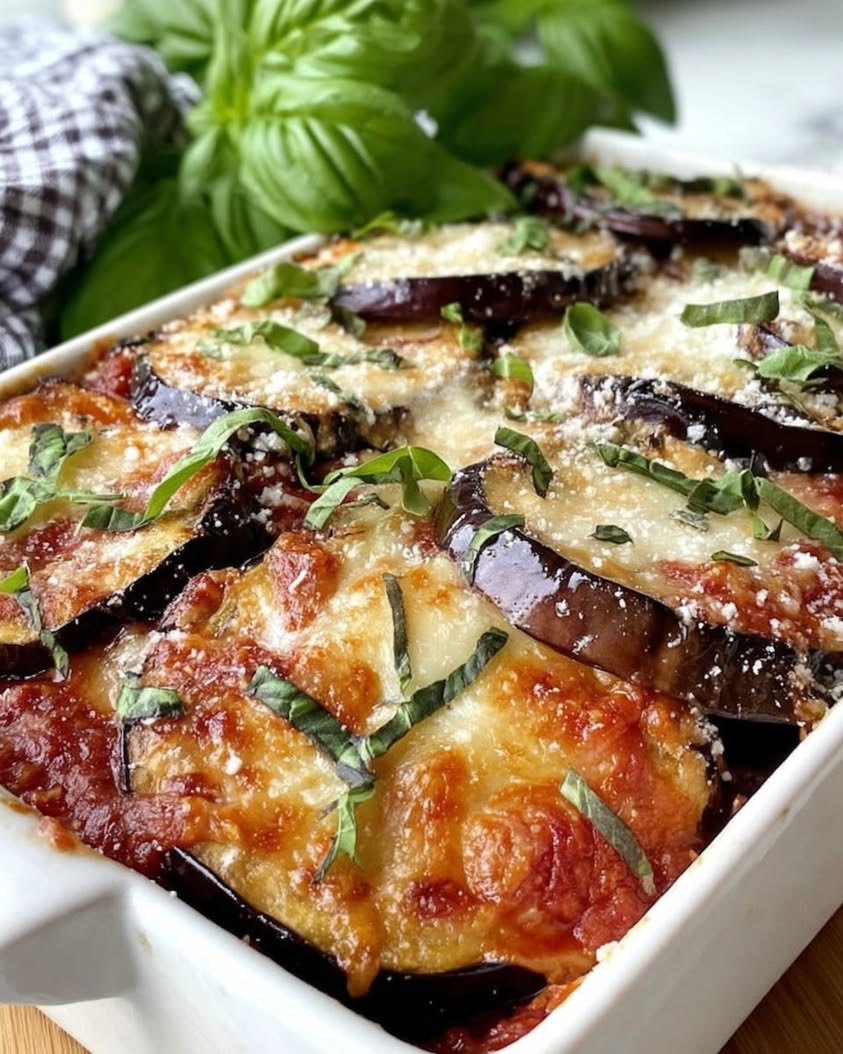
The beauty of this easy and cheesy eggplant casserole recipe for dinner extends beyond its taste. It is a one dish meal that requires minimal cleanup, which is always a win on busy evenings. The casserole reheats exceptionally well, making it perfect for meal prep or leftovers the next day. It also freezes beautifully, so you can double the recipe and save one for a future night when you need something convenient. The texture of the eggplant softens during baking but retains a pleasant bite if you do not overcook it. The cheese forms a golden, bubbly crust on top that is visually stunning. Serving this casserole at a dinner party will impress your guests because it looks and tastes like a restaurant quality dish. The rich, comforting flavors appeal to both adults and children, and it pairs wonderfully with a simple side salad or crusty bread. This is the kind of recipe that earns a permanent spot in your rotation because it delivers consistent, crowd pleasing results every single time.
Quick Recipe Highlights- Flavor Profile: This casserole offers a robust tomato flavor with herbal undertones from oregano and basil. The cheeses contribute a creamy, salty depth that balances the slight bitterness of eggplant. The overall taste is savory, satisfying, and deeply comforting without being overly complex.
- Texture: The eggplant becomes tender and almost melt in your mouth after baking. The cheese layer is gooey and stretchy when hot, forming a slightly crisp crust on top. The ricotta adds a creamy pocket of richness between the layers, creating a beautiful contrast with the soft eggplant and hearty sauce.
- Aroma: Your kitchen will fill with the inviting scent of garlic and onions sautéing in olive oil. The herbs release their fragrant oils as the sauce simmers, and the cheese becomes nutty and brown as it bakes. The overall aroma is warm, savory, and utterly appetizing before you even take a bite.
- Visual Appeal: The casserole presents beautifully with layers of deep red sauce, pale eggplant, and white cheese visible when sliced. The top is golden brown with darker spots where the cheese has caramelized. Fresh basil leaves or a sprinkle of parsley add a pop of green that makes the dish look restaurant ready.
- Skill Level Needed: This recipe is perfect for beginners because the steps are simple and the assembly is forgiving. You do not need any special techniques like salting or draining the eggplant. As long as you can slice vegetables and layer ingredients, you can make this casserole successfully on your first try.
- Special Equipment: A large skillet is needed for cooking the sauce, and a 9×13 inch baking dish works perfectly for layering. A sharp knife and cutting board are essential for uniform eggplant slices. Aluminum foil helps prevent the cheese from over browning during the initial baking period.
Recipe Overview- Difficulty Level: This recipe earns an easy rating because it has no complicated steps or tricky techniques. You do not need to worry about salting or sweating the eggplant, and the sauce comes together quickly. The layering process is straightforward and forgiving, and the oven does the hard work of melding all the flavors together. Even novice cooks can achieve excellent results with clear guidance.
- Category: This dish belongs to the main course casserole category because it is hearty enough to stand alone. It also fits into vegetarian dinner recipes since it contains no meat. The casserole can be served as a satisfying weeknight meal or as a more elegant entree for casual entertaining.
- Cuisine: The flavors draw heavily from Italian American culinary traditions with their emphasis on tomato sauce, garlic, and cheese. Eggplant itself is a staple in Mediterranean cuisines, particularly in dishes like eggplant Parmesan from Southern Italy. This recipe simplifies the classic preparation by skipping the breading and frying steps, making it more accessible for everyday cooking while preserving the essential flavor profile.
- Cost: This recipe is very budget friendly because eggplant is usually inexpensive, especially during summer months. Canned tomatoes, garlic, onions, and dried herbs are pantry staples that cost very little. Mozzarella and Parmesan add some expense but are still reasonable, and a little goes a long way. Overall, this casserole costs less than a comparable restaurant meal and feeds a crowd.
- Season: Eggplant is at its peak from late summer through early fall, which is the ideal time to make this casserole. The fresh, vibrant flavor of peak season eggplant truly shines in this dish. That said, eggplant is available year round in most grocery stores, so you can enjoy this recipe any time. The comforting, warm nature of the casserole also makes it a wonderful choice for cooler months.
- Occasion: This casserole is perfect for casual family dinners because it is satisfying and easy to prepare. It also shines at potlucks and community gatherings where it can be transported easily and served directly from the baking dish. Sunday suppers, holiday buffets, and meal prep sessions are all excellent occasions for this versatile recipe.
Why You Will Love This Recipe
The taste and texture combination in this easy and cheesy eggplant casserole recipe for dinner is genuinely irresistible. The soft, tender eggplant absorbs the savory tomato sauce and becomes the perfect vehicle for all that melted cheese. Each bite delivers a satisfying contrast between the creamy interior and the slightly browned, bubbly cheese on top. The sauce is rich and herby, with a bright acidity that cuts through the richness perfectly. It feels indulgent and comforting without being heavy or greasy. The flavors meld together during baking in a way that tastes like the dish has been simmering all day. This is the kind of meal that makes you close your eyes and savor the moment you take that first bite. It satisfies that deep craving for something warm, cheesy, and utterly fulfilling. You will find yourself planning when to make it again before you have even finished your first serving.
The convenience and preparation benefits of this recipe make it a standout choice for busy home cooks. The entire dish comes together in about an hour and fifteen minutes, with most of that being hands off baking time. You do not need to boil noodles or prepare a complicated sauce from scratch. The eggplants require no special treatment, so you can slice and layer them directly into the dish. You can even prepare the casserole entirely in advance and bake it later, which is a huge time saver on hectic days. The cleanup is minimal since everything cooks in one baking dish and one skillet. Leftovers taste even better the next day as the flavors continue to develop, making this a fantastic meal prep option. This recipe respects your time without demanding any shortcuts on flavor or quality. It is a practical solution for getting a delicious homemade dinner on the table with minimal stress.
The nutritional advantages of this easy and cheesy eggplant casserole recipe for dinner are impressive for such a satisfying dish. Eggplant is low in calories and carbohydrates while providing dietary fiber that supports digestive health. It also contains antioxidants like nasunin, which is found in the purple skin and has been associated with brain health benefits. The tomato sauce contributes lycopene, another powerful antioxidant that is linked to heart health. The cheeses provide calcium and protein, which help build strong bones and muscles. This casserole is naturally gluten free, making it accessible for those with gluten sensitivities. You can easily adjust the cheese content to reduce calories or fat without sacrificing flavor. It is a nutrient dense meal that leaves you feeling full and satisfied with a good balance of vegetables, protein, and healthy fats. Eating this casserole feels like a treat but also provides real nutritional value.
The social and entertaining value of this dish is remarkable because it pleases such a wide range of palates. It is a guaranteed hit at potlucks, dinner parties, and family gatherings because it appeals to both vegetarians and meat eaters alike. The presentation is impressive, with beautiful layers visible when you cut into it and a golden cheese crust that looks professional. You can prepare it ahead of time and simply reheat it before your guests arrive, which eliminates last minute stress. The casserole travels well and stays warm for a long time, making it ideal for bringing to someone else’s home. Serving this dish shows that you care about your guests because it is made from scratch with love and attention. It sparks conversation about its simplicity and flavor, and people always ask for the recipe. Sharing this casserole creates a sense of warmth and community around the dinner table.
The cost effectiveness and accessibility of ingredients make this recipe a practical choice for any household. Eggplant is one of the most affordable vegetables, especially when it is in season locally. Canned tomatoes, onions, garlic, and dried herbs are pantry staples that cost pennies per serving. The cheeses are the most expensive ingredients, but you can use store brand varieties to keep costs down. This recipe stretches to feed eight people generously, making it an economical option for feeding a family. You probably already have many of the spices and pantry items in your kitchen. The ingredients are available at any grocery store, and you can find substitutes if needed. This casserole proves that eating well does not have to be expensive or complicated. It uses simple, whole ingredients in a way that maximizes their potential and your budget.
Historical Background and Cultural Significance
The origins of eggplant casserole trace back to Mediterranean cuisine, where eggplant has been cultivated for thousands of years. Eggplant likely originated in India and spread to the Middle East and Europe through trade routes. Italian cooks embraced the vegetable and created iconic dishes like eggplant Parmesan, or melanzane alla parmigiana. This classic preparation involves breading and frying slices of eggplant before layering them with tomato sauce and cheese. The dish became a staple of Southern Italian cooking, particularly in the regions of Campania and Sicily. Immigrants brought these recipes to America in the late 19th and early 20th centuries. American home cooks adapted the traditional recipe to use ingredients that were more easily available. They simplified the preparation to fit busier lifestyles, and the casserole format became popular. The easy and cheesy eggplant casserole recipe for dinner is a direct descendant of this rich culinary tradition.
Eggplant Parmesan holds deep cultural importance in Italy, where it is often served on Sundays and special occasions. The dish represents the resourcefulness of Italian cooking, which transforms simple ingredients into something extraordinary. In many Italian American households, eggplant Parmesan is a Sunday dinner staple that brings the family together. It is also a common offering at Italian festivals and religious celebrations. The casserole format gained popularity in mid century America because it was economical and easy to serve to large groups. Church cookbooks from the 1950s and 1960s feature countless variations of eggplant casserole. The dish became a symbol of home cooking and hospitality. Today, eggplant casserole continues to be a comfort food that connects people to their heritage. It is a reminder of family meals and the simple pleasure of sharing food with loved ones.
The evolution of this recipe over the decades reflects changing tastes and cooking habits. Early versions required salting and pressing the eggplant to remove bitterness, a step that modern varieties rarely need. Home cooks began skipping the breading step to save time and reduce calories, creating lighter, less greasy versions. The use of ricotta cheese became more common as cooks sought to add creaminess without extra frying. Some versions added ground meat to make the casserole heartier for meat eating families. Others incorporated spinach, mushrooms, or zucchini to increase the vegetable content. The easy and cheesy eggplant casserole recipe for dinner represents a modern interpretation that prioritizes convenience without losing the essential character. It honors the tradition while adapting to contemporary kitchens and dietary preferences. This evolution shows how recipes are living documents that change with the times.
Regional variations of eggplant casserole exist throughout Italy and around the world. In Sicily, the dish often includes hard boiled eggs and salami for added richness. The Neapolitan version tends to be more straightforward with tomato sauce, mozzarella, and basil. In Greece, a similar dish called moussaka layers eggplant with spiced meat and béchamel sauce. Turkish imam bayildi is a stuffed eggplant dish that shares some DNA with the casserole. Lebanese versions sometimes add chickpeas and tahini for a different flavor profile. In the United States, regional variations reflect local tastes, with some versions adding bell peppers or using different cheese blends. This easy and cheesy eggplant casserole recipe for dinner is an Americanized version that emphasizes ease and accessibility. It draws from the Italian tradition but makes adjustments for modern home cooks. The dish continues to evolve as new generations put their own spin on it.
Ingredient Deep Dive
Eggplant is the star of this easy and cheesy eggplant casserole recipe for dinner, and it has a fascinating history. This vegetable has been cultivated in India for over 4,000 years before spreading to China and the Middle East. It arrived in Europe with the Moors and was initially met with suspicion because of its bitter taste. Italian cooks eventually discovered that roasting or cooking the eggplant softened its texture and mellowed its flavor. Nutritionally, eggplant is an excellent source of dietary fiber, potassium, and manganese. It also contains phytonutrients like chlorogenic acid that have antioxidant properties. When selecting eggplant, look for specimens that feel heavy for their size with smooth, shiny skin. The stem should be green and fresh looking, not dried out. Store eggplants in a cool, dry place and use them within a few days of purchase for best quality. You can substitute zucchini or yellow squash if eggplant is not available.
Tomatoes form the backbone of the sauce in this casserole, and they bring their own impressive history to the dish. Tomatoes originated in South America and were domesticated in Mexico before spreading to Europe after colonization. They were initially grown as ornamental plants because people feared their toxicity. Italian cooks in the 18th century finally embraced the tomato and created the sauces that define so much of Italian cooking. Canned crushed tomatoes work perfectly in this recipe because they provide consistent flavor and texture year round. They are rich in lycopene, an antioxidant that becomes more bioavailable when cooked. For the best sauce, look for brands that contain only tomatoes and maybe a little salt. San Marzano tomatoes are prized for their sweet flavor and low acidity. You can use tomato puree or passata for a smoother sauce, or diced tomatoes if you prefer more texture. Fresh tomatoes can be used when in season but require longer cooking to break down properly.
Mozzarella cheese is the primary source of gooey goodness in this recipe, and its history is rooted in Italian dairy traditions. Mozzarella originated in the Campania region of Italy, where water buffalo milk was used to create this fresh, stretchy cheese. The name comes from the Italian verb mozzare, meaning to cut off, referring to how the cheese is formed. Whole milk low moisture mozzarella is the best choice for this casserole because it melts beautifully without becoming watery. It provides excellent stretch and browning when baked at high temperatures. Fresh mozzarella packed in water can be used but should be patted dry and sliced before layering. This cheese contributes a significant amount of calcium and protein to the dish. Look for bricks of mozzarella that feel firm and have a uniform color. Store mozzarella tightly wrapped in the refrigerator, and grate it fresh for the best melting properties. You can substitute provolone or fontina for a different flavor profile.
Parmesan cheese adds a salty, nutty finishing touch that elevates the entire casserole. True Parmesan, or Parmigiano Reggiano, comes from a specific region in Italy and must meet strict aging requirements. The cheese is aged for at least 12 months, developing its characteristic crystal crunch and umami flavor. Freshly grated Parmesan is far superior to pre shredded versions because it melts more smoothly and tastes brighter. The cheese adds a savory depth that enhances the tomato sauce and complements the milder mozzarella. Parmesan is a good source of calcium and protein, and its strong flavor means a little goes a long way. You can substitute Grana Padano or Pecorino Romano for a similar effect, though Pecorino is saltier and sharper. Store Parmesan wrapped in wax paper in the refrigerator, and grate it as needed for the best flavor. The rind can be saved and added to soups or sauces for extra flavor.
Common Mistakes to Avoid- Using eggplant that is too large or old will result in a bitter taste and tough skin. Older eggplants develop more seeds and a spongy texture. Choose medium sized eggplants that feel firm and have smooth, glossy skin.
- Not slicing the eggplant evenly will cause uneven cooking in your casserole. Some pieces will be undercooked while others become mushy. Aim for uniform rounds about half an inch thick so they cook at the same rate.
- Skipping the step of cooking the sauce long enough will leave it watery and bland. The sauce needs time to reduce and concentrate its flavors. Simmer it for at least 15 minutes to achieve the right consistency and depth.
- Using too much sauce will make the casserole soggy and cause it to slide apart when served. A thin, even layer between each layer of eggplant is sufficient. You want each bite to hold together without being soaked.
- Overloading the casserole with cheese can make it greasy and overpower the other flavors. Use the recommended amounts for a balanced dish. The cheese should complement the eggplant and sauce, not dominate them.
- Not covering the casserole during the first half of baking will cause the cheese to burn. The foil traps steam and allows the eggplant to cook through without the top browning too quickly. Remove the foil only during the last 10 minutes.
- Cutting the casserole immediately after baking will cause it to fall apart into a messy pile. Let it rest for at least 10 minutes after coming out of the oven. This allows the layers to set and makes slicing much cleaner.
Essential Techniques
Slicing the eggplant properly is a critical technique for this easy and cheesy eggplant casserole recipe for dinner. You should slice the eggplant into rounds that are approximately half an inch thick for the best results. Thicker slices will not cook through completely and may remain tough in the center. Thinner slices can become mushy and fall apart during layering and baking. Use a sharp chef knife to make clean cuts that do not tear the skin. You can also use a mandoline slicer set to the appropriate thickness for perfectly uniform pieces. Uniform slicing ensures that all the eggplant pieces cook at the same rate. The skin should be left on because it holds the slices together and provides a nice visual contrast. Some people prefer to peel the eggplant, but this can make the slices more delicate and prone to breaking. The skin also contains many of the beneficial antioxidants found in eggplant.
Building the layers correctly determines the final texture and structure of your casserole. Start with a thin layer of sauce on the bottom of the baking dish to prevent the eggplant from sticking. Place a single layer of eggplant slices, slightly overlapping them to cover the surface completely. Spread a thin layer of sauce over the eggplant, followed by dollops of ricotta cheese if you are using it. Sprinkle a generous amount of shredded mozzarella and Parmesan over the sauce. Repeat these layers until all the ingredients are used, ending with a final layer of sauce and cheese on top. Each layer should be even and consistent to ensure that every serving has a balanced amount of each component. Do not press down on the layers because you want some air circulation for even cooking. The top layer of cheese should be thick enough to form a beautiful golden crust. This layering technique creates a cohesive casserole that slices cleanly after resting.
Baking the casserole with and without foil is a two step process that achieves the perfect texture. Cover the assembled casserole tightly with aluminum foil and bake at 375 degrees Fahrenheit for 25 minutes. The foil traps steam and allows the eggplant to cook through without drying out. After 25 minutes, remove the foil and continue baking for another 15 to 20 minutes. The uncovered baking period allows the excess moisture to evaporate and the cheese to brown. The casserole is ready when the top is golden brown and bubbly, and the edges are visibly bubbling with sauce. A knife inserted into the center should slide through the eggplant easily without resistance. The internal temperature should reach around 165 degrees Fahrenheit if you want to check. Let the casserole rest for 10 minutes after baking before slicing and serving. This resting period allows the layers to set and the casserole to hold its shape beautifully.
Pro Tips for Perfect Easy and Cheesy Eggplant Casserole Recipe for Dinner
Choose eggplants that are roughly the same size and shape so your slices are consistent. Uniform slices cook more evenly and create a more attractive casserole. Avoid using eggplants that are very large because they tend to be more bitter and have tougher skin.
Salt the eggplant slices and let them sit for 30 minutes before patting them dry to remove excess moisture. This step is optional but can help prevent the casserole from becoming watery. It also reduces any bitterness that might be present in older eggplants.
Use a combination of shredded and fresh mozzarella for the best texture and flavor in your casserole. Shredded mozzarella melts smoothly, while fresh mozzarella adds pockets of creamy cheese. The contrast in textures makes each bite more interesting and satisfying.
Toast your dried herbs in the skillet with the garlic for about 30 seconds before adding the tomatoes. This simple technique releases the essential oils in the herbs and deepens their flavor. The difference in taste is subtle but noticeable in the finished dish.
Let the sauce cool slightly before assembling the casserole so it does not cook the cheese prematurely. Hot sauce can cause the mozzarella to melt and separate before the casserole even goes in the oven. Allowing the sauce to cool for five minutes solves this problem.
Use a serrated knife to slice the finished casserole for the cleanest cuts with minimal dragging. A sharp serrated knife saws through the layers without compressing them. This technique keeps your beautiful layers intact and visible on the plate.
Variations and Adaptations
Regional variations of this easy and cheesy eggplant casserole recipe for dinner offer exciting flavor twists. You can add a layer of sautéed spinach or cooked mushrooms between the eggplant slices for extra vegetables. Some versions incorporate ground beef or Italian sausage cooked into the sauce for a heartier meal. The addition of sliced zucchini or yellow squash creates a summer vegetable medley that is colorful and delicious. You can use bechamel sauce instead of ricotta for a creamier, more decadent casserole. A sprinkle of red pepper flakes adds gentle heat that complements the richness of the cheese. Fresh basil leaves layered between the eggplant slices add a bright, peppery flavor. These regional variations allow you to customize the casserole to your taste preferences and what is available in your kitchen.
Seasonal adaptations let you enjoy this casserole throughout the year with peak flavor. In summer, use fresh tomatoes and basil from your garden for the most vibrant sauce. The abundance of fresh produce makes the casserole taste exceptional and connects you to the season. In fall, add roasted butternut squash or pumpkin puree to the sauce for a sweeter, earthier flavor. Winter calls for using high quality canned tomatoes and dried herbs, which still produce excellent results. You can also incorporate winter greens like kale or Swiss chard into the layers for added nutrition. Spring versions can include fresh peas, asparagus tips, or artichoke hearts for a lighter twist. Each season brings unique produce that can enhance this versatile casserole.
Dietary modifications make this casserole accessible to almost anyone regardless of restrictions. For a gluten free version, the recipe is already naturally gluten free because there is no flour or breadcrumb component. Just ensure your tomato sauce and cheese are certified gluten free. A dairy free adaptation requires using plant based mozzarella and Parmesan alternatives, which have improved significantly in recent years. You can also make a vegan version by replacing the cheese with a cashew ricotta and using nutritional yeast for a cheesy flavor. For a lower carbohydrate option, reduce the amount of tomato sauce and increase the vegetables. A paleo version would omit the cheese and use a nut based sauce instead. Each modification allows you to enjoy the comforting flavors of this casserole while adhering to your dietary needs.
Flavor variations allow you to experiment with different herb and spice combinations. Smoked paprika adds a subtle smoky flavor that pairs beautifully with eggplant. A pinch of cinnamon or allspice in the sauce creates a warm, Middle Eastern inspired variation. Fresh mint leaves layered with the eggplant offer a refreshing contrast to the rich cheese. You can use fire roasted tomatoes for a deeper, more complex tomato flavor in the sauce. Adding a layer of roasted red peppers or sun dried tomatoes introduces a sweet, intense note. Fresh oregano or marjoram can replace the basil for a different aromatic profile. These flavor variations keep the recipe fresh and exciting every time you make it.
Texture modifications let you customize the mouthfeel of your casserole to suit your preferences. For a firmer casserole with more distinct layers, pre roast the eggplant slices for 10 minutes before assembling. Roasting removes some moisture and gives the eggplant a meatier texture. If you prefer a softer, more tender casserole, skip the pre roasting and let the eggplant cook fully in the sauce. You can also add a layer of toasted breadcrumbs mixed with Parmesan on top for a crunchy crust. Sautéed onions and garlic added to each layer create a more cohesive texture throughout the dish. For an even creamier casserole, increase the amount of ricotta cheese or add a layer of béchamel sauce. Each texture adjustment changes the eating experience in subtle but enjoyable ways.
Serving and Presentation Guide
Plating this easy and cheesy eggplant casserole recipe for dinner with care transforms a simple meal into an impressive presentation. Use a wide, flat spatula to lift slices from the baking dish, keeping the layers intact. Place each slice in the center of a warmed dinner plate to maintain temperature. Drizzle a little extra warmed marinara sauce around the base of the casserole for color and moisture. A small sprinkle of freshly grated Parmesan on top adds a final flourish of flavor and texture. The sauce around the plate should be artfully swirled, not poured in a heavy puddle. Leave enough empty space on the plate for a side dish without crowding. The goal is a clean, elegant presentation that shows off the beautiful layers of the casserole.
Garnishing ideas elevate the visual appeal of this casserole with minimal effort. Fresh basil leaves are the classic choice and their green color contrasts beautifully with the red sauce and golden cheese. A sprinkle of fresh chopped parsley adds brightness and a mild, fresh flavor. Thinly sliced fresh scallions or chives scattered over the top provide a subtle onion note. A light dusting of red pepper flakes adds color and a hint of heat for those who enjoy spice. Edible flowers like nasturtiums or borage blossoms create an elegant, garden fresh look for special occasions. A drizzle of high quality extra virgin olive oil just before serving adds richness and sheen. Keep garnishes simple and purposeful, letting the casserole itself remain the star of the plate.
Traditional accompaniments complete the meal and highlight the flavors of the casserole. A crisp green salad with a simple lemon vinaigrette provides a bright, acidic contrast to the rich casserole. Crusty Italian or sourdough bread is essential for sopping up any extra sauce on the plate. Roasted vegetables like asparagus or broccoli add color and nutritional variety to the meal. A side of garlic bread or breadsticks offers a familiar, comforting pairing. Simple steamed green beans or sautéed spinach are classic vegetable sides that complement the dish. For a heartier meal, serve the casserole with a side of pasta tossed in olive oil and garlic. These accompaniments round out the meal and make it feel complete and satisfying.
Wine and Beverage Pairing
A medium bodied red wine is the classic pairing for this easy and cheesy eggplant casserole recipe for dinner. A Chianti Classico from Tuscany offers bright acidity and cherry flavors that cut through the richness of the cheese. The wine’s tannins are moderate enough not to overpower the delicate eggplant. A Barbera d’Alba is another excellent choice with its high acidity and dark fruit notes. For a softer option, a Dolcetto provides gentle tannins and a pleasant, fruity finish. A Montepulciano d’Abruzzo offers good value and enough structure to stand up to the tomato sauce. These wines have enough body to match the casserole without being too heavy.
White wine drinkers have excellent options that pair beautifully with this vegetarian dish. A Vermentino from Sardinia offers bright citrus notes and a pleasant minerality that complements the herbs. The wine’s crisp acidity refreshes the palate between bites of rich cheese and sauce. A Pinot Grigio from Alto Adige is another light, refreshing choice with subtle floral notes. For a more aromatic white, a Soave Classico from the Veneto region offers almond and lemon blossom flavors. A dry Riesling from Alsace or Germany provides enough acidity and fruit to match the tomato based dish. These white wines bring a different but equally enjoyable dimension to the pairing.
Non-alcoholic alternatives provide delicious options for those who prefer not to drink wine. A high quality sparkling water with a squeeze of lemon cleanses the palate effectively between bites. A non-alcoholic red wine from brands like Surely or Gruvi offers the flavor profile of wine without the alcohol. These products have improved significantly and provide a convincing wine experience. A tomato based juice like Clamato or a simple Bloody Mary mix can complement the tomato flavors in the casserole. Herbal iced tea with basil or mint offers a refreshing, aromatic pairing that echoes the herbs in the dish. Sparkling apple cider or grape juice provide sweetness and acidity that balance the savory casserole.
Storage and Shelf Life
Proper storage of this easy and cheesy eggplant casserole recipe for dinner keeps it fresh and delicious for several days. Allow the casserole to cool completely before covering it for storage to prevent condensation. Wrap the baking dish tightly with plastic wrap, or transfer leftovers to an airtight container. The casserole will keep in the refrigerator for up to four days when stored properly. The flavors often improve after a day in the fridge as the ingredients meld together. You can also store individual portions in separate containers for easy grab and go lunches. Label the container with the date so you know when it was made. Keep the casserole on a refrigerator shelf rather than the door where temperatures fluctuate more. The cheese may release some oil during storage, which is normal and will redistribute when reheated.
Freezing this casserole is an excellent way to extend its shelf life for up to three months. For best results, assemble the casserole completely in a freezer safe baking dish but do not bake it. Cover the dish tightly with a layer of plastic wrap followed by a layer of aluminum foil. The double layer protects the casserole from freezer burn and absorbs any odors. You can also freeze baked casserole by cooling it completely and wrapping it the same way. Thaw frozen casserole in the refrigerator overnight before baking or reheating. Baking from frozen is possible but will require about 50 percent more cooking time. The texture of the eggplant may soften slightly upon thawing, but the flavor remains excellent. Freezing individual portions in small containers is another convenient option for quick meals.
Make Ahead Strategies
Preparing components of this casserole in advance saves significant time on busy cooking days. You can slice the eggplant up to 24 hours ahead and store it in the refrigerator wrapped in paper towels. The paper towels absorb excess moisture and prevent the slices from becoming slimy. The sauce can be made up to three days in advance and stored in the refrigerator. The flavors of the sauce actually improve as the herbs and spices meld together over time. You can also grate the cheeses and store them in separate bags in the refrigerator for easy assembly. Having these components ready means you can assemble and bake the casserole in under 30 minutes. This approach is ideal for weeknight dinners when you have limited time after work.
Assembling the entire casserole ahead of time is a convenient option for entertaining or busy schedules. Layer all the ingredients in the baking dish as directed, but do not bake it yet. Cover the dish tightly with plastic wrap and refrigerate for up to 24 hours before baking. Remove the casserole from the refrigerator about 30 minutes before baking to take the chill off. The baking time may need to be increased by about 10 minutes if the casserole goes into the oven cold. The final texture of a make ahead casserole is often even better because the flavors have more time to develop. This strategy allows you to prepare a meal in advance and simply pop it in the oven when you are ready. It is perfect for dinner parties or when you know you will have a hectic day.