Roasted Asparagus and Carrots: The Perfect Easy Side Dish Recipe
This roasted asparagus and carrots recipe transforms simple vegetables into a caramelized, tender dish that elevates any weeknight dinner. The combination of asparagus and carrots creates a beautiful color contrast and a flavor profile that feels both rustic and sophisticated. You will love how the high heat brings out natural sugars, creating slightly crunchy ends and soft interiors.
Finding a side dish that pleases everyone at the table can be challenging, but this recipe for roasted asparagus and carrots checks all the boxes. It comes together with minimal effort, uses common pantry ingredients, and pairs well with almost any protein. The earthy sweetness of carrots complements the grassy notes of asparagus, making this a versatile addition to your cooking rotation.
When you roast asparagus and carrots together, the vegetables develop a deep, savory character that steaming or boiling simply cannot achieve. The edges become golden and crisp while the centers remain juicy and flavorful. This method also preserves nutrients better than water-based cooking techniques, so you get both great taste and great nutrition from a single sheet pan.
Quick Recipe Highlights
- Flavor Profile: This dish offers a balanced combination of natural sweetness from carrots and earthy, slightly bitter notes from asparagus. A touch of garlic and lemon brightens everything, while olive oil adds richness. The roasting process concentrates flavors, making each bite intensely satisfying.
- Texture: You get a wonderful contrast with this roasted asparagus and carrots recipe. The asparagus tips become slightly crispy, and the stalks turn tender yet firm. Carrots soften completely but retain a pleasant bite, and the outer edges caramelize for a delightful crunch.
- Aroma: Your kitchen will fill with the warm, nutty scent of roasting vegetables mixed with garlic and olive oil. As the carrots release their sugars, a sweet fragrance mingles with the fresh green smell of asparagus. A final squeeze of lemon adds a bright, clean note that ties everything together.
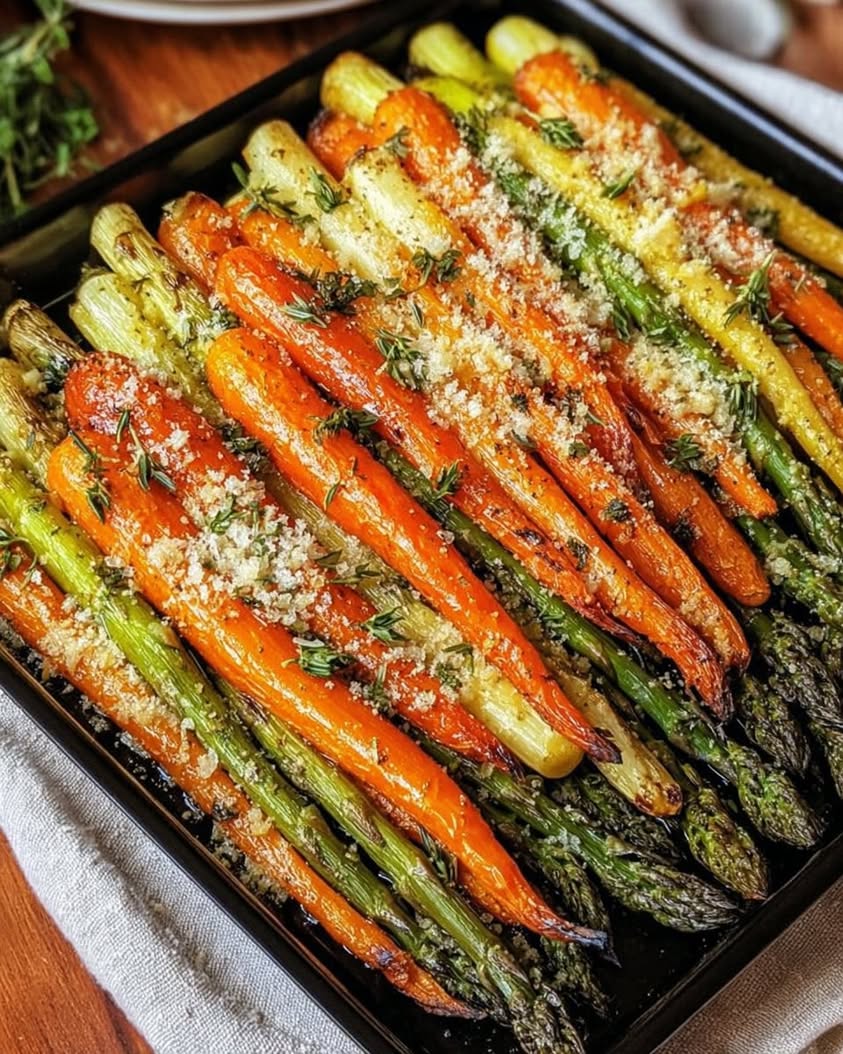
- Visual Appeal: The vibrant green of asparagus spears next to the deep orange of roasted carrots creates an eye-catching presentation on any plate. Slight char marks and glistening edges add texture and depth. A sprinkle of fresh herbs or flaky salt gives it a finished, gourmet look.
- Skill Level Needed: This is a beginner-friendly recipe that requires no special techniques or experience. You simply wash the vegetables, toss them with seasoning, and spread them on a pan. Even novice cooks can achieve excellent results on the first try.
- Special Equipment: You only need a standard rimmed baking sheet and basic kitchen tools like a knife and cutting board. Parchment paper makes cleanup easier, but it is not required. No specialized gadgets are necessary for this straightforward dish.
Recipe Overview
- Difficulty Level: We rate this recipe as easy because it involves only basic knife skills and straightforward roasting. There are no complex techniques, no fussy timing requirements, and no hard-to-find ingredients. Anyone who can set an oven temperature and toss vegetables can make this dish confidently.
- Category: This recipe falls into the vegetable side dish category, perfect for accompanying main courses like roasted chicken, grilled fish, or steak. It also works well as a component of a vegetarian or vegan meal. You can serve it for casual family dinners or holiday gatherings equally well.
- Cuisine: While roasting vegetables is a technique used worldwide, this preparation draws inspiration from Mediterranean cooking traditions. The combination of olive oil, garlic, and lemon reflects classic Italian and Greek flavor profiles. Simple yet bold, this style emphasizes letting fresh ingredients shine.
- Cost: This is an economical dish since asparagus and carrots are generally affordable, especially when in season. Olive oil and basic seasonings are kitchen staples you likely already have. You can expect to spend around five to seven dollars for four servings, making it budget-friendly.
- Season: Spring is the peak season for both asparagus and young, tender carrots, making this dish a natural choice for Easter or spring dinners. However, you can find decent quality vegetables year-round at most grocery stores. Fall and winter carrots are especially sweet, so feel free to adapt to what is available.
- Occasion: This versatile side dish suits everything from busy weeknight meals to special occasions like Thanksgiving or dinner parties. It presents beautifully enough for entertaining yet remains simple enough for a quick family supper. The hands-off cooking time also allows you to focus on other dishes.
Why You Will Love This Recipe
The taste and texture of this roasted asparagus and carrots dish create an irresistible combination that appeals to vegetable lovers and skeptics alike. As the vegetables roast, their natural sugars caramelize, producing a sweet, nutty flavor that feels almost indulgent. The slight char on the edges adds a subtle smokiness that contrasts beautifully with the tender centers. You will find that each bite offers a different experience, from crisp tips to soft carrot cores. This variety keeps your palate engaged and makes the dish far more interesting than plain steamed vegetables. The simple lemon and garlic finish adds brightness that cuts through the richness perfectly.
Convenience is a major reason to add this recipe to your regular rotation. With only ten minutes of active preparation, you can have the vegetables seasoned and in the oven quickly. The remaining twenty minutes are completely hands-off, giving you time to prepare the rest of your meal. Cleanup is equally easy, especially if you line your pan with parchment paper. This roasted asparagus and carrots recipe requires no babysitting, no stirring, and no complicated steps. It is the kind of side dish that makes you feel like a skilled cook without much effort.
Nutritional advantages make this dish a smart choice for health-conscious cooks. Both asparagus and carrots are packed with vitamins, fiber, and antioxidants that support overall wellness. Roasting preserves these nutrients better than boiling, which can leach vitamins into the water. You get a good dose of vitamin A from the carrots and vitamin K from the asparagus in every serving. The olive oil provides healthy monounsaturated fats that help your body absorb fat-soluble vitamins. This side dish fits easily into balanced diets, including low-calorie, low-carb, and Mediterranean eating plans.
Social and entertaining value is another strong point for this recipe. When you serve roasted asparagus and carrots, the vibrant colors and appealing aromas impress guests without requiring stressful last-minute preparation. You can easily double the recipe to feed a crowd, and the dish looks elegant on a buffet table or alongside a holiday roast. Because it pairs well with so many main courses, you can plan your menu around this reliable side. Friends and family will appreciate the homemade touch that feels both thoughtful and effortless. It is the kind of dish that makes people ask for the recipe.
Cost-effectiveness and accessibility ensure that anyone can enjoy this delicious side dish. Asparagus and carrots are widely available in supermarkets and farmers markets throughout the year. The remaining ingredients are basic pantry staples that you likely already have on hand. Compared to buying pre-roasted vegetables or ordering them at a restaurant, making this dish at home saves significant money. You also control the quality of ingredients and can adjust seasonings to your preference. This recipe proves that eating well does not require expensive ingredients or fancy equipment.
Historical Background and Cultural Significance
Both asparagus and carrots have rich histories that stretch back thousands of years in human cultivation. Asparagus was highly prized by ancient Egyptians, Greeks, and Romans, who valued it for both culinary and medicinal purposes. Roman emperors even kept special fleets to transport asparagus quickly from the fields to the table. Carrots originated in Central Asia and were initially grown for their leaves and seeds rather than their roots. The familiar orange carrot we know today was developed through selective breeding in the Netherlands during the 17th century.
Cultural importance for these vegetables varies across different regions of the world. In Europe, asparagus is considered a luxury spring vegetable, often associated with fine dining and seasonal celebrations. White asparagus is especially revered in Germany and France, where it has its own dedicated festivals. Carrots hold significant cultural value in many cuisines, from Moroccan tagines to Indian curries and American carrot cake. Both vegetables symbolize health and vitality in various traditions, and they feature prominently in springtime dishes that celebrate renewal and fresh growth.
The evolution of roasting as a cooking method for vegetables has transformed how we approach side dishes. Early roasting was done over open fires, which imparted smoky flavors that enhanced the natural sweetness of vegetables. Modern ovens made the process more accessible and consistent, allowing home cooks to achieve excellent results with minimal effort. The popularity of sheet pan dinners in recent years reflects a broader trend toward simple, one-pan cooking that maximizes flavor while minimizing cleanup. This roasted asparagus and carrots recipe represents that contemporary approach to home cooking.
Regional variations of roasted vegetables abound, with different cultures adding their own unique twists. In the Mediterranean region, cooks often add herbs like oregano, thyme, or rosemary to their roasted vegetables. Middle Eastern versions might include cumin, coriander, and a sprinkle of zaatar. Asian-inspired preparations could feature soy sauce, sesame oil, and ginger for a different flavor profile. The basic technique of tossing vegetables in oil and roasting them at high heat remains consistent across these variations. This versatility is precisely why roasted asparagus and carrots work so well as a base recipe that you can adapt to any cuisine.
Ingredient Deep Dive
Asparagus has been cultivated for over 2,000 years, with origins in the eastern Mediterranean region. It was considered an aphrodisiac in ancient times and was often reserved for royalty. Nutritionally, asparagus is an excellent source of folate, vitamins A, C, E, and K, as well as chromium, a mineral that helps regulate blood sugar. It also contains glutathione, a powerful antioxidant that supports liver health. When selecting asparagus, look for firm, bright green spears with tightly closed tips. Avoid any that appear wilted, slimy, or have spreading tips. To store fresh asparagus, trim the ends and stand them upright in a glass with about an inch of water, then cover loosely with a plastic bag and refrigerate. You can also wrap them in a damp paper towel and place them in the crisper drawer. If you cannot find fresh asparagus, frozen spears work well for roasting, though you should thaw and pat them dry first to avoid excess moisture.
Carrots have a fascinating history that began with wild varieties that were purple or white, not orange. The familiar orange carrot was developed in the Netherlands as a tribute to the House of Orange. Carrots are famously rich in beta-carotene, which your body converts into vitamin A, essential for good vision and immune function. They also provide fiber, vitamin K, potassium, and antioxidants. For the best flavor and texture, choose carrots that are firm, smooth, and bright in color. Smaller carrots tend to be sweeter and more tender, while larger ones can be woody. Remove the green tops before storing, as they draw moisture from the root. Store carrots in the refrigerator in a plastic bag, where they can last for several weeks. Baby carrots are a convenient alternative, though they may be slightly less flavorful. Parsnips make an excellent substitute if you want a similar texture with a more earthy, nutty flavor.
Common Mistakes to Avoid
- Crowding the pan is a frequent error that leads to steamed rather than roasted vegetables. When you pack too many vegetables onto the sheet, they release moisture and create steam. This prevents caramelization and results in soggy, pale asparagus and carrots. Always leave space between pieces for proper air circulation.
- Cutting vegetables unevenly causes inconsistent cooking times. Thicker carrot pieces will remain crunchy while thinner ones burn, and asparagus spears will cook at different rates. Take the time to cut carrots into uniform sizes and trim asparagus to similar lengths. This ensures everything finishes cooking at the same moment.
- Using too little oil prevents proper browning and flavor development. The vegetables need a light but thorough coating to conduct heat effectively and encourage caramelization. Skimping on oil leads to dry, tough results. Drizzle generously and toss well to coat every piece.
- Failing to preheat the oven adequately is another common mistake. Roasting requires high, consistent heat to achieve that desirable golden exterior. If you place vegetables in a cold oven, they will cook slowly and lose moisture before browning begins. Always wait for the oven to reach the target temperature before adding the pan.
- Adding salt too early can draw out moisture and make vegetables watery. Salt pulls water from plant cells through osmosis, creating steam that interferes with browning. Season your roasted asparagus and carrots just before serving or in the last few minutes of cooking for the best texture.
- Neglecting to flip the vegetables halfway through roasting leads to uneven browning. The side touching the hot pan caramelizes first, while the top remains pale. A quick toss or flip with a spatula at the midpoint ensures all sides get exposure to direct heat.
- Using old or limp vegetables compromises the final dish quality. Fresh asparagus should snap when bent, and carrots should be firm and crisp. Wilted vegetables have lost moisture and will not roast well. Always check your produce before starting.
- Overcrowding the pan is so common it deserves a second mention because people still do it. Use two pans if needed rather than cramming everything onto one. Rotate the pans halfway through for even cooking. This small effort makes a huge difference in the outcome.
Essential Techniques
Trimming asparagus properly is a fundamental skill for this recipe. The woody ends of asparagus spears are tough and fibrous, making them unpleasant to eat. To find the natural breaking point, hold a spear near the bottom and gently bend it until it snaps. This occurs where the tender part meets the woody stem. Use this snapped spear as a guide to trim the rest of the bunch. Alternatively, you can simply cut off about an inch or two from the bottom, though this method is less precise. For thicker spears, you may want to peel the lower portion with a vegetable peeler to ensure even tenderness. This extra step creates a more uniform texture throughout the spear.
Cutting carrots into uniform pieces is equally important for consistent roasting. Start by peeling the carrots to remove the outer skin, which can be tough and bitter. Then trim off both ends. For even cooking, slice the carrots into sticks or rounds that are roughly the same thickness as the asparagus spears. A good rule of thumb is to cut them into pieces about three to four inches long and half an inch thick. This size matches the asparagus in cooking time. If you use baby carrots, you can leave them whole, but larger ones require cutting. Taking these few extra minutes ensures that every piece in your roasted asparagus and carrots dish cooks perfectly.
The high-heat roasting technique is the heart of this recipe. Preheating your oven to 400 degrees Fahrenheit creates the ideal environment for caramelization. The Maillard reaction, which creates those desirable brown bits, begins at around 310 degrees, so your oven must be hot enough. Spreading the vegetables in a single layer allows hot air to circulate around each piece. Do not cover the pan, as trapping steam will prevent browning. Roast for about ten minutes, then flip the vegetables. Continue roasting for another eight to ten minutes until the edges are golden and the vegetables are fork-tender. Visual cues include slightly shriveled asparagus tips and carrots that have darkened edges and a glossy appearance.
Pro Tips for Perfect Roasted Asparagus and Carrots
Pat the vegetables dry after washing them to remove excess moisture that can cause steaming. Even a small amount of water on the surface will lower the temperature and prevent proper browning. Use a clean kitchen towel or paper towels to blot them dry before seasoning.
Cut carrots on a slight diagonal to increase surface area for caramelization. The angled pieces expose more flesh to the hot pan, creating additional golden-brown spots. This simple cutting technique adds visual interest and more flavorful bits.
Add minced garlic during the last five minutes of roasting to prevent burning. Garlic burns quickly at high temperatures and becomes bitter. Toss the vegetables with fresh garlic near the end of cooking for a mellow, sweet garlic flavor without any acrid notes.
Use a rimmed baking sheet to contain any juices and prevent spills in your oven. The rim also makes it easy to toss the vegetables without them sliding off the pan. A half-sheet pan is the perfect size for four servings of roasted asparagus and carrots.
Season with flaky sea salt just before serving for a burst of texture and flavor. The coarse crystals provide a pleasant crunch and a more pronounced salty taste than fine salt. This finishing touch elevates the dish from good to restaurant-quality.
Squeeze fresh lemon juice over the vegetables immediately after removing them from the oven. The heat helps the juice absorb into the vegetables, brightening the flavors. Do not add lemon before roasting, as the acid can break down the vegetables and make them mushy.
Experiment with different oils for varied flavor profiles. Avocado oil has a higher smoke point and a neutral taste, while walnut or hazelnut oil adds nuttiness. Each oil imparts its own character to the roasted vegetables, so feel free to try new options.
Variations and Adaptations
Regional variations of roasted vegetables appear in cuisines around the world. Italian-inspired roasted asparagus and carrots might include a sprinkle of Parmesan cheese and fresh basil during the last few minutes of cooking. For a Greek twist, add oregano, lemon zest, and crumbled feta cheese after roasting. A Moroccan version could feature cumin, coriander, cinnamon, and a drizzle of honey for a sweet-spicy combination. These regional adaptations show how versatile this simple technique can be, allowing you to travel the world through your kitchen.
Seasonal adaptations let you enjoy this dish throughout the year. In spring, use thin asparagus spears and young, sweet carrots for the most tender results. Summer brings an abundance of cherry tomatoes, which you can add to the pan for a burst of acidity. Fall roasted asparagus and carrots benefit from the addition of root vegetables like parsnips, sweet potatoes, or beets. Winter versions can incorporate hearty greens like kale or Brussels sprouts for extra nutrition. Each season offers new opportunities to refresh this basic recipe.
Dietary modifications make this dish accessible to almost everyone. For a vegan version, simply follow the recipe as written since it contains no animal products. The dish is naturally gluten-free, so those with celiac disease or gluten sensitivity can enjoy it safely. Low-carb dieters will appreciate that asparagus is very low in carbohydrates, and carrots, while slightly higher, still fit into moderate low-carb plans. For a keto-friendly adaptation, increase the fat content by adding extra olive oil or tossing with melted butter before serving. Paleo and Whole30 audiences will find this recipe fully compliant with their dietary guidelines.
Flavor variations allow you to customize the dish to your preferences. Add smoked paprika for a subtle, smoky depth that complements the sweetness of the carrots. Sprinkle red pepper flakes for a touch of heat that contrasts nicely with the earthy vegetables. Balsamic vinegar drizzled over the vegetables before roasting creates a tangy, sweet glaze. Fresh herbs like thyme, rosemary, or dill add aromatic complexity. You can even experiment with different spice blends, such as curry powder or garam masala, for entirely new flavor experiences.
Serving and Presentation Guide
Plating techniques for this roasted asparagus and carrots dish can elevate a simple side into a stunning presentation. Arrange the vegetables in a single, overlapping line across a platter for a clean, modern look. Alternatively, create a small bundle of vegetables on each plate for individual servings. The contrasting colors of green and orange naturally catch the eye, so let them shine without overcrowding the plate. Leave some negative space around the vegetables to emphasize their vibrant appearance.
Garnishing ideas add the final touch that makes the dish feel complete. A sprinkle of toasted almond slivers or pine nuts adds crunch and a nutty flavor that complements the roasted vegetables. Fresh herbs like chopped parsley, chives, or dill provide a pop of green and freshness. Shaved Parmesan or pecorino cheese adds a salty, umami element that pairs beautifully with both asparagus and carrots. A light dusting of smoked paprika or sumac adds both color and a subtle flavor boost.
Traditional accompaniments for roasted vegetables include simply prepared proteins like grilled chicken, pan-seared fish, or roast beef. The vegetables act as a bright, fresh counterpoint to richer main dishes. For a vegetarian meal, serve them alongside quinoa, farro, or lentils for a complete and satisfying plate. They also work well as part of a mezze-style spread with hummus, tzatziki, and warm pita bread. The versatility of this dish means it fits nearly any menu concept.
Temperature considerations are important for the best eating experience. Roasted asparagus and carrots are best served immediately after cooking, while they are still hot and the edges remain crisp. However, they are also delicious at room temperature, making them perfect for buffets or packed lunches. If you need to hold them for a short time, keep them in a warm oven set to the lowest temperature. Avoid letting them sit out for more than two hours for food safety reasons.
Wine and Beverage Pairing
Wine pairings for this dish depend on how you season it, but several options work well. A crisp Sauvignon Blanc complements the grassy notes of asparagus and brightens the sweetness of carrots. Unoaked Chardonnay offers a fuller body that stands up to the roasted flavors. For white wine lovers, a dry Pinot Grigio or Albariño also pairs beautifully. If you prefer red wine, a light Pinot Noir with its earthy undertones matches the roasted vegetables without overpowering them. A dry rosé is another excellent choice that bridges the gap between white and red.
Non-alcoholic alternatives provide refreshing options for all guests. Sparkling water with a squeeze of lemon or lime cleanses the palate between bites. Herbal teas like chamomile or mint offer a soothing counterpoint to the savory vegetables. A simple spritzer made with soda water, a splash of cranberry juice, and fresh herbs is festive and light. For a more substantial option, try a non-alcoholic botanical wine or a seedlip-based drink that mimics the complexity of wine without the alcohol.
If you serve this dish as part of a brunch or light meal, consider coffee or tea pairings. A light roast coffee with bright acidity complements the lemon and garlic flavors in the vegetables. Green tea offers a clean, vegetal note that echoes the asparagus. Chai tea with its warm spices can enhance a version that includes cinnamon or cumin. Matcha latte provides a creamy, earthy beverage that balances the roasted flavors beautifully.
Storage and Shelf Life
Proper storage methods help maintain the quality of leftover roasted asparagus and carrots. Allow the vegetables to cool completely to room temperature before storing them. Place them in an airtight container or a resealable plastic bag. Remove as much air as possible from the container to prevent moisture loss and spoilage. Properly stored, the roasted vegetables will remain fresh for three to four days in the refrigerator. Beyond that, the texture will decline significantly, and the flavor will become less vibrant.
Temperature requirements are straightforward for this dish. The refrigerator should be set at 40 degrees Fahrenheit or below to inhibit bacterial growth. Do not leave roasted vegetables at room temperature for more than two hours, as this creates a risk of foodborne illness. If you are serving them at a buffet or outdoor gathering, use a warming tray or keep them in a low oven. When transporting the dish, use an insulated container to maintain a safe temperature.
Container recommendations focus on maintaining texture and preventing odor transfer. Glass containers with tight-fitting lids are ideal because they do not absorb odors and allow you to see the contents. If using plastic, choose BPA-free options designed for food storage. Avoid metal containers, which can react with acidic ingredients like lemon juice and alter the flavor. For short-term storage, a bowl covered with plastic wrap works fine, but an airtight seal is best for longer keeping.
Signs of spoilage include a slimy texture, off odors, or visible mold growth. Fresh roasted vegetables should smell earthy and slightly sweet. If they develop a sour or fermented smell, discard them immediately. Any discoloration beyond normal browning or softening can indicate spoilage. When in doubt, it is always safer to throw away questionable leftovers.
Reheating instructions aim to restore some of the original texture and flavor. The best method is to reheat them in a hot oven or toaster oven at 350 degrees Fahrenheit for about five to seven minutes. This helps crisp the edges again without overcooking the interior. You can also reheat them in a dry skillet over medium-high heat, tossing occasionally until heated through. Avoid using the microwave, which makes the vegetables soggy and limp. If you must microwave, use short bursts and blot excess moisture with a paper towel.
Make Ahead Strategies
Prep timeline planning allows you to get ahead on this dish without sacrificing quality. You can wash and trim the asparagus up to two days in advance. Peel and cut the carrots a day ahead and store them in water in the refrigerator to maintain crispness. The garlic can be minced and stored in a small container with olive oil. Having these components ready means you can assemble and roast the vegetables in under five minutes when you are ready to cook.
Storage between steps requires attention to prevent vegetables from drying out or absorbing odors. Keep trimmed asparagus standing upright in a glass with water, covered loosely with a plastic bag. Store cut carrots submerged in cold water in a sealed container. Change the water daily to keep them fresh. Do not mix prepared vegetables from different preparation days, as they may have different moisture levels that affect cooking times.
Quality impact assessment shows that make-ahead preparation works well for this dish with minor trade-offs. The vegetables will still roast beautifully, though they may release slightly more moisture if they have been stored for more than a day. The flavor remains excellent, and the convenience factor is substantial. For the best results, prepare the vegetables no more than 24 hours before roasting. This gives you a significant head start without noticeable quality loss.
Assembly tips for make-ahead success include keeping the seasoned vegetables separate until roasting. Do not toss them with oil and seasonings more than an hour before cooking, as the salt draws out moisture over time. Instead, keep the dry vegetables and the seasoning mixture separate. When ready to cook, toss everything together and spread on the pan immediately. This simple tip ensures the best texture and caramelization.
Scaling Instructions
Halving the recipe is straightforward for smaller households or when you need a lighter side. Use half the amount of each ingredient and spread the vegetables on a smaller pan or a quarter-sheet pan. Reduce the roasting time by about two to three minutes since the smaller volume cooks faster. Watch carefully for doneness cues, as the reduced mass in the oven may cook more quickly than expected. The seasoning ratios remain the same, so you can simply divide everything in half.
Doubling or tripling the recipe for a crowd requires some adjustments to ensure even cooking. Use two full-size sheet pans instead of one to avoid overcrowding. Position the pans on the upper and lower racks of the oven and rotate them halfway through roasting. Increase the roasting time by three to five minutes to account for the larger volume. Do not simply pile more vegetables onto a single pan, as this will lead to steaming instead of roasting.
Equipment adjustments are necessary when scaling up this roasted asparagus and carrots recipe. You need additional mixing bowls to season larger batches without crushing the vegetables. Use your largest bowl to toss everything together, or divide the vegetables into two batches for seasoning. Have extra pans ready and preheated if possible. A second set of tongs or spatulas makes flipping and serving easier for large quantities.
Nutritional Deep Dive
Macro breakdown for a serving of this dish shows a balanced profile that fits many dietary plans. A typical serving contains approximately 120 calories, 7 grams of fat from olive oil, 13 grams of carbohydrates, 4 grams of fiber, and 3 grams of protein. The carbohydrate content comes primarily from natural sugars in the carrots and a small amount from asparagus. The fat content is heart-healthy monounsaturated fat from olive oil. This macro distribution makes the dish suitable for moderate carbohydrate and low-fat diets.
Micronutrient analysis reveals impressive vitamin and mineral content. One serving provides over 100 percent of the daily value for vitamin A from beta-carotene in carrots. You also get about 60 percent of the daily value for vitamin K from asparagus, which supports bone health and blood clotting. Folate, vitamin C, potassium, and manganese are present in significant amounts. The combination of these micronutrients supports immune function, eye health, and cardiovascular wellness.
Health benefits of this dish extend beyond basic nutrition. The antioxidants in asparagus, including glutathione and flavonoids, help combat oxidative stress and inflammation. Carotenoids in carrots support skin health and may reduce the risk of certain cancers. The fiber content promotes digestive health and helps maintain stable blood sugar levels. Including this roasted asparagus and carrots recipe in your regular diet contributes to overall wellness and disease prevention.
Dietary Adaptations
Gluten-free adaptation is naturally achieved with this recipe, as none of the ingredients contain gluten. Always verify that your spices and any additional seasonings are certified gluten-free to avoid cross-contamination. If you add any packaged ingredients like balsamic vinegar, check the label for gluten content. The dish remains naturally safe for those with celiac disease or gluten sensitivity without any modifications.
Dairy-free and vegan adaptations require no changes at all for the base recipe. The roasted vegetables contain no dairy products, and the olive oil is plant-based. If you choose to add garnishes, select dairy-free options like nutritional yeast instead of Parmesan cheese. The dish is inherently vegan-friendly, making it a reliable choice for plant-based meals and gatherings with diverse dietary needs.
Low-carb and keto adaptations work well because asparagus is very low in carbohydrates. Carrots contain more carbs, so for strict keto, you can reduce the amount of carrots or substitute with lower-carb vegetables like radishes or zucchini. Increase the fat content by adding extra olive oil or cooking the vegetables in butter or ghee. Season with keto-friendly spices like garlic powder, onion powder, and paprika. The dish remains satisfying and flavorful even with these adjustments.
Troubleshooting Guide
Texture issues often arise from moisture problems or incorrect oven temperature. If your vegetables turn out soggy, you likely overcrowded the pan or did not preheat the oven adequately. Next time, use two pans and ensure the oven reaches 400 degrees before adding the vegetables. If they burn on the outside but remain raw inside, your oven runs hot or your pieces are too large. Cut vegetables into smaller, uniform sizes and check your oven temperature with an oven thermometer.
Flavor balance problems can occur if you under-season or over-season the dish. If the vegetables taste bland, you may not have used enough salt or the vegetables were not fresh. Add a finishing salt and a squeeze of lemon to brighten flavors. If the dish tastes overly salty, serve it with a neutral starch like rice or quinoa to balance the saltiness. For bitterness in the asparagus, ensure you trimmed the woody ends thoroughly, as these contain bitter compounds.
Temperature problems often stem from oven inconsistency. If the vegetables cook unevenly, rotate the pan halfway through roasting and switch oven racks if using two pans. An oven thermometer can help you verify that your oven maintains the correct temperature. If the vegetables take much longer than the recipe indicates, your oven may run cool, and you need to increase the temperature slightly or extend the cooking time.
Recipe Success Stories
Community feedback on this roasted asparagus and carrots recipe has been overwhelmingly positive. Home cooks report that even picky eaters ask for seconds, and the dish has become a staple at family dinners. Many readers appreciate how the simple preparation yields such impressive results, with one commenter noting that it has replaced their usual green bean casserole at Thanksgiving. The versatility of the recipe allows people to adapt it to their tastes, creating a sense of ownership and pride in their version.
Variation successes include creative adaptations that readers have shared. One family adds balsamic glaze and goat cheese for a sweet-tart combination that elevates the dish to company status. Another reader substitutes maple syrup for honey in the recipe, creating a deeper, more complex sweetness that pairs beautifully with roasted meats. A third variation uses smoked paprika and cayenne for a smoky, spicy version that has become a game-day favorite. These success stories demonstrate the recipe adaptability.
Reader suggestions have improved the recipe over time. Multiple commenters recommended adding the garlic later in the roasting process to prevent burning, which we incorporated into the final version. Others suggested using parchment paper for easy cleanup, a tip that has saved many cooks time. One creative reader proposed roasting the vegetables on a wire rack set inside the pan for extra crispness, which works wonderfully for those who want maximum caramelization.
Frequently Asked Questions
Can I use frozen asparagus for this recipe? Yes, frozen asparagus works well, but you must thaw it completely and pat it dry with paper towels before roasting. Excess moisture from frozen vegetables will prevent proper browning. Reduce the roasting time by a few minutes since frozen asparagus is typically thinner and cooks faster.
Do I need to peel the carrots? Peeling is recommended for large carrots because the skin can be tough and slightly bitter. For young, thin carrots or organic carrots, you can scrub them well and leave the skin on for extra nutrients. The choice depends on your preference and the quality of your carrots.
How do I prevent the asparagus from becoming stringy? Always snap or cut off the woody ends before roasting. The tough, fibrous part of the stem does not soften during cooking and creates an unpleasant texture. For thicker spears, peeling the lower portion of the stalk also helps ensure tenderness.
Can I add other vegetables to the pan? Absolutely, but consider cooking times for different vegetables. Add quick-cooking items like cherry tomatoes or zucchini during the last five minutes. Heartier vegetables like potatoes or beets should be par-cooked or cut into smaller pieces to match the cooking time of asparagus and carrots.
What if I do not have olive oil? Any vegetable oil with a high smoke point works well, including avocado oil, grapeseed oil, or canola oil. Each oil imparts a slightly different flavor, but all will produce good results. Avoid using butter alone, as it burns at high temperatures. You can use a combination of butter and oil for flavor.
How can I make this dish spicier? Add red pepper flakes or cayenne pepper along with the other seasonings before roasting. You can also drizzle the finished dish with chili oil or hot honey for a Print
Roasted Asparagus & Carrots
- Total Time: 30 minutes
- Yield: 4
Description
A simple and healthy side dish featuring tender-crisp asparagus and sweet carrots, roasted to perfection with olive oil and garlic.
Ingredients
- 1 bunch asparagus, trimmed
- 4 medium carrots, peeled and cut into matchsticks
- 2 tablespoons olive oil
- 3 cloves garlic, minced
- 1/2 teaspoon salt
- 1/4 teaspoon black pepper
- 1 tablespoon lemon juice (optional)
Instructions
- Preheat oven to 400°F (200°C). Line a baking sheet with parchment paper.
- In a large bowl, combine asparagus, carrots, olive oil, garlic, salt, and pepper. Toss until evenly coated.
- Spread vegetables in a single layer on the prepared baking sheet.
- Roast for 15-20 minutes, stirring halfway through, until tender and lightly browned.
- Remove from oven and drizzle with lemon juice if desired. Serve warm.
Notes
You can customize the seasonings to taste. Try adding red pepper flakes or fresh herbs like thyme or rosemary.
- Prep Time: 10 minutes
- Cook Time: 20 minutes
- Method: Side
- Cuisine: American