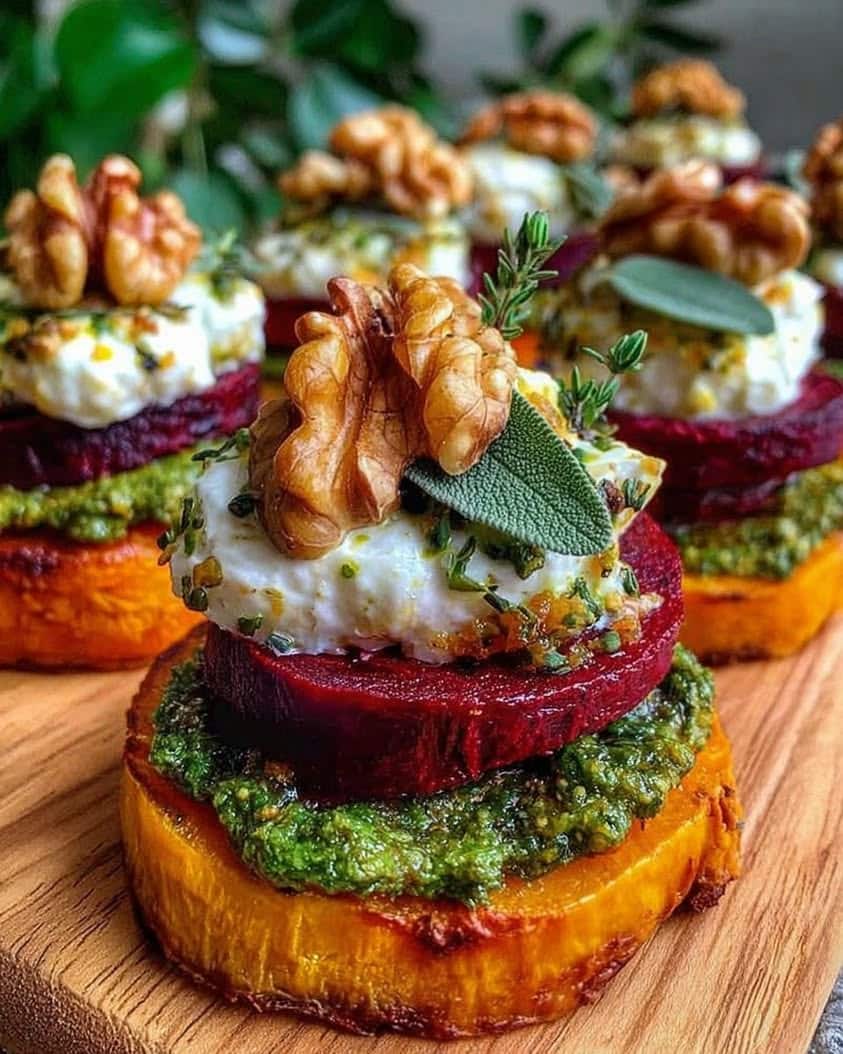
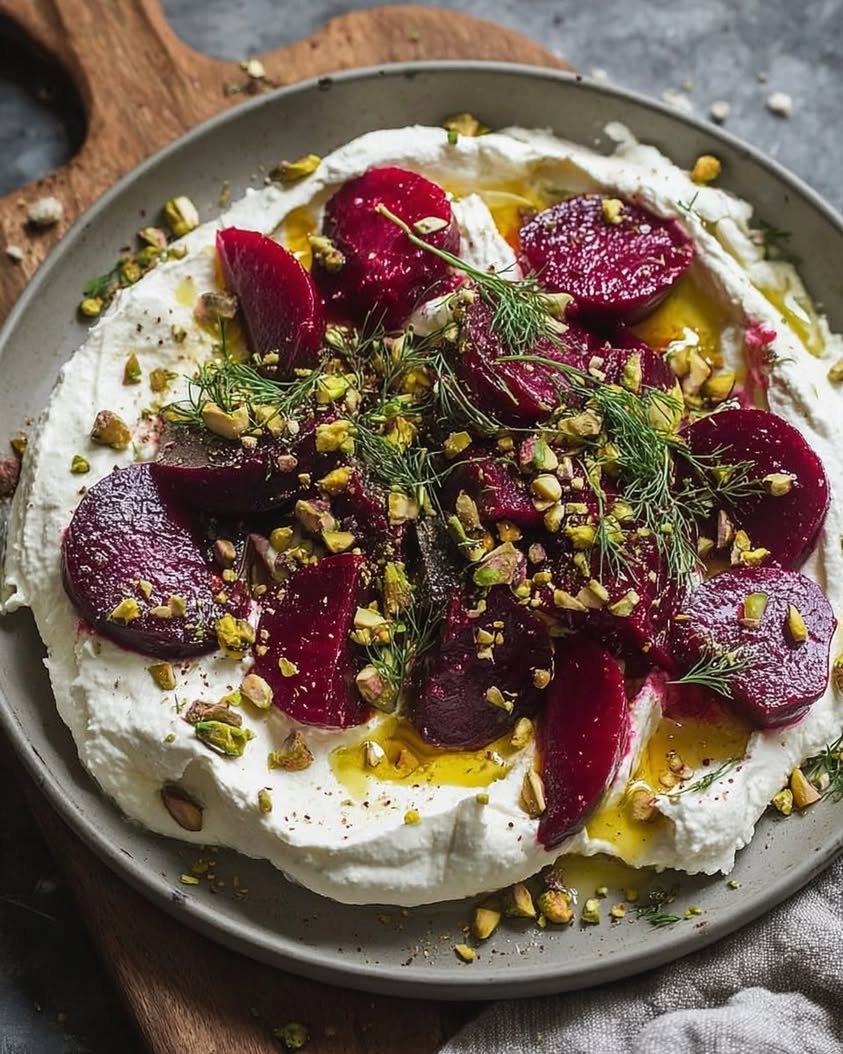
Creamy Whipped Feta with Beets and Pistachio Crunch: A Stunning Appetizer
Imagine a dish that balances creamy, tangy, earthy, and crunchy elements in a single bite. This Creamy Whipped Feta with Beets and Pistachio Crunch delivers exactly that experience. It transforms simple ingredients into a stunning appetizer that looks like it came from a high-end restaurant. The rich, smooth feta dip provides a luscious base, while the sweet and earthy roasted beets add a vibrant pop of color and flavor. A crunchy pistachio topping brings texture and nutty depth, making every spoonful a complete sensory experience.
This easy appetizer recipe has become a go-to for home cooks who want to impress without spending hours in the kitchen. The preparation is straightforward, yet the final presentation feels sophisticated and intentional. You can serve it with warm pita bread, crispy crostini, or fresh vegetable sticks for dipping. The combination of bright magenta beets against the stark white feta creates a visual feast that draws people to the table. It works equally well as a party starter or a quiet weekend snack.
The beauty of this whipped feta appetizer lies in its versatility and simplicity. You can prepare the components ahead of time and assemble them just before serving. The marinated beets develop deeper flavor as they sit, and the whipped feta stays creamy for days. This recipe also adapts to various dietary needs, making it a crowd-pleaser at any gathering. Whether you are hosting a formal dinner party or a casual get-together, this dish delivers both style and substance with minimal effort.
Quick Recipe Highlights
- Flavor Profile: This appetizer features a brilliant contrast of tangy feta cheese and sweet, earthy beets. The saltiness of the feta balances perfectly with the natural sugars in the roasted beets. A hint of lemon and garlic in the feta adds brightness while the pistachio crunch brings a savory, nutty finish.
- Texture: The whipped feta becomes incredibly smooth and airy, almost like a thick mousse. The tender beet slices offer a soft, juicy bite that contrasts with the creamy base. Finally, the crushed pistachios and pistachio crunch provide a satisfying crackle that elevates the whole eating experience.
- Aroma: The aroma is a gentle blend of creamy dairy with a faint tang of fermentation from the feta. Roasted beets release an earthy, sweet scent that feels grounding and warm. Toasted pistachios add a nutty, slightly buttery fragrance that ties everything together nicely.
- Visual Appeal: This dish presents a stunning color palette of deep magenta beets against a bright white or off-white whipped feta. The green pistachio pieces add contrasting pops of color, while a drizzle of olive oil creates a glossy, inviting finish. It looks like a work of art on a rustic wooden board or a sleek white plate.
- Skill Level Needed: This recipe requires only basic knife skills and the ability to use a food processor. No advanced cooking techniques are necessary, so even novice cooks can achieve impressive results. The key is in the assembly and choosing good quality ingredients.
- Special Equipment: A food processor or high-speed blender is essential for creating the ultra-smooth whipped feta. You will also need a small baking sheet for toasting the pistachios and a mixing bowl for the marinade. A serving platter or shallow bowl allows for an attractive presentation.
Recipe Overview
- Difficulty Level: This easy appetizer recipe earns an easy rating because every step is simple and forgiving. You do not need to monitor precise temperatures or master complicated techniques. The whipped feta comes together in minutes, and the beets require only basic roasting or using pre-cooked beets. Anyone can make this dish with confidence on their first try.
- Category: This dish fits perfectly into the appetizer category, but it also works as a light lunch or a snack. You can serve it as a dip with flatbreads or as a spread on sandwiches. It belongs in the Mediterranean appetizer family and pairs well with other small plates like hummus or baba ganoush.
- Cuisine: The dish draws heavily from Greek and Mediterranean culinary traditions where feta cheese plays a starring role. Beets are common in many Eastern European and Middle Eastern cuisines, often paired with creamy dairy. This recipe blends these influences with a modern, minimalist approach that feels fresh and contemporary.
- Cost: The total cost for this recipe is relatively low compared to restaurant versions. Feta cheese and beets are affordable staples, while pistachios are the priciest ingredient. Buying beets in season and using bulk pistachios can keep the budget under fifteen dollars for a generous batch.
- Season: Beets reach their peak sweetness in the fall and winter months, making this a perfect cold-weather appetizer. The vibrant color and earthy flavor also bring warmth to holiday tables. That said, you can make this year-round with accessible ingredients from any grocery store.
- Occasion: This creamy whipped feta dish is ideal for dinner parties, holiday gatherings, and brunch spreads. It also shines at potlucks or summer picnics where a sturdy dip holds up well. The impressive presentation makes it a frequent choice for celebrating special occasions or impressing guests.
Why You Will Love This Recipe
First, the taste and texture combination is simply unforgettable. The creamy whipped feta has a luscious, velvety mouthfeel that coats your tongue with tangy, salty goodness. Then the earthy beet slices add a sweet, tender element that balances the feta perfectly. Finally, the crunchy pistachio topping provides a satisfying contrast that keeps each bite interesting. This layered experience makes people reach for more, and it rarely lasts long on the table.
Second, the convenience and preparation benefits are significant. You can make the whipped feta and marinate the beets up to two days ahead of time. This means you can assemble the dish in just five minutes before guests arrive. There is no last-minute cooking or complicated plating. The hands-on time is under twenty minutes, which frees you up to focus on other dishes or enjoy your company.
Third, this recipe offers some surprising nutritional advantages. Feta cheese is lower in fat and calories than many other cheeses while still providing satisfying richness. Beets are packed with fiber, folate, and antioxidants that support heart health. Pistachios add healthy fats and protein, making this a more balanced appetizer option. You can feel good about serving something that tastes decadent but provides real nutritional value.
Fourth, the social and entertaining value cannot be overstated. This dish acts as a conversation starter with its striking look and unique flavor profile. Guests often ask for the recipe because it feels special yet approachable. It also fits well on a grazing board alongside olives, nuts, and cured meats. The communal nature of dipping and sharing creates a warm, inviting atmosphere at any gathering.
Fifth, the cost-effectiveness and accessibility make this a regular in many kitchens. Most ingredients are pantry staples or easily sourced from any grocery store. The recipe scales up easily for larger parties without breaking the bank. You can also use leftover beets in salads or roasted vegetable sides. This versatility means you get maximum value from minimal effort and expense.
Historical Background and Cultural Significance
Feta cheese has a long and storied history in Greek cuisine, dating back at least to Homeric times. Ancient Greeks produced a brined white cheese similar to what we know today. The name feta comes from the Italian word fetta meaning slice, reflecting how the cheese was cut from larger blocks. This Protected Designation of Origin product remains a cornerstone of Greek identity and culinary tradition. It symbolizes the pastoral heritage of Greece where sheep and goat herding sustained communities for centuries.
Beets have an equally ancient pedigree, with evidence of cultivation dating back to 2000 BCE in the Mediterranean region. Originally grown for their greens, people later developed the root vegetable we know today. Beets hold cultural significance in Eastern European cuisines where they appear in borscht and other traditional dishes. Their deep red color has linked them to themes of vitality and celebration. This makes them a fitting partner for festive dishes like this appetizer.
The evolution of whipped feta as a spread is a more modern innovation that gained popularity in the last decade. Chefs began experimenting with blending feta into smooth, creamy purees for dips and sauces. This technique softened the salty, crumbly cheese into something more versatile and user-friendly. The combination with beets emerged naturally from Mediterranean flavor pairings and the desire for colorful, plant-forward dishes. Social media then amplified the visual appeal of this vibrant appetizer.
Regional variations exist across the Mediterranean and Middle East where similar ingredients appear in different forms. In Turkey, people enjoy a similar dish called haydari which blends yogurt with feta and herbs. Lebanese cuisine features beet salads with tahini and garlic that echo this flavor profile. Greek meze spreads often include beet salad alongside various cheese dips. This recipe represents a contemporary fusion that honors these traditions while creating something new and accessible for home cooks.
Ingredient Deep Dive
Let us start with feta cheese, the star of this dish. Feta has been central to Greek cuisine for thousands of years, traditionally made from sheep milk or a mixture of sheep and goat milk. It provides a tangy, salty flavor that becomes mild and creamy when whipped. Nutritionally, feta offers calcium, protein, and B vitamins while being lower in fat than many aged cheeses. When selecting feta, look for blocks stored in brine rather than pre-crumbled varieties. The brine keeps the cheese moist and flavorful. Store it in the refrigerator submerged in brine, and use it within a week of opening. For substitutions, try Greek yogurt whipped with a little salt for a lower-fat option or vegan feta made from almonds.
Beets are the next essential ingredient, bringing earthiness and sweetness to balance the feta. Beets have been cultivated since ancient times, originally for their leaves before the root became popular. They contain betalains, powerful antioxidants that give them their distinctive color and provide anti-inflammatory benefits. Choose beets that are firm, smooth, and heavy for their size with fresh greens attached. Remove the greens and store the roots in a plastic bag in the refrigerator for up to three weeks. You can substitute golden beets for a milder flavor and different color, or use pre-cooked vacuum-sealed beets for convenience.
Pistachios add the crucial crunch and nutty flavor that completes this dish. Pistachios have a history dating back to ancient Persia where they were considered a royal delicacy. They are rich in healthy monounsaturated fats, fiber, and vitamin B6. Select pistachios that are slightly open with no signs of mold or discoloration. Store them in an airtight container in a cool, dark place for up to six months or in the freezer for longer. For substitutions, try toasted pine nuts for a more delicate crunch or chopped almonds for a heartier texture. The pistachio crunch topping can also include a touch of flaky sea salt for extra flavor.
Olive oil serves as a binding element and flavor enhancer throughout the recipe. Extra virgin olive oil adds fruity, peppery notes that complement the feta and beets. Greek olive oil is traditional, but any high-quality extra virgin variety works well. Store olive oil in a dark glass bottle away from heat and light to preserve its flavor. For a different profile, try avocado oil which has a milder taste and higher smoke point. The final drizzle of oil on top adds sheen and richness that ties all components together.
Common Mistakes to Avoid
- Using pre-crumbled feta cheese that contains anti-caking agents is a mistake because it will not whip into a smooth texture. Always use block feta stored in brine for the creamiest results. The additives in crumbled feta prevent it from blending properly.
- Over-whipping the feta mixture causes it to become thin and watery rather than thick and creamy. Blend just until smooth and airy, typically about two minutes. Stop when the mixture holds soft peaks similar to whipped cream cheese.
- Neglecting to drain the beets properly leads to a watery dip that dilutes the feta flavor. Pat the beet slices dry with paper towels before arranging them on the feta. Excess moisture from the beets will seep into the whipped cheese over time.
- Toasting the pistachios too long or on too high heat burns them and creates a bitter taste. Toast them in a dry skillet over medium heat for just two to three minutes until fragrant. Watch them closely and shake the pan frequently to ensure even toasting.
- Skipping the step of letting the whipped feta come to room temperature before serving makes the texture stiff and less spreadable. Take the feta out of the refrigerator thirty minutes before assembling. The flavors also become more pronounced when the cheese is not cold.
- Chopping the pistachios into uneven pieces creates a messy topping that does not adhere well. Pulse them in a food processor or chop by hand until they are uniform in size. Aim for pieces about the size of coarse breadcrumbs for best results.
- Adding too much garlic to the whipped feta overpowers the delicate beet and nut flavors. Start with one small clove and taste before adding more. Raw garlic intensifies over time, so it is better to err on the side of caution.
- Serving the dish on a flat plate without any rim allows the whipped feta to spread out and look messy. Use a shallow bowl or a plate with a slight lip to contain the dip. This also makes it easier for guests to scoop without making a mess.
- Forgetting to season the feta mixture with salt and pepper results in a flat, one-dimensional taste. Feta is salty, but the other ingredients need seasoning too. Taste and adjust with a pinch of salt and a few turns of black pepper after blending.
- Assembling the dish too far in advance causes the beets to bleed their color into the white feta. This creates a pinkish mess that loses the striking visual contrast. Assemble within thirty minutes of serving for the most beautiful presentation.
Essential Techniques
Whipping feta to the perfect consistency requires the right technique and equipment. Begin by breaking the block feta into chunks and placing it in a food processor with a small amount of olive oil and lemon juice. Pulse initially to break down the large pieces, then let the machine run continuously. The mixture will go from crumbly to pasty to smooth as it processes. You may need to scrape down the sides of the bowl once or twice. The visual cue for success is a texture that resembles thick, spreadable cream cheese. If the mixture looks grainy, it needs more processing time. Adding a tablespoon of yogurt or cream can help achieve a silkier texture if needed.
Marinating beets properly enhances their sweetness and integrates them with the other flavors. Start by roasting fresh beets until tender, typically about forty-five minutes at 400 degrees Fahrenheit. Once cooled, peel and slice them into thin rounds or half-moons. Toss the slices with a simple vinaigrette of olive oil, red wine vinegar, salt, and herbs like thyme or oregano. Let them sit for at least thirty minutes to absorb the flavors. The beets should be tender but still hold their shape when arranged on the feta. Pre-cooked beets work fine and save time, but they benefit from the same marinating step to deepen their flavor.
Creating the pistachio crunch topping involves careful toasting and chopping for maximum texture. Heat a dry skillet over medium heat and add the shelled pistachios in a single layer. Shake the pan frequently and toast until they smell nutty and look slightly darker, about two minutes. Immediately transfer them to a plate to stop the cooking process. Once cooled, roughly chop them or pulse in a food processor a few times. You want a mix of fine pieces and slightly larger chunks for varied texture. Add a pinch of flaky sea salt and maybe some crushed red pepper flakes for a spicy kick. This topping can be made days ahead and stored in an airtight container.
Assembling the final dish requires a thoughtful layering approach for the best presentation. Spread the whipped feta in an even layer on a serving plate or shallow bowl using a spatula. Create some swirls and peaks in the surface for visual interest. Arrange the marinated beet slices in an overlapping pattern on top of the feta. Scatter the pistachio crunch generously over the beets and around the edges. Finish with a drizzle of good olive oil and a few fresh herb leaves like mint or parsley. This method ensures that every scoop contains all three components in each bite.
Pro Tips for Perfect Creamy Whipped Feta with Beets and Pistachio Crunch
Use room temperature ingredients for the smoothest whipped feta. Cold feta straight from the refrigerator requires more processing time and may result in a grainier texture. Let the cheese sit on the counter for twenty minutes before blending.
Balance the salt carefully because feta varieties differ significantly in saltiness. Taste your feta before blending and adjust added salt accordingly. Some imported Greek feta is very salty while domestic versions are milder.
Add a small boiled potato to the food processor for an even creamier, more stable whipped feta. The starch from the potato helps emulsify the cheese and prevents separation. This trick works especially well if you plan to make the dish ahead.
Roast your own beets for superior flavor compared to pre-cooked options. The natural sugars caramelize during roasting, creating a deeper sweetness that pre-cooked beets lack. Wrap them in foil with a splash of water for even cooking.
Toast the pistachios in a separate pan from any other ingredients to avoid burning. Pistachios burn quickly because of their high oil content. A dry pan over medium heat with constant attention gives the best results.
Let the assembled dish sit at room temperature for ten to fifteen minutes before serving. This allows the flavors to meld and the feta to soften slightly. The contrast between cool feta and room temperature beets creates an ideal eating temperature.
Garnish with fresh herbs like dill, mint, or chives just before serving for a burst of freshness. The herbs provide a bright counterpoint to the rich feta and earthy beets. They also add a lovely green accent that complements the pistachios.
Variations and Adaptations
Regional variations of this dish appear across the Mediterranean with local twists. In Turkey, cooks might add a swirl of hot pepper paste or aleppo pepper to the feta for heat. Greek versions sometimes include chopped fresh dill and mint in the whipped feta itself. Middle Eastern interpretations might swap the beets for roasted carrots or sweet potatoes. Each region brings its own spice blends and herb combinations that reflect local tastes and available ingredients.
Seasonal adaptations allow you to enjoy this appetizer year-round with different produce. In spring, try using roasted asparagus tips or fresh peas instead of beets for a lighter option. Summer calls for grilled bell peppers or cherry tomatoes that add sweetness and acidity. Fall brings roasted squash or figs that pair beautifully with the tangy feta. Winter is perfect for the classic beet version with citrus segments for brightness.
Dietary modifications make this recipe accessible to various eating patterns. For a dairy-free version, use a high-quality vegan feta made from cashews or almonds. The whipping technique works the same way with vegan alternatives. For a lower-fat option, substitute half the feta with nonfat Greek yogurt. This reduces calories while maintaining creaminess and tang. The dish is naturally gluten-free, but ensure any dippers like crackers are certified gluten-free.
Flavor variations can change the entire character of this appetizer with simple swaps. Add roasted garlic cloves to the feta before whipping for a mellow, sweet garlic flavor. Stir in some harissa paste for a smoky, spicy kick that contrasts with the cool feta. Use balsamic reduction drizzled over the beets instead of olive oil for a sweeter, more complex taste. These small changes create entirely new flavor profiles while keeping the same basic structure.
Texture modifications allow you to customize the mouthfeel to your preference. For a chunkier feta dip, pulse the cheese only a few times and leave some small pieces intact. Add a handful of toasted pine nuts or walnuts to the feta while blending for a nutty crunch throughout. For a smoother, more dip-like consistency, add an extra tablespoon of olive oil or a splash of cream. The base recipe is forgiving enough to accommodate your texture preferences easily.
Presentation alternatives can completely transform the visual impact of this dish. Instead of a flat spread, serve individual portions in small jars or glasses for a modern look. Layer the whipped feta and beets in a clear glass to show off the colors. Use a piping bag to create elegant rosettes of feta on each plate. For a family-style presentation, serve the components separately and let guests build their own bites. Each approach offers a different dining experience while using the same delicious ingredients.
Serving and Presentation Guide
Plating techniques can elevate this simple dish into a showstopping centerpiece. Use a wide, shallow bowl or a wooden board as the base for your presentation. Spread the whipped feta in a thick, even layer using an offset spatula, creating decorative swirls on top. Arrange the beet slices in a concentric circle pattern starting from the outside edge. Leave some feta visible in the center to maintain the color contrast. This radial design creates a beautiful, intentional look that impresses guests.
Garnishing ideas add the final touches that make the dish memorable. Scatter the pistachio crunch generously over everything, focusing on the areas with visible feta. Drizzle high-quality extra virgin olive oil in a zigzag pattern for a glossy finish. Add flaky sea salt and cracked black pepper for both flavor and visual texture. Fresh herb leaves like micro mint or small dill sprigs placed artfully around the edges provide a pop of green. Edible flowers like nasturtiums or borage add an unexpected, elegant touch for special occasions.
Traditional accompaniments enhance the Mediterranean character of this appetizer. Warm pita bread cut into triangles is a classic choice for scooping up the dip. Crispy crostini made from baguette slices brushed with olive oil and toasted offer a sturdy base. Fresh vegetable sticks like cucumber, carrot, and bell pepper add a healthy, crunchy option. Olives, marinated artichokes, and roasted red peppers make excellent complementary bites on a grazing board. These accompaniments create a complete appetizer spread that satisfies various tastes.
Modern serving suggestions bring this dish into contemporary entertaining contexts. Serve it as a starter course for a multi-course dinner, followed by a light main dish. Include it on a brunch table alongside smoked salmon, bagels, and fresh fruit. Offer it as part of a tapas-style dinner with several small plates for sharing. For cocktail parties, provide small spoons or individual crostini for easy one-bite servings. The versatility of this dish makes it suitable for any entertaining style from casual to formal.
Temperature considerations affect both flavor and texture, so timing matters. The whipped feta should be cool but not refrigerator-cold when served, so let it sit out for twenty to thirty minutes. The beets can be at room temperature or slightly warm if you just roasted them. The pistachio crunch is best at room temperature to maintain its crispness. Serve the dish on a room temperature plate to keep everything at an ideal eating temperature. Avoid serving directly from the refrigerator because the feta will be too stiff to spread easily.
Portion control tips help you gauge how much to make for your gathering. A single batch of this recipe serves six to eight people as an appetizer with accompaniments. For a party of twelve, double the ingredients and use a larger serving platter. Each person will likely consume about three to four tablespoons of whipped feta and several beet slices. Consider that when serving with other appetizers, guests will eat less of each dish. For a main course or lunch, you might want to increase portions by half.
Wine and Beverage Pairing
Wine pairings that complement this appetizer should match its tangy, earthy, and nutty flavors. A crisp, dry white wine like Assyrtiko from Greece works wonderfully with the feta salinity. Sauvignon Blanc with its herbaceous notes mirrors the oregano and thyme in the beets. For red wine lovers, a light-bodied Pinot Noir or a chilled Beaujolais offers fruitiness without overpowering the dish. The key is to avoid heavily oaked wines that might clash with the fresh, bright character of the appetizer.
Non-alcoholic alternatives provide great options for designated drivers or those who prefer not to drink. A sparkling water with a squeeze of lemon and a sprig of mint refreshes the palate between bites. Kombucha with a ginger or citrus flavor complements the tangy feta and earthy beets. A tart cherry juice spritzer offers acidity and sweetness that mirrors wine pairings. Herbal iced tea with lemon balm or mint works as a palate-cleansing beverage that enhances the appetizer.
Coffee and tea pairings are less traditional but can work for a brunch or afternoon gathering. A light roast coffee with bright acidity and floral notes would not overpower the dish. Green tea with its vegetal character echoes the earthiness of the beets. Mint tea offers a refreshing contrast to the richness of the whipped feta. These pairings work best when serving the appetizer as part of a brunch or light meal rather than an evening party.
Temperature considerations for beverages matter when serving this dish at parties. White wines should be chilled but not ice cold, around 45 to 50 degrees Fahrenheit, to preserve their flavors. Sparkling water and other non-alcoholic beverages should be served well chilled with plenty of ice. Red wines benefit from being slightly cool, around 55 degrees, especially if the room is warm. The serving temperature of the beverage should contrast nicely with the cool but not cold appetizer, creating a pleasant sensory experience.
Serving suggestions beyond individual beverages include creating a pairing station for guests. Offer two or three wine options along with a non-alcoholic choice so guests can choose. Provide small tasting cards that explain why each pairing works with the dish. For a party, set up a self-serve beverage bar where guests can help themselves. This interactive approach adds to the convivial atmosphere and encourages guests to experiment with different combinations.
Storage and Shelf Life
Storage methods for this dish depend on whether you have assembled or component parts. The whipped feta keeps well in an airtight container in the refrigerator for up to five days. The marinated beets should be stored separately in their own container with the marinade. The pistachio crunch stays fresh in a sealed glass jar at room temperature for up to two weeks. Never store the assembled dish because the beets will bleed into the feta and ruin the appearance. Always keep components separate until just before serving.
Temperature requirements are important for maintaining food safety and quality. All dairy-based components must be kept at or below 40 degrees Fahrenheit in the refrigerator. The beets can remain at room temperature for up to two hours during serving, but return them to the fridge after that. Pistachios are shelf-stable but should be kept in a cool, dark place to prevent rancidity. Avoid leaving the assembled dish out for more than two hours at room temperature for food safety reasons.
Container recommendations help preserve the quality of each component. Use glass or BPA-free plastic containers with tight-fitting lids for the whipped feta. The beets should stay in a non-reactive container like glass or ceramic because acidic marinades can react with metal. Store the pistachio crunch in a glass jar with a screw-top lid to maintain its crunch. Avoid using containers that are too large because excess air space can cause the feta to dry out or the nuts to go stale.
Signs of spoilage indicate when it is time to discard leftovers. The whipped feta will develop a sour smell or separation of liquid if it has gone bad. Any mold growth on the surface means the entire batch should be thrown away. The beets will become slimy or develop an off odor when they spoil. Pistachios that smell rancid or have a bitter taste should be discarded. Always use your senses to check for spoilage before consuming leftovers.
Reheating instructions are not typically needed for this cold appetizer but can apply to some components. The beets can be gently warmed in a microwave or in a pan if you prefer them warm. The whipped feta should never be reheated because it will separate and become grainy. The pistachio crunch can be refreshed in a dry skillet for one minute to restore its crispness. Generally, this dish is best enjoyed at room temperature without any reheating.
Freezing guidelines can extend the life of some components but not the entire dish. The whipped feta freezes reasonably well for up to three months when stored in an airtight container. Thaw it overnight in the refrigerator and whip again briefly to restore the texture. Beets become mushy after freezing and are not recommended. Pistachios can be frozen for up to six months to prevent rancidity. Never freeze the assembled dish because the texture of all components will degrade significantly.
Make Ahead Strategies
Prep timeline planning ensures you can enjoy this dish with minimal last-minute work. Up to two days before serving, roast and marinate the beets then store them in the refrigerator. The whipped feta can be made one day ahead and kept covered in the fridge. The pistachio crunch is best made within three days of serving to maintain maximum crunch. On the day of serving, take the feta out to come to room temperature thirty minutes before assembly. Assemble the dish no more than thirty minutes before guests arrive for the best appearance.
Storage between steps requires careful packaging to maintain quality. Keep the marinated beets in their liquid in a sealed container to prevent drying out. The whipped feta should have a layer of plastic wrap pressed directly against its surface to prevent a skin from forming. Store the pistachio crunch in a cool, dry place away from humidity. Label each container with the date so you know how long each component has been stored. This organized approach prevents confusion and ensures everything stays fresh.
Quality impact assessment reveals that some components benefit from making ahead while others do not. The marinated beets actually improve in flavor after a day in the refrigerator as the vinaigrette penetrates deeper. The whipped feta remains stable for a day but may develop a slightly firmer texture that needs softening. The pistachio crunch loses some crispness over time but can be refreshed easily. The final assembly should always be done close to serving time to preserve the visual contrast between white feta and pink beets.
Assembly tips for make-ahead preparation focus on efficiency and presentation. When ready to serve, remove the feta from the refrigerator and let it soften for twenty minutes. Give it a quick stir to restore its creamy consistency if needed. Arrange the beets and pistachios as directed, then add the final drizzle of olive oil. Do not add fresh herbs until just before serving because they will wilt quickly. This streamlined assembly takes less than five minutes, leaving you free to focus on other tasks.
Reheating guidelines for the make-ahead components are straightforward. The beets should be served at room temperature, so no reheating is needed. If you prefer warm beets, heat them gently in a small saucepan with a splash of marinade. The feta should never be heated because it will lose its creamy texture. The pistachios can be quickly toasted again in a dry pan for one minute to restore crunch. Always taste and adjust seasoning before serving because flavors can dull during storage.
Fresh element additions just before serving elevate the dish from good to great. A squeeze of fresh lemon juice over the top brightens the flavors and adds acidity. Fresh dill or mint chopped and scattered over the beets provides a burst of herbal freshness. A final crack of black pepper and a pinch of flaky sea salt add texture and flavor. These last-minute touches make the appetizer feel freshly made even when the components were prepared days ago. They also add visual appeal that signals attention to detail.
Scaling Instructions
Halving the recipe is straightforward and requires minimal adjustments. Use half the amount of feta, beets, and pistachios listed in the original recipe. The food processor will still work effectively with smaller quantities, but you may need to scrape down the sides more frequently. The spice and salt amounts should be reduced proportionally, but always taste and adjust. The marinating time for the beets remains the same regardless of quantity. A half batch fits nicely in a smaller serving dish and works well for a couple or small gathering.
Doubling or tripling the recipe for larger parties requires some planning. Use a larger food processor or work in batches to avoid overfilling the machine. Double the ingredients for the beets and pistachios directly without adjustment. The timing for roasting beets will stay the same, but you may need multiple baking sheets. The whipped feta volume will require a bowl large enough to hold the mixture. Consider using a stand mixer with the paddle attachment for very large batches to save time.
Equipment adjustments become necessary when scaling up significantly. Standard home food processors handle two to three times the recipe easily. For very large batches, a commercial-sized processor or stand mixer works better. Roasting multiple trays of beets may require rotating the pans halfway through cooking for even results. The serving platter needs to be larger, so use a wooden board or a large platter. Having the right equipment prevents frustration and ensures consistent results at any scale.
Timing modifications affect mostly the beet preparation stage. Roasting beets for double the batch takes about the same time if the single layer is maintained. If beets are crowded on the baking sheet, they will take longer to cook evenly. The marinating time for beets does not change with scale because it depends on the thickness of the slices. Whipping larger batches of feta may take an additional minute or two to achieve the same smoothness. Always check the texture rather than relying strictly on time.
Storage considerations become more important when scaling up. Make sure you have enough containers to store all components separately. The larger batch of whipped feta should be divided into portions for easier handling. Leftovers from a large batch should be consumed within the same time frame as the original Print
Creamy Whipped Feta with Marinated Beets & Pistachio Crunch
- Total Time: 30 minutes
- Yield: 4
Description
A vibrant and creamy appetizer featuring whipped feta topped with tangy marinated beets and a crunchy pistachio topping.
Ingredients
- 8 ounces feta cheese, crumbled
- 1/4 cup Greek yogurt
- 2 tablespoons olive oil
- 1 tablespoon lemon juice
- 1/4 teaspoon black pepper
- 2 medium beets, cooked and diced
- 2 tablespoons red wine vinegar
- 1 tablespoon honey
- 1/4 cup shelled pistachios, roughly chopped
- 1 tablespoon fresh dill, chopped
- Salt to taste
Instructions
- In a food processor, combine feta cheese, Greek yogurt, olive oil, lemon juice, and black pepper. Process until smooth and creamy. Set aside.
- In a small bowl, mix diced beets with red wine vinegar, honey, and a pinch of salt. Let marinate for at least 15 minutes.
- In a dry skillet over medium heat, toast pistachios for 2-3 minutes until fragrant. Remove from heat and let cool.
- Spread the whipped feta onto a serving plate or bowl. Top with marinated beets and their juices.
- Sprinkle with toasted pistachios and fresh dill. Serve with pita chips or crostini.
Notes
You can customize the seasonings to taste.
- Prep Time: 15 minutes
- Cook Time: 0 minutes
- Method: Appetizer
- Cuisine: Mediterranean