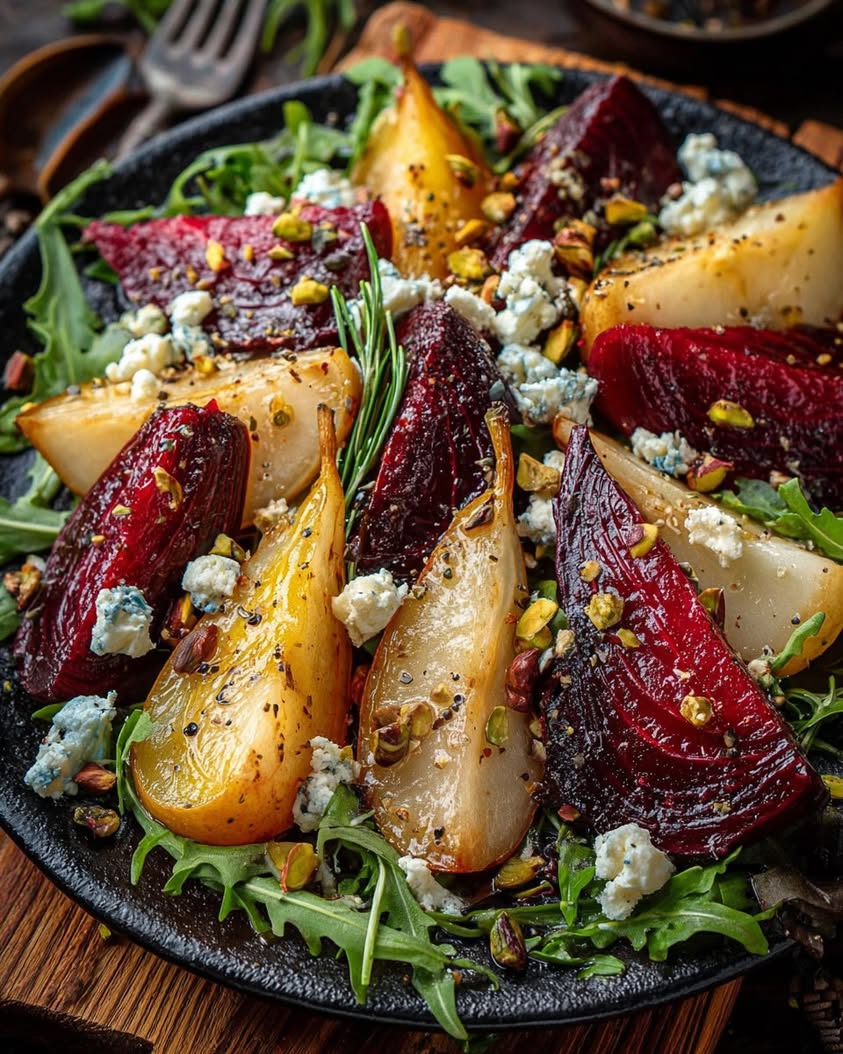
Roasted Beet and Caramelized Pear Salad with Feta and Pistachios Recipe: A Symphony of Sweet and Savory
Imagine a salad that steals the show at any dinner table. This Roasted Beet and Caramelized Pear Salad with Feta and Pistachios Recipe does exactly that. It combines earthy roasted beets with sweet, buttery caramelized pears, then tops everything with salty feta and crunchy pistachios. The result is a dish that feels both rustic and refined, perfect for a weeknight dinner or a holiday gathering. You will love how the flavors meld together, creating a memorable eating experience every single time.
The magic of this Roasted Beet and Caramelized Pear Salad with Feta and Pistachios Recipe lies in its balance. The beets bring a deep, sweet earthiness that pairs beautifully with the caramelized pears. Feta crumbles add a tangy, salty kick, while pistachios provide a satisfying crunch. A simple balsamic vinaigrette ties everything together, adding brightness and acidity. This salad proves that simple ingredients can create something truly spectacular when you pay attention to detail and technique.
Making this Roasted Beet and Caramelized Pear Salad with Feta and Pistachios Recipe at home is easier than you think. You do not need any special culinary skills to pull this off. The oven does most of the heavy lifting by roasting the beets to tender perfection. While they cook, you can caramelize the pears on the stovetop. This hands-off approach means you have plenty of time to prepare the rest of your meal or simply relax. Trust me, your family and guests will be incredibly impressed.
Quick Recipe Highlights
- Flavor Profile: This salad offers a beautiful dance of sweet, tangy, and savory notes. The caramelized pears bring a rich, honey-like sweetness, while the feta adds a sharp, salty contrast. Roasted beets contribute a deep, earthy undertone that grounds the entire dish.
- Texture: You will experience a wonderful variety of textures in every bite. The roasted beets are tender and almost creamy, while the caramelized pears remain soft with a slightly chewy edge. Crunchy pistachios and crisp arugula provide essential contrast, making each forkful interesting.
- Aroma: The kitchen fills with an irresistible aroma as the beets roast and the pears caramelize. Sweet notes of honey and balsamic vinegar mingle with the earthy scent of beets. A hint of thyme adds a subtle herbal fragrance that is incredibly inviting and comforting.
- Visual Appeal: This salad is a feast for the eyes with its vibrant colors and artful arrangement. Deep ruby red beets contrast beautifully with golden-brown pear slices and bright green arugula. White feta crumbles and vibrant green pistachios add the perfect finishing touches for a stunning presentation.
- Skill Level Needed: This recipe is perfect for beginner and intermediate cooks alike. The techniques involved are straightforward and easy to master. You mainly need to roast vegetables and caramelize fruit, which are basic skills that build confidence in the kitchen. Anyone can achieve excellent results here.
- Special Equipment: You will need a few basic kitchen tools to make this salad. A baking sheet lined with parchment paper is essential for roasting the beets. A good non-stick skillet works best for caramelizing the pears without sticking. You also need a sharp knife and a cutting board for prep work.
Recipe Overview
- Difficulty Level: I rate this recipe as easy because the steps are simple and forgiving. You do not need any advanced cooking techniques to succeed. Roasting and caramelizing are foundational skills that produce great results with minimal effort. Even if you are new to cooking, you can confidently make this salad and impress everyone.
- Category: This recipe fits perfectly as a side dish or a light main course. It works wonderfully alongside grilled chicken, roasted fish, or a hearty steak. For a vegetarian meal, serve it with crusty bread and a bowl of soup. It is versatile enough to suit many different dining situations and preferences.
- Cuisine: The flavors in this salad draw inspiration from Mediterranean and European culinary traditions. Roasted beets are a staple in many European cuisines, especially in Eastern Europe and Scandinavia. The combination of pears, feta, and pistachios reflects modern Mediterranean influences that prioritize fresh, quality ingredients. This fusion creates a unique and delicious dish.
- Cost: This salad is relatively affordable, especially when beets and pears are in season. The most expensive ingredients are typically the pistachios and feta cheese, but you do not need large quantities. Overall, you can expect to spend around ten to twelve dollars for a recipe serving four people. Buying items in bulk or using store brands can reduce the cost further.
- Season: This recipe shines brightest in the fall and winter months. Beets and pears are at their peak during this time, offering the best flavor and sweetness. The warm, comforting flavors of roasted vegetables and caramelized fruit feel particularly cozy on cold days. You can certainly make it year-round, but it truly excels in cooler weather.
- Occasion: This salad is elegant enough for holiday dinners and special celebrations. It makes a stunning addition to Thanksgiving, Christmas, or New Year’s Eve menus. At the same time, it is simple enough for a casual Sunday supper or a weekly meal prep session. This versatility makes it a reliable recipe for many occasions throughout the year.
Why You Will Love This Recipe
The taste and texture combination in this salad is simply addictive. You get the sweet, caramelized exterior of the pears contrasting with the tender, earthy beets. The salty feta adds a punch of flavor that wakes up your taste buds. Then the pistachios bring that essential crunch that makes every bite complete. This is not just a salad; it is an experience that you will crave again and again. The balance of flavors keeps your palate engaged from start to finish.
Convenience is another major reason to love this recipe. You can prep the beets and pears ahead of time to make assembly a breeze. The roasting process requires minimal active effort, freeing you up for other tasks. Caramelizing the pears takes only a few minutes on the stovetop before serving. This makes the dish perfect for busy weeknights or when you are entertaining and want to spend time with guests instead of slaving in the kitchen.
Nutritionally, this salad is a powerhouse of vitamins and minerals. Beets are loaded with folate, fiber, and antioxidants that support heart health and reduce inflammation. Pears provide vitamin C and fiber, which aid digestion and boost immunity. Pistachios offer healthy fats and protein, while feta adds calcium and protein as well. You can feel good about serving this dish because it nourishes your body while delighting your senses with incredible flavor.
Socially, this salad is a crowd-pleaser that works for various dietary preferences. It is naturally gluten-free and can easily be made vegetarian or vegan with simple substitutions. The beautiful presentation makes it a conversation starter at dinner parties and potlucks. People will ask for the recipe, and you will feel proud to share it. This dish brings people together around the table, which is what cooking is all about.
Cost-effectiveness and accessibility make this recipe a practical choice for any home cook. Beets and pears are generally inexpensive, especially when you buy them in season. Feta cheese and pistachios are available at most grocery stores, and you can often find them on sale. The ingredients are not exotic or hard to find, meaning you can make this salad without a special trip to a specialty market. It proves that gourmet flavors do not require a gourmet budget.
Historical Background and Cultural Significance
The beet has a long and storied history that dates back to ancient times. Originally cultivated in the Mediterranean region, beets were first grown for their leafy greens rather than their roots. The ancient Romans and Greeks prized beet greens for their medicinal properties and nutritional value. Over centuries, farmers developed the large, sweet root we know today. Beets became a staple in Eastern European cuisines, featuring prominently in soups like borscht and various roasted vegetable dishes. Their deep, earthy flavor and vibrant color have made them a beloved ingredient around the world.
Pears also boast an ancient lineage, with evidence of cultivation stretching back over three thousand years. They originated in the Caucasus region and spread throughout Europe and Asia via trade routes. In many cultures, pears symbolize longevity, prosperity, and even immortality. European settlers brought pear trees to the Americas, where they flourished in the temperate climate. The fruit has been used for centuries in both sweet and savory applications, from poached pears in red wine to savory pear and cheese pairings. Their versatility makes them a favorite among chefs and home cooks alike.
Feta cheese has deep roots in Greek and Mediterranean culinary traditions. It is one of the oldest cheeses in the world, with records of its production dating back to the Byzantine Empire. Traditionally made from sheep’s milk or a mixture of sheep and goat milk, feta is brined to preserve it and develop its tangy flavor. In Greece, feta is a protected designation of origin product, meaning only cheese made in certain regions using specific methods can be called true feta. Its salty, crumbly texture makes it an ideal complement to roasted vegetables and sweet fruits.
Pistachios have been enjoyed for thousands of years, originating in the Middle East and Central Asia. They are one of the oldest nut crops, with references appearing in ancient texts and archaeological sites. In many cultures, pistachios symbolize wealth and health due to their vibrant green color and nutrient density. They became a popular snack along the Silk Road trade routes and eventually made their way to the Mediterranean. Today, they are grown in several countries, including the United States, Iran, and Turkey. Their unique flavor and satisfying crunch make them a prized addition to both sweet and savory dishes.
Ingredient Deep Dive
Beets are the heart of this roasted beet salad and bring a unique earthiness that is hard to replicate. Culturally, beets have been used for everything from food to natural dyes throughout history. Nutritionally, they are packed with folate, manganese, and betalains, which are powerful antioxidants that reduce inflammation. When selecting beets, look for firm specimens with smooth skin and no soft spots. The greens should be vibrant and fresh if attached, as that indicates the beets are recently harvested. You can store beets in the refrigerator for several weeks, but keep them separate from the greens. If you need a substitution, golden beets offer a milder, sweeter flavor, or you can use roasted carrots for a different but equally delicious twist.
Pears add a delicate sweetness that elevates this caramelized pear salad to new heights. Culturally, pears have been celebrated in art and literature for their elegant shape and honeyed flavor. Nutritionally, they are an excellent source of fiber, vitamin C, and copper, which supports immune function. When choosing pears for this recipe, look for ones that are ripe but still firm to the touch. Bosc pears work wonderfully because they hold their shape well during cooking. Anjou and Bartlett pears also work nicely, but be careful not to overcook them. Store unripe pears at room temperature until they yield slightly to gentle pressure. Once ripe, keep them in the refrigerator to slow further ripening. If pears are unavailable, apples like Honeycrisp or Fuji can substitute with great results.
Feta cheese provides the salty, tangy element that balances the sweetness in this salad. Culturally, feta is deeply tied to Greek cuisine and is often served with fresh vegetables, olives, and bread. Nutritionally, it is lower in fat and calories than many other cheeses while still offering protein and calcium. When shopping for feta, look for blocks packed in brine for the best texture and flavor. Avoid pre-crumbled feta, as it often contains anti-caking agents that affect the texture. You can store feta in its brine in the refrigerator for several weeks. For a dairy-free alternative, try using a vegan feta made from tofu or almonds, or simply omit it and add more pistachios for saltiness.
Pistachios bring a satisfying crunch and a beautiful green hue to this recipe. Culturally, pistachios have been enjoyed as a luxurious snack for millennia, often associated with celebration and hospitality. Nutritionally, they are rich in vitamin B6, thiamine, and antioxidants, and they provide heart-healthy monounsaturated fats. When purchasing pistachios, look for ones that are still in their shells for the freshest flavor. Shelled pistachios are convenient but can go stale faster. Store them in an airtight container in the refrigerator or freezer to preserve their crunch. Toasted walnuts or almonds make excellent substitutes if you do not have pistachios on hand.
Common Mistakes to Avoid
- Do not skip roasting the beets entirely. Raw beets are too hard and earthy for this salad. You can steam or boil them, but roasting concentrates their flavor and creates a tender, almost creamy texture that is much more desirable.
- Do not overcrowd the pan when caramelizing the pears. Crowding causes the pears to steam instead of caramelize, leaving them soft and bland. Work in batches if needed to ensure each slice gets direct contact with the hot pan for a beautiful golden-brown color.
- Do not use a low-quality balsamic vinegar for the dressing. Cheap vinegar can be harsh and overly acidic, which will throw off the balance of the salad. Invest in a good aged balsamic or a balsamic glaze for a richer, sweeter flavor that complements the other ingredients.
- Do not dress the salad too far in advance. The arugula will wilt and become soggy if you add the dressing too early. Toss everything together just before serving to maintain the crisp texture of the greens and the individual character of each ingredient.
- Do not slice the pears too thinly for caramelizing. Very thin slices will cook too quickly and break apart in the pan. Aim for about one-quarter inch thick slices so they soften nicely without losing their structure completely.
- Do not forget to check the beets for doneness with a fork. Even after the recommended roasting time, beets can vary in size and density. They should be easily pierced with a fork with no resistance, indicating they are perfectly tender all the way through.
- Do not use pre-shredded feta cheese for this salad. The texture is often dry and crumbly in a way that does not distribute well. Buying a block of feta and crumbling it yourself gives you larger, creamier pieces that look and taste better.
- Do not skip the step of peeling the roasted beets while they are warm. The skins slip off much more easily when the beets are still slightly hot. Waiting until they are completely cool makes the process more difficult and can remove too much of the flesh.
- Do not serve the salad with cold beets straight from the refrigerator. They will taste less flavorful and have a firmer texture. Let the beets come to room temperature after roasting, or gently reheat them before assembling the salad for the best flavor.
Essential Techniques
Roasting beets is a fundamental technique that transforms their flavor and texture. Wrapping each beet in aluminum foil with a drizzle of olive oil creates a steamy environment that cooks them evenly. This method concentrates their natural sugars, resulting in a sweeter, more complex taste. The key is to roast them until they are fork-tender, which usually takes about forty-five minutes to an hour depending on size. You know they are done when a sharp knife slides through the center with no resistance. Let them cool just enough to handle before peeling, as the skins remove much easier when warm.
Caramelizing pears requires patience and attention to achieve that perfect golden-brown exterior. Start with a hot pan and a generous pat of butter or a drizzle of oil. Place the pear slices in a single layer and let them cook undisturbed for several minutes. Resist the urge to move them too early, because they need to develop a deep color on one side before flipping. The natural sugars in the pears will bubble and turn amber as they caramelize. Once they are golden brown on both sides, remove them from the pan immediately to prevent burning. A splash of balsamic vinegar or honey added at the end enhances the caramelization and adds complexity.
Making a simple vinaigrette is a skill that elevates any salad from ordinary to exceptional. The basic ratio is three parts oil to one part acid, but you can adjust to your taste. Whisk the vinegar with salt, pepper, and a touch of honey or Dijon mustard to help emulsify the dressing. Then slowly drizzle in the olive oil while whisking continuously until the mixture thickens slightly. This emulsion ensures the dressing coats every leaf evenly instead of pooling at the bottom of the bowl. Taste and adjust the seasoning before adding it to the salad, because a well-balanced dressing is the backbone of any great salad.
Pro Tips for Perfect Roasted Beet and Caramelized Pear Salad with Feta and Pistachios Recipe
Always roast an extra beet or two if you have the oven space. Leftover roasted beets are a fantastic addition to other salads, grain bowls, or even hummus later in the week. You will appreciate having them ready to go for a quick meal prep option.
Use a mandoline slicer for perfectly uniform pear slices if you have one available. Consistent thickness ensures even caramelization and a more professional-looking final presentation. Just watch your fingers closely when using this sharp tool.
Toast the pistachios lightly in a dry skillet before adding them to the salad. This brings out their nutty aroma and adds an extra layer of crunch. Watch them closely because they can burn quickly once they start to turn golden.
Add a handful of fresh herbs like mint or basil to brighten up the flavors even more. The herbaceous notes complement the sweet beets and pears while cutting through the richness of the feta. Chop them roughly and sprinkle them over the top just before serving.
Let the roasted beets marinate in a little bit of the vinaigrette while they are still warm. They will absorb the flavors better while warm, resulting in a more flavorful and well-seasoned salad overall. Toss them gently to coat without breaking them apart.
Serve this salad on a large platter instead of individual bowls for a more dramatic presentation. The colors and textures look gorgeous when arranged in an artful way. Your guests will be wowed before they even take their first bite.
Season each component of the salad individually for the best flavor development. Salt the beets while they roast, season the pears as they caramelize, and season the arugula lightly before dressing. Layered seasoning creates a more complex and satisfying taste throughout the dish.
Variations and Adaptations
Regional variations of this salad can be found across the Mediterranean and Middle East. In Greece, they might add crumbled feta and olives with a lemon-oregano dressing. Turkish versions often include pomegranate molasses and walnuts for a sweet and sour twist. You can take inspiration from these traditions by swapping out ingredients based on what you have available. The core concept of roasted roots paired with sweet fruit and salty cheese remains the same, but the details can vary widely.
Seasonal adaptations allow you to enjoy this salad year-round with minor tweaks. In the summer, try using grilled peaches or nectarines in place of the pears for a different kind of sweetness. In the spring, fresh strawberries or raspberries add a bright, tart element that pairs beautifully with the beets. During the fall, you can add roasted butternut squash or sweet potatoes for extra warmth and heartiness. The winter version is already perfect with root vegetables and caramelized pears, but you can also add dried cranberries for a festive touch.
Dietary modifications make this recipe accessible to many different eating patterns. For a vegan version, simply omit the feta cheese or use a high-quality vegan alternative made from cashews or tofu. You can also substitute the butter used for caramelizing the pears with coconut oil or a vegan butter substitute. For a low-carb option, reduce the amount of pears and add more arugula or other low-carb greens. The salad is already naturally gluten-free, making it suitable for those with celiac disease or gluten sensitivity.
Flavor variations can transform this salad into something completely new and exciting. Try adding a teaspoon of smoked paprika to the roasting beets for a subtle smoky undertone. A sprinkle of zaatar or sumac adds a tangy, herbaceous note that complements the other flavors. For a spicy kick, add a pinch of red pepper flakes to the caramelizing pears. You can also swap the balsamic vinaigrette for a lemon-tahini dressing or a honey-mustard dressing for a different flavor profile.
Texture modifications can change the eating experience in delightful ways. For extra crunch, add some toasted pumpkin seeds or chopped pecans alongside the pistachios. You can also include some crispy fried shallots for a savory, textural contrast. If you prefer a softer texture, you can mash the roasted beets slightly before adding them to the salad. This creates a more rustic, spreadable consistency that works well as a base for the other ingredients.
Presentation alternatives make this salad suitable for different occasions and settings. For a buffet, you can serve the components separately and let guests build their own plates. For a more formal dinner, arrange the ingredients in neat rows on a long platter for a dramatic look. You can also serve the salad in individual mason jars for a fun, portable lunch option. The versatility of this dish means you can present it in many different ways while still maintaining its delicious core.
Serving and Presentation Guide
Plating this salad with care elevates it from a simple side dish to a stunning centerpiece. Start by spreading a bed of arugula on a large, flat platter. Arrange the roasted beet slices and caramelized pear slices in alternating rows or a fan pattern on top of the greens. This intentional arrangement shows off the beautiful colors and textures of each ingredient. Crumble the feta cheese generously over the top, then scatter the pistachios across the entire surface. Finish with a final drizzle of the balsamic vinaigrette right before serving to keep the greens crisp.
Garnishing ideas can add extra visual appeal and flavor complexity to your finished salad. A few thin shavings of Parmesan cheese provide a salty, umami note that complements the other flavors. Fresh microgreens or edible flowers add a touch of elegance and color. A light dusting of flaky sea salt, like Maldon, adds a satisfying crunch and burst of salinity. You can also drizzle a balsamic reduction or a honey balsamic glaze over the top for a more dramatic presentation and extra sweetness.
Traditional accompaniments for this salad include crusty bread or warm pita to soak up the vinaigrette. A side of roasted chicken or grilled salmon turns this into a complete and satisfying meal. You can also serve it alongside a bowl of hearty soup, like tomato basil or butternut squash, for a cozy dinner. The salad pairs well with many different main courses, making it a versatile choice for any menu plan.
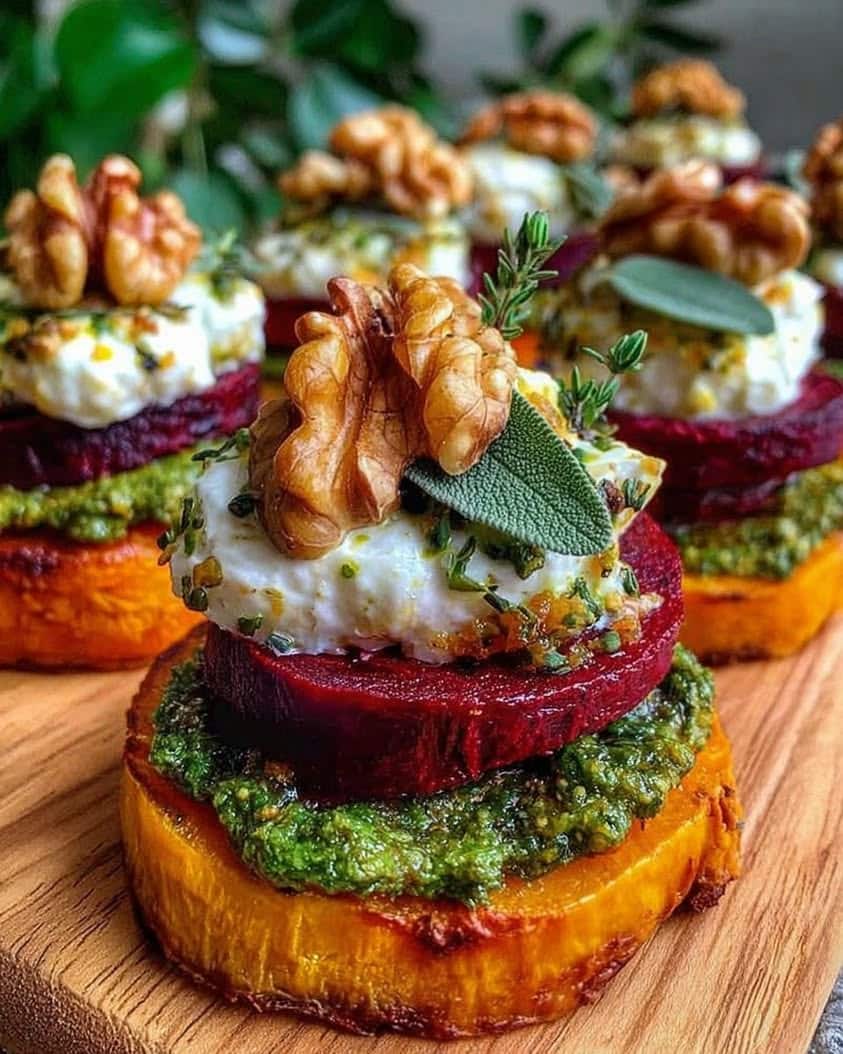
Modern serving suggestions include using this salad as a topping for bruschetta or crostini. Spoon the beet and pear mixture over toasted baguette slices for an impressive appetizer. You can also stuff the salad into a pita pocket with some extra greens for a portable lunch. For a grain bowl, serve the salad over a bed of quinoa or farro for added texture and nutrition. These modern applications make the recipe even more versatile and useful.
Temperature considerations are important for achieving the best flavor and texture in this salad. The beets should be served warm or at room temperature, never cold from the refrigerator. The pears are best served warm right after caramelizing, as they soften and become more aromatic. The arugula and feta should be at room temperature for the best flavor and texture. Bringing all the components to a similar temperature before assembling ensures a cohesive eating experience.
Portion control tips help you serve the right amount for your guests. A generous serving of this salad as a side dish is about one and a half cups. As a main course served with bread or protein, you can increase that to two cups or more. The salad is relatively nutrient-dense, so a little goes a long way in terms of satisfaction. Adjust the portion sizes based on what else you are serving at the meal.
Wine and Beverage Pairing
Wine pairing for this salad is a delightful opportunity to enhance its flavors. A dry rosé from Provence works beautifully because its bright acidity cuts through the sweetness of the pears and beets. The subtle fruit notes in the rosé complement the caramelized flavors without overpowering them. If you prefer white wine, a Sauvignon Blanc with its herbaceous and citrus notes provides a refreshing contrast. For red wine lovers, a light Pinot Noir with its soft tannins and red fruit flavors pairs wonderfully with the earthy beets and salty feta.
Non-alcoholic alternatives can be just as satisfying with this salad. A sparkling water with a splash of pomegranate juice and a squeeze of lime offers a crisp, refreshing drink. The tartness of the pomegranate juice plays nicely with the balsamic vinaigrette. You can also try a ginger ale or ginger beer for a spicy kick that complements the sweet elements. Herbal iced tea, such as hibiscus or mint, provides a flavorful and alcohol-free option that pairs well with the Mediterranean flavors.
Coffee or tea pairings might seem unusual, but they can work for a brunch or lunch setting. A lightly roasted green tea with its grassy notes provides a clean, palate-cleansing accompaniment. Chai tea with its warm spices like cinnamon and cardamom echoes the warmth of the roasted vegetables. For coffee lovers, a pour-over with bright, fruity notes can complement the sweet pears and earthy beets nicely. These pairings work best when the salad is served as part of a lighter meal.
Temperature considerations for beverages are important to match the salad serving temperature. Serve wine and non-alcoholic drinks well-chilled to provide a refreshing contrast to the warm elements in the salad. The cool temperature of the drink helps cleanse your palate between bites. For hot tea or coffee, serve them in small quantities to avoid overwhelming the flavors of the dish. The temperature contrast adds another sensory dimension to the overall dining experience.
Serving suggestions for beverages include providing a small tasting pour for guests to sample alongside the salad. This allows them to appreciate how the flavors interact with each other. If you are serving the salad as a main course, consider offering a full glass of the recommended wine or beverage. For a more formal dinner, you can create a small beverage pairing menu that suggests different options for each course.
Storage and Shelf Life
Storing the components of this salad separately is the best approach for maintaining quality. Place the roasted beets in an airtight container and store them in the refrigerator for up to five days. They will continue to develop flavor as they sit, making them even more delicious. The caramelized pears are best stored separately and used within two days, as they tend to soften further over time. Keep the arugula in its original packaging or a loosely closed plastic bag with a paper towel to absorb excess moisture and prevent wilting.
Temperature requirements are straightforward for this salad. All components should be stored in the refrigerator at a consistent temperature of forty degrees Fahrenheit or below. The feta cheese should remain submerged in its brine if you have leftover blocks, or you can store it in a small container with a bit of olive oil. Pistachios keep best in an airtight container in the refrigerator or freezer to prevent them from going rancid. Proper temperature control extends the shelf life of each ingredient significantly.
Container recommendations help you maximize freshness and prevent cross-contamination. Use glass containers with tight-fitting lids for the beets and pears to avoid absorbing odors from other foods. Small glass jars work well for storing the vinaigrette separately. A clean kitchen towel or paper towels inside the arugula container helps absorb moisture and keep the leaves crisp. Avoid using plastic bags for long-term storage, as they can trap moisture and accelerate spoilage.
Signs of spoilage to watch for include any off-putting smells or changes in texture. The beets should remain firm and not develop a slimy surface or mold spots. The pears should not become mushy or develop a fermented smell. The arugula will wilt and become slimy when it starts to go bad, and you should discard it immediately. Feta cheese may develop mold on the surface, which you can cut away, but if it smells sour or ammonia-like, it is time to toss it.
Reheating instructions apply mainly to the beets and pears if you want to serve them warm. You can gently reheat the beets in the microwave for thirty to sixty seconds or in a low oven for a few minutes. The pears are best reheated in a hot skillet with a touch of butter for about one minute per side. Do not overheat them, or they will become mushy. The arugula and feta should remain at room temperature and should not be reheated at all.
Freezing guidelines for this salad are limited because of the fresh produce involved. Roasted beets freeze reasonably well for up to three months in an airtight container. They will soften upon thawing, but their flavor remains intact. Caramelized pears do not freeze well, as they become mushy and watery upon thawing. It is better to make the pears fresh when you plan to serve the salad. The vinaigrette can be frozen in small portions for up to three months, though it may need to be re-emulsified after thawing.
Make Ahead Strategies
Prep timeline planning makes this salad incredibly convenient for entertaining. You can roast the beets up to three days in advance and store them in the refrigerator. The vinaigrette can be made a week ahead and kept in the refrigerator in a sealed jar. The pistachios can be toasted and stored at room temperature for several days. This leaves only the pears to caramelize and the salad to assemble on the day you plan to serve it.
Storage between steps requires attention to prevent quality loss. Keep the roasted beets in their storage container with a tight-fitting lid. The vinaigrette may solidify slightly in the refrigerator, so let it come to room temperature for about thirty minutes before using, then whisk it thoroughly to re-emulsify. The pistachios should be kept in an airtight container away from light and heat to maintain their crunch. The arugula should be washed and dried thoroughly before storing, as excess moisture causes it to wilt faster.
Quality impact assessment shows that most components maintain their quality well during advance preparation. The beets actually improve in flavor after a day or two as the seasonings meld together. The vinaigrette remains stable and flavorful for up to a week. The pistachios retain their crunch if stored properly. The only component that suffers slightly from being made ahead is the pears, which lose some of their caramelized texture. For the best results, make the pears fresh on the day you plan to serve the salad.
Assembly tips for make-ahead success include layering the salad components carefully. Arrange the arugula on the serving platter, then top with the beets and pears. Hold off on adding the feta, pistachios, and dressing until just before serving. This prevents the feta from making the greens soggy and keeps the pistachios crunchy. You can keep the assembled platter covered with plastic wrap in the refrigerator for up to two hours before adding the final toppings and dressing.
Reheating guidelines for make-ahead components are simple and straightforward. Remove the beets from the refrigerator about thirty minutes before serving to allow them to come to room temperature. If you prefer them warm, reheat them in a microwave-safe dish for about one minute, stirring halfway through. The pears should be caramelized fresh, but if you have leftover pears, you can reheat them in a skillet over medium heat for about one minute per side. Do not reheat the arugula or feta at all.
Fresh element additions just before serving ensure the salad tastes its best. Right before you serve the salad, crumble the feta cheese over the top and scatter the pistachios. Drizzle the vinaigrette over the salad and toss everything gently to combine. Taste and adjust the seasoning with salt and pepper if needed. A final sprinkle of fresh herbs like chopped mint or basil adds a bright, fresh note that elevates the entire dish.
Scaling Instructions
Halving the recipe is a simple process that works well for smaller households. Use one medium beet instead of two, and reduce the pears to one large pear. Halve the amounts of feta cheese and pistachios accordingly. The cooking time for the beets will remain roughly the same because you are roasting a smaller quantity. The caramelizing time for the pears will also stay similar, but you can use a smaller skillet. The vinaigrette recipe is easily halved by using a smaller measuring cup and adjusting the oil and vinegar ratios.
Doubling or tripling this recipe is straightforward when you are feeding a crowd. Use a larger baking sheet for the beets to ensure they roast in a single layer without overcrowding. You may need to roast them in two batches or on two separate baking sheets to ensure even cooking. For the pears, work in batches to avoid overcrowding the skillet, which prevents proper caramelization. Use a larger serving platter or bowl to accommodate the increased volume of ingredients. The vinaigrette recipe scales up easily by multiplying the ingredients proportionally.
Equipment adjustments become necessary when scaling this recipe up or down. For smaller batches, a quarter-sheet pan works well for roasting the beets. For larger batches, a half-sheet pan or two standard baking sheets are needed. You might need your largest skillet or two skillets for caramelizing the pears in larger quantities. A large mixing bowl is helpful for tossing the scaled-up salad with the dressing. Having the right equipment makes the scaling process much smoother and more efficient.
Timing modifications are important when scaling this recipe for different quantities. Roasting more beets will not significantly increase the cooking time as long as they are in a single layer. Caramelizing pears in batches will add total prep time, so plan accordingly. The assembly time scales up linearly with the number of servings. Allow an extra ten to fifteen minutes for a doubled recipe and about twenty minutes for a tripled recipe. Do not rush the Print
Roasted Beet and Caramelized Pear Salad with Feta & Pistachios
- Total Time: 1 hour 5 minutes
- Yield: 4
Description
A vibrant and hearty salad featuring earthy roasted beets, sweet caramelized pears, creamy feta cheese, and crunchy pistachios, all tossed in a tangy balsamic vinaigrette.
Ingredients
- 4 medium beets, scrubbed and trimmed
- 2 ripe but firm pears, halved and cored
- 2 tablespoons butter
- 4 cups mixed salad greens
- 1/2 cup crumbled feta cheese
- 1/4 cup shelled pistachios, roughly chopped
- 3 tablespoons balsamic vinegar
- 1 tablespoon honey
- 1/3 cup extra virgin olive oil
- Salt and freshly ground black pepper to taste
Instructions
- Preheat oven to 400°F (200°C). Wrap beets individually in aluminum foil and roast for 45-60 minutes until tender. Let cool, then peel and cut into wedges.
- While beets roast, melt butter in a large skillet over medium heat. Add pear halves cut side down and cook for 3-4 minutes until golden. Turn and cook another 2 minutes. Remove from heat and slice each half into 4-5 wedges.
- In a small bowl, whisk together balsamic vinegar, honey, olive oil, salt, and pepper to make the dressing.
- Arrange salad greens on a large platter or in individual bowls. Top with roasted beet wedges and caramelized pear slices.
- Sprinkle crumbled feta cheese and chopped pistachios over the salad. Drizzle balsamic dressing generously and serve immediately.
Notes
You can customize the seasonings to taste. For extra sweetness, roast beets with a drizzle of honey.
- Prep Time: 15 minutes
- Cook Time: 50 minutes
- Method: Salad
- Cuisine: American