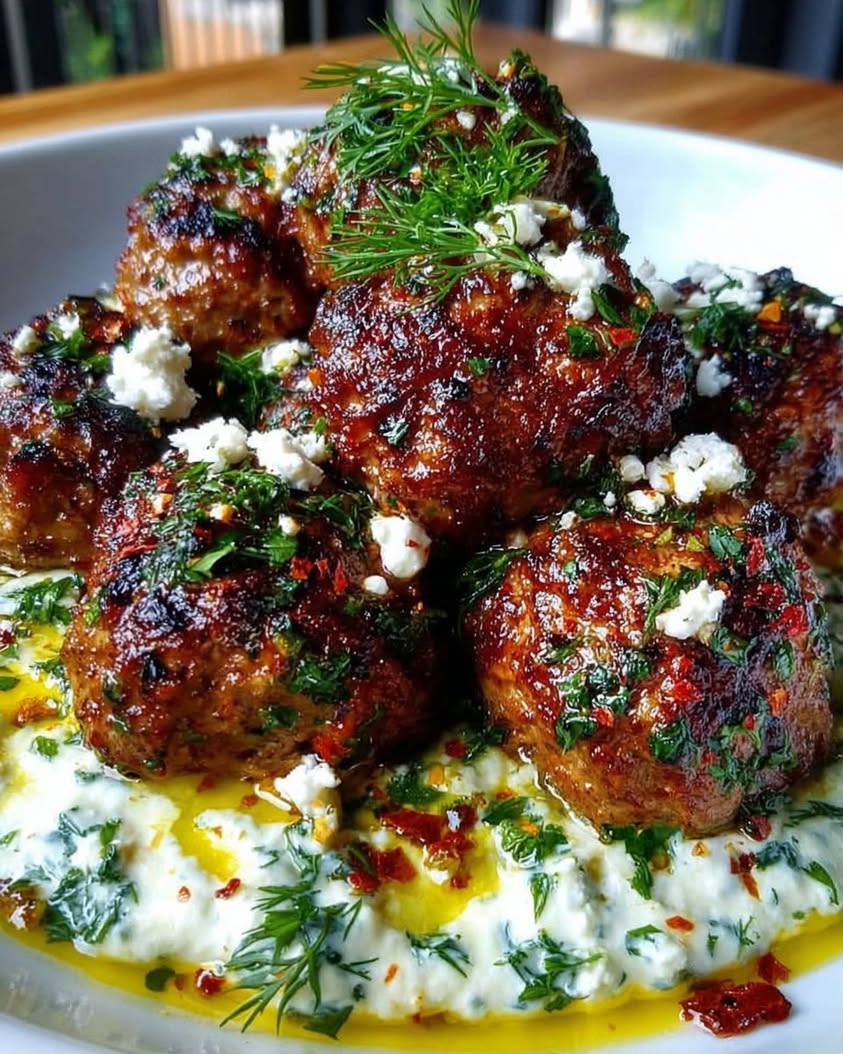
Mini Greek Meatball Bites with Tzatziki: Perfect Party Appetizer
These Mini Greek Meatball Bites with Tzatziki bring the vibrant flavors of a Greek taverna directly to your kitchen. Imagine tender, herb-infused meatballs that burst with oregano, mint, and garlic, all paired with a cool, creamy tzatziki sauce. This recipe captures the essence of Mediterranean cooking, offering a dish that feels both rustic and refined.
The magic of the Mini Greek Meatball Bites with Tzatziki lies in their simplicity and depth of flavor. Each bite delivers a savory punch, complemented by the bright, tangy notes of lemon and yogurt. This appetizer is a staple for gatherings, as it satisfies a crowd without demanding hours in the kitchen. The meatballs are baked to perfection, ensuring they remain juicy on the inside with a slightly crisp exterior.
Because the preparation is straightforward, even a novice cook can achieve impressive results. The tzatziki sauce, made from thick Greek yogurt, cucumber, and dill, cuts through the richness of the lamb. This balance is what makes these meatball bites so addictive. You will find yourself reaching for just one more, and then another, as the flavors meld beautifully together.
Quick Recipe Highlights
- Flavor Profile: The meatballs combine savory lamb with aromatic herbs like oregano and mint, while the tzatziki adds a refreshing, tangy contrast. A hint of lemon zest brightens the entire dish, making every bite a well-rounded experience.
- Texture: The outside of each meatball develops a golden crust during baking, while the inside stays tender and moist. The tzatziki provides a smooth, creamy counterpoint that coats the palate, adding a satisfying coolness.
- Aroma: As the meatballs bake, the kitchen fills with the warm scent of garlic, roasted lamb, and dried herbs. The tzatziki contributes a subtle note of fresh cucumber and dill, creating a fragrant Mediterranean bouquet.
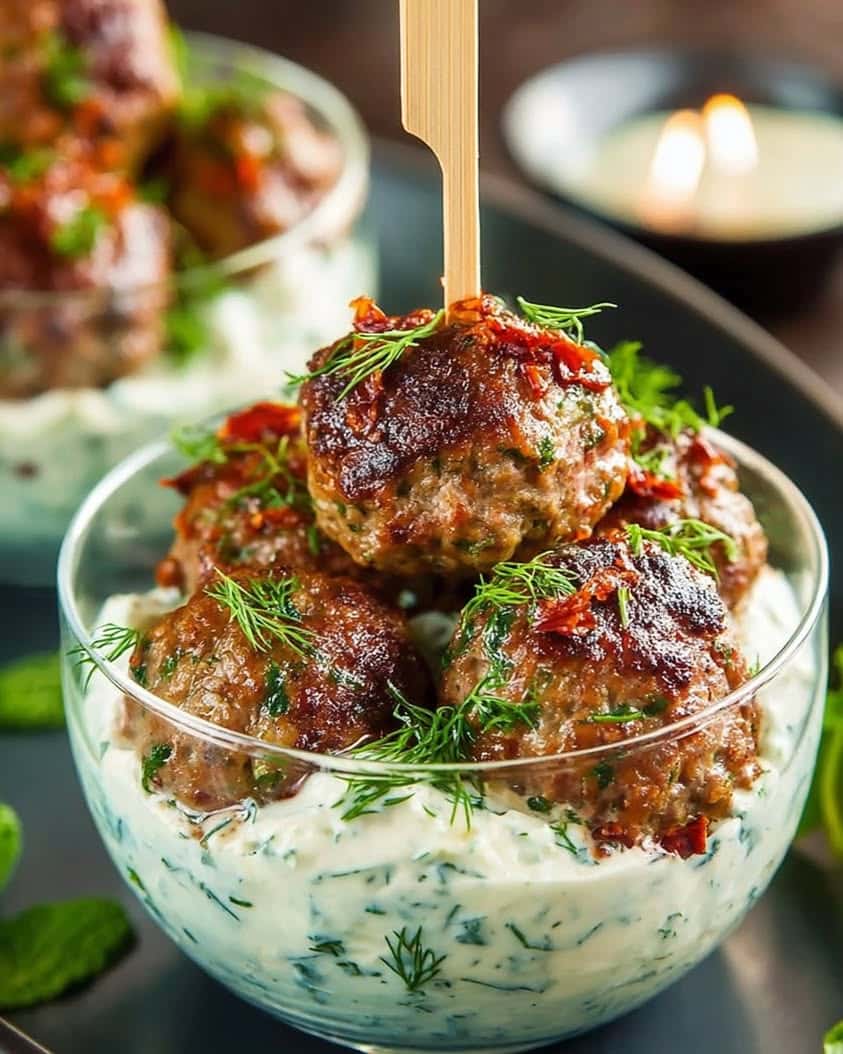
- Visual Appeal: The meatballs come out a rich, golden brown, dotted with flecks of green herbs. Placed on a platter with a bowl of white tzatziki, the contrast is striking, especially when garnished with a sprinkle of fresh dill or a few olives.
- Skill Level Needed: This recipe is rated easy because it uses simple mixing and baking techniques. No complex rolling or frying is required, making it accessible for beginners who still want an impressive dish.
- Special Equipment: A large mixing bowl, a baking sheet, and a box grater for the cucumber are the main tools needed. A mini food processor can speed up chopping the onion and herbs, but a knife works just fine.
Recipe Overview
- Difficulty Level: The easy difficulty level reflects the straightforward process of combining ingredients and shaping the meatballs. Baking eliminates the need for deep frying, which reduces mess and skill requirements. Even without prior experience, a cook can follow the steps and create a restaurant-quality appetizer. The only careful step is draining the cucumber for the tzatziki to avoid a watery sauce.
- Category: These meatball bites fit perfectly into appetizers, finger foods, or even party snacks. They also work well as a main course when served over rice or in pita bread. The versatility of Mini Greek Meatball Bites with Tzatziki makes them suitable for casual dinners or festive gatherings.
- Cuisine: This dish draws from traditional Greek cuisine, specifically the keftedes style of small meatballs. Greek cooking prioritizes fresh herbs, quality olive oil, and dairy, all of which play starring roles here. The influence of Mediterranean flavors ensures a healthy yet indulgent eating experience.
- Cost: The ingredients are generally affordable, with ground lamb or beef as the primary expense. Pantry staples like flour, dried herbs, and garlic keep costs low. Overall, you can expect to spend around fifteen dollars for a batch that serves a crowd, making it budget-friendly for entertaining.
- Season: Although delicious year-round, these meatballs shine in spring and summer when fresh herbs and cucumbers are at their peak. The light, refreshing tzatziki pairs wonderfully with warmer weather. During fall and winter, they provide a comforting taste of the Mediterranean sun.
- Occasion: This recipe is ideal for parties, game day spreads, potlucks, and holiday gatherings. The mini size makes them easy to eat while standing and mingling. They also make a wonderful starter for a Mediterranean-themed dinner party.
Why You Will Love This Recipe
The first reason you will adore these meatballs is their incredible taste and texture. Each bite delivers a savory explosion of lamb, garlic, and herbs, followed by the cool, creamy relief of the tzatziki. This contrast is addictive, making it hard to stop after just one. The meatballs are never dry, thanks to the combination of egg and breadcrumbs that lock in moisture. You get a satisfying chew without any rubberiness.
Convenience is another strong point, as the entire dish comes together in about thirty-five minutes. The prep time is minimal, and baking means you can set a timer and walk away. This hands-off approach reduces stress when you are hosting. Plus, the meatballs can be made ahead and reheated quickly, which is a lifesaver for busy entertainers. You spend less time in the kitchen and more time with your guests.
Nutritionally, these Mini Greek Meatball Bites with Tzatziki offer a balanced profile. Lamb provides high-quality protein, iron, and B vitamins, while the yogurt for tzatziki adds calcium and probiotics. The herbs contribute antioxidants, and the olive oil is a source of healthy monounsaturated fats. Compared to fried appetizers, this baked version is lighter and more health-conscious. You can enjoy them without heavy guilt.
Socially, these meatball bites are a guaranteed hit at any gathering. Their small, popable size encourages mingling and sharing. Guests can easily pick them up with a toothpick, making for effortless eating. The vibrant colors and aromatic herbs invite conversation, and the familiar flavors of Greek cuisine feel both exotic and comforting. It is a dish that sparks joy and brings people together.
Finally, the recipe is cost-effective and uses accessible ingredients. Ground lamb is widely available, and you can substitute beef or chicken for a lower price point. The spice list is minimal, relying on dried herbs you likely already own. Because the recipe yields about two dozen bites, it stretches a small amount of meat into a generous appetizer. You get maximum impact for minimal expense.
Historical Background and Cultural Significance
Greek meatballs, known as keftedes, have ancient roots that trace back to classical Greek cuisine. Originally, they were simple mixtures of ground meat and breadcrumbs, seasoned with local herbs like oregano and thyme. The use of lamb reflects the pastoral traditions of Greece, where sheep farming has been central for thousands of years. These meatballs were often cooked over an open fire, a method that imparted a smoky flavor.
In modern Greece, keftedes are a beloved meze, or small plate, served at tavernas and family tables alike. They symbolize hospitality and the joy of sharing food with loved ones. The inclusion of tzatziki as a dipping sauce became popular in the twentieth century, as yogurt became more widely available. This pairing combines two essential elements of Greek cuisine: grilled meats and cool dairy sauces.
The evolution of the recipe has seen variations across regions. In the islands, cooks sometimes add pine nuts or raisins for sweetness. In northern Greece, they might include a touch of cinnamon or allspice. The version presented here, Mini Greek Meatball Bites with Tzatziki, is a modern adaptation that prioritizes convenience without losing authenticity. Baking instead of frying reflects contemporary health trends while respecting the original flavors.
Cultural significance extends beyond the plate, as sharing meatballs at a gathering is a communal act. In Greek culture, food brings people together, and the table is a place of connection. This recipe embodies that spirit, offering a dish that is meant to be passed around and enjoyed together. By preparing these meatballs, you are participating in a tradition that spans centuries and continents.
Ingredient Deep Dive
Ground lamb is the star of these meatballs, prized for its rich, slightly gamey flavor that sets Greek cuisine apart. Lamb has been a dietary staple in the Mediterranean since antiquity, often associated with festivals and sacrifices. Nutritionally, it provides a substantial amount of zinc, selenium, and vitamin B12. When selecting lamb, look for meat that is pink with a moderate amount of white fat, as this ensures moisture. Store it in the refrigerator in its original packaging for up to two days, or freeze it for three months. If lamb is unavailable or too strong for your taste, ground beef or a mix of beef and pork works well as a substitute. Just note that the flavor will be milder.
Greek yogurt serves as the base for the tzatziki sauce, offering a creamy, tangy backbone. Yogurt is a staple in Greek cuisine, often made from sheep or goat milk, but cow milk versions are more common today. It is loaded with probiotics that support gut health and calcium for strong bones. For the best texture, choose a full-fat, thick yogurt that drains easily. Regular yogurt can be used if you strain it overnight through a cheesecloth. Store yogurt in the coldest part of the fridge and consume it within two weeks of opening. The yogurt must be thick to prevent the tzatziki from becoming watery.
Cucumber is essential for the tzatziki, providing a fresh crunch that balances the richness of the meatballs. English or hothouse cucumbers are ideal because they have fewer seeds and a thinner skin. Cucumbers are hydrating and contain vitamin K and potassium. After grating the cucumber, squeeze out the excess water aggressively to avoid dilution. Use a clean kitchen towel or cheesecloth for this step. If cucumbers are not in season, you can substitute finely chopped zucchini, though the flavor will shift. Store cucumbers in the refrigerator drawer wrapped in a paper towel to extend freshness.
Dried oregano and mint are the primary herb drivers in the meatballs. Oregano is a cornerstone of Greek cooking, known for its earthy, slightly peppery notes. Mint adds a cool, sweet counterpoint that keeps the meatballs from feeling heavy. Both herbs have antioxidant properties and aid digestion. For the best flavor, use Mediterranean oregano rather than Mexican varieties, which can be sharper. Store dried herbs in a cool, dark cabinet and replace them every six months. Fresh herbs can be substituted, but use triple the amount since dried herbs are more concentrated.
Common Mistakes to Avoid
- Overworking the meat mixture is a frequent error that leads to tough, dense meatballs. Mix the ingredients only until they are just combined, and handle them with a light touch.
- Using yogurt that is too thin for the tzatziki will result in a watery sauce. Always drain the cucumber thoroughly and opt for a thick, strained yogurt like Greek yogurt.
- Skipping the step of sautéing the onion before adding it to the meat can cause raw onion flavor. Cook the onion for a few minutes until translucent to mellow its bite.
- Baking the meatballs without spacing them out on the sheet leads to steaming instead of browning. Leave at least one inch between each meatball for a golden crust.
- Adding too much breadcrumb mixture makes the meatballs dry and bready. Stick to the recommended amount and adjust only if the mixture feels too wet.
- Forgetting to season the tzatziki with enough salt is a common oversight. Salt brings out the flavor of the yogurt and cucumber, so taste and adjust after resting.
- Rushing the resting time for the tzatziki means the flavors will not meld. Let the sauce sit in the fridge for at least thirty minutes before serving.
- Using stale dried herbs in the meatballs will result in a flat, unappealing taste. Check the freshness of your oregano and mint before cooking.
- Overbaking the meatballs is easy if you rely solely on time instead of visual cues. They are done when they reach an internal temperature of 160°F and are golden brown.
- Failing to line the baking sheet with parchment paper can cause the meatballs to stick. Parchment makes cleanup easier and ensures even browning.
Essential Techniques
Properly draining the cucumber is the most critical step for the tzatziki. After grating the cucumber on the large holes of a box grater, you must squeeze out the liquid. Use a clean kitchen towel or a fine-mesh strainer and press with your hands. If you skip this step, the excess moisture will thin out the yogurt, turning your sauce into a runny mess. The visual cue is that the cucumber should feel dry and almost crumbly before mixing.
Shaping the meatballs evenly ensures uniform cooking and a nice presentation. Use a tablespoon or a small cookie scoop to portion out the mixture. Then roll the portion between your palms gently, without compressing too firmly. Over-rolling can make the meatballs tough. Aim for a round shape that is about one inch in diameter, as this size cooks quickly and is easy to eat in one bite.
Baking the meatballs on a wire rack set inside the baking sheet promotes superior browning. The rack allows hot air to circulate around the meatballs, preventing them from sitting in rendered fat. This technique results in a crisp exterior while keeping the interior moist. If you do not have a wire rack, flipping the meatballs halfway through cooking can achieve a similar effect, though it is more labor-intensive.
Zesting the lemon before juicing it extracts aromatic oils that elevate the tzatziki. Use a microplane or the finest side of a box grater, being careful to avoid the bitter white pith. The zest adds a bright, citrusy note that cannot be replaced by juice alone. Mix the zest into the yogurt along with the other ingredients, and taste for balance. The scent should be fragrant, not overpowering.
Pro Tips for Perfect Mini Greek Meatball Bites with Tzatziki
For the most flavorful meatballs, toast the dried oregano and mint in a dry skillet for about thirty seconds before adding them to the mixture. This step releases their essential oils, making the herbs more aromatic. Just watch carefully to avoid burning them.
Chill the shaped meatballs in the refrigerator for fifteen minutes before baking. This firms up the fat, helping them hold their shape and preventing spreading. The result is a more uniform, round meatball that is less likely to flatten.
Use a microplane to grate the garlic directly into the tzatziki rather than mincing it. This creates a paste that distributes evenly without leaving chunky bits of garlic. It also releases more flavor, giving the sauce a robust punch.
Brush the baked meatballs with a little olive oil and a squeeze of fresh lemon juice as soon as they come out of the oven. This finish adds shine and a final burst of brightness that enhances all the other flavors. It is a small step that makes a big difference.
For the tzatziki, fold in the ingredients gently rather than stirring vigorously. This keeps the sauce thick and creamy rather than breaking down the yogurt. A light hand preserves the texture that makes this dip so appealing.
Always make the tzatziki at least two hours ahead of time, or even the day before. The resting period allows the flavors to marry and the garlic to mellow. The sauce will taste significantly better after this time.
If you want a smoky flavor for the meatballs, try broiling them for the last two minutes of cooking. The high heat from above creates charred spots that mimic the taste of a grill. Keep a close eye on them to prevent burning.
Variations and Adaptations
Regional variations of keftedes often include additions like grated onion, which adds moisture, or a pinch of cinnamon for sweetness. In some parts of Greece, bakers include a soaked bread slice instead of breadcrumbs. This changes the texture to be softer and more delicate. You can experiment with these elements by adding a tablespoon of grated onion or a half teaspoon of cinnamon to the base recipe.
Seasonal adaptations might involve using fresh herbs when available, such as fresh mint and oregano in summer. The quantity needed triples compared to dried herbs. In winter, you can add a touch of nutmeg or allspice for warmth. Serving the meatballs with a side of roasted vegetables like peppers and zucchini also aligns with seasonal cooking.
Dietary modifications make this recipe flexible. For a gluten-free version, substitute the breadcrumbs with almond flour or crushed pork rinds. The meatballs will be slightly denser but still delicious. Ensure your baking powder is gluten-free if used. For a dairy-free tzatziki, use a thick coconut yogurt instead of Greek yogurt, though the flavor will change.
Flavor variations are endless with this base. Try adding a tablespoon of capers for a briny kick, or a teaspoon of smoked paprika for a different depth. A pinch of red pepper flakes can introduce heat. You can even incorporate crumbled feta cheese directly into the meat mixture for a salty, tangy surprise in every bite.
Texture modifications include making the meatballs larger for a main course, cooking them for about twenty-five minutes. Alternatively, you can make them into sliders by flattening the balls into patties. This change transforms the dish from a finger food to a mini sandwich filling, perfect with pita bread.
Presentation alternatives involve threading the baked meatballs onto skewers with cherry tomatoes and chunks of cucumber. This creates a Greek souvlaki-like effect that is ideal for cocktail parties. You can also serve them on a bed of lettuce with a drizzle of extra tzatziki as a salad option.
Serving and Presentation Guide
Plating the Mini Greek Meatball Bites with Tzatziki is simple yet impactful. Arrange the meatballs in a single layer on a large white platter, leaving space for the dipping bowl. Place the tzatziki in a small bowl in the center or off to one side. This layout allows guests to easily access both components without crowding.
Garnishing ideas include a sprinkle of fresh dill or parsley over the meatballs and tzatziki. A few lemon wedges placed around the platter not only add color but allow guests to add brightness. A light drizzle of good olive oil on top of the tzatziki before serving enhances its richness. You can also add a handful of Kalamata olives for a beautiful contrast.
Traditional accompaniments include warm pita bread, sliced into triangles, or a crisp Greek salad. In a home setting, you might serve them alongside a bowl of hummus or baba ghanoush for a full meze spread. These sides complement the flavors without competing with the meatballs.
Modern serving suggestions involve using the meatballs as a topping for grain bowls. Place them over quinoa or farro with a dollop of tzatziki and some pickled onions. This turns the appetizer into a light meal, perfect for a quick lunch or dinner.
Temperature considerations are important for the best experience. Serve the meatballs warm, straight from the oven, as this is when they are most flavorful and tender. The tzatziki should be chilled, creating a hot-cold contrast that is pleasant. If the meatballs cool down, you can reheat them in a 300°F oven for five minutes.
Portion control tips for a party assume about three to four meatballs per person if other appetizers are served. For a main course, count on six to eight meatballs per serving. This recipe yields twenty-four bites, which fits well for a group of six to eight people as an appetizer.
Wine and Beverage Pairing
Wine pairings for these meatballs are centered on light, fruity reds and crisp whites. A Greek Assyrtiko, with its high acidity and citrus notes, cuts through the richness of the lamb and yogurt. Alternatively, a Xinomavro, a red wine with earthy undertones and moderate tannins, complements the herbs without overwhelming them. For a non-Greek option, a young Beaujolais works well.
Non-alcoholic alternatives include a refreshing cucumber-mint cooler, made by muddling cucumber and mint with soda water and a touch of lime. This drink echoes the flavors of the tzatziki and cleanses the palate. A sparkling water with a splash of pomegranate juice is also festive and pairs nicely with the savory meatballs.
Tea pairings are less common but can be successful. A cup of iced mint tea is a natural match, as the mint mirrors the herb in the tzatziki. A warm, unsweetened hibiscus tea offers a tartness that contrasts the richness of the meatballs, making it a good choice for a winter gathering.
Temperature considerations dictate that white wines and non-alcoholic drinks should be well-chilled, while red wines should be served slightly below room temperature, around 60°F. Serve the drink in clear glasses to show off the colors. For a party, setting up a self-serve drink station with these options allows guests to choose their preference.
Serving suggestions include offering a small tasting of each beverage alongside the dish. This encourages guests to explore different pairings and find their favorite. The goal is to enhance the overall dining experience by complementing the savory, herbaceous notes of the meatballs.
Storage and Shelf Life
Storage methods for leftover meatballs involve placing them in an airtight container after they have cooled completely. They will last in the refrigerator for up to four days. The tzatziki should be stored separately in its own container to prevent the meatballs from making it watery. Always use a clean utensil each time you dip to extend shelf life.
Temperature requirements are straightforward: keep both components at or below 40°F. Do not leave the meatballs or tzatziki at room temperature for more than two hours. If serving outdoors on a warm day, place the bowl of tzatziki in a larger bowl filled with ice to maintain its temperature.
Container recommendations for the tzatziki include a glass or plastic container with a tight seal. The meatballs can be stored in a container with a paper towel at the bottom to absorb any excess moisture. Replace the paper towel each day to keep the meatballs from becoming soggy.
Signs of spoilage for the meatballs include a sour smell, slimy texture, or visible mold. The tzatziki will separate slightly over time, which is normal, but a strong sour odor or watery appearance with an off taste indicates it is past its prime. When in doubt, discard leftovers to stay safe.
Reheating instructions for the meatballs suggest using an oven or toaster oven at 350°F for about five to seven minutes. The microwave is not recommended, as it will make the meatballs rubbery. For the tzatziki, do not reheat it; serve it cold as originally intended. If it has thickened in the fridge, stir in a teaspoon of water to loosen it.
Freezing guidelines allow you to store the baked meatballs for up to three months. Place them on a baking sheet in the freezer until frozen solid, then transfer to a freezer bag. Thaw them overnight in the refrigerator before reheating. The tzatziki does not freeze well because the yogurt will separate, so make it fresh.
Make Ahead Strategies
A successful prep timeline begins two days before your event. Cook the meatballs within that time frame, then cool and store them in the refrigerator. The tzatziki can also be made ahead, as it improves with age. Assembling the platter should only happen on the day of serving to maintain freshness.
Storage between steps involves keeping the meatballs in a covered container to prevent them from drying out. The tzatziki should be stored in a sealed container, and it is a good idea to stir it before serving to reincorporate any settled liquid. Both components are best kept separate until serving.
Quality impact assessment shows that the meatballs remain excellent for up to two days after cooking. Their texture stays moist, and the flavors continue to meld. The tzatziki actually reaches its peak flavor after a full day of resting in the fridge, as the garlic and dill become more harmonious.
Assembly tips for the day of serving include transferring the meatballs to a baking sheet and warming them in a 350°F oven for about eight minutes. Meanwhile, spoon the tzatziki into your serving bowl and add any fresh garnishes. Do not dress the plate until just before guests arrive to prevent sogginess.
Reheating guidelines are important to follow for the best texture. Reheat only the amount you plan to serve, as repeated cooling and reheating can dry out the meatballs. Use an oven rather than a microwave, and add a splash of water to the baking sheet to create steam, which helps keep them moist.
Fresh element additions might include a final sprinkle of fresh dill or mint on the meatballs just before serving. You can also add a few extra lemon wedges for a pop of color and acidity. These finishing touches make the dish feel freshly prepared, even when made ahead.
Scaling Instructions
Halving the recipe is straightforward. Use half the amount of each ingredient, but keep the egg quantity at one whole egg to maintain binding. The cooking time may reduce by a few minutes since the smaller batch may cook faster. The tzatziki recipe halves easily without adjustments.
Doubling or tripling the recipe works well for large parties. Simply multiply all ingredients by the desired factor, but ensure your baking sheet can accommodate the increased volume. You may need to use two baking sheets and rotate them halfway through cooking. The total cooking time may increase by a few minutes as the oven works harder.
Equipment adjustments when scaling up include using larger mixing bowls and possibly a stand mixer for combining the meat mixture. A large rimmed baking sheet is better than a smaller one to prevent overcrowding. If you do not have enough sheet pans, you can bake in batches, but the first batch may cool while the second cooks.
Timing modifications involve checking for doneness earlier than the original time when using a smaller batch, and later when using a larger batch. Use a meat thermometer to ensure the internal temperature reaches 160°F regardless of scale. Keep in mind that a crowded oven can slow down cooking.
Storage considerations for scaled amounts mean you need more space. Large batches of meatballs can be frozen in portions for future use. The tzatziki should still be made in a manageable quantity, as it does not freeze well. Plan to consume the tzatziki within four days of preparation.
Nutritional Deep Dive
Macro breakdown per serving of three meatballs with a tablespoon of tzatziki provides about 200 calories, with twelve grams of protein, twelve grams of fat, and six grams of carbohydrates. The protein is high due to the lamb and yogurt, making this a satisfying snack. The fat content is moderate, primarily from the lamb and olive oil.
Micronutrient analysis shows that lamb is a rich source of iron, zinc, and vitamin B12, all essential for energy metabolism. The yogurt provides calcium and phosphorus for bone health. Cucumber and herbs contribute small amounts of vitamin K and antioxidants, such as flavonoids, which fight inflammation.
Health benefits of this dish include its high protein content, which promotes satiety and muscle repair. The probiotics in the yogurt support digestive health. The herbs, particularly oregano and mint, contain compounds that have antimicrobial properties. This recipe fits well into a balanced diet when consumed in moderation.
Dietary considerations include the fact that lamb is red meat, so those watching their cholesterol should limit portion sizes. The dish is naturally low in sugar and high in protein, which is beneficial for blood sugar control. It is not suitable for vegetarians or vegans, but alternative versions exist.
Portion analysis suggests that three meatballs is a standard serving size for an appetizer. This amount fits easily into a 2,000-calorie diet. For weight management, pairing a smaller portion with a side of vegetables can create a low-calorie, high-satiety meal. The protein and fat combination helps keep hunger at bay.
Weight management tips include using leaner ground meat, such as turkey or chicken, to reduce fat content. You can also use a non-fat Greek yogurt for the tzatziki, which saves calories. Baking instead of frying already keeps the fat lower, making this a smart choice for those watching their weight.
Dietary Adaptations
For a gluten-free version, replace the breadcrumbs with an equal amount of almond flour or crushed pork rinds. This substitution maintains the binding properties without gluten. Ensure that your baking powder is certified gluten-free if you use it. The tzatziki is naturally gluten-free.
For a dairy-free adaptation, substitute the Greek yogurt with a thick, unsweetened coconut or cashew yogurt. The flavor will be slightly different, but still pleasant. Use a dairy-free sour cream alternative if needed. The meatballs themselves contain no dairy, making them safe for this diet.
For a vegan version, replace the ground lamb with a plant-based ground meat substitute based on pea protein or mushrooms. Use a flax egg or chia egg as a binder, made by mixing one tablespoon of ground flax seed with three tablespoons of water. The tzatziki can be made with a thick vegan yogurt.
For a low-carb or keto version, omit the breadcrumbs entirely and use a small amount of almond flour and an extra egg. This reduces the carbohydrate content to almost zero. The tzatziki is already low in carbs, as Greek yogurt has minimal sugars compared to regular yogurt. Check labels for hidden sugars.
For a paleo pattern, use coconut flour instead of breadcrumbs, and swap the yogurt for a coconut-based yogurt. The meat can still be lamb or beef, which is paleo-friendly. The egg is also acceptable. This version is grain-free and dairy-free.
For a low-FODMAP version, use garlic-infused oil instead of fresh garlic in both the meatballs and tzatziki. Avoid onion, which is high in FODMAPs, and replace it with the green part of spring onion. Use a lactose-free Greek yogurt or a small amount of certified lactose-free milk kefir. These adjustments make the dish accessible for those with IBS.
Troubleshooting Guide
If the meatballs are too dry, the most likely cause is overbaking or using too much breadcrumb mixture. Next time, reduce the cooking time by two to three minutes or check internal temperature earlier. You can also add a tablespoon of olive oil or a little milk to the meat mixture for moisture.
If the flavor is unbalanced, perhaps too salty, the measurement of salt might be off. Reduce the added salt slightly. If the flavor is bland, increase the amount of dried herbs or add a squeeze of lemon juice to brighten the sauce. A pinch of red pepper flakes can also wake up the flavors.
If the meatballs fall apart during baking, the mixture may be too wet or the binding ingredients insufficient. Add a tablespoon more breadcrumbs or chill the shaped meatballs for twenty minutes before baking. An extra egg white can also help the structure hold together.
If the tzatziki is too watery, the cucumber was not drained enough, or the yogurt was too thin. Strain the cucumber again and press out more moisture. Next time, use a yogurt that is labeled as thick or Greek-style. A teaspoon of cornstarch whisked into the yogurt can help thicken it in an emergency.
If the tzatziki tastes bitter, the garlic might have been over-extracted or the juice was used instead of zest. Use fresh garlic and grate it right into the yogurt. Avoid pressing or storing the garlic for too long before mixing. The bitterness can also come from the lemon pith, so zest carefully.
If the meatballs are too greasy, it could be that the meat was too high in fat. Use leaner ground lamb, such as 80/20, or drain the meat on paper towels after baking. Placing them on a wire rack helps the fat drip away. You can also use ground chicken or turkey for a lighter option.
Recipe Success Stories
Community feedback on the Mini Greek Meatball Bites with Tzatziki has been overwhelmingly positive. A reader named Sarah shared that she made these for a family reunion and they were gone within minutes. Her kids, who are picky eaters, loved dipping the meatballs into the tzatziki. She described them as a life saver for stress-free entertaining.
Another cook, Mike, adapted the recipe by adding a tablespoon of harissa paste to the meat mixture for a spicy kick. He served them at a Super Bowl party and reported that everyone asked for the recipe. The combination of Greek flavors with North African heat was a surprising hit. This variation has since become his signature dish.
Anna, a blogger, featured these meatballs on her site as part of a Mediterranean meal prep series. She found that they freeze beautifully and taste just as good after thawing. Her readers loved the convenience, and many left comments about how easy the recipe was to follow. The post became one of her most popular.
Photography tips from readers often emphasize the importance of lighting for capturing the texture of the meatballs. Using natural light from a window nearby helps the golden crust shine. A dark background makes the white tzatziki pop. Many have shared their photos on social media, tagging the recipe and praising its simplicity.