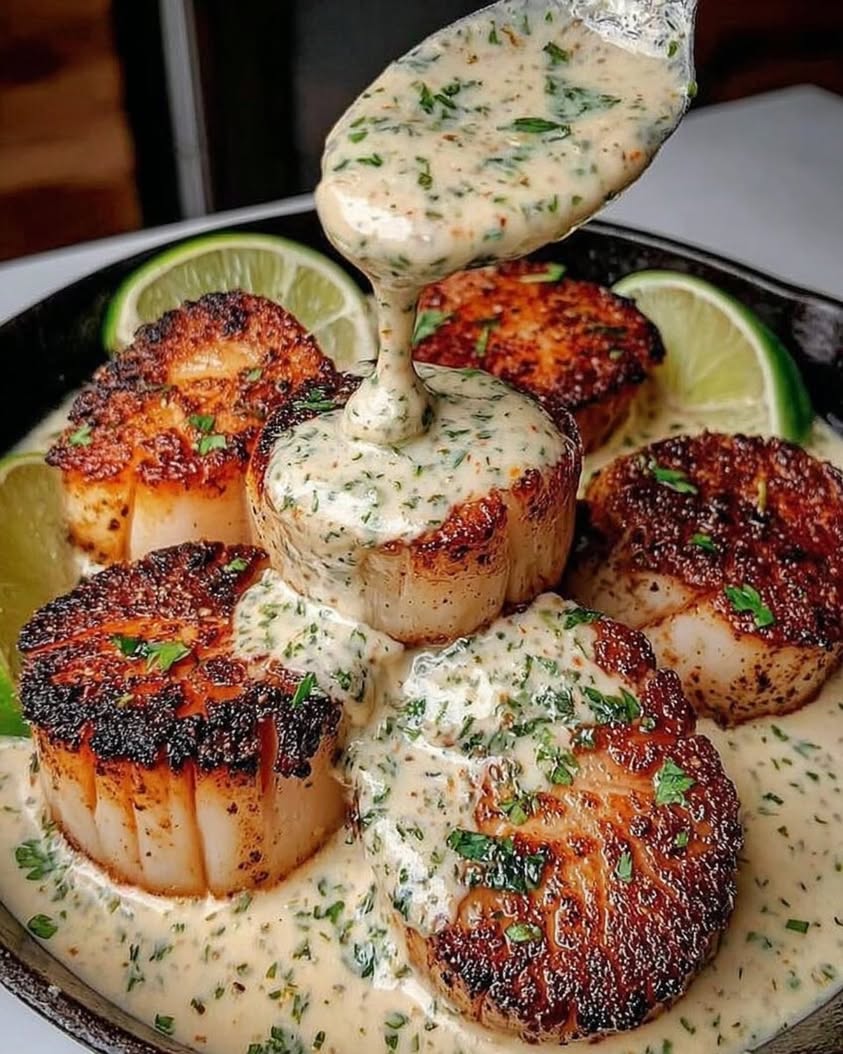
Sizzling Scallops with Zesty Lime Cilantro Sauce: A Quick Gourmet Dinner
Have you ever craved a restaurant-quality meal but felt too tired to tackle a complicated recipe? That is exactly where these Sizzling Scallops with Zesty Lime Cilantro Sauce come into play. This dish delivers a gourmet experience without demanding hours in the kitchen. The scallops sear to a perfect golden brown in just minutes, creating a crust that is both crispy and tender. Meanwhile, the zesty lime cilantro sauce brightens every bite with its fresh, tangy notes. It is a combination that feels indulgent yet remarkably simple to achieve.
The magic of this recipe lies in its balance. Scallops have a naturally sweet and delicate flavor that pairs beautifully with the acidity of lime and the herbaceous kick of cilantro. When you sear the scallops in a hot pan, they develop an incredible caramelized crust. Then, you deglaze the pan with the sauce ingredients, which picks up all those delicious brown bits. The result is a cohesive dish where every component shines. Whether you are cooking for a weeknight dinner or a special celebration, this recipe will impress.
One of the best aspects of these Sizzling Scallops with Zesty Lime Cilantro Sauce is how quickly they come together. You can have dinner on the table in less than twenty minutes. That speed does not compromise quality, either. The ingredients are simple, fresh, and readily available at most grocery stores. Moreover, the cooking technique is straightforward. If you have a hot skillet and some sea scallops, you are already halfway there.
Quick Recipe Highlights
- Flavor Profile: The scallops offer a sweet, briny taste that is enhanced by a buttery sear. The zesty lime cilantro sauce provides a bright, citrusy counterpoint with a hint of garlic and a touch of heat from red pepper flakes. It is a dynamic contrast that wakes up your palate.
- Texture: Expect a beautiful contrast between the crispy, caramelized exterior of the scallops and their tender, almost buttery interior. The sauce is smooth and light, adding a silky element that coats each scallop perfectly without making it soggy.
- Aroma: As the scallops hit the hot butter, you will smell a nutty, rich aroma. The lime zest and fresh cilantro release bright, clean notes that fill the kitchen. It is an inviting scent that promises a fresh and satisfying meal.
- Visual Appeal: Picture plump, golden-brown scallops resting on a plate, glistening with a vibrant green sauce. The contrast between the white scallop meat and the fresh green cilantro flecks with lime zest is stunning. A sprinkle of red pepper flakes adds a pop of color.
- Skill Level Needed: This is a beginner-friendly recipe that helps build confidence in searing techniques. The most important skill is learning to pat the scallops dry and not overcrowding the pan. With a little attention, anyone can master this dish.
- Special Equipment: You will need a heavy-bottomed skillet, preferably cast iron or stainless steel, for even heat distribution. Tongs are helpful for flipping the scallops, and a sharp knife or microplane is great for zesting the lime.
Recipe Overview
- Difficulty Level: This recipe earns an easy rating because it has very few steps and uses basic cooking techniques. The only tricky part is achieving the perfect sear, which simply requires a hot pan and dry scallops. Even beginners can succeed on their first try.
- Category: These scallops work beautifully as a main course for a light dinner. They also make a stunning appetizer for a cocktail party. You can even serve them over a fresh salad for a low-carb lunch option.
- Cuisine: The technique of searing scallops is popular in American and French cooking. However, the zesty lime cilantro sauce brings a clear Latin American influence. It combines classic culinary skills with bright, contemporary flavors.
- Cost: Scallops can be pricey, but this recipe uses them as the star, so you do not need much else. A pound of sea scallops typically costs between twelve and eighteen dollars. The remaining ingredients, like limes, cilantro, and butter, are very affordable.
- Season: While you can enjoy this dish year-round, it is especially wonderful in the spring and summer. The bright citrus and fresh herbs complement lighter, warmer weather meals. It also works nicely as a fresh counterpoint to heavier winter dishes.
- Occasion: This is a perfect recipe for a romantic date night at home. It is also ideal for a quick yet impressive dinner party. Because it cooks so fast, you can spend more time with your guests and less time in the kitchen.
Why You’ll Love This Recipe
The taste of these Sizzling Scallops with Zesty Lime Cilantro Sauce is truly exceptional. The scallops themselves are naturally sweet and briny, with a texture that melts in your mouth. When you sear them in butter, they develop a deep, nutty flavor that is simply addictive. Then, the zesty lime cilantro sauce cuts through that richness with a sharp, refreshing acidity. It is a flavor combination that feels balanced and complete. Each bite offers a burst of freshness followed by a savory, buttery finish.
Convenience is another huge benefit of this recipe. From start to finish, you can have this meal ready in under twenty minutes. That is faster than ordering takeout. The ingredient list is short and uses items you likely already have in your pantry. Furthermore, the cleanup is minimal since you only need one pan. For busy weeknights when you want something special but do not have much time, this dish is a lifesaver.
Nutritionally, scallops are a powerhouse. They are packed with lean protein, which helps keep you full and satisfied. Scallops also contain important nutrients like vitamin B12, selenium, and omega-3 fatty acids. These nutrients support heart health, brain function, and a strong immune system. By using butter and a touch of oil, this recipe provides healthy fats that help your body absorb those fat-soluble vitamins. It is a balanced meal that tastes indulgent but is actually quite good for you.
Socially, this recipe is a crowd-pleaser. People often assume scallops are difficult to cook at home, but you are about to prove them wrong. Serving this dish at a dinner party will earn you serious culinary credibility. The vibrant green sauce and beautiful sear make for an impressive presentation. Meanwhile, the quick cooking time means you can interact with your guests instead of hiding in the kitchen. It is a recipe that makes you look like a pro with minimal effort.
Cost-effectiveness might surprise you with this dish. While scallops are a premium ingredient, they are often more affordable than a steak or a whole fish. Given that this recipe uses them as the main event, you get a lot of value from a single pound. The supporting ingredients are all inexpensive staples. Furthermore, this recipe is so quick and easy that you are less likely to order expensive takeout. You are essentially getting a high-end restaurant meal for a fraction of the price.
Historical Background and Cultural Significance
Scallops have been harvested and enjoyed by coastal civilizations for thousands of years. Archaeological evidence shows that Native American tribes along the Atlantic coast ate scallops as part of their regular diet. In Europe, scallops became associated with the pilgrimage of Saint James, and the scallop shell is a famous symbol in Christian iconography. These shellfish have long been considered a delicacy, prized for their sweet, delicate meat. Their history is rich and deeply connected to human culture around the world.
In many cultures, scallops hold a special place at celebratory feasts. In French cuisine, Coquilles Saint-Jacques is a classic dish that honors the scallop with a creamy gratin. In Japan, hotate (scallops) are often served raw as sashimi or grilled over charcoal. The versatility of scallops makes them a canvas for a wide range of flavor profiles. They can be delicate or bold, simple or complex, depending on the preparation. This recipe draws on that global tradition while adding a modern, zesty twist.
The specific technique of searing scallops in a hot pan has become a cornerstone of modern fine dining. Chefs love scallops because they are relatively forgiving and cook very quickly. The key is developing a beautiful crust without overcooking the interior. This method became particularly popular in American kitchens during the 1980s and 1990s as home cooks became more adventurous. It represents a shift toward simpler, ingredient-focused cooking that emphasizes quality over complexity.
Regional variations of scallop dishes are fascinating to explore. In New England, you might find scallops dredged in flour and pan-fried with butter. In the Pacific Northwest, they are often grilled with a soy-ginger glaze. In Latin America, ceviche often features scallops marinated in citrus juices. This recipe for Sizzling Scallops with Zesty Lime Cilantro Sauce borrows from that Latin American tradition. It uses lime and cilantro to create a bright, fresh sauce that feels both classic and contemporary.
Ingredient Deep Dive
Sea scallops are the heart of this dish, and understanding them is crucial. They have a long cultural history as a symbol of travel and pilgrimage. Nutritionally, they are excellent. They provide a significant amount of protein with very few calories. They are also rich in vitamin B12, which supports nerve function, and selenium, a powerful antioxidant. When selecting scallops, look for ones that are plump, moist, and smell like the ocean, not fishy. Avoid scallops that are sitting in a milky liquid, as this can indicate they have been treated with chemicals.
For storage, keep fresh scallops in the coldest part of your refrigerator and use them within one to two days. If you cannot cook them immediately, you can freeze them in an airtight bag for up to three months. Thaw them in the refrigerator overnight for best results. Substitution options include large shrimp or firm white fish fillets. However, keep in mind that cooking times will vary. Scallops are naturally sweet and tender, so substitutes may require slight adjustments to the recipe.
Limes are the star of the zesty lime cilantro sauce. They bring a bright, acidic punch that cuts through the richness of the butter and scallops. Limes originated in Southeast Asia but are now grown worldwide, with Mexico being a major producer. Nutritionally, limes are packed with vitamin C, which supports your immune system. When selecting limes, choose ones that feel heavy for their size, as this indicates more juice. A smooth, shiny skin also suggests freshness.
Store limes at room temperature for up to one week or in the refrigerator for up to three weeks. For the best flavor, always zest the lime before juicing it. The zest contains essential oils that add a concentrated citrus aroma. If you do not have limes, you can substitute lemon juice and zest, though the flavor will be slightly different. Meyer lemons offer a sweeter, more floral alternative. The key is maintaining that bright, acidic balance in the sauce.
Cilantro is another essential component of this sauce. It has a polarizing flavor that people either love or dislike. If you are in the love camp, you know it adds a fresh, almost peppery note that is irreplaceable. Cilantro has been used in cooking for centuries, particularly in Asian, Latin American, and Middle Eastern cuisines. It is rich in antioxidants and vitamins A, C, and K. When choosing cilantro, look for bright green leaves with no signs of wilting or yellowing.
Store cilantro like a bouquet of flowers. Trim the stems and place them in a jar with about an inch of water. Cover the leaves loosely with a plastic bag and refrigerate. It will stay fresh for up to a week. For those who dislike cilantro, flat-leaf parsley makes a decent substitute. It offers a similar fresh, green quality without the soapy notes some people detect. Thai basil is another interesting option if you want a slightly anise-like flavor.
Common Mistakes to Avoid
- Do not skip patting the scallops dry. Moisture is the enemy of a good sear. Wet scallops will steam instead of brown, leaving you with pale, rubbery meat. Use paper towels to thoroughly dry each scallop on all sides.
- Avoid overcrowding the pan. If you put too many scallops in at once, the pan temperature drops. This causes the scallops to release their liquid and stew. Cook them in batches if necessary to maintain that sizzling heat.
- Do not use a non-stick pan for the best crust. Non-stick pans prevent the Maillard reaction that creates a golden-brown sear. Cast iron or stainless steel are far better choices for a restaurant-quality finish.
- Resist the urge to move the scallops around. Once they hit the pan, leave them alone for at least two minutes. Let the heat do its work. You will know they are ready to flip when they release easily from the pan.
- Do not overcook the scallops. They cook very quickly, often in two to three minutes per side. Overcooked scallops become tough and chewy. The center should remain slightly translucent and tender when done.
- Avoid adding the sauce ingredients directly to the hot pan with the scallops still inside. Removing the scallops first prevents them from cooking further. Then you can deglaze the pan and create the sauce without ruining the texture.
- Do not use bottled lime juice. Freshly squeezed lime juice has a brighter, more vibrant flavor. Bottled juice often tastes flat and can contain preservatives that affect the sauce.
- Do not skip the resting step. Letting the scallops rest for a minute after cooking allows the juices to redistribute. This keeps them moist and tender when you serve them.
Essential Techniques
Mastering the sear is the most important technique for this recipe. A proper sear creates a deeply flavorful crust through the Maillard reaction. This chemical process occurs when proteins and sugars are exposed to high heat. To achieve it, you must heat your pan until it is smoking hot. Then, add a high-smoke-point oil like avocado or grapeseed. Once the scallops are in, resist any temptation to move them. The visual cue for success is a deep golden-brown color on the bottom.
Deglazing the pan is the second key technique. After removing the scallops, the pan will have browned bits stuck to the bottom. These bits, called fond, are packed with flavor. To deglaze, you add a liquid like lime juice or broth to the hot pan. Use a wooden spoon to scrape up all those browned bits. This incorporates their flavor into your sauce. The process should be quick, and the liquid should sizzle immediately upon contact. It creates a sauce that is rich and complex.
Emulsifying the sauce is another subtle but important technique. When you add butter to the deglazed pan, you want to create a smooth, cohesive sauce. Swirl the pan or whisk gently as the butter melts. This helps the fat and the liquid combine into a stable emulsion. The result is a silky sauce that clings to the scallops rather than separating. If the sauce looks greasy, you may have added the butter too quickly or over high heat. Patience and gentle swirling are your friends here.
Pro Tips for Perfect Sizzling Scallops with Zesty Lime Cilantro Sauce
Start by buying dry-packed scallops instead of wet-packed ones. Wet scallops have been treated with a solution that makes them retain water. This extra moisture prevents a good sear and can make the scallops taste bland. Dry-packed scallops are more expensive but are worth the investment for the superior texture and flavor.
Season the scallops just before they hit the pan. Salt draws out moisture, so if you season them too early, they will become wet. Pat them dry, then sprinkle with salt and pepper immediately before cooking. This ensures the best possible crust.
Use a paper towel to gently press the scallops after drying them. This removes any lingering surface moisture. It also ensures they are completely dry, which is crucial for that perfect golden sear.
Let the pan get hot enough that a drop of water sizzles and evaporates instantly. If the pan is not hot enough, the scallops will stick and release their liquid. A hot pan is non-negotiable for achieving that sizzling, restaurant-quality crust.
When flipping the scallops, use tongs and be gentle. The scallop should release easily from the pan. If it resists, it is not ready to flip. Forcing it will tear the crust and ruin the presentation.
Do not walk away from the pan during cooking. Scallops go from perfectly cooked to overcooked in a matter of seconds. Stay at the stove and watch for visual cues. As soon as the sides turn opaque and the bottom is golden, flip them.
Variations and Adaptations
Regional variations of this dish can be exciting to explore. For a Mediterranean twist, replace the lime with lemon and the cilantro with fresh oregano. Add a splash of white wine and a pinch of sumac for a tangy, herbaceous sauce. For an Asian-inspired version, use soy sauce or tamari, ginger, and a touch of sesame oil. Garnish with sliced green onions and toasted sesame seeds for a completely different flavor profile.
Seasonal adaptations are also easy to make. In the fall, you could add a pinch of smoked paprika and a drizzle of maple syrup to the sauce. This creates a warm, smoky-sweet flavor that pairs well with roasted root vegetables. In the summer, you might add diced mango or avocado to the sauce for a tropical, creamy element. The base recipe is a fantastic canvas for your creativity.
Dietary modifications are simple with this recipe. To make it dairy-free, use a high-quality olive oil or vegan butter in place of regular butter. The sauce will still be delicious. For a low-fat option, use a non-stick pan and reduce the butter to a teaspoon. Alternatively, you can skip the butter entirely and use the lime juice, garlic, and cilantro as a fresh vinaigrette.
Flavor variations can be achieved by adding different herbs. Try using basil, mint, or dill in place of cilantro. Each herb brings a unique character. For heat, add more red pepper flakes or a finely diced serrano pepper. For sweetness, a teaspoon of honey or agave nectar can balance the acidity of the lime. The possibilities are endless.
Serving and Presentation Guide
Plating is key to making this dish look as good as it tastes. Start with a warm plate to keep the scallops hot. Spoon a small pool of the zesty lime cilantro sauce onto the center of the plate. Arrange the seared scallops neatly on top of the sauce. This creates a beautiful contrast between the golden scallops and the vibrant green sauce.
Garnishing ideas can elevate the presentation. A few thin slices of fresh lime add visual pop and a hint of extra acidity. A sprinkle of fresh cilantro leaves and a pinch of red pepper flakes add color and texture. For a final touch, drizzle a tiny bit of high-quality olive oil around the plate for a glossy finish.
Traditional accompaniments include a simple side salad with a light vinaigrette. The freshness of the salad complements the rich scallops. Crusty bread is also wonderful for soaking up the extra sauce. For a heartier meal, serve the scallops over a bed of creamy polenta, mashed potatoes, or steamed rice.
Modern serving suggestions are trending toward lighter options. You can serve these scallops over a bed of arugula or mixed greens for a low-carb meal. Another idea is to serve them in small lettuce cups as an elegant appetizer. For a fun twist, chop the scallops and serve them in tacos with a cabbage slaw.
Temperature considerations are important. The scallops should be served immediately after cooking. If they sit too long, the crust will soften and the interior will continue to cook. The sauce can be made slightly ahead and kept warm on low heat. Just be sure to serve everything hot.
Portion control tips are helpful for meal planning. A standard serving size is about four to five large sea scallops per person. This amounts to roughly a quarter pound of scallops per serving. For a lighter appetizer, serve two to three scallops per person with a generous drizzle of sauce.
Wine and Beverage Pairing
When pairing wine with these Sizzling Scallops with Zesty Lime Cilantro Sauce, you want something bright and acidic. A crisp Sauvignon Blanc from New Zealand or Chile is an excellent choice. Its herbaceous notes complement the cilantro, while its acidity cuts through the butter. Another fantastic option is a dry Riesling from Alsace, which offers a hint of minerality that pairs beautifully with the scallops.
For a white wine with more body, consider a Chardonnay that is unoaked or lightly oaked. The buttery texture of the scallops matches well with the wine’s creaminess. Avoid heavily oaked Chardonnays, as the vanilla notes can clash with the zesty lime sauce. A Vermentino from Italy is another great choice, offering a bright, saline quality that mirrors the brininess of the scallops.
Non-alcoholic alternatives are also delightful. A sparkling water with a squeeze of fresh lime and a sprig of cilantro is refreshing and elegant. For something more complex, try a non-alcoholic white wine or a seedlip-based mocktail. A chilled hibiscus tea with a touch of lime is another aromatic option that pairs surprisingly well.
Temperature considerations are key for beverages. White wines and sparkling waters should be well-chilled but not ice-cold. Overly cold temperatures can mute the flavors in both the wine and the food. Aim for a serving temperature of around 45 to 50 degrees Fahrenheit for white wines. This allows the flavors to shine without being overwhelming.
Storage and Shelf Life
Storing leftover scallops requires careful attention. If you have any cooked scallops left, place them in an airtight container. Refrigerate them immediately, and they will keep for up to two days. However, keep in mind that reheat scallops will never be as good as fresh. The texture will become firmer, and the crust will soften.
Temperature requirements are strict for seafood. Cooked scallops must be kept below 40 degrees Fahrenheit to prevent bacterial growth. Never leave them at room temperature for more than two hours. If you are serving them at a party, keep them on a warming tray only for a short time.
Container recommendations include using a shallow, airtight container. This allows the scallops to cool quickly and evenly. Avoid stacking them on top of each other, as this can trap moisture and make them soggy. A glass container with a tight-fitting lid is ideal.
Signs of spoilage are easy to spot. If the scallops develop a sour or ammonia-like smell, discard them immediately. The texture may also become slimy or sticky. If you see any of these signs, do not risk eating them.
Reheating instructions require a gentle approach. The best method is to reheat them in a hot skillet with a tiny bit of butter or oil. Do this over medium-high heat for about one minute per side. Microwaving will make them rubbery, so it is best avoided.
Freezing guidelines are not recommended for cooked scallops. They become watery and mushy upon thawing. If you have raw scallops, you can freeze them in an airtight bag for up to three months. Thaw them in the refrigerator before cooking.
Make Ahead Strategies
Prep timeline is crucial for this quick recipe. You can prepare the zesty lime cilantro sauce up to a day in advance. Simply combine the lime juice, zest, cilantro, garlic, and olive oil in a bowl. Cover and refrigerate it. Before serving, warm the sauce gently in a saucepan or microwave.
Storage between steps is simple for the sauce. It keeps well in the refrigerator for one to two days. Just be sure to stir it before using, as the ingredients may separate. You can also toast the pine nuts or prepare the garnish earlier in the day.
Quality impact assessment shows that fresh is always best for the scallops. They should be cooked just before serving. The sauce can be made ahead without any loss of quality. In fact, the flavors may meld and become even more cohesive overnight.
Assembly tips are straightforward. When you are ready to cook, pat the scallops dry and season them. Heat the pan and sear the scallops as directed. While they are resting, warm the sauce. Plate the scallops and spoon the sauce over them. The entire process takes less than ten minutes.
Reheating guidelines for the sauce are simple. Warm it in a small saucepan over low heat or in the microwave in short bursts. Do not let it boil, as the lime flavor can become bitter. If it seems too thick, add a splash of water or white wine to thin it out.
Fresh element additions can be made just before serving. A sprinkle of fresh cilantro leaves, a pinch of flaky sea salt, and a squeeze of fresh lime can brighten the dish. These final touches make a big difference in freshness and presentation.
Scaling Instructions
Halving the recipe is straightforward. Use half a pound of scallops and reduce the sauce ingredients by half. The cooking time remains roughly the same, though you may need to use a smaller pan. Be careful not to overcrowd the pan, even with fewer scallops.
Doubling or tripling the recipe requires some adjustments. You will need to cook the scallops in multiple batches to avoid overcrowding. The sauce can be doubled easily, but ensure you have a large enough pan to deglaze. You may need to add a little more liquid to scrape up the fond from each batch.
Equipment adjustments are important when scaling up. A larger skillet or two skillets can help you cook all the scallops at once. If you use two skillets, monitor the heat on both. You can also use an electric griddle for a large batch, but keep a close eye on the temperature.
Timing modifications are necessary for larger quantities. The scallops themselves cook quickly, but the batch cooking will extend the total time. Plan for about five minutes of extra time for each additional batch. The sauce can be made in a larger pot or saucepan.
Storage considerations become more important with larger batches. Leftovers from a doubled recipe should be cooled quickly and stored in shallow containers. Do not leave large quantities of cooked scallops out at room temperature for long. Refrigerate them as soon as possible to maintain food safety.
Nutritional Deep Dive
Macro breakdown for a standard serving of four scallops with sauce is impressive. You are looking at approximately 200 to 250 calories per serving. The protein content is high, around 20 to 25 grams, which is excellent for a main course. Fats come from the butter and oil, totaling about 12 to 15 grams. Carbohydrates are minimal, generally under 5 grams per serving.
Micronutrient analysis reveals several health benefits. Scallops are an excellent source of vitamin B12, providing over 100 percent of the daily value per serving. They are also rich in selenium, a mineral that acts as an antioxidant. Additionally, they contain zinc, magnesium, and potassium, which support various bodily functions.
Health benefits extend beyond basic nutrition. The omega-3 fatty acids in scallops support heart health by reducing inflammation. The high protein content aids in muscle repair and satiety. The vitamin B12 is crucial for cognitive function and energy production. This dish is a nutrient-dense choice for a balanced diet.
Dietary considerations are favorable for many lifestyles. This recipe is naturally low in carbohydrates, making it suitable for low-carb and keto diets. It is also gluten-free as written. If you use dairy-free butter, it becomes dairy-free as well. It is not suitable for a vegan diet due to the scallops.
Portion analysis shows that this dish fits well into a balanced meal. A serving of scallops provides a substantial amount of protein without excessive calories. Pair it with a generous serving of vegetables or a side salad for a complete meal. The healthy fats from the butter and oil also promote satiety.
Weight management tips include being mindful of the butter quantity. You can reduce the butter to one tablespoon without sacrificing much flavor. Also, serve the scallops over a bed of greens instead of rice or pasta. This keeps the meal light and filling while still being delicious.
Dietary Adaptations
Gluten-free adaptation is simple since the recipe contains no flour or wheat. The scallops are naturally gluten-free. The sauce ingredients are also safe. Just be sure to use certified gluten-free butter if you have celiac disease. Serve the scallops with gluten-free sides like rice or roasted vegetables.
Dairy-free adaptation requires a simple swap. Replace the butter with a high-quality dairy-free alternative. Ghee is another option for those who can tolerate lactose but not casein. The taste will be slightly different but still delicious. Avocado oil can also be used for the sear.
Vegan adaptation is not possible because scallops are an animal product. However, you can use king oyster mushrooms as a substitute. Slice them into thick rounds and sear them in the same way. The zesty lime cilantro sauce works beautifully with mushrooms. It is a creative and satisfying alternative.
Low-carb adaptation is inherently true for this recipe. Scallops have very few carbohydrates. The sauce is also low-carb. Serve the scallops with non-starchy vegetables like asparagus or zucchini noodles. This makes for a perfect keto-friendly meal.
Keto adaptation is also straightforward. The high fat content from the butter and oil aligns perfectly with keto macronutrient goals. Just be sure to use full-fat butter and oil. The recipe is naturally low in carbs, so it fits seamlessly into a ketogenic diet.
Paleo adaptation requires few changes. Use grass-fed butter or ghee for the fat. The scallops themselves are compliant. The sauce ingredients are all paleo-friendly. This dish is a wonderful option for those following a paleo lifestyle.
Low-FODMAP adaptation is possible with some adjustments. Garlic is high in FODMAPs for some people. You can substitute garlic-infused oil for the fresh garlic. Cilantro and lime are low-FODMAP. Scallops themselves are low-FODMAP. Use butter instead of oil for the sear to keep the fat content appropriate.
Troubleshooting Guide
Texture issues often arise from moisture. If your scallops are pale and rubbery, they were not dry enough before cooking. Next time, pat them more thoroughly and let them sit on paper towels for a few minutes. If they are tough, they were overcooked. Reduce the cooking time by a minute for your next batch.
Flavor balance problems can occur if the sauce is too acidic or too bland. If the sauce is too tart, add a tiny pinch of sugar or honey to balance the lime. If it tastes flat, add more salt or fresh cilantro. Taste as you go and adjust seasonings gradually.
Temperature problems are common in home kitchens. If the pan is not hot enough, the scallops will steam. Preheat the pan for a full three to five minutes. If the pan is too hot, the butter will burn. Use a high-smoke-point oil for the sear and add the butter later.
Equipment challenges can be solved simply. If you do not have a cast iron skillet, use a heavy stainless steel pan. Avoid non-stick for the best crust. If you do not have a microplane, use a fine grater for the lime zest. A sharp knife can also work for mincing garlic.
Ingredient substitutions can alter the dish. If you use frozen scallops, thaw them completely and pat them very dry. They will have more moisture than fresh ones. If you cannot find cilantro, use flat-leaf parsley for a different but pleasant flavor. The sauce will be less zesty but still good.
Timing concerns require attention. If you are serving multiple courses, cook the scallops last. They are best served immediately. If the sauce is ready but the scallops are not, keep the sauce warm over low heat. Do not let it simmer or it will concentrate the lime flavor too much.
Recipe Success Stories
Community feedback on these scallops has been overwhelmingly positive. One home cook named Sarah shared that she made this for a Valentine’s Day dinner. She was nervous because she had never cooked scallops before. She followed the tips about drying them thoroughly and using a hot pan. The result was a perfect sear, and her partner was completely impressed.
Variation successes are inspiring. A reader named James wrote to say he added a tablespoon of capers to the sauce. The briny pop of the capers added another layer of flavor. He served the scallops over creamy polenta and said it was the best meal he had made all year. Another reader added fresh corn kernels to the sauce for a sweet crunch.
Adaptation stories show the recipe’s flexibility. A gluten-free blogger used tamari and rice vinegar to create an Asian-inspired version. She served the scallops over a bed of soba noodles and added thinly sliced cucumber. The zesty lime cilantro sauce was replaced with a spicy ginger dressing. It was a huge hit with her readers.
Reader suggestions can improve the recipe. One person suggested adding a pinch of smoked paprika to the scallops before searing. This adds a subtle smokiness that pairs well with the lime. Another reader recommended serving the scallops with a side of grilled pineapple. The caramelized pineapple echoes the sweetness of the scallops and adds a tropical touch.
Frequently
PrintSizzling Scallops with Zesty Lime Cilantro Sauce
-
Total Time: 21 minutes
-
Yield: 4
Description
Perfectly seared scallops served with a vibrant and tangy lime cilantro sauce, offering a burst of fresh flavors in every bite.
Ingredients
- 1 lb sea scallops, patted dry
- 2 tablespoons olive oil
- Salt and black pepper to taste
- For the sauce:
- 1/4 cup fresh lime juice
- 1/4 cup chopped fresh cilantro
- 2 tablespoons honey
- 1 clove garlic, minced
- 1 tablespoon olive oil
- 1 teaspoon lime zest
- Salt to taste
Instructions
- In a small bowl, whisk together lime juice, cilantro, honey, garlic, olive oil, lime zest, and salt to make the sauce. Set aside.
- Season the scallops with salt and pepper on both sides.
- Heat 2 tablespoons olive oil in a large skillet over medium-high heat until shimmering.
- Add scallops in a single layer; cook for 2-3 minutes per side until golden brown and cooked through.
- Remove scallops from skillet and drizzle with the lime cilantro sauce. Serve immediately.
Notes
You can customize the seasonings to taste. For extra heat, add a pinch of red pepper flakes to the sauce.
- Prep Time: 15 minutes
- Cook Time: 6 minutes
- Method: Main
- Cuisine: American
Sizzling Scallops with Zesty Lime Cilantro Sauce
- Total Time: 21 minutes
- Yield: 4
Description
Perfectly seared scallops served with a vibrant and tangy lime cilantro sauce, offering a burst of fresh flavors in every bite.
Ingredients
- 1 lb sea scallops, patted dry
- 2 tablespoons olive oil
- Salt and black pepper to taste
- For the sauce:
- 1/4 cup fresh lime juice
- 1/4 cup chopped fresh cilantro
- 2 tablespoons honey
- 1 clove garlic, minced
- 1 tablespoon olive oil
- 1 teaspoon lime zest
- Salt to taste
Instructions
- In a small bowl, whisk together lime juice, cilantro, honey, garlic, olive oil, lime zest, and salt to make the sauce. Set aside.
- Season the scallops with salt and pepper on both sides.
- Heat 2 tablespoons olive oil in a large skillet over medium-high heat until shimmering.
- Add scallops in a single layer; cook for 2-3 minutes per side until golden brown and cooked through.
- Remove scallops from skillet and drizzle with the lime cilantro sauce. Serve immediately.
Notes
You can customize the seasonings to taste. For extra heat, add a pinch of red pepper flakes to the sauce.
- Prep Time: 15 minutes
- Cook Time: 6 minutes
- Method: Main
- Cuisine: American