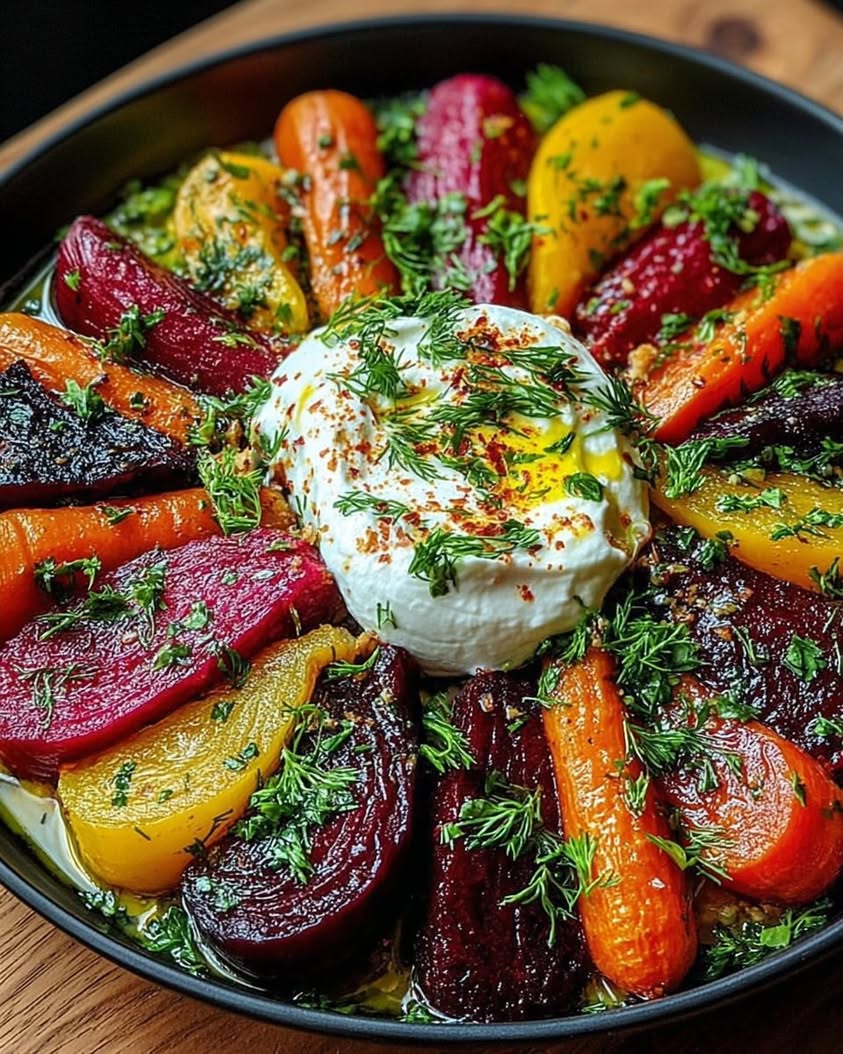
Roasted Beets and Carrots with Burrata Salad: A Vibrant Side Dish Recipe
This roasted beets and carrots with burrata salad is the kind of dish that makes you rethink what a side dish can be. You get the deep, earthy sweetness of oven-roasted root vegetables, and then you add that luscious, creamy burrata that just breaks open and coats everything in pure decadence. Honestly, it is a showstopper that works for a quiet weeknight dinner or a holiday table. The vibrant colors alone, the deep reds and oranges against the stark white cheese, will draw everyone in before they even take a bite.
When you roast beets and carrots together, their natural sugars caramelize beautifully. That process creates a flavor that is both savory and sweet, with a tender interior and slightly crisp edges. Then, the burrata adds a cool, rich creaminess that balances everything out. This recipe is surprisingly simple, requiring minimal hands-on time. You just toss the vegetables with a little oil and seasoning, let the oven do the work, and then assemble the salad with a simple dressing and fresh herbs. It is a perfect example of how a few quality ingredients can create something truly special.
The true magic of this roasted beets and carrots with burrata recipe lies in the contrast of temperatures and textures. The warm, roasted vegetables meet the cool, soft cheese. The balsamic glaze adds a tangy, sweet finish that ties it all together. Each bite is a journey, offering a new combination of flavors. This is not just a salad, it is an experience. You will find yourself making excuses to serve it, from casual dinners to more formal gatherings, because it is simply that good. Let us dive into how to make this unforgettable dish.
Quick Recipe Highlights
- Flavor Profile: The dominant notes are sweet and earthy from the roasted beets and carrots, which is perfectly balanced by the mild, milky creaminess of the burrata. The balsamic glaze introduces a welcome tangy and sweet acidity, while fresh herbs like thyme and basil add an aromatic, slightly peppery finish.
- Texture: You will experience a wonderful textural journey. The roasted vegetables are fork-tender with slightly chewy, caramelized edges. The burrata provides a cool, silky, and incredibly creamy counterpoint. A sprinkle of toasted nuts or seeds adds a final, satisfying crunch that elevates the whole dish.
- Aroma: The kitchen will fill with the incredible aroma of caramelizing root vegetables. You will detect the nutty, sweet scent of roasting beets and carrots, underscored by the fragrant notes of fresh thyme and garlic. The final drizzle of balsamic adds a sharp, fruity note that is deeply appetizing.
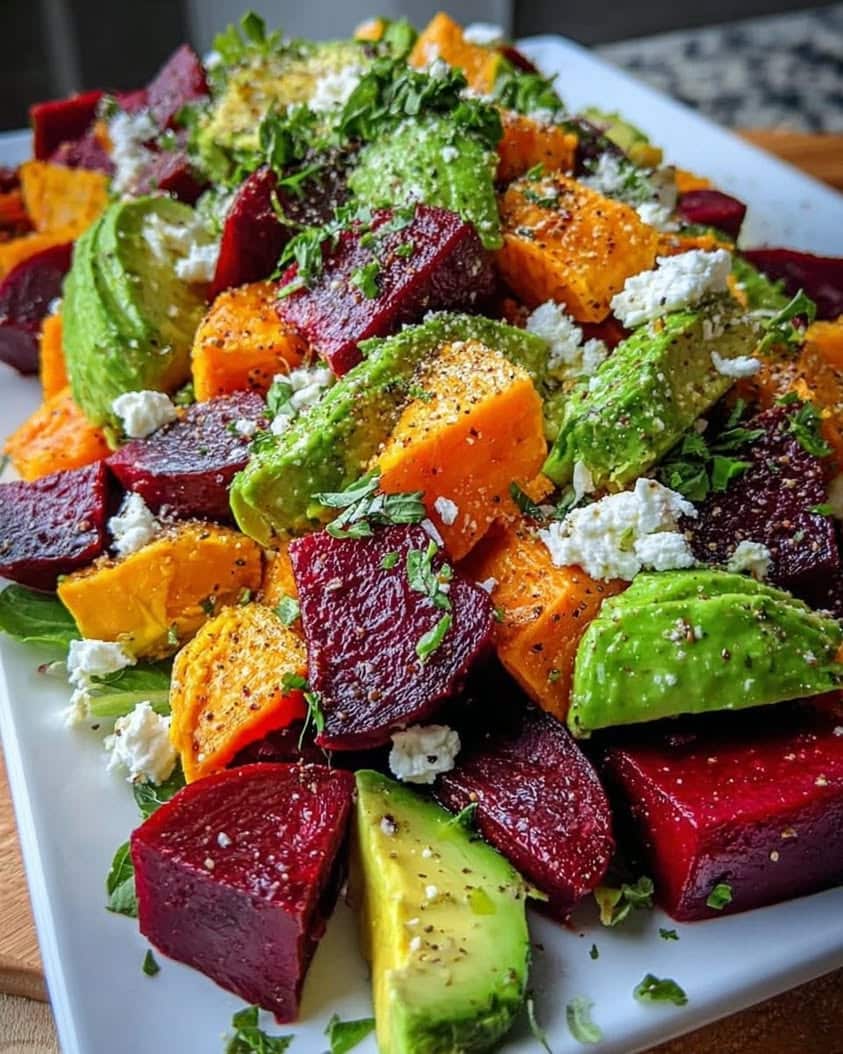
- Visual Appeal: This dish is a feast for the eyes. The brilliant ruby red of the beets and the vibrant orange of the carrots are stunning against the pure white of the burrata. A drizzle of dark balsamic glaze and a scatter of green herbs add beautiful color contrast and visual depth.
- Skill Level Needed: This is a beginner-friendly recipe. The techniques are straightforward roasting and assembly. There is no complicated cooking method, making it perfect for anyone who wants an impressive dish without the stress. You just need to be able to peel and chop vegetables.
- Special Equipment: You will only need basic kitchen tools. A good quality baking sheet is essential for even roasting. You will also need a sharp knife for preparing the vegetables and a small bowl for whisking the dressing. No special gadgets are required.
Recipe Overview
- Difficulty Level: This recipe is rated Easy because the process is very straightforward. The most labor-intensive part is peeling and chopping the beets and carrots, which is a simple task. From there, the oven does all the hard work. The final assembly is just about placing the components on a plate. It is a perfect weeknight meal solution.
- Category: This dish functions beautifully as a side dish, a light lunch, or even a vegetarian main course when paired with some crusty bread. It is versatile enough to complement a variety of proteins, including roasted chicken, grilled steak, or seared fish. It is essentially a hearty salad or vegetable side dish.
- Cuisine: While the combination of roasted vegetables and fresh cheese feels very Mediterranean, this dish is more of a modern, globally-inspired creation. It draws on techniques common in Italian cuisine, specifically the use of burrata and balsamic, and the universal practice of roasting vegetables to enhance their flavor. It is a contemporary, farm-to-table style recipe.
- Cost: The cost for this dish is moderate. Beets and carrots are very affordable root vegetables, especially when in season. The largest expense will be the burrata cheese, which is a premium ingredient. However, a little goes a long way, and its rich flavor justifies the cost. The other ingredients like olive oil and balsamic glaze are pantry staples. Overall, it is a great value for a dish that looks and tastes so luxurious.
- Season: This dish is absolutely perfect for fall and winter when root vegetables are at their peak. The sweetness of beets and carrots is naturally more intense during these cooler months. However, since these vegetables are available year-round, you can enjoy this salad any time you crave a comforting, hearty, and vibrant meal. It is especially welcome during the holiday season.
- Occasion: This roasted beets and carrots with burrata recipe is suitable for a wide range of occasions. It is elegant enough for a Thanksgiving dinner, a Christmas feast, or a special birthday celebration. At the same time, it is simple enough for a fancy weeknight dinner to impress your family. It also makes a beautiful dish for potlucks and dinner parties.
Why You Will Love This Recipe
The taste of this dish is simply unforgettable. The roasting process transforms the beets and carrots into sweet, tender morsels with a deep, concentrated flavor that you just cannot achieve with steaming or boiling. Then, the burrata provides a luxurious creaminess that is pure indulgence. It is a perfect balance of sweet, savory, and tangy. You get that slight earthiness from the beets, the natural sugar from the carrots, and the rich, milky fat from the cheese. Every single bite is a perfect bite. Furthermore, the balsamic glaze cuts through the richness with a bright acidity that makes your palate crave more.
The convenience of this recipe is a major selling point. After a quick prep of your vegetables, you can just walk away and let the oven handle the rest. This frees you up to prepare other parts of your meal or simply relax. The active cooking time is very minimal. Additionally, this dish can easily be made ahead of time. You can roast the vegetables a day in advance and then assemble the salad just before serving. This makes it an absolute lifesaver for holiday meal planning or when you are hosting a dinner party. It reduces stress dramatically without sacrificing any quality.
Nutritionally, this salad is a powerhouse. Beets are loaded with fiber, folate, and manganese. They are also known for their high concentration of nitrates, which can help support healthy blood pressure. Carrots are famous for their beta-carotene, an antioxidant that the body converts into vitamin A for healthy vision and immunity. When you pair these vegetables with the burrata, you also get a good amount of protein and calcium. This makes the dish not only delicious but also incredibly satisfying and good for you. It is a fantastic way to eat more vegetables in a truly enjoyable way.
From a social and entertaining perspective, this dish is a total workhorse. It is the kind of recipe that gets you compliments every single time. People are instantly drawn to the vibrant colors and the dramatic presentation. When you bring this to a table, it becomes a conversation starter. It looks so impressive that everyone will assume you spent hours preparing it. You get the glory of a complex-looking dish with the ease of a simple recipe. It serves beautifully as part of a buffet or as a plated first course. Its ability to impress is its greatest social asset.
Finally, the cost-effectiveness and accessibility of this recipe cannot be overstated. Beets and carrots are among the cheapest vegetables in the produce aisle. You can often buy them in bulk for very little money. The rest of the ingredients are common pantry items. This means you can create a dish that tastes like a million bucks for a very small fraction of that cost. It proves that you do not need expensive, hard-to-find ingredients to create a memorable meal. The simplicity of the ingredients is what makes this recipe such a reliable and frequent star in our home.
Historical Background and Cultural Significance
Beets have a long and storied history dating back to the ancient world. Originally cultivated in the Mediterranean region, they were first grown for their leaves, which were used as a nutritious green. The ancient Greeks and Romans prized them for their medicinal properties. In those days, the root was thin and woody, nothing like the bulbous vegetable we know today. It was not until the 16th and 17th centuries in Germany and Italy that farmers began selectively breeding beets for their enlarged, sugary roots. This process gave rise to the deep red, sweet beet we now enjoy. They became a staple across Northern and Eastern Europe.
Carrots have an equally fascinating past. Unlike beets, the original wild carrots were pale, thin, and bitter. They first appeared in modern-day Afghanistan and Iran. The orange color we associate with carrots was actually a later development. It is believed that Dutch growers in the 17th century cultivated orange carrots to honor the House of Orange. Before that, carrots were more commonly purple, yellow, or white. These colorful varieties are now making a comeback as heirloom vegetables. The carrot traveled along trade routes throughout Asia and Europe, becoming a fundamental component of many cuisines for their sweetness and versatility.
The combination of roasted root vegetables is a classic technique in European cooking, especially in the colder climates of France, Germany, and Scandinavia. Roasting was a primary method for cooking winter storage vegetables because it brought out their natural sugars and created a warming, comforting dish. The pairing of these roasted vegetables with fresh cheese is a more modern, rustic Italian concept. Burrata itself is a relatively recent invention, created in the early 20th century in the Puglia region of Italy. Farmers found a way to use leftover mozzarella curds, stretching them and filling them with a creamy mixture of milk and cream. This created a decadent cheese that is now a global sensation.
Today, this recipe represents a fusion of these traditions. It takes the humble, peasant roots of roasted winter vegetables and combines them with the luxurious, artisanal character of modern Italian cheesemaking. This evolution highlights how global cuisine is constantly being re-imagined. A simple salad becomes a canvas for diverse culinary histories. You can find variations of this dish in farm-to-table restaurants across the United States, each chef adding their own spin. This recipe is a celebration of that journey, taking something age-old and making it feel fresh, vibrant, and totally delicious for the modern home cook. It connects us to a shared culinary heritage.
Ingredient Deep Dive
Beets. The beet is a root vegetable with a deep, earthy sweetness that is unparalleled. It has been consumed for thousands of years, originally for its leaves. Nutritionally, beets are a powerhouse of folate, manganese, and potassium. They are also rich in betalains, potent antioxidants that give them their vibrant color. When selecting beets, look for firm, smooth roots with no soft spots or blemishes. The smaller to medium beets are often more tender and sweet than larger ones. The greens attached should look fresh and crisp, not wilted. To store beets, remove the greens to prevent them from drawing moisture out of the root. Store them in a plastic bag in the refrigerator for up to two weeks. You can substitute golden beets for a milder, less earthy flavor or Chioggia beets for a stunning pink-and-white striped interior.
Carrots. We all know carrots, but their history is rich. They were originally cultivated in Persia for their leaves and seeds. The orange carrot we know today is a Dutch invention. Carrots are world-famous for their high beta-carotene content, which the body converts to vitamin A. They are also a good source of fiber and vitamin K1. When shopping, select carrots that are firm, crisp, and have a bright orange color. Avoid any that are limp, cracked, or have hairy roots, as this indicates age. The green tops should look fresh. For storage, remove the tops and store the carrots in a plastic bag in the crisper drawer. They will keep for several weeks. Rainbow carrots are a beautiful and flavorful substitute, adding a mix of purple, yellow, and red varieties to your dish.
Burrata Cheese. Burrata is a fresh Italian cheese made from mozzarella and cream. The outer shell is solid mozzarella, while the inside is a soft, creamy mixture called stracciatella. It is a decadent and luxurious ingredient. Nutritionally, it is high in calcium and protein but also rich in fat. When selecting burrata, look for it in the refrigerated section of a specialty grocery store. The package should be well-sealed with liquid. It is best eaten within a day or two of purchase. Do not freeze burrata; it will destroy its delicate texture. Before serving, let it sit at room temperature for about 15 to 20 minutes to take the chill off. This allows the cream to become more fluid and flavorful. You can substitute a ball of fresh mozzarella, but you will be missing that creamy interior. A very good quality farmer’s cheese or ricotta, drained and formed into a ball, is a decent, though not perfect, substitute.
Balsamic Glaze. Balsamic vinegar starts as cooked grape must. This is aged in a series of wooden barrels for many years to become thick, sweet, and complex. A balsamic glaze, or reduction, is simply this vinegar cooked down until it is syrupy. It adds a critical sweet and tangy finish to the salad. You can buy it pre-made in most grocery stores. Alternatively, you can easily make your own by simmering one cup of balsamic vinegar with two tablespoons of brown sugar until it reduces by half. This will take about 10 to 15 minutes. Be careful not to burn it. A high-quality aged balsamic vinegar can also be used as is. The glaze should be thick enough to coat a spoon. It adds the final layer of sophistication to the dish.
Olive Oil. A high-quality extra virgin olive oil is a cornerstone of this recipe. It is used to coat the vegetables before roasting and is a key component of the simple dressing. The fruitiness and peppery notes of a good olive oil enhance the sweetness of the roasted vegetables. When choosing olive oil, look for a bottle with a harvest date to ensure freshness. A standard extra virgin olive oil is perfectly fine for this recipe. You do not need to use your most expensive finishing oil for roasting. For the dressing, a lighter, more delicate olive oil is nice, but not required. The oil helps the vegetables caramelize and keeps them from drying out in the oven. It is an essential part of the cooking process.
Common Mistakes to Avoid
- Do not overcrowd the baking sheet. When the vegetables are too close together, they steam instead of roast. This prevents them from getting those beautiful, caramelized edges. You want them to be in a single layer with a little space between each piece for hot air to circulate. Use two sheet pans if necessary.
- Do not skip peeling the beets and carrots. While some people might be tempted to leave the skin on for nutrients, the skins of beets and carrots can be tough and fibrous after roasting. Peeling them ensures a tender, pleasant texture. It also allows the flavors to penetrate the vegetables more effectively.
- Do not under-season the vegetables. A generous amount of salt and pepper is critical for bringing out the natural sweetness of the beets and carrots. Do not be shy. Season them before roasting. The salt will help draw out moisture, which helps with caramelization, and it will make the final dish taste far more vibrant.
- Do not add the burrata to the hot vegetables. The whole point of this dish is the contrast between warm vegetables and cool, creamy cheese. If you add the burrata while the vegetables are right out of the oven, it will melt completely and become a gooey mess. Let the vegetables cool for a few minutes before adding the cheese.
- Do not use a thick, heavy dressing. This salad is all about the pure flavors of the ingredients. A thick, creamy dressing would clash with the burrata. A simple vinaigrette, like one made with olive oil, balsamic vinegar, and a touch of Dijon mustard, is ideal. It should lightly coat the vegetables, not drown them.
- Do not forget to toast the nuts or seeds. A simple sprinkle of toasted walnuts, pecans, or pumpkin seeds adds a wonderful crunch. Raw nuts can be a little soft and bland. Toasting them in a dry skillet for a few minutes releases their natural oils and deepens their flavor. This small step makes a big difference in texture and taste.
- Do not overshoot the roasting time. Overcooked beets and carrots become mushy and dry. You want them to be fork-tender but still hold their shape. Start checking them around the 35-minute mark. If you insert a knife with no resistance, they are done. A slightly firm center is better than a mushy one.
- Do not forget to taste and adjust seasoning before serving. After you finish assembling the salad, do a final taste. Does it need a pinch more salt? A drizzle more balsamic? A crack of fresh black pepper? This last step is essential for ensuring the flavors are perfectly balanced. It is your final opportunity to dial it in.
- Do not serve the burrata straight from the refrigerator. Cold burrata is firm and less creamy. You want it to be at room temperature. Take it out of the fridge 15 to 20 minutes before you plan to serve the salad. This allows the stracciatella core to become wonderfully soft and spreadable.
- Do not use all the dressing at once if making ahead. If you are roasting the vegetables in advance, store the dressing separately. Dress the vegetables and assemble the salad only when you are ready to serve. This prevents the vegetables from becoming soggy and ensures they remain vibrant and delicious.
Essential Techniques
Proper Chopping and Sizing. This is the most important step for even cooking. You must cut your beets and carrots into roughly uniform pieces. If you cut them all about the same size, they will all be done at the same time. Aim for bite-sized pieces, about one to one and a half inches. For carrots, you can cut them into rounds or diagonal slices. For beets, cut them into wedges or half-moons. Uniform sizing is not just about aesthetics, it is about ensuring you do not end up with some pieces burnt and others still raw. Take your time with this step. It is the foundation of a perfectly roasted vegetable. A sharp knife makes this job much easier and safer.
Mastering the Roast. The goal is to get that deep caramelization without burning. Start with a preheated oven at 400 degrees Fahrenheit. Use a large, heavy baking sheet. Line it with parchment paper for easy cleanup. After you toss the vegetables with olive oil and seasonings, spread them in a single layer. Do not move them too much during cooking. You want them to sit on the hot pan and develop a crust. For best results, stir them once halfway through cooking. This ensures even browning on all sides. The visual cue for success is a deep, rich color and a slightly shriveled, blistered appearance on the edges. They should look appetizing the moment they come out of the oven.
Dressing and Assembling. A great vinaigrette is an emulsion of oil and acid. A simple combination is three parts olive oil to one part balsamic vinegar. Add a teaspoon of Dijon mustard to help it emulsify. Whisk this together with a pinch of salt and pepper. For the assembly, let the roasted vegetables cool just slightly. Then spread them on a serving platter. Gently break the burrata into large pieces right on top of the warm vegetables. Do not stir it in. The idea is for the cheese to be a distinct, creamy element. Drizzle the balsamic glaze over the entire dish. Then, drizzle the vinaigrette over the salad. Finish with fresh herbs and a sprinkle of flaky sea salt. This method ensures every component is showcased perfectly.
Pro Tips for Perfect Roasted Beets and Carrots with Burrata Salad
When you are buying beets, try to choose ones that are roughly the same size. This ensures even cooking. You can mix in other root vegetables like parsnips or sweet potatoes for a different flavor profile. They all benefit from the same roasting method and time.
Wearing disposable gloves is a life saver when handling raw beets. They will stain your hands a deep red that is difficult to wash off. If you do not have gloves, you can rub a little lemon juice on your hands after handling the beets to help remove the stain.
Do not throw away the beet greens! They are edible and nutritious. You can sauté them like spinach or Swiss chard. They taste slightly earthy and are wonderful wilted with garlic and a splash of olive oil. They make a great side dish on their own.
For an extra layer of flavor, add a few cloves of garlic and a sprig of fresh rosemary or thyme to the baking sheet with the vegetables. The garlic will roast and become sweet and spreadable. The herbs will infuse the oil and the vegetables with a wonderful aromatic quality.
When toasting nuts, watch them very closely. They can burn in a matter of seconds. Use a dry skillet over medium heat and shake them frequently. As soon as they become fragrant and start to deepen in color, remove them from the pan immediately. They will continue to cook for a moment in the hot pan.
If you want to make the dish even more decadent, add a few dollops of pesto or some toasted pine nuts along with the burrata. The pesto adds a bright, herbaceous kick. A drizzle of honey over the roasted vegetables is another fantastic option for added sweetness.
For the best presentation, use a large, flat platter rather than a deep bowl. This allows the colors and textures to be fully visible. It also makes it easier for guests to serve themselves. A white platter will make the colors of the vegetables really pop.
If you are making this for a crowd, you can easily double the recipe. Just make sure to use two separate baking sheets so that you do not overcrowd the pan. Roast them in the upper and lower thirds of the oven. Switch the pans halfway through to ensure even cooking.
Variations and Adaptations
For a regional variation, think about adding some Mediterranean flavors. A sprinkle of crumbled feta cheese instead of burrata offers a salty, tangy punch. Adding Kalamata olives, sun-dried tomatoes, and a sprinkle of dried oregano would transport this dish to the Greek Isles. The briny elements would perfectly complement the sweet roasted roots. This version is fantastic served as a side to grilled lamb or roasted chicken. The saltiness of the feta and olives highlights the natural sugars in the vegetables in a completely different way than the creaminess of burrata.
Seasonal adaptations are easy to make. In the spring, you could swap out some of the beets and carrots for radishes and spring onions. These lighter vegetables roast much faster, so you will need to adjust the cooking time. Adding some fresh peas at the end of the roasting process is a wonderful touch. In the summer, you can grill the vegetables instead of roasting them. The char from the grill adds an incredible smoky depth. This gives the whole dish a more rustic, barbecue-friendly personality. The creamy burrata still works beautifully to cool down the smoky flavors.
Dietary modifications are straightforward. This recipe is naturally gluten-free. To make it dairy-free, simply omit the burrata and use a good quality dairy-free cheese alternative. A cashew-based ricotta or a creamy almond milk feta would work well. For a vegan version, you can use a homemade cashew cream. You can also make a creamy dressing from blended tofu and lemon juice to mimic the rich, creamy element. The key is to focus on the high-quality, flavorful vegetables as the star. The creamy element is a supporting actor, so you have a lot of flexibility.
Flavor variations are endless. You can experiment with different spices for the vegetables. Try a pinch of smoked paprika for a smoky sweetness. A sprinkle of cumin and coriander adds a warm, earthy note. For a bit of heat, add some red pepper flakes. The balsamic glaze can be swapped for a pomegranate molasses for a tangier, fruitier flavor. This would add a beautiful deep purple color to the final dish as well. A citrus vinaigrette, using lemon or orange juice instead of balsamic, would make the whole salad brighter and more refreshing.
Texture modifications can change the whole feel of the dish. For an added crunch, top the salad with crispy roasted chickpeas or crispy quinoa. For a softer texture, you can puree some of the roasted carrots with a little broth to make a beautiful sauce that you can spread on the plate. The burrata can be placed directly on the sauce. This creates a more complex, restaurant-style presentation. You can also leave some of the vegetables a little more al dente for a firmer bite. The choice is yours.
Presentation alternatives are worth exploring. Instead of a rustic platter, you can plate this dish individually. Create a bed of the roasted vegetables, then place a burrata half right on top. Drizzle with the glaze and garnish. This makes a stunning first course for a dinner party. You can also serve this dish as a dip. Roughly chop the roasted vegetables and spread them on a board. Tear the burrata over the top and serve with crostini, crackers, and crudités. It becomes a shareable appetizer that everyone will love.
Serving and Presentation Guide
For a beautiful plating technique, start with your serving vessel. A large, white, flat platter is ideal. Spread the warm roasted vegetables in an even layer across the platter. Do not just dump them in a pile. Take a moment to arrange them so they look intentional. Then, gently place the burrata balls on top. You can leave them whole or, for a more dramatic presentation, use your hands to gently tear them open. This allows the creamy center to spill out a little. Place the pieces strategically around the dish. The contrast of the white cheese against the deep red and orange vegetables is the visual star of the show.
Garnishing ideas should enhance both the flavor and the look of the dish. A generous drizzle of dark balsamic glaze creates a beautiful, glossy pattern on the plate. You can use a spoon to create deliberate swirls. Fresh herbs are essential. Use whole leaves of fresh basil for a classic look. A scatter of fresh thyme leaves or a few mint leaves adds a different aromatic note. Toasted walnuts or pecans add a beautiful brown color and a crunchy texture. Finish with a sprinkle of flaky sea salt, like Maldon, which provides a delightful burst of salinity in every bite. Do not forget a final crack of fresh black pepper.
Traditional accompaniments for roasted root vegetables are often hearty. Serve this salad alongside a roasted chicken, a seared steak, or a piece of grilled fish. It also pairs wonderfully with a simple green salad and some crusty bread to soak up all the delicious juices and dressing. For a vegetarian meal, you can serve it with a side of lentils or quinoa. The creamy burrata and the sweet vegetables make it a very satisfying and complete meal on its own. The protein in the cheese and the fiber in the vegetables make it filling.
Modern serving suggestions can make this dish feel very current. You can serve it as a main course by adding a handful of arugula or baby spinach to the plate. The peppery greens provide a fantastic contrast to the sweetness of the roasted vegetables. A drizzle of a lemon-tahini dressing instead of the balsamic will give it a different, more savory profile. You can also serve the vegetables and burrata in colorful bowls for a more casual, family-style dinner. The versatility of this recipe makes it perfect for a range of modern table settings.
Temperature considerations are crucial. The vegetables should be served warm, not piping hot. The burrata should be at room temperature. This is why you need to let the roasted vegetables cool for about five minutes before you assemble the salad. If the vegetables are too hot, they will melt and warm the burrata too much, turning it into a puddle. The ideal scenario is a warm vegetable that gently warms the base of the cheese while the core remains cool and creamy. This contrast is what makes the dish so incredible. Always plan your timing accordingly.
Portion control tips are helpful, especially for entertaining. As a side dish, this recipe serves four generous portions. If you are serving it as an appetizer or a light lunch, it can easily serve six to eight people. You can add more vegetables to the roasting pan and stretch the cheese further by using smaller pieces of burrata. The burrata is the most expensive component, so you can use less of it and still get the same great effect. When plated individually, one half of a small burrata ball per person is usually perfect.
Wine and Beverage Pairing
Wine pairing is a joy with this dish. The sweetness of the beets and carrots calls for a wine that can match that intensity without being overwhelmed. A dry Riesling from Germany or Alsace is a fantastic choice. Its crisp acidity and subtle fruit notes of green apple and peach will cut through the creaminess of the burrata and complement the earthy sweetness of the vegetables. Another excellent choice is a Sauvignon Blanc from the Loire Valley. Its herbaceous, grassy character and bright acidity will provide a beautiful counterpoint. A lighter-bodied red, such as a Pinot Noir, can also work beautifully, especially if served slightly chilled.
Non-alcoholic alternatives are also plentiful. A sparkling water with a splash of apple cider vinegar and a sprig of rosemary is a wonderful and refreshing pairing. The tartness of the vinegar mimics the balsamic glaze. A high-quality, unsweetened apple cider served cold would also be lovely. It brings out the natural apple-like notes found in the carrots. For a more festive option, a non-alcoholic rosé or a sparkling white tea with elderflower works wonderfully. The floral notes in these drinks will enhance the aromatic herbs used in the salad.
Coffee and tea pairings might seem unusual, but they can work. A light, floral green tea like a Jasmine pearl is a beautiful match. Its clean, subtle flavor will not overpower the delicate flavors of the dish. An herbal tea, such as a chamomile or a mint, would also be a wonderful choice. For coffee, a delicate, light roast coffee with floral and fruity tasting notes can be interesting. However, the strong, bitter notes of a dark roast coffee would likely clash with the sweetness of the dish, so it is best to avoid it. Stick to lighter, more nuanced brews.
Temperature considerations for your beverages are key. Both the white wine and the sparkling water should be served very cold. This helps to cleanse the palate between bites of the rich, creamy cheese. The red wine, if you choose it, should be served slightly cooler than room temperature, around 60 degrees Fahrenheit. This will make it feel more refreshing and bring out its fruit notes. The green tea should be brewed at a lower temperature, about 175 degrees Fahrenheit, to avoid bitterness. The drinks should function as a palate cleanser and a refreshment against the richness of the meal.
Serving suggestions for the drinks can elevate the experience. For a wine pairing, you can pour a small glass of the same wine you plan to use in the dressing. This creates a cohesive flavor profile across the entire meal. For a non-alcoholic option, make a beautiful water pitcher with cucumber slices, lemon wheels, and mint. This is visually stunning and incredibly refreshing. The cucumber and mint will echo the fresh flavors in the salad. The key is to keep the beverage simple and pure, letting the food be the absolute star of the show.
Storage and Shelf Life
Proper storage is essential for maintaining the quality of this dish, especially if you have leftovers. However, this salad is best enjoyed fresh. The main issue is that the textures change over time. The burrata will become firmer and lose its luxurious creaminess. The roasted vegetables can also become a bit soggy from the dressing. If you have leftovers, you need to take a few key steps to store them correctly. First, separate the components as much as possible. If you can, store the roasted vegetables, the burrata, and the dressing in separate airtight containers. This will dramatically improve how well they hold up.
Temperature requirements are very important for food safety. Any leftovers must be refrigerated promptly. You should place them in the refrigerator within two hours of the dish being out at room temperature. The roasted vegetables can be stored in the refrigerator for up to four days. The burrata is more delicate. It is best eaten within one day. Because it contains a lot of moisture, it can spoil quickly. When you are ready to eat the leftovers, do not try to reheat the entire dish. The best way to use leftover roasted vegetables is to eat them cold. They make a fantastic addition to a lunchtime salad or a grain bowl.
Container recommendations are straightforward. Use airtight glass or plastic containers. Glass is preferable because it does not absorb odors or stain. For the burrata, keep it in its original packaging if it is unopened. Once opened, place it in a small container and cover it with a little of its own liquid. If you Print
Vibrant Roasted Beets & Carrots with Creamy Burrata Salad
- Total Time: 45 minutes
- Yield: 4
Description
A colorful and elegant salad combining sweet roasted beets and carrots with creamy burrata cheese, fresh greens, and a tangy balsamic glaze.
Ingredients
- 3 medium beets, peeled and cut into wedges
- 4 large carrots, peeled and cut into batons
- 2 tablespoons olive oil
- Salt and black pepper to taste
- 1 teaspoon dried thyme
- 6 cups mixed salad greens (e.g., arugula, spinach)
- 8 oz burrata cheese, drained
- 1/4 cup balsamic glaze
- 1/4 cup toasted walnuts
- Fresh basil leaves for garnish
Instructions
- Preheat oven to 400°F (200°C). Line a baking sheet with parchment paper.
- In a large bowl, toss beet wedges and carrot batons with olive oil, salt, pepper, and dried thyme until evenly coated.
- Spread vegetables in a single layer on the prepared baking sheet. Roast for 25-30 minutes, turning halfway, until tender and slightly caramelized. Let cool slightly.
- Arrange mixed salad greens on a serving platter or individual plates.
- Break or place burrata cheese on top of the greens.
- Spoon the roasted vegetables around the cheese.
- Drizzle everything with balsamic glaze and sprinkle with toasted walnuts.
- Garnish with fresh basil leaves. Serve immediately.
Notes
You can customize the seasonings to taste. For extra flavor, add a pinch of red pepper flakes or a drizzle of honey over the vegetables before roasting.
- Prep Time: 15 minutes
- Cook Time: 30 minutes
- Method: Salad
- Cuisine: American