The Ultimate Healthy Creamy Spinach Artichoke Chicken Casserole Recipe
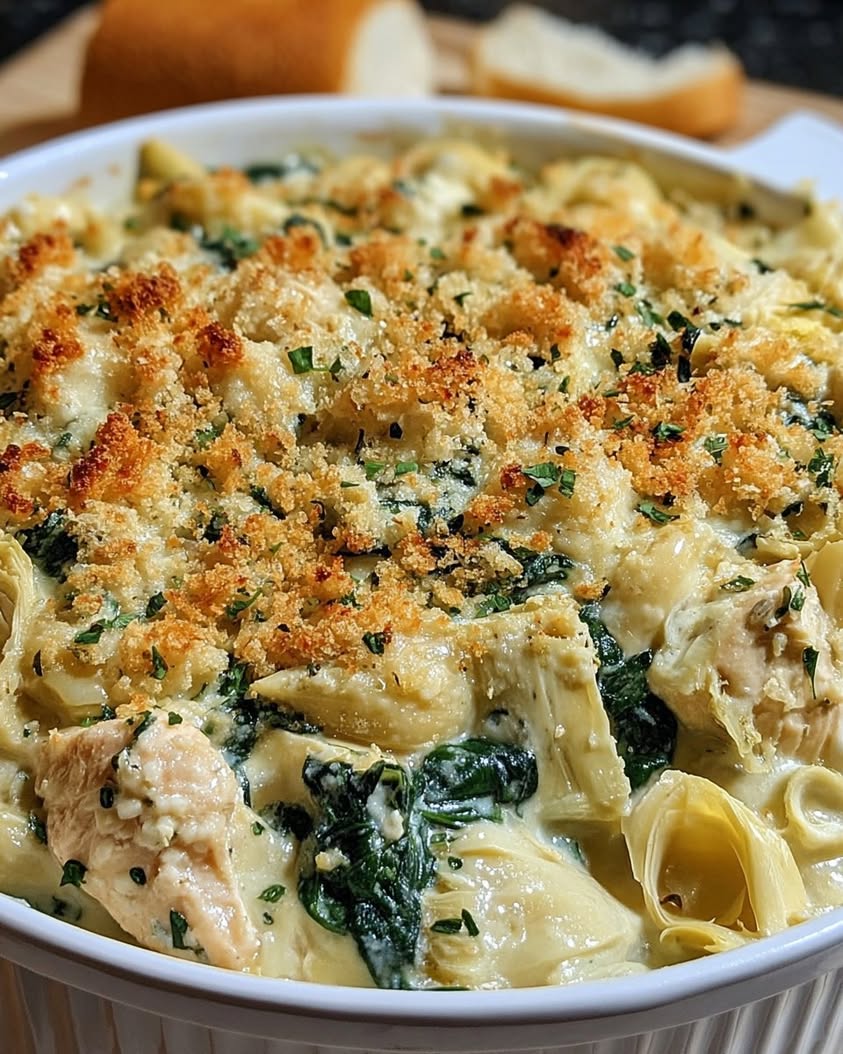
This healthy creamy spinach artichoke chicken casserole recipe brings together the classic flavors of a beloved dip with the satisfaction of a wholesome meal. Imagine tender chunks of chicken breast nestled in a velvety, rich sauce, punctuated by the earthy notes of spinach and the tangy bite of artichoke hearts. Every spoonful delivers a comforting, hearty experience that feels indulgent yet aligns with your wellness goals. The sauce, perfectly thickened without heavy cream, coats each ingredient elegantly, creating a dish that is both nourishing and deeply satisfying. You will find that this recipe transforms simple, everyday ingredients into something truly special.
This creamy spinach artichoke chicken bake is designed for busy weeknights when you crave something delicious but have limited time. The preparation is straightforward, and the oven does most of the work, filling your kitchen with an irresistible aroma. Using lean protein and nutrient-rich vegetables, this dish proves that healthy eating does not require sacrificing flavor or texture. The combination of melted cheese, tender chicken, and the distinctive taste of artichokes creates a balanced meal that appeals to adults and children alike. Whether you are meal prepping for the week or hosting a casual dinner, this casserole is a reliable and impressive choice.
Quick Recipe Highlights
- Flavor Profile: This dish delivers a savory, creamy profile with bright, tangy notes from the artichokes and a subtle earthiness from the spinach. The garlic and Parmesan cheese add depth, while a hint of lemon zest brightens the overall taste.
- Texture: You will experience a wonderful contrast between the tender, juicy chicken and the soft, wilted spinach. The artichoke hearts provide a slight firmness, while the creamy sauce and melted cheese create a luscious, cohesive mouthfeel that perfectly coats every component.
- Aroma: The scent of sautéed garlic and onions fills the air first, followed by the rich, nutty aroma of melted Parmesan and mozzarella. As the casserole bakes, the chicken releases its savory juices, blending with the herbs to create an irresistible, inviting fragrance.
- Visual Appeal: The finished casserole boasts a beautiful golden-brown top, with pockets of melted cheese and visible pieces of green spinach and pale artichoke hearts. The creamy sauce beneath gives it a glossy, appetizing sheen that looks as good as it tastes.
- Skill Level Needed: This recipe is perfect for beginner and intermediate cooks alike. The steps are simple and easy to follow, requiring basic knife skills and the ability to simmer a sauce. No complex techniques are involved, making it a stress-free, confidence-building dish.
- Special Equipment: You will need a large skillet for sautéing the aromatics and preparing the sauce, a mixing bowl for combining ingredients, and a 9×13-inch baking dish or a similar casserole dish. A whisk helps ensure a smooth, lump-free sauce.
Recipe Overview
- Difficulty Level: The difficulty level is easy. The recipe uses straightforward techniques like sautéing, simmering, and baking. There are no complicated steps like making a roux from scratch or deboning a whole chicken. The most challenging part might be shredding the cooked chicken, which is simple. This makes it an ideal choice for a relaxing weekend meal or a quick weeknight dinner.
- Category: This dish belongs to the categories of casseroles, one-dish meals, and healthy comfort food. It is a complete meal on its own, combining protein, vegetables, and a rich sauce. You can also classify it as a healthier alternative to traditional creamy chicken bakes or pasta bakes.
- Cuisine: The flavors are heavily inspired by American comfort food with a clear nod to Mediterranean influences. The use of artichokes, spinach, garlic, and Parmesan cheese is reminiscent of classic Italian and Greek cooking. The casserole format, however, is a classic American approach to convenience and family-style dining.
- Cost: The cost is moderate and budget-friendly. Chicken breast is the most expensive ingredient, but you can use chicken thighs for a more economical option. Canned artichoke hearts and frozen spinach are very affordable. Cheeses like Parmesan and mozzarella can be bought in bulk and stored. Overall, this meal costs less than takeout and feeds a crowd.
- Season: This casserole is perfect for fall and winter when you crave warm, comforting meals. However, it is also a fantastic spring dish, as fresh spinach and artichokes are in season. The bright, tangy flavors make it enjoyable year-round, providing a cozy meal during cold months and a satisfying lunch during warmer weather.
- Occasion: This healthy creamy spinach artichoke chicken casserole recipe is excellent for family dinners, potlucks, and meal prep. It is a crowd-pleaser that travels well and reheats beautifully. It also works well for a casual dinner party, as it can be assembled ahead of time and baked just before serving.
Why You Will Love This Recipe
The taste is undeniably rich and creamy, yet the recipe cleverly avoids heavy cream or processed soups. The sauce achieves its luscious texture from a combination of Greek yogurt and a small amount of low-fat cream cheese. This method cuts calories and fat while boosting the protein content. You will not miss the heavy ingredients because the flavor is so vibrant. The tanginess of the yogurt complements the artichokes perfectly, while the Parmesan adds a salty, umami punch. Every bite is a harmonious blend of savory, tangy, and creamy elements that will have you reaching for seconds.
Convenience is a major highlight of this creamy spinach artichoke chicken bake. You can prepare the entire dish in under an hour, and most of that time is hands-off baking. The active prep work takes only about 15 minutes, and you can easily double the recipe for a larger crowd. Leftovers store wonderfully, making it perfect for work lunches or a quick dinner later in the week. The cleanup is minimal since everything cooks in one baking dish after you use the skillet. This recipe truly simplifies your dinner routine without compromising on quality or taste.
This dish offers significant nutritional advantages. The chicken provides a lean source of protein, which helps build muscle and keeps you feeling full. Spinach is a powerhouse of vitamins A, C, and K, along with iron and calcium. Artichokes are rich in fiber and antioxidants, which support digestive health and reduce inflammation. The use of Greek yogurt and low-fat cheese keeps the fat content in check while still providing calcium and probiotics. By controlling the ingredients, you avoid the preservatives and excess sodium often found in canned cream soups. You can feel good about serving this meal to your family.
For social gatherings and entertaining, this casserole is a star. It is a dish that looks impressive and tastes like it took hours to prepare. You can serve it straight from the baking dish, which adds a rustic, homey feel to the table. It pairs beautifully with a simple green salad or roasted vegetables. Because it is so filling, you can keep the sides simple. Your guests will appreciate the familiar, comforting flavors presented in a healthier, more sophisticated way. It is a conversation starter when they ask for the recipe after learning it is good for them.
Cost-effectiveness and accessibility are key strengths of this healthy creamy spinach artichoke chicken casserole recipe. All the ingredients are widely available at any standard grocery store. Canned artichokes and frozen spinach are non-perishable staples you can keep on hand. Chicken is often on sale, and you can use leftover rotisserie chicken to save even more time and money. The ingredients are not exotic or expensive, which means you can make this dish regularly without straining your budget. It provides a high return on investment in terms of flavor and satisfaction for the cost.
Historical Background and Cultural Significance
The concept of the casserole has deep roots in American culinary history, evolving from the early 20th century as a way to create hearty, economical meals using canned goods. The dish became a staple during the Great Depression and World War II, when families needed to stretch ingredients. Over time, the casserole became synonymous with comfort and convenience. The specific combination of spinach and artichoke, however, gained popularity much later, first appearing as a dip in the 1950s or 1960s. This creamy dip quickly became a party favorite, and its flavors naturally transitioned into main dishes like this chicken bake.
Artichokes themselves have a long and storied history, originating in the Mediterranean region. They were prized by ancient Greeks and Romans for their medicinal and culinary properties. The vegetable spread through Europe and eventually to the Americas, becoming particularly popular in California, which now grows nearly all of the artichokes in the United States. Spinach, similarly, has ancient origins in Persia, traveling along trade routes to Europe and Asia. The pairing of these two ingredients in a creamy sauce is a modern, largely American invention, reflecting a trend of combining healthy greens with rich, comforting flavors.
The evolution of this recipe reflects a broader cultural shift toward healthier comfort food. The original spinach artichoke dip is notoriously high in calories, fat, and sodium. As home cooks became more health-conscious, they began adapting classic dishes. This casserole is a perfect example of that evolution, substituting Greek yogurt for sour cream and cream cheese. It maintains the essential character of the original while aligning with modern nutritional guidelines. The recipe has been shared and modified across blogs and social media, becoming a beloved part of the healthy recipe canon. It represents a successful marriage of tradition and innovation.
Regional variations of this dish are subtle but interesting. In the Southern United States, home cooks might add a bit of Cajun seasoning or andouille sausage for a spicy kick. On the West Coast, you might find versions that incorporate sun-dried tomatoes or roasted red peppers. Some recipes use a lighter, broth-based sauce, while others stay true to the creamy version. There are also variations that use different proteins, such as salmon or tofu. This adaptability is a testament to the recipe’s versatility. The core idea of combining chicken, spinach, artichokes, and a creamy sauce remains a blank canvas for personal creativity.
Ingredient Deep Dive
Chicken breast is the primary protein in this dish, providing a lean and versatile base. Its cultural significance is immense, as chicken is one of the most widely consumed meats globally, valued for its mild flavor and adaptability. Nutritionally, chicken breast is an excellent source of high-quality protein, containing all nine essential amino acids. It is also rich in B vitamins like niacin and B6, which support energy metabolism. When selecting chicken, look for breasts that are plump and have a pink, moist appearance. Avoid any packages with excess liquid or a strong odor. For storage, keep it in the coldest part of your refrigerator and use it within two days, or freeze it for up to three months. A great substitution is boneless, skinless chicken thighs, which offer more fat and flavor, or you can use leftover rotisserie chicken for added convenience.
Artichoke hearts bring a distinctive tangy flavor and a pleasingly firm texture to the casserole. The artichoke plant is a thistle, and its history dates back to ancient times as a delicacy for the wealthy. Nutritionally, artichokes are a standout vegetable because they are one of the highest sources of antioxidants and dietary fiber. This fiber, particularly inulin, acts as a prebiotic, feeding beneficial gut bacteria. They are also low in calories and a good source of vitamins C and K. When selecting canned artichokes, look for ones packed in water to avoid excess oil and sodium. You can also find frozen artichoke hearts, which have a firmer texture. Store any leftover canned artichokes in an airtight container in the fridge for up to five days. If you cannot find artichokes, you can substitute jarred roasted red peppers or even chopped broccoli for a different flavor profile.
Spinach provides a mild, earthy flavor and a boost of vibrant green color. This leafy green is a nutritional powerhouse, loaded with vitamins A, C, and K, as well as iron, calcium, and magnesium. Its cultural importance ranges from being a staple in Mediterranean cuisine to inspiring the cartoon character Popeye. Fresh baby spinach is convenient because it wilts quickly and requires no chopping. For the best quality, choose leaves that are deep green and free from slimy spots. Store fresh spinach in a plastic bag in the vegetable crisper, but use it within a few days. Frozen chopped spinach is a fantastic and more affordable alternative. It has a slightly stronger flavor and releases more water, so you must squeeze it dry before adding it to the casserole. You can substitute kale, Swiss chard, or arugula for a different taste and texture.
Greek yogurt is the secret to a creamy, healthy sauce that is high in protein. This ingredient has ancient roots in Middle Eastern and Mediterranean cultures, where it is a dietary staple. The straining process removes whey, resulting in a thicker, tangier product than regular yogurt. Nutritionally, it is an excellent source of probiotics, calcium, and protein. For this recipe, use plain, non-fat or low-fat Greek yogurt. Full-fat will also work but adds more calories. When selecting, check the ingredient list for live active cultures. Store it in the refrigerator and use it before the expiration date. You can substitute sour cream, but that will increase the fat content, or you can use a dairy-free yogurt alternative for a lactose-free version. The yogurt is crucial for achieving a creamy texture without heavy cream.
Parmesan cheese adds a salty, nutty, and umami-rich flavor that is irreplaceable. It is a hard, granular cheese from Italy, with a Protected Designation of Origin status. Authentic Parmigiano-Reggiano is aged for at least 12 months, developing its complex flavor. Nutritionally, it is high in calcium and protein, but also sodium. For the best flavor, buy a block of Parmesan and grate it yourself. Pre-shredded cheese contains anti-caking agents that prevent it from melting smoothly. Store the block wrapped in wax paper inside a plastic bag in the refrigerator. You can substitute Pecorino Romano for a saltier, sharper flavor, or use Asiago for a mild, nutty taste. For a dairy-free option, use nutritional yeast, which provides a cheesy flavor without the dairy.
Mozzarella cheese provides the gooey, stretchy texture that makes the casserole so appealing. It is a traditional Italian cheese made from buffalo or cow milk, known for its mild, milky flavor. Part-skim mozzarella is a great choice for this recipe, as it melts beautifully without being overly greasy. Nutritionally, it is a good source of protein and calcium. For the best melting, buy a block of low-moisture mozzarella and shred it yourself. Avoid fresh mozzarella, which has too much moisture and will make the casserole watery. Store the cheese in its original packaging or a sealed bag in the refrigerator. You can substitute provolone or a mild cheddar for a different flavor. A dairy-free shredded mozzarella alternative will also work, though the melt may not be as consistent.
Garlic is the aromatic foundation of this dish, providing a pungent, savory depth. It has been used for millennia in cooking and medicine, with origins in Central Asia. Garlic contains allicin, a compound that provides potent health benefits, including boosting the immune system and reducing blood pressure. For the best flavor, use fresh garlic cloves and mince them yourself. Pre-minced garlic in a jar is convenient but lacks the same pungency. Store garlic in a cool, dark, and dry place, but not in the refrigerator. You can use one-eighth teaspoon of garlic powder per clove as a substitute, but the flavor will be milder. Roasted garlic is a fantastic alternative that offers a sweeter, mellower taste.
Common Mistakes to Avoid
- Using frozen spinach without squeezing out the excess water. This mistake leads to a watery, thin sauce that will not coat the chicken properly. You must thaw the spinach completely and press it firmly in a clean kitchen towel or paper towels to remove as much liquid as possible.
- Overcooking the chicken breast before baking. Searing the chicken in the skillet for too long will result in dry, tough meat after it bakes. You should only brown the outside for a few minutes per side, knowing it will finish cooking in the oven.
- Using pre-shredded cheese from a bag. This cheese contains cellulose and anti-caking agents that prevent it from melting into a smooth, creamy sauce. Always shred your own cheese from a block for the best texture and flavor.
- Adding the Greek yogurt directly to a hot pan. This action can cause the yogurt to curdle and separate, ruining the creamy consistency of the sauce. You must always let the sauce cool slightly off the heat before stirring in the yogurt.
- Not seasoning the sauce enough. The sauce is the star of the dish, and it needs adequate salt, pepper, and a pinch of nutmeg to brighten the flavors. Taste the sauce before adding the chicken and adjust the seasoning as needed.
- Skipping the step of draining the artichoke hearts. The packing liquid can be salty and bitter. Draining and rinsing the artichokes removes this liquid and ensures a clean, pleasant flavor in the final dish.
- Baking the casserole uncovered for the entire time. While you want a golden top, baking uncovered for too long can dry out the dish. Covering it with foil for the first half of baking traps steam and ensures the chicken stays moist.
- Using a baking dish that is too small. Overcrowding the dish will cause the casserole to steam rather than bake, leading to a watery consistency. Use a 9×13-inch dish or similar size to allow for even cooking and browning.
Essential Techniques
Properly draining and squeezing spinach is a critical technique for this healthy creamy spinach artichoke chicken casserole recipe. If you use frozen spinach, you must thaw it completely and remove the excess water. To do this, place the thawed spinach in the center of a clean kitchen towel. Gather the edges of the towel and twist it tightly over the sink. Squeeze with all your strength to extract as much liquid as possible. You will be surprised by how much water comes out. This step is vital because the water released during baking will otherwise dilute the sauce and make the casserole watery. The texture of the finished dish depends on this simple but important action. For fresh spinach, you can skip this step, as you will wilt it briefly in the skillet, which cooks off the moisture.
Creating a smooth and stable sauce is the heart of this recipe. The process starts by creating a base with sautéed garlic and a small amount of flour. Whisking the flour into the pan for a minute cooks out the raw taste. Then, you slowly pour in the milk or broth while whisking constantly. This constant motion is essential to prevent lumps from forming. Continue whisking until the sauce thickens to a consistency that coats the back of a spoon. The key is to use low to medium heat, as high heat will scorch the milk and cause it to separate. Once the sauce is smooth, you must remove it from the heat before stirring in the Greek yogurt. This tempering step ensures the yogurt incorporates smoothly and does not curdle. The result is a velvety, luscious sauce that perfectly binds the casserole.
Baking the casserole to a perfect golden finish requires attention to temperature and timing. The oven should be preheated to 375 degrees Fahrenheit for even heat distribution. After assembling the casserole in the dish, you cover it tightly with aluminum foil. This creates a steamy environment that gently cooks the chicken to a tender state. After 20 to 25 minutes, you remove the foil to allow the top to brown. The final baking period, about 10 to 15 minutes, helps the cheese melt and bubble, creating that attractive golden crust. A good visual cue is when the edges are bubbling and the top is a deep, uniform golden brown. You can also check the internal temperature of the chicken, which should reach 165 degrees Fahrenheit. Let the casserole rest for five to ten minutes after baking to allow the sauce to set before serving.
Pro Tips for Perfect Healthy Creamy Spinach Artichoke Chicken Casserole
Use a mix of cheeses for a more complex flavor. While Parmesan and mozzarella are the classic choices, adding a small amount of Gruyere or fontina adds a nutty, creamy depth. This small change elevates the dish significantly. You can also mix in a bit of shredded sharp cheddar for a bolder taste.
Do not skip the nutmeg. A pinch of freshly grated nutmeg is a secret weapon that enhances the flavor of spinach and cream-based sauces. It adds a warmth and subtle sweetness that rounds out the savory elements. You will not taste it directly, but your dish will taste more complete.
Consider adding a crunchy topping. Combine a quarter cup of panko breadcrumbs with a tablespoon of melted butter and a tablespoon of grated Parmesan. Sprinkle this mixture over the casserole during the last five minutes of baking. This adds a wonderful textural contrast to the creamy filling.
Use a combination of fresh and frozen spinach for the best color and texture. Frozen spinach provides a bulk of flavor, while fresh spinach adds a more vibrant green color. Wilt the fresh spinach in the skillet before adding it to the casserole for a beautiful visual appeal.
Always pat the chicken dry with paper towels before seasoning. Excess moisture on the chicken will prevent it from browning properly in the skillet. A dry surface ensures a good sear, which adds flavor. Season generously with salt and pepper before searing.
Allow the casserole to rest after baking. This is a crucial step that many home cooks skip. The sauce will be piping hot and loose right out of the oven. Letting it sit for ten minutes allows the sauce to thicken and set, making it easier to serve and ensuring a cleaner slice.
For a lighter version, swap the cream cheese for more Greek yogurt. If you are watching your fat intake, you can reduce the cream cheese to two ounces and increase the Greek yogurt to one and a half cups. The sauce will be slightly tangier but still very creamy.
Variations and Adaptations
Regional variations of this dish are easy to create. For a Southwestern twist, add a can of diced green chiles and a teaspoon of cumin. Top the casserole with a sprinkle of crushed tortilla chips for a crunchy finish. For an Italian version, add a layer of cooked spaghetti or penne pasta to the bottom of the dish. Include sun-dried tomatoes and a sprinkle of red pepper flakes for a zestier kick. A Mediterranean adaptation could include Kalamata olives and feta cheese on top. These changes keep the core recipe intact while introducing new and exciting flavors that reflect different culinary traditions.
Seasonal adaptations make this recipe flexible year-round. In the spring, you can use fresh artichokes by trimming and boiling them until tender. The flavor is noticeably brighter than canned. In the summer, add fresh cherry tomatoes, which roast sweetly in the oven. You can also incorporate fresh herbs like basil or oregano from your garden. During the fall, add roasted butternut squash cubes or a handful of chopped kale for a heartier texture. In winter, you can boost the spices with a pinch of smoked paprika or a dash of cayenne pepper for warmth. These seasonal touches make the dish feel new each time you make it.
Dietary modifications are straightforward for this recipe. To make it gluten-free, simply replace the all-purpose flour with a gluten-free all-purpose blend or cornstarch. Mix the cornstarch with a little cold water to create a slurry before adding it to the sauce. For a low-carb or keto version, omit the flour entirely and thicken the sauce with cream cheese or a teaspoon of xanthan gum. The protein and fat content already makes it keto-friendly. If you need a dairy-free version, use vegan cream cheese, dairy-free yogurt, and dairy-free shredded cheese. The texture will be slightly different, but the flavor will still be delicious. These adaptations ensure everyone can enjoy this comforting dish.
Flavor variations are limited only by your imagination. A lemon herb version is fantastic, adding the zest of one lemon and a tablespoon of fresh dill or parsley. The lemon brightens the entire dish. For a smoky flavor, add a teaspoon of smoked paprika and a few slices of cooked, crumbled bacon. For a creamy pesto version, swirl in three tablespoons of basil pesto into the sauce. This adds a burst of herbaceous flavor. You can also make a spicy version by adding a teaspoon of hot sauce or red pepper flakes. Each variation offers a new experience while keeping the comforting base intact.
Texture modifications are possible for different preferences. If you prefer a chunkier casserole, do not chop the artichoke hearts as finely. Leave them in larger pieces for a more distinct texture. Conversely, you can pulse the artichoke hearts in a food processor for a smoother, more uniform sauce. For a more substantial casserole, mix in a cup of cooked brown rice, quinoa, or cooked cauliflower rice. This bulks up the dish and adds more fiber. You can also layer cooked sweet potato slices at the bottom of the dish for a starchy, sweet element. The creamy sauce pairs beautifully with these additions.
Presentation alternatives can make this casserole suitable for different occasions. For a family dinner, serve it straight from the baking dish with a large spoon. For a more elegant presentation, spoon individual portions onto plates. Garnish with a sprinkle of fresh parsley, a few extra artichoke wedges, and a light dusting of red pepper flakes. You can also serve it in individual ramekins for a fun, personal touch. For a party, serve it as a dip with crusty bread wedges or pita chips. Simply bake it in a shallow dish and serve with dippers. The versatility of the recipe makes it suitable for any setting.
Serving and Presentation Guide
Plating techniques for this casserole are simple but effective. Use a wide, shallow bowl to showcase the creamy sauce and golden top. Spoon a generous portion into the center of the bowl. Allow the sauce to pool around the chicken slightly. For a clean look, use a spatula to lift out a square portion, keeping its shape. Arrange the pieces neatly on the plate. This minimalist approach highlights the beautiful colors and textures of the dish. A white plate is ideal as it contrasts with the green spinach and golden cheese.
Garnishing ideas can elevate the final look. A sprinkle of freshly chopped parsley or chives adds a pop of green. A few thin shavings of Parmesan cheese on top provide an elegant finish. A light dusting of smoked paprika adds a pop of color and a subtle smoky note. For a bit of heat, add a few red pepper flakes. You can also add a wedge of lemon on the side, allowing guests to squeeze fresh lemon juice over their portion. These small touches make the dish look professionally prepared.
Traditional accompaniments are a key part of the meal. A simple mixed green salad with a lemon vinaigrette is the perfect counterpoint to the rich casserole. The acidity of the dressing cuts through the creaminess. Roasted vegetables like asparagus, broccoli, or green beans also pair wonderfully. For a starch, serve it over a bed of fluffy white or brown rice, quinoa, or alongside crusty bread. The bread is excellent for sopping up the leftover sauce. These sides create a balanced, satisfying meal.
Modern serving suggestions include serving the casserole over a bed of zucchini noodles or cauliflower rice for a low-carb option. This keeps the meal light while still being filling. You can also shred the casserole and use it as a filling for tacos or lettuce wraps. For a fun twist, use it as a topping for a baked potato or sweet potato. The creamy sauce acts as a fantastic replacement for sour cream and butter. These modern ideas make the recipe adaptable to current food trends.
Temperature considerations are important for flavor. The casserole is best served warm, not piping hot. Letting it rest for ten minutes allows the flavors to meld and the sauce to thicken. The internal temperature should be around 140 degrees Fahrenheit for ideal serving. If you are making it ahead of time, reheat it in a 350 degree Fahrenheit oven for 15 to 20 minutes, or until it is hot and bubbly. Avoid microwaving, as this can make the chicken tough and the sauce rubbery. Serving it at the correct temperature ensures the best texture and flavor.
Portion control tips help with meal planning. This casserole is very filling, so a serving size is about one cup. For the baking dish, this yields approximately six to eight servings. When meal prepping, divide the cooled casserole into individual containers. This makes for easy grab-and-go lunches. Pair each container with a portion of vegetables or a side salad. Portion control ensures you enjoy the dish without overeating, especially since it is so delicious. The high protein and fiber content will keep you satisfied for hours.
Wine and Beverage Pairing
Wine pairings for this creamy spinach artichoke chicken bake are delightful. A crisp, unoaked Chardonnay is a fantastic choice. Its bright acidity and green apple notes cut through the creaminess of the sauce, while its subtle citrus flavors complement the artichokes. Another excellent option is a Sauvignon Blanc, especially one from New Zealand. Its grassy, herbaceous notes highlight the spinach and artichoke flavors perfectly. A dry Pinot Grigio is also a great choice, offering a light and refreshing palate cleanser. For red wine lovers, a light-bodied Pinot Noir is the best option, as its earthy undertones and soft tannins do not overpower the dish. Avoid heavy, oaky red wines, which will clash with the delicate flavors.
Non-alcoholic alternatives are equally satisfying. A sparkling water with a squeeze of lemon or lime is a classic choice that cleanses the palate. A dry ginger ale provides a subtle spice that pairs well with the savory elements. For a more sophisticated drink, try a non-alcoholic sparkling Sauvignon Blanc or a kombucha with a herbal flavor like basil or lemon. Iced tea with a hint of lemon and mint is another refreshing option. These drinks complement the casserole without competing with its complex flavors.
Coffee and tea pairings work surprisingly well. A light to medium roast coffee with a bright acidity can stand up to the richness of the dish. The coffee’s subtle bitterness will balance the creaminess. For tea, a cup of Earl Grey or a herbal infusion like chamomile or mint is a wonderful choice. The floral notes of Earl Grey enhance the artichoke flavor. A chai latte with its warming spices could also be a cozy option on a cold evening. These pairings are perfect for a comforting, relaxed meal.
Temperature considerations for beverages are important. For white wines and non-alcoholic drinks, serve them well chilled, between 45 and 50 degrees Fahrenheit. This temperature highlights the acidity and crispness. For red wine like Pinot Noir, serve it slightly chilled, around 55 to 60 degrees Fahrenheit. This helps control the tannins and enhances the fruit flavors. Coffee and tea should be served hot to create a warming contrast with the cool weather. The right temperature enhances the entire dining experience.
Serving suggestions for beverages include pouring the wine or drink just before serving. This ensures it is at the ideal temperature. For a dinner party, offer both a white and a red wine option to cater to different preferences. Have a selection of non-alcoholic options available as well. Provide a water glass and a wine glass for each person. The visual presentation of the drinks should match the rustic elegance of the casserole. A wine decanter or a simple pitcher for water can add a nice touch to the table setting.
Storage and Shelf Life
Proper storage is key to extending the life of your healthy creamy spinach artichoke chicken casserole recipe. Allow the casserole to cool completely to room temperature before storing. Do not leave it out for more than two hours, as this invites bacterial growth. Transfer the leftovers into an airtight container. Glass or plastic containers with tight-fitting lids are ideal. If you plan to use the leftovers within a few days, you can store them in the refrigerator. For longer storage, you can freeze the casserole for later enjoyment.
Temperature requirements are crucial for food safety. The refrigerator should be set to 40 degrees Fahrenheit or below. The casserole will keep well in the fridge for three to four days. For freezing, the temperature should be 0 degrees Fahrenheit or lower. When stored properly, the casserole can be frozen for up to three months. Use a freezer-safe container or a zip-top freezer bag. If using a freezer bag, squeeze out as much air as possible before sealing to prevent freezer burn. Label the container with the date so you know when it was stored.
Container recommendations depend on your storage plans. For the refrigerator, a shallow, wide container works best because it allows for faster and more even cooling. For the freezer, using portion-sized containers is a great strategy. This allows you to thaw and reheat only what you need. Alternatively, you can freeze the entire casserole in the baking dish. Wrap the dish tightly with three layers of plastic wrap and one layer of aluminum foil. This provides excellent protection against freezer burn. When you are ready to use it, you can thaw it in the refrigerator overnight.
Signs of spoilage are important to recognize. The first sign is a change in smell. If the casserole develops a sour or off odor, it is time to discard it. Visual changes include the growth of mold, which appears as fuzzy spots of various colors. The texture may also become slimy or watery. If the chicken feels sticky or has a strange texture, do not eat it. It is better to be safe and throw away any leftovers that you are unsure about. Food safety should always come first.
Reheating instructions are simple for best results. The best method is reheating in the oven. Preheat your oven to 350 degrees Fahrenheit. Place the casserole in an oven-safe dish, cover it with foil, and bake for 15 to 20 minutes, or until it is heated through. Remove the foil for the last five minutes to re-crisp the top. The microwave is a faster option, but it can make the chicken tough and the sauce rubbery. If using a microwave, use a low power setting and heat in 30-second intervals. Stir the casserole between intervals to ensure even heating. Add a splash of milk or broth if the sauce seems too thick.
Freezing guidelines ensure the casserole stays delicious. To freeze the unbaked casserole, assemble it completely in a freezer-safe baking dish. Do not bake it. Wrap the dish as described above. When you are ready to bake it, you can bake it from frozen, adding about 20 extra minutes to the cooking time. Alternatively, thaw it in the refrigerator for 24 hours and bake as directed. To freeze a baked casserole, let it cool completely, then wrap and freeze it. When reheating from frozen, thaw it overnight in the refrigerator and reheat in the oven. The quality is best when used within three months.
Make Ahead Strategies
A prep timeline is essential for a smooth cooking experience. You can start the process two days in advance. On the first day, cook the chicken and shred it. You can also thaw and squeeze the spinach. Store these components separately in the refrigerator. On the second day, or the morning of your planned meal, you can prepare the sauce and combine all the ingredients. Assemble the casserole in the baking dish but do not bake it. Cover the dish with plastic wrap or foil and store it in the refrigerator for up to 24 hours. Baking it the next day is quick and easy.
Storage between steps requires careful handling. The cooked chicken should be stored in an airtight container in the refrigerator. The squeezed spinach should be stored in a separate container. The sauce can be prepared and stored in the same way. When you are ready to assemble, simply combine everything. This method is excellent for meal prepping or for hosting a dinner party. It reduces the work on the day you plan to serve the dish. Just remember to take the assembled casserole out of the refrigerator about 30 minutes before baking to take the chill off.
Quality impact assessment shows that make-ahead preparation does not diminish the flavor. In fact, the flavors often meld and deepen overnight. The texture of the chicken remains moist, especially if you ensure the sauce covers it well. The spinach and artichokes also marry beautifully. The only minor change is that the top may not be as brown as when baked immediately. You can
compensate for this by removing the foil earlier in the baking process, about 10 minutes before the end. A light sprinkle of extra cheese on top can also help achieve a golden crust
Print
Healthy Spinach Artichoke Chicken Casserole Creamy Spinach Artichoke Chicken Bake
- Total Time: 40 minutes
- Yield: 6
Description
A lighter twist on the classic spinach artichoke dip turned into a satisfying chicken casserole, featuring tender chicken, nutritious spinach, and artichoke hearts in a creamy, Greek yogurt-based sauce, all baked to golden perfection.
Ingredients
- 1 ½ lbs boneless, skinless chicken breasts, cooked and shredded
- 2 cups frozen spinach, thawed and drained
- 1 can (14 oz) artichoke hearts, drained and chopped
- 1 cup plain Greek yogurt
- ½ cup low-fat cream cheese, softened
- ½ cup grated Parmesan cheese
- 1 cup shredded mozzarella cheese
- 3 cloves garlic, minced
- ½ teaspoon onion powder
- ½ teaspoon salt
- ¼ teaspoon black pepper
- ¼ teaspoon red pepper flakes (optional)
- Cooking spray
Instructions
- Preheat oven to 375°F (190°C) and spray a 9×13-inch baking dish with cooking spray.
- In a large bowl, combine shredded chicken, thawed spinach, chopped artichoke hearts, Greek yogurt, cream cheese, Parmesan, ½ cup mozzarella, minced garlic, onion powder, salt, pepper, and red pepper flakes if using. Mix until well combined.
- Transfer mixture to the prepared baking dish and spread evenly. Sprinkle remaining ½ cup mozzarella on top.
- Bake for 20-25 minutes, or until casserole is bubbly and cheese is melted and lightly golden.
- Let rest for 5 minutes before serving. Garnish with fresh parsley if desired.
Notes
You can customize the seasonings to taste. For extra flavor, add a pinch of nutmeg or dried thyme. Serve with a side of steamed vegetables or over brown rice.
- Prep Time: 15 minutes
- Cook Time: 25 minutes
- Method: Main
- Cuisine: American