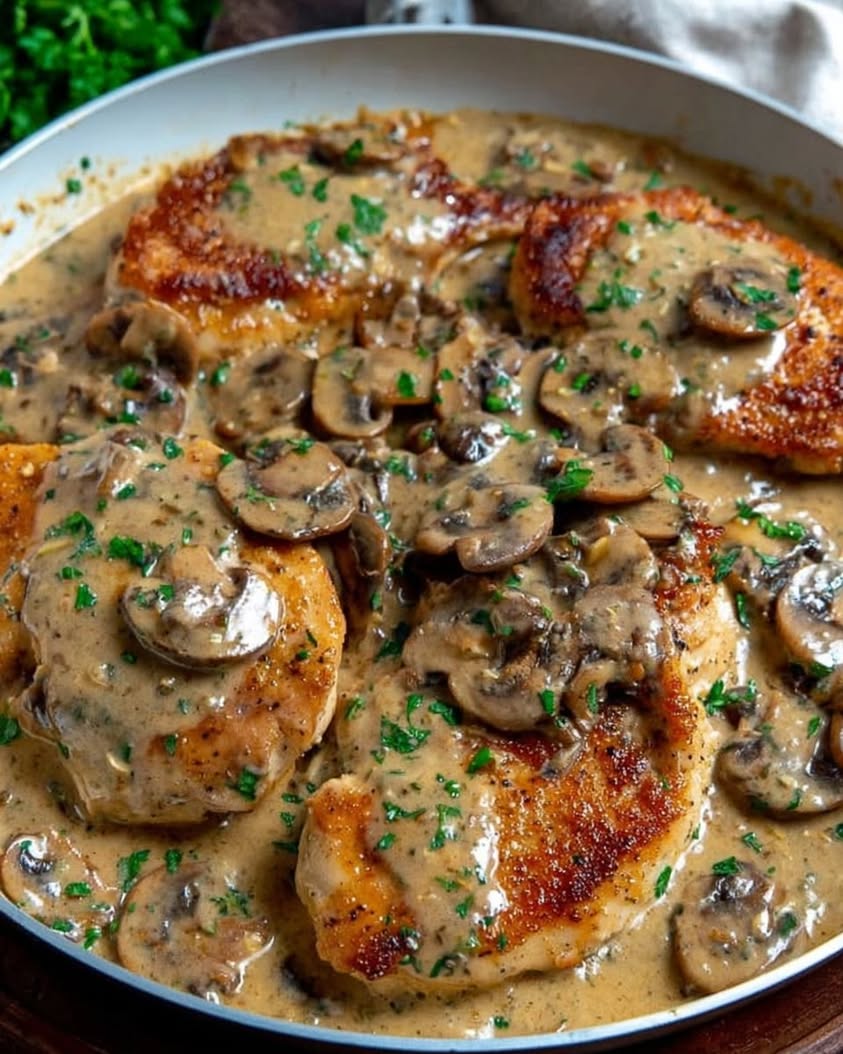
Chicken and Mushroom Skillet in a Creamy Asiago and Mustard Sauce: A One-Pan Weeknight Wonder
Imagine a dinner that feels like a cozy restaurant meal but comes together in one pan on your stovetop. This Chicken and Mushroom Skillet in a Creamy Asiago and Mustard Sauce is exactly that kind of magic. Tender chicken and earthy mushrooms bathe in a luxuriously smooth sauce that perfectly balances the nutty, salty punch of Asiago cheese with the gentle tang of Dijon mustard. Ultimately, it is a dish designed for flavor without fuss, delivering impressive results with straightforward techniques.
Furthermore, this recipe transforms simple, affordable ingredients into something truly special. The process is incredibly satisfying; you will sear golden chicken, sauté aromatic mushrooms, and build a rich pan sauce all in the same skillet. Consequently, you get maximum flavor with minimal cleanup. The final product is a comforting, elegant meal that is equally perfect for a busy Tuesday or a casual weekend dinner with friends. The creamy Asiago mustard sauce is the undeniable star, clinging to every bite of chicken and mushroom.
Additionally, the beauty of this Chicken and Mushroom Skillet lies in its versatility. You can serve it over pasta, mashed potatoes, rice, or with a crusty loaf of bread to soak up every last drop of that incredible sauce. It is a complete, protein-packed meal that feels indulgent yet is surprisingly simple to execute. Let us dive into why this one-pan wonder deserves a permanent spot in your weekly rotation.
Quick Recipe Highlights
- Flavor Profile: This dish masterfully combines savory, umami, tangy, and nutty notes. The earthy mushrooms and pan-seared chicken create a deep savory base. Meanwhile, the creamy Asiago mustard sauce introduces a sharp, cheesy tang and a subtle peppery warmth from the Dijon.
- Texture: You will enjoy a wonderful contrast in every forkful. Expect juicy, tender chicken pieces alongside meaty, sautéed mushrooms. The sauce itself is velvety and rich, coating each component without being overly heavy or gloppy.
- Aroma: As it cooks, your kitchen will fill with an irresistible fragrance. First, you will smell the savory scent of browning chicken and garlic. Then, the earthy aroma of mushrooms will bloom, followed by the sharp, inviting notes of melting cheese and mustard.
- Visual Appeal: This skillet meal is a feast for the eyes. The golden-brown chicken and caramelized mushrooms look stunning against the pale, creamy yellow sauce. A final sprinkle of fresh green herbs adds a perfect pop of color for a restaurant-worthy presentation.
- Skill Level Needed: This is an ideal recipe for confident beginners or home cooks looking for a reliable, impressive dish. The techniques involved—searing, sautéing, and making a pan sauce—are fundamental. With careful attention to heat and timing, anyone can achieve excellent results.
- Special Equipment: You truly only need one good, large skillet. A 12-inch cast iron or stainless steel skillet is perfect because it provides even heat distribution for searing and enough surface area to cook everything properly. Other than that, standard kitchen tools like tongs, a wooden spoon, and a grater for the cheese are all you require.
Recipe Overview
- Difficulty Level: We rate this Chicken and Mushroom Skillet as “Easy.” The steps are sequential and logical, building layers of flavor in one pan. There is no complicated knife work or advanced culinary techniques required. However, managing the heat to properly sear the chicken without burning the fond and smoothly incorporating the cream are key skills that this recipe helps you practice and master.
- Category: This is a quintessential main course or entrée. It is a protein-centric dish featuring chicken as the star, supported by mushrooms and a luxurious sauce. It falls perfectly into categories like “weeknight dinners,” “one-pan meals,” and “comfort food classics.” You can easily build a complete meal around it with simple sides.
- Cuisine: While not strictly authentic to one region, this recipe draws inspiration from French and Italian-American cooking traditions. The technique of deglazing a pan to make a sauce is classic French cuisine. Meanwhile, the use of Asiago cheese and a creamy, herbaceous sauce has strong Italian-American influences. It is a beautiful fusion that results in universally appealing flavors.
- Cost: This is a very cost-effective meal, especially considering its impressive presentation. Chicken thighs are typically an affordable cut of protein. Mushrooms, onions, and garlic are inexpensive pantry aromatics. The dairy ingredients—cream and cheese—are the primary splurge, but a little goes a long way in creating a rich, restaurant-quality sauce. Overall, it is a budget-friendly way to eat well.
- Season: This creamy Chicken and Mushroom Skillet is truly a dish for all seasons. It provides comforting warmth during fall and winter. Conversely, its relatively quick cook time makes it suitable for spring evenings when you want something hearty but not oven-intensive. It is less ideal for peak summer heat but can be enjoyed year-round with proper climate control.
- Occasion: Its versatility shines here. This skillet meal is perfect for a fast, satisfying family dinner on a busy weeknight. Simultaneously, it is elegant enough to serve for a casual dinner party or a romantic date night at home. It is a reliable “back-pocket” recipe that suits a wide range of occasions, from utterly ordinary to slightly special.
Why You’ll Love This Recipe
First and foremost, the taste and texture of this Chicken and Mushroom Skillet are utterly captivating. Each bite delivers a symphony of flavors: the deep umami of seared chicken and browned mushrooms, the sharp saltiness of Asiago, and the bright, clean tang of Dijon mustard. The sauce is the hero, perfectly creamy without being overly thick or heavy. It clings to the tender chicken and meaty mushrooms, creating a cohesive, luxurious eating experience. This is comfort food with a sophisticated edge, guaranteed to please even the pickiest eaters at your table.
From a practical standpoint, the convenience factor is a major win. This is a true one-pan meal, meaning you sear, sauté, and simmer everything in a single skillet. Consequently, you spend less time washing dishes and more time enjoying your meal. The active cook time is under 30 minutes, and the entire process from start to finish takes about 40 minutes. This efficiency makes it a fantastic solution for hectic weeknights when you want a homemade dinner that does not keep you chained to the stove for hours.
Nutritionally, this dish offers several advantages. Chicken thighs provide high-quality protein and essential B vitamins. Mushrooms are a fantastic source of selenium, potassium, and vitamin D. Using heavy cream and cheese does add fat, but these ingredients also contribute to satiety, helping you feel full and satisfied. You can control the sodium by using low-sodium broth and adjusting the salt at the end. For a balanced meal, simply pair it with a side of steamed vegetables or a large green salad.
This Chicken and Mushroom Skillet also holds tremendous value for entertaining. It is a crowd-pleaser that feels special without requiring stressful, last-minute preparation. You can do most of the prep ahead of time, and the cooking process is straightforward enough that you will not be overwhelmed while guests are over. The dramatic, fragrant finish right in the skillet makes for a wonderful tableside presentation. It is a recipe that builds your confidence as a cook and impresses your friends and family with minimal effort.
Finally, the cost-effectiveness and accessibility of the ingredients make this a repeatable recipe. You do not need rare or expensive components. Chicken thighs, cremini mushrooms, an onion, some garlic, broth, cream, and cheese are readily available at any standard grocery store. The recipe is also forgiving; you can substitute different mushrooms, use chicken breasts, or swap the Asiago for another hard, flavorful cheese like Parmesan or Pecorino. This adaptability ensures you can always make it work with what you have on hand.
Historical Background and Cultural Significance
The concept of cooking chicken and mushrooms together in a creamy sauce has roots in several European peasant traditions. Historically, foraged mushrooms were a way to add depth and meaty substance to meals, especially when meat was scarce or expensive. Combining them with poultry and dairy (cream or cheese) created a hearty, nourishing dish that could feed a family. The specific combination of mustard and cheese in a sauce, however, points to more refined culinary developments from regions like Burgundy in France and Northern Italy, where mustard and aged cheeses were commonly used to flavor sauces and enrich stews.
Culturally, skillet meals like this one represent a fundamental shift towards efficient, home-cooked food in the modern era. The “one-pan wonder” is a response to busier lifestyles and a desire for fewer dishes to wash. This particular recipe blends the rustic, hearty appeal of a farmhouse meal with the elegant sauce techniques of classic French cuisine. It is a testament to how home cooking evolves, adopting techniques and flavor combinations from different traditions to create something new and perfectly suited to contemporary life.
The evolution of this recipe is also tied to the availability of ingredients. Dijon mustard, once a regional specialty, is now a global pantry staple. Similarly, Asiago cheese, originating from a small area in Italy, is now widely produced and exported. This globalization of ingredients allows home cooks everywhere to experiment with flavors that were once geographically limited. The modern Chicken and Mushroom Skillet in a Creamy Asiago and Mustard Sauce is a direct beneficiary of this culinary exchange, combining accessible ingredients for maximum impact.
Regional variations of this concept abound. In France, you might find a “Poulet à la Crème aux Champignons” with white wine and herbs. In Italy, a similar dish might use porcini mushrooms and Parmesan. The American version often incorporates cream of mushroom soup for convenience. Our recipe sits beautifully in the middle, using fresh ingredients and a from-scratch sauce that honors the spirit of those traditional dishes while streamlining the process for the modern home cook. It is a delicious example of culinary fusion and adaptation.
Ingredient Deep Dive
Chicken Thighs: We prefer boneless, skinless chicken thighs for their flavor and forgiving nature. Thighs have more fat than breasts, which means they stay juicy and tender even if slightly overcooked. Culturally, dark meat chicken is prized in many global cuisines for its richer taste. Nutritionally, they are an excellent source of protein, iron, and zinc. For the best results, pat your thighs very dry before seasoning; this is the secret to a perfect sear. You can substitute chicken breasts, but reduce the cooking time slightly to prevent dryness.
Cremini Mushrooms: Also known as baby bellas, cremini mushrooms are simply the brown, younger version of the common white button mushroom. They have a deeper, earthier flavor and a firmer texture. Mushrooms have been foraged and cultivated for thousands of years across Asia and Europe. They are a nutritional powerhouse, low in calories but rich in B vitamins, selenium, and antioxidants like ergothioneine. Select mushrooms that are firm with closed caps. Avoid pre-sliced packages if possible, as whole mushrooms stay fresher longer. Wipe them clean with a damp paper towel instead of rinsing them under water.
Asiago Cheese: Asiago is a semi-hard Italian cheese that originates from the Alpine region around the Asiago plateau. It comes in two main varieties: fresh (Asiago Pressato) and aged (Asiago d’Allevo). For this recipe, you want the aged version, which is drier, crumblier, and has a sharper, nuttier flavor perfect for grating. It melts beautifully into the sauce, providing a salty, tangy depth. Nutritionally, it is a good source of calcium and protein. Always grate your cheese fresh from a block for the best melt and flavor; pre-grated cheese contains anti-caking agents that can make sauces grainy.
Dijon Mustard: True Dijon mustard hails from the Burgundy region of France and is made from brown mustard seeds, white wine, and verjuice. It provides a sharp, clean tang and a subtle heat that cuts through the richness of the cream and cheese. Mustard has been used as a condiment and preservative since Roman times. In cooking, it acts as an emulsifier, helping to bind the fat and liquid in your sauce for a smooth consistency. For this recipe, a classic Dijon is ideal. Avoid coarse-grained or sweet mustards, as they will alter the texture and flavor profile of the sauce.
Heavy Cream: Heavy cream, or heavy whipping cream, has a high butterfat content (36% or more). This fat content is crucial for creating a stable, luxurious sauce that will not break or separate when heated. It provides the velvety mouthfeel that makes this dish so indulgent. In terms of storage, always check the date and give it a sniff before using. For a lighter version, you can use half-and-half, but be aware the sauce will be thinner and more prone to curdling if boiled vigorously. Warm the cream slightly before adding it to the pan to prevent temperature shock.
Common Mistakes to Avoid
- Crowding the Skillet When Searing: Adding all the chicken at once will cause the pan temperature to plummet. Consequently, the chicken will steam instead of sear, resulting in pale, rubbery meat without the flavorful brown crust. Always cook in batches if necessary to ensure each piece has enough space.
- Not Getting a Good Fond: The fond are the delicious browned bits stuck to the bottom of the pan after searing the chicken. Do not scrub them away! Those bits are pure flavor. If they look like they are burning, simply reduce the heat slightly. You will dissolve them later with the broth to build your sauce.
- Using Cold Cream: Adding ice-cold heavy cream directly to a hot pan can cause it to separate or curdle. To prevent this, let the cream sit out for 10-15 minutes to take the chill off, or warm it gently in the microwave for 20 seconds before incorporating it into the sauce.
- Overcooking the Chicken After Adding the Sauce: Once the creamy Asiago mustard sauce is assembled and the chicken is returned to the pan, you are just warming everything through and letting the flavors meld. Simmering for too long can overcook the chicken and cause the sauce to break or become too thick.
- Adding Cheese Over High Heat: High, direct heat can cause cheese to seize up into a greasy, stringy mess. Always remove the skillet from the heat or turn it to the lowest setting before stirring in the grated Asiago. The residual heat is sufficient to melt it smoothly into the sauce.
- Underseasoning the Dish: Cream-based sauces need ample seasoning to truly shine. Remember to season the chicken well before searing, and always taste the final sauce before serving. The saltiness of the Asiago will factor in, but you will likely need to add a pinch more salt and a crack of black pepper at the end.
- Skipping the Fresh Herb Garnish: While optional, a sprinkle of fresh thyme or parsley is not just for color. The bright, herbal notes cut through the richness of the sauce and add a layer of freshness that elevates the entire dish from good to exceptional. Do not skip this final touch.
- Using Pre-Grated Cheese: Pre-grated cheeses are coated in cellulose or other anti-caking agents to prevent clumping. These additives prevent the cheese from melting smoothly, often resulting in a grainy or gummy sauce texture. For a silky sauce, always grate your Asiago fresh from a block.
Essential Techniques
Pan Searing: Pan searing is the high-heat cooking of protein in a small amount of fat to create a flavorful brown crust. This technique, known as the Maillard reaction, develops complex savory flavors that form the foundation of your dish. To master it, ensure your chicken is patted completely dry, your skillet is properly preheated, and you do not move the chicken for the first few minutes. A common pitfall is flipping too early; the chicken should release easily from the pan when a proper crust has formed. Look for a deep golden-brown color and audible sizzling as visual and auditory cues for success.
Building a Pan Sauce: A pan sauce utilizes the fond (browned bits) left after searing to create a deeply flavored sauce. After removing the chicken, you sauté aromatics, then deglaze the pan with a liquid (like broth), scraping up all the fond. This liquid reduces, concentrating its flavor. Then, you add enriching elements like cream. The key is managing the heat: a vigorous boil for reduction, a gentle simmer for incorporation. The pitfall is burning the fond before deglazing or adding dairy to a violently boiling liquid, which can cause curdling. A successful pan sauce will be cohesive, glossy, and coat the back of a spoon.
Properly Melting Cheese into a Sauce: To incorporate cheese smoothly into a hot sauce, you must control the temperature. High, direct heat causes the proteins in the cheese to tighten and squeeze out fat, leading to separation. The correct technique is to remove the sauce from the heat or reduce it to very low. Then, gradually stir in the grated cheese until it melts. The residual heat is sufficient. For extra insurance, you can also toss the cheese with a teaspoon of cornstarch first, which helps stabilize the emulsion. The result should be a velvety, uniform sauce without any graininess or oil slicks.
Pro Tips for Perfect Chicken and Mushroom Skillet
First, take the extra minute to pat your chicken thighs bone-dry with paper towels. Moisture is the enemy of a good sear; dry chicken will brown beautifully and develop that essential flavorful crust.
Second, do not discard the flavorful fat rendered from the chicken after searing. Use it to sauté your mushrooms and onions. This chicken fat will impart an incredible depth of flavor to the entire dish.
Third, allow your heavy cream to come to room temperature for about 15 minutes before using it. Adding cold cream to a hot pan can shock it and increase the risk of curdling, while tempered cream blends in smoothly.
Fourth, always grate your Asiago cheese fresh from a block. Pre-shredded cheese contains anti-caking agents that prevent it from melting smoothly, which can give your sauce a grainy texture.
Fifth, if your sauce seems too thin after adding the cheese, let it simmer gently for an extra 2-3 minutes to reduce and thicken. Conversely, if it becomes too thick, simply stir in a splash of additional chicken broth to reach the desired consistency.
Sixth, for an extra flavor boost, consider using a combination of mushrooms. Try adding a few sliced shiitake or oyster mushrooms along with the cremini for a more complex, woodsy aroma and taste.
Seventh, finish the dish with a squeeze of fresh lemon juice. A small amount (about half a teaspoon) will brighten all the flavors and cut through the richness of the cream without making the sauce taste lemony.
Eighth, let the cooked dish rest for 5 minutes off the heat before serving. This allows the sauce to thicken slightly and the chicken to reabsorb some juices, ensuring every bite is moist and flavorful.
Variations and Adaptations
For regional variations, draw inspiration from different culinary traditions. A French-inspired version could use white wine for deglazing and swap the Asiago for Comté or Gruyère cheese. An Italian twist might include sun-dried tomatoes and a splash of balsamic vinegar, using Parmesan instead of Asiago. For a German flair, use a whole-grain mustard and add a pinch of caraway seeds to the mushrooms.
Seasonal adaptations are simple and effective. In the spring, add fresh peas or asparagus tips during the last few minutes of cooking. For summer, use lighter herbs like tarragon or chives and serve over a bed of zucchini noodles. In autumn, incorporate wild mushrooms like chanterelles and a touch of sage. Winter calls for heartier additions like diced pancetta or a sprinkle of smoked paprika for warmth.
Dietary modifications are straightforward. For a gluten-free meal, ensure your chicken broth is certified gluten-free and serve with rice or gluten-free pasta. To make it dairy-free, use full-fat coconut milk instead of heavy cream and a dairy-free Parmesan alternative. For a lower-carb or keto version, simply serve the skillet over cauliflower rice or mashed cauliflower instead of pasta or potatoes.
Flavor variations can personalize the dish immensely. Add a teaspoon of smoked paprika or a pinch of red pepper flakes with the garlic for a smoky or spicy kick. Stir in a tablespoon of prepared pesto at the end for a herbal, garlicky note. For a richer, deeper flavor, add a teaspoon of tomato paste when cooking the mushrooms and let it caramelize for a minute before deglazing.
Texture modifications can cater to different preferences. If you enjoy a thicker, gravy-like sauce, make a slurry with a teaspoon of cornstarch and a tablespoon of cold water, then stir it in during the final simmer. For a chunkier texture, use a mix of sliced and quartered mushrooms. To add a contrasting crunch, sprinkle toasted pine nuts or breadcrumbs over the top before serving.
Presentation alternatives can elevate the dish for guests. Instead of mixing the chicken back into the sauce, arrange the seared pieces on a warm platter and pour the creamy mushroom sauce over the top. For individual servings, spoon the mixture into shallow bowls over your chosen starch and garnish elegantly with a thyme sprig and a cheese crisp.
Serving and Presentation Guide
Plating this skillet meal beautifully is simple. For a family-style presentation, bring the entire skillet to the table—it is rustic and inviting. For individual plates, use a shallow bowl or rimmed plate. Place a bed of your chosen starch (pasta, polenta, mashed potatoes) slightly off-center. Arrange 1-2 pieces of chicken against the starch, then spoon a generous amount of mushrooms and sauce over and around everything, allowing some of the starch to show through for visual appeal.
Garnishing is the final, crucial touch. A sprinkle of freshly chopped flat-leaf parsley or thyme leaves adds a vital pop of green color and fresh aroma. For extra flavor and texture, add a light dusting of additional grated Asiago, a twist of black pepper, or a few microgreens. A very light drizzle of high-quality olive oil around the rim of the plate can add a professional finish.
Traditional accompaniments focus on absorbing the magnificent sauce. Egg noodles, fettuccine, or pappardelle pasta are classic choices. Creamy mashed potatoes, polenta, or a simple risotto also work wonderfully. For a lighter option, serve with crusty artisan bread or garlic bread on the side specifically for sauce-mopping.
Modern serving suggestions lean towards balancing richness. Consider pairing the skillet with a simple arugula salad dressed in lemon vinaigrette. Roasted green beans, broccoli, or a medley of seasonal vegetables provide color and nutrition. For a low-carb approach, cauliflower rice or zucchini noodles are excellent vehicles for the sauce.
Temperature considerations are key. Serve the dish immediately after the final simmer while the sauce is luxuriously hot and fluid. Warm your serving plates or bowls beforehand to keep the food hot longer at the table. The sauce will naturally thicken as it sits, so prompt serving ensures the ideal creamy consistency.
Portion control is easy with this recipe. One recipe serves four, typically meaning one to two chicken thighs per person depending on size, accompanied by a quarter of the mushroom and sauce mixture. If serving heartier appetites or fewer side dishes, you can stretch it to three servings by increasing the portion of the accompanying starch or vegetables.
Wine and Beverage Pairing
Wine pairings for this rich, creamy dish should complement its flavors without overpowering them. A white wine with good acidity cuts through the richness beautifully. An unoaked Chardonnay, a French Chablis, or a Pinot Gris from Alsace are superb choices. For red wine lovers, opt for a light to medium-bodied red with low tannins, such as a Pinot Noir or a Beaujolais. The fruitiness and acidity in these reds balance the savory, cheesy notes without clashing.
Non-alcoholic alternatives can be just as sophisticated. A tart sparkling lemonade or a ginger beer provides a refreshing, effervescent contrast to the creamy sauce. For a more savory option, try a non-alcoholic dry sparkling cider or a chilled herbal iced tea infused with rosemary or thyme, which echoes the herbal notes in the dish.
While not a classic coffee pairing for dinner, if serving this as a hearty brunch or lunch, a medium-roast coffee with low acidity would complement the savory elements. A black tea like Earl Grey, with its bergamot citrus notes, could also be a surprising and pleasant pairing after the meal, as the citrus cuts through the residual richness.
Temperature considerations are standard: serve white wines and non-alcoholic sparklers well-chilled, around 45-50°F. Red wines should be served slightly cooler than room temperature, around 55-60°F, to keep the alcohol and fruit in balance. Iced beverages should be cold but not diluted; use large ice cubes or chill the glassware beforehand.
Serving suggestions include offering a variety of options if you have guests. You might place a bottle of chilled white wine and a pitcher of sparkling water with citrus slices on the table. Always ensure water is readily available to cleanse the palate between bites of this flavorful, savory dish.
Storage and Shelf Life
Proper storage is essential for maintaining quality and safety. Allow the leftover Chicken and Mushroom Skillet to cool completely to room temperature before storing, but do not leave it out for more than two hours. Transfer the cooled mixture to an airtight container. You can store the chicken, mushrooms, and sauce together; they will keep well for 3-4 days in the refrigerator.
Temperature requirements are strict for dairy-based dishes. Always refrigerate leftovers promptly at 40°F or below. Do not attempt to store the dish at room temperature for extended periods, as the dairy and poultry create a high-risk environment for bacterial growth if not kept cold.
Container recommendations include glass or BPA-free plastic containers with tight-fitting lids. These prevent odor transfer in the fridge and keep the food from drying out. For single servings, consider dividing the leftovers into individual portion-sized containers for easy reheating later.
Signs of spoilage to watch for include an off or sour smell, a significant change in the sauce’s texture (such as separation that cannot be remedied by stirring), or any visible mold. If the chicken or mushrooms develop a slimy texture, discard the entire dish immediately. When in doubt, throw it out.
Reheating instructions are crucial for food safety and texture. Gently reheat leftovers in a saucepan over medium-low heat, stirring frequently, until steaming hot throughout. You can also use a microwave, but heat in 60-second intervals, stirring between each, to prevent the sauce from separating or the chicken from becoming tough. Add a small splash of broth or water if the sauce has thickened too much in the fridge.
Freezing guidelines are possible but with caveats. Cream-based sauces can sometimes separate or become grainy when frozen and thawed. If you choose to freeze, do so for up to 2 months in an airtight container. Thaw overnight in the refrigerator before reheating gently on the stovetop, whisking vigorously to re-emulsify the sauce. The texture may be slightly less velvety than fresh, but the flavor will still be good.
Make Ahead Strategies
A smart prep timeline can turn this into a 15-minute weeknight meal. The day before, complete all your ingredient prep: slice the mushrooms and onion, mince the garlic, grate the Asiago cheese, and measure out your broth, cream, and mustard. Store each component in separate airtight containers in the refrigerator. You can also trim and season the chicken thighs and keep them on a plate, covered, in the fridge.
Storage between steps is simple with proper planning. Prepped vegetables can be combined. The grated cheese should be kept separate in its own container. The liquid ingredients can be combined in a measuring cup or jar. Having everything measured and ready is called “mise en place,” and it transforms the cooking process into a smooth, enjoyable assembly.
Assessing the quality impact of make-ahead steps is important. Pre-sliced mushrooms may darken slightly but this does not affect flavor. Freshly grated cheese stored overnight is perfectly fine. The key is that no flavor or texture is significantly compromised by prepping a day in advance. In fact, letting seasoned chicken sit overnight can result in more flavorful meat.
Assembly tips for a make-ahead meal are straightforward. When ready to cook, simply pull your prepped containers from the fridge. Your skillet will be the only thing you need. Follow the recipe steps as written, but you will skip all the chopping and measuring, cutting your active cook time nearly in half.
Reheating guidelines for a fully made dish are covered in the storage section. However, if you only prepped ingredients, you are cooking from scratch with a head start, so no special reheating is needed. The goal of make-ahead here is to reduce active cooking time, not to cook and reheat the entire dish.
Fresh element additions are still recommended even with make-ahead prep. Always garnish with freshly chopped herbs just before serving. If you pre-chopped your herbs, they may wilt; a last-minute chop ensures the brightest color and flavor for that essential finishing touch.
Scaling Instructions
Halving the recipe is simple for smaller households. Use a 10-inch skillet instead of a 12-inch. Precisely halve all ingredient quantities. The cook times will remain roughly the same, though you may need to reduce the sauce simmering time by a minute or two since there is less volume to reduce. Keep a close eye on the chicken while searing, as a smaller batch will cook slightly faster.
Doubling or tripling the recipe requires some adjustments. Use the largest skillet or Dutch oven you have, or cook in batches to avoid overcrowding when searing the chicken. You may need to increase the reduction time for the broth and cream slightly to achieve the proper sauce consistency. Taste carefully for seasoning, as scaling up spices and salt is not always a direct 1:1 ratio; season in stages.
Equipment adjustments are necessary when scaling. For a double batch, a 5-quart Dutch oven is ideal. For a triple batch, consider using two large skillets simultaneously or cooking in sequential batches, keeping the first batch warm in a low oven (200°F) while you prepare the second. Ensure you have a large enough container to hold all your prepped ingredients.
Timing modifications are minimal when scaling down but more pronounced when scaling up. The searing step will take longer if you are cooking chicken in multiple batches. The sauce reduction time may increase by 3-5 minutes for a double batch. Always rely on visual cues—like the sauce coating the back of a spoon—rather than strict timer settings when working with different volumes.
Storage considerations change with scale. A double batch means more leftovers. Ensure you have enough appropriately sized airtight containers for refrigeration or freezing. Label containers with the date. Remember that a larger volume of hot food will take longer to cool to a safe refrigeration temperature; consider dividing it into several shallow containers to speed up the cooling process.
Nutritional Deep Dive
A macro breakdown for one serving (assuming four servings per recipe) provides a balanced profile. You can expect approximately 35-40 grams of high-quality protein from the chicken thighs, essential for muscle repair and satiety. The fat content, primarily from the chicken thighs, cream, and cheese, will be around 25-30 grams, contributing to the rich mouthfeel and helping with the absorption of fat-soluble vitamins. Carbohydrates are relatively low, mainly from the mushrooms and onions, at roughly 10-15 grams per serving, making this a suitable option for lower-carb eating patterns when served without a starchy side.
The micronutrient analysis reveals several benefits. Chicken thighs are an excellent source of B vitamins, particularly B6 and B12, which are crucial for energy metabolism and neurological health. Mushrooms provide selenium, a powerful antioxidant, and potassium for heart health. Asiago cheese contributes a significant amount of calcium and phosphorus for bone strength. The garlic and onions offer allicin and other phytonutrients with anti-inflammatory properties.
Health benefits of this meal include sustained energy from the balanced macronutrients and support for immune function from the selenium and zinc. The protein and fat promote feelings of fullness, which can aid in portion control and prevent overeating. The dish is naturally gluten-free if served with appropriate sides, and the ingredients are whole, minimally processed, allowing you to control the sodium and quality of fats used.
Dietary considerations are important for specific needs. For those monitoring sodium, use low-sodium chicken broth and be mindful of the salt added, as Asiago is a salty cheese. For heart-health conscious diets, the saturated fat content is notable; using half-and-half instead of heavy cream can reduce this. The dish is not suitable for a strict vegan or dairy-free diet without significant modifications, but it is inherently low in sugar and carbohydrates.
Portion analysis shows that one serving, as defined by the recipe, is satisfying and complete. Pairing it with a large side of non-starchy vegetables (like steamed broccoli or a salad) increases volume, fiber, and micronutrients without adding excessive calories, creating a well-rounded plate. This strategy is excellent for weight management, as it maximizes nutrition and satiety.
Weight management tips include being mindful of what you serve with the skillet. Opt for cauliflower mash or a large vegetable side instead of pasta or white rice to keep the meal lower in calories and carbohydrates. You can also use a light hand with the oil for searing and consider blending half the sauce with low-fat milk when reheating leftovers to stretch it while reducing the calorie density per serving.
Dietary Adaptations
Gluten-Free: This Chicken and Print
Chicken and Mushroom Skillet in a Creamy Asiago and Mustard Sauce
- Total Time: 45 minutes
- Yield: 4
Description
A rich and comforting one-pan dish featuring tender chicken and earthy mushrooms smothered in a velvety sauce of Asiago cheese and Dijon mustard.
Ingredients
- 4 boneless, skinless chicken breasts, pounded to even thickness
- 1 tablespoon olive oil
- 8 ounces cremini mushrooms, sliced
- 3 cloves garlic, minced
- 1 cup chicken broth
- 1 cup heavy cream
- 1/2 cup grated Asiago cheese
- 2 tablespoons Dijon mustard
- 1 teaspoon dried thyme
- Salt and black pepper to taste
- Fresh parsley, chopped for garnish
Instructions
- Season chicken breasts with salt and pepper. Heat olive oil in a large skillet over medium-high heat. Add chicken and cook for 5-7 minutes per side until golden and cooked through. Remove from skillet and set aside.
- In the same skillet, add mushrooms and cook for 5-7 minutes until browned and tender. Add garlic and cook for 1 minute until fragrant.
- Pour in chicken broth to deglaze the pan, scraping up any browned bits. Stir in heavy cream, Asiago cheese, Dijon mustard, and thyme. Bring to a simmer and cook for 5 minutes, stirring occasionally, until sauce thickens slightly.
- Return chicken to the skillet, spooning sauce over the top. Simmer for 2-3 minutes to heat through. Garnish with fresh parsley before serving.
Notes
You can customize the seasonings to taste.
- Prep Time: 15 minutes
- Cook Time: 30 minutes
- Method: Main
- Cuisine: American