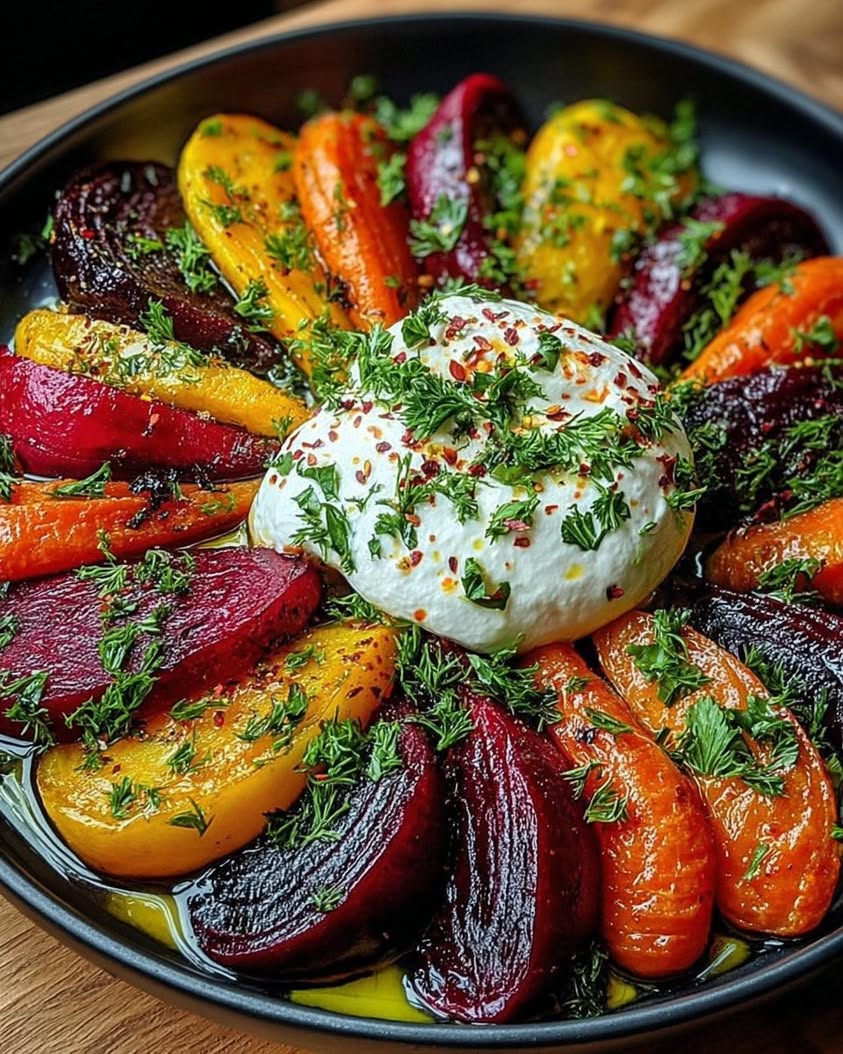
Vibrant Roasted Beets and Carrots with Creamy Burrata Salad: A Colorful Feast for the Senses
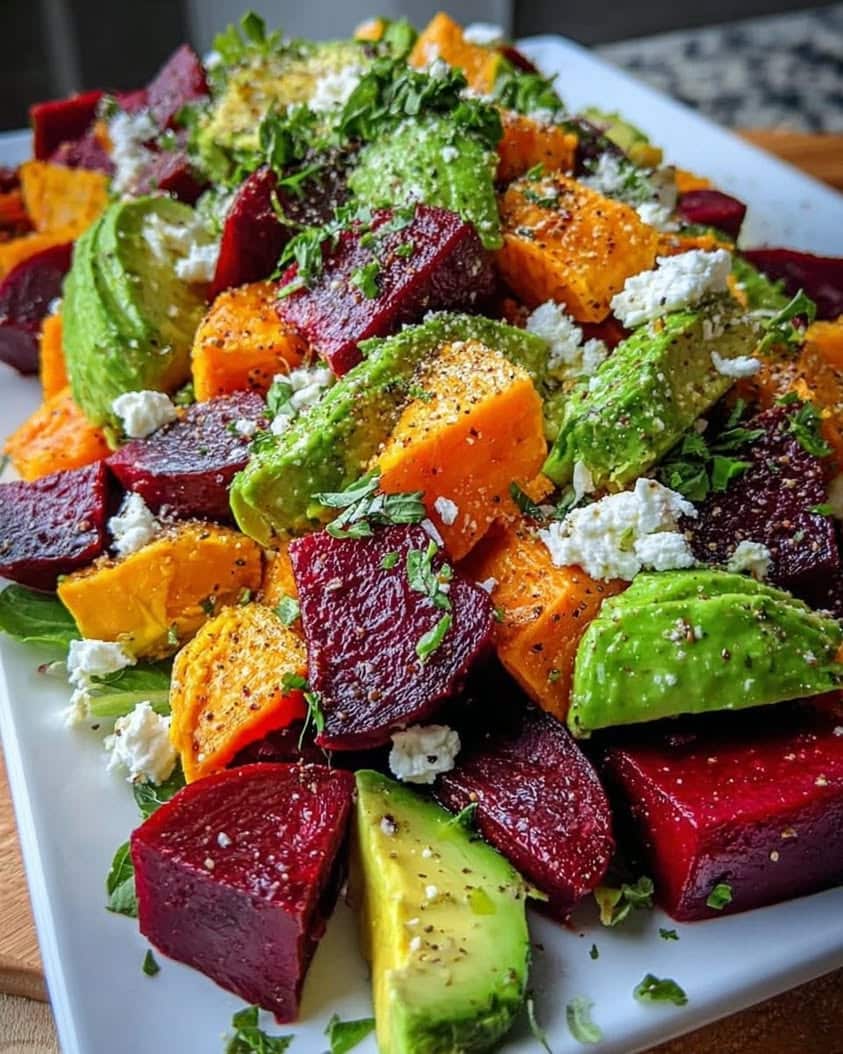
Imagine a dish that looks like a painter’s palette and tastes like a celebration of the earth. This Vibrant Roasted Beets and Carrots with Creamy Burrata Salad delivers exactly that experience. The recipe transforms humble root vegetables into a stunning, flavorful masterpiece. Moreover, it combines sweet, earthy notes with the luxurious creaminess of fresh cheese. Consequently, every bite offers a delightful contrast that will impress both your eyes and your palate. This dish proves that simple ingredients can create extraordinary results with minimal effort.
Roasting beets and carrots concentrates their natural sugars, creating a caramelized exterior and a tender interior. Meanwhile, the burrata cheese adds a decadent, creamy element that balances the vegetables’ earthiness. Additionally, a bright citrus vinaigrette and fresh herbs tie everything together with a zesty, aromatic finish. This salad is perfect for anyone seeking a healthy yet indulgent meal. Ultimately, it serves as a fantastic centerpiece for a dinner party or a satisfying standalone lunch. The combination of textures and flavors is truly unforgettable.
Furthermore, this recipe is incredibly versatile and adaptable to seasonal produce. You can find golden beets or rainbow carrots to enhance the visual appeal even more. The process is straightforward, making it accessible for cooks of all skill levels. Importantly, the final presentation is guaranteed to earn compliments from your guests. This Vibrant Roasted Beets and Carrots with Creamy Burrata Salad is more than just food; it’s an experience. It brings warmth, color, and joy to any table, making everyday meals feel special.
Quick Recipe Highlights
- Flavor Profile: This dish features a beautiful harmony of sweet, earthy, and tangy notes. The roasted beets and carrots develop a deep, caramelized sweetness. Meanwhile, the burrata provides a rich, milky creaminess that is cut perfectly by a sharp citrus vinaigrette.
- Texture: You will enjoy a wonderful play of textures in every forkful. The roasted vegetables are tender yet retain a slight bite, while the burrata offers an irresistibly creamy, soft center. Finally, toasted nuts or seeds add a delightful, essential crunch.
- Aroma: As the vegetables roast, your kitchen will fill with a warm, sweet, and comforting scent. The aroma of fresh thyme or rosemary adds an herby, woody fragrance. Subsequently, the bright zest of lemon or orange in the dressing brings a final, refreshing top note.
- Visual Appeal: This salad is a feast for the eyes with its dramatic, jewel-toned colors. The deep red and orange hues of the vegetables pop against the snowy white burrata and green herbs. Consequently, it makes for a stunning, Instagram-worthy presentation on any plate.
- Skill Level Needed: This is an ideal recipe for beginners and seasoned cooks alike. The techniques involved—chopping, roasting, and whisking a dressing—are fundamental. Therefore, you can achieve restaurant-quality results with basic kitchen skills and attention to timing.
- Special Equipment: You only need a few standard kitchen tools. A good baking sheet, a sharp chef’s knife, and a mixing bowl are essential. Additionally, a microplane for zesting citrus and a small whisk for the vinaigrette will make the process smoother.
Recipe Overview
- Difficulty Level: We classify this Vibrant Roasted Beets and Carrots with Creamy Burrata Salad as easy. The steps are simple and sequential, with no advanced techniques required. The primary skill is managing oven time to achieve perfect caramelization without burning. Overall, it’s a forgiving recipe that encourages culinary confidence.
- Category: This dish beautifully straddles multiple categories. It functions perfectly as a hearty vegetarian main course or a substantial side dish. Furthermore, it can be a show-stopping appetizer when plated individually. Its flexibility makes it a valuable addition to your recipe repertoire for any meal.
- Cuisine: The recipe draws inspiration from modern Californian and Mediterranean culinary traditions. It emphasizes fresh, high-quality produce, simple preparations, and bold flavors. The use of burrata nods to Italian cheesemaking, while the roasting technique is a global staple. Ultimately, it’s a contemporary, fusion-style dish that celebrates clean eating.
- Cost: This salad is surprisingly cost-effective for its impressive presentation. Root vegetables like beets and carrots are typically inexpensive, especially in season. While burrata is a premium ingredient, a little goes a long way in this recipe. You can create a luxurious meal for four without straining your grocery budget.
- Season: This recipe shines brightest in the fall and winter months. That is when beets and carrots are at their peak sweetness and most affordable. However, with modern grocery availability, you can enjoy this vibrant salad year-round. It brings a much-needed burst of color and nutrition to the colder seasons.
- Occasion: This dish is versatile enough for both casual weeknights and elegant gatherings. It’s an excellent choice for a meatless Monday dinner or a festive holiday side. Moreover, it’s a guaranteed crowd-pleaser at potlucks and dinner parties. Its stunning appearance makes any meal feel like a special occasion.
Why You’ll Love This Recipe
First and foremost, the taste and texture appeal of this salad is undeniable. The sweet, concentrated flavor of roasted beets and carrots pairs magically with the rich, creamy burrata. Each component complements the others, creating a balanced and sophisticated flavor profile. You get earthy sweetness, tangy acidity, herbal notes, and luxurious fat in every single bite. The contrast between the tender vegetables and the oozing cheese center is simply divine. This combination ensures that the dish is satisfying without being heavy, leaving you feeling nourished and happy.
Next, consider the convenience and preparation benefits. This Vibrant Roasted Beets and Carrots with Creamy Burrata Salad requires mostly hands-off cooking time. Once the vegetables are in the oven, you can prepare the dressing, set the table, or relax. The assembly is quick and intuitive, taking just minutes before serving. Additionally, the ingredients are easy to find at any well-stocked supermarket. You don’t need to hunt for obscure items or master complex techniques. This accessibility makes it a perfect go-to recipe for busy days when you still want to eat well.
From a nutritional standpoint, this dish is a powerhouse. Beets are loaded with fiber, folate, and beneficial nitrates that support heart health. Carrots provide a massive dose of beta-carotene, which is crucial for eye health and immunity. The olive oil in the dressing offers healthy monounsaturated fats. Meanwhile, burrata provides protein and calcium, making the salad more satiating. Together, they create a meal that is as good for your body as it is for your taste buds. You can indulge in something delicious while knowing you’re fueling yourself with wholesome ingredients.
The social and entertaining value of this recipe is exceptionally high. Its dramatic, colorful presentation is guaranteed to draw “oohs” and “aahs” from your guests. It looks like you spent hours in the kitchen, yet the actual work is minimal. This makes you feel like a hosting rockstar without the associated stress. The dish is also naturally vegetarian, accommodating many dietary preferences without requiring separate meals. It serves as a fantastic conversation starter about flavors, ingredients, and simple cooking techniques. Sharing this beautiful creation enhances the joy of any gathering.
Finally, the cost-effectiveness and accessibility of the ingredients make this a smart choice. Root vegetables are among the most affordable produce items, offering great volume and nutrition for your dollar. While burrata is a splurge, one ball can generously serve four people when paired with hearty vegetables. You can create a restaurant-quality dish for a fraction of the price of dining out. This allows you to enjoy gourmet flavors on a home-cooked budget. The recipe is also adaptable; you can swap in different nuts, herbs, or citrus based on what you have on hand, reducing food waste.
Historical Background and Cultural Significance
The story of roasting vegetables is as old as fire itself, but the combination with fresh cheese is a more modern tale. Roasting beets and carrots concentrates their sugars, a technique used for centuries to preserve and enhance fall harvests. In many European cultures, roasted root vegetables were winter staples, stored in cellars and cooked slowly over hearths. The introduction of burrata, however, is a relatively recent innovation in the culinary timeline. This cheese originated in the Apulia region of Italy in the early 20th century as a way to use up curd scraps. The marriage of old-world roasting and Italian cheesemaking reflects a beautiful fusion of food traditions.
Culturally, this dish speaks to a growing global appreciation for vegetable-forward, “clean” eating. It aligns with the Mediterranean diet’s principles, which emphasize fresh produce, healthy fats, and simple preparations. The vibrant colors on the plate are not just visually appealing; they signal a high density of phytonutrients and antioxidants. In many ways, this salad represents a shift away from meat-centric meals toward celebrating plants as the star. It embodies a modern, health-conscious approach to cooking that doesn’t sacrifice flavor or satisfaction. The dish has become a staple in contemporary cafes and restaurants, symbolizing rustic elegance.
The evolution of this specific recipe is a testament to culinary globalization and adaptation. Chefs began pairing roasted vegetables with creamy cheeses like goat cheese or feta for contrast. Burrata, with its even more luxurious texture, became a natural, upscale progression. The addition of a bright, acidic dressing is a key development that balances the richness and earthiness. This formula—sweet roasted veg + creamy cheese + acidic component + crunch—has become a modern classic. It’s a template that allows for infinite seasonal variations, ensuring its place in the recipe canon. The dish continues to evolve with new herb infusions, spice blends, and alternative garnishes.
Regional variations of this concept abound, showcasing local ingredients and tastes. In the American South, you might find a version with roasted sweet potatoes and a bourbon-spiked vinaigrette. A Middle Eastern twist could include sumac in the dressing and a sprinkle of za’atar. In Northern Europe, roasted parsnips and turnips might join the beets, served with a dill-infused crème fraîche. These adaptations highlight the recipe’s incredible versatility. They prove that the core idea is strong enough to transcend borders and incorporate local flavors. This global journey makes the Vibrant Roasted Beets and Carrots with Creamy Burrata Salad a truly contemporary, world-inspired dish.
Ingredient Deep Dive
Beets: Beets have a long history, cultivated since ancient times in the Mediterranean region. Initially, people valued them for their greens, with the root being used medicinally. They are nutritional powerhouses, rich in folate, manganese, potassium, iron, and vitamin C. The betalain pigments that give beets their color are potent antioxidants and anti-inflammatory compounds. When selecting beets, look for firm, smooth globes with vibrant greens still attached if possible. Store them unwashed in the refrigerator’s crisper drawer, where they can last for several weeks. For a substitution, try golden beets for a less messy, sweeter option, or use cubed sweet potato or red cabbage for a different twist.
Carrots: Carrots are believed to have originated in Persia over a thousand years ago, originally in purple and yellow varieties. The familiar orange carrot was developed by Dutch growers in the 17th century. They are famously packed with beta-carotene, which the body converts to vitamin A, essential for vision and immune function. Choose carrots that are firm, smooth, and bright in color, preferably with fresh, leafy tops. Store them in a plastic bag in the refrigerator’s crisper to maintain moisture. If you need a substitute, parsnips offer a similar texture with a nuttier flavor, or you could use butternut squash cubes for added sweetness.
Burrata Cheese: Burrata, meaning “buttered” in Italian, was invented in the 1920s on the Bianchini farm in Puglia. It was conceived as a clever way to use the leftover scraps from mozzarella production. The cheese consists of a delicate mozzarella pouch filled with stracciatella (shredded curd) and cream, creating its signature creamy center. It is a good source of protein and calcium but is also high in saturated fat, so enjoy it in moderation. Always seek out the freshest burrata possible, checking the sell-by date. It must be stored in its liquid in the refrigerator and consumed within a day or two of purchase for optimal texture. If unavailable, fresh mozzarella (bocconcini), a creamy goat cheese log, or even ripe avocado can provide a similar creamy element.
Extra Virgin Olive Oil: Olive oil is central to Mediterranean culture, history, and cuisine, symbolizing peace, wisdom, and prosperity. High-quality extra virgin olive oil (EVOO) is made from the first cold pressing of olives, retaining more nutrients and flavor. It is rich in monounsaturated fats and antioxidants like polyphenols, which have anti-inflammatory properties. For dressings and finishing, always use the best EVOO you can afford, as its flavor is front and center. Store it in a cool, dark place to prevent rancidity. If you need a substitute for the dressing, a neutral oil like avocado oil works, but you’ll lose the distinctive fruity, peppery notes that elevate the salad.
Fresh Citrus & Herbs: Lemon and orange zest bring a burst of aromatic oils that brighten the entire dish. Herbs like thyme, rosemary, or basil have been used for millennia for both culinary and medicinal purposes. These fresh elements provide vital micronutrients, vitamin C, and beneficial plant compounds. They add complexity without calories, making them a cook’s secret weapon for flavor. Choose citrus that feels heavy for its size with brightly colored, fragrant skin. Select herbs that look vibrant and perky, not wilted or brown. Store citrus on the counter and herbs with stems in a glass of water in the fridge. If you lack fresh herbs, a high-quality dried herb can work in the roasting oil, but always use fresh citrus zest for the dressing.
Common Mistakes to Avoid
- Overcrowding the Baking Sheet: This is the most common error. If the vegetables are piled on top of each other, they will steam instead of roast. Consequently, you’ll miss out on the essential caramelized, crispy edges. Always spread them in a single layer with a little space between pieces for proper hot air circulation.
- Using Pre-Cooked or Canned Beets: While convenient, pre-cooked beets will turn to mush in the oven. They lack the structural integrity to hold up to roasting and won’t develop the same deep, sweet flavor. Always start with fresh, raw beets for the best texture and taste in this Vibrant Roasted Beets and Carrots with Creamy Burrata Salad.
- Not Drying the Vegetables Thoroughly: After washing, pat your beet and carrot cubes completely dry with a clean kitchen towel. Any excess water on the surface will create steam, again preventing proper browning and caramelization. Dry vegetables are the key to achieving those beautifully roasted, slightly crisp exteriors.
- Skipping the Zest in the Dressing: The zest of the citrus is where the potent aromatic oils live. Using only the juice will give you acidity but miss the fragrant, floral top notes that make the dressing special. Always use a microplane to finely zest your lemon or orange before juicing it for a full-spectrum flavor.
- Adding the Burrata Too Early: Burrata is delicate and meant to be served cool or at room temperature. If you place it on the hot vegetables too soon, it will melt into a runny puddle and lose its beautiful shape. Always add the torn burrata at the very last moment before serving to preserve its creamy center.
- Underseasoning the Vegetables Before Roasting: Seasoning is not just an afterthought. Salt draws out moisture and helps develop flavor from the inside out. Be generous with salt and pepper on the vegetables before they go into the oven. Seasoning at the end only coats the surface and doesn’t penetrate as effectively.
- Using a Dull Knife for the Beets: Beets are dense and can be slippery. A sharp chef’s knife is crucial for safe, clean cuts. A dull knife requires more force and is more likely to slip, posing a safety hazard. Protect your fingers and get cleaner cubes by ensuring your knife is properly sharpened.
- Neglecting to Taste the Dressing: Always taste your vinaigrette before dressing the salad. The balance of oil, acid, and salt should be perfect on its own. Adjust it until it makes your taste buds sing. A bland or unbalanced dressing will flatten the entire dish, no matter how well you roasted the vegetables.
Essential Techniques
Uniform Chopping: Cutting your beets and carrots into evenly sized pieces is the most critical technique for this recipe. Consistent size ensures that every piece cooks at the same rate, preventing some from being burnt while others are still hard. Aim for ¾-inch to 1-inch cubes. Use a sharp knife and take your time. The visual cue for success is a baking sheet filled with pieces that all look like twins. This attention to detail is the foundation of perfectly roasted vegetables.
High-Heat Roasting: Roasting at a high temperature (around 400°F to 425°F) is non-negotiable. This heat quickly caramelizes the natural sugars on the surface of the vegetables, creating complex flavors and a slight crispness. A lower temperature will simply bake them, resulting in a softer, less flavorful outcome. The technique involves preheating your oven fully and using a heavy-duty rimmed baking sheet. The success cue is hearing a gentle sizzle when the vegetables hit the hot pan and seeing golden-brown, caramelized edges after roasting.
Emulsifying the Vinaigrette: A proper vinaigrette is a temporary emulsion of oil and acid. The technique involves slowly whisking the oil into the acid base (citrus juice, vinegar) to create a slightly thickened, unified dressing. This prevents the dressing from separating immediately and ensures each bite gets a balanced flavor. The key is to start with your acids, zest, and seasonings in a bowl, then whisk vigorously while drizzling in the oil in a thin, steady stream. The visual cue for success is a dressing that is opaque and lightly coats the back of a spoon.
Tearing vs. Cutting Burrata: How you handle the burrata impacts the final presentation and texture. Tearing it with your hands creates beautiful, rustic, irregular pieces with more surface area for the dressing to cling to. Cutting it with a knife can compress the delicate exterior and cause the creamy interior to ooze out too quickly. The technique is simple: gently pat the burrata ball dry, then use your fingers to pull it apart into generous chunks. The success cue is having distinct pieces with a craggy exterior that cradles the luscious, soft center.
Pro Tips for Perfect Vibrant Roasted Beets and Carrots with Creamy Burrata Salad
First, wear disposable gloves when handling red beets to avoid stained hands. Alternatively, you can rub your hands with a little lemon juice or salt after handling to help remove the pigment.
Second, toss the beet cubes and carrot cubes in oil separately if you’re using red beets. This prevents the carrots from turning completely pink from the beet juice. You can roast them on separate halves of the same pan.
Third, let the roasted vegetables cool for 5-10 minutes before assembling the salad. This allows their flavors to settle and prevents the residual heat from melting the burrata on contact.
Fourth, toast your nuts or seeds for garnish. A quick toast in a dry skillet for a few minutes until fragrant adds an incredible depth of flavor and extra crunch.
Fifth, use the leftover herb stems. Thyme or rosemary stems can be added to the roasting pan to infuse the vegetables with aroma as they cook. Just remember to remove them before serving.
Sixth, reserve a little fresh herb and citrus zest to sprinkle on top after plating. This adds a final burst of fresh aroma and bright color that makes the dish look professionally finished.
Seventh, if your burrata seems very wet, pat the outer ball gently with a paper towel before tearing. This helps the dressing adhere better and prevents a watery pool on the plate.
Eighth, consider roasting a whole head of garlic alongside the vegetables. The soft, sweet roasted garlic cloves can be squeezed into the dressing for an incredible flavor boost.
Variations and Adaptations
Regional Variations: Take your taste buds on a trip with regional twists. For a Greek vibe, swap burrata for crumbled feta, add Kalamata olives, and use oregano. A Moroccan version could include roasted chickpeas, a dressing with harissa and preserved lemon, and a garnish of mint and cilantro. For a French touch, use a Dijon-heavy vinaigrette and top with toasted hazelnuts and tarragon.
Seasonal Adaptations: Adapt the recipe to what’s fresh. In spring, use baby carrots, asparagus tips, and green peas with a lemon-dill dressing. Summer calls for adding roasted corn or cherry tomatoes and a basil-infused oil. In deep winter, incorporate roasted parsnips, turnips, and a splash of pomegranate molasses in the dressing with pomegranate arils on top.
Dietary Modifications: For a vegan version, replace burrata with a cashew-based “cheese” or ripe avocado slices. Use maple syrup or agave instead of honey in the dressing. To make it nut-free, use toasted sunflower or pumpkin seeds for crunch. For a lower-fat option, reduce the oil in the dressing and use a light sprinkle of goat cheese instead of burrata.
Flavor Variations: Experiment with different flavor profiles. Toss the vegetables with za’atar or ras el hanout before roasting. Add a tablespoon of white miso paste to the vinaigrette for umami depth. Infuse the olive oil with crushed garlic and chili flakes before tossing the vegetables. A drizzle of balsamic glaze or pomegranate reduction at the end adds a sweet-tart finish.
Texture Modifications: Play with textures for a different experience. Add crispy roasted chickpeas or crispy fried shallots for extra crunch. For a creamier salad, blend a roasted beet into the vinaigrette itself. Incorporate grains like farro, quinoa, or wheat berries to make it a heartier, grain-based salad with the same roasted vegetables and burrata.
Presentation Alternatives: Change how you serve it for different occasions. Serve it deconstructed on a large platter for a family-style feast. Plate it individually on round white plates for a fine-dining feel. For an appetizer, serve a small mound on endive leaves or crostini. Layer it in a mason jar for a portable lunch, keeping the dressing separate until ready to eat.
Serving and Presentation Guide
Plating Techniques: Start with a large, shallow bowl or a flat platter to showcase the colors. Place the warm roasted vegetables as the base, creating a slight mound in the center. Artfully arrange the torn pieces of burrata around and over the vegetables, allowing some to nestle in. Drizzle the vinaigrette over everything, letting it pool slightly at the edges. Finally, scatter the fresh herbs, zest, and toasted nuts over the top. The goal is a composition that looks abundant, colorful, and intentionally casual, not perfectly symmetrical.
Garnishing Ideas: Garnishes are the final flourish. Beyond herbs and nuts, consider edible flowers like nasturtiums or pansies for a special occasion. Microgreens add a peppery note and modern look. A flaky finishing salt, such as Maldon, adds a delightful texture burst. For sweetness, a few dried cranberries or cherries can be lovely in the fall. A final grind of black pepper over the white burrata creates visual contrast and flavor.
Traditional Accompaniments: This salad is substantial enough to stand alone, but it pairs beautifully with other dishes. Serve it alongside a simple grilled protein like chicken, fish, or steak. It complements a bowl of rustic soup, such as lentil or minestrone. For a full vegetarian spread, pair it with a hearty grain pilaf and some marinated olives. Crusty bread is essential for soaking up every last bit of dressing and creamy cheese.
Modern Serving Suggestions: For a contemporary twist, serve it family-style on a large wooden board. Include small bowls of extra toppings like different nuts, seeds, and herb mixes so guests can customize. You can also turn it into a “burrata board” by placing the whole ball in the center surrounded by the roasted vegetables and various dippers like breadsticks and crackers.
Temperature Considerations: Temperature contrast is a key part of the experience. The vegetables should be warm or at room temperature, not piping hot. The burrata should be cool from the fridge. The dressing should be at room temperature. This combination of warm, cool, and room temp creates a dynamic and refreshing eating experience that highlights each component’s best qualities.
Portion Control Tips: As a main course, plan for one medium beet and 2-3 carrots per person, plus a quarter of a burrata ball. As a side dish, you can stretch it to serve 6-8 people. If adding grains or protein, reduce the amount of vegetables per plate accordingly. Remember, the visual impact is part of the satisfaction, so a well-composed, generous-looking plate is important even if the quantities are moderate.
Wine and Beverage Pairing
Wine Pairings: The earthy sweetness of the beets and the creamy fat of the burrata create interesting pairing opportunities. A crisp, high-acid white wine like Sauvignon Blanc or Pinot Grigio cuts through the richness beautifully. For red wine lovers, a light-bodied, low-tannin red like Pinot Noir or Beaujolais complements the earthiness without overpowering. An off-dry Rosé with its berry notes and acidity is a fantastic, versatile match. If you enjoy orange wines, their oxidative notes and texture can stand up to the robust flavors wonderfully.
Non-Alcoholic Alternatives: Sparkling water with a twist of lemon or orange is a classic, refreshing choice. A homemade herbal iced tea, like lemon-thyme or rosemary-citrus, echoes the salad’s flavors. For something sweeter, a ginger beer or a tart cherry spritzer provides a nice contrast. Kombucha, especially a ginger or citrus flavor, offers probiotic benefits and a tangy effervescence that pairs well with the dish’s acidity.
Coffee/Tea Pairings: While not a typical pairing for salad, if serving this for a brunch or lunch, consider your hot beverages. A light roast coffee with bright, citrusy notes can mirror the dressing’s acidity. A green tea, such as sencha or jasmine, has vegetal notes that harmonize with the roasted vegetables. An herbal tea like peppermint or chamomile would provide a soothing, palate-cleansing finish to the meal.
Temperature Considerations: Serve white wines and rosés well-chilled, around 45-50°F. Light reds like Pinot Noir should be slightly cooler than room temperature, about 55°F. Non-alcoholic sparkling drinks should be very cold. The contrast between the cool beverage and the warm salad is part of the pleasure. Always have a pitcher of chilled water on the table as well to cleanse the palate between bites.
Serving Suggestions: Pour wine into appropriate glassware to enhance the aroma and taste. Use large wine glasses even for white wines to allow them to breathe. For non-alcoholic options, serve in elegant tumblers or champagne flutes for a festive feel. Consider pre-batching a signature non-alcoholic spritzer in a beautiful carafe for easy serving. Presentation of the drinks adds to the overall luxurious experience of the meal.
Storage and Shelf Life
Storage Methods: Store components separately for best results. Keep leftover roasted vegetables in an airtight container in the refrigerator for up to 4 days. Store any unused burrata in its original liquid in the fridge and consume within 1-2 days of opening. Keep leftover vinaigrette in a sealed jar in the fridge for up to a week. Never store the fully assembled salad, as the burrata will break down and the greens will wilt.
Temperature Requirements: All leftovers must be refrigerated at or below 40°F. The roasted vegetables can be stored at room temperature for no more than 2 hours after cooking due to food safety guidelines. Burrata is a fresh cheese and is highly perishable; it must remain refrigerated until moments before serving.
Container Recommendations: Use glass containers with tight-fitting lids for the roasted vegetables and dressing. For the burrata, if the original container is damaged, place it in a small bowl and cover it with its liquid and plastic wrap. Avoid using reactive metal containers for the acidic vinaigrette.
Signs of Spoilage: Discard roasted vegetables if they develop an off smell, slimy texture, or visible mold. Burrata is spoiled if it smells sour or ammonia-like, if the outer shell is slimy or discolored, or if the liquid becomes cloudy. Vinaigrette is likely fine unless you see mold growth, but always smell it first.
Reheating Instructions: Reheat roasted vegetables only. Place them on a baking sheet in a 350°F oven for 10-15 minutes until warmed through, or microwave in 30-second intervals. Do not reheat burrata. Add it fresh when assembling leftovers. You can bring the vinaigrette to room temperature and shake vigorously to re-emulsify.
Freezing Guidelines: Freezing is not recommended for this dish. The roasted vegetables will become mushy upon thawing. Burrata cannot be frozen as it will completely separate and become grainy. The vinaigrette may separate irreparably if frozen. This is a recipe best enjoyed fresh or from fridge leftovers within a few days.
Make Ahead Strategies
Prep Timeline: You can prep nearly this entire Vibrant Roasted Beets and Carrots with Creamy Burrata Salad in advance. Up to 2 days ahead, wash, peel, and cube the vegetables. Store them in separate airtight containers or bags in the fridge. Make the vinaigrette up to 3 days ahead. Toast the nuts up to a week ahead. On the day of serving, roast the vegetables, let them cool slightly, then assemble with the fresh burrata and prepped components.
Storage Between Steps: Keep pre-chopped vegetables dry in their containers. The acid in the vinaigrette will keep it stable. Store toasted nuts at room temperature in a sealed bag or jar. Keep herbs wrapped in a damp paper towel in a bag in the crisper. Have everything measured and ready to go for a stress-free assembly.
Quality Impact Assessment: Pre-chopping vegetables has minimal impact, though they may lose a tiny bit of moisture. Making the dressing ahead allows the flavors to meld and improve. The only elements that must be absolutely day-of are roasting the vegetables (for best texture) and adding the fresh burrata and herbs. This strategy maximizes flavor while minimizing day-of work.
Assembly Tips: When ready to serve, roast the pre-chopped vegetables directly from the fridge; you may need to add 2-3 minutes to the roasting time. Let them cool for 10 minutes on the pan. Give the pre-made vinaigrette a vigorous shake. Tear the burrata. Combine everything on a platter just before you plan to eat. This last-minute assembly ensures optimal temperatures and textures.
Reheating Guidelines: If you roasted the vegetables ahead and refrigerated them, reheat them properly. Spread them on a baking sheet and warm in a 375°F oven for 8-10 minutes. This will restore some of their warmth and revive the caramelized edges better than a microwave. Let them cool slightly before adding the cold burrata.
Fresh Element Additions: No matter how much you prep ahead, certain elements must be fresh. Always add the burrata, fresh herbs, citrus zest garnish, and toasted nuts at the very end. These components provide the contrasting textures, bright aromas, and visual pop that define the finished dish. Their freshness cannot be replicated with pre-made steps.
Scaling Instructions
Halving the Recipe: Halving this Vibrant Roasted Beets and Carrots with Creamy Burrata Salad is straightforward for a smaller meal. Use one medium beet and 2-3 carrots. Half a ball of burrata is perfect. Halve all other ingredients proportionally. Use a smaller baking sheet or quarter sheet pan to keep the vegetables in a single layer. The roasting time may decrease by 3-5 minutes, so check for doneness early. This is ideal for a romantic dinner for two.
Doubling or Tripling: For a crowd, simply multiply the quantities. The key is to use multiple baking sheets and rotate them in the oven. Do not pile the vegetables higher on one sheet; they must be in a single layer. Roast in batches if your oven cannot fit multiple sheets with proper air circulation. You may need to make the vinaigrette in batches or in a larger bowl. Allow extra time for roasting and assembly.
Equipment Adjustments: Scaling up requires planning. Ensure you have enough large baking sheets. A large, wide serving platter or bowl is essential for presentation. If making a large batch of dressing, use a large liquid measuring cup and an immersion blender for easy emulsifying. Have extra small bowls for garnishes if serving buffet-style.
Timing Modifications: When doubling, the prep time will increase linearly with the amount of vegetable chopping. The cook time may increase Print
Vibrant Roasted Beets & Carrots with Creamy Burrata Salad
- Total Time: 45 minutes
- Yield: 4
Description
A colorful and elegant salad featuring sweet roasted beets and carrots paired with creamy burrata cheese, fresh arugula, and a zesty lemon-herb vinaigrette.
Ingredients
- 2 medium beets, peeled and cut into wedges
- 3 large carrots, peeled and sliced into rounds
- 2 tablespoons olive oil, divided
- Salt and black pepper to taste
- 4 cups fresh arugula
- 1 ball burrata cheese (about 8 oz)
- 1/4 cup chopped fresh herbs (such as parsley or dill)
- 2 tablespoons lemon juice
- 1 teaspoon honey
- 1 small shallot, minced
Instructions
- Preheat oven to 400°F (200°C). Toss beets and carrots with 1 tablespoon olive oil, salt, and pepper. Spread on a baking sheet and roast for 25-30 minutes until tender and slightly caramelized.
- While vegetables roast, whisk together remaining 1 tablespoon olive oil, lemon juice, honey, minced shallot, salt, and pepper in a small bowl to make the vinaigrette.
- Arrange arugula on a serving platter. Top with roasted beets and carrots once cooled slightly. Tear burrata over the salad, drizzle with vinaigrette, and garnish with fresh herbs. Serve immediately.
Notes
You can customize the seasonings to taste.
- Prep Time: 15 minutes
- Cook Time: 30 minutes
- Method: Main
- Cuisine: American