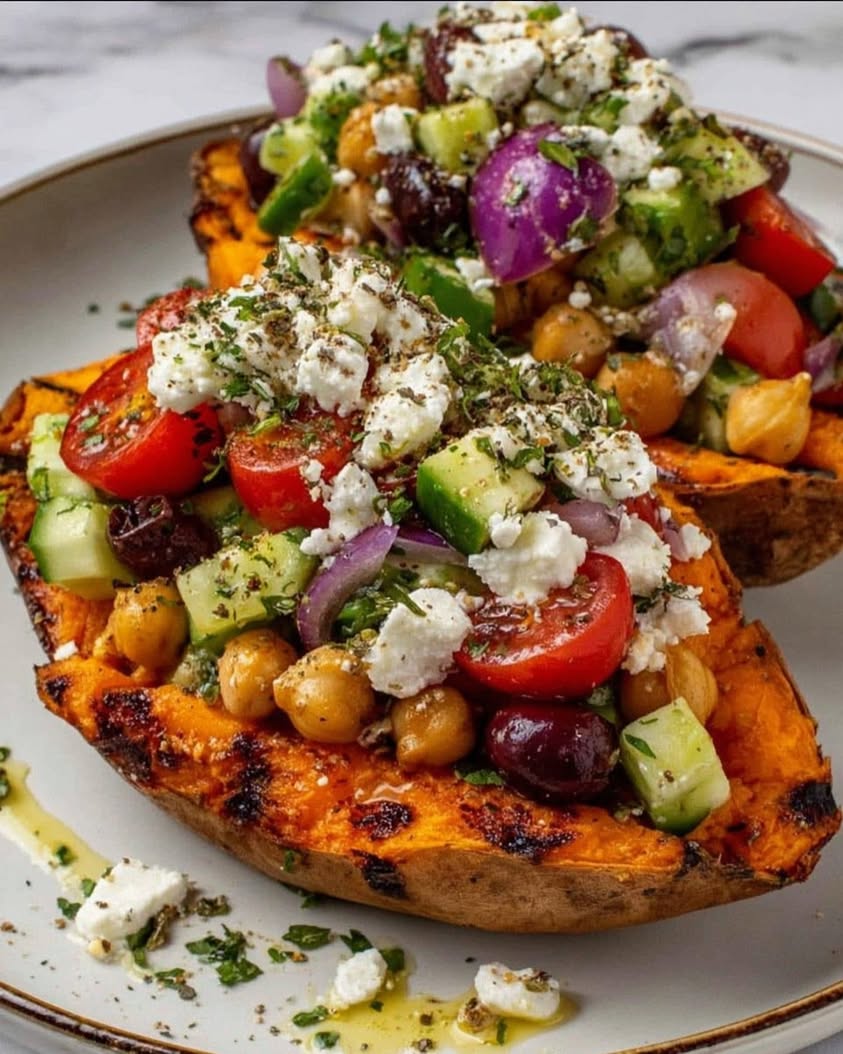
Mediterranean Sweet Potato Boats: A Flavorful and Healthy Weeknight Feast
Imagine a dinner that is as beautiful as it is delicious, and furthermore, one that nourishes your body from the inside out. These Mediterranean Sweet Potato Boats deliver exactly that experience. Essentially, we take humble sweet potatoes and transform them into edible vessels. We then fill them with a vibrant, zesty chickpea salad that bursts with classic Mediterranean flavors. The result is a meal that feels both indulgent and incredibly wholesome.
This recipe for Mediterranean Sweet Potato Boats masterfully combines earthy, caramelized sweet potato with the bright, fresh notes of a lemony herb salad. Meanwhile, creamy feta cheese adds a salty tang that ties everything together. Consequently, every bite offers a delightful contrast of warm and cool, soft and crisp, sweet and savory. Ultimately, this dish proves that healthy eating does not require sacrificing flavor or satisfaction.
Additionally, these roasted sweet potato boats are incredibly versatile. You can serve them as a stunning vegetarian main course for dinner, or alternatively, prepare them for a special lunch. They are perfect for meal prep, and importantly, they please a crowd with minimal effort. Let’s dive into how you can create this stunning and simple dish in your own kitchen tonight.
Quick Recipe Highlights
- Flavor Profile: These Mediterranean Sweet Potato Boats offer a harmonious balance. You get the natural sweetness from the roasted potato, the bright acidity from fresh lemon juice, and the savory depth from herbs and feta. Ultimately, every component works together to create a complex and satisfying taste.
- Texture: The texture contrast is a key feature. The sweet potato flesh becomes incredibly soft and creamy, while the chickpea salad provides a satisfying crunch from cucumber and red onion. Additionally, the chickpeas themselves offer a pleasant, hearty bite.
- Aroma: As the sweet potatoes roast, your kitchen fills with a warm, caramelized scent. Then, when you prepare the salad, the fresh aromas of parsley, lemon, and garlic take over. The combined fragrance is unmistakably fresh and inviting.
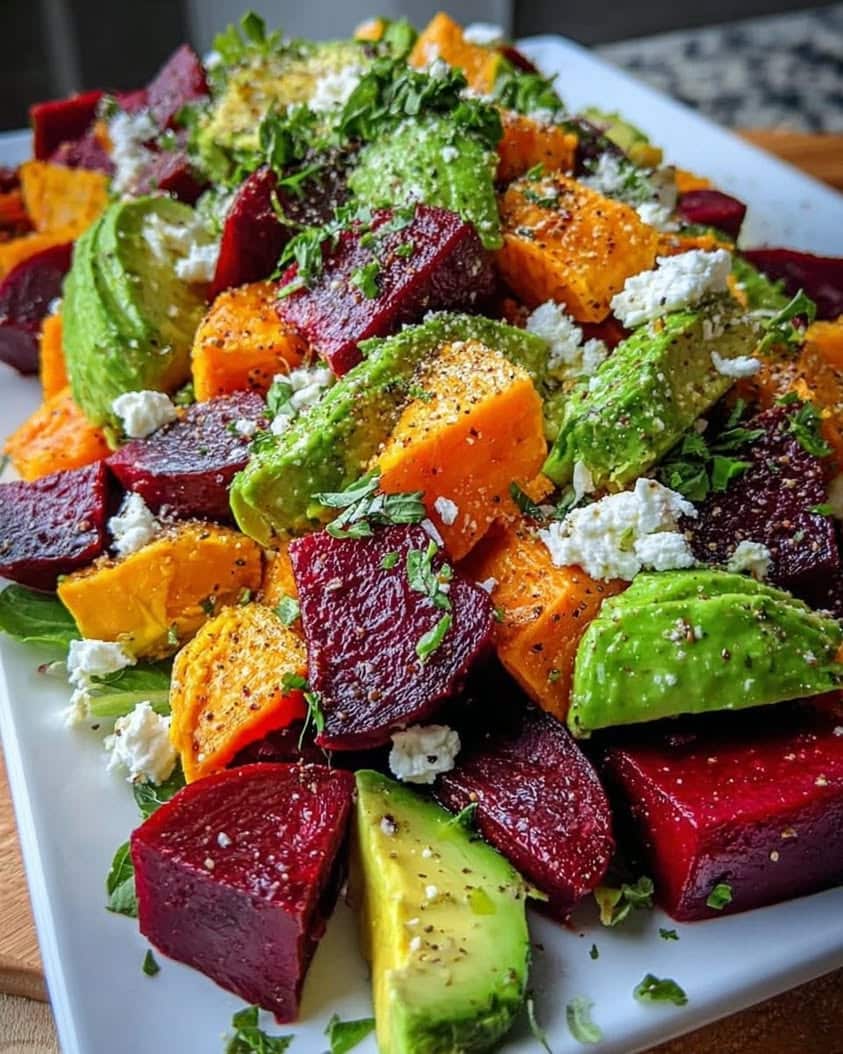
- Visual Appeal: This dish is a feast for the eyes. The vibrant orange potato boats act as a stunning canvas for the colorful salad filled with green parsley, red onion, and white feta. Presentation is effortless yet impressive.
- Skill Level Needed: This is a beginner-friendly recipe. You only need basic knife skills for chopping and the ability to roast vegetables. There is no complicated technique involved, making it accessible for any home cook.
- Special Equipment: You need a baking sheet and a medium mixing bowl. A sharp knife and cutting board are essential. Otherwise, no special tools are required, which makes these Mediterranean Sweet Potato Boats easy for anyone to prepare.
Recipe Overview
- Difficulty Level: We rate this recipe as easy. The steps are straightforward: roast, chop, mix, and assemble. There is no finicky technique or precise timing required beyond checking the potatoes for doneness. Even a novice cook can achieve excellent results on the first try.
- Category: This dish fits perfectly into several categories. It is a fantastic vegetarian main course, a hearty side dish, or a standout item for a potluck or buffet. Its flexibility makes it a valuable addition to your weekly recipe rotation.
- Cuisine: The inspiration is firmly rooted in Mediterranean cuisine. We use hallmark ingredients like chickpeas, olive oil, lemon, parsley, and feta cheese. These elements come together to create a flavor profile that is light, fresh, and health-focused, much like the diets of the Mediterranean region.
- Cost: This is a very budget-friendly meal. Sweet potatoes and canned chickpeas are inexpensive pantry staples. Fresh herbs, lemon, and vegetables like cucumber are also low-cost. Feta cheese is the only potential splurge, but you can control the amount you use.
- Season: While you can make these sweet potato boats year-round, they truly shine in the spring and summer. The fresh, cool salad is a wonderful contrast to warmer weather. However, the cozy roasted sweet potato also makes it comforting for fall and winter meals.
- Occasion: These boats are perfect for casual weeknight dinners, healthy meal prep, or even for entertaining. They look elegant on a plate and can be easily scaled up for a dinner party. They are also an excellent choice for a meatless Monday or a light lunch.
Why You’ll Love This Recipe
First and foremost, the taste and texture of these Mediterranean Sweet Potato Boats are utterly irresistible. The natural caramelized sweetness of the roasted potato pairs magically with the bright, lemony chickpea salad. Then, the salty, creamy feta cheese adds the perfect finishing touch. Every forkful delivers a symphony of contrasting flavors and textures that will keep you coming back for more. This dish satisfies cravings for something both hearty and refreshing, all in one beautiful package.
From a convenience standpoint, this recipe is a true winner. You can prepare the components ahead of time, making assembly a breeze when you are ready to eat. The active hands-on time is minimal; most of the work happens while the sweet potatoes roast quietly in the oven. Consequently, you can multitask or relax. This makes Mediterranean Sweet Potato Boats an ideal solution for busy weeknights when you want a nutritious meal without spending hours in the kitchen.
Nutritionally, this dish is a powerhouse. Sweet potatoes are loaded with beta-carotene, fiber, and vitamins. Chickpeas provide plant-based protein and more fiber, promoting fullness and stable energy. The olive oil and fresh vegetables contribute healthy fats and antioxidants. Together, they create a balanced meal that supports overall health. You are nourishing your body with whole, real ingredients that taste fantastic, which is the best kind of healthy eating.
For social gatherings, these boats are a fantastic choice. They are naturally gluten-free and vegetarian, accommodating many dietary preferences with ease. Their stunning presentation always impresses guests, making them think you spent far more effort than you actually did. You can easily double or triple the recipe for a crowd. Serving these Mediterranean Sweet Potato Boats at a party or potluck guarantees they will be a conversation starter and a quickly disappearing favorite.
Finally, this recipe is incredibly cost-effective and accessible. The ingredients are simple, affordable, and easy to find at any standard grocery store. You likely have many of them in your pantry already. There is no need for expensive or exotic items. This accessibility means you can enjoy a restaurant-quality, healthy meal without straining your budget. It is a testament to how delicious food can be when you focus on quality, simple ingredients prepared well.
Historical Background and Cultural Significance
The concept of using vegetables as edible containers has deep roots across many cultures. In the Mediterranean region, stuffed vegetables like peppers, tomatoes, and eggplants are a culinary cornerstone. Dishes like Greek “gemista” showcase this tradition beautifully. Our Mediterranean Sweet Potato Boats are a modern, health-conscious twist on this ancient practice. While sweet potatoes are not native to the Mediterranean basin, their introduction and subsequent cultivation have allowed them to be incorporated into contemporary interpretations of classic cuisine.
The cultural significance lies in the combination of ingredients that define the Mediterranean diet. This pattern of eating, recognized by UNESCO as an intangible cultural heritage, emphasizes plant-based foods, healthy fats, and communal eating. The chickpea salad in our boats features olive oil, lemon, and herbs—all quintessential elements. By combining these with the nutrient-dense sweet potato, we honor the diet’s principles of balance, freshness, and wholesomeness. It is a fusion that respects tradition while embracing global ingredients.
The recipe has evolved significantly with the globalization of food. Originally, stuffings would have relied on local grains, legumes, and herbs. The use of canned chickpeas is a modern convenience that makes the dish accessible worldwide. Similarly, the sweet potato’s rise in popularity as a superfood has propelled it into recipes far beyond its historical uses. This evolution shows how cuisine is dynamic, constantly adapting to new ingredients, nutritional understanding, and time constraints while retaining its soul.
Regional variations of this concept are endless. In the Eastern Mediterranean, you might find a stuffing with bulgur wheat and pine nuts. In Italy, a filling with cannellini beans and rosemary could be used. Our version uses parsley and lemon for a bright, Greek-inspired flavor profile. You could easily adapt it with cilantro and cumin for a Middle Eastern twist, or with basil and sun-dried tomatoes for an Italian feel. This adaptability is the hallmark of a great foundational recipe.
Ingredient Deep Dive
Sweet Potatoes: Sweet potatoes are native to Central and South America and have a rich history dating back thousands of years. They are a fantastic source of beta-carotene, which the body converts to vitamin A, crucial for vision and immunity. They also provide a good amount of fiber, vitamin C, and potassium. When selecting sweet potatoes, look for firm specimens with smooth, unblemished skin. Avoid any with soft spots or signs of sprouting. Store them in a cool, dark, well-ventilated place—not in the refrigerator, as cold temperatures can alter their texture and flavor.
Chickpeas (Garbanzo Beans): Chickpeas are one of the earliest cultivated legumes, with origins in the Middle East over 7,000 years ago. They are a staple in Mediterranean, Middle Eastern, and Indian cuisines. Nutritionally, they are a powerhouse of plant-based protein and fiber, which aid in digestion and promote satiety. They also contain iron, folate, and phosphorus. For this recipe, canned chickpeas are perfectly convenient. Be sure to rinse and drain them thoroughly to remove the excess sodium and the starchy liquid. For a from-scratch option, you can cook dried chickpeas, which is more economical and allows you to control the texture.
Feta Cheese: Feta is a brined curd cheese with a protected designation of origin (PDO) in Greece, meaning authentic feta must come from specific regions and be made primarily from sheep’s milk, sometimes with goat’s milk. It has a crumbly texture and a tangy, salty flavor that is irreplaceable. Feta provides calcium and protein. For the best flavor, seek out authentic Greek feta in brine. If you need a dairy-free version, a firm tofu crumbled with lemon juice and salt, or a commercial vegan feta, can work as a substitute, though the flavor profile will differ.
Fresh Parsley: Flat-leaf (Italian) parsley is preferred in this recipe for its more robust flavor compared to the curly variety. Parsley has been used since ancient times, both as a garnish and for its medicinal properties. It is rich in vitamins K, C, and A, and contains antioxidants. When choosing parsley, look for vibrant green, crisp bunches without wilting or yellowing. To store, trim the stems, place the bunch in a glass of water (like flowers), cover loosely with a plastic bag, and refrigerate. This keeps it fresh for over a week.
Extra Virgin Olive Oil: The foundation of Mediterranean cooking, extra virgin olive oil (EVOO) is the highest quality, extracted mechanically without heat or chemicals. It contains heart-healthy monounsaturated fats and antioxidants. Its flavor is fruity, peppery, and complex. For dressings and finishing dishes like this salad, a good-quality EVOO is worth the investment. Store it in a cool, dark place away from the stove to prevent it from becoming rancid. Avoid using “light” olive oil, which is refined and lacks the characteristic flavor needed for this dish.
Common Mistakes to Avoid
- Underseasoning the Sweet Potatoes: Many people just oil the potatoes before roasting. However, you must season them generously with salt and pepper. The potato flesh itself needs seasoning to bring out its natural sweetness and to provide a flavor base for the entire dish. Do not be shy with the salt.
- Overcrowding the Baking Sheet: Placing the potato halves too close together on the pan will cause them to steam rather than roast. For proper caramelization and that desirable crispy skin, ensure there is at least an inch of space between each piece. Use a large enough baking sheet or roast in batches if necessary.
- Not Rinsing the Canned Chickpeas: The liquid in canned chickpeas, called aquafaba, is starchy and can make your salad taste muddy and look cloudy. Always drain the can and rinse the chickpeas thoroughly under cold water in a colander. This step instantly freshens their flavor and improves the salad’s texture.
- Chopping Ingredients Too Large: The chickpea salad is meant to be a cohesive filling. If you chop the cucumber, onion, and parsley into very large pieces, they will not mix well and will fall out of the potato boat. Aim for a small, uniform dice so every bite gets a bit of everything.
- Adding the Feta Too Early: If you mix the crumbled feta into the salad ahead of time, it will begin to dissolve and turn the salad pink and mushy from the moisture and acid. For the best texture and appearance, fold the feta in gently just before assembling the boats, or simply crumble it on top as a garnish.
- Skipping the Resting Time for the Salad: After mixing the chickpea salad, let it sit for at least 10-15 minutes. This allows the flavors to meld and the vegetables to slightly soften in the lemon-olive oil dressing. The difference in taste between a just-mixed salad and one that has rested is significant.
- Using Dried Herbs Instead of Fresh: The bright, clean flavor of fresh parsley is non-negotiable in this recipe. Dried parsley will taste like hay and provide no vibrancy. If you do not have parsley, fresh cilantro, dill, or mint would be better substitutes than any dried herb.
- Forgetting to Score the Potato Flesh: Before loading the salad, use a fork to gently fluff and score the cooked sweet potato flesh. This creates little crevices for the dressing from the salad to seep into, making the potato itself more flavorful and easier to eat.
Essential Techniques
Roasting for Caramelization: Roasting is the key technique for developing the sweet potato’s deep, rich flavor. The high, dry heat of the oven concentrates the potato’s natural sugars, creating caramelized edges and a tender, creamy interior. To master this, ensure your oven is fully preheated and use a rimmed baking sheet lined with parchment paper for easy cleanup. The visual cue for success is fork-tender flesh and slightly puckered, browned skin. A common pitfall is removing the potatoes too early; they should offer no resistance when pierced.
Creating an Emulsified Dressing: While simple, the lemon-olive oil dressing needs to be properly combined. Instead of just drizzling oil and lemon juice separately over the salad, whisk them together vigorously in a separate bowl first with the salt, pepper, and minced garlic. This temporary emulsion ensures the flavors are evenly distributed and coat every ingredient beautifully. The cue for a good emulsion is a slightly thickened, unified mixture that does not immediately separate. If you add the ingredients separately, you risk unevenly dressed salad.
Fluffing the Potato Flesh: This small but crucial step transforms the potato from a simple vessel into an integrated part of the dish. After roasting, let the potatoes cool just enough to handle. Then, use a fork to gently scrape and fluff the flesh, creating a textured, mashed-like surface inside the skin. This technique allows the chickpea salad and its dressing to mingle with the potato, ensuring every bite is cohesive and flavorful. Be careful not to tear through the skin, which acts as your edible bowl.
Pro Tips for Perfect Mediterranean Sweet Potato Boats
Choose sweet potatoes that are similar in size and shape to ensure they roast evenly at the same time. Oval, medium-sized potatoes are ideal for creating stable, generous boats. Additionally, pat the potato halves completely dry with a paper towel after cutting and before oiling. This removes surface moisture and helps the skin get perfectly crisp in the oven.
For an extra flavor boost, consider adding a pinch of smoked paprika or cumin to the olive oil you brush on the sweet potatoes before roasting. These warm spices complement the natural sweetness beautifully and add another layer of Mediterranean flair. Just a quarter teaspoon per potato half is enough to make a noticeable difference.
Let the roasted sweet potatoes cool for 5-10 minutes before assembling. This prevents the heat from wilting the fresh herbs in the chickpea salad. A warm potato is perfect, but a scalding hot one will cause the parsley to lose its vibrant color and crisp texture. The slight cooling period is the perfect time to prepare the salad.
To maximize flavor, gently warm the rinsed chickpeas in a dry skillet for 2-3 minutes before adding them to the salad. This toasts them slightly, enhancing their nutty flavor and improving their texture. Be sure to let them cool to room temperature before mixing with the fresh vegetables to avoid cooking them.
If you have time, salt the diced cucumber and red onion lightly and let them drain in a colander for 10 minutes. This process, called “sweating,” draws out excess water, preventing the salad from becoming watery and diluting the dressing. Rinse quickly and pat dry before adding to the other ingredients.
For a creamier salad without adding dairy, mash a tablespoon or two of the chickpeas with the back of a fork before mixing them in with the whole ones. This creates a natural, thick binder that helps the salad hold together better when you pile it into the potato boats.
Always taste and adjust the seasoning of the chickpea salad after it has rested. The flavors will develop and meld, and you may find it needs another pinch of salt, a squeeze of lemon, or a drizzle of oil. Seasoning to taste at the end is the final step to a perfectly balanced dish.
Variations and Adaptations
For regional variations, consider the flavors of different Mediterranean coasts. A Moroccan-inspired version could include chickpeas tossed with chopped dried apricots, toasted almonds, and a dressing of lemon, olive oil, and a dash of cinnamon and cumin. An Italian variation might feature a salad of cannellini beans, sun-dried tomatoes, fresh basil, and a balsamic glaze drizzle instead of feta.
Seasonal adaptations are simple and effective. In summer, add diced ripe tomatoes or fresh corn to the chickpea salad. For fall, incorporate roasted Brussels sprout halves or diced roasted squash alongside or in place of the cucumber. In winter, add segments of orange or grapefruit for a bright, citrusy burst that cuts through the richness.
Dietary modifications are straightforward. For a vegan version, omit the feta or use a commercial vegan alternative. A tofu “feta” made with crumbled extra-firm tofu, lemon juice, nutritional yeast, and salt works well. To make it nut-free, ensure no cross-contamination and avoid nut-based vegan cheeses. For a higher-protein version, add a can of drained tuna or flaked cooked salmon to the chickpea salad.
Flavor variations can keep this recipe exciting. Add a tablespoon of chopped Kalamata olives or capers to the salad for a briny punch. Stir in a spoonful of harissa paste or red pepper flakes to the dressing for heat. Fresh herbs like dill, mint, or cilantro can replace or join the parsley for a completely different aromatic profile.
Texture modifications can cater to personal preference. For more crunch, add toasted pine nuts, pepitas, or sunflower seeds. For a creamier element, add a dollop of plain Greek yogurt or tahini to the dressing. If you prefer a smoother experience, you can partially mash the chickpea salad before filling the boats.
Presentation alternatives offer fun twists. Instead of serving as half-boats, you can cube the roasted sweet potato and toss it directly with the chickpea salad for a hearty grain-free “bowl.” For appetizers, use smaller sweet potatoes or even sweet potato rounds as a base, topping them with a small spoonful of the salad for a passed hors d’oeuvre.
Serving and Presentation Guide
Plating these boats is part of their appeal. Place each sweet potato half on an individual plate or arrange them on a large serving platter. Use a large spoon to generously mound the chickpea salad into the cavity, letting it spill over the sides slightly. The key is to make it look abundant and inviting. For a tidy presentation, you can place a small bed of baby arugula or spinach on the plate first, then set the potato boat on top.
Garnishing adds the final touch of elegance. Beyond the crumbled feta, a final drizzle of high-quality extra virgin olive oil over the assembled boats adds shine. A sprinkle of sumac, za’atar, or smoked paprika on top provides color and an extra layer of flavor. A few whole parsley leaves or a lemon wedge on the side completes the picture beautifully.
Traditional accompaniments might include a simple side of olives, marinated artichoke hearts, or a dollop of tzatziki or hummus. A crusty whole-grain baguette or warm pita bread is perfect for scooping up any leftover salad that falls onto the plate. These sides round out the meal in a truly Mediterranean style.
Modern serving suggestions include turning this into a “build-your-own” bar for a casual dinner party. Set out the roasted potato halves, the big bowl of chickpea salad, and small bowls of additional toppings like extra feta, nuts, seeds, and herbs. Let guests assemble their own creations, which is interactive and fun.
Temperature considerations are important. The dish is best served with the sweet potatoes still warm or at room temperature and the salad cool or at room temperature. Avoid serving the potatoes cold from the refrigerator, as their texture becomes denser and less appealing. If you made components ahead, briefly re-warm the potatoes in a 300°F oven for 10 minutes before assembling.
Portion control is easy with this recipe, as each potato half is a natural serving. For larger appetites or as a standalone meal, serve one whole sweet potato (two halves) per person. For a lighter lunch or as part of a larger spread with other dishes, one half per person is sufficient. The recipe scales perfectly to your needs.
Wine and Beverage Pairing
Wine pairings for these Mediterranean Sweet Potato Boats should complement the dish’s bright acidity and earthy sweetness. A crisp, dry white wine like a Greek Assyrtiko, a Sauvignon Blanc, or a Pinot Grigio works wonderfully. Their citrus notes mirror the lemon in the salad and cut through the richness of the olive oil and feta. For a red option, choose a light-bodied, low-tannin wine like a Beaujolais or a Pinot Noir, which will not overpower the vegetables.
Non-alcoholic alternatives can be just as sophisticated. A sparkling lemonade or limeade provides refreshing acidity. For something more complex, try an herbal iced tea infused with mint or rosemary. A cucumber-mint spa water is also a light and hydrating choice that echoes the fresh ingredients in the salad itself.
While not a traditional coffee dish, if serving these for lunch, a light roast coffee or a cup of herbal tea like chamomile or lemon verbena would be a pleasant finish. The key is to avoid anything too heavy or overly sweet that would clash with the meal’s clean, vibrant flavors.
Temperature is crucial for beverages. Serve white wines and non-alcoholic sparklers well-chilled. Iced teas and waters should be cold with plenty of ice. This contrast of cool drinks with the warm, savory-sweet potatoes creates a delightful sensory experience. Always offer drinks in clear glassware to showcase their color, complementing the vibrant food presentation.
General serving suggestions include setting the table with simple, rustic decor to match the Mediterranean vibe. A pitcher of infused water or a bottle of wine placed on the table encourages guests to help themselves, making the meal feel relaxed and communal. The goal is to enhance the overall experience of fresh, shared food.
Storage and Shelf Life
Store the components separately for best results. Keep unused roasted sweet potato halves in an airtight container in the refrigerator for up to 4 days. The chickpea salad (without feta mixed in) can be stored in a separate container for 3-4 days. The feta should be stored in its original brine or wrapped tightly. This separation prevents the potatoes from getting soggy and the salad from becoming watery.
Temperature requirements are standard refrigerator temperatures, at or below 40°F. Do not leave assembled boats at room temperature for more than two hours. If you are packing a lunch, assemble it in the morning and use an ice pack in an insulated bag to keep it cool until lunchtime.
Container recommendations are key. Use glass or BPA-free plastic containers with tight-fitting lids. For the potato halves, a single layer is best to prevent sticking and smushing. If you must stack them, place a piece of parchment paper between layers. For the salad, a wider, shallow container is better than a deep one, as it allows for more even cooling and easier stirring when you retrieve it.
Signs of spoilage include an off or sour smell, visible mold (especially on the feta or moist vegetables), or a slimy texture on the sweet potato or chickpeas. If the salad becomes excessively watery or the colors dull significantly, it is past its prime. When in doubt, throw it out.
Reheating instructions are simple for the potatoes. Reheat them in a 350°F oven for 10-15 minutes until warmed through, or use the air fryer for about 5 minutes. Avoid the microwave if possible, as it can make the skin rubbery and the flesh unevenly hot. The chickpea salad is best served cold or at room temperature and should not be reheated.
Freezing is not recommended for the assembled boats or the salad, as the fresh vegetables and cucumber will become mushy and waterlogged upon thawing. You can, however, freeze the roasted sweet potato halves successfully. Wrap each cooled half individually in plastic wrap and then place in a freezer bag. Thaw in the refrigerator overnight and reheat in the oven. The texture may be slightly softer but still acceptable.
Make Ahead Strategies
An efficient prep timeline can have this meal ready in minutes on a busy night. Up to two days ahead, wash and scrub the sweet potatoes. You can even cut them in half, rub them with oil and seasonings, and store them cut-side up on a tray covered in the fridge. The chickpea salad (minus the feta and fresh herbs) can be mixed and stored for 1-2 days. Chop the parsley and cucumber the day you plan to serve for maximum freshness.
Storage between steps is simple. Keep the pre-oiled sweet potato halves on a baking sheet covered with plastic wrap in the refrigerator. Store the pre-mixed salad base (chickpeas, onion, dressing) in one container. Keep the delicate fresh ingredients (parsley, cucumber) chopped and separate in their own small containers or bags. This compartmentalization preserves texture and flavor.
The quality impact of make-ahead steps is minimal if done correctly. Roasting the potatoes ahead may result in slightly less crisp skin upon reheating, but the flavor will still be excellent. Allowing the chickpea salad base to marinate actually improves the flavor as the chickpeas absorb the dressing. The key is to add the crisp, fresh elements just before serving to maintain their vitality.
Assembly tips for make-ahead meals: If you are prepping lunches, pack the cooled potato half and the chickpea salad (with feta mixed in at the last minute) in separate compartments of a bento-style container. Assemble just before eating to keep the potato skin from softening. For a dinner party, have all components ready in bowls, and assemble the boats on a platter just as guests arrive.
Reheating guidelines for pre-roasted potatoes are best done in a conventional oven or toaster oven at 375°F for about 10 minutes, or until hot. This method restores some of the skin’s crispness. You can also use an air fryer at 350°F for 5-7 minutes for a quick and effective reheat that mimics the original texture.
Fresh element additions are the final step. Always add the freshly chopped parsley, the crisp cucumber, and the crumbled feta at the very end of assembly, whether you prepped other parts ahead or not. This ensures the salad retains its bright color, crunchy texture, and the feta its distinct crumbly bite, making the dish taste freshly made.
Scaling Instructions
Halving the recipe is straightforward for a smaller household. Use two medium sweet potatoes (yielding four halves) and half a can of chickpeas. You can still use a whole lemon for the dressing if you prefer a tangier salad, or just use the juice of half a lemon. Adjust all other ingredients proportionally. The roasting time may be slightly less, so start checking for doneness at the 35-minute mark.
Doubling or tripling the recipe for a crowd is easy. Use multiple baking sheets, but remember not to overcrowd them—you may need to roast in batches or use two oven racks, rotating the sheets halfway through. For the salad, mix in a very large bowl. Consider using a whole 15-ounce can of chickpeas per four servings you are adding. Taste the dressing as you scale it up, as you may not need to double the acid and salt exactly.
Equipment adjustments are necessary when scaling up. Ensure you have enough baking sheet space. You may need to use your largest sheet pan or invest in a half-sheet pan for bigger batches. For mixing a large batch of salad, a very large stainless steel bowl or even a clean, dry salad spinner bowl works well. Have plenty of serving platters or plates ready.
Timing modifications are minimal when scaling. The sweet potatoes will roast in roughly the same amount of time regardless of batch size, as long as they are spaced properly. The only additional time is for prepping more vegetables. Give yourself an extra 10-15 minutes of prep time for each time you double the recipe to account for the increased chopping and mixing.
Storage considerations for large batches are important. If you have lots of leftovers, store the potatoes and salad separately in multiple containers to avoid a single, giant container that cools slowly. Prompt refrigeration is key to food safety when dealing with large quantities of food. Label containers with the date if you are preparing for a multi-day event.
Nutritional Deep Dive
The macro breakdown of one serving (one loaded sweet potato half) is well-balanced. You get a substantial amount of complex carbohydrates and fiber from the sweet potato and chickpeas, providing sustained energy. The dish contains a moderate amount of plant-based protein from the chickpeas and feta, and healthy fats primarily from the olive oil. This combination is excellent for blood sugar management and satiety, keeping you full for hours.
A micronutrient analysis reveals this meal is rich in vitamins A (from beta-carotene in the sweet potato), C (from lemon and parsley), and K (from parsley and olive oil). It provides important minerals like iron and magnesium from the chickpeas, and calcium from the feta cheese. The variety of colorful vegetables ensures a broad spectrum of antioxidants and phytonutrients that support cellular health and reduce inflammation.
The health benefits are extensive. The high fiber content promotes digestive health and feeds beneficial gut bacteria. The monounsaturated fats in olive oil support heart health. The antioxidants combat oxidative stress. The low glycemic index of sweet potatoes (when not overcooked) helps with insulin sensitivity. This dish is a prime example of food as medicine, supporting overall wellness in a delicious way.
Dietary considerations are largely positive. The recipe is naturally gluten-free. It is vegetarian and can be adapted to be vegan. It is also nut-free and soy-free in its base form. For those watching sodium, you can reduce the salt in the dressing and opt for low-sodium canned chickpeas and a lighter hand with the feta cheese.
Portion analysis shows that one boat is a satisfying single serving for a meal, typically ranging between 300-400 calories depending on the size of the potato and amount of oil and feta used. It is a nutrient-dense choice, meaning you get a high volume of food and nutrients for a moderate calorie count. This makes it excellent for weight management or maintenance.
Weight management tips include being mindful of the amount of olive oil and feta used, as these are the most calorie-dense components. You can reduce the oil by a teaspoon or two and still have a flavorful dressing. Loading up on the non-starchy vegetables in the salad (cucumber, onion, parsley) adds volume and fiber with minimal calories, helping you feel full and satisfied.
Dietary Adaptations
Gluten-free: This recipe is naturally gluten-free as written. Simply ensure that all packaged ingredients, like canned chickpeas, are certified gluten-free, as cross-contamination can sometimes occur in processing facilities. There are no hidden sources of gluten in the base ingredients.
Dairy-free/Vegan: To make these boats dairy-free and vegan, omit the feta cheese. For a similar salty, tangy element, make a tofu “feta” by crumbling extra-firm tofu and marinating it in lemon juice, a little white vinegar, salt, and dried oregano. Nutritional yeast can add a cheesy flavor. Alternatively, a sprinkle of Kalamata olives or capers can provide the salty punch.
Low-carb/Keto: This recipe is not naturally low-carb due to the sweet potatoes and chickpeas. For a keto adaptation, replace the sweet potato with a large, roasted portobello mushroom cap or a halved, roasted eggplant. Replace the chickpeas with chopped walnuts or pecans for crunch and healthy fat. Increase the olive oil and feta to meet higher fat macros.
Paleo: The main non-paleo ingredients are the chickpeas (a legume) and the feta (dairy). For a paleo version, replace the chickpea salad with a mixture Print
Mediterranean Sweet Potato Boats with Chickpea Salad & Feta
- Total Time: 45 minutes
- Yield: 4
Description
A vibrant and healthy dish featuring roasted sweet potato halves topped with a zesty Mediterranean chickpea salad, crumbled feta, and fresh herbs.
Ingredients
- 2 large sweet potatoes, scrubbed and halved lengthwise
- 1 (15 oz) can chickpeas, rinsed and drained
- 1 cup cherry tomatoes, halved
- 1/2 cucumber, diced
- 1/4 red onion, finely chopped
- 1/4 cup Kalamata olives, pitted and sliced
- 1/4 cup fresh parsley, chopped
- 2 tablespoons extra-virgin olive oil
- 1 tablespoon lemon juice
- 1 teaspoon dried oregano
- Salt and black pepper to taste
- 1/2 cup crumbled feta cheese
Instructions
- Preheat oven to 400°F (200°C). Place sweet potato halves cut-side up on a baking sheet, drizzle with 1 tablespoon olive oil, and season with salt and pepper. Roast for 25-30 minutes until tender.
- In a medium bowl, combine chickpeas, cherry tomatoes, cucumber, red onion, olives, and parsley.
- Whisk together remaining olive oil, lemon juice, oregano, salt, and pepper in a small bowl. Pour over the chickpea mixture and toss to coat.
- Once sweet potatoes are roasted, let cool slightly. Use a fork to gently fluff the flesh.
- Spoon the chickpea salad evenly over each sweet potato half. Top with crumbled feta and additional parsley if desired. Serve warm.
Notes
You can customize the seasonings to taste.
- Prep Time: 15 minutes
- Cook Time: 30 minutes
- Method: Main
- Cuisine: Mediterranean